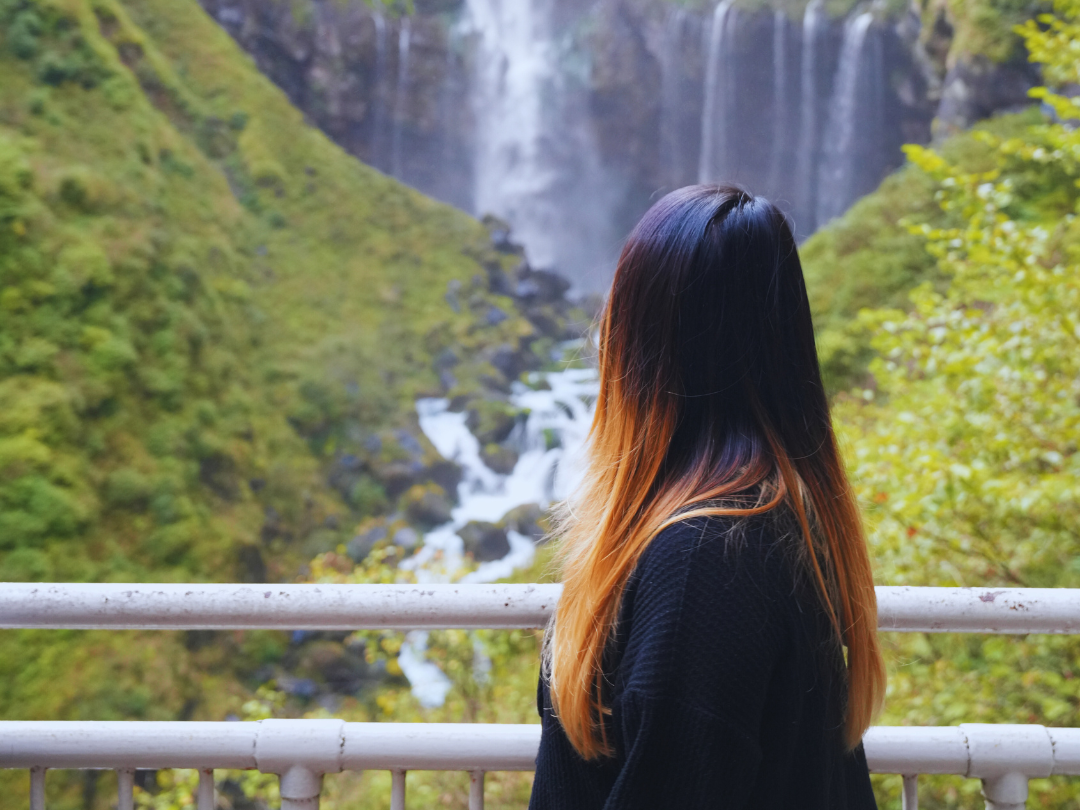

You’ve almost certainly seen the photos. That stunning, gold-leaf Toshogu Shrine under a forest of giant cedar trees, or the breathtaking 97-metre drop of Kegon Falls. Nikko is, without a doubt, one of the most popular and rewarding day trips you can take from Tokyo.
The even better news? There are special discount passes to help you explore it all without spending a fortune on separate train and bus tickets.
But this is where you need to be smart. You’ll find two main options: the ‘Nikko Pass All Area’ and the ‘Nikko Pass World Heritage Area’. They sound almost identical, but they are built for two completely different trips. We’ve seen travellers choose the wrong one, and it means either wasting money on features they never used, or getting hit with expensive bus fares they thought were included.
This guide will make the choice simple. We’ll break down exactly who each pass is for, what it covers, and which one our team recommends for the best value on your specific itinerary.
Before your trip, be sure to also check our full Nikko area guide and itinerary:
Let’s Plan Your Japan Trip Together
Just like with this Nikko Pass, knowing which choice is right for you is the key to a great trip. From picking the right neighbourhoods to booking the best local experiences, we’ll design a bespoke plan that skips the guesswork and lets you travel with confidence.
→ Start Building My Personalised Japan Itinerary
At a Glance: Nikko Pass All Area vs. World Heritage
The choice between these two passes boils down to one simple question: Are you just visiting the main shrine and temple town, or are you heading up the mountain to see the famous waterfalls and lakes? One pass covers the town, the other covers the entire national park. Here’s how they stack up side-by-side.
| Feature | Nikko Pass World Heritage Area | Nikko Pass All Area |
| Price (as of 2025) | ¥3,000 | ¥8,000 |
| Validity | 2 consecutive days | 4 consecutive days |
| Round-trip Train | Included (From Tobu-Asakusa) | Included (From Tobu-Asakusa) |
| Limited Express Fee | NOT Included (Must pay extra) | NOT Included (Must pay extra) |
| Key Bus Coverage | Shrines & Temples ONLY | All Areas (Shrines, Lake Chuzenji, Kegon Falls, Yumoto Onsen) |
| Other Inclusions | Local discounts | Local discounts + Akechidaira Ropeway + Lake Chuzenji Cruise |
| Who We Recommend It For | The 1-2 day visitor focused only on the main World Heritage shrine area. | The 3-4 day visitor who wants to explore the entire national park, including the mountains and onsen. |
Now that you’ve got the quick overview, let’s look at each pass in detail.
NIKKO PASS World Heritage Area Explained

This is the pass most people think of when they plan a quick trip to Nikko. We recommend this one for travellers who are short on time (1-2 days) and want to focus only on the famous UNESCO World Heritage shrines and temples in the main town. It’s built for efficiency, not for deep exploration.
Price & Validity
As of 2025, the pass costs ¥3,000 for adults and ¥1,500 for children aged 6 to 11. Your ticket is valid for 2 consecutive calendar days, starting from the day you first use it.
What’s Included?
Your pass covers the main transport you’ll need for a town-centric trip. This includes one round-trip train journey from Tobu Asakusa Station in Tokyo to Shimo-Imaichi Station, which is the main gateway to the Nikko area.
Once you’re there, the pass gives you unlimited travel on Tobu trains within the designated Nikko zone, so you can easily hop between Tobu-Nikko, Shimo-Imaichi, and Shin-Fujiwara. It also gives you unlimited rides on the Tobu “World Heritage Sightseeing Bus,” which is the convenient loop bus that circles all the main shrines and temples.
As a bonus, you’ll also get discounts on admission to theme parks like EDO WONDERLAND and Tobu World Square, and at various local shops.
What’s NOT Included
This is the most important part, and it’s where we see many travellers make a mistake. You must understand that this pass does not cover the bus route up the mountain.
If your main goal is to see the famous Kegon Falls, Lake Chuzenji, or ride the Akechidaira Ropeway, the bus fare to get there is not included. Paying for that bus separately is very expensive; a single round-trip ticket from Nikko Station to the Chuzenji Onsen area (where the falls are) costs around ¥2,500. If those natural sights are on your “must-do” list, this pass is not the right choice for you.
NIKKO PASS All Area Explained

This is the “full access” pass, designed for travellers who want to see everything Nikko has to offer, from the sacred shrines to the highest waterfalls and hot springs. We recommend this for a multi-day stay (2-4 days) where you plan to explore the entire national park.
Price & Validity
As of 2025, the NIKKO PASS All Area costs ¥8,000 for adults and ¥4,000 for children (ages 6-11). It is valid for 4 consecutive calendar days, giving you plenty of time to explore without rushing.
What’s Included? (It’s a lot!)
The train inclusions are the same as the World Heritage Pass: you get one round-trip from Tobu Asakusa Station and unlimited rides on the local Tobu trains within the Nikko and Kinugawa Onsen area.
The key difference, and the reason for the price, is the bus access. This pass includes unlimited rides on all the buses from the World Heritage pass, PLUS all the expensive, scenic bus routes that go up the mountain.
This covers your travel to Lake Chuzenji, Kegon Falls, and all the way to Yumoto Onsen, the remote and beautiful hot spring town at the very end of the line.
Bonus Inclusions
On top of the extensive bus and train network, the All Area pass also includes two fantastic bonuses. You get one free ride on the Lake Chuzenji sightseeing cruise, which is a wonderful way to see the lake and surrounding mountains. You also get a free round-trip ride on the Akechidaira Ropeway, which offers one of the most famous panoramic views in all of Japan.
We highly recommend you check the official ropeway website before you go, as it briefly closes for annual maintenance, (usually for two weeks in early March). The standard discounts at theme parks and local shops are also included.
Nikko Pass All Area vs. World Heritage: Which Pass to Choose
The pass you buy should depend entirely on your itinerary. Here is how we break it down for our clients, based on a few common scenarios.
When to Choose the WORLD HERITAGE AREA Pass.
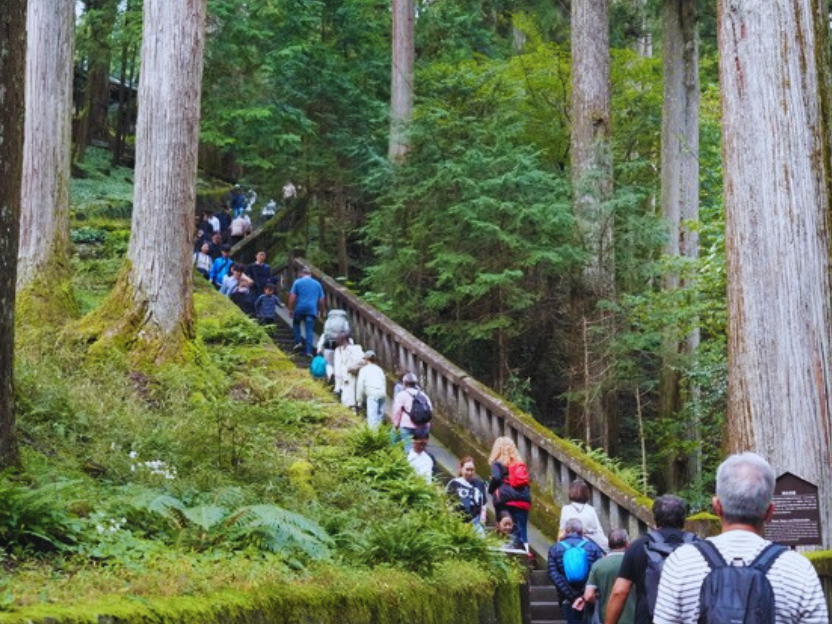
You should buy this pass if you are on a short day trip (or a quick 2-day trip) from Tokyo and your only goal is to see the main UNESCO shrines and temples like Toshogu and Rinnoji. If you have no plans to go up the winding mountain road to the lake or waterfalls, this pass is for you.
Is it worth it? Yes, absolutely. As of 2025, a standard round-trip train ticket on the local/express Tobu line from Asakusa costs about ¥2,800. The pass is only ¥3,000 and it also includes the unlimited local bus rides around the heritage area, which saves you from a very long, steep walk. It’s an easy decision.
When to Choose the ALL AREA Pass
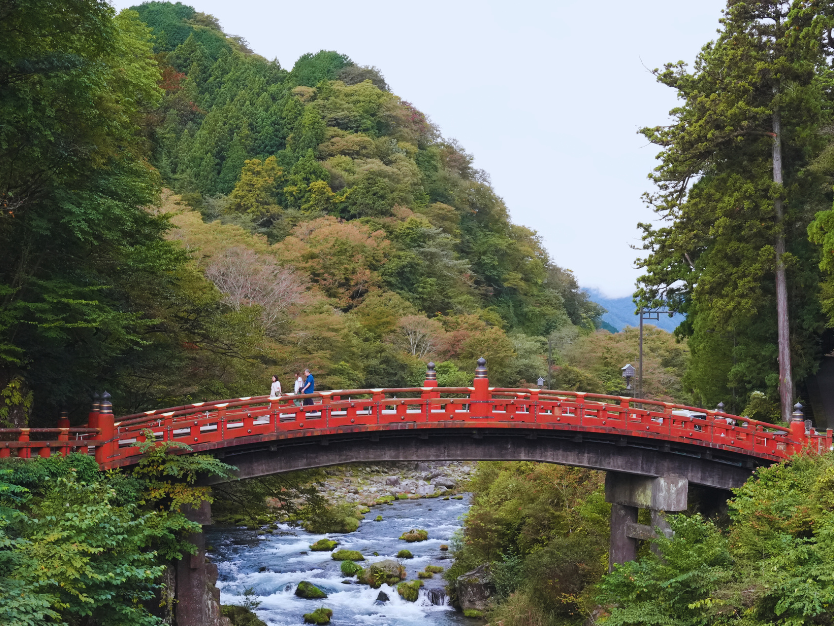
You should buy this pass if you want to see Lake Chuzenji or Kegon Falls, if you are staying in Nikko for more than one day, or if you are staying overnight in the Chuzenji Onsen or Yumoto Onsen areas. This is also the correct choice if you plan to ride the Akechidaira Ropeway or take the Lake Chuzenji sightseeing cruise.
Is it worth it? Yes, if you plan to go up the mountain, this pass is a massive win. A single round-trip bus ticket from Nikko Station to Lake Chuzenji (where the falls are) costs about ¥2,500 on its own. If you are already going to the lake, the All Area Pass becomes the obvious financial choice, not to mention it includes the ropeway and lake cruise for free.
Want This Kind of Expert Advice for Your Other Days in Japan?

Planning every day of your Japan trip with this much detail can be exhausting. We’ve done the work for you. Our self-guided 1-day itineraries are packed with the same “been there, done that” advice, highlighting the best spots and hidden gems. Just download the PDF to your phone and go.
→ Get Your Instant Itinerary Here
How to Buy and Use Your Nikko Pass
Step 1: Buying Your Pass
We strongly recommend buying your pass online in advance. It’s the easiest way and lets you skip the ticket counter queues at the station. You can purchase the official digital pass from the Tobu website or from official partners like Klook.
If you prefer a physical ticket, or you’re buying at the last minute, you can purchase one in person. The main sales point is the Tobu Tourist Information Centre at Asakusa Station. We’d only recommend this if you have extra time, as this is a popular station and you may have to wait in line.
Step 2: Using Your Pass
Using the pass is simple, but it has one quirk you need to know. At the train station (like Tobu Asakusa), you do not use the regular automated ticket gates. Whether you have a digital QR code or a physical ticket, you must go to the manned station gate (usually next to the ticket office) and show your pass to the station staff. They will check the date and wave you through.
For the buses in Nikko, it’s even easier. You just show your pass to the bus driver when you are getting off the bus. The driver will look at the date on your pass, give you a nod, and you’ll be on your way.
Important! What’s NOT Covered by EITHER Pass?
This is where we see most travellers get confused, so we want to be very clear. Your pass is a fantastic value, but it does not cover these three specific things.
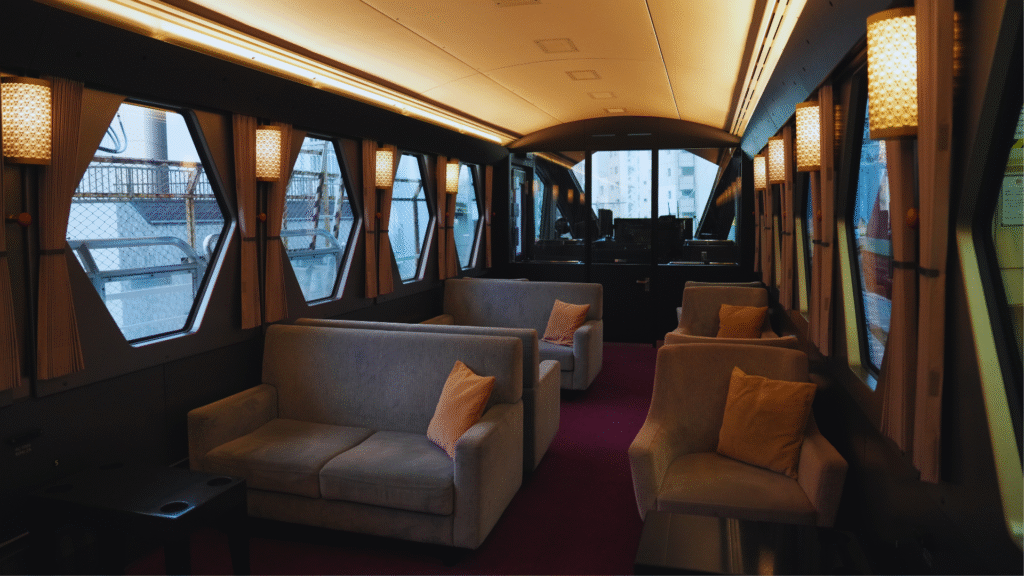
First, the Limited Express “Spacia” Surcharge. This is the number one point of confusion. Your Nikko Pass covers your base train fare. To ride the fast, comfortable, and direct “Spacia” or “Revaty” express trains (which we highly recommend to save time), you must pay a separate limited express fee. This surcharge is approximately ¥1,650 to ¥1,940 each way, and it is paid in addition to your pass.
Second, your pass does not include shrine and temple admission fees. The pass gets you to Nikko, but it is not an entry ticket. You will still need to purchase your own tickets to enter the grounds of Toshogu Shrine, Rinnoji Temple, and other paid sights.
Finally, as we’ve mentioned, these passes are for the Tobu Railway network only, starting from Asakusa. They do not, under any circumstances, work on JR trains or from JR stations like Tokyo Station or Shinjuku.
Experience Japan, Not Just See It
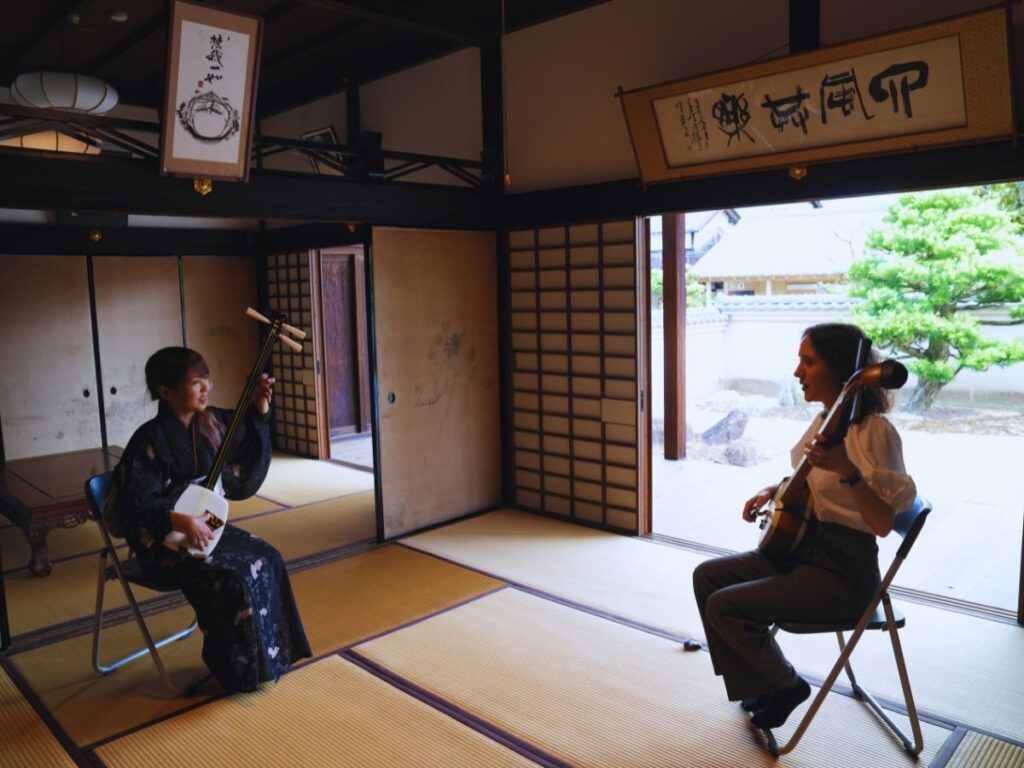
A pass gets you to the station, but it’s the experiences that make a trip unforgettable. To really connect with Japan, nothing beats trying it first-hand. We’ll help you find and book authentic cultural experiences, from a tea ceremony to a local craft workshop, that you’ll remember long after you’re home.
→ Explore Authentic Cultural Experiences in Japan
Nikko Pass FAQs
Can I use the pass to travel from Shinjuku?
No. These passes are for the Tobu Railway, which departs from Asakusa Station. If you are staying in Shinjuku, we recommend looking at the JR Tokyo Wide Pass. It covers the direct JR/Tobu express trains from Shinjuku Station to Nikko and is a great alternative.
Can I buy the pass if I am a foreign resident of Japan?
Yes. Unlike the national Japan Rail Pass (which requires a “Temporary Visitor” visa), the Nikko Passes are sold to anyone holding a non-Japanese passport. This means foreign residents, students, and workers are all eligible to purchase them.
Do I have to pay extra for the “Spacia” train?
Yes. We get this question a lot. The pass covers your base fare only. To ride the fast, comfortable “Spacia” or “Revaty” limited express trains, you must pay a separate surcharge, which is about ¥1,650 to ¥1,940 each way. We think it’s well worth it to save time.
Is the bus to Lake Chuzenji really not covered by the World Heritage Pass?
We cannot stress this enough: NO. That bus is not included. If you take the World Heritage Pass and get on that bus, you will pay the full, expensive fare. You must buy the All Area Pass if you plan to go up the mountain to the lake or Kegon Falls.
Does the pass include my admission to Toshogu Shrine?
No, it does not. The passes are for transportation to the sights, but they do not cover the entry tickets into the shrines, temples, or museums. You will need to buy those tickets separately when you arrive.
Can I use the pass on Monday and Wednesday, for example?
No. Both passes are for consecutive days only. The 2-day pass is valid for two days in a row (e.g., Monday and Tuesday), not for two separate days.