
Most people think of Tokyo or Kyoto when they plan a trip to Japan. But way up north, in the Tōhoku region, there’s a captivating destination that’s completely different: Akita Prefecture.
It’s Japan’s sixth-largest prefecture, a place famous for its serene landscapes, from lush green forests and majestic mountains to pristine lakes and hot springs. It’s the perfect spot for anyone who loves history, culture, and the outdoors. Visitors can immerse themselves in a rich tapestry of Japanese culture, with opportunities to experience traditional festivals, sample local delicacies, and explore ancient temples that tell the story of Japan’s storied past.
But because Akita offers such a rich blend of activities, figuring out a trip can be tough. It’s hard to know where to even begin. That’s exactly what this guide is for. We’ll break it all down for you: the best seasons to visit, the top experiences, must-try foods, and great places to stay.
Planning Your Akita Trip?
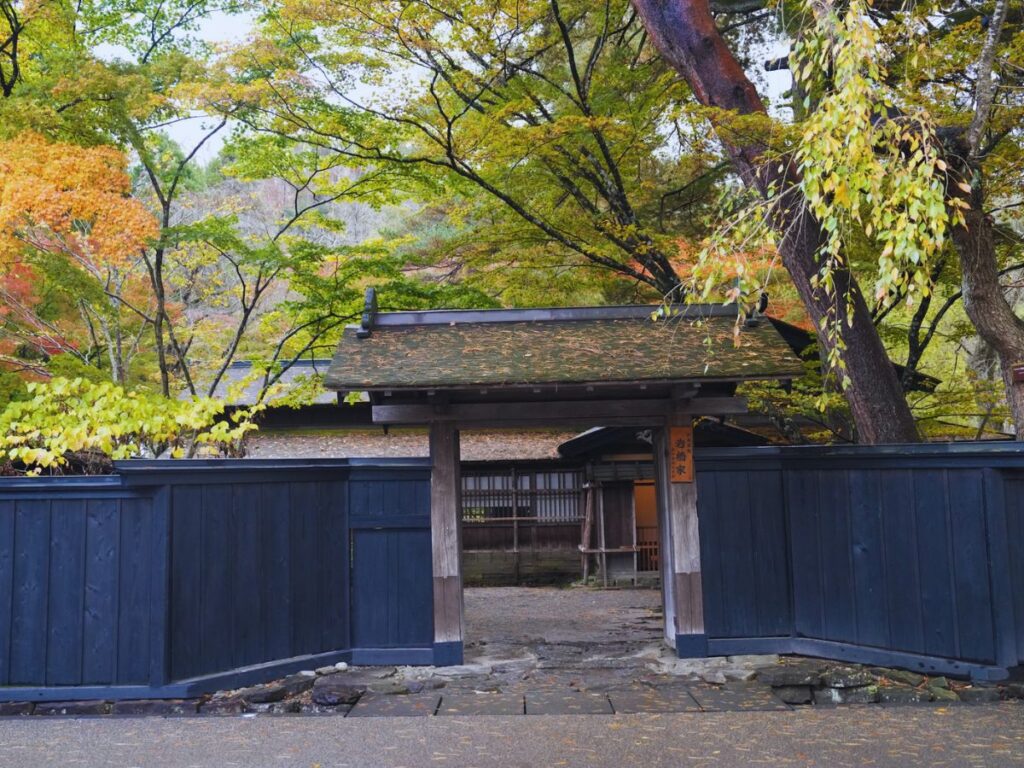
Thinking about visiting Akita but not sure where to begin? From the historic samurai homes of Kakunodate to the best Kiritanpo hotpot spots, we’ll put together a plan shaped around your interests and pace. You get the joy of travelling without the stress of endless research.
→ Start Building My Personalised Akita Itinerary
When is the Best Time to Visit Akita?
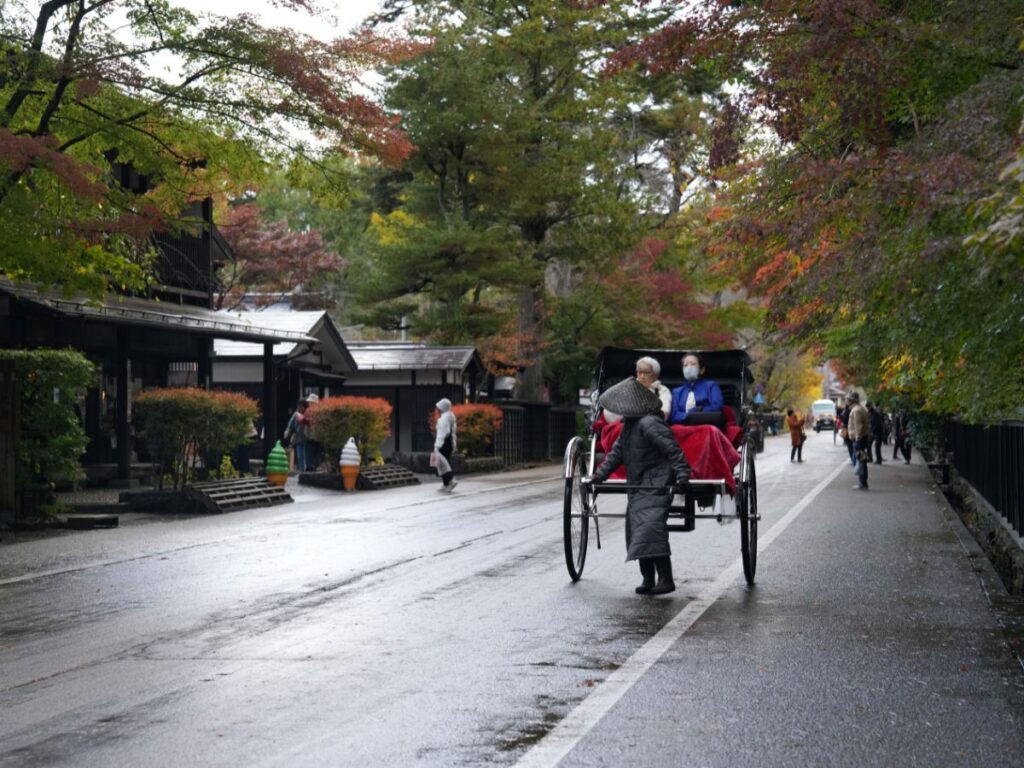
Honestly, there’s no bad time to visit Akita, but what you can do changes a lot with the season. It is comparatively a much quieter and more rural prefecture, largely known for its farming and rice paddies.
If you love snow, winter (December – February) is the time to go. Winters in Akita are far colder than in other parts of Japan, and it’s not uncommon to see the prefecture covered in more than a metre of snow. This is when the magical Yokote Kamakura Festival is held. Spring (March – May) is when the snow melts and the region comes alive. This is the perfect time to visit Kakunodate to see the special combination of pink cherry blossoms against the backdrop of historic samurai homes.
Summer (June – August) in Akita is cooler than in other prefectures, making it a great escape from the heat. It’s the perfect time for hiking and when the famous Kanto Matsuri is held. Autumn (September – November) is when the scenic mountain ranges and forests become a popular destination for outdoor lovers to see the beautiful fall colours.
What To Do in Akita
Nyuto Onsen

For relaxation, head to Nyuto Onsen, located in the Towada-Hachimantai National Park above Lake Tazawako. This isn’t just one hot spring—it’s a collection of eight different traditional ryokan, each with its own rustic hot spring baths. The baths are available to staying guests and, during certain hours, to day-trippers.
Mountains & National Parks
Akita’s scenic mountains are a huge draw for outdoor lovers. On the border between Aomori and Akita is Shirakami Sanchi, a UNESCO World Heritage Site. It’s home to the last virgin beech forests in Japan, and you can take popular hiking trails to waterfalls, mountain peaks, and lakes.
For a great hike, Mount Hachimantai stands at 1,613 metres. This flat-topped mountain is perfect for enjoying beautiful scenery, numerous ponds, and evergreen trees. Nearby, the active volcano Mount Chokai sits between Akita and Yamagata. Its shape is similar to Mount Fuji, and its appearance is truly astonishing.
Kakunodate – Samurai District & Merchant District
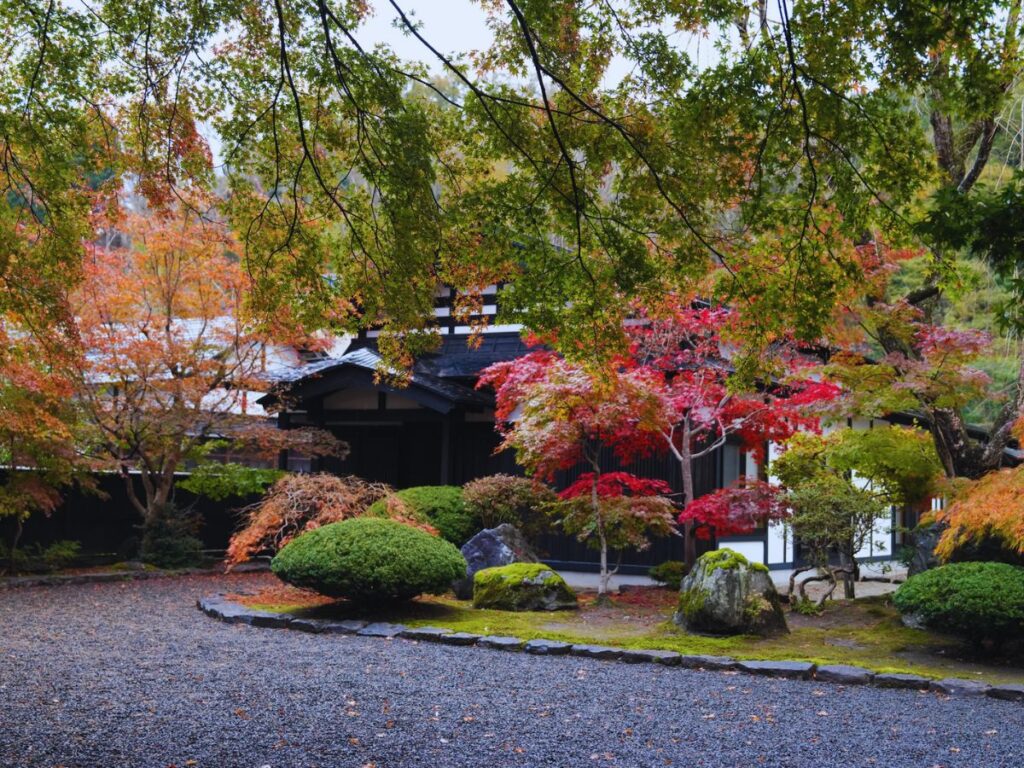
A great place to start is Kakunodate, a historic city that makes you feel like you’ve stepped back in time. Apart from its long-gone castle, the town has remained largely unchanged since 1620. You can explore the well-preserved samurai district, known for its dark-walled homes, and the neighbouring merchant district. It’s an incredibly popular attraction, especially during the cherry blossom season.
Akita City Sights

The capital city, Akita, also has key sights. The Akita Museum of Art, designed by the famous architect Ando Tadao, is considered a piece of art itself. Inside, it exhibits a large collection of works by Fujita Tsuguharu, Japan’s most famous Western-style painter. Another must-visit is Akita Senshu Park, located on a hill that offers visitors a great view. The park features a temple and a castle, and it is filled with trees and various flowers. You can also visit the Akita Port Selion Tower, designed with modern elements, which offers panoramic views of the city.
What to Eat in Akita

Akita is famous for having some of the best food in Japan, known for its incredible rice and hearty, traditional cuisine.
The most famous local dish is Kiritanpo. Freshly cooked rice is pounded, wrapped around skewers to form a cylindrical shape, and then grilled. You’ll find it served two main ways: as Kiritanpo-nabe, where the rice sticks are simmered in a hotpot with chicken and vegetables, or as Misotanpo, where they’re brushed with a sweet miso paste.
Akita is also noodle heaven. Inaniwa Udon is said to be one of the three most famous types of udon in Japan, with a history of more than 300 years. It was even presented to the Imperial Household. Yokote Yakisoba is another famous dish, known for its springy, slippery noodles cooked in an original sauce with cabbage, minced pork, and topped with a softly-fried egg and pickled vegetables. You can also try Jumonji Ramen, which has a light soup base made from dried sardines and bonito stock, or Oga Shottsuru Yakisoba, a specialty noodle kneaded with brown seaweed and kelp soup, using a sauce based on Shottsuru (one of Japan’s three major fish sauces).

For hearty, traditional meals, try Akita Kayaki, a hotpot where shellfish is eaten on its shell. The name comes from the local dialect word “kaiyaki,” meaning “grilled shellfish.” You might also find Omagari Miso Soup with Natto, a traditional home-style dish from the Omagari region, full of mountain vegetables, mushrooms, and sticky natto. A more modern local snack is the Honjo Ham Fry, a deep-fried pressed ham that was popular in the 1950s and 60s.
Finally, you can’t leave without trying Hatahata. The Japanese characters for this fish mean “fish” and “god,” and it’s also known as “thunder fish” because it gathers along the coast during winter thunderstorms. It’s extremely popular with locals and can be enjoyed in a hotpot, grilled, or as sushi. The roe, known as “buriko,” is especially delicious.
Experience Japan, Not Just Read About It
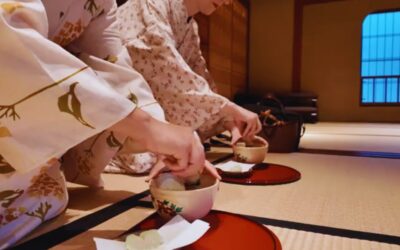
Guides like this can only take you so far. To really connect with Japan, nothing beats trying it first-hand — from sharing tea in a traditional ceremony to joining a local craft workshop. We’ll help you find and book experiences that make your trip truly unforgettable.
→ Explore Authentic Cultural Experiences in Japan
Major Akita Festivals You Shouldn’t Miss
Akita has amazing festivals that are worth planning your trip around, drawing crowds from all over Japan.
Kanto Matsuri (Early August)
Held every year from the 3rd to the 6th of August, the Kanto Matsuri (Pole Lantern Festival) is one of the three great festivals of the Tōhoku region. It’s a Tanabata celebration where local people pray for a good harvest of rice. The highlight is the breathtaking display of skilled performers who balance Kanto—long bamboo poles with arrays of paper lanterns attached to the end—on their hands, foreheads, shoulders, and hips.
Kamakura Festival (Mid-February)
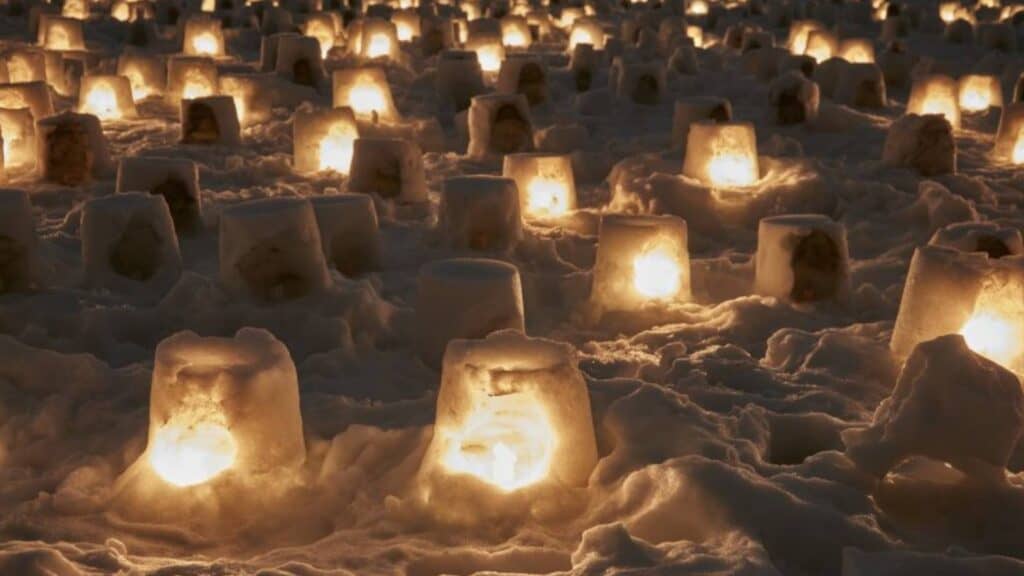
The Yokote Kamakura Festival is held every year in mid-February in Yokote city. With a history spanning 450 years, this magical event features countless kamakura, or igloo-like snow houses, built across the city. Inside, children often serve amazake (sweet rice wine) and grilled rice cakes to visitors.
Odate Candy Festival (Mid-February)
Held on the second Saturday of February in the northern part of Akita, the Amekko (Candy) Festival is a sweet event. Visitors can try a wide variety of traditional and local candies while experiencing local events and performances.
Where to Stay in Akita

Akita View Hotel
Akita View Hotel is conveniently located, only a 3-minute walk from JR Akita Train Station and Seibu Department Store, and a 10-minute walk from Senshu Park and Kubota Castle. The hotel features comfortable yet functional rooms, four restaurants, a bar, and a café, as well as fitness centres, massage and sauna facilities. It is popular among solo travellers.
Akita Onsen Plaza
Akita Onsen Plaza is a ryokan boasting various high-quality hot spring baths and saunas, with amenities such as flat-screen TVs, free Wi-Fi, and vending machines. The ryokan also features the Shun-no-Sakana restaurant, which offers international dishes including Chinese and Western cuisine, alongside Japanese food.
Syohoen
The historical hot spring hotel Syohoen is a ryokan that breathes a historical atmosphere with surrounding natural views. Its history dates back to 1917 as a registered historical building, and it features high-quality and traditional kaiseki meals and dishes. The ryokan is a 20-minute drive from Akita Airport and an hour from the historical site of Bukeyashiki in Kakunodate.
Akita Travel FAQs
What is Akita famous for?
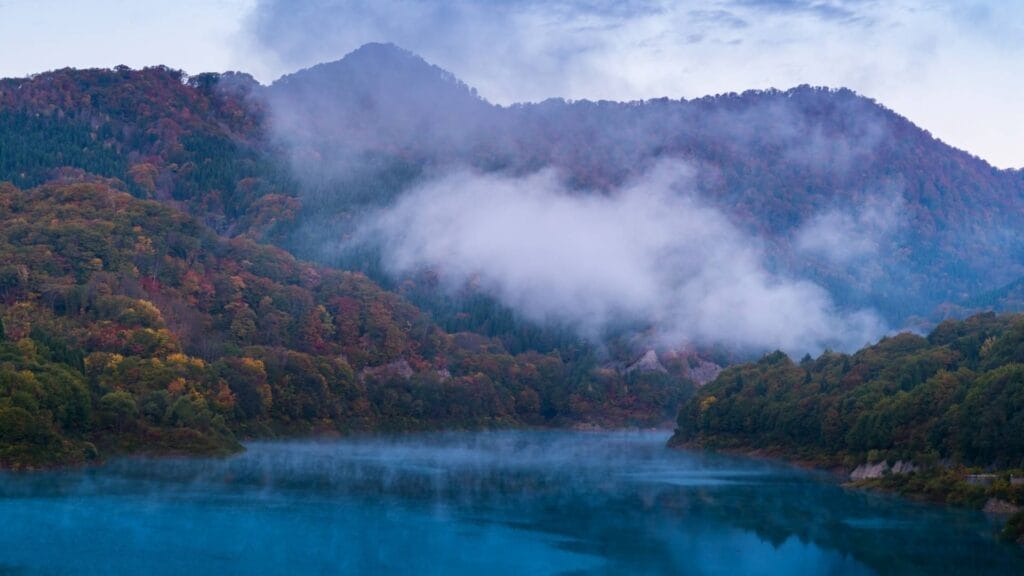
Akita is most famous for its natural beauty (like Shirakami Sanchi), its deep history (like the Kakunodate samurai district), its relaxing hot springs (like Nyuto Onsen), its major festivals (like the Kanto Matsuri), and its unique food (like Kiritanpo).
What is the weather like in Akita?
The summers are cooler than in other parts of Japan, making it a popular escape. The winters are very cold and are known for heavy, deep snow.
Is Akita a busy prefecture?
No, it is known for being a comparatively quiet and rural prefecture. It is largely a farming region, famous for its many rice paddies.
What is Kiritanpo?
Kiritanpo is Akita’s most famous local dish. It’s made by pounding freshly cooked rice, wrapping it around skewers into a cylinder, and then grilling it. It’s often served in a hotpot (nabe) or coated in sweet miso paste.