There’s something undeniably magical about Arashiyama. Located in the western edge of Kyoto, this area somehow manages to balance serene charm with a dash of the unexpected. It’s popular with visitors, yes, but it’s also a place where, if you know where to go, you can still find yourself on a quiet street, listening to the wind rustle through ancient trees.
The secret isn’t avoiding the crowds entirely; it’s about outsmarting them. No matter if you’re here for temples, nature, or food, Arashiyama delivers without ever feeling like it’s trying too hard. So today, I’m going to share my tried-and-tested itinerary to help you get the absolute best out of this iconic Kyoto destination.
Your Own Private Adventure in Japan
Forget keeping up with a crowd. Experience Japan at your own pace with a tour designed for just you and your group. We’ll guide you through Kyoto’s vibrant streets for a personal and unforgettable journey into local life.
→ See Our Expert-Led Tours in Kyoto and Beyond
A Different Kind of Arashiyama Morning: Skip the Crowds
Most guides will tell you to wake up at dawn to see the Bamboo Grove. And look, if you can get there before anyone else, a silent stroll through those towering green stalks is pure magic. It feels like stepping into another world.
But let’s be realistic. You won’t be the only one with that idea, and the illusion of solitude can shatter pretty quickly. That’s why my itinerary flips the script. We’ll start at the top of the hill and work our way down, saving the most famous sights for later when the crowds are more spread out.
First Stop: The Whimsical World of Otagi Nenbutsu-ji
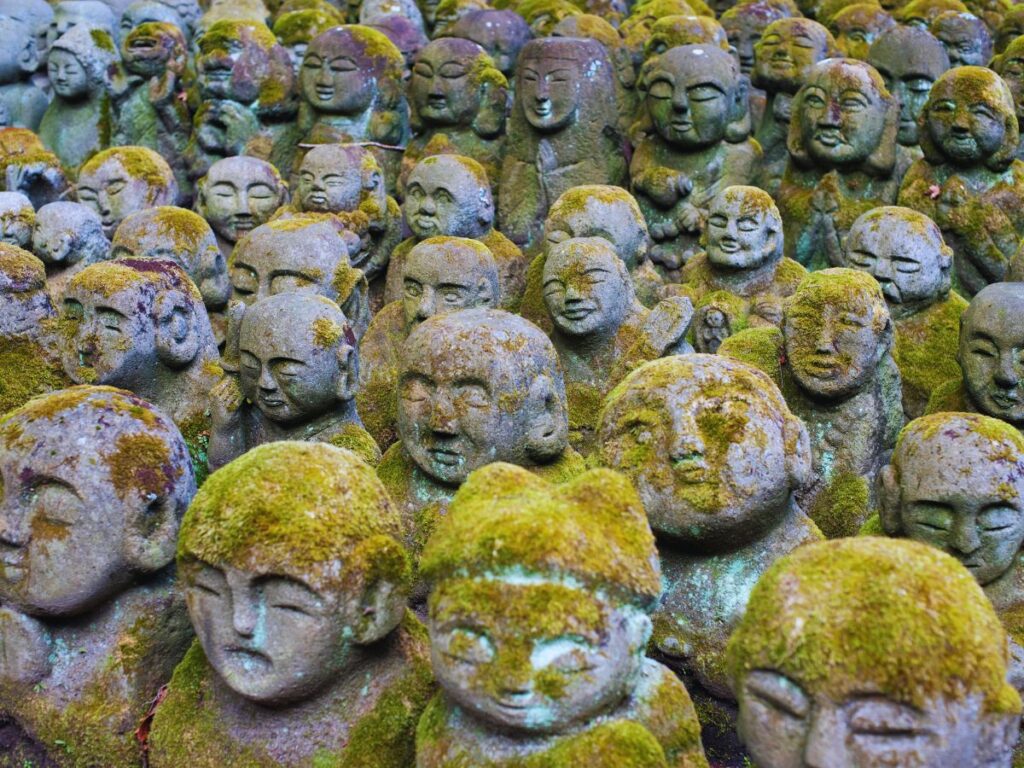
From Saga-Arashiyama Station, my top recommendation is to grab a taxi straight to Otagi Nenbutsu-ji. I know travellers in Japan often avoid taxis due to the cost, but this is one occasion where it’s absolutely worth it. The journey costs around ¥1300 and saves you a slow, winding bus ride, getting you to the temple before most others arrive.
Want to know more about transportation in Japan? We’ve got the perfect guide for you:
Otagi Nenbutsu-ji is unlike any other temple in Kyoto. Tucked into the forested hillside, it’s home to over 1,200 stone rakan (disciples of Buddha) statues. What makes them so special is that each one was carved by a different pilgrim.
You’ll see some that smile, some that smirk, and some that laugh with wild abandon. They’re expressive, human, and incredibly endearing. Visiting early in the day allows you to enjoy the calm surroundings and observe each figure up close without distraction.
- Opening Hours: 9:00 am – 4:15 pm (Closed on Wednesdays)
- Fee: ¥500
- Address: 2-5 Sagatoriimoto Fukatanicho, Ukyo Ward, Kyoto, 616-8439
Otagi Nenbutsu-ji is incredibly special, we had to make a separate guide about it. Be sure to read before visiting:
The Walk Through a Traditional Neighbourhood
From there, enjoy a slow downhill stroll. The narrow lane soon opens onto a residential road lined with traditional houses and small gardens. Unlike the more tourist-heavy parts of Kyoto, this stretch is surprisingly quiet in the morning. Look out for charming coffee shops and places where you can try a casual tea ceremony or pick up hand-crafted souvenirs.
Next Stop: The Contemplative Adashino Nenbutsu-ji

Your next stop is Adashino Nenbutsu-ji, another meaningful Buddhist site known for its stone memorials to those without family to remember them. The grounds have a quiet, contemplative feel. There’s a smaller bamboo grove tucked away at the back of the temple, too, making for a lovely alternative if you want photos without the crowds. This lesser-known spot is a favourite for those in the know.
- Opening Hours: 9:00 am – 4:30 pm
- Fee: ¥500
- Address: 17 Sagatoriimoto Adashinocho, Ukyo Ward, Kyoto, 616-8436
Continuing down the hill from Adashino Nenbutsu-ji, the street begins to liven up. You’ll start to see more shops, small galleries, and cafes selling everything from Japanese pancakes to fresh dango skewers.
This is a lovely area to pause and snack or explore some of the locally made goods; many of the textiles, ceramics, and woodwork come from Kyoto artisans and make for meaningful souvenirs.
Go Beyond the Guidebook
Visiting historic Kyoto is a great way to connect with Japanese culture, but experiencing it first-hand is unforgettable. From tea ceremonies to craft workshops, we can help you find and book an authentic cultural experience for your trip.
→ Browse and Book Cultural Experiences in Japan
The Main Event: The Arashiyama Bamboo Grove
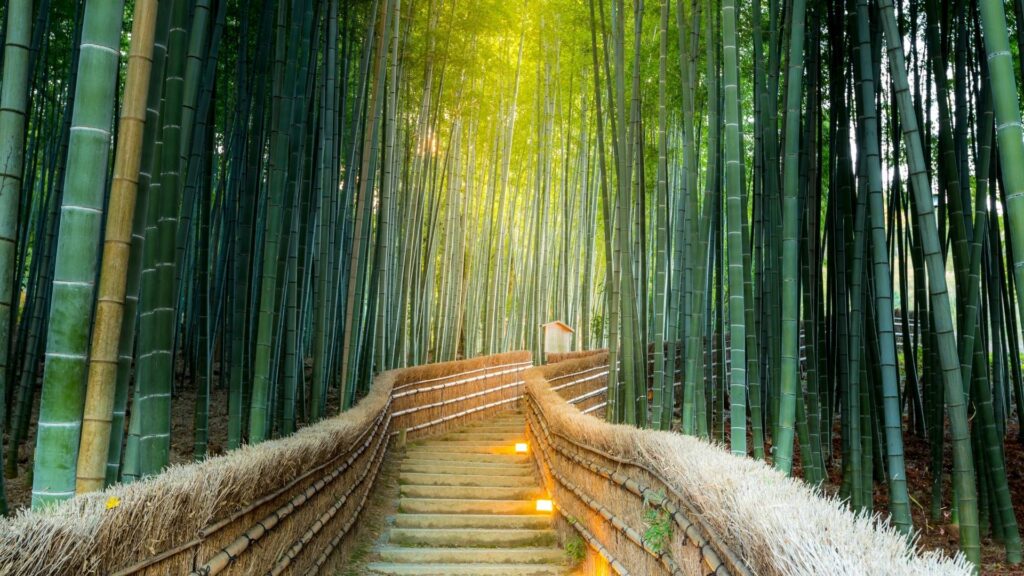
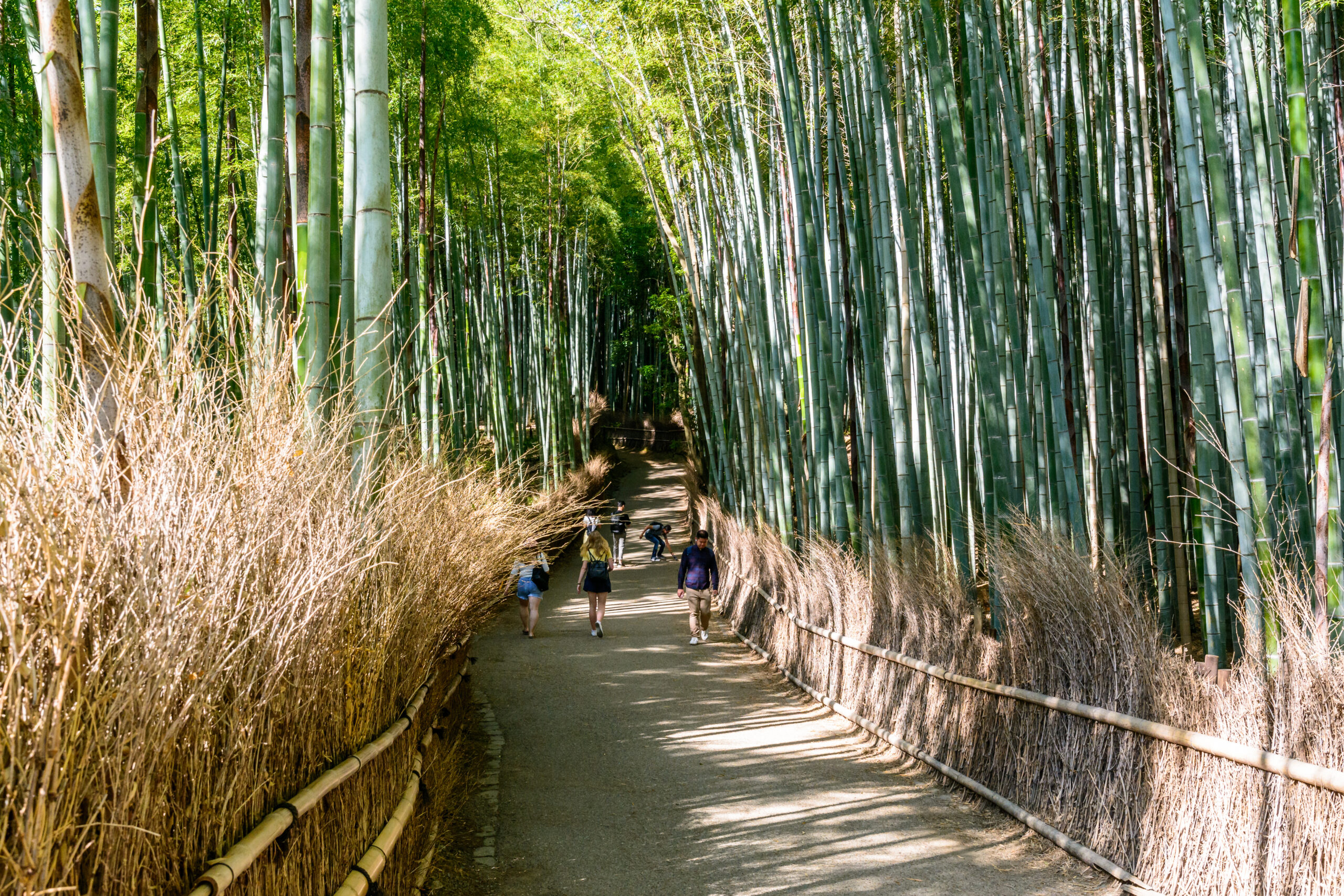
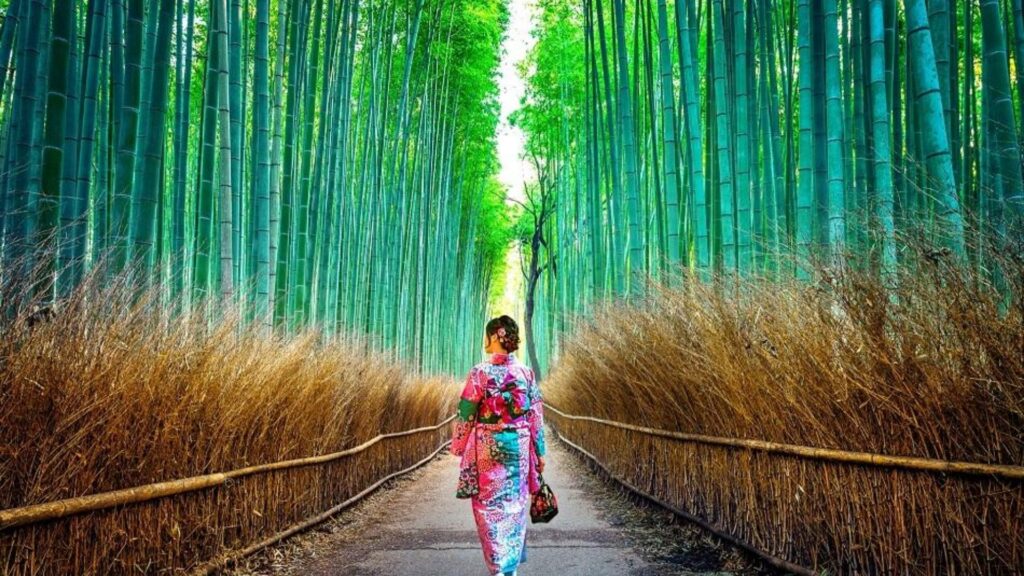
Eventually, your path leads you to the main Arashiyama Bamboo Grove. And yes, it is absolutely worth seeing in person. The height of the stalks, the way they bend and filter the light, and the soft hush that falls over the path all create a kind of gentle awe.
If you come in spring, you might even see fresh shoots of young bamboo emerging from the forest floor, adding a splash of pale green to the deeper hues. As you near the end of the grove, you’ll pass an entrance to Tenryu-ji Temple.
- Opening Hours: 24/7
- Fee: Free
- Address: Sagaogurayama, Ukyo Ward, Kyoto, 616-8394
World Heritage Gardens at Tenryu-ji Temple
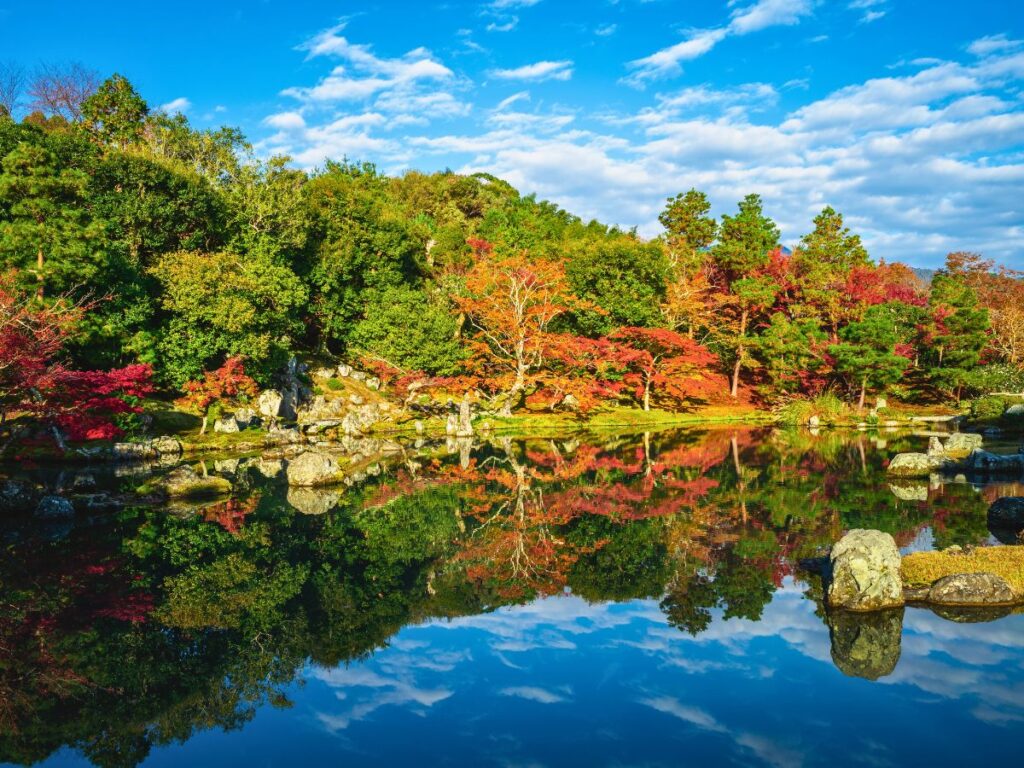
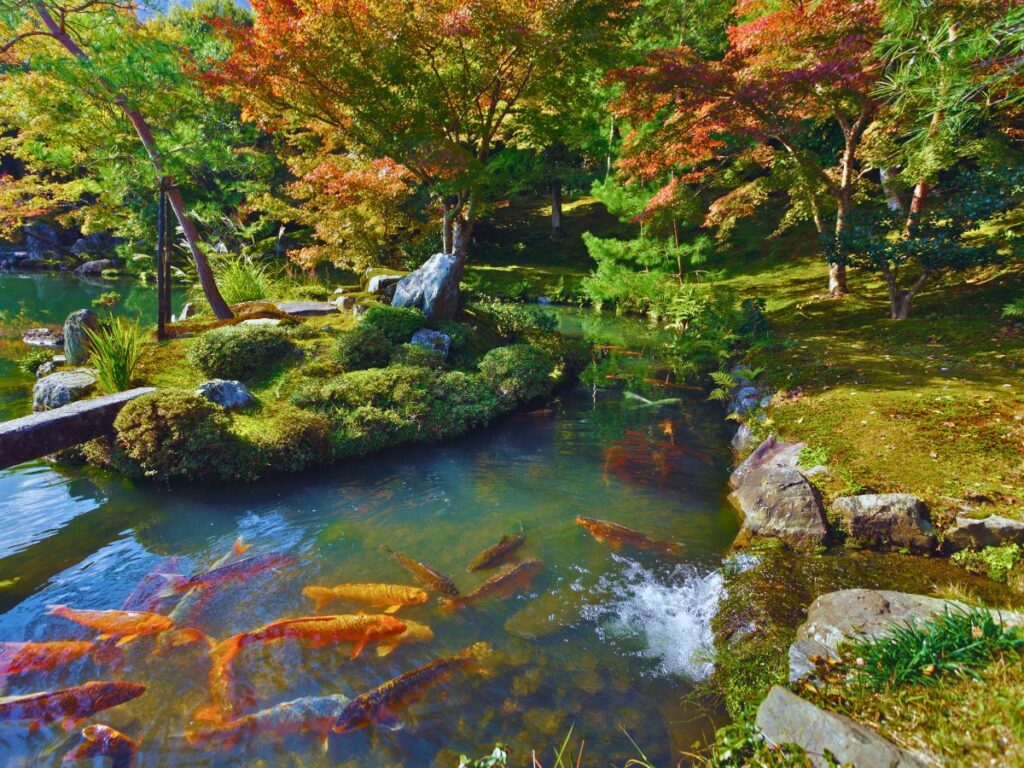
Tenryu-ji is one of Kyoto’s most celebrated Zen temples, and its garden is a stunning example of traditional landscape design. If you feel you’ve seen enough temples by this point, my tip is to buy a garden-only ticket and simply wander the grounds.
The pond, framed by cherry blossoms in spring or fiery foliage in autumn, is a beautiful place to rest before making your way down into the bustle of Arashiyama’s main street.
- Opening Hours: 8:30 am – 5:00 pm
- Fees: Garden Only: ¥500 / Garden + Buildings: ¥800
- Address: 68 Sagatenryuji Susukinobabacho, Ukyo Ward, Kyoto, 616-8385
The Bustle of Arashiyama Main Street and Lunch
The main street is full of energy, life, and colour. Yes, it’s busy, but it’s a great place to explore. Here, you’ll find quirky character-themed shops with exclusive merch (Miffy, Rilakkuma, Snoopy), traditional craft shops, and endless places to eat a full meal or simply snack.
This is your chance to try local specialities. yuba (tofu skin), soba noodles, or even wagyu beef are all on offer, many served in picturesque settings with river views.
Recommended Places to Eat

- For wagyu: Saga Ine. If you work up an appetite, their set menus will surely feed you well. Try the wagyu sukiyaki for an amazing experience of Japanese beef. They have both udon and rice options, and most menus have yuba available too if you want to try it.
- For daifuku: Sagano Chikuji-an. A famous Japanese confectionery shop that has a small stand outside selling its signature daifuku. Many say this is the best place to eat daifuku in Kyoto.
- For udon: Ozuru. They serve udon with meat, seafood, fish, vegetables, and more simple options. Portions are big, and they have cold options for summer.
- For warabi mochi: Arashiyama Sakura Mochi Rice. You can sit inside and enjoy warabimochi for a quick break.
- For tea & sweets: Chavaty. A western style coffe shop with many western sweets available for a relaxed break.
After lunch, walk towards the famous Togetsukyo Bridge. This wooden bridge stretches across the Katsura River, with mountains rising behind it. The view is gorgeous year-round, whether it’s cherry blossom season, the lush greens of summer, or the dramatic reds and golds of autumn.
Arashiyama Afternoon Activity Options
Hozugawa River Cruise
For a bit of adventure, the Hozugawa River Cruise offers a truly memorable experience. This traditional boat ride begins upriver in Kameoka and takes you on a scenic two-hour journey down the Hozu River, weaving through forested ravines and gentle rapids, all while aboard a boat steered by skilled boatmen using long poles and oars.
- Hours: Varies by season, check the official website.
- Fee: Adults ¥6000 / Children ¥4500
Sagano Romantic Train

If you’d rather avoid the water but still want to take in Arashiyama’s natural beauty, the Sagano Scenic Railway (or Romantic Train) is a more comfortable way. This vintage-style train, with its large open windows, meanders through the picturesque Hozukyo Gorge at a leisurely pace.
- Hours: Varies, check the official website.
- Fee: Adults ¥800
Iwatayama Monkey Park

For those with a sense of adventure, consider crossing the bridge and climbing up to Iwatayama Monkey Park. The hike is about 20 minutes uphill but is well-paved and manageable. At the top, you’ll find a troop of wild macaques and a breathtaking panoramic view of all of Kyoto. There’s also a rest hut where you can sit with a drink or even feed the monkeys.
- Opening Hours: 9:00 am – 4:00 pm
- Fee: ¥800
- Address: 61 Arashiyama Nakaoshitacho, Nishikyo Ward, Kyoto, 616-0004
Leaving Arashiyama
While we suggest you come to the area by the JR train and get off at Saga Arashiyama, you can opt for returning to Kyoto city by Randen tram, departing from Arashiyama Station. The station is nestled in the famous Kimono Forest—worth a visit itself, especially in the evening when the lights are up. This small, retro-style tram gives you a relaxing view of the city on the way back.
Want to explore more of Kansai after a wonderful day at Arashiyama? We have ideas on where to go next:
Arashiyama Trip FAQs
How much time do I need in Arashiyama?
Plan for a half-day to see the main sights, or a full day (6-8 hours) to explore without rushing and follow this guide’s relaxed route.
Is Arashiyama worth visiting if it’s crowded?
Yes, absolutely. The key is to have a smart plan. This guide’s itinerary helps you visit quieter spots first to avoid the biggest crowds.
What is the best time of year to visit Arashiyama?
Spring for cherry blossoms (April) and Autumn for colourful leaves (November) are the most popular and beautiful times. However, every season has its own charm.
How much does a day in Arashiyama cost?
Expect to spend around ¥4,000 to ¥8,000 per person for transport, basic temple fees, and food. This excludes optional activities like the boat cruise.