Fukuoka is easily one of the most underrated stops on a Japan trip. While everyone else is fighting the crowds in Kyoto or Tokyo, you should be heading south to the sunnier, friendlier capital of Kyushu. It is a region that feels exactly right in terms of scale. You have a central hub large enough to offer world-class shopping and a wild nightlife scene, but the rest of the prefecture is small enough that you can escape to ancient canal towns, white-sand beaches, or mountain temples in under an hour.
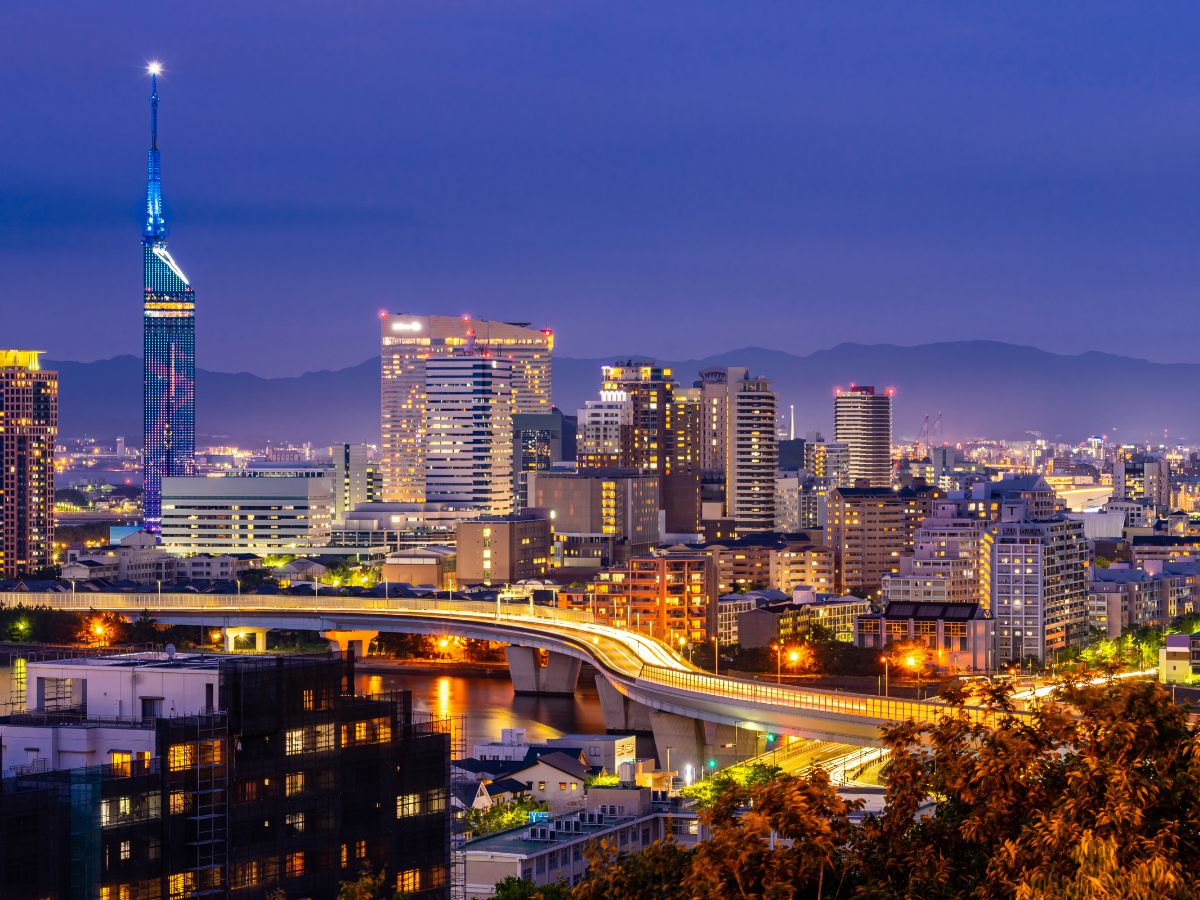
Right now, the capital is going through a massive face-lift called the Tenjin Big Bang. It is basically a huge urban redevelopment project that is turning the skyline into something out of a sci-fi movie with shiny new towers and futuristic hotels. But do not worry about it losing its character. Even with all the new glass and steel, Fukuoka has managed to keep its ancient Hakata soul intact. You will still find 8th-century shrines tucked away right next to massive shopping malls.
It is that constant back and forth between the ultra-modern and the deeply traditional that makes it so interesting. By the time you finish this guide, you will know exactly why it deserves a spot on your itinerary.
Fukuoka’s Regions
Fukuoka Prefecture is divided into four main areas. Knowing these helps you realize that a trip to the southern canals, for example, is a completely different mission than a day at the northern ports.Fukuoka Prefecture is more than just one city. It is actually made up of four distinct corners, and you need to know which is which before you start booking trains or renting cars.
Central Fukuoka (Fukuoka City)
This is the main hub and likely where you will base yourself. It is split down the middle by the Naka River. On one side, you have Tenjin, which is currently being rebuilt through the Tenjin Big Bang project. By 2026, the skyline is full of new towers and futuristic shopping hubs.
If you walk a few minutes away from the big malls, you will find a smaller pocket called Daimyo. This is our favorite spot in the city because it’s much more relaxed, with narrow streets full of vintage clothes and great coffee. It’s also where you find the city’s largest parks and castle ruins.
On the other side is Hakata, home to the massive Hakata Station where the bullet train arrives. It was historically a merchant city, and you can still feel that busy, business-first energy today.
Northern Fukuoka (Kitakyushu)
The north is the port side of the prefecture. It sits right on the water looking across to Japan’s main island. Instead of the new skyscrapers you see in the capital, this area is all about history from the early 1900s. You come here to see grand red-brick buildings, old warehouses, and massive bridges. It has a very retro, nostalgic feel that is great for photography, especially around the harbor at sunset.
Southern Fukuoka (Chikugo Region)
The south is the quiet, green side of the prefecture. Once you leave the city and head down here, the tall buildings disappear and you’re surrounded by tea fields and fruit trees. Life is much slower here. It’s a world built around water, with hundreds of kilometers of canals and traditional towns. If you want a break from the crowds to see the “calm” side of Fukuoka, this is the place.
Western Fukuoka (Itoshima)
The west is the beach escape. It’s a peninsula full of white sand, surf spots, and small seaside cafes. Even though it’s close to the city, it feels like a proper holiday destination. It’s a very laid-back corner of the prefecture where people go for the salt air, fresh local food, and to watch the sun set over the ocean.
Fukuoka’s Must-Visit Attractions
Fukuoka is compact compared to the likes of Tokyo and Osaka, but do not let the small size fool you into thinking there is not much to do. We see plenty of travellers make the mistake of only staying for a night, but once they see the variety of spots on offer, they always wish they had more time. Here are the stops worth adding to your itinerary
Kushida Shrine (Fukuoka City)
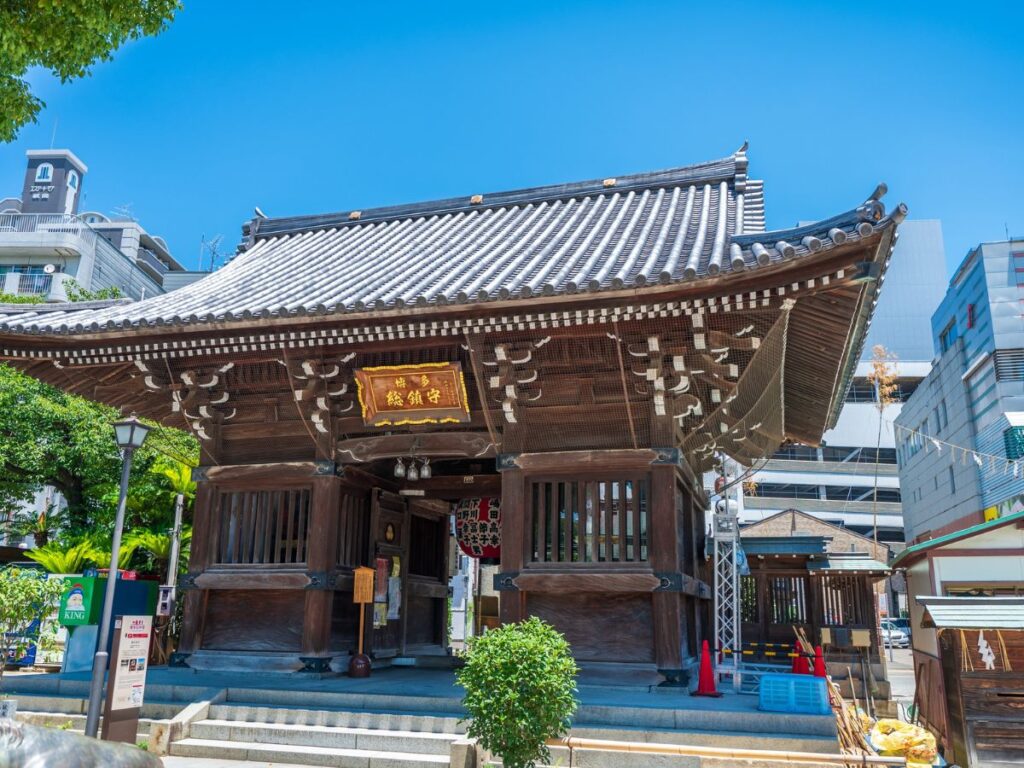
Kushida Shrine has been the main place of worship for the local people since the 8th century, and it feels deeply rooted in t0he local community. It is most famous for being the home of the Hakata Gion Yamakasa Festival, which involves a high-speed race where teams of local men carry one-ton wooden floats on their shoulders through the narrow streets.
The race takes place in the early morning of July 15th, but you do not have to be there in the summer to see the scale of it. You can see the enormous decorated floats, or decorative yamakasa, kept on display in the courtyard all year round. These floats are massive and covered in incredibly detailed carvings of legendary heroes and mythical beasts. Entry to the shrine grounds is free, and it is open from early morning until late evening.
Tochoji Temple (Fukuoka City)
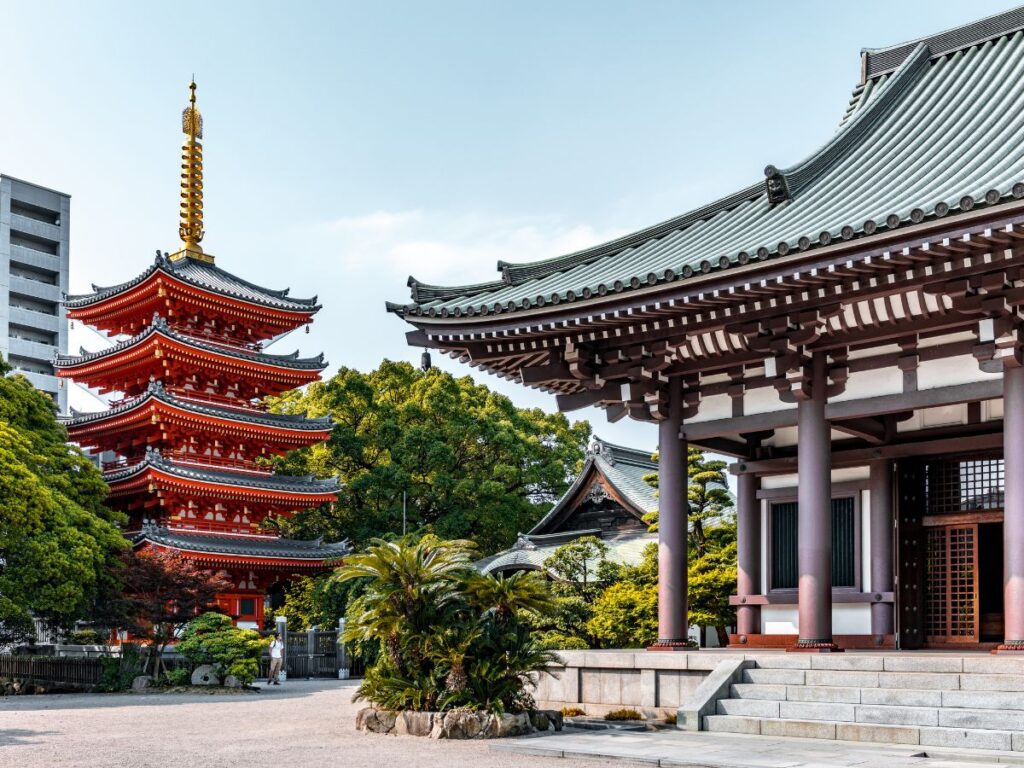
Located just five minutes from Kushida, this temple is home to one of the most impressive statues in Japan. Inside the main hall is a wooden Buddha that stands over 10 metres tall and is the largest of its kind in the country.
While the temple grounds are free, you will need to pay a small fee of 50 yen for a candle and incense to enter the hall where the Buddha is kept. This fee also covers the “Heaven and Hell” walk located directly under the statue. You start by looking at picture scrolls of hell before entering a passage of total, pitch-black darkness. You have to feel your way along a handrail to find the “ring of light” on the wall, which is said to lead you to paradise.
Nanzoin Temple and the Reclining Buddha (Sasaguri)
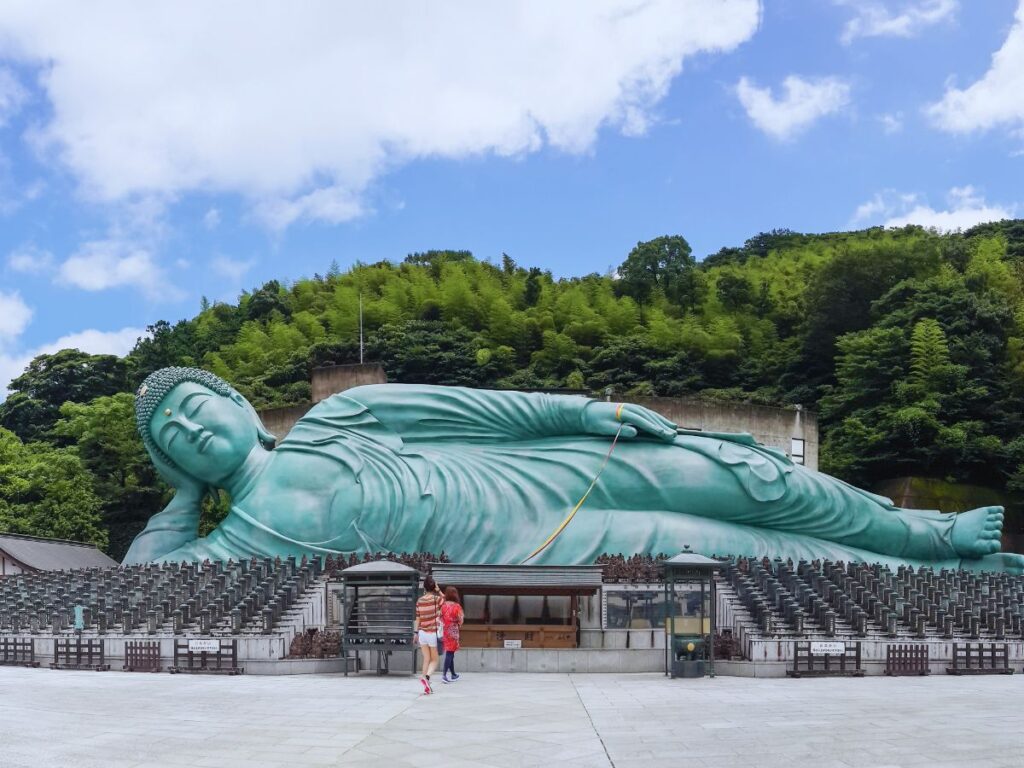
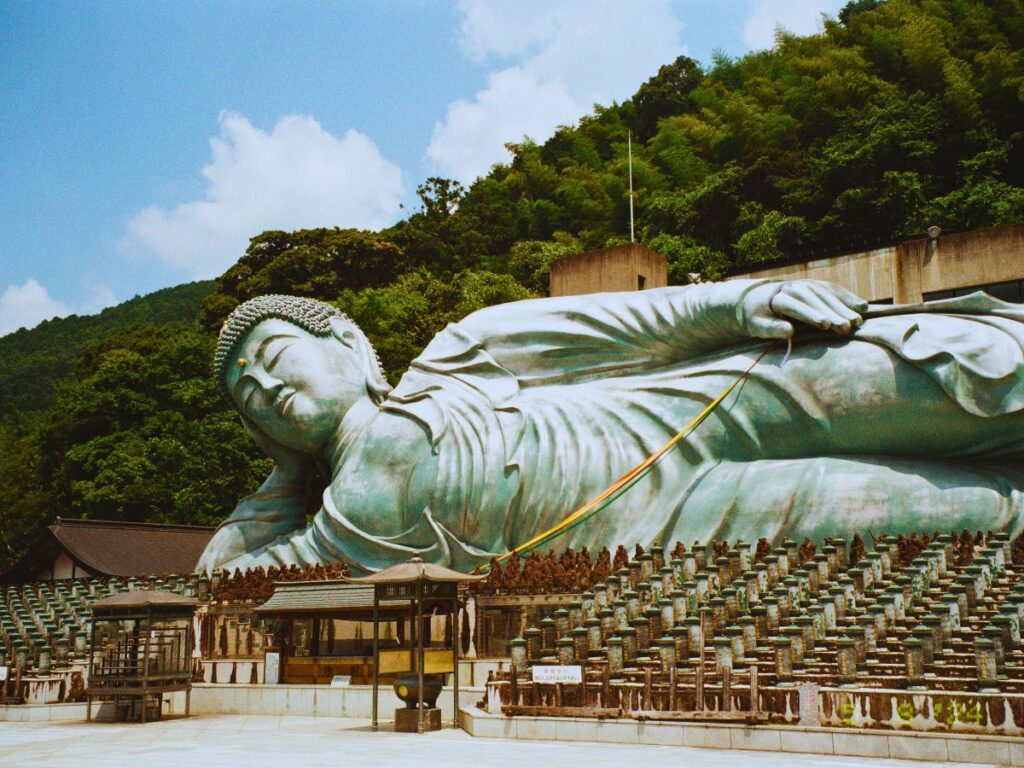
Nanzoin is the spot that always surprises our visitors the most because it feels so far removed from the city noise. It is only about twenty minutes away from Hakata by train and houses a huge bronze Reclining Buddha that is 41 metres long and 11 metres high. It is one of the largest bronze statues in the world and is meant to show the Buddha at the moment of his death. You can actually enter a small prayer room inside the statue for a small fee of 500 yen, but most people come just to marvel at the sheer size of it from the outside.
Dazaifu Tenmangu (Dazaifu)
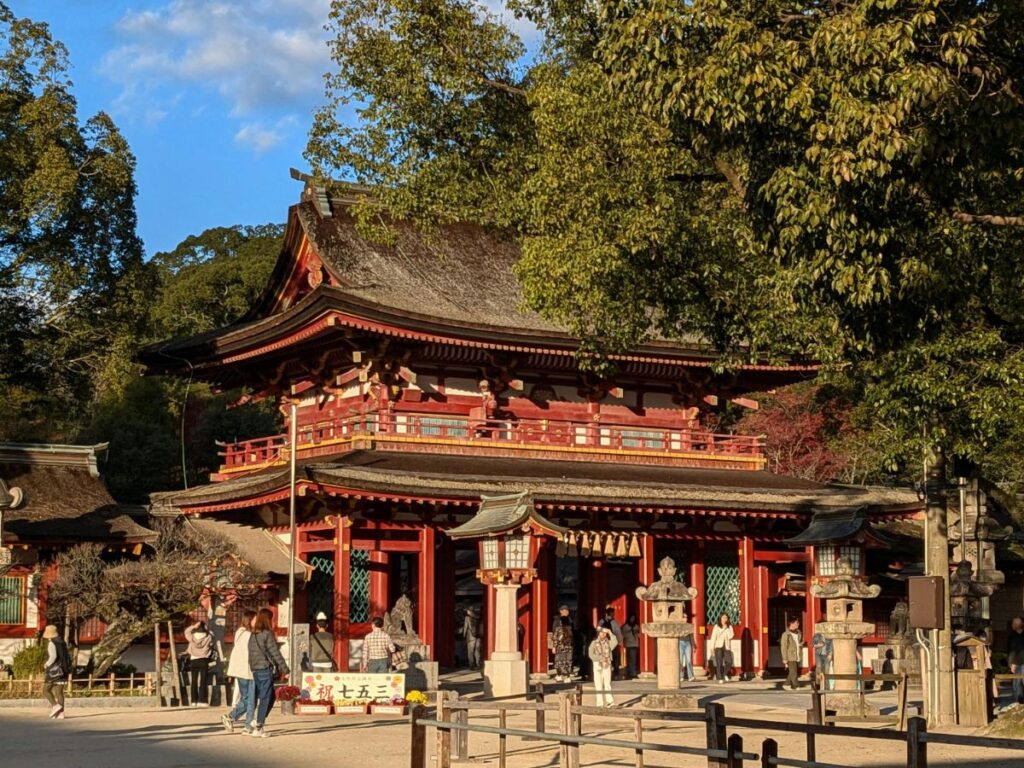
Dazaifu is the big hitter when it comes to day trips from Fukuoka. The shrine is dedicated to the god of learning, so it is almost always busy with students who come to rub the heads of the bronze ox statues for good luck with their exams. The grounds are also famous for their 6,000 plum trees, which look and smell fantastic in the early spring.
In 2026, the biggest draw is the temporary main hall designed by the architect Sou Fujimoto. It features a literal forest growing right on top of its roof, which shows how Fukuoka mixes very old traditions with bold new ideas.
The shrine grounds are free to enter, though some of the museums on-site have a small fee. Make sure you try the grilled plum cakes, called umegae-mochi, from the shops on the walk up to the shrine entrance. They usually cost about 150 yen each.
Ohori Park and the Castle Ruins (Fukuoka City)
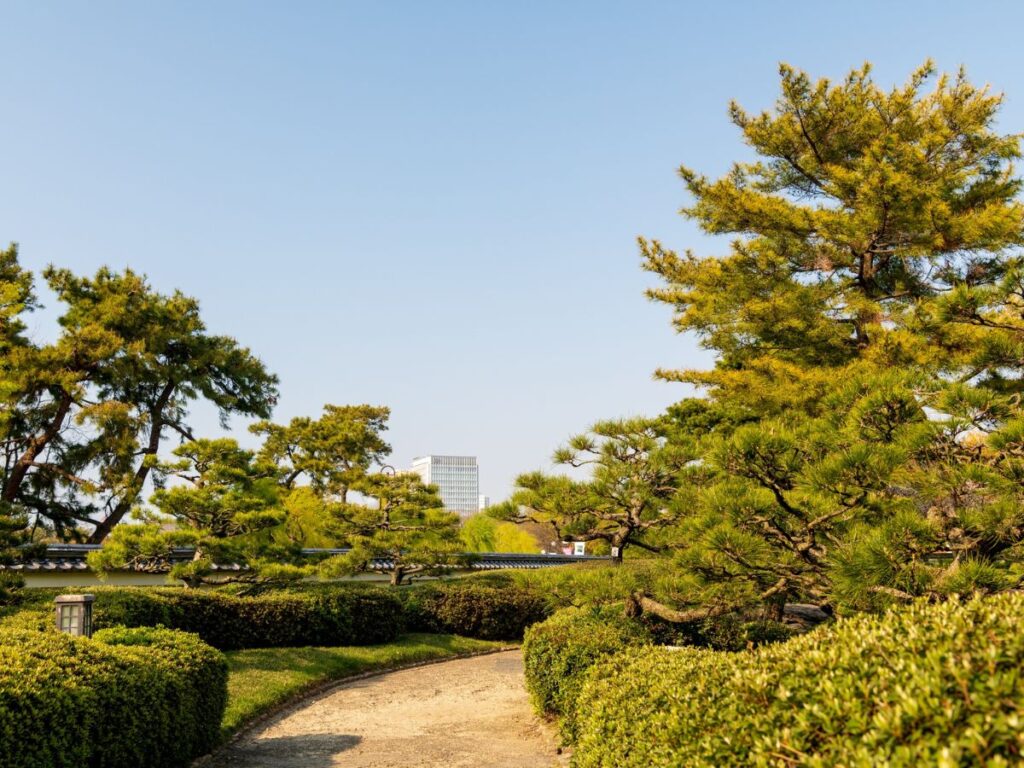
Ohori Park is a huge lake in the middle of the city that was once part of the castle’s moat system. There is a two-kilometre path around the water that is a favourite spot for local joggers and families.
Right next door are the ruins of Fukuoka Castle in Maizuru Park. The main castle building is no longer there, but the massive stone walls and gates are still standing and show you the scale of the city’s samurai history. You can climb to the top of the ruins for a great view of the 2026 skyline and the bay.
Both the park and the castle ruins are free to enter, though there is a fee of around 250 yen for the separate Japanese garden on the lake’s edge.
Canal City Hakata (Fukuoka City)
They call this place a city within a city, and it is easily the most impressive shopping complex in Kyushu. A long canal runs right through the middle of the colourful buildings, and there are fountain shows every half hour. It is not just about shopping though. It also has a cinema, hotels, and a floor dedicated entirely to the best ramen restaurants from across Japan. It is a bit of a maze to navigate, but just being inside the building is a fun experience because of the unique shapes and colours.
TeamLab Forest Fukuoka (Fukuoka City)
If you have been in Japan for more than a few days, you have almost certainly seen the viral videos of teamLab’s immersive art spaces in Tokyo. Fukuoka has its own version located in the Boss E-Zo building right next to the baseball stadium.
While it is smaller than the massive Borderless or Planets exhibitions in the capital, it is still a fantastic experience if you enjoy digital art. Here, you use your phone to “catch” and study digital creatures that roam across the walls and floors. It is very hands-on and can get quite busy with families, especially on weekends. It usually costs around 2,200 yen for adults, and it is a good idea to book your tickets online ahead of time to avoid the queues.
If you are wondering how this one stacks up against the more famous ones in Tokyo, you can check out our full teamLab comparison guide to see if it is worth the trip for you:
Fukuoka Tower and Momochihama Beach (Fukuoka City)
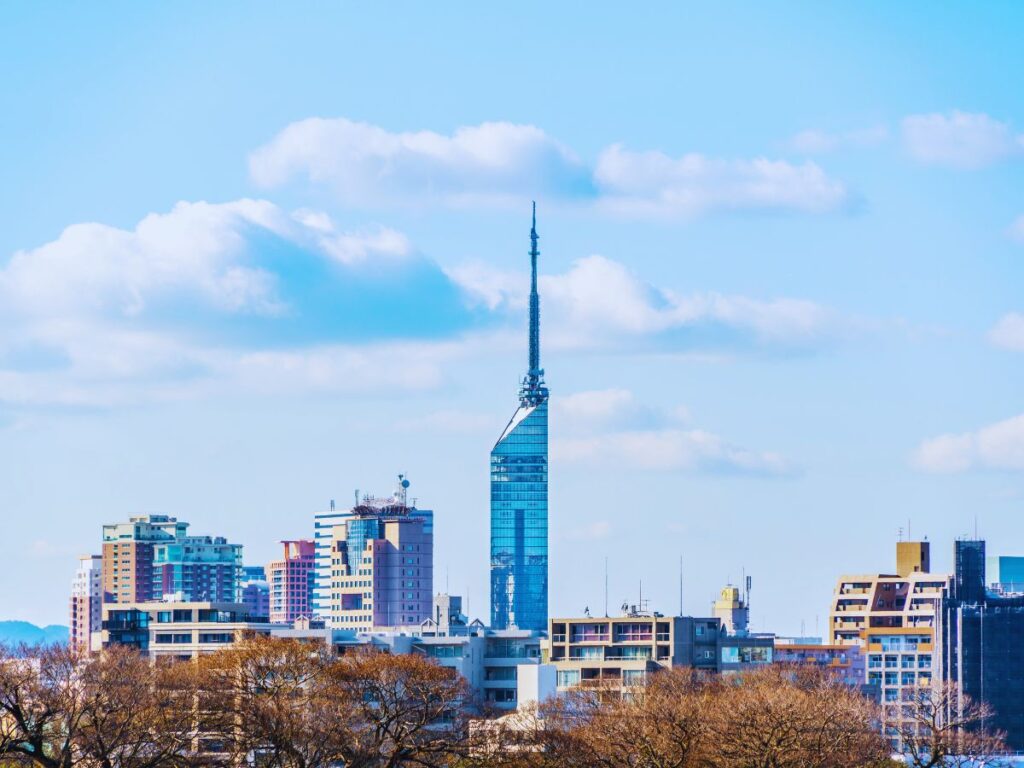
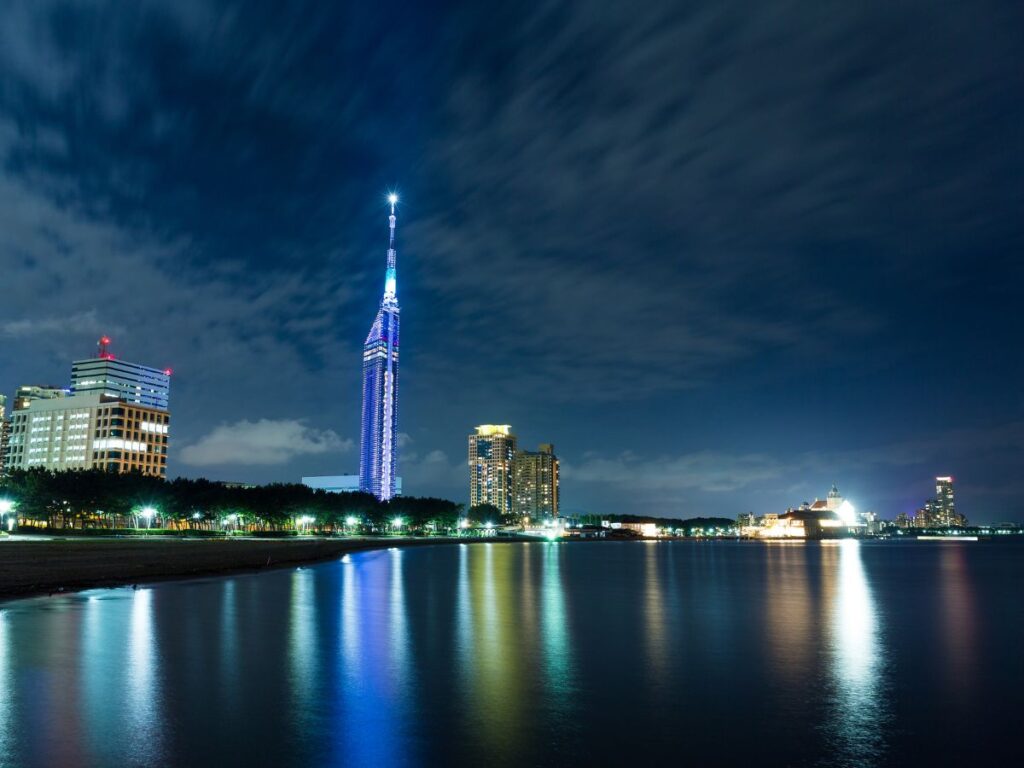
Fukuoka Tower is the tallest seaside tower in the country and is a major landmark on the coast. The whole building is covered in thousands of mirrors that reflect the sky and the sea. The view from the top gives you a 360 degree look at the whole region, and on clear days, you can see all the way to the distant mountains. Below the tower is Momochihama Beach, which is a man-made stretch of sand with cafes and restaurants. It is a popular spot for locals to hang out at sunset, though it can feel a bit like a tourist trap on the weekends.
Mojiko Retro (Kitakyushu)
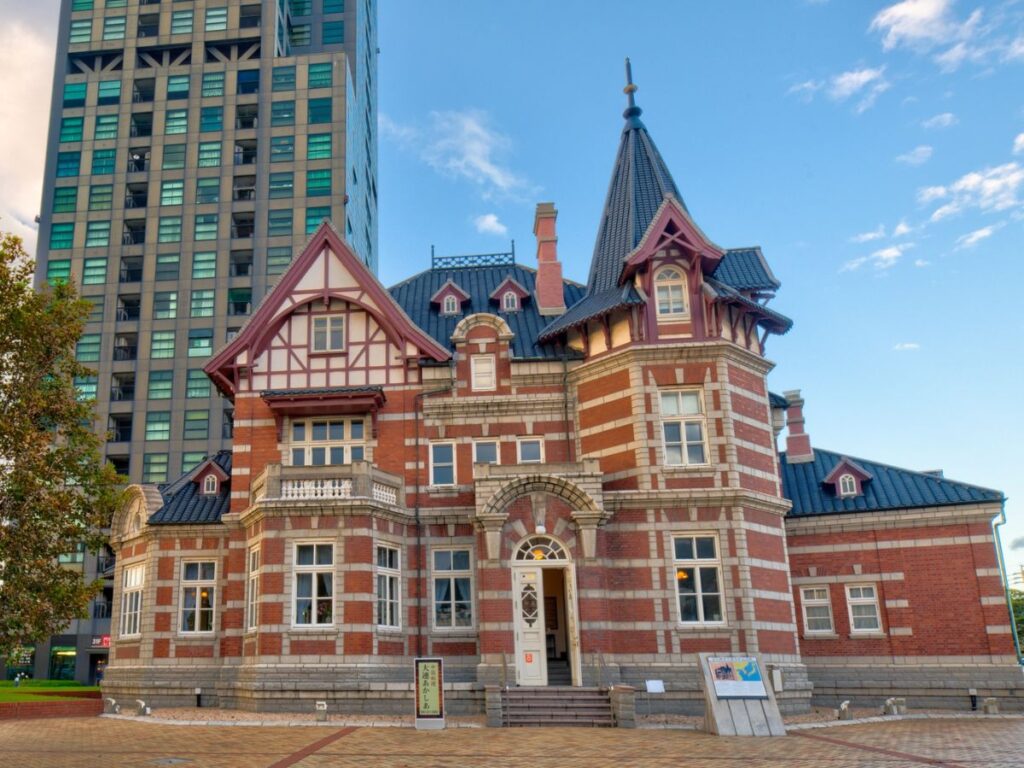
Mojiko is a port area that feels like it is frozen in the early 1900s. It is full of grand red-brick buildings, old trading houses, and a very famous wooden train station that looks like something out of a movie. It is one of the best places in the north to just walk around and take photos. Most of the charm comes from the architecture, but there are also several small museums and shops tucked away in the old warehouses. If you are there at lunch, this is where you have to try the local baked curry rice.
Kokura Castle (Kitakyushu)
While most of the castles in the region are just stone ruins, Kokura actually has its grand main tower standing. It is a beautiful spot surrounded by a traditional moat and hundreds of cherry trees that look great in the spring. What makes it really unique is that it sits right next to a super-modern, bright red shopping mall, so you get a view that mixes the samurai world with the future. The inside of the castle has been turned into a modern museum with interactive games and displays that explain the local history in a way that is actually fun to explore.
Yanagawa Canal (Yanagawa)
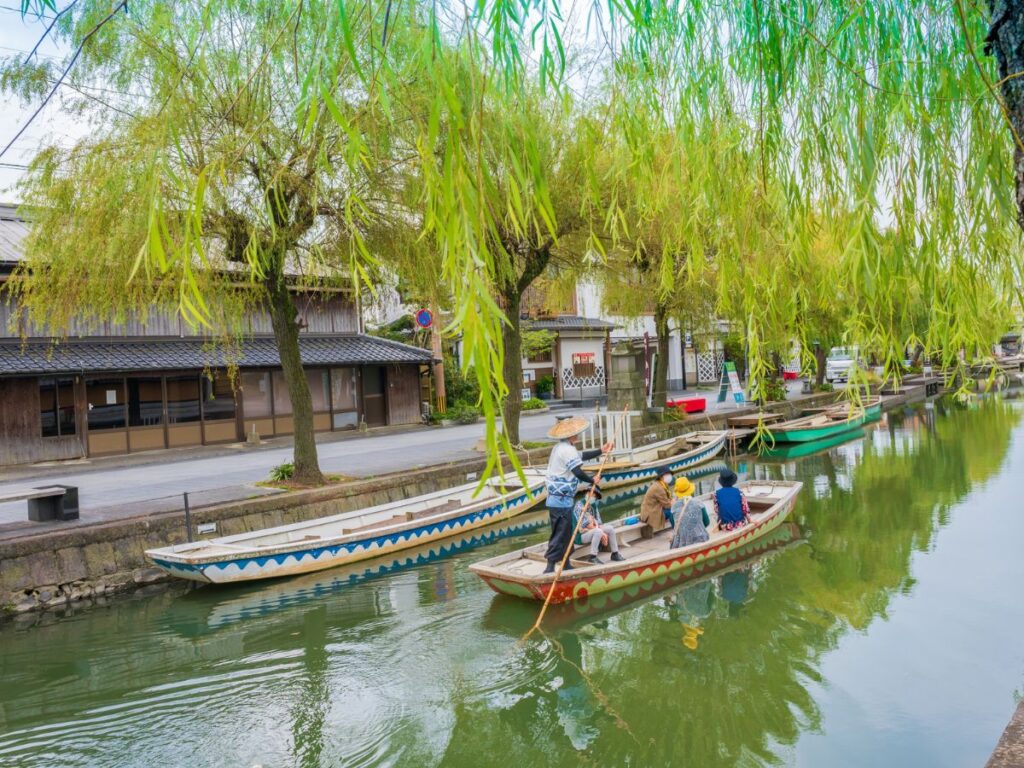
Yanagawa, one of our favourite small cities, is often called the Venice of Japan because it has over 400 kilometres of canals. The best way to see it is by jumping on a donko-bune, which is a flat-bottomed boat. A boatman in a traditional hat steers you through the old castle moats using a long pole, and they usually sing local songs while they do it. It is a very slow and peaceful way to see the historic side of the south. After your boat ride, make sure to try the local steamed eel, which is the town’s famous dish.
Sakurai Futamigaura (Itoshima)
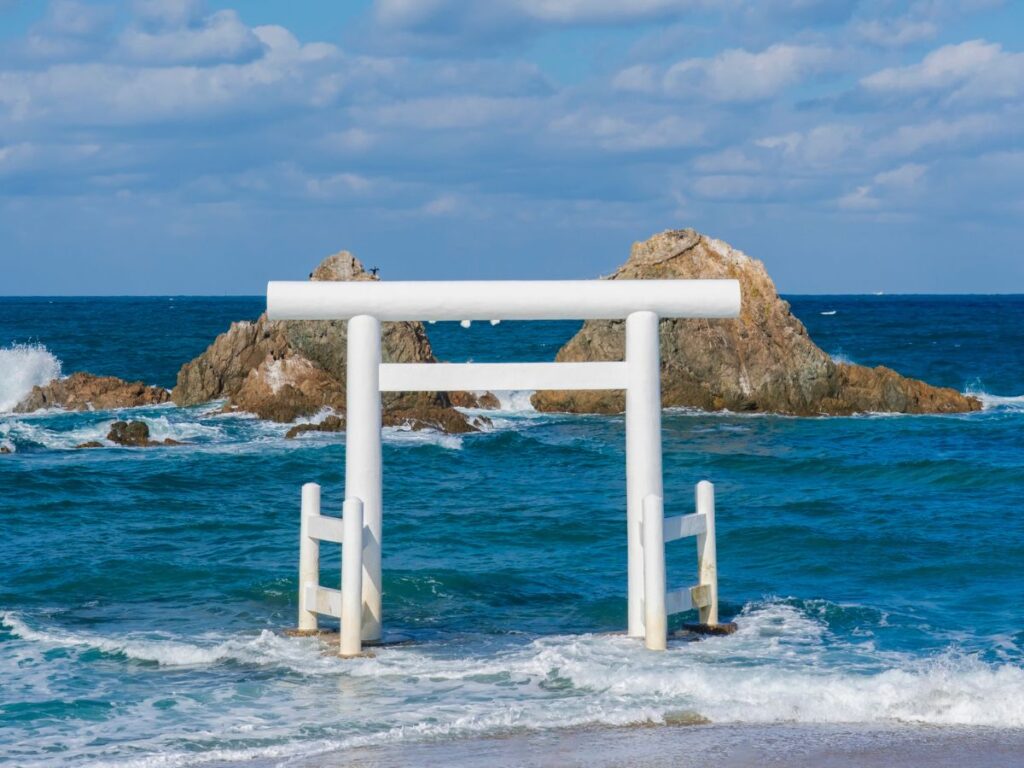
This has got to be the most famous photo spot on the west coast. It features two massive “married” rocks sitting in the ocean, joined together by a heavy sacred rope. In front of them is a giant white torii gate standing right in the water. It is a beautiful, peaceful spot, especially at sunset. You really need a car to get here easily, but the drive is worth it because the area is full of cool seaside cafes and surf shops that make for a great afternoon escape from the city.
Fukuoka’s Must-Eats
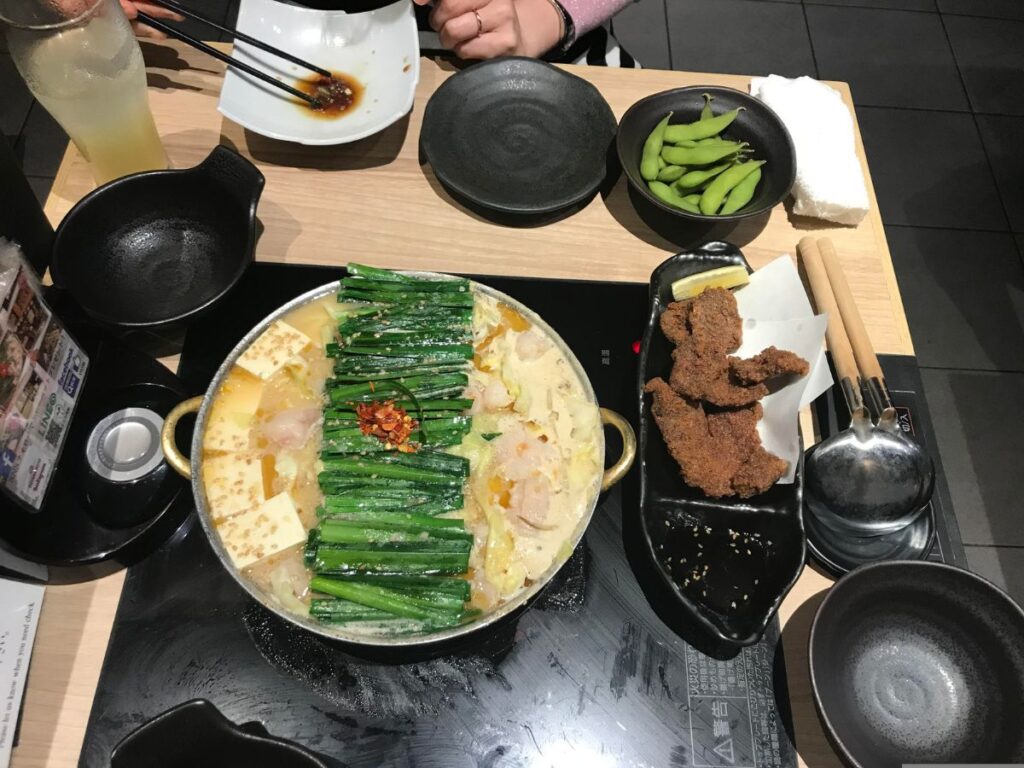
Did you know that Fukuoka is known as the “Kitchen of Kyushu”? And for good reason! Because it is a port city, it has spent centuries taking outside influences, especially from China and Korea, and turning them into something local. The result is a food scene that is much more casual and punchy than the refined, quiet meals you find in places like Kyoto. Though it was honestly hard to choose, here are some of our favourite eats from the prefecture:
Tonkotsu Ramen
This is the big one. This is the birthplace of the creamy, white pork-bone broth you see all over the world. There are two main styles you need to know about. Hakata Ramen is the famous one with thin, straight noodles and a rich but smooth soup. Then you have Kurume Ramen from the south, which is even heavier because they use a “master broth” technique where the pot never goes empty.
Love ramen? Instead of just eating it, why not try making it as well?
The Yatai
You can’t talk about Fukuoka without mentioning the yatai, which are are small, open-air food stalls. In Fukuoka, they pack up every morning and reappear at sunset, mostly in the Nakasu and Tenjin areas. While you might see a random one-off stall in other cities, Fukuoka is the only place left in Japan where they still exist in a big way. After World War II, most cities got rid of them because of strict rules and hygiene laws, but Fukuoka kept the culture alive.
Each stall only seats about eight to ten people, so you will be rubbing shoulders with locals. Just a heads-up: they are not necessarily cheaper than a regular restaurant, and you are expected to order at least one drink and one food item.
Mentaiko
This is the signature flavor of the prefecture. It is salted and spiced pollock roe, and it has a salty, spicy kick. You will find it on top of rice, stuffed inside chicken wings, or mixed into pasta. It is an acquired taste for some, but it is the one thing you have to try before you leave.
Motsunabe and Mizutaki
Fukuoka people love a hotpot. Motsunabe is the local favorite, which is a garlicky soup filled with beef or pork tripe, cabbage, and massive piles of garlic chives. It is heavy and intense. If that sounds like too much, try Mizutaki. It is a much lighter chicken-based hotpot where you focus on the quality of the broth.
Seiro-mushi Steamed Eel
If you head south to Yanagawa, you have to try Seiro-mushi. It is an eel that is grilled and then steamed in a bamboo box with rice and a sweet soy sauce. It is much softer and richer than the standard grilled eel you find in other prefectures, and a perfect reward after spending an hour on the canals.
Yaki Curry (Kitakyushu)
Up north in Mojiko, the local dish is Yaki Curry. It is basically a bowl of Japanese curry and rice topped with an egg and a mountain of cheese, then baked in an oven until it is bubbling. I don’t know about you, but just imagining that is mouth-watering.
2-Day Fukuoka Itinerary
Day 1
Start at Hakata Station and walk about ten minutes to Tochoji Temple. From there, it is a five-minute walk to Kushida Shrine. This area is the best place to see the contrast between the busy station and the old merchant streets.
From Hakata Station, take the subway to Tenjin and transfer to the Nishitetsu Line for Dazaifu Station. The trip takes about 50 minutes. Spend your time walking the approach to Dazaifu Tenmangu and seeing the forest-roofed hall.
Then, head back toward the city but stop at Nanzoin Temple. From Dazaifu, take the train back to JR Sasaguri Line’s Kido Nanzoin-mae Station. It takes about an hour and fifteen minutes. The temple is just a short walk from the station exit.
To end the day, take the JR Sasaguri Line directly back to the city center. It is about a 45-minute trip to the Tenjin area. This is the time to explore the Daimyo backstreets for coffee or vintage shopping before finding a yatai stall along the river for dinner.
Day 2

Start at Hakata Station and take the Sonic Express or a local train to Mojiko Station in Kitakyushu. The express takes about 50 minutes. Walk around the Mojiko Retro area and grab yaki curry for an early lunch.
Next, travel from the northern tip of the prefecture down to the south. Take the train from Mojiko back toward Tenjin, then switch to the Nishitetsu limited express train to Yanagawa Station. This is a longer trip of about two and a half hours, so start early. Once there, jump on a canal boat tour.
If you have a car, drive west to Itoshima to see the sunset at Sakurai Futamigaura. If you are using trains, head back to central Fukuoka and take the subway to Ohori Park for a sunset walk around the lake and the castle ruins.
End your trip back in the city center. Head to Canal City Hakata to visit the Ramen Stadium on the fifth floor, where you can try different regional styles of tonkotsu ramen in one place.
Fukuoka Travel FAQs
How many days do I really need here?
You can see the main city spots and hit one or two regional highlights in two days if you move fast (like in our suggested itinerary). However, if you want a more relaxed trip where you can actually spend time in the northern ports or the southern canals, three to four days is much better.
Is Fukuoka actually cheaper than Tokyo or Osaka?
Generally, yes. You will notice it most with food and transport. A bowl of top-tier ramen usually costs between 600 and 900 yen, and many of the main shrines and parks are free to enter. While hotels in the new Tenjin Big Bang towers can be expensive, you can still find plenty of affordable options around Hakata Station.
Do I need a car to get around?
For the city center and major spots like Dazaifu or Kitakyushu, the trains and subways are excellent. If you want to explore the western beaches of Itoshima or the tea fields in the south, a rental car is much better. Public transport to those rural areas is infrequent and can eat up a lot of your day.
Can I use my IC card (like Suica or Pasmo) here?
Yes. You can use any major Japanese IC card on the subways, buses, and JR trains across the prefecture. Just make sure you have enough credit topped up before you head to the more rural stations in the south. Some smaller stations might not have top-up machines on the platforms.
When is the best time to visit?
Spring and autumn are the best. The weather is mild, and you get to see the plum blossoms in Dazaifu or the fall colors in the temple districts. Summers are famously hot and humid, but that is also when the major festivals happen. Winters are chilly but great for the local hotpots.