When most people picture a trip to Japan, they think of the scramble crossing in Tokyo or the temples in Kyoto. We love those places, but after years of guiding and exploring, we can tell you that the most unforgettable moments often happen far from the city crowds, out on the trails.
A Japan hiking tour isn’t just about bagging a peak. It’s about the experience woven into the path itself. You could be walking a section of the historic Old Tokaido Road, the original path that connected Tokyo and Kyoto for centuries. Or you might be tackling the trails of Mount Kintoki in Hakone, working hard for a stunning view of Mount Fuji. And perhaps best of all, a tough day’s walk often ends at an onsen (hot spring), which is the perfect way to recover.
A hiking tour is, in our opinion, the best way to see the real Japan. It gets you into the small villages and stunning landscapes that you simply can’t access by bullet train. This guide is built from our own experience planning these trips, and it’s designed to help you plan your own.
Let’s Plan Your Japan Trip Together

Thinking about visiting Japan but not sure where to begin? From active adventures to hidden local spots and the big must-sees, we’ll put together a bespoke plan shaped around your interests, budget, and pace. You get the joy of travelling without the stress of endless research.
→ Start Building My Personalised Japan Itinerary
Decide When to Go: The Best Hiking Seasons
Unlike many destinations, timing your trip to Japan is critical. The “best” season to hike depends entirely on what you want to see and what conditions you are willing to accept. The weather changes dramatically from north to south, and a trail that is perfect in October can be completely impassable in January or unpleasantly humid in August.
The Peak Seasons: Autumn and Spring
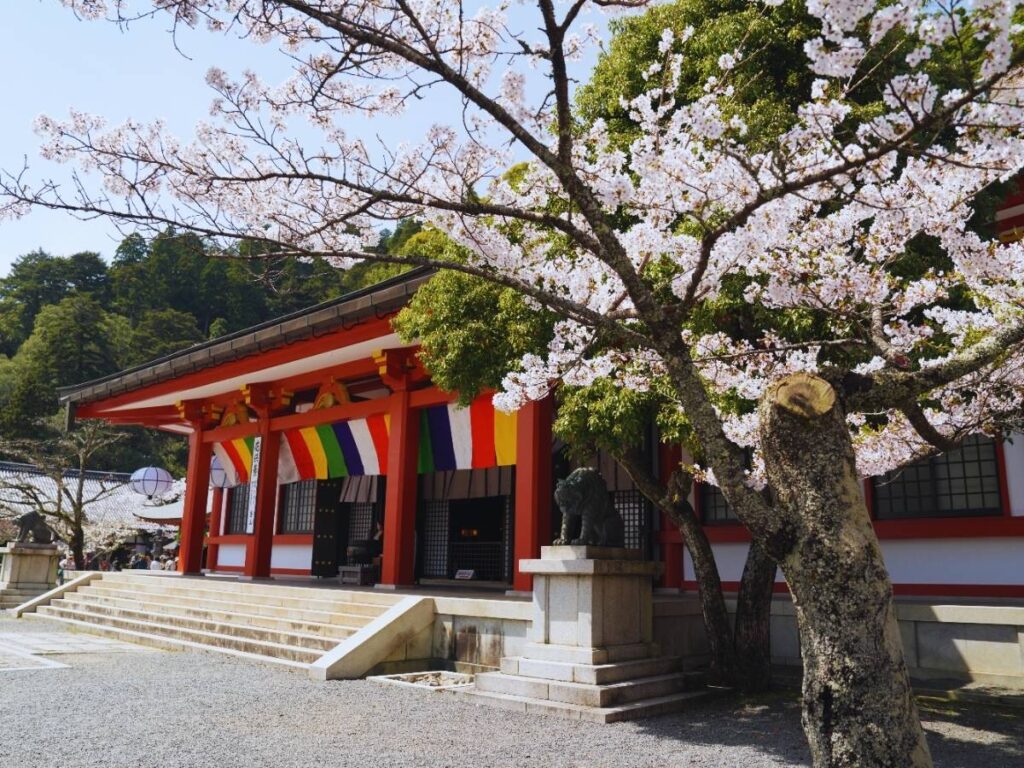
There is no denying that autumn (October to November) is spectacular. The autumn foliage season sees the mountainsides light up in fiery reds, oranges, and yellows. The weather is typically cool, crisp, and stable, making it ideal for walking. Similarly, spring (late March to April) brings the famous cherry blossoms. Hiking during this time means walking under tunnels of pink and white, with pleasant, mild temperatures.
The trade-off, of course, is that these are the most popular times to travel. You must expect more people on popular routes, and accommodation in key trail towns (like those along the Nakasendo) must be booked many, many months in advance.
The ‘Other’ Seasons: Summer and Winter
Summer in Japan, particularly from June to early July, is dominated by the tsuyu (rainy season), which can mean days of relentless rain. After that, from late July through August, the heat and humidity are intense, making hiking at lower elevations a serious, sweaty challenge. The exception is high-alpine hiking. Summer is the only time the Japan Alps are accessible and the official season for climbing Mount Fuji.
Winter (December to February) is a specialist season. In Hokkaido and the Japan Alps, it is a paradise for snow-shoeing. However, most other trails in central Japan will be cold, icy, or inaccessible.
From our experience, the “shoulder” season of late spring, particularly in May, is an overlooked sweet spot. The main Golden Week holiday rush is over, the weather is stable and warm without being humid, and the mountains are incredibly green and lush. It’s an ideal window for active travel before the summer rains arrive.
Choose Where to Hike: Iconic Trails and Regions
Japan is over 70 percent mountainous, so your options for hiking are almost endless. When planning a trip, we find it’s best to focus on trails that deliver a strong cultural or scenic payoff, not just a difficult climb. Different regions offer completely different experiences. Below are some of our favourites.
The Classic Post Town Route: The Nakasendo Trail

If you have one “classic” hike in you, this is it. The Nakasendo was one of the five major highways of the Edo period, connecting Kyoto and Tokyo. Unlike the coastal route, this one went inland through the Kiso Valley.
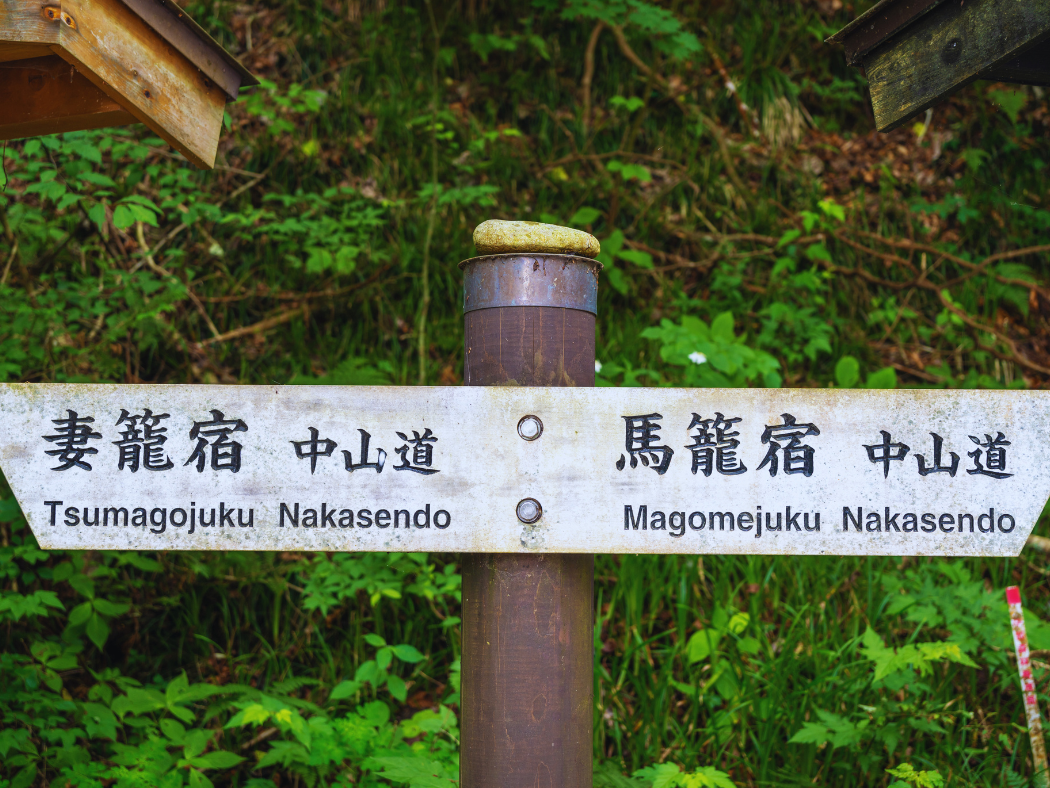
Today, sections of it are beautifully preserved, allowing you to walk on the original stone paving between historic “post towns” like Magome and Tsumago. This isn’t a wilderness hike; it’s a walk through history, past farms and waterfalls, staying in traditional inns. It is highly accessible and one of the best ways to see rural Japan.
The Spiritual Pilgrimage: Kumano Kodo
This is a very different experience. The Kumano Kodo is not a single path but a network of ancient pilgrimage trails on the Kii Peninsula, south of Kyoto. It is one of only two pilgrimage routes in the world designated a UNESCO World Heritage site (the other being the Camino de Santiago).
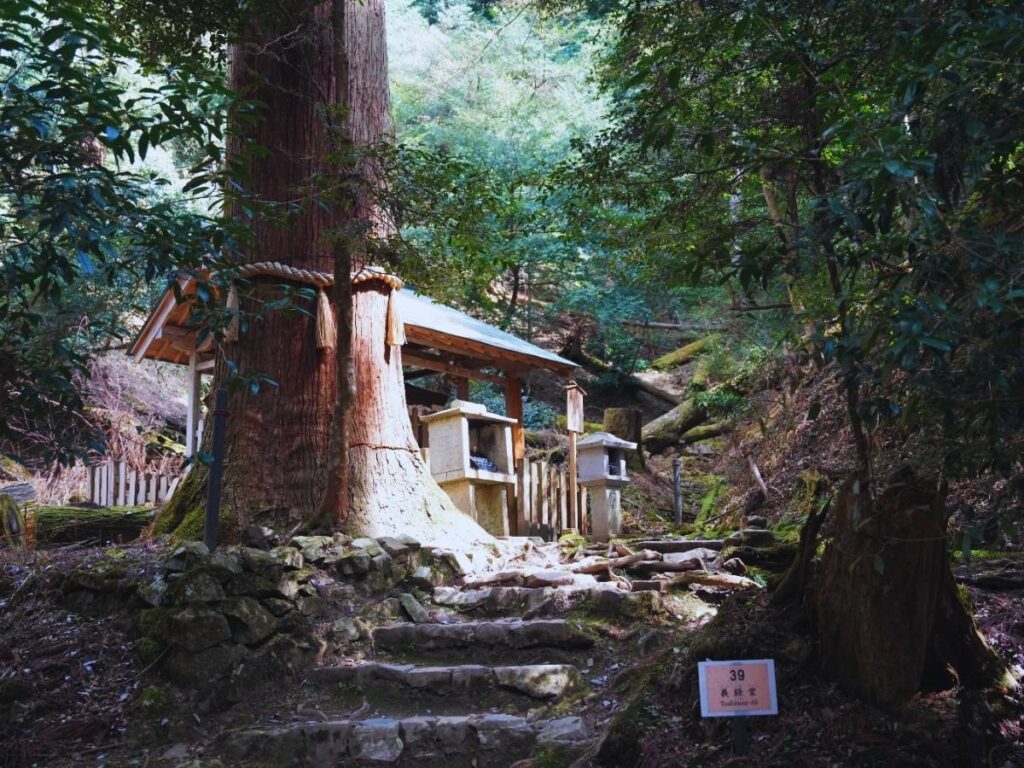
These trails are more rugged than the Nakasendo and have a deep spiritual atmosphere, connecting the three grand shrines of the region. It’s a journey through dense cedar forests, past small villages and oji (subsidiary shrines), that feels genuinely removed from the modern world.
See just how beautiful Kumano Kodo is through our guide:
Volcanic Landscapes and Onsen: Hakone and Fuji
Hakone is one of our favourite recommendations for an active trip because it has the perfect mix of challenge and reward. As part of the Fuji-Hakone-Izu National Park, the area is a geothermal hot spot.
This means you can hike trails, like the one up Mount Kintoki, that offer incredible views of Mount Fuji on a clear day, and then finish your afternoon by soaking in one of the region’s famous onsen. You can even walk sections of the Old Tokaido Road, the same path samurai and daimyo walked centuries ago. It’s easily accessible from Tokyo and a brilliant way to experience Japan’s volcanic nature.
Once your hike is done: you can explore more of Hakone with this itinerary:
The “Big” Mountains: The Japan Alps & Hokkaido
For those seeking serious, high-altitude trekking, there are the Japan Alps (in central Honshu) and the wild national parks of Hokkaido. These are true wilderness areas, offering multi-day traverses and challenging peaks.
Unlike the other trails, these are seasonal and have a short window in summer and early autumn. They require a different level of planning and gear, but they offer some of the most dramatic landscapes in the entire country. Beyond the wilderness, here is your guide to the best that Hokkaido has to offer:
The Tokyo Day Trip: Okutama
For travellers based in Tokyo who want an easy-access nature escape, Okutama is the answer. It’s technically still part of the Tokyo metropolis, but this mountainous area feels a world away from the city. It is laced with trails, from gentle riverside walks to more challenging peaks like Mount Mitake.
It’s the perfect way to spend a day breathing fresh air, seeing forests and waterfalls, all within a two-hour train ride from Shinjuku. We have a complete guide on Okutama hiking that shows just how to do it:
Experience Japan, Not Just Read About It

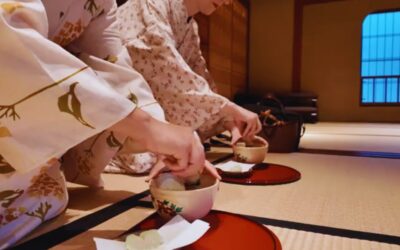
Guidebooks can only take you so far. To really connect with Japan, nothing beats trying it first-hand. After a long day on your feet, why not try a tea ceremony or a local craft workshop? We’ll help you find and book experiences that make your trip truly unforgettable.
→ Explore Authentic Cultural Experiences in Japan
Make the Critical Decision: Self-Guided vs. Guided
This is the most important decision you will make. Your choice between a self-guided trip and a guided tour will completely shape your experience, and what’s right for a city trip is often not right for a hiking trip.
The ‘Do-It-Yourself’ Plan: What to Really Expect
Going self-guided is certainly possible, but from our experience, it’s a trade-off. You gain flexibility, but you pay for it with a heavy logistical load, both before and during your trip. First, you will spend weeks researching and booking. This isn’t just hotels; it’s navigating rural train and bus schedules, which are often infrequent and only in Japanese.
Another big challenge is luggage. You cannot hike a mountain trail with your main suitcase. This means you must master Japan’s brilliant luggage forwarding system (takuhaibin). While reliable, it requires planning. You must know where to send your bag, confirm your next inn can receive it, and pack a separate overnight bag for your hike. On a multi-day hike, this becomes a daily puzzle. If you get lost, miss a connection, or can’t read a trail sign, you are on your own.
The Expert’s Choice: Why a Guided Tour Solves the Logistics
A guided Japan hiking tour is not about following a flag. It is about outsourcing all the stress so you can focus on the hike itself. When we plan trips, the first thing we solve is the logistics. A good guided trip means you never once have to worry about your main luggage; it simply appears at your next destination. All transport, from the bullet train to the local bus, is handled.
Beyond logistics, the value is in the expertise. A local guide knows the trail conditions, the weather, and the history. They can take you to a local restaurant you would never find on your own and handle any problem that arises. It is the difference between a trip spent managing logistics and a trip spent experiencing Japan.
The Perfect Active Japan Tour Combining Trails & Culture
After years of planning trips, we saw that the biggest challenge for active travellers was the “all or nothing” problem. People felt they had to choose between a city-focused trip or a remote hiking trip. We wanted to create an itinerary that solved this, one that blended Japan’s biggest cultural hits with its best active experiences, all without the logistical headaches.
This “challenge and reward” philosophy is exactly why we designed our Run & Hike Japan Group Trip.
It is built for the active traveller who wants to see Tokyo and Kyoto, but also wants to earn their views. We handle all the transport, luggage forwarding, and local navigation, so you can focus on the experience.
This blended approach means you can start your journey with a morning run past the Imperial Palace in Tokyo, and a few days later be tackling the mountain trails of Mount Kintoki in Hakone. You get to walk the historic Old Tokaido Road and explore the bamboo groves of Kyoto, balancing the “work” of the day with “rewards” like a traditional onsen soak, a kaiseki dinner, and the unmatched view of Mount Fuji.
Essential Practical Advice for Your Japan Hiking Tour

This is the practical advice we give all our clients. A successful Japan hiking tour is as much about preparation as it is about endurance. In Japan, that means being ready for changeable weather, cash-only vendors, and unique local etiquette.
What to Pack (and What to Leave at Home)
The single most important rule is to bring good waterproof gear. Japan’s weather is notoriously changeable, and a high-quality rain jacket and trousers are non-negotiable, no matter the season. Secondly, focus on layers. A fleece or lightweight down jacket is essential even in warmer months, as temperatures drop quickly at elevation.
Leave the brand-new hiking boots at home; good, broken-in footwear is a must. You will also need a comfortable daypack, as you will likely be forwarding your main luggage. One thing you might not think of is a small towel. Many public restrooms in rural areas do not have paper towels, and it’s also useful for drying off after a sudden downpour.
Trail Safety, Navigation, and Etiquette
When hiking in more remote areas, you may see signs for kuma (bears). It is common and recommended to carry a bear bell, which you can buy at any outdoor shop. On the trail, always greet other hikers with a friendly konnichiwa (“hello”). It is the polite thing to do and part of the shared experience.
While popular trails are well-kept, do not assume all signage will be in English. For any self-guided Japan hiking tour, having an offline map app with pre-downloaded routes is critical. Also, carry more cash than you think you need. Small inns, rural bus drivers, and trail-side tea houses almost never accept credit cards. Finally, Japan has a strong “leave no trace” culture. Be prepared to pack out all of your rubbish, as bins are extremely rare.
Japan Hiking Tour FAQs
How fit do I need to be to hike in Japan?
Fitness levels can vary. Trails range from gentle walks like the Nakasendo to challenging alpine climbs. For an active tour that blends hiking and running, you should be comfortable with a 5k run and several hours of hiking.
Is it difficult to hike in Japan without speaking Japanese?
In cities, it is easy. On rural trails, signage and transport schedules are often only in Japanese. While not impossible, it adds a layer of logistical stress, which is why a guided tour is often a simpler, safer option.
What is ‘luggage forwarding’ and why is it essential?
This is a service, known as takuhaibin, that sends your main suitcase to your next hotel. It is essential for any Japan hiking tour as it allows you to hike with only a light daypack.
What is the best month for a Japan hiking tour?
For stable weather and great scenery, the “shoulder” seasons of May (lush greens) and October to November (autumn colours) are, in our experience, the best.
Are there bears on Japanese hiking trails?
Yes, Asiatic black bears (kuma) live in many of Japan’s mountain regions. It is common and recommended to carry a bear bell to make noise on the trail. Also be sure to check with local authorities and advisories for more information about safety precautions and bear sightings.
Can I hike Mount Fuji?
Yes, but Mount Fuji has a very short official climbing season, typically from early July to early September. It is not possible to climb it outside of this window.