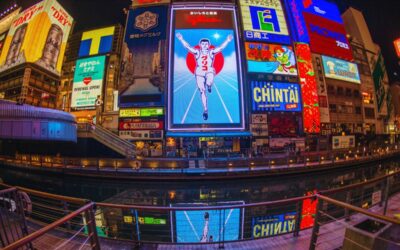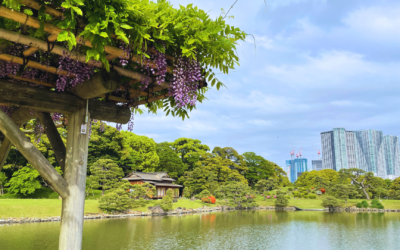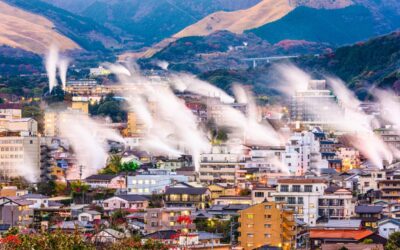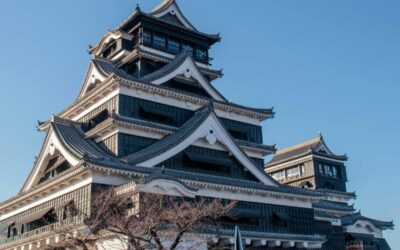
Japan is one of the best places in the world to visit as a family. It’s safe, clean, endlessly fascinating, and full of moments that feel straight out of a storybook. Between the trains, temples, vending machines, neon chaos, and serene nature, it’s the kind of trip kids will talk about for years.
But let’s be real: travelling with kids anywhere comes with a bit of chaos. In Japan, it’s not the big things that trip you up — it’s all the small stuff. The rules that aren’t obvious. The things that are super convenient if you know about them, and kind of a headache if you don’t. Like where kids ride free, which attractions need to be booked ahead, how to find a changing table in a ten-storey station, or what apps actually make your day run smoother.
That’s what this blog is for.
This series is packed with genuinely useful, no-fuss tips to make planning your Japan trip with kids easier. From transport tricks to booking advice, family-friendly places, and random things that will save your day. It’s all the stuff that’ll help you feel less overwhelmed and more like, “yeah, I’ve got this.”
1. Know How Transport Works for Kids

Japanese transport is famously efficient, but if you’re travelling with kids, there are a few rules that are really worth knowing upfront. Not to save money (though that’s a bonus), but to avoid chaos at ticket gates, awkward standoffs with staff, or last-minute scrambles when your toddler refuses to be carried.
For starters, kids aged 0 to 5 travel completely free on almost all public transport — that includes local trains, Shinkansen, subways, buses, and even airport lines. According to JR Central, one child under six can travel for free per paying adult as long as they don’t occupy a reserved seat. If they do, you’ll need to pay the child fare. Same goes for Tokyo Metro, which follows the same rule: one under-6 per adult rides free, but extra kids may need tickets, depending on the company.
The key thing here is: if you want your small child to have their own seat on a reserved train (like a bullet train), you’ll need to pay for it, even if they’re technically still in the “free” age bracket. It’s not a complicated rule, but it is one that can catch you out fast if you’re trying to board with a buggy, three bags, and a confused five-year-old in tow.
For ages 6 to 11, kids pay half fare — and you’ll want to set them up with a proper child IC card to make things easier. That’s in the next tip.
Once they hit 12, it’s full adult fare, no exceptions.
Knowing these rules means you’ll avoid unnecessary delays, surprise ticket costs, or being told to move mid-ride.
2. Get a Suica or Pasmo For Your Kids
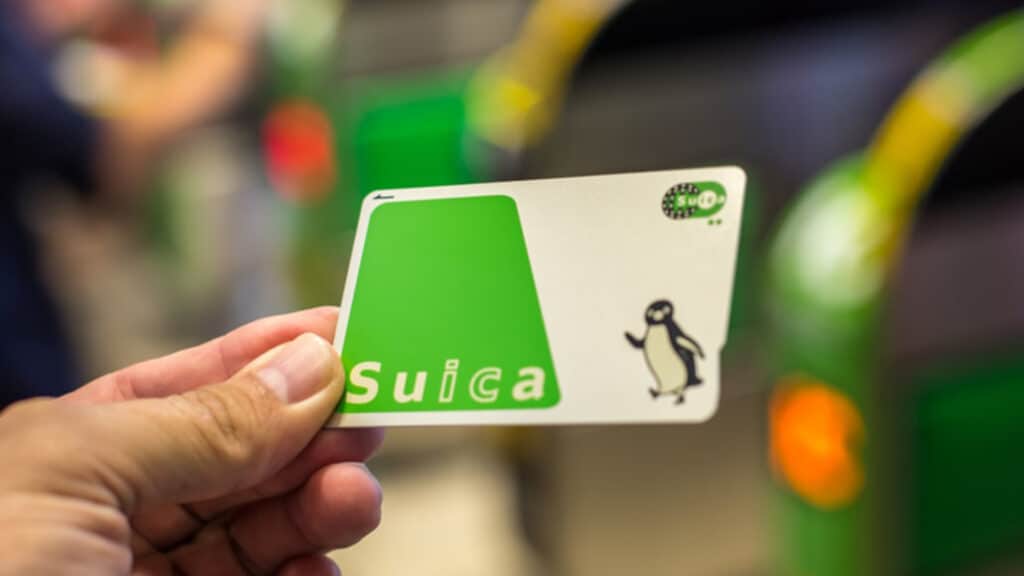
If your child is between 6 and 11 years old, they’ll need to start paying for transport in Japan — and the easiest way to do that is with a child IC card, like Suica or Pasmo. These are rechargeable tap cards that automatically apply the child fare whenever your kid travels by train, subway or bus. No need to mess with paper tickets or fare calculators every single ride — it makes getting around with kids so much easier.
To get a child IC card, you need to show proof of age — which usually just means scanning their passport. The simplest time to sort this is right when you land. Both Narita and Haneda airports have JR East Travel Service Centres and staffed ticket counters that can issue a proper Child Suica on the spot. If you’re already in Tokyo, most major JR stations can also do this. Just go to the counter, ask for a child Suica or Pasmo, and hand over the passport.
There’s also the Welcome Suica, which is a special version made specifically for foreign travellers. Some stations — including the airports — have machines that let you get one by scanning your child’s passport directly. These machines are easy to use, available in English, and let you skip the line. The Welcome Suica works just like a regular Suica, but with two key differences: it’s only valid for 28 days, and it does not require a deposit. That means you don’t pay the ¥500 deposit that comes with standard cards, but you also can’t refund the card or reuse it beyond the 28-day limit. It’s perfect if you’re only in Japan for a short visit.
Once the card is set up — whether it’s a standard child Suica/Pasmo or a Welcome Suica — you can top it up at any station or convenience store. Your child just taps in and out like everyone else, and it automatically charges the half fare. Regular child IC cards stay valid until the end of the school year in which your child turns 12 (March 31).
3. Reserve These Kid-Friendly Spots Early — They Book Out Fast

One of the easiest ways to ruin your day in Japan with kids? Showing up to a place they’ve been excited about for weeks, only to find out it’s fully booked. Some of the most popular family-friendly attractions in Japan aren’t just popular — they’re limited-entry, and tickets often disappear days or even weeks in advance. If you’re travelling during school holidays, weekends, or cherry blossom season, it’s even worse.
The Ghibli Museum in Tokyo is the worst offender — tickets drop once a month and usually sell out within minutes. It’s an incredible experience, especially for kids who love My Neighbour Totoro or Spirited Away, but there’s zero flexibility. You need to reserve your date and time slot in advance, and you can’t just walk in.
If you really want to go, set a reminder for the release date and be ready to book the moment they go live. The same applies to the newer Ghibli Park in Aichi — it’s huge and beautifully done, but each area has timed entry and strict booking requirements.
Another one that books out fast is teamLab Planets in Tokyo. It’s an immersive digital art museum that’s surprisingly great for all ages — lots of movement, colour, and sensory play that younger kids really get into. It’s massively popular though, and weekends are almost always packed. Booking ahead also means you can choose a time slot that works with your schedule, not the one weird time left when you show up on the day.

If you’re headed to Universal Studios Japan in Osaka, you’ll definitely want to buy tickets ahead of time — and seriously consider the Express Pass. The regular ticket just gets you into the park. For Mario Kart and most of the Nintendo World attractions, you need a timed entry ticket on top of that.
The app can help you grab one on the day, but it’s a stressful game of chance. Booking in advance gives you a real plan and saves you from dragging your kids around the park trying to find something with a short queue.
Same goes for Tokyo Disneyland and DisneySea. You can’t even get in without a pre-booked ticket now — everything is online, dated, and limited by crowd control policies. And if you want to use the ride reservation system, you’ll need the official app ready to go before you arrive.
Some smaller spots to look out for? Places like Legoland Discovery Centre Tokyo, the Cup Noodles Museum in Yokohama, and hands-on science museums in cities like Nagoya and Osaka often use timed slots or daily caps on admission. If you have something specific in mind, don’t wait to book it — it’s one less thing to worry about once you’re actually on the ground.
And if you want the full picture, make sure to check out our blog post all about which Japan attractions need to be reserved in advance — not just the kid-focused ones, but big-name experiences across the country you don’t want to miss.
4. Find Nursing & Nappy Changing Rooms Easily

If you’re travelling Japan with a baby or toddler, here’s something to know early: breastfeeding in public isn’t common. It’s not illegal or banned, but it’s definitely not culturally normal.
Most Japanese mums breastfeed in private, and if you try to do it openly — even discreetly — in a park or cafe, you’ll probably get a few awkward stares. So instead of dealing with that, it’s better to use the spaces that are actually made for it — and honestly, Japan does those really well.
Nearly every department store, shopping mall, and major train station has a dedicated nursing and baby care room — and these aren’t just afterthoughts. A lot of them are surprisingly nice. You’ll find comfortable seating, proper private booths with curtains or doors, and thoughtful extras like hot water dispensers for formula, nappy bins, and low sinks for washing bottles or hands.
Some even have toddler-sized toilets or little play corners to keep siblings busy. The bigger the location, the better the setup — especially in places like Tokyo Station, Shinjuku, or major shopping centres like Isetan and Takashimaya.
To actually find these rooms, the best thing you can do is download the MamaMap app. It’s a Japan-based app (with English support) that shows you nearby baby-friendly facilities — including nursing rooms, changing tables, and sometimes even family toilets.
It uses your location and has simple icons and notes from other parents, which helps a ton when you’re stuck in a massive station with zero signage in sight and a baby that needs feeding now. It’s especially useful in cities, where baby rooms can be tucked away on random upper floors or behind shops.
Even if you’re not breastfeeding and just need to change a nappy or take a quiet break, these baby rooms are a huge help. They’re clean, quiet, and designed with parents in mind — a detail that makes day-to-day travel with small kids in Japan so much less stressful.

It is also worth noting that if you’re out at a temple or shrine, nursing rooms might not be available. Based on experiences of our local guides and clients, it’s generally fine to nurse discreetly and covered on these sacred grounds, especially if there are no other options.
In some cases, like at Fushimi Inari, staff have even helped out our clients and shown them to private areas or toilets where parents can breastfeed in peace. If you’re unsure, just politely ask the staff on-site — they’re usually helpful and understanding as long as you’re respectful about it.
So before heading out each day, it’s worth checking the app and planning ahead. Japan might not be super open about feeding in public, but it absolutely makes up for it with the quality of the spaces it provides if you know where to look.
5. Don’t Haul a Stroller Everywhere — Rent One Instead

Japan involves a lot of walking — whether you’re weaving through train stations, exploring parks, or spending a full day out at a museum or zoo. For families with young kids, having a stroller available can make the day way more manageable. But you don’t need to carry one with you every single day. Japan has stroller rental services that are easy to use, reliable, and available in all the right places.
One of the best options is BabyCal, a stroller rental service run by JR East. It’s available in over 200 locations across the country — including major train stations, shopping centres, tourist info counters, and some hotels. It’s designed to be tourist-friendly, with a simple booking system that lets you reserve and pick up a stroller when and where you need it.
You can book through their website by registering once, then choosing your rental location and time. Some pick-up points are staffed, while others are self-service with QR codes. Either way, the process is fast and straightforward. The strollers themselves are lightweight, clean, and designed for city travel.
Prices are affordable — typically starting at ¥250 for the first hour, with an additional ¥100 every 30 minutes after that. Most locations also offer a daily cap, usually around ¥1,500, and some even offer multi-day rentals. It’s perfect for days when you know you’ll be out for hours and don’t want to be carrying your child half the time.
Even outside of BabyCal, many large attractions offer their own stroller rentals. Tokyo Disneyland, Universal Studios Japan, major department stores, and shopping malls often provide rental buggies for little to no cost. It’s worth checking in advance if the places you’re visiting offer this — especially if you’d rather not bring a stroller with you at all.
6. Look for Restaurants with Kids’ Menus

Meal times with kids can be a challenge at the best of times — and when you’re in a country where everything looks unfamiliar, the stress hits different.
Even if your child loves noodles at home, suddenly that bowl of ramen with floating seaweed and a soft-boiled egg might look way too weird to try. And if they’re used to snacks and simple finger food, Japan’s beautifully arranged set meals might feel totally overwhelming.
But here’s the good news: Japan is actually great at catering to kids at meal time — you just need to know what to look for.
Many restaurants, especially family-friendly chains, offer proper kids’ menus with dishes that are familiar, comforting, and designed with children in mind. These menus often include things like fried chicken, small hamburgers, omelette rice (omurice), pasta, or Japanese-style curry with rice.

And they don’t just serve the food — they present it in a way that kids will love. It’s not uncommon to see kids’ meals served in cute character-themed plates or shaped trays, often with a little toy, sticker, or dessert on the side. Some even offer kids’ cutlery and cups with cartoon designs, which adds a bit of fun and familiarity to the whole experience.
Big chains like Saizeriya, Gusto, Jonathan’s, and Coco’s always have kid options, and they’re great choices if you’re in a new area and don’t know where to go. But even smaller restaurants — especially ones located near tourist areas or inside shopping centres — often have something simple for kids.
It’s not always listed on the main menu, so if you’re unsure, it’s totally fine to ask. You can just say “okosama menyuu arimasu ka?” (which means “Do you have a kids’ menu?”), or check ahead online if they list it.
Feeding kids while travelling doesn’t have to be a daily battle. With a bit of planning, you’ll find loads of options across Japan that make meal times easier, more fun, and way less of a gamble.
7. Use Local Japanese Sites to Find the Best Kid-Friendly Spots

If you’re planning a trip to Japan with kids, don’t just rely on the usual international travel blogs. A lot of the best places for families — playgrounds, local events, museums with hands-on exhibits, quirky day trips — aren’t always listed in English. That’s where Japanese-language sites come in, and one of the most useful is Iko-yo.
Iko-yo (iko-yo.net) is a site built for Japanese parents. It’s full of ideas for days out with kids, covering everything from indoor play centres and amusement parks to seasonal events, nature trails, farms, and interactive museums. It even has sample itineraries based on the age of your kids, how long you’ve got, or what region you’re visiting. You’ll find stuff you’ve probably never come across before — the kind of places that are perfect for families, but don’t show up when you search in English.
Yes, the site is all in Japanese — but don’t let that put you off. Just open it in your phone or desktop browser with auto-translate turned on. The layout is visual and easy to understand, and even rough translations are enough to get the main idea. It’s great for filling in the quieter parts of your trip with activities your kids will actually enjoy.
If you’re looking to add more variety to your days or just want to know what locals are doing with their own kids, Iko-yo is worth checking out. You’ll come across events, places, and ideas you wouldn’t have thought to look for — and they’re often way more kid-focused than the typical tourist stops.
8. Let Kids Burn Off Energy at Station, Mall & Airport Play Spots

Japan’s bigger train stations, airports, and even shopping malls often include small indoor play corners and family-friendly zones that can be absolute lifesavers on long travel days. These spots give kids a safe place to move around and reset, while parents get a moment to catch their breath.
Tokyo Station is a perfect example — underneath the main concourse is a toy-filled mini mall where many stores feature free hands-on play corners with train sets, toy cars, and character goods. It’s a helpful distraction after navigating busy platforms or before hopping on the bullet train.
Similarly, Haneda Airport’s terminals each feature dedicated Kid’s Space lounges tucked into public and boarding areas. These provide soft mats, toys, and seating for both kids and adults, and are just a few minutes walk from the gates — ideal for tiring little feet before a flight.
Some malls also feature free indoor play areas, especially in kids’ sections or near family amenities. These are often simple but well thought-out spaces for toddlers and preschoolers to have a little break.
To use them, just take a moment at the start or middle of your day to check station maps, airport guides, or mall directories. A quick question to staff or a glance at the layout can point you to a Kid’s Space or play corner nearby.
Bonus: Add These Stops If You Want to Keep Your Kids Interested

If you’re planning out your trip and want to avoid the daily “I’m bored” meltdown, it helps to mix in a few places that are actually fun for kids. Not just “kid-tolerant” — genuinely enjoyable. These spots are either made with children in mind or have enough space and freedom for them to just be themselves for a while. They’re also great for breaking up heavier sightseeing days.
Spots in Tokyo That Are Easy to Add to Any Day:
- Yoyogi Park (Tokyo): Huge open space with wide paths, grassy areas, and plenty of room to run around or scooter.
- Komazawa Olympic Park (Tokyo): Has multiple playgrounds, bike paths, and sports zones — ideal for active kids.
- Shinjuku Gyoen: Not a playground park, but perfect for downtime — lots of space to walk, rest, and eat lunch outdoors.
- Miraikan (Tokyo): Science and tech museum with robots, space exhibits, and hands-on stuff. Good for older kids who like to press buttons and explore.
Outside Tokyo: Great for Kids, Best if You’re Already in the Area
These places aren’t central, but they’re great options if you’re already planning to explore the region. Think of them as worth the side trip, not the sole reason to travel.
- Nijigen no Mori: Outdoor park with anime and game-themed areas like Crayon Shin-chan, Godzilla, and Naruto. Combine with a trip to Kobe or the Setouchi area.
- Fukui Dinosaur Museum: One of the best dinosaur museums anywhere. Full of life-size dinos and interactive exhibits. Great stop if you’re heading to the Hokuriku region.
- Legoland Japan (Nagoya): Compact and aimed at younger kids, with rides, build zones, and shows. Easy to pair with other Nagoya activities.
You don’t need to fill your itinerary with kid-only activities, but tossing in one of these every few days helps a lot. The day feels more balanced, the mood improves, and everyone has a better time.
FAQs About Travelling to Japan With Kids

Is Japan a good place to take kids?
Yes, absolutely. Japan is clean, safe, well-organised, and packed with things that are exciting for kids — from trains and vending machines to interactive museums and theme parks. It’s also surprisingly accommodating to families if you know what to look for.
Should I take a 3-year-old to Japan?
Yes — as long as you plan with their needs in mind. There are nursing rooms, stroller rentals, kid-friendly meals, and loads of places that welcome toddlers. A bit of prep goes a long way, especially for nap breaks and avoiding too much moving around in one day.
Is Tokyo worth visiting with kids?
Definitely. Tokyo has huge parks, kid-friendly museums, character cafés, hands-on attractions like teamLab, and even entire shopping zones made for kids. It can feel busy, but it’s easy to navigate with a bit of planning.
Is Japan safe for family holidays?
Yes — one of the safest countries in the world. Crime is low, infrastructure is reliable, and people are generally respectful and helpful, especially toward families.
Are restaurants in Japan child friendly?
Many are! Family restaurants like Gusto and Saizeriya always have kids’ menus, and even smaller places often offer simple dishes for kids. High chairs and kid utensils are fairly common, especially in malls or big stations.
Is Japan easy to travel with children?
With a little prep, yes. Public transport is punctual and accessible, there are apps to help you find nursing rooms and play spaces, and most major stations and public areas have family facilities.
Do kids ride free in Japan?
Children aged 0–5 ride free on almost all public transport, as long as they don’t take a reserved seat and there’s one child per paying adult. Kids aged 6–11 pay half fare, and from 12 onward, it’s full adult price.
How many days should I spend in Japan with kids?
This really depends on your pace and travel style, but around 10 to 14 days is ideal for a mix of big attractions and slower, family-friendly days. Any less and you’ll feel rushed; any more and you’ll want to factor in extra downtime.
Making the Most of Your Trip with Kids in Japan
Travelling around Japan with children doesn’t have to be overwhelming — not when you know what to expect, what to plan for, and where to find the little things that make a big difference. From child IC cards to stroller rentals, nursing rooms, kid-friendly meals, and apps that show you exactly what’s nearby, Japan has more family-focused support than most people realise. The trick is just knowing it’s there.
Hopefully, these tips help take some of the stress out of the unknown and give you a bit more confidence to explore, enjoy, and actually relax a little — yes, even with kids in tow. And remember, it’s not about doing everything, it’s about making the experience smoother for your family and leaving space for the fun parts to actually feel fun.
Japan is incredibly welcoming, beautifully organised, and full of small details that make travelling with kids easier — once you know where to look.