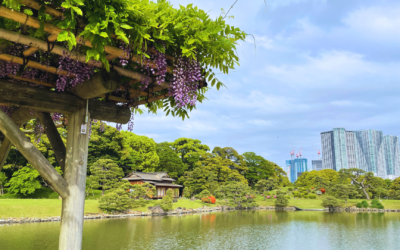
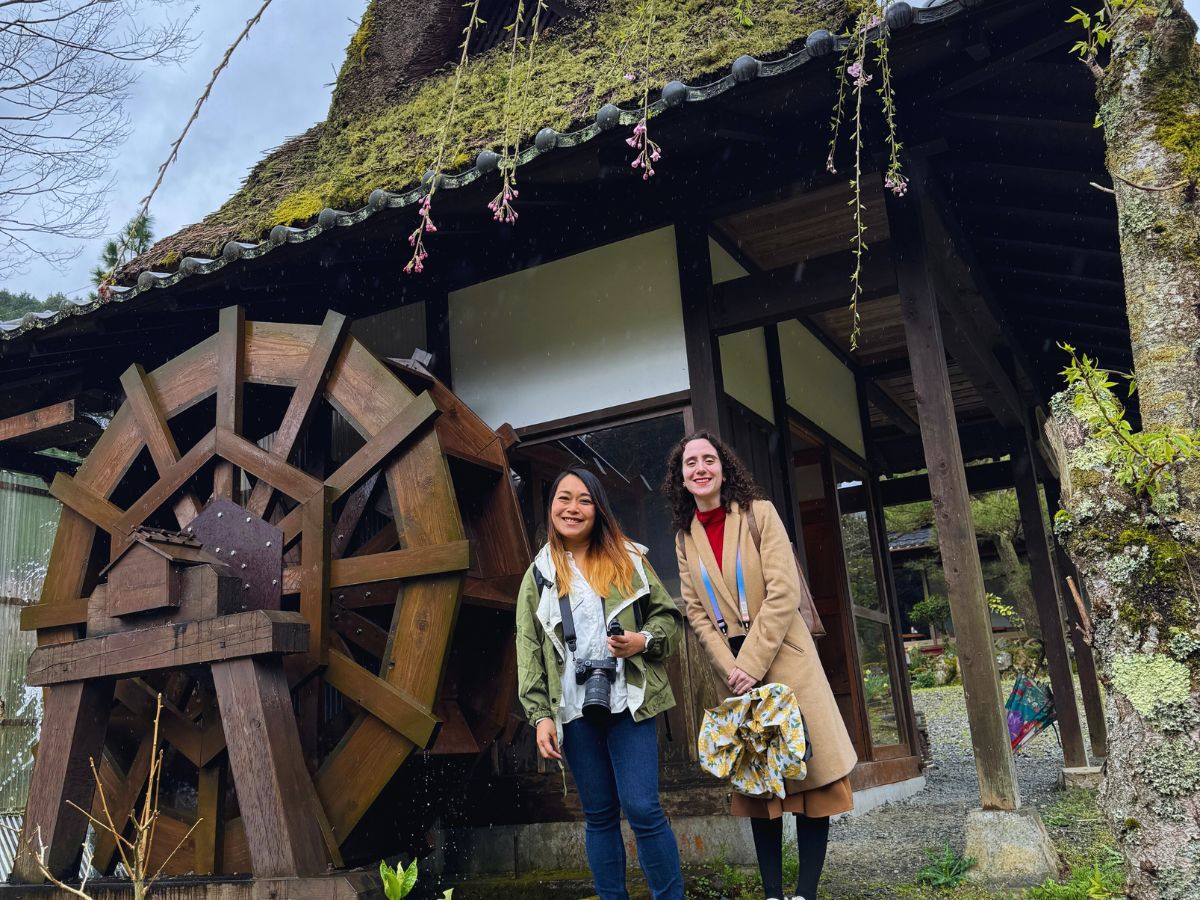
When people are looking for that classic storybook image of Japan, they are probably picturing a thatched-roof village. Shirakawa-go in the Japanese Alps is usually the first name that comes up, and it is absolutely stunning. But it is also quite a trek from main travel destinations like Kyoto and attracts massive crowds. That is why we love recommending Miyama Kayabuki no Sato as a brilliant alternative. It has that same nostalgic scenery but feels much more intimate and accessible for a day trip.
What makes Miyama special to us is that it doesn’t feel like an open-air museum. It feels like a real community. As you wander through the village, you are walking past actual family homes. You might see a local resident tending to their garden or smell woodsmoke drifting from the chimneys. It is quiet and peaceful. It offers a genuine connection to rural Japanese life without the need to travel halfway across the country.
How to Get There
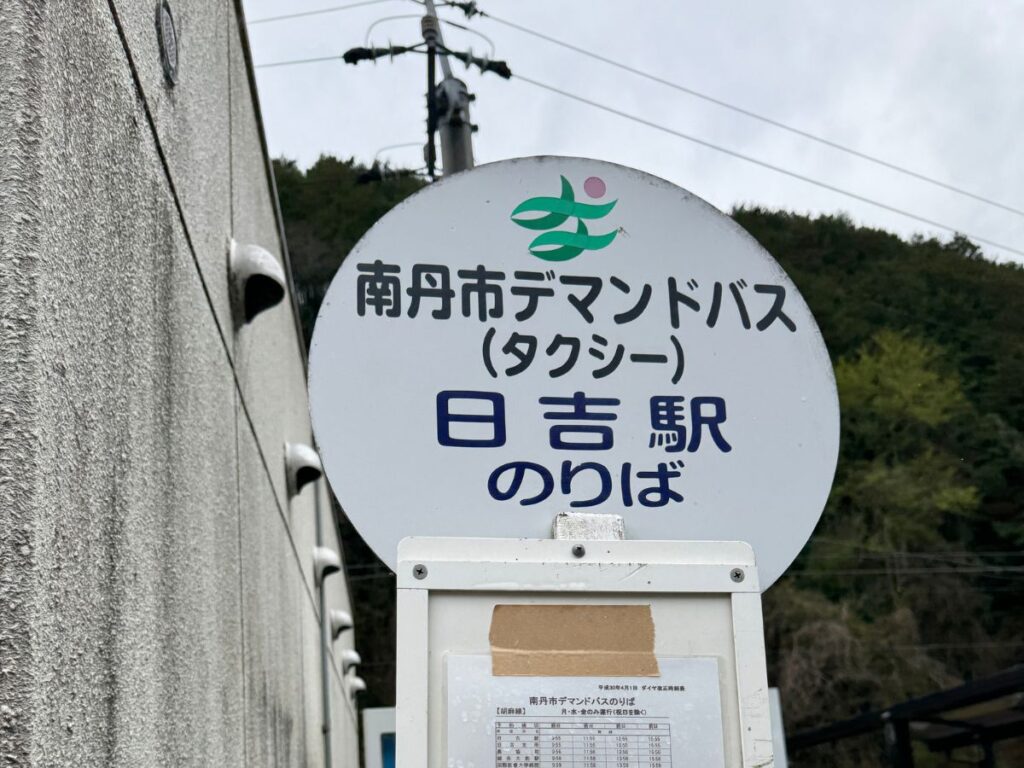
We want to be upfront about the travel logistics because Miyama is tucked away deep in the mountains. While it is in Kyoto Prefecture, it is not exactly around the corner. You can definitely get there by public transport, but you need to be ready for a bit of a journey. It typically takes about two hours one way, and you really need to keep an eye on the clock because the connections are not frequent.
Your trip starts at Kyoto Station where you will hop on the JR Sagano Line. You need to catch a train heading towards Sonobe or Fukuchiyama and take it all the way to Hiyoshi Station. The train ride is actually quite lovely as you leave the city behind and head into the river valleys. Once you get to Hiyoshi, you need to transfer to the Nantan City Bus. The stop is right outside the station. You are looking for the bus bound for Kita, which is the stop for the village.
The tricky part is that these buses usually only run once an hour. If you miss your connection, you might be stuck waiting at the station for a long time. That is why we often suggest hiring a private driver for this excursion. It cuts the travel time down significantly and lets you relax without worrying about bus timetables. But if you are comfortable navigating the system and stick to the schedule, the train and bus route is a perfectly fine way to see the countryside.
Planning a Trip to Japan? Let Us Handle the Logistics

If you would rather not spend your holiday worrying about timetables or navigating rural transport, we can help. We can arrange a private car for this day trip or design your entire itinerary from scratch! We create 100% custom itineraries based on your style and budget, ensuring you get to the places you want to visit without the stress of figuring out how to get there.
→ Find out more about our Personalised Japan Travel Planner
Miyama Village Walk-Through
Your visit begins at the Kita bus stop, which places you right at the entrance of the village. The most recognisable landmark here is the round, red post box. It has become the unofficial symbol of Miyama because the bright red creates such a striking contrast against the natural tones of the village.
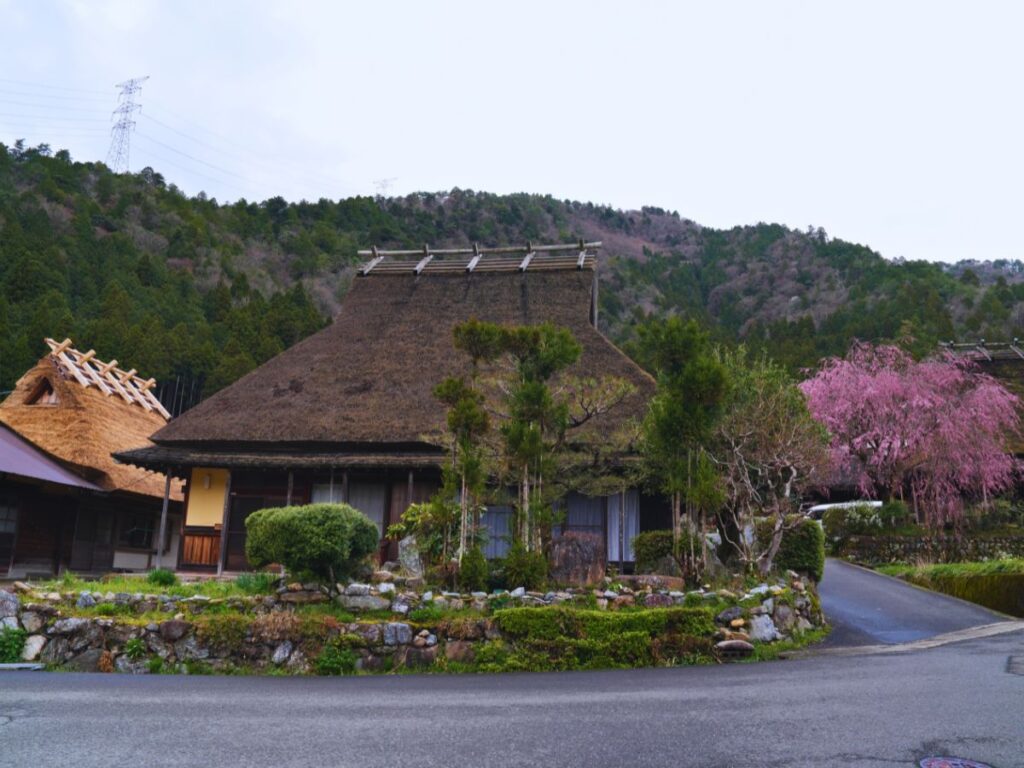
As you walk up the main path, you will get a close look at the “Kayabuki” architecture. This term refers to the traditional thatched roofs made from silver grass. When you stand next to the houses, you can appreciate the sheer scale of the construction. The thatch is often nearly a metre thick to provide insulation against the snowy winters. These roofs are not permanent; they require complete replacement every twenty years, which is a massive undertaking for the local residents.
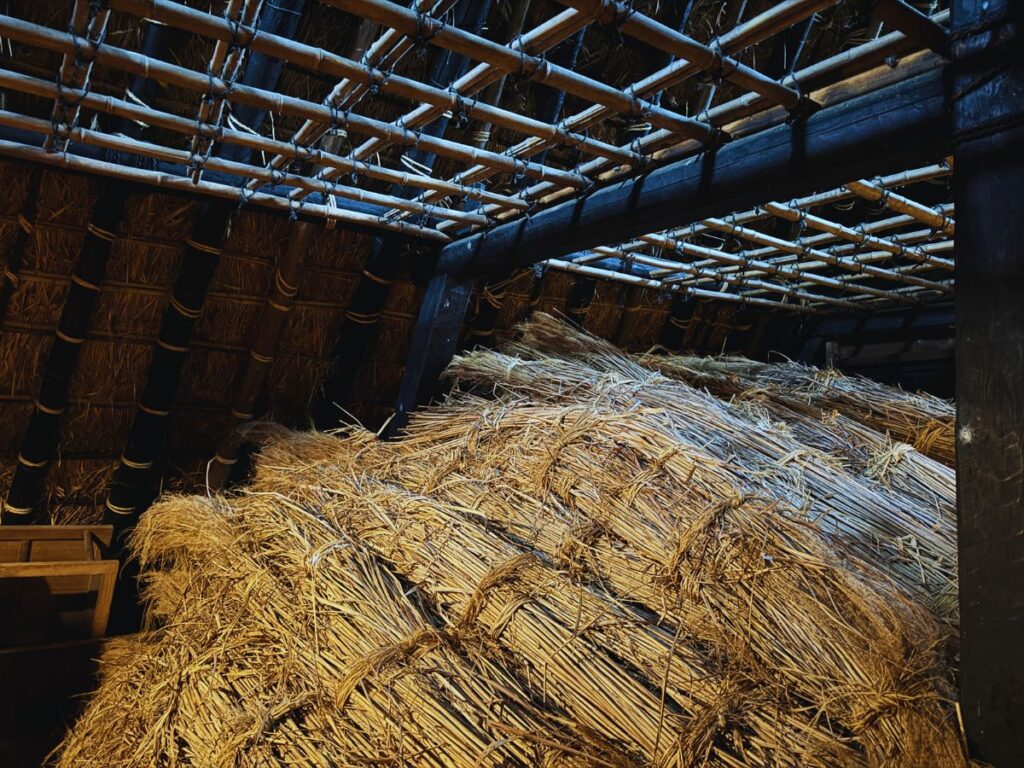
We highly recommend visiting the Miyama Folklore Museum (Kayabuki no Sato Folk Museum) about halfway up the village. The entry fee is a modest 300 yen, and it is worth it to see the interior of a traditional home. You can see the open hearth and the living quarters, but the most interesting part is the attic. You can climb up to see the underside of the roof structure and observe how the timber is bound together with rope rather than nails.
For the best perspective of the village, continue walking past the museum towards the Kamakura Shrine on the higher ground. Many visitors stick to the lower main street, but the view from the shrine is superior. From this elevation, you can look back over the rooftops with the mountains in the background.
Miyama’s Hidden Gems: The Little Indigo Museum and Secret Photo Spots
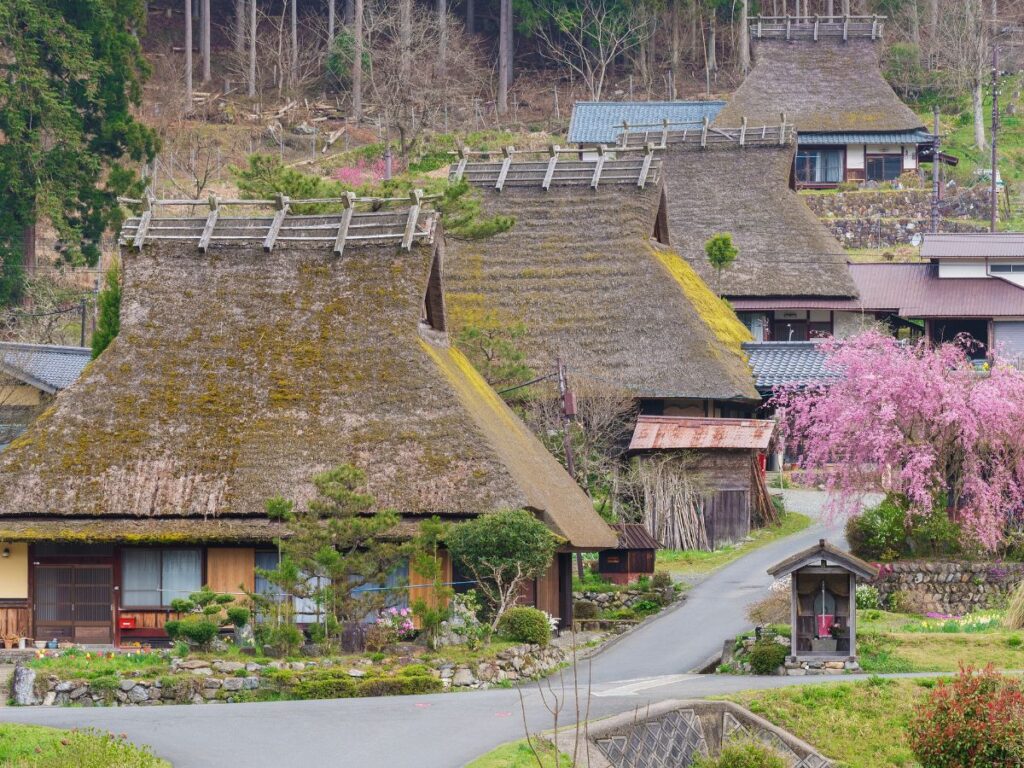
While the main street is beautiful, we advise walking up the slope towards the back of the village near the shrine for a better view. This spot gives you the best angle for photography. You can see the rows of thatched roofs with the mountains behind them. The best part is that most tourists do not walk this far up, so you can often get a clear photo without anyone else in the frame.
You should also look for the Little Indigo Museum. It is hidden in the attic of a thatched house that belongs to the dye artist Hiroyuki Shindo. It feels more like visiting a private studio than a formal museum. Just be aware that the opening hours are irregular, and it usually closes during winter from December to February.
Finally, we recommend taking a short walk down to the Yura River. Most visitors stay in the village, but the view from the riverbank is stunning. Standing by the water and looking back up at the thatched roofs gives you a complete view of the landscape. It is a quiet, peaceful place to relax before you head back to the bus stop.
Living the Satoyama Lifestyle Through Cultural Experiences
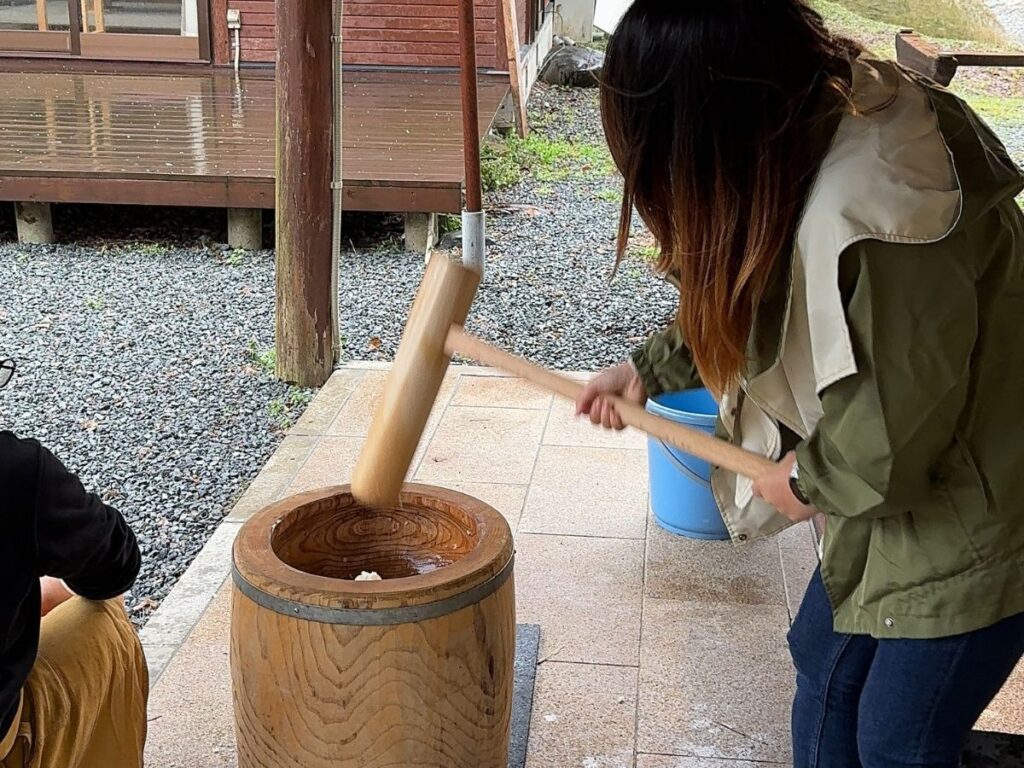
Miyama is not merely a scenic backdrop; it is a living, breathing community where the ancient philosophy of Satoyama, or living in sustainable harmony with nature, is practised daily. While the thatched roofs provide the visual charm, the true value of a visit here is in engaging with the local way of life.
Beyond the scenery, the region offers a wealth of hands-on activities, from bamboo crafting workshops to guided nature walks that explain the local ecosystem. One of our favourites for a truly energetic and memorable time is Traditional Mochi Pounding. Read about our experience here:
Miyama Seasonal Events You Can’t Miss
If your travel dates align with the village’s major festivals, you are in for a spectacular experience. However, these events attract significant crowds, so we need to stress that advance planning is mandatory.
The most famous event is the Winter Lantern Festival, which takes place from January 19 to January 23, 2026. You might see this listed as the “Snow Lantern Festival” on older websites, but the village has officially renamed it due to the warmer winters in recent years. Even without snow, the scene is magical, with the entire village illuminated by handmade bamboo lanterns and LED lights every evening from 17:00 to 19:00. If you are visiting on January 21st, you will also catch a special traditional dance performance and mochi pounding event.
We must issue a serious logistical warning for the winter festival. The direct excursion bus from Kyoto Station that operated in previous years has been cancelled for 2026. Public transport back to Kyoto after the illumination ends is virtually non-existent. This means you strictly need to drive or hire a private driver to get back to the city safely. If you drive yourself, be aware that parking spots require a reservation months in advance.
The other major event is the Water Hosing Ritual, held annually on May 20th and December 2nd. While this is technically a fire safety drill designed to protect the flammable thatched roofs, it has become a famous visual spectacle. Huge sprinklers hidden in small wooden huts open up and spray water in high arches over the entire village simultaneously.
The water spray only lasts for about five to seven minutes, usually starting at 13:30, so you have to be punctual. Just like the winter festival, parking for this event now requires a strict advance reservation, and you will unfortunately be turned away if you arrive without one.
Let Us Arrange Cultural Experiences For You

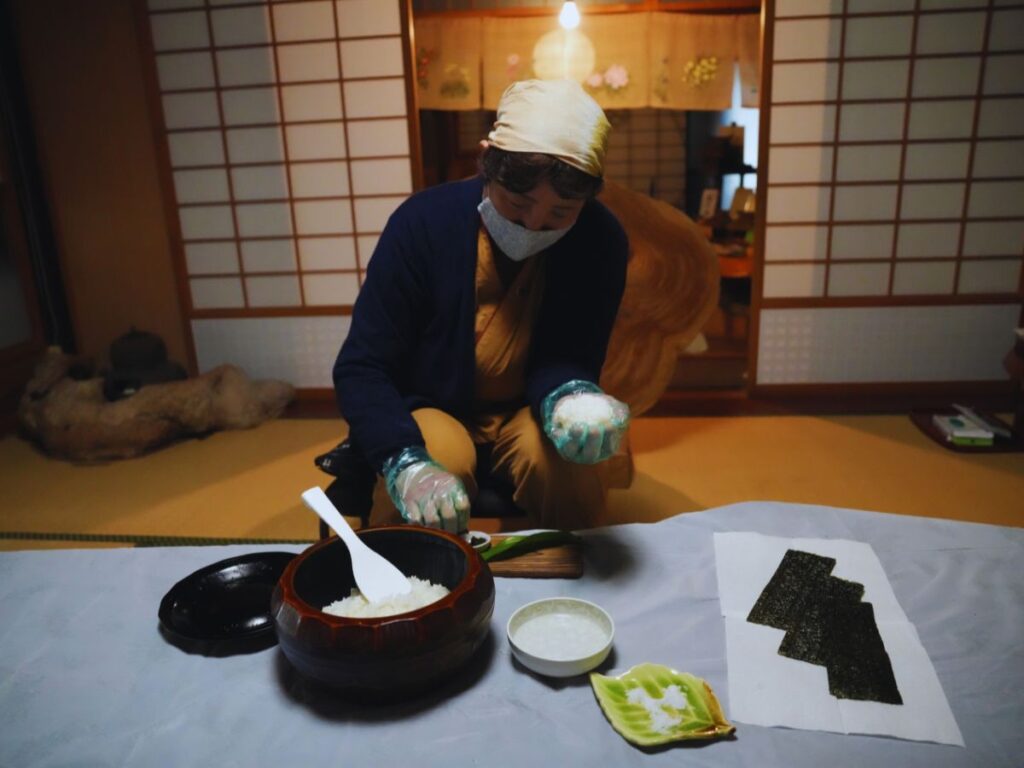
Reading about Satoyama is one thing, but experiencing it first-hand is unforgettable. From pounding mochi to arranging a visit to a local home, we can help you find and book an authentic cultural experience for your trip.
→ Browse and Book Cultural Experiences in Japan
FAQs About Visiting Miyama
Is Miyama worth visiting compared to Shirakawa-go?
Yes. While Shirakawa-go is larger, Miyama is much closer to Kyoto and far less crowded. It offers a quieter, more authentic atmosphere that feels less commercialised than other popular thatched villages.
Can I stay overnight in a thatched-roof house in Miyama?
Yes. There are traditional inns (minshuku) within the village, such as Matabe and Hisaya. Availability is very limited, so we recommend booking months in advance.
When is the best time to visit Miyama?
Late May is popular for the Water Hose Festival, while January and February feature the magical Snow Lantern Festival. Autumn offers beautiful foliage without the crowds found in Kyoto city centre.
Is the JR Pass valid for travel to Miyama?
The JR Pass covers the train journey as far as Hiyoshi Station. It does not cover the local Nantan City Bus or the direct express bus from Kyoto Station.
How much time do I need to explore the village?
2 to 3 hours is sufficient to walk around the main Kayabuki no Sato area. Plan for a full day if you want to include hiking, cycling, or a craft workshop.
Are there restaurants in Miyama Kayabuki no Sato?
Yes, there are a few local dining spots serving soba noodles and dishes made with local wild game or river fish. Options are limited, so arriving early for lunch is wise.