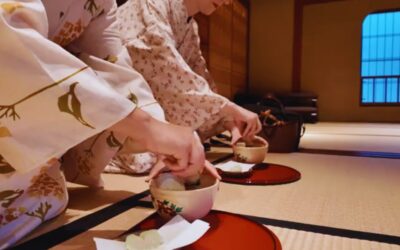
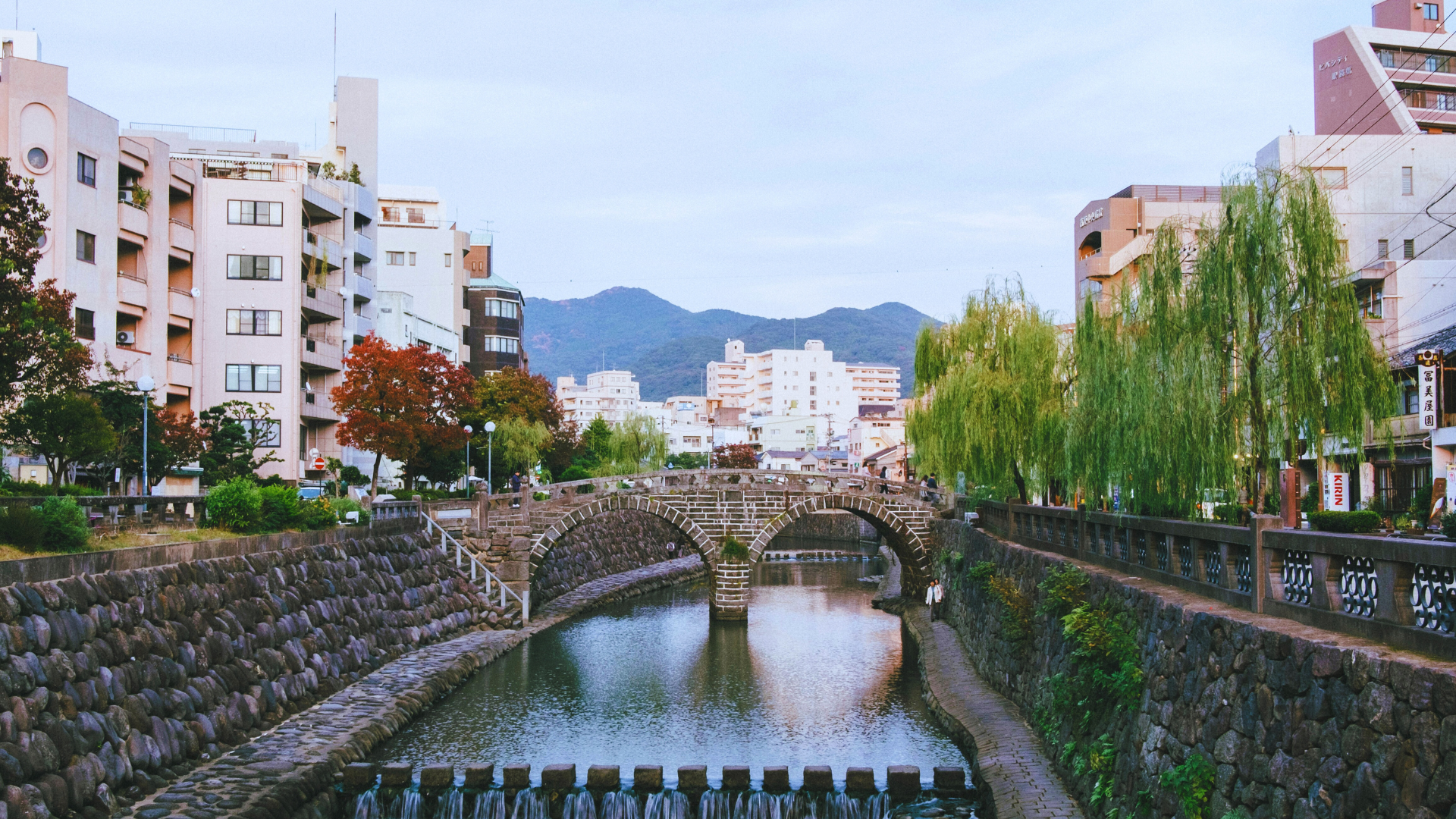
If you’re looking for a destination in Southern Japan that has a little bit of everything, then you really need to consider Nagasaki. There, you’ll find a beautiful port city on the coast of Kyushu, which has a complex and incredible history. As one of Japan’s closest points to mainland Asia, you’ll find an important trading past and current cultural fusion, in addition to the stunning natural coastal landscapes.
We truly love Nagasaki, and we’re not the only ones, with the New York Times naming it as one of the 52 top places in the world to visit this year. To help you create an incredible trip there, we’ve put together this ultimate Nagasaki area guide. Keep reading to find everything you need to know, including the best things to do and see within both Nagasaki City and the prefecture as a whole.
Need Help Planning Your Kyushu Trip?
We’d love to help! Flip Japan is a boutique travel agency helping visitors to Japan live out their dream vacations. To get started, check out our expert travel planning services to learn more about our custom trip itineraries.
A Quick Overview of Nagasaki
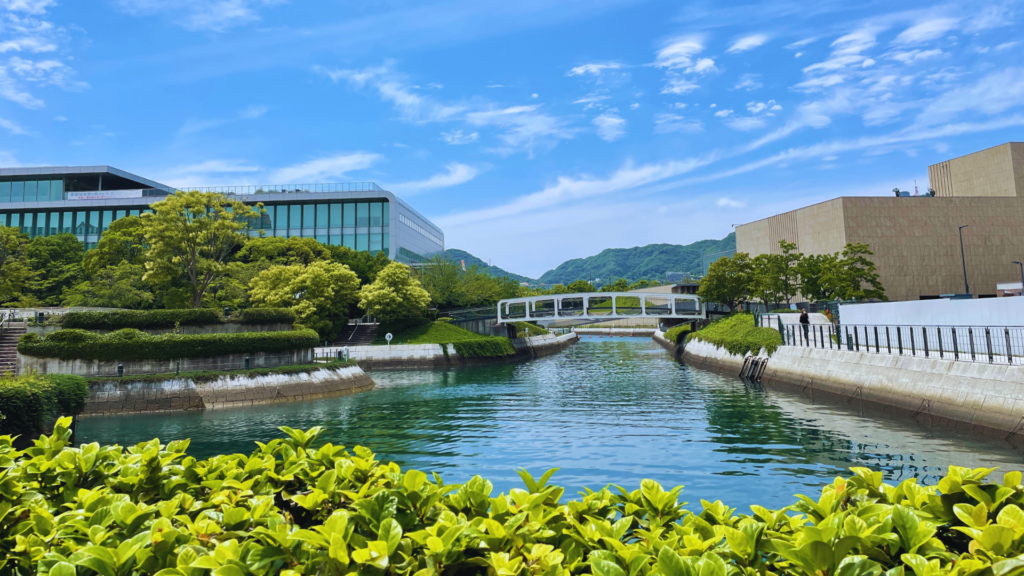
Nagasaki is a prefecture on the northwestern coast of Kyushu, with a story, culture, and atmosphere unlike pretty much anywhere else in Japan. It is one of the country’s closest points to mainland Asia, leading Nagasaki to become one of the first Japanese trading hubs. And, of course, it was also the target for the second atomic bombing of Japan in 1945. The result? A fascinating prefecture of equal parts history, recovery, Japanese traditions, and multicultural fusion.
Today, Nagasaki is known for its sweeping coastal views, hundreds of islands, and important historical landmarks. Within Nagasaki City itself, you’ll have plenty of opportunities for sightseeing, museum visits, and trying the prefecture’s unique food culture.
The History of Nagasaki
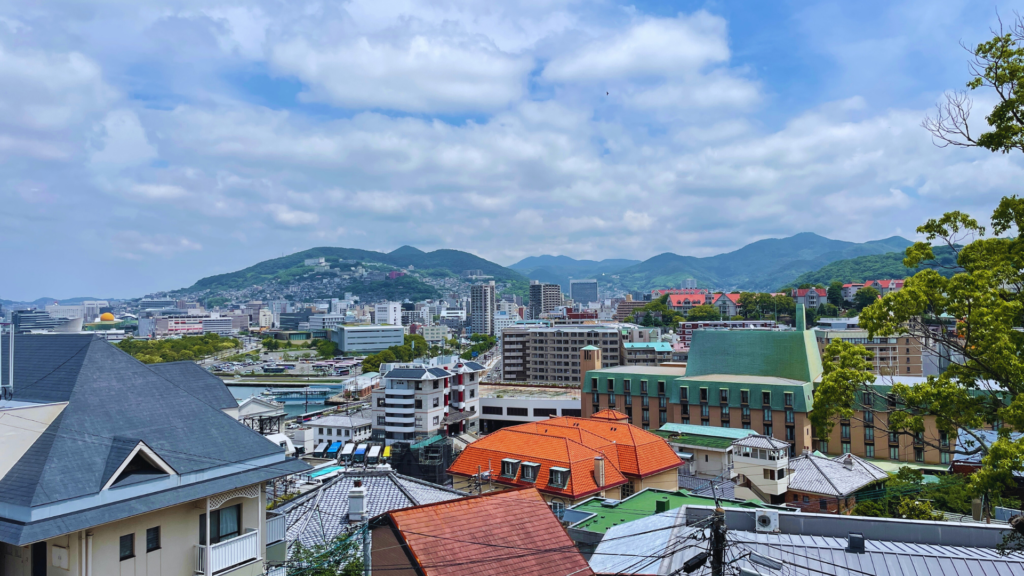
To dive a little deeper into the immense history of Nagasaki, we have to go back to the 1500s. Nagasai was originally a quiet fishing village until a group of Jesuit missionaries arrived on its shores. From this point, the area became Japan’s main gate to the West, with European goods and ideas entering the country for the first time.
The port city became so important that even during Japan’s isolation period under the Tokugawa shogunate in the 1600s to 1800s, a Dutch trading post in Nagasaki was allowed to continue to operate. In fact, it was the only remaining channel to the outside world, facilitating limited traders from the Netherlands to live and work. This Dutch influence is something still evident in Nagasaki today.
When Emperor Meiji came to power and reopened Japan, Nagasaki flourished. It became a major shipbuilding and industrial hub where Western architecture, goods, and practices intersected with the prefecture’s Japanese culture.
After the atomic bombing in 1945, Nagasaki was devastated, with over 70,000 people losing their lives as a result. Since then, the city has completely rebuilt and recovered. It is still a place where Japanese, Western, and Chinese influences exist together, with reminders of the past found throughout, for instance, the Nagasaki Peace Park and Atomic Bomb Museum.
6 Best Things to Do in Nagasaki City
Nagasaki might be one of Japan’s smaller cities, but with such a unique and complex history, it’s no surprise that there are a lot of things to do, see, and learn on a trip there. These are the 6 things we recommend the most…
Nagasaki Peace Park
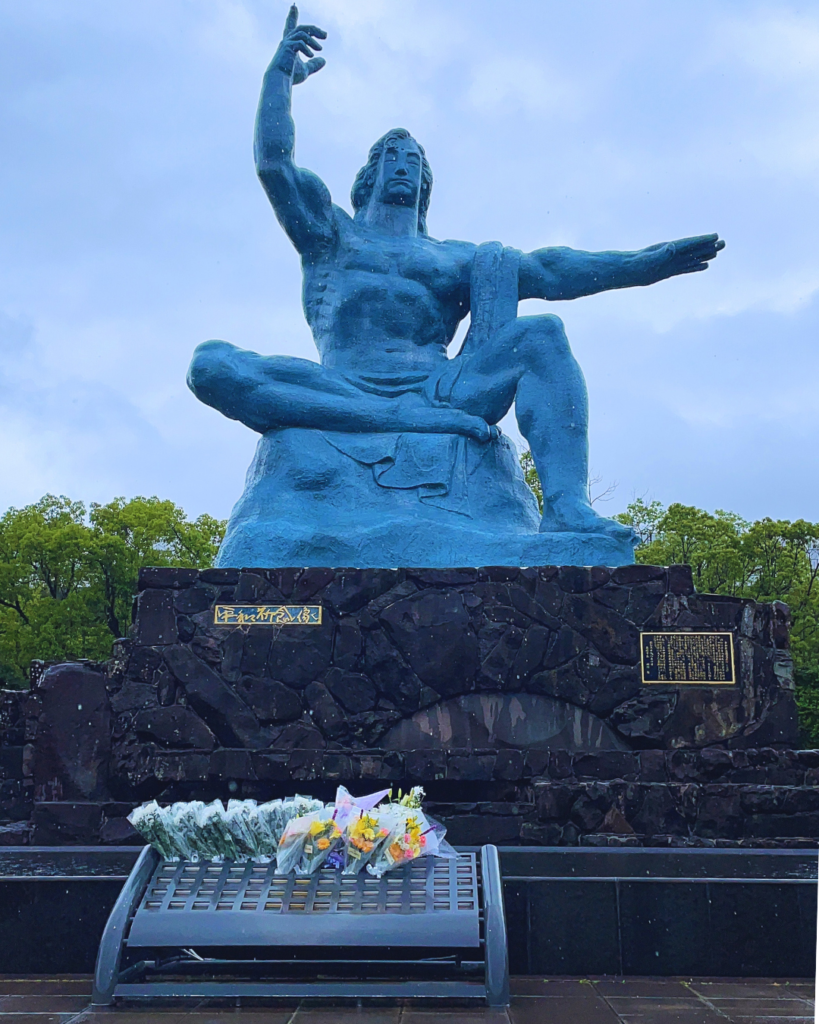
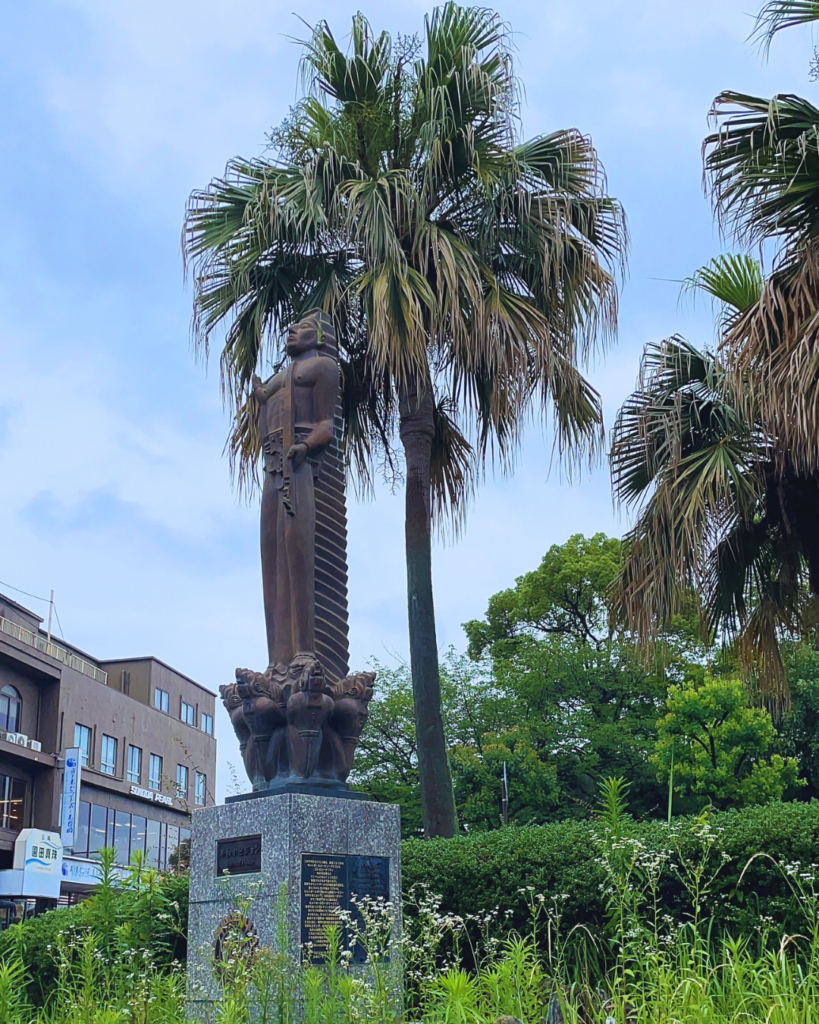
The Nagasaki Peace Park is an extremely special place. It was built very close to ground zero of the atomic bomb, which detonated on August 9th, 1945. The park acts as both a memorial to the bomb’s victims and an international call for peace.
Walking through the park is a calm and thought-provoking experience. At its centre is the Nagasaki Peace Statue, a piece created by sculptor Seibo Kitamura, and nearby is the Fountain of Peace, dedicated to the victims of the bomb who suffered from extreme thirst. Throughout the park, you’ll also notice monuments that have been donated by different countries across the world, representing their own interpretation of peace.
Location: 9 Matsuyamamachi, Nagasaki, 852-8118
Entrance Cost: Free
Opening Hours: Open 24 hours
Nagasaki Atomic Bomb Museum
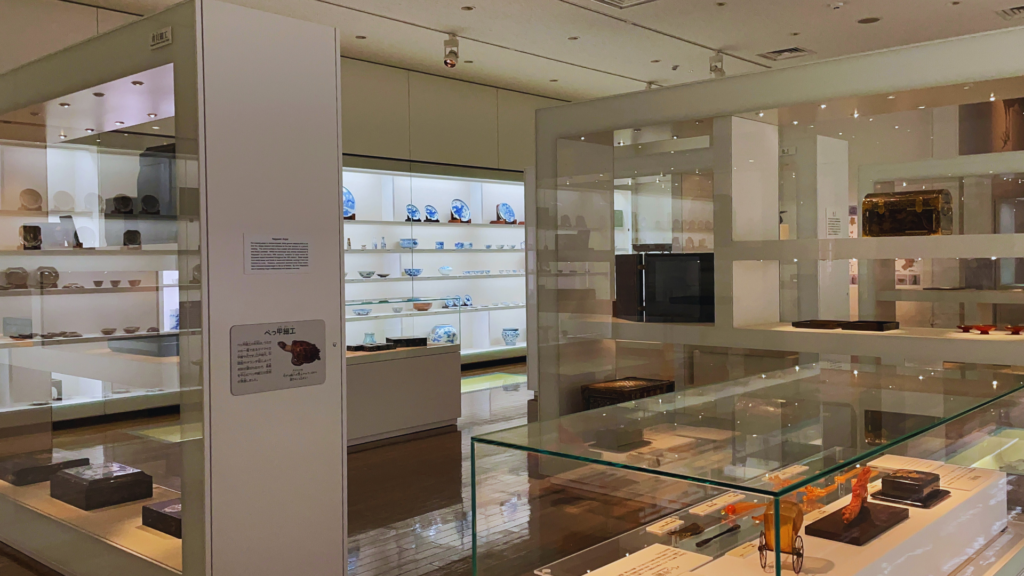
Located right beside the Peace Park is the Nagasaki Atomic Bomb Museum. It goes without saying that the experience here is heavy and extremely thought-provoking. The museum features stories of the atomic bomb’s victims, and explores the short and long-term impact of the horrifying events.
Despite the difficult and complex contents within the Nagasaki Atomic Bomb Museum, the ultimate message is one of peace. Exhibitions push for a nuclear-weapon-free world, and if you are able to make the visit, it is certainly an important thing to do.
Location: 7-8 Hiranomachi, Nagasaki, 852-8117
Entrance Cost: ¥200 for adults, ¥100 for children
Opening Hours: Daily from 8:30am to 5:30pm (6:30pm during May to August)
Glover Gardens
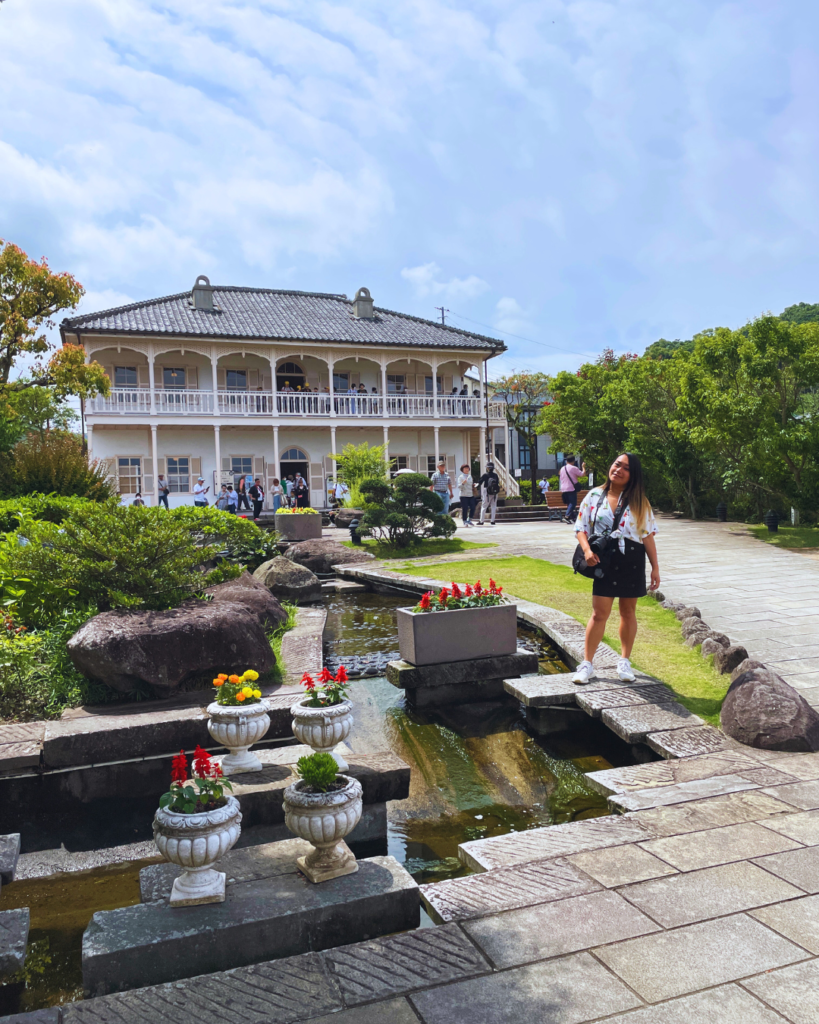
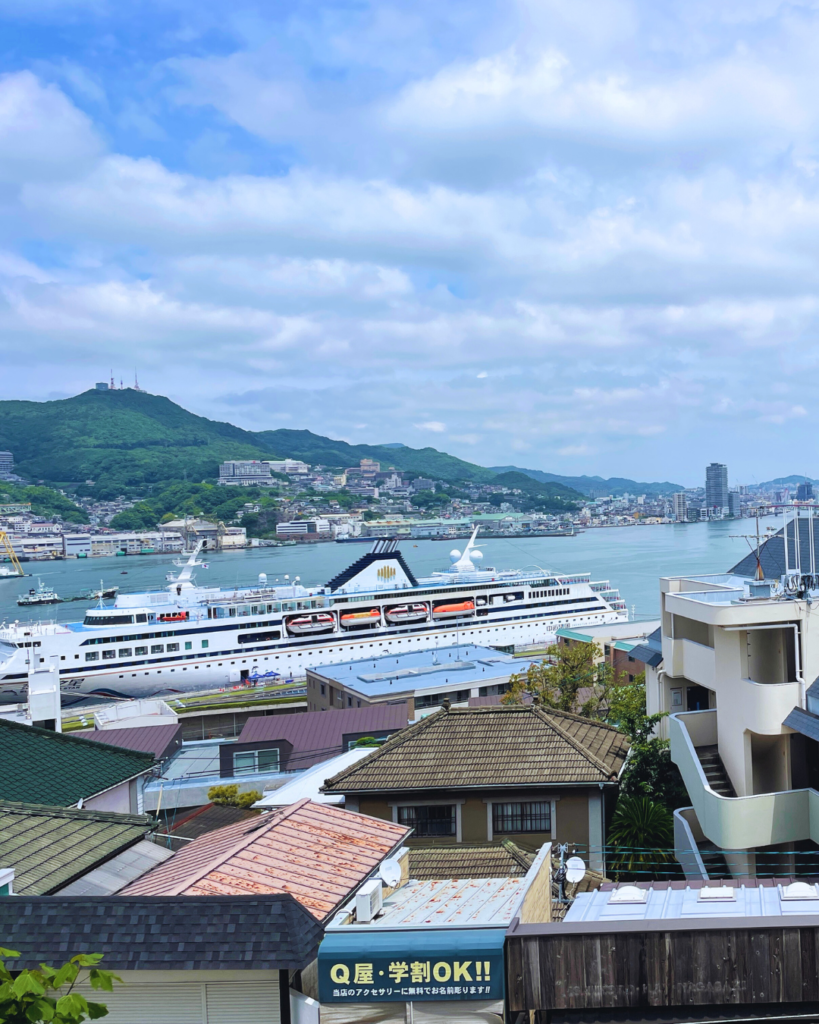
Named after the Scottish merchant Thomas Blake Glover, who arrived in Nagasaki in 1850, this mountaintop open-air museum includes nine former merchant homes. You can walk around the beautiful Western-style architecture and stunning gardens, all with the sweeping backdrop views of Nagasaki harbour.
Within Glover Gardens, there are plenty of experiences to try out, like the traditional European costumes that you can try on. There’s also a VR experience to see what Nagasaki looked like during the Edo Period, and free park tours.
Location: 8-1 Minamiyamatemachi, Nagasaki, 850-0931
Entrance Cost: ¥620 for adults, ¥310 for high school students, ¥180 for junior high and elementary school students
Opening Hours: Daily from 8:00am to 6pm (with some nighttime opening dates during the summer)
Oura Cathedral
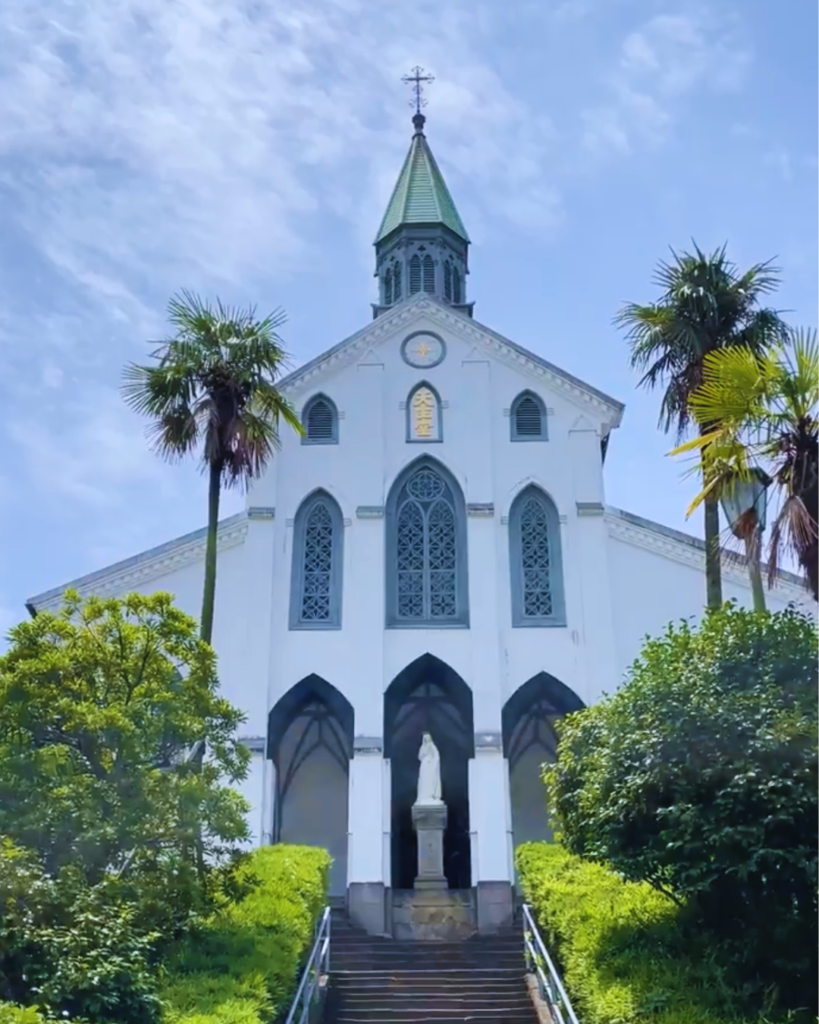
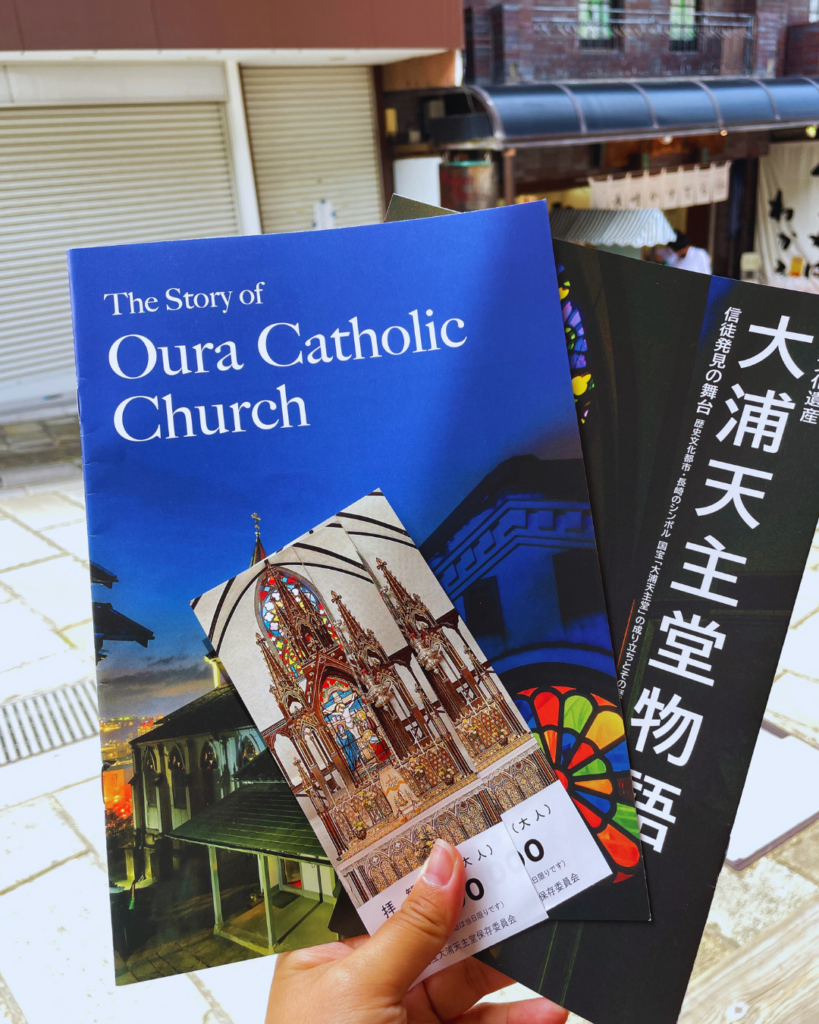
Quite close to Glover Gardens in Oura Cathedral. This is Japan’s oldest surviving Christian church, having been built in 1864 by French missionaries. Interestingly, it is dedicated to the 26 martyrs of Japan, who were executed in 1597 for their Christian faith around the time that Christianity as a whole was banned.
When Oura Cathedral was first established, people known as Kakure Kirishitan (Hidden Christians) stepped forward. This has since become a historic event for Christians in Japan, marking the revelation of those who secretly kept their faith for centuries until it was safe to openly practice again.
Location: 5-3 Minamiyamatemachi, Nagasaki, 850-0931
Entrance Cost: ¥1,000 for adults, ¥400 for junior and high school students, ¥300 for elementary school students and people with disabilities
Opening Hours: Daily from 8:30am to 6pm (5:30pm during November to February)
Shinchi Chinatown
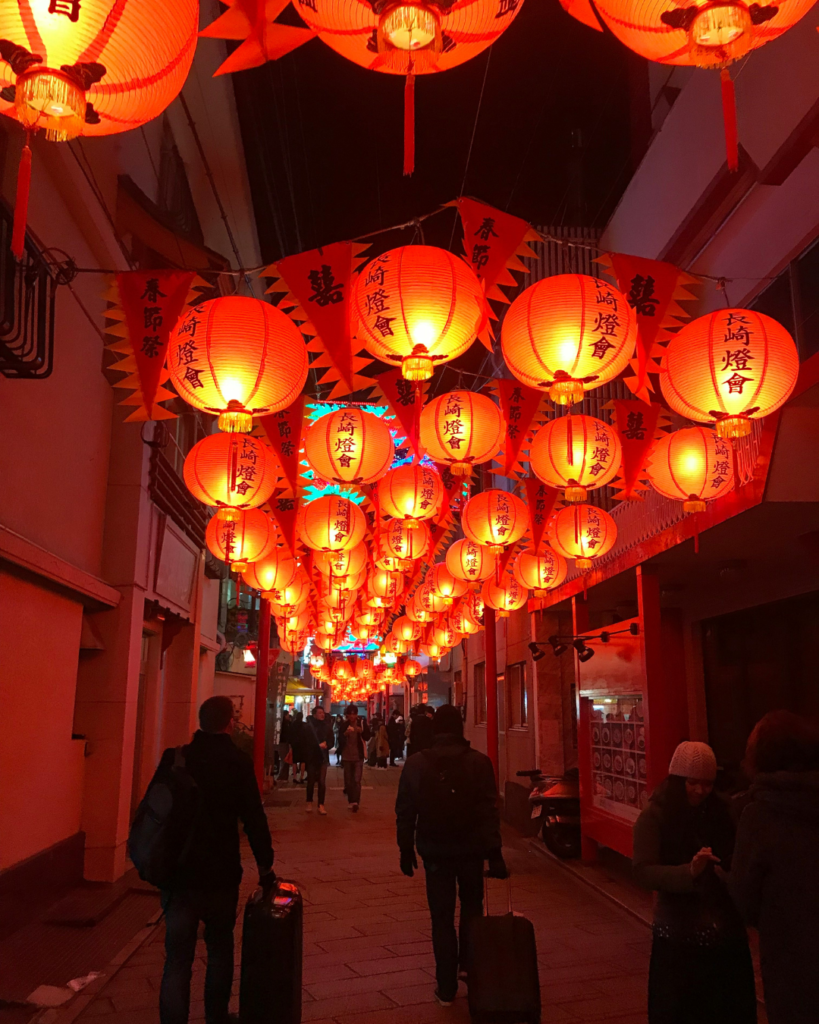
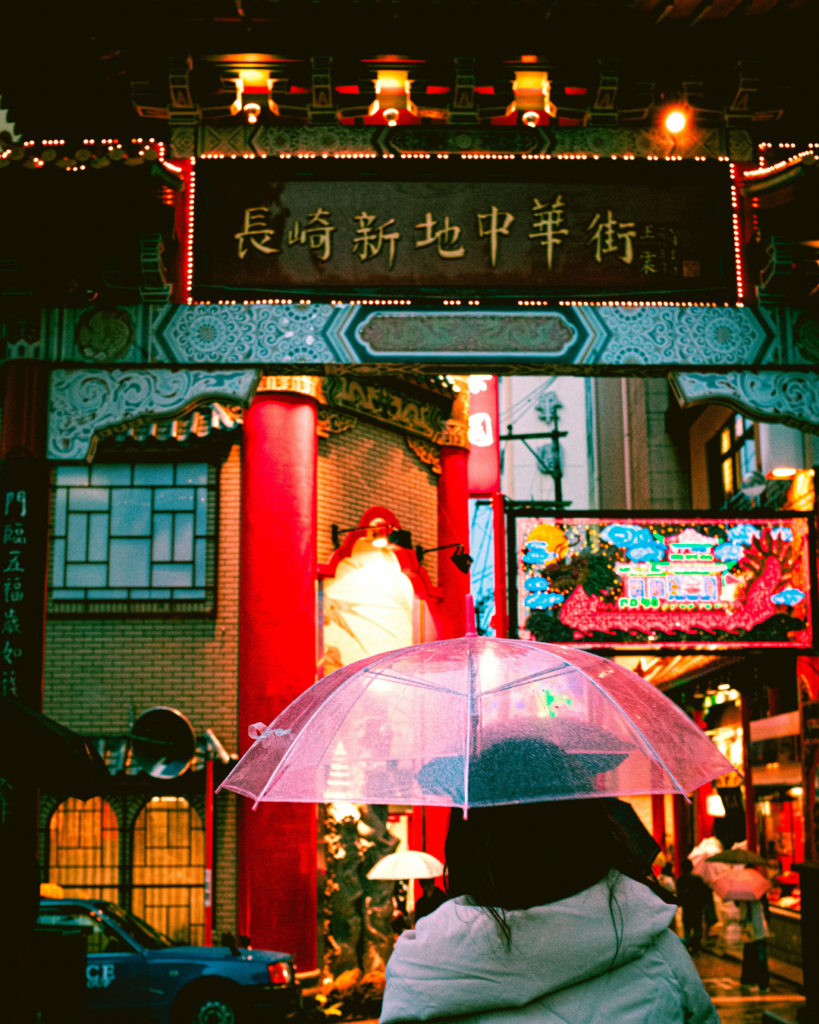
Considering Nagasaki’s long-standing trade connection with China and its physical proximity to the mainland, it is no surprise that the city’s Chinatown is well worth a visit. It is actually Japan’s oldest Chinatown, and the setting for Nagasaki’s famous Lantern Festival, which takes place every Lunar New Year.
After eating your way through the seemingly endless delicious food stalls and restaurants, we also recommend doing a little sightseeing in the area. In particular, make sure to stop by the beautiful Confucius Shrine and the Meganebashi “Spectacles” Bridge.
Location: 10-13 Shinchimachi, Nagasaki, 850-0842
Entrance Cost: Free
Opening Hours: Daily from 10am to 9pm
Dejima
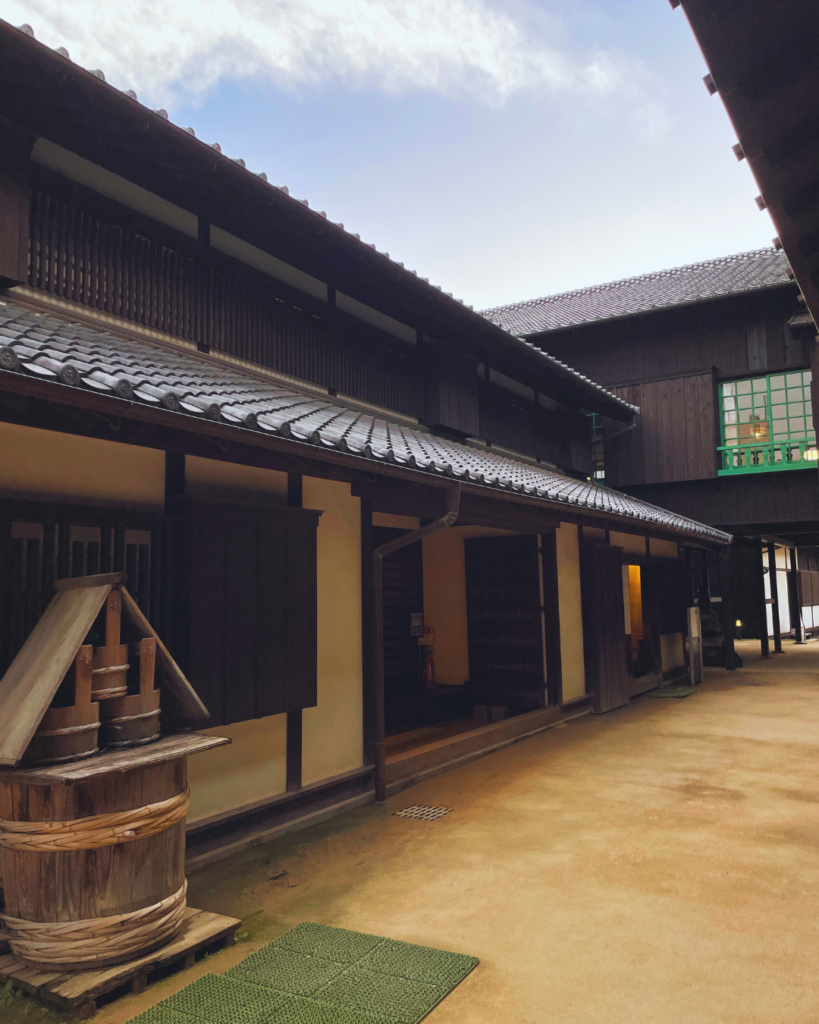
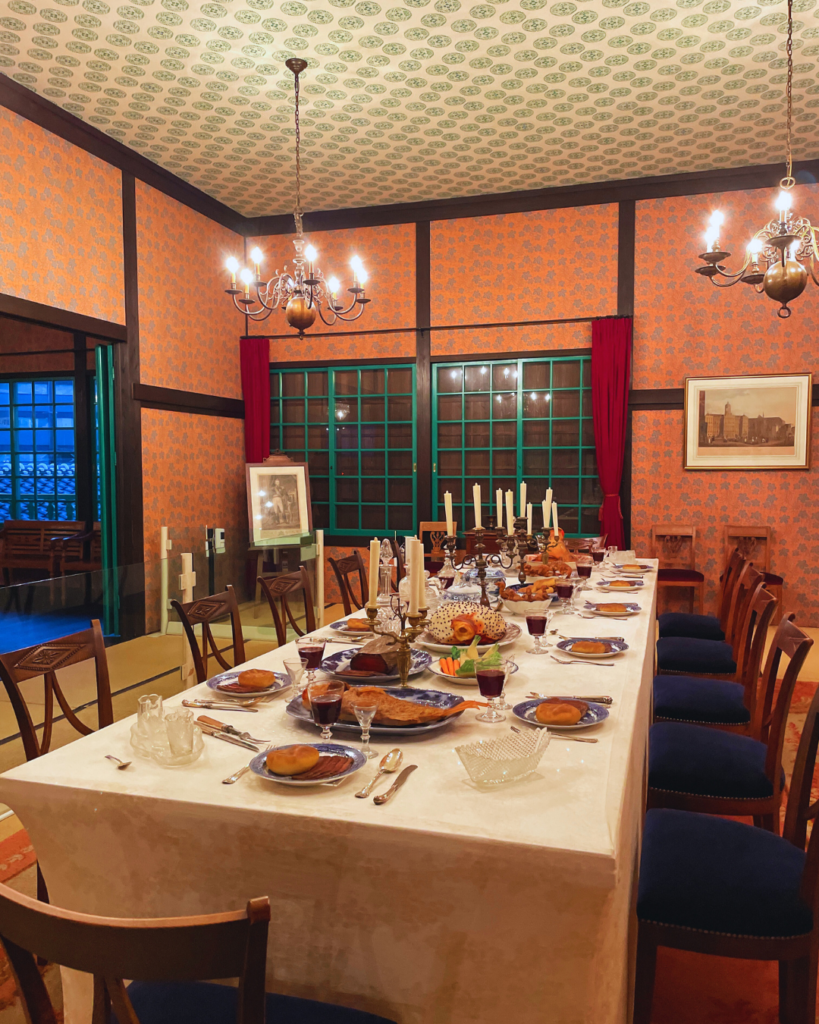
Dejima is a man-made island built in Nagasaki Bay in 1636. For 200 years, this was the only place in Japan where foreign trade was allowed to take place, and foreign traders were allowed to live. It was home to a small and controlled group of Dutch traders who lived only on Dejima with no freedom to travel or practice Christianity, and under constant monitoring by Japanese officials.
Today, Dejima is no longer an island, but the site has been carefully reconstructed and turned into an open-air museum. Visitors can explore the island to learn what life was like for the Dutch merchants who once lived there.
Location: 6-1 Dejimamachi, Nagasaki, 850-0862
Entrance Cost: ¥520 for adults, ¥200 for high school students, ¥100 for junior high and elementary school students
Opening Hours: Daily from 8am to 9pm
Places to Visit in Nagasaki Prefecture
Outside of Nagasaki City, the prefecture has plenty of incredible destinations that we think you should consider adding to your travel itinerary. Here are our favourites:
Gunkanjima
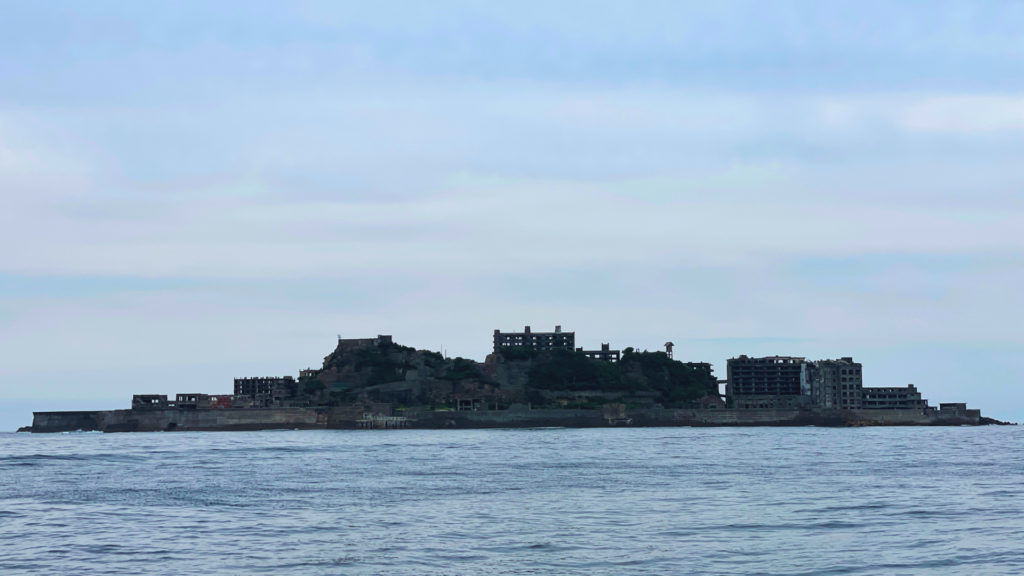
Originally called Hashima Island, meaning Battleship Island, Gunkanjima is a small island near Nagasaki Port that was once a coal mine with around 5,000 residents. In 1974, after 100 years of operation, the coal mine was shut, and the island was abandoned…that was until 2009 when tour boats began offering trips to this almost forgotten piece of Nagasaki’s past. It’s a very interesting place to explore, where you can see the ruins of the mining base and homes intersecting with nature’s green reclamation.
How to Get There From Nagasaki City:
For safety reasons, you cannot visit Gunkanjima alone and must go via an organised boat tour. These departfrom Nagasaki Port and usually take a total of 2.5 to 3 hours. Prices vary between ¥4,000 and ¥6,500.
Fukue Island
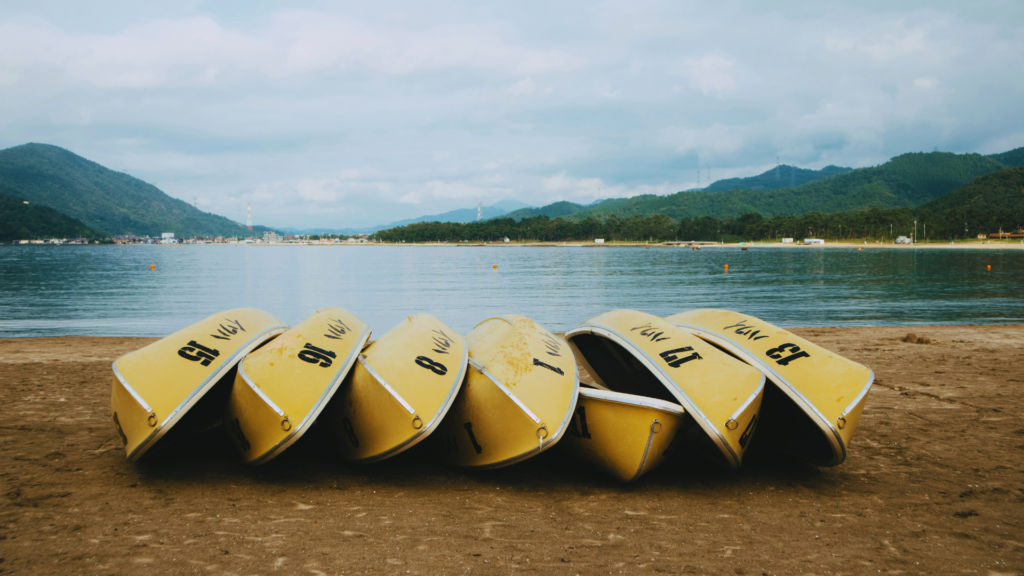
If you only have time for one other destination outside of Nagasaki, we think it should be to Fukue Island. There, you’ll find history, architecture, and incredible natural scenery. To begin, the island is home to Takahama Beach, which is widely considered one of Japan’s most beautiful beaches. There’s also Fukue Castle, a stunning 1800s castle built facing the sea, the Former Goto Lord’s Residence and Garden, and a wonderful preserved samurai quarter. Fukue is also a gateway to the other Goto Islands archipelago.
How to Get There From Nagasaki City:
From Nagasaki Port, you can take either a high-speed jetfoil ferry, which takes about 1 hour and 25 minutes, or a regular ferry, which takes around 3 hours. Ferries run daily, but schedules vary by season, so it’s best to check in advance.
Huis Ten Bosch
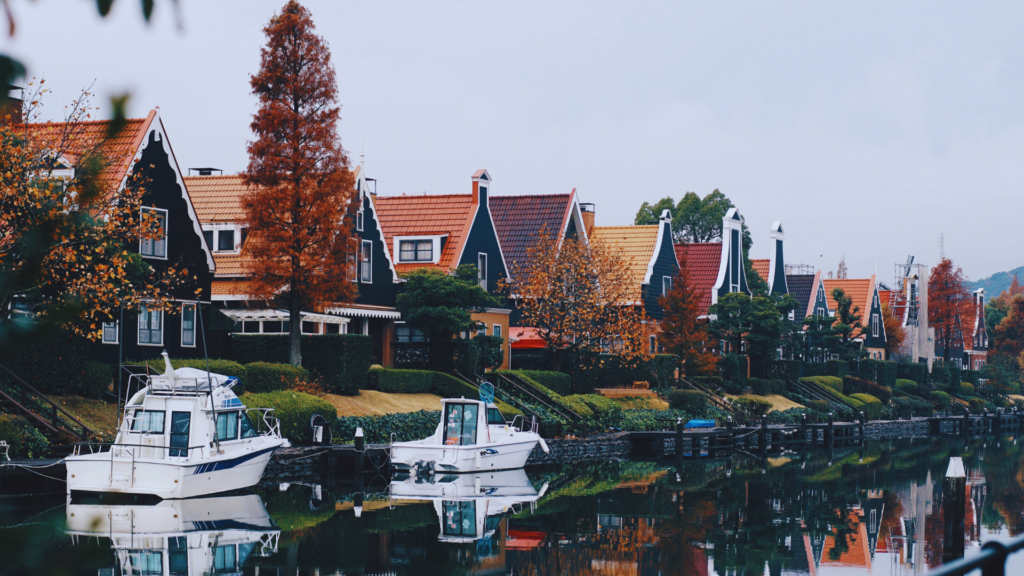
We can guarantee that there is nowhere else in the world quite like Huis Ten Borsch. It is a Dutch-themed amusement park in north Nagasaki, complete with tulip fields, a windmill, and recreated Amsterdam canals. There are rides, shows, and plenty of photo spots, in what is your one chance to experience the Netherlands in Kyushu.
How to Get There From Nagasaki City:
To get there from Nagasaki City, you can take the JR Seaside Liner directly to Huis Ten Bosch, which takes about an hour.
The Shimabara Peninsula
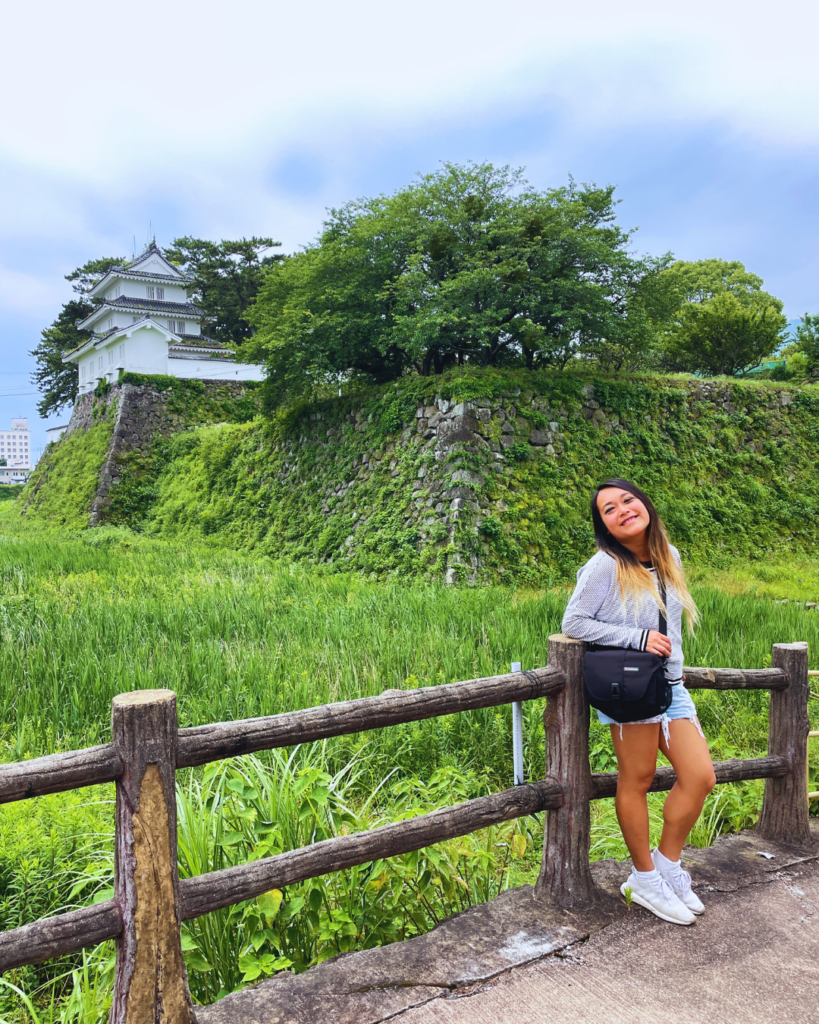
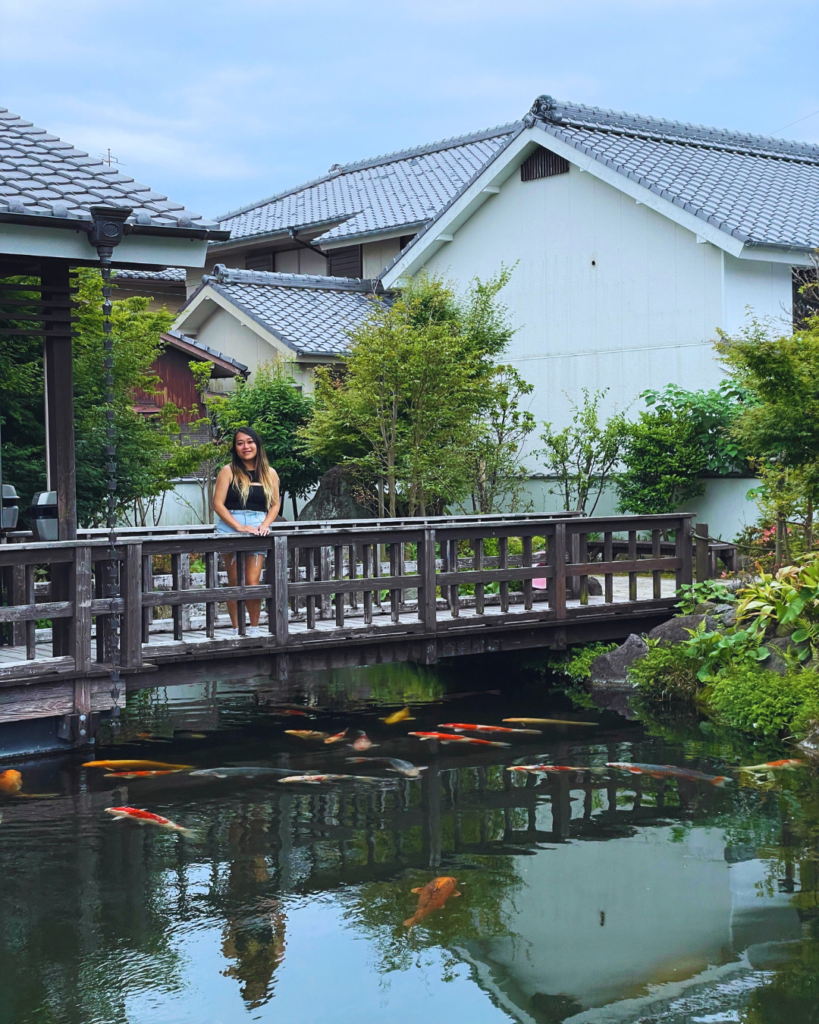
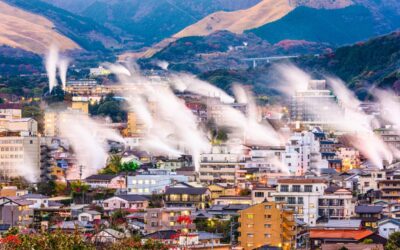
This is a lovely hot spring area in Nagasaki, formed by eruptions from the nearby Mount Unzen. Shimabara City is sometimes called the city of water for its streams, canals, and coastline, leaving you never too far from the sound of running water. When you’re not bathing in the hot springs, you can spend your time in Shimabara visiting its castle, taking a sightseeing ferry, and trying some of the city’s unique cuisine.
How to Get There From Nagasaki City:
From Nagasaki, take the Nishikyushu Shinkansen for 8 minutes (or a local train for 30 minutes) to Isahaya Station. From there, change to the Shimabara Railway and get off at Shimabara Station.
Nagasaki 1-Day Itinerary
If you’re planning to spend just one day in Nagasaki, this is the itinerary we would recommend:
Morning
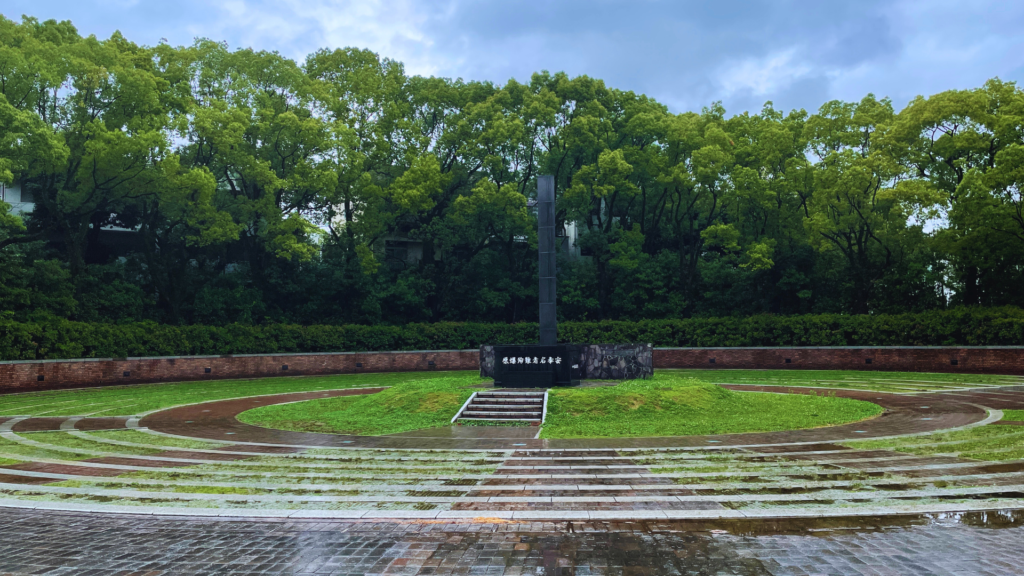
Start your day at Nagasaki Peace Park. We recommend arriving in the morning, when the park is quieter and the atmosphere feels a little calmer. Take your time walking through the memorials, making sure to stop by the Peace Statue and Peace Fountain. Once you’re ready, head next door to the Nagasaki Atomic Bomb Museum. The exhibits are confronting but extremely thought-provoking and important.
Afternoon
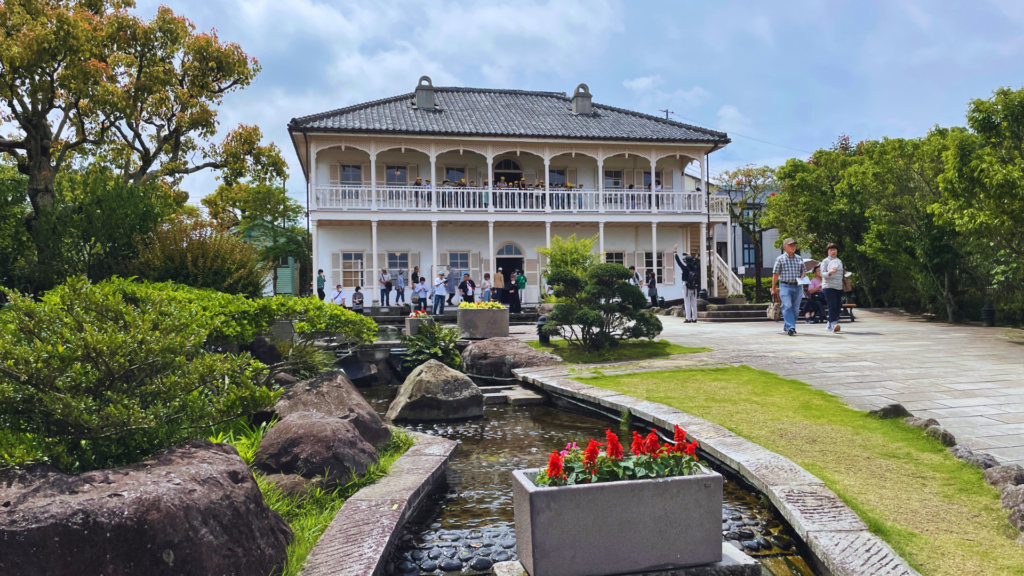
After the museum, make your way towards the southern end of the city for the afternoon. Begin with Glover Garden, where you can explore the former Western residences and enjoy sweeping views over Nagasaki Harbour. We recommend spending around an hour here.
Next, Oura Cathedral is only a short walk away. There, you can explore Japan’s oldest surviving Christian church and, if time allows, visit the small museum next door to better understand Nagasaki’s role in the story of the Hidden Christians.
Evening
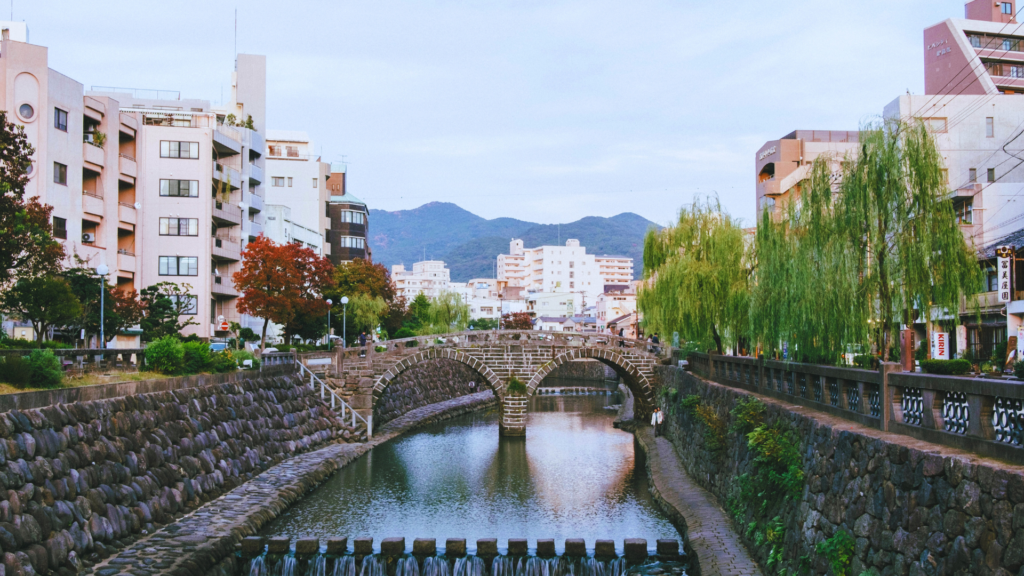
In the evening, head to Nagasaki Chinatown for dinner. This is a great place to try local favourites such as champon or sara udon. After eating, take a gentle walk to see the beautiful Meganebashi “Spectacles” Bridge, then end your day at the Confucius Shrine, which is beautifully lit at night.
How to Get to Nagasaki
There are lots of options when it comes to getting around Japan. Here’s how to get to Nagasaki by plane, train, or ferry:
By Plane
You can fly into Nagasaki Airport from major cities such as Tokyo and Osaka. From the airport, take the airport limousine bus to Nagasaki city centre, which takes about 45 minutes and stops at Nagasaki Station and a few major hotels.
By Train
If you’re already in Japan, then you’ll most likely reach Nagasaki by train. From Fukuoka, take the JR Kamome limited express from Hakata Station to Nagasaki Station. The journey takes around two hours and is the easiest option from Kyushu’s main transport hub. If you are coming from Tokyo or Osaka, take the Shinkansen to Hakata first, then transfer to the Kamome service.
By Ferry
For those travelling around Kyushu’s coast or nearby islands, you may be able to arrive in Nagasaki by ferry. There are routes connecting Nagasaki City to places like Shimabara, the Goto Islands, and Amakusa.
Nagasaki FAQs
Is Nagasaki worth visiting?
Yes! Nagasaki is one of Japan’s most unique destinations. It has a history of global trade, atomic devastation, and resilience. It also has breathtaking natural beauty and a wonderfully diverse landscape.
How many days do you need in Nagasaki?
Whilst you can hit the major spots in Nagasaki City in one day, to make the most of Nagasaki, you should allot at least 2 days, with extra time for exploring other areas of the prefecture like Fukue or Shimabara.
What is Nagasaki best known for?
Nagasaki is probably best known as the second target of America’s atomic bombs during WWII. It is also renowned within Japan for its trade history and role in Japan’s relationship with Christianity.
Is it easy to get around Nagasaki?
Yes, Nagasaki City is compact and easy to explore using trams, buses, and on foot, with most major sights located within the city centre. The prefecture can be trickier without a car, but with trains and ferries, it is possible.
What food should you try in Nagasaki?
Local specialities include champon noodles, sara udon, and castella cake, all of which reflect the city’s long history of cultural exchange.