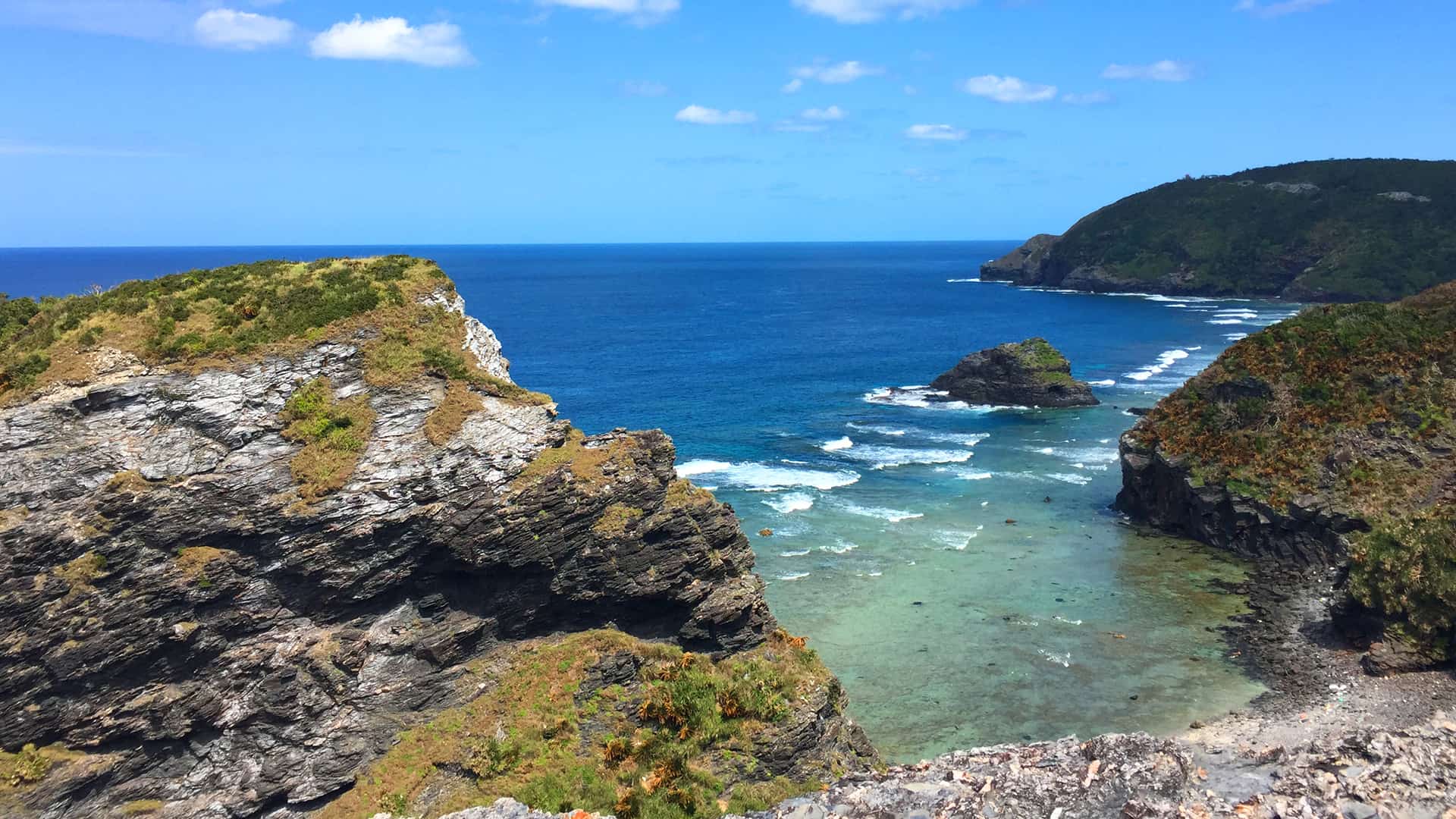
There’s a reason so many Japanese people dream of visiting Okinawa one day. The island prefecture is a paradise of tropical beaches, untouched nature, historic sites, and incredible food. It has some of the world’s most striking coastlines, with a laid-back island culture, rich in Ryukyu traditions.
If you’re lucky enough to be considering your own trip to the Ryukyu archipelago, then you probably have a lot of questions about how to plan an Okinawa trip. As a travel agency based in Japan, we’ve created this Okinawa prefecture guide to help answer some of those queries. We’re sharing everything you need to know, from an island-hopping guide to when to visit and what to pack.
A Quick Overview of Okinawa
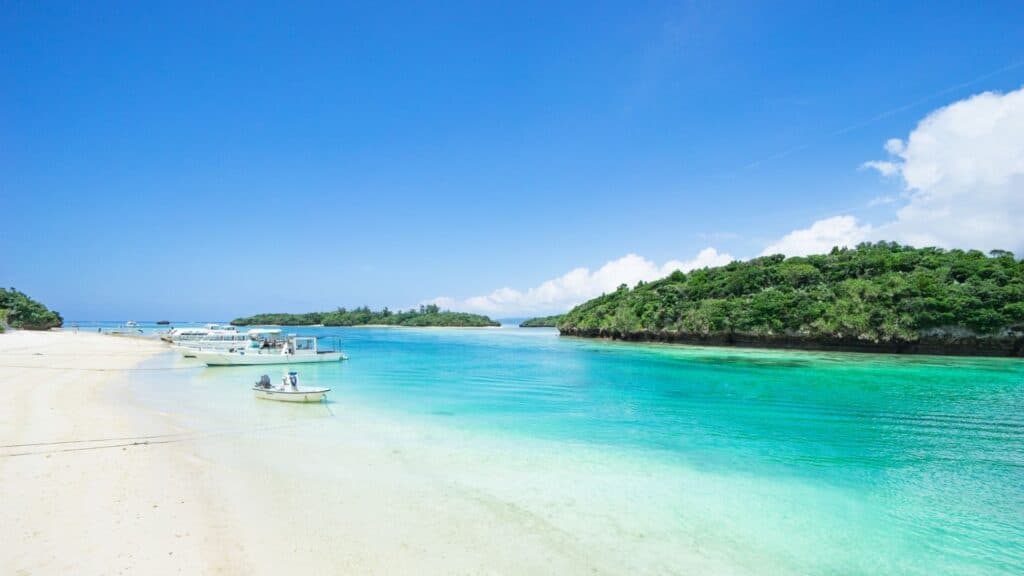
Okinawa is Japan’s Pacific island prefecture, located south of Kyushu. It is made up of 160 islands, and with a unique cultural heritage, it is a place with customs and traditions like nowhere else in the world. Okinawa is known for its amazing cuisine, pristine beaches, and amazing wildlife. It truly feels more like a tropical getaway than a part of Japan, with everything from snorkelling to whale watching, hiking to cycling, and luxury resorts to rural camping.
To reach Okinawa, you’ll need to take an airplane to one of the prefecture’s major airports. The biggest of these is in Naha, Okinawa’s capital city. It’s found in the South of Okinawa Island near the US Navy base, which has had a large impact on the city’s development. Naha is a true mix of traditional Ryukyu (the original Okinawan kingdom) culture, Japanese impact, and Western influence.
Outside of Naha, however, you’ll find some of the most untouched, beautiful, and remote island paradises in the Pacific Ocean. You can explore the prefecture by plane, boat, and car, but be prepared for limited public transport for crossing the larger islands.
The History of Okinawa

There’s no way to share an Okinawa prefecture guide without also sharing the history of the archipelago. Long before becoming part of modern Japan, the region formed the independent Ryukyu Kingdom, a maritime state that connected East and Southeast Asia. It has a longstanding history of trade with China, Korea, and Japan, whose impact on Okinawa’s culture can still be seen today.
The Ryukyu Kingdom’s independence lasted until the late nineteenth century, when Japan formally incorporated the kingdom and created Okinawa Prefecture. Then, during the Second World War, the archipelago experienced mass devastation. The islands became the site of one of the war’s fiercest battles, resulting in widespread destruction and loss of both civilian and soldiers’ lives.
After the war, Okinawa remained under the administration of the United States for several decades before being returned to Japan in 1972. Today, Okinawa has rebuilt into a peaceful and joyful prefecture that has held on strongly to its Ryukyu roots. You can see evidence of the past all over the prefecture, from war memorials to the traditional Ryukyu food served in every izakaya.
Okinawa Islands Guide
One of the most difficult elements of planning an Okinawa trip is working out where to go. There are between 30 and 40 islands that are easily reached by travellers, but many are far distances apart, and it can be very difficult to visit multiple in just one trip.
To help you plan your Japan itinerary, here is an outline of the main Islands.
Okinawa Island
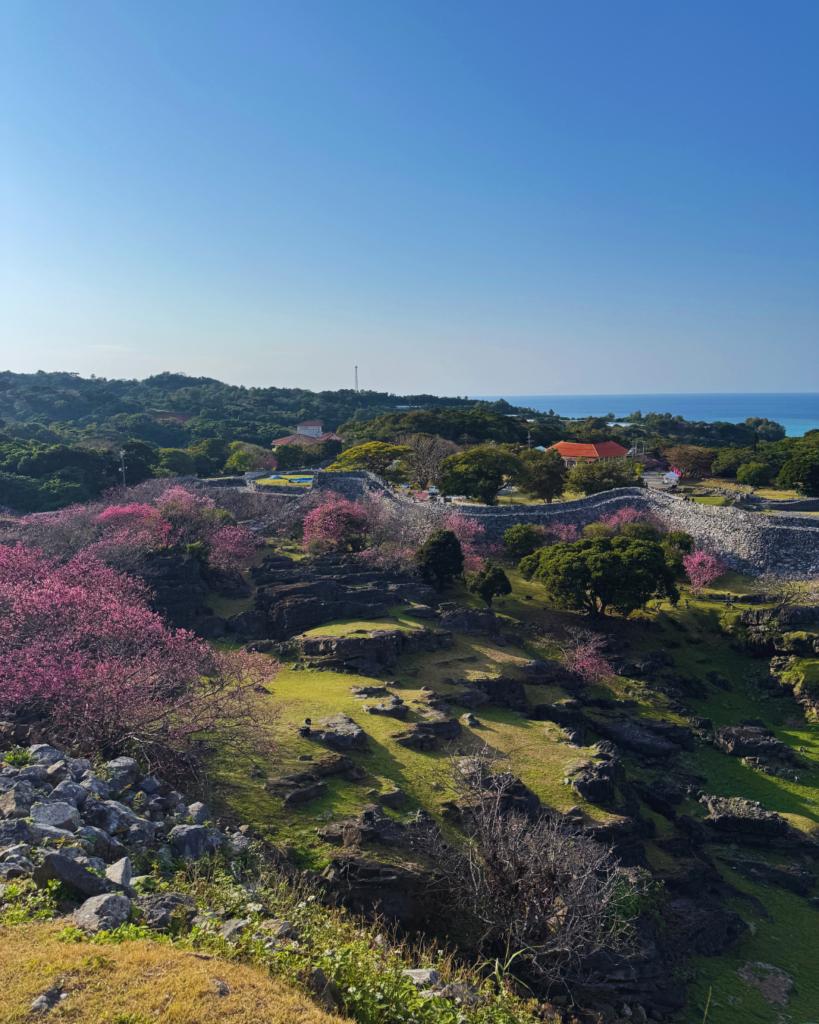
This is the main and largest island, and home to the prefecture’s capital city, Naha. It is by far the most built-up island in the archipelago, with a population of around 1.4 million people. Naha has a lively atmosphere and plenty of infrastructure built around tourism, such as the famous Kokusai Dori shopping street, Tsuboya pottery district, and Shuri Castle, which you can visit to watch the process of renovation in real time. Naha is less of a beach destination, but makes a great first stop and entry point to other areas of Okinawa, like the north of the island or the nearby Kerama Islands.
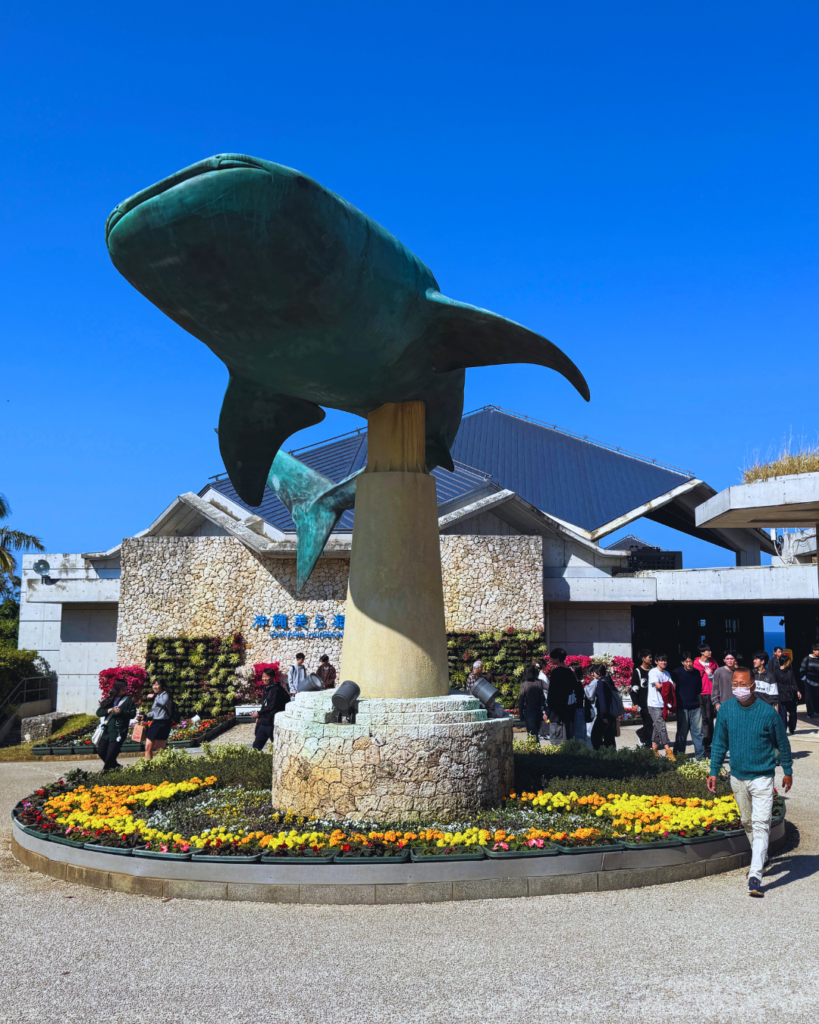
In the north of Okinawa Island, you’ll find the Yanbaru region. You will most likely want to rent a car for a trip here, as public transport can be inconsistent. This area is filled with incredible natural beauty from the sweeping coastlines and subtropical mangroves. There are some fantastic beaches and waterfalls for exploring, as well as the nearby world-class Churaumi Aquarium, where visitors can come face-to-face with giant whale sharks and manta rays.
Kerama Islands
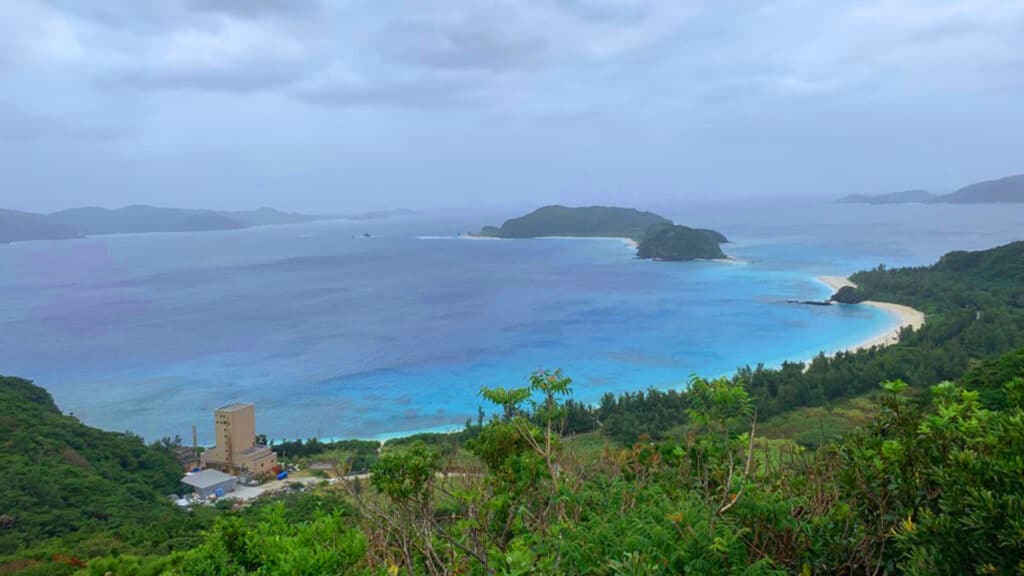
Less than an hour by ferry from Naha is the Kerama Islands, a group of islands distinctive for the deep blue hue of the ocean surrounding them. The Kerama Islands are made up of Zamami, Aka, Tokashiki, and Geruma, all of which can be explored on foot, by bike, or by car. You could also take a boat/snorkelling tour of the Kerama Islands to see them all in one day.
Zamami offers peaceful, largely untouched beaches, with only a small number of places to stay. Furuzamami Beach is particularly amazing, although it’s only accessible by infrequent buses or an uphill walk/cycle. Nearby, Aka is known for the vivid Kerama blue sea, excellent diving conditions, and the celebrated Nishihama Beach, while bridges link the island to Tokashiki and Geruma, making short taxi journeys an easy way to explore.
As the islands sit within Keramashoto National Park, swimming is limited to designated areas to protect fragile coral. This means the ocean and marine life are wonderfully healthy and alive. If you want to see it for yourself, you can book a guided snorkelling, scuba, or paddle-boarding tour.
Yaeyama Islands
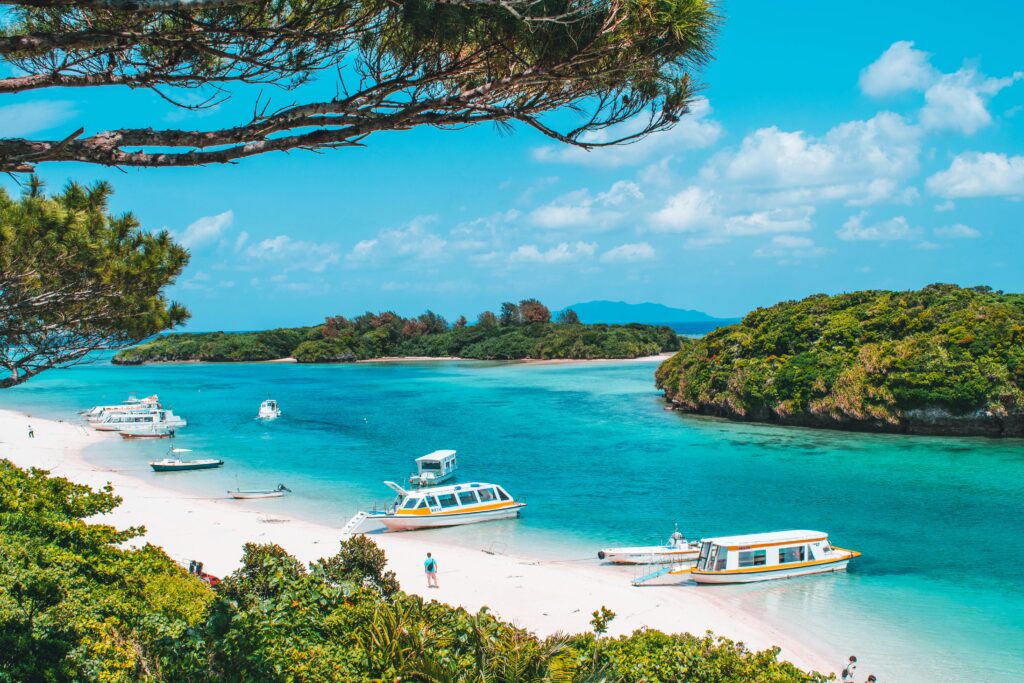
The Yaeyama Islands form Japan’s far-southern island chain. They are a group of 23 subtropical islands that includes the well-connected hub of Ishigaki, where you’ll find an airport and a major port. Ishigaki City is relatively well built up and has lots of hotels, guest houses, and resort options, making it the best base for exploring the rest of the Yaeyama islands. The best way to explore Ishigaki is by car, which unlocks some incredible destinations like Kabira Bay and Sunset Beach.
Just a short ferry ride away is Taketomi, an island that preserves a traditional Ryukyuan village. It is small enough to explore on foot, offering white sand lanes, authentic historic stone walls, water buffalo-drawn carts, surrounding coral reefs, and abundant marine life.
The Yaeyama islands are also home to the dense jungles and winding rivers of Iriomote-jima, much of which is protected within Iriomote-Ishigaki National Park. Here, mangrove forests and hidden waterfalls create a wilder landscape perfect for kayaking, hiking, and guided nature tours.
Miyako Islands
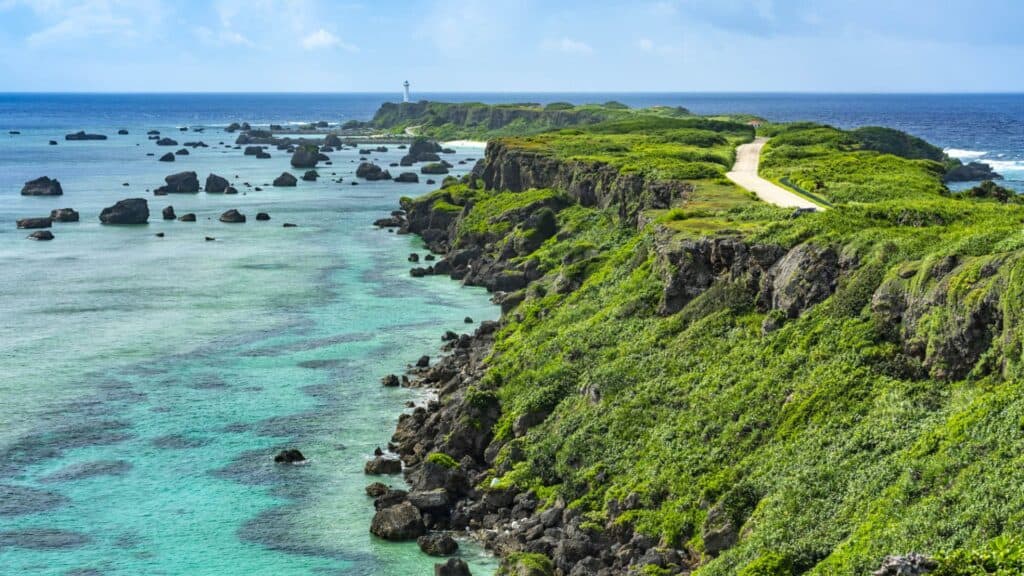
The Miyako Islands are known for clear seas, vibrant coral formations, and some of the most accessible marine environments in the prefecture. The main gateway is Miyako Island, which you can fly into from Naha, Ishigaki, or Tokyo. There are then bridges and ferries that link Miyako Island to several of the smaller surrounding islands.
Across Miyako Island, sweeping stretches of white sand appear in nearly every direction. Well-known spots such as Yonaha Maehama Beach and Yoshino Beach, which are a little more built-up, although there are plenty of more hidden and quieter coves around the coast. A short drive across a long bridge leads to Kurima Island, a small but scenic destination with relaxed cafés, small boutiques, and open views across the surrounding sea.
When to Visit Okinawa

One of the cool things about Okinawa is that it has something amazing to offer all year round. However, if you have a specific type of trip in mind, you’ll need to plan ahead, as the seasons can affect the experience greatly.
- March to May: One of the most pleasant times to visit Okinawa, with warm yet comfortable temperatures, relatively low rainfall, and clear conditions suited to sightseeing, coastal walks, and early beach days without the peak-season crowds.
- June to August: Expect intense heat, high humidity, and the possibility of typhoons throughout the summer season. It’s a great time for hot beach resort vacations, just be ready for some weather disruption and higher tourist numbers.
- September to November: This is a great time to visit if you’re hoping for calmer weather, lighter visitor numbers, and seasonal festivals. It’s still reasonably hot during the day, with warm ocean temperatures after an even hotter summer.
- December to February: Okinawa winters don’t get too cold, but it isn’t really beach weather. Temperatures rarely drop below 17°C in daytime, making it an ideal time for hiking and scenic drives, but the real star of the season is the whale watching in January, when you can spot humpback whales and hammerhead sharks.
Learn more about Japan by season:
What to Pack for an Okinawa Trip

Of course, this will depend on when you visit, but there are some things specific to Okinawa that you won’t want to forget. Here are eight things not to forget for your Okinawa trip:
Eight Things for Your Okinawa Packing List
- Bring light waterproof layers, as sudden downpours can be common all year round
- Remember to pack reef-proof sunscreen so as not hurt the ocean wildlife when swimming
- UV rays can be very strong in Okinawa, so hats and light cotton layers make for the best skin protection
- Pack comfortable walking shoes or sandals suitable for beaches, coastal paths, and uneven village streets
- Include insect repellent, especially if you plan to explore forests, mangroves, or quieter rural islands
- A reusable water bottle helps with hydration in the humid climate and reduces plastic waste on small islands
- Dry bags or waterproof pouches are useful for boat trips, kayaking, and sudden rain near the coast
- Carry enough cash, as lots of vendors (including guest houses and restaurants) don’t accept card payments on the smaller islands
So, Where Should You Go in Okinawa?
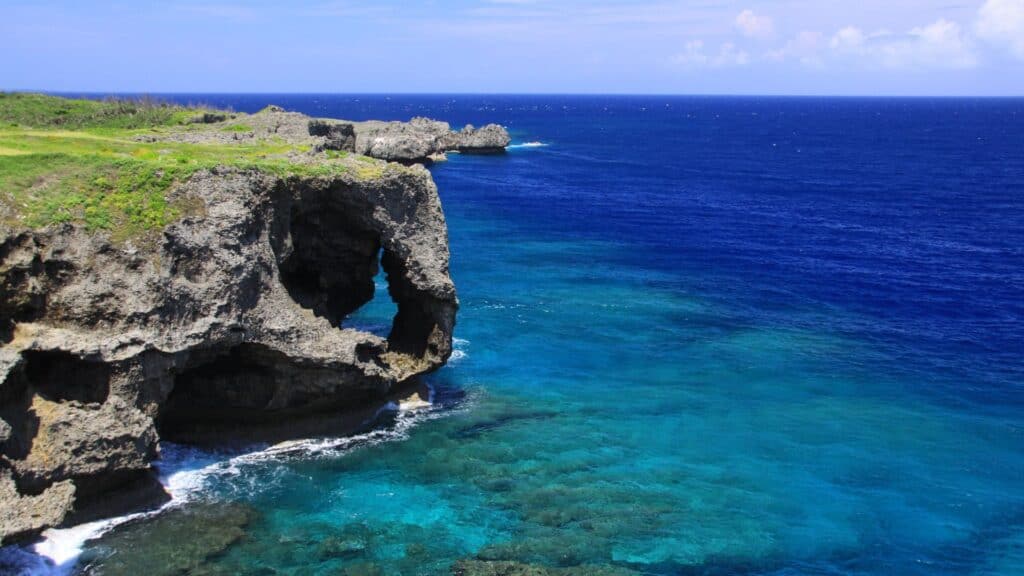
The answer might sound like a copout, but the truth is, no matter where in Okinawa you go, it’s going to be beautiful. The most convenient is definitely Naha and Okinawa Island, as this isthe easiest place to fly into, with connections to the Kerama Islands and the widest choice of Okinawan activities and accommodation options.
If you’re hoping to get away from the city but still have some infrastructure, then Ishigaki has a good balance. There’s an airport and a large port, with good hotels and restaurants, but if you drive north, there’s lots of natural beauty. You can also take a ferry to another island for a more remote experience.
Or, if you’re looking for a super off-the-beaten-track trip, then Miyoko is our recommendation. Especially with a car, you can reach some amazing spots far from the crowds, and exploring the whole archipelago is nothing short of serene.
Okinawa FAQs
Why is Okinawa so famous?
Okinawa is known for its natural coastline beauty, distinctive Ryukyuan culture, and high life expectancy. It also represents an important part of Japan’s role in World War 2.
Is English widely spoken in Okinawa?
Basic English is understood in many hotels, tourist facilities, and areas near military bases, though it is less common in rural towns and on smaller islands.
Is the US military still in Okinawa?
Yes, United States military bases remain across parts of the prefecture today.
Is Okinawa a good place for tourists?
Okinawa is great for tourists, and suits a wide range of travellers. It’s very safe, has plenty of hotels and other accommodation options, and lots of great water activities.
Can you swim in Okinawa year-round?
Swimming is most comfortable between late spring and autumn, while winter sea temperatures are cooler but still mild enough for water activities on warmer days.