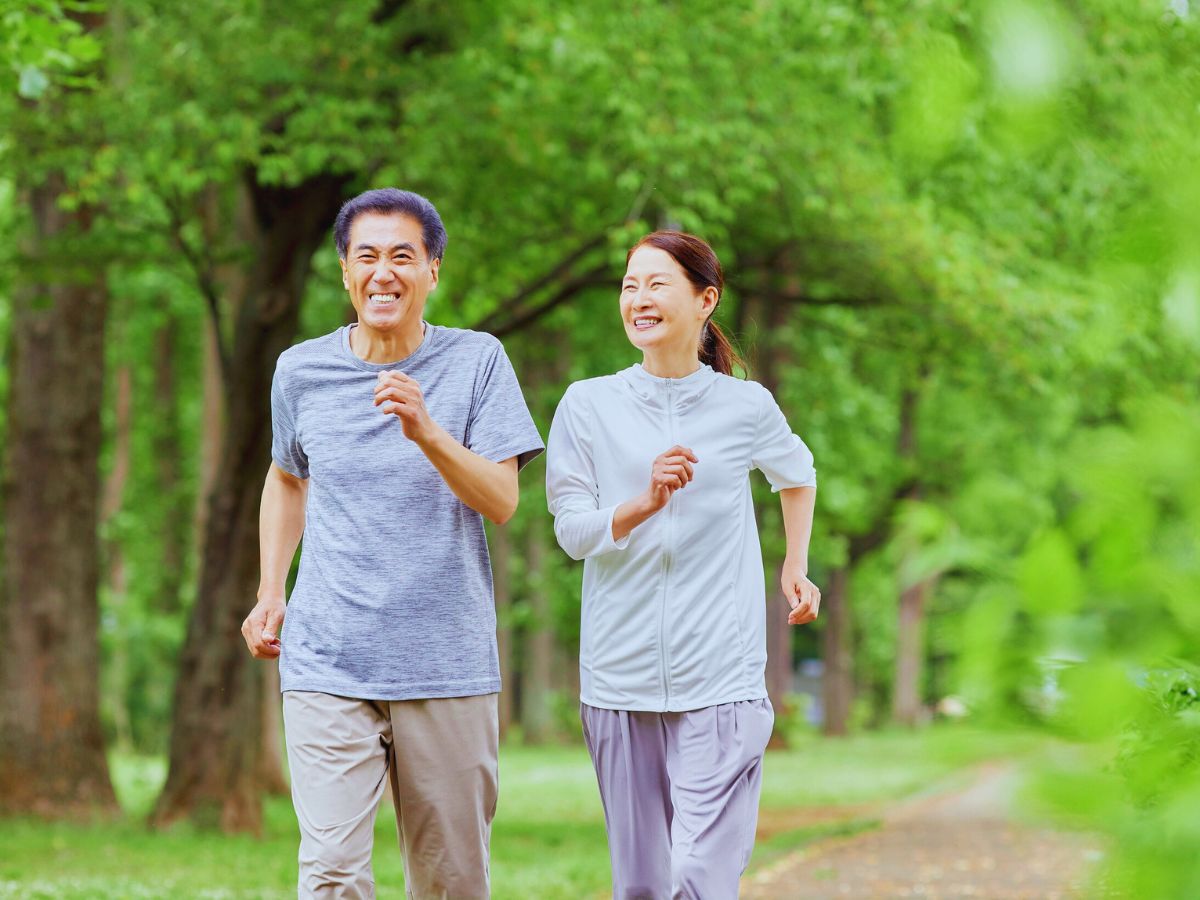
So, you’re a runner and you’re planning a trip to Japan? Great. Running is honestly one of our favourite ways to get a feel for a neighbourhood.
But let’s be real, you’re probably looking at a map of Tokyo and thinking, “Where on earth am I supposed to run?” You see all those narrow streets and massive crowds and wonder if it’s even worth packing your gear.
We get this concern a lot. It can seem confusing from the outside. But fret not. We’ve spent a lot of time figuring this out, both for our own runs and for the travellers we help. So, we’ve found the best routes and, more importantly, learned the ‘unwritten’ rules you need to know.
In this blog, we share those hard-won tips. We’ve made the mistakes so you don’t have to. Read on for everything you need to know about running in Japan.
Planning Your Own Dream Trip to Japan?
Feeling overwhelmed by all the logistics, from train times to sightseeing? Let us take the stress out of planning. We design 100% custom itineraries based on your interests, budget, and travel style, helping you discover the Japan you’ve always dreamed of.
→ Find out more about our Personalised Japan Travel Planner
5 Things You Really Need to Know About Running in Japan
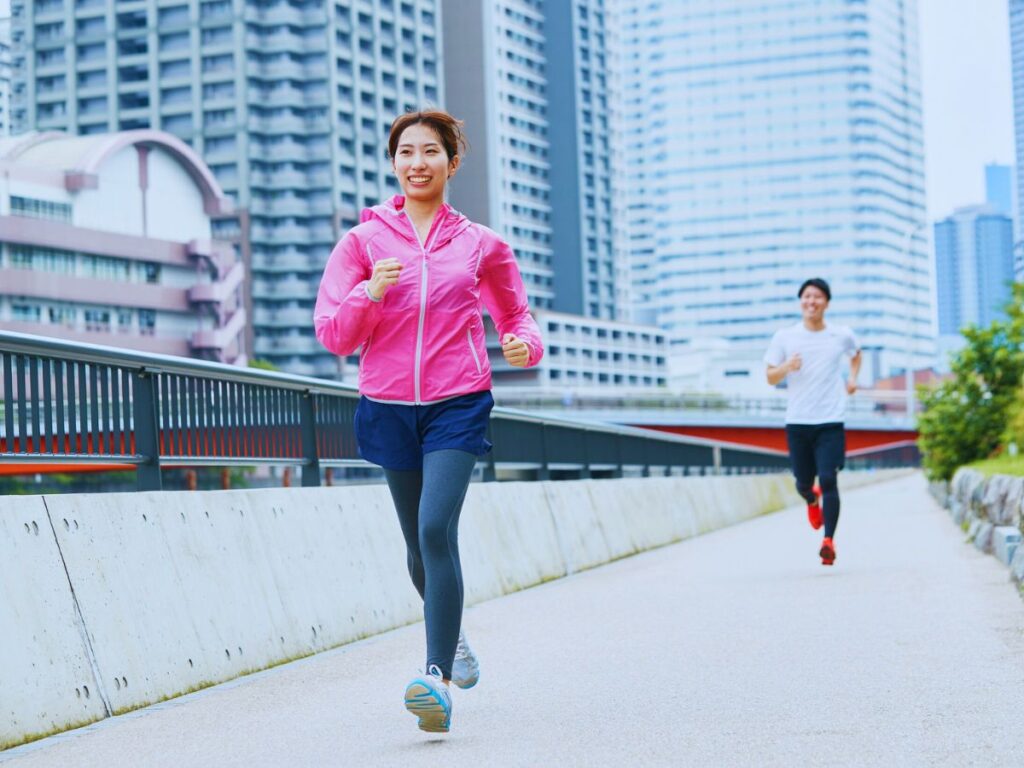
1. Always Run on the Right
This is the most important one, and we see tourists get it wrong all the time. In Japan, cars drive on the left. The official traffic law says all pedestrians (and, yes, that includes runners) must use the right-hand side of the road, where there’s no pavement. This means you’ll be running against the traffic, facing the cars as they come. It’s the key safety rule. This way, you can see what’s coming, and more importantly, the driver can see you. If you run on the left, cars will be coming up silently behind you, which is just a terrible idea.
2. What to Wear (and What Not to Wear)
We get this question a lot: “Can I run in just a sports bra?” Look, technically, can you? Yes. But should you? We’d say no. Japan is a fairly modest country, and you’ll stick out and get a lot of stares, especially outside of central Tokyo. Our simple advice is to just throw a light t-shirt or tank top over it. It helps you blend in and feel more comfortable.
3. Don’t Bother with Local Gyms as a Tourist
Here’s a headache we can save you: don’t plan on using a local gym treadmill. We’ve seen people waste half a morning trying. Most Japanese gyms are membership-only (which means you usually can’t get a day pass), famously tricky for tourists (they often want a local address or bank account), and many have strict “no tattoo” policies. Honestly, the real running is outside anyway.
4. How to Beat the Crowds
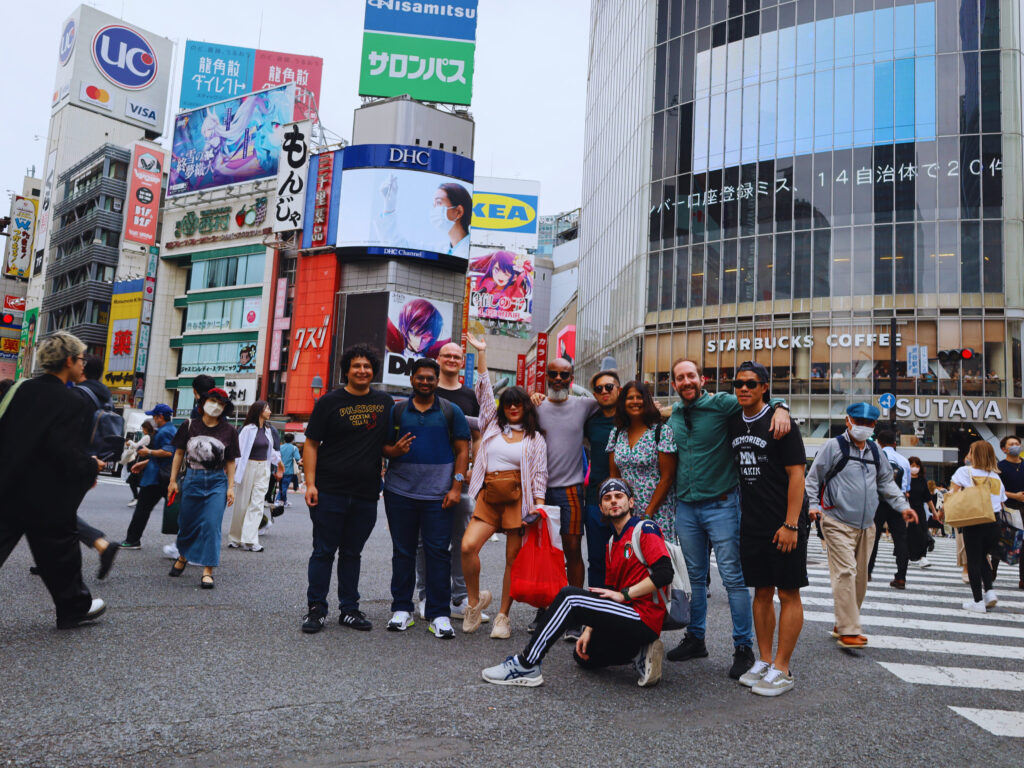
Trying to run through a main street in Shibuya or Kyoto at 4 p.m. isn’t a run. It’s a nightmare of dodging shoppers and prams. Our secret, and the one we tell all our clients, is to just go early. Get your run done at 6 or 7 a.m. The cities are quiet, the air is fresh, and you get the streets almost to yourself. It’s also quite amazing to see the city wake up.
If you are not an early riser, you have to get off the pavements. Stick to the river paths or large parks. Unlike the streets, these spots are runner-friendly all day long.
5. Perks of Running in Japan: Vending Machines and Safety
It’s not all serious! Here are two amazing perks of running in Japan. First, you don’t need to carry a bulky water bottle. Just bring a couple of 100-yen coins. There is a vending machine on literally every corner. You can grab a water or our favourite sports drink, Pocari Sweat, and keep going.
Second, safety. Japan is generally considered a very safe country, and many people feel comfortable running solo in the early morning or late at night. That said, you should always use your common sense and be aware of your surroundings, just like you would anywhere.
Go Beyond the Guidebook

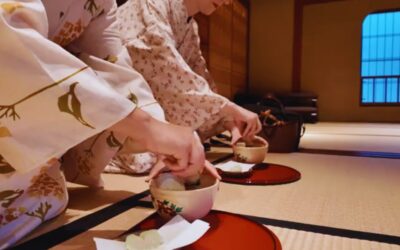
Sightseeing is great, but to truly connect with Japanese culture, you have to experience it first-hand. We can help you find and book an authentic cultural experience, like a tea ceremony or craft workshop, to make your trip unforgettable.
→ Browse and Book Cultural Experiences in Japan
Our Favourite Japan Running Routes
Running in Tokyo
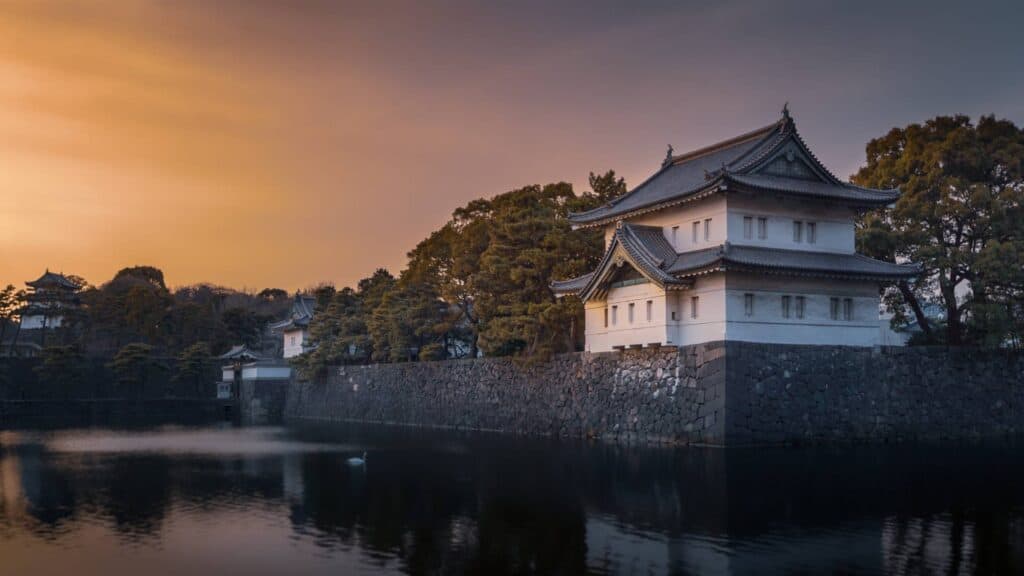
For Tokyo, the most famous spot is the Imperial Palace. It’s a 5-kilometre loop with no traffic lights, so you can just run without stopping. Honestly, it’s a great run, but it gets incredibly crowded. We’re talking shoulder-to-shoulder on a Saturday morning. We’d say do it once for the experience, but maybe not for your daily training.
The best part, and our favourite pro-tip, is using the “runner’s stations” nearby. These aren’t gyms. They’re facilities built just for runners. You pay a small fee, usually around 700 to 1,000 yen, and you get a secure locker, a changing room, and a shower.
It’s brilliant. It means you can show up in your regular clothes, change, go for your run, come back, shower, and then go straight to dinner in the city. You don’t have to go all the way back to your hotel just to change. There are a bunch of them, but the most famous ones are places like Joglis or Runtrip Station, both within a few minutes’ walk of the palace loop.
When the palace is too busy, we usually go to Yoyogi Park. It’s much more relaxed. The ground is softer, which is a nice break for your knees. It’s right by Harajuku station, so it’s easy to get to. It is also a great place to meet people. There are plenty of run clubs here, including English-friendly groups like the Mikkeller Running Club. We have run with them before—they meet at their brewery for a monthly 5km loop, and yes, you get a free beer at the finish line. Since you are right next to Harajuku Station, you are perfectly placed to explore the area’s hidden gems once you’ve cooled down.
After your run, how about hitting Harajaku’s popular spots and hidden gems?
If we’re doing a long run and just need flat, open space, we head for the Sumida River path. It’s wide, so you’re not dodging people. You just run along the water, and you get these great views of the Tokyo SkyTree. It’s not as scenic, but it’s perfect for just getting miles in without stress.
Running in Kyoto
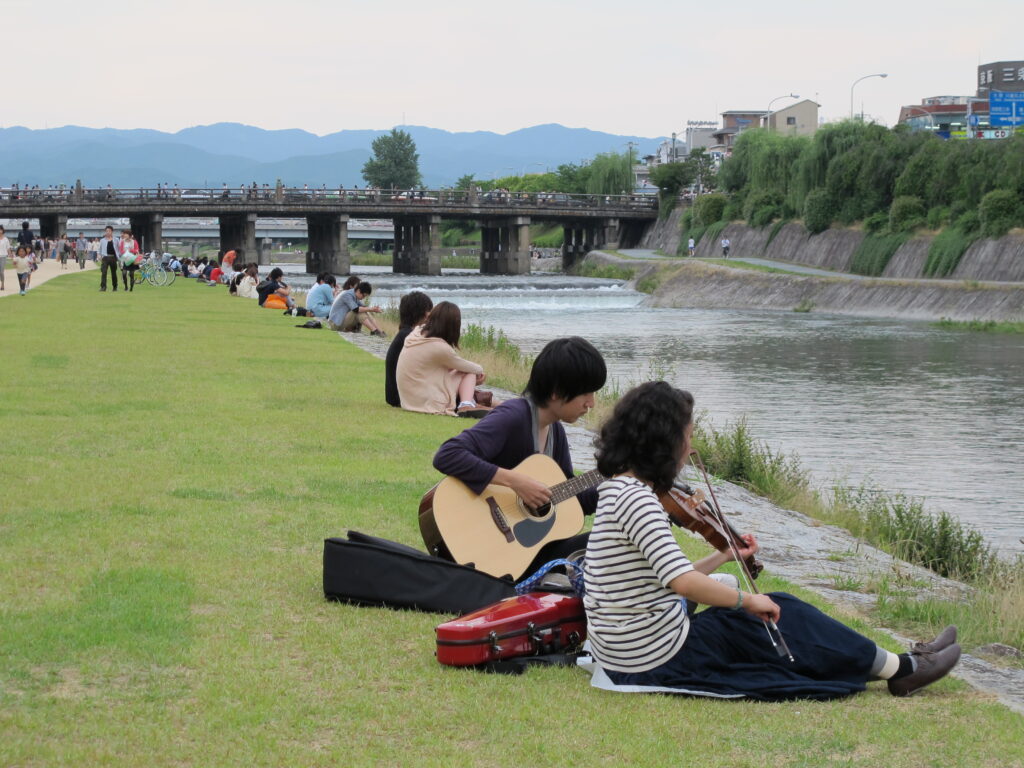
In Kyoto, we think the Kamo River is the only real answer. Honestly, don’t even bother trying to run on the narrow city streets, especially around Gion or the main temples. It’s a nightmare of dodging tourists and delivery bikes.
The path along the Kamo River is the city’s green highway. It’s where everyone goes to run, walk, and just relax. The path itself is a mix of packed dirt and some pavement, so it’s nice and flat and pretty good on the knees. We love it because you see real Kyoto life: students practicing instruments, old couples walking, and other runners.
The best part for a runner is how easy it is to navigate. There are bridges crossing the river every few hundred metres. This means you don’t need a map or a complicated route. You just run up one side for as long as you want, cross over at the next bridge, and run back down the other. There are also public toilets dotted along the path, which is a lifesaver for a long run.
Running in Osaka
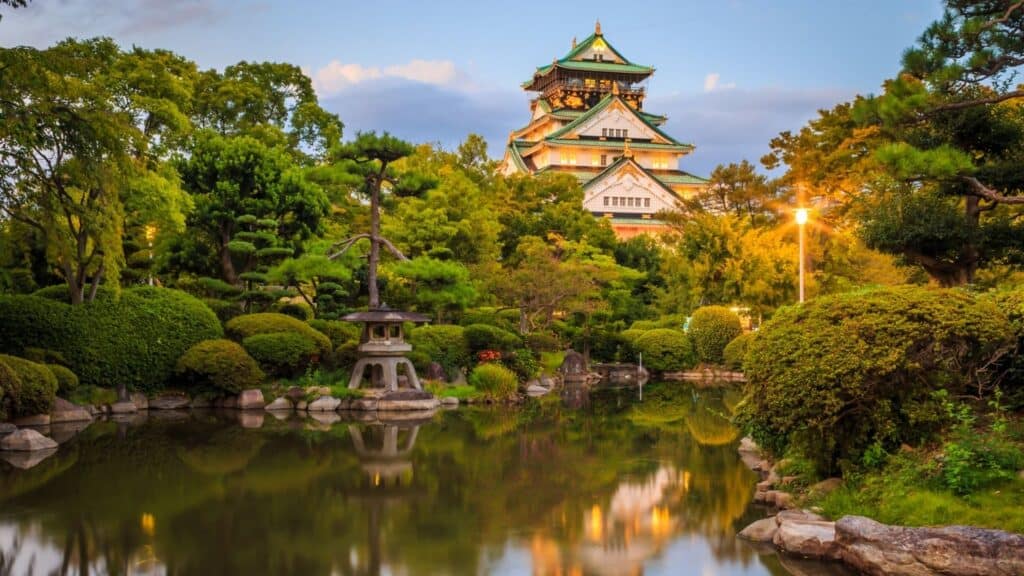
If you’re in Osaka, our go-to is Osaka Castle Park. It’s a huge, green space right in the middle of the city, so it’s easy to get to, and you get a total break from the concrete.
There’s a main loop that’s popular with local running clubs, but you can easily spend an hour on all the different paths. Be warned, it’s not flat. We were definitely surprised by the hills in there. They’re short but steep, and they’ll get your heart rate up. Running with a view of the huge castle in the middle is pretty cool, and you’re surrounded by the old stone walls and moats. Because it’s a big public park, there are also plenty of vending machines and public toilets, so you’re all set for a longer run.
Running in Kamakura
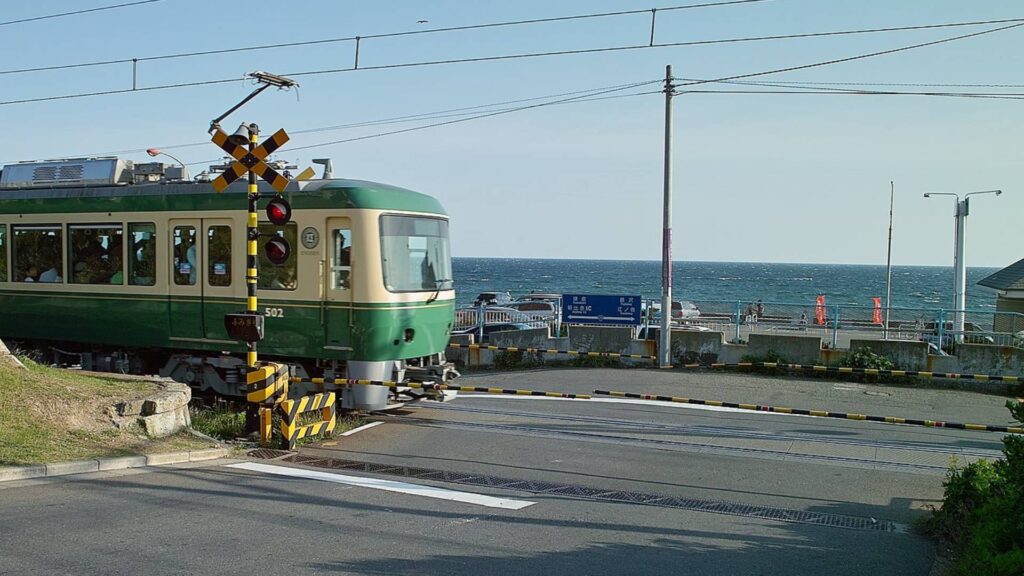
Since Kamakura is one of our all-time favourite spots, we have to include it. The best part is that it is an easy train ride from Tokyo, so you don’t actually need to stay overnight just to get a run in. Our favourite run here is along the beachfront. We usually start at Yuigahama Beach and just run along the pavement that follows the sand. If you go early in the morning, it’s just you, the waves, and all the local surfers heading out.
If you’re feeling good, we highly recommend continuing past the beach and running on the road that climbs up towards Inamuragasaki. It’s a bit of a climb, and the road is narrow, so you need to be aware of cars. But the reward is huge. On a clear day, you get this absolutely incredible view of Mount Fuji rising up over the sea. It’s one of our favourite views in all of Japan. And to reload on carbs after the run, here are some yummy recommendations:
Want to Run in Japan Without the Headache?
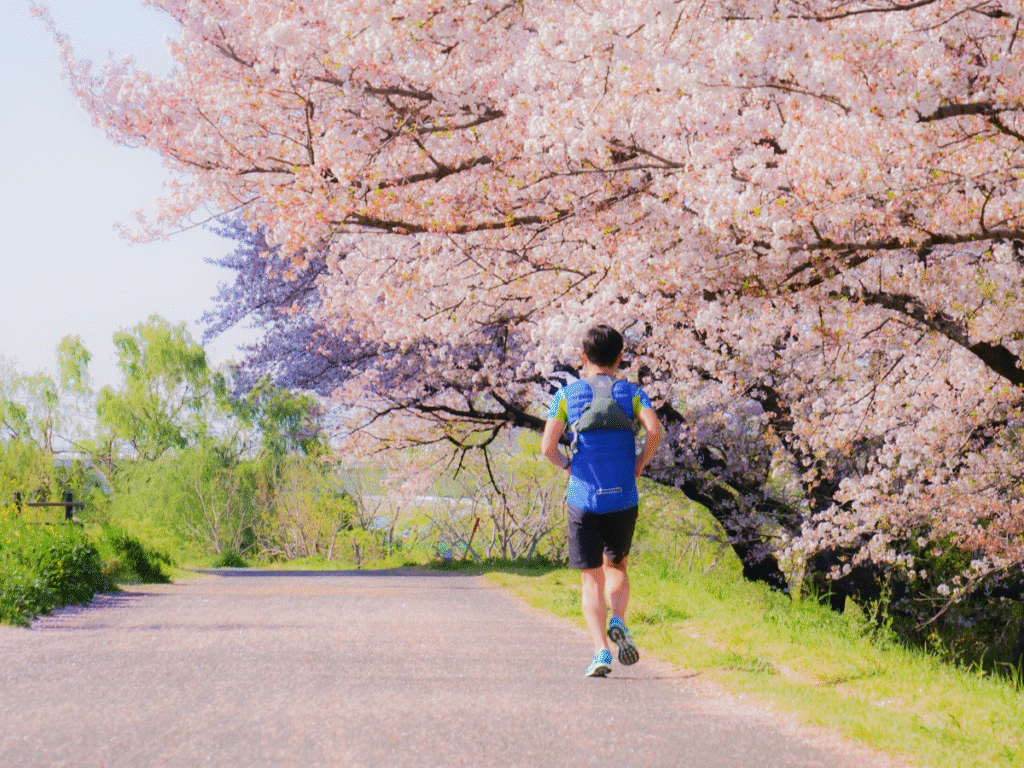
We know, that’s a lot of different places to think about. Planning a run in Tokyo, then figuring out a different route in Kyoto, all while trying to book trains and see the sights… it’s a huge headache.
We wanted to build a trip that takes all that stress away for people who want to see Japan in a more active way, just like we do. So, we did.
We created our Run and Hike Japan Group Trip. We’ve handled all the logistics. This means the hotels, the trains, and the routes are all sorted, so you don’t have to do anything.
The trip does include that classic Imperial Palace 5k we mentioned, which is the perfect way to start. But we also take you to run and hike on the historic Old Tokaido Road in Hakone, tackle the amazing Mount Kintoki loop trail, and so much more. We even do a guided run through the Arashiyama Bamboo Forest in Kyoto.
We’ll be honest, this is not a relaxing, sit-on-a-bus holiday. It’s a challenge. It’s for people who want to earn the views. But we also believe in recovery, so we’ve included stays at traditional inns with natural hot spring baths and even planned for massages in Kyoto.
Overwhelmed with Planning?
Planning every single day of your trip can be exhausting. Take the stress out of it with our ready-to-use, 1-day PDF itineraries. Instantly download a plan packed with the best spots and start exploring.
→ Browse Our 1-Day Itineraries
Running in Japan FAQs
Is it safe to run early in the morning or at night?
Japan is generally considered a very safe country, and many people feel comfortable running solo in the early morning or late at night. That said, you should always use your common sense and be aware of your surroundings, just like you would anywhere else.
What about running on narrow streets?
We’d avoid it. It’s really easy to get lost, and you’ll just be dodging delivery bikes, parked cars, and pedestrians on streets with no pavement. It’s stressful and not much fun. Stick to the parks and rivers we recommended.
What should I wear running in summer vs. winter?
The summer here is no joke. It’s brutal, both incredibly hot and very humid. Think lightest-possible gear. For winter, it’s generally cold, dry, and crisp, so we also always pack gloves and a beanie. You’ll be glad you did, especially for a morning run.
Is the tap water safe to drink?
100%. We just fill up our bottles from the hotel tap before we head out. It’s perfectly safe.
How do I find a sento after my run?
This is our favourite pro-tip! As we mentioned, the area around the Imperial Palace in Tokyo is full of those “runner’s stations” built for this. In other cities, it’s often easier to just search for “sento” on Google Maps. It’s the perfect reward for a few hundred yen.