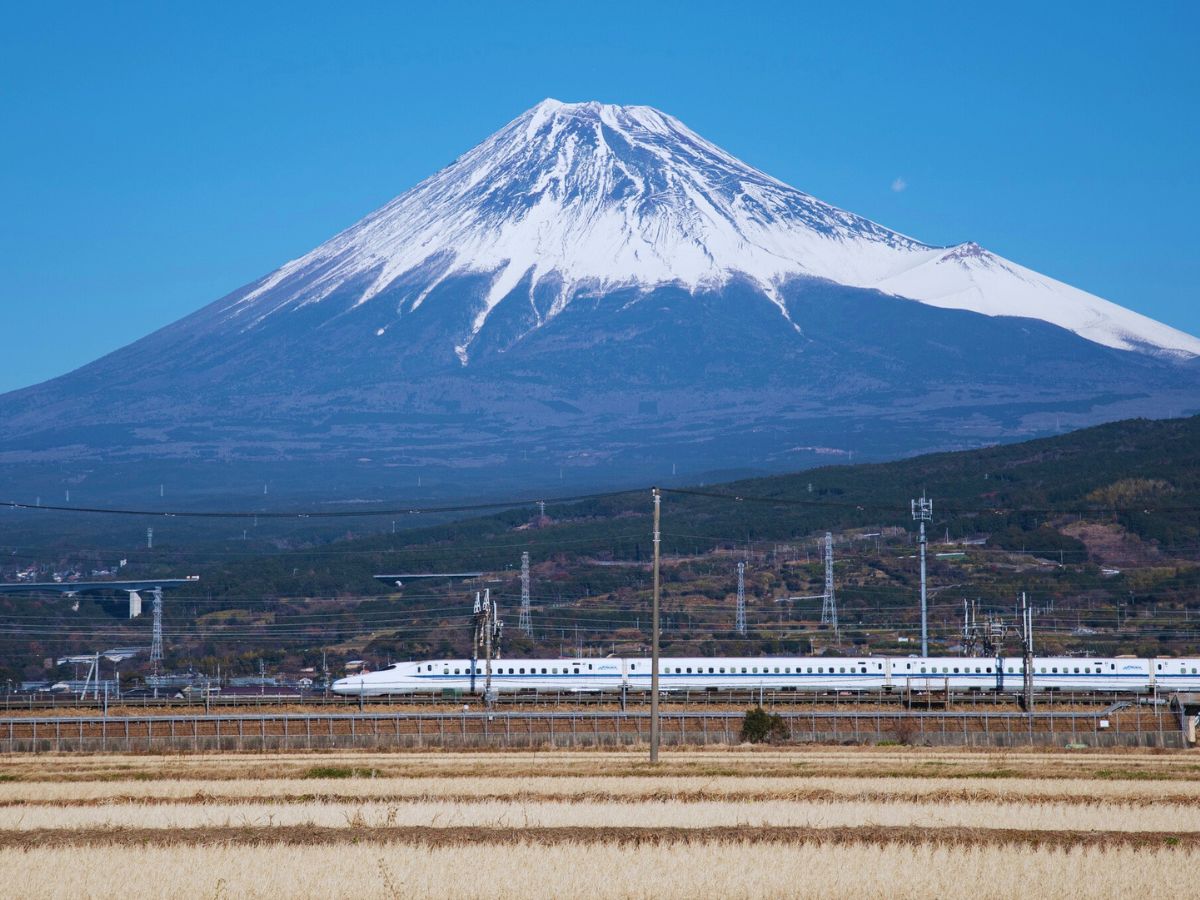

If you are planning a trip to Japan, you have likely seen photos of the sleek, white nose of a train speeding past Mount Fuji. This is the Shinkansen, or as most travellers call it, the bullet train.
We have spent years hopping on and off these trains, and we can tell you that nothing beats the feeling of gliding at 320 kilometres per hour while eating a delicious bento box. It is fast, incredibly punctual, and much more comfortable than any airplane seat. No wonder a lot of locals actually prefer it to flying every single time.
However, we also know that it can feel a bit overwhelming if it is your first time. Between choosing the right seat class, figuring out the luggage rules, and making sure you have the correct ticket, there is a lot to think about. That is exactly why we created this shinkansen guide. We want to share our best insider tips so you can board with confidence and enjoy the ride.
Before you dive into the specifics of the bullet train, make sure you check out our full guide on how to get around Japan to see how the Shinkansen fits into your broader travel plans.
Step 1: Map Out Your Route and Train Type
Before you buy a ticket, you need to know where you are going and which type of bullet train will get you there. At first, the Shinkansen network might look like a confusing web of lines. But don’t let that overwhelm you! Most travellers really only need to understand one main “trunk” that runs through the country and a couple of offshoots that lead to the best sightseeing spots.
Shinkansen Lines by Destination
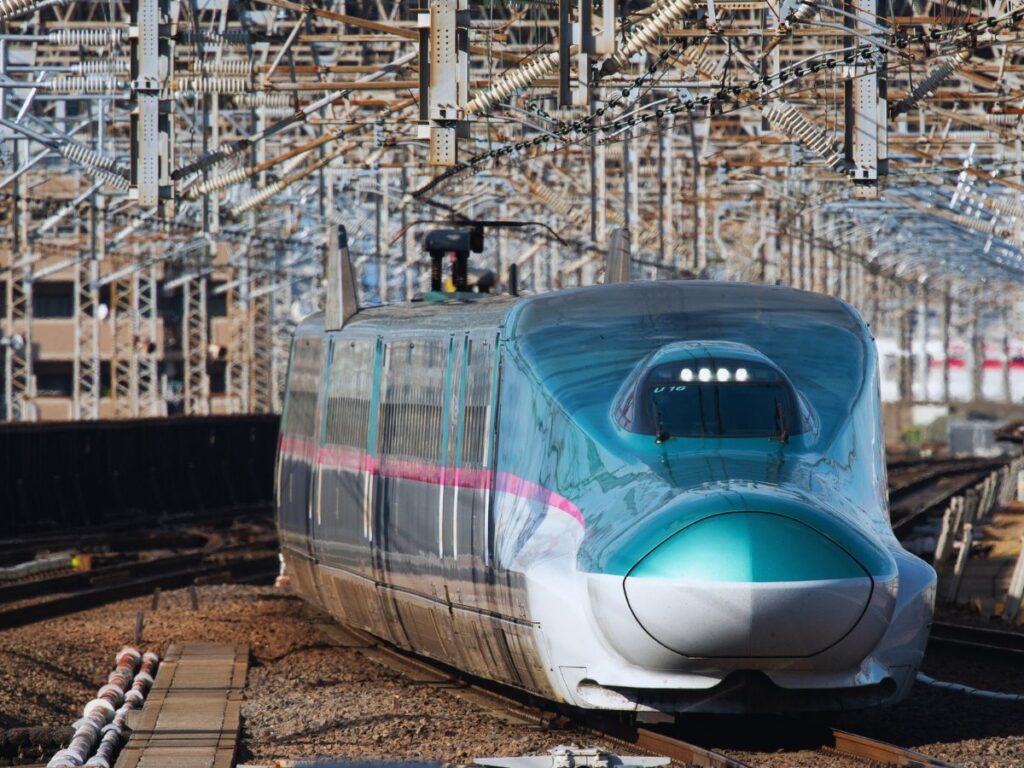
If you are visiting Japan for the first time, you will almost certainly be on the Tokaido Shinkansen. This is the busiest and most famous route. It connects Tokyo Station to Kyoto and Osaka. We always tell our guests that if they learn just this one line, they can see the very best of Japan without any stress.
If you want to keep going past Osaka to see the Peace Park in Hiroshima or the ramen stalls of Fukuoka, you stay on the same tracks, but the line name changes to the Sanyo Shinkansen.
From there, you can head even further south on the Kyushu Shinkansen to see the volcanoes in Kagoshima, or hop on the brand-new Nishikyushu Shinkansen. This is a short, stylish line that takes you straight into the heart of Nagasaki.
Those who want to leave the heat of the city behind head north from Tokyo on the Tohoku Shinkansen. This line goes all the way to the top of the main island and even under the sea to reach Hakodate in Hokkaido.
Alternatively, if you want a mix of tradition and the sea, we highly recommend the Hokuriku Shinkansen. It shoots across the country from Tokyo to the west coast, dropping you in Kanazawa. It is the fastest way to reach those famous samurai districts and traditional gardens you see in all the travel magazines.
Shinkansen Types by Speed
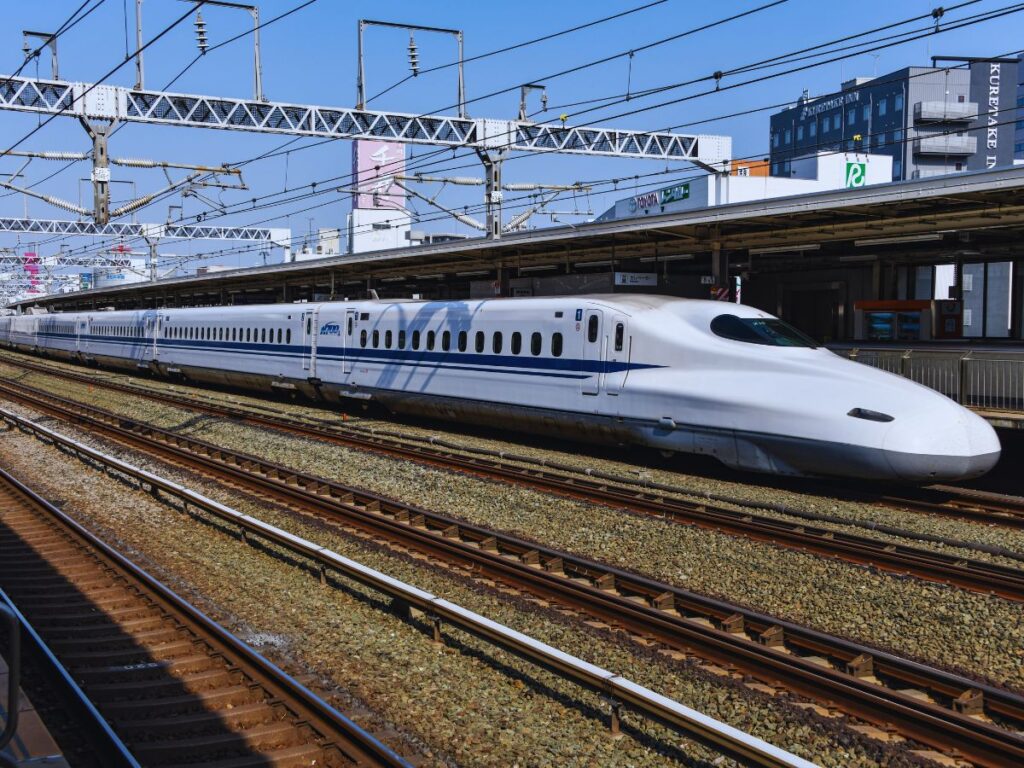
It helps to think of these as “express” or “local” versions of the Shinkansen. They all run on the same tracks, but they stop at different numbers of stations. These are also the specific names you will see on your ticket and the departure screens at the station
- The Express Services (Fastest): These are the Nozomi (for the Tokyo to Osaka route) and the Hayabusa or Kagayaki (for northern routes). These are the fastest options because they only stop at the major cities. If you want to get to your destination as quickly as possible, these are the ones to pick.
- The ‘Balanced’ Services (Mid-speed): The Hikari or Sakura are still very fast, but they stop at a few more towns along the way. They are a great choice if you are heading to a mid-sized city that the express trains skip.
- The Local Services (Slowest): The Kodama and Nasuno stop at every single station on the line. We usually suggest avoiding these unless your hotel is in a specific small town, as the journey will take much longer than the other services.
Now, one thing we noticed that surprises our guests is that the price does stay fairly consistent across different trains. For example, a ticket from Tokyo to Osaka costs essentially the same whether you take the balanced Hikari or the local Kodama. The only real exception is the Nozomi, which is the fastest service and carries a small surcharge of about ¥300 to ¥550 depending on the distance. Since it saves you so much time, we think that tiny extra cost is the best money you will spend all trip.
Step 2: Choose Your Seat Class
Once you know which train you are catching, you need to decide where you are going to sit. Unlike local trains, where you just grab any open spot, the Shinkansen feels much more like an airplane. You have three main classes to choose from, and the price jumps can be quite significant. Here is our honest take on what you get for your money.
Ordinary Class
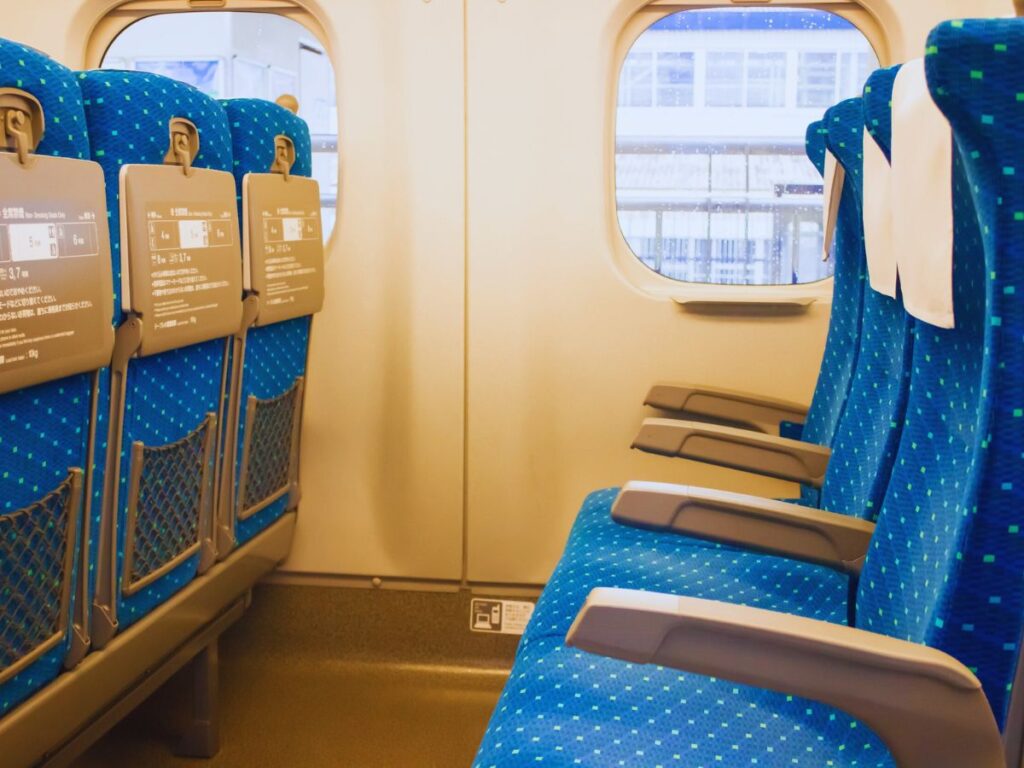
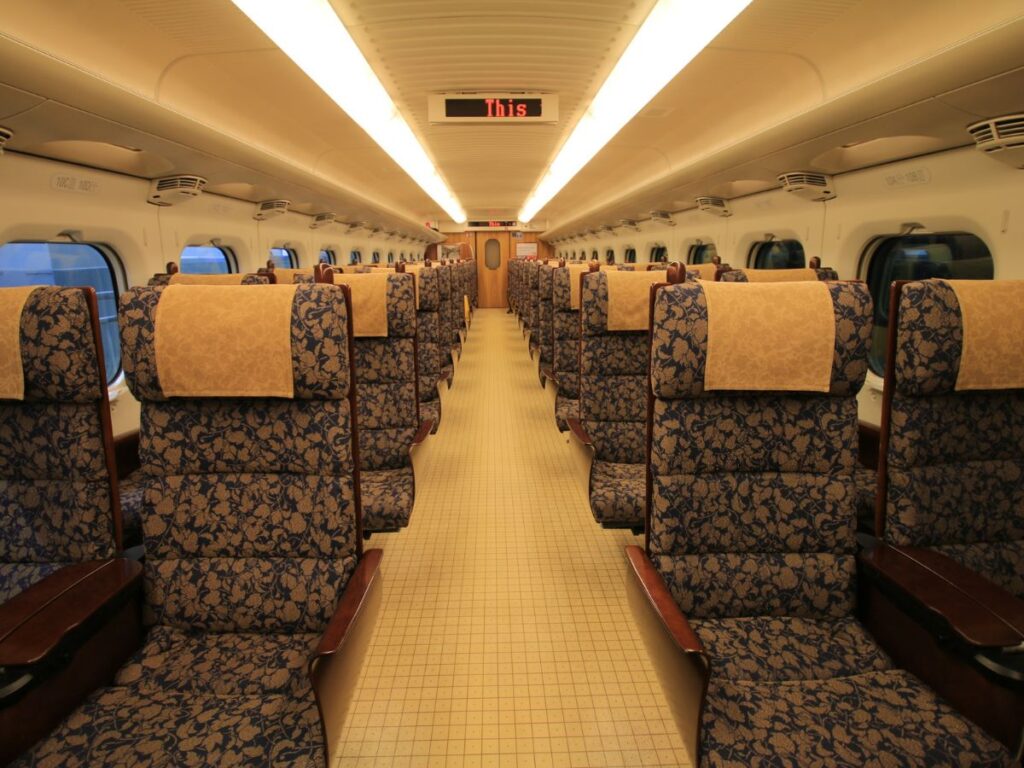
Don’t let the name “Ordinary” fool you. Compared to economy seats on most planes, Shinkansen Ordinary Class is fantastic. The seats are arranged in a 3×2 layout (three seats on one side, two on the other).
The legroom is surprisingly generous. We have found that even with a small bag at our feet, we still have plenty of room to stretch out. Every seat reclines, and you will almost always have a sturdy tray table and a power outlet. For a standard trip from Tokyo to Kyoto, this costs about ¥14,000.
Green Car
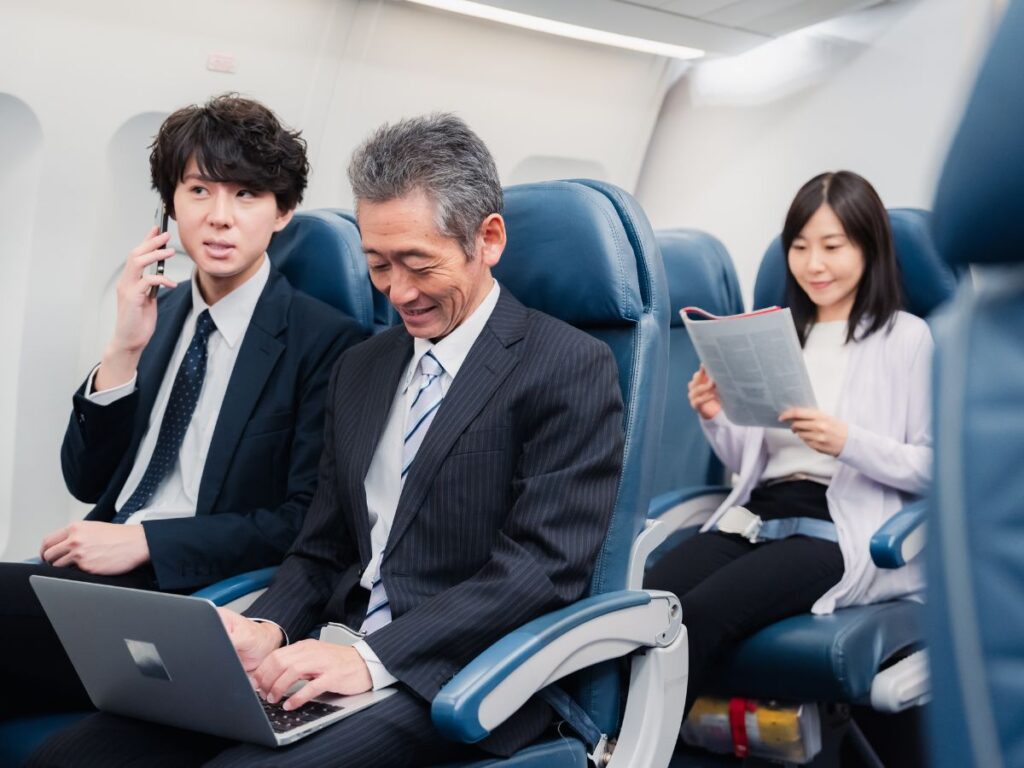
The Green Car is Shinkansen’s version of business class. You will recognise it by the little green clover symbol on the side of the carriage. Here, the layout is 2×2, so the seats are much wider and you get a lot more personal space.
The seats are plush, usually with extra footrests and a deeper recline. It is our favourite choice if we want to sleep or if we are travelling during a noisy holiday period. Expect to pay about ¥5,000 to ¥7,000 extra on top of the base fare for this luxury. If you have the budget for a treat, it is a lovely way to travel.
Gran Class
If you are heading north on the Tohoku or Hokuriku lines, you might see an option for Gran Class. This is essentially first class, with only 18 seats in a 1×2 layout.
The seats are massive leather “shells” that recline electronically. On many routes, an attendant will even bring you free drinks and a high-end snack box. However, this comes at a steep price, usually about ¥10,000 to ¥15,000 more than an Ordinary Class ticket. While it is an incredible experience, we think it is only worth it for a very long journey or a special celebration.
Reserved vs. Non-Reserved Seats
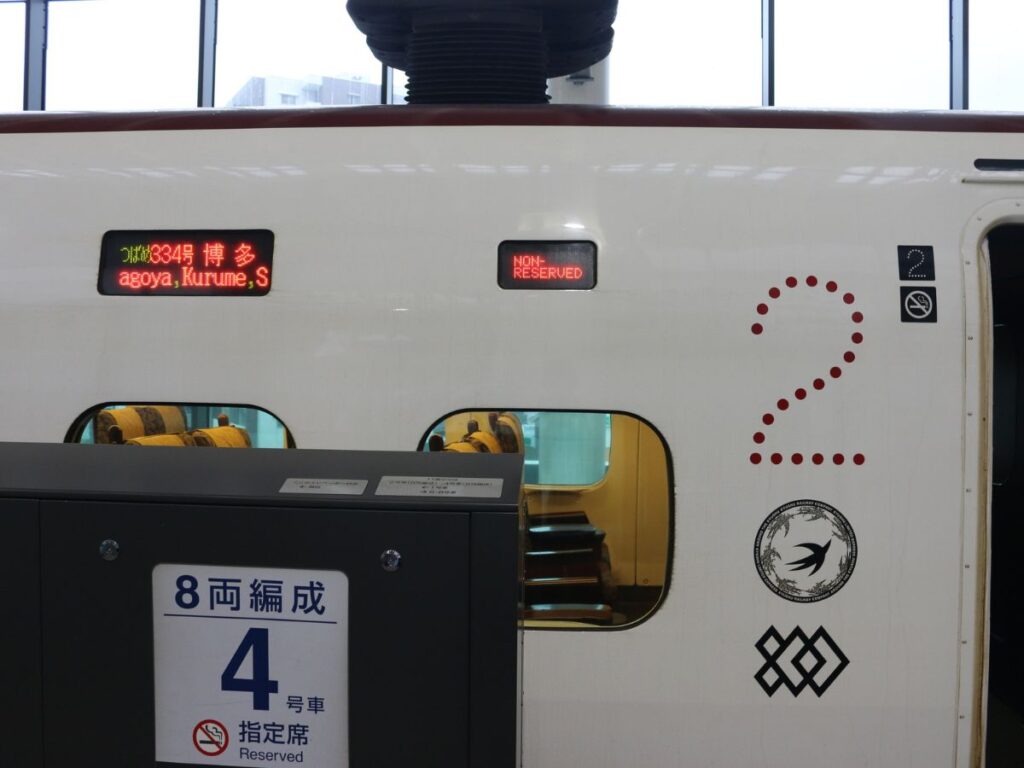
The final price choice you have to make is between a reserved seat (Shitei-seki) and a non-reserved seat (Jiyu-seki). We have learned through years of travel that it is helpful to think of the Shinkansen as a “reserved-first” system. Choosing a non-reserved seat is essentially “opting out” of the standard experience.
- Reserved Seats: This gives you a specific seat number in a specific car. It usually costs about ¥500 to ¥900 extra. We always recommend this. It means you can arrive at the platform five minutes before departure and know exactly where you are sitting. No stress, no rushing.
- Non-Reserved Seats: This is the cheapest way to ride, but it comes with a lot of ‘ifs’. You just show up and sit in any open seat in the designated non-reserved carriages. On a Nozomi train, these are typically only cars 1 to 3. If the train is full, you might have to stand in the aisle.
We have learned the hard way that trying to save that small reservation fee is never worth the headache of standing for two hours with a heavy suitcase. In our opinion, the best value for money is an Ordinary Class Reserved Seat. It gives you all the comfort and peace of mind you need without breaking the bank.
Besides, not every train has a non-reserved section. If you are heading north on the Tohoku Shinkansen, on trains like the Hayabusa, Komachi or Tsubasa, every single seat on the train is reserved. You literally cannot board these trains without a reservation. The same goes for the Green Car and the luxury Gran Class.
Step 3: Buy Your Tickets
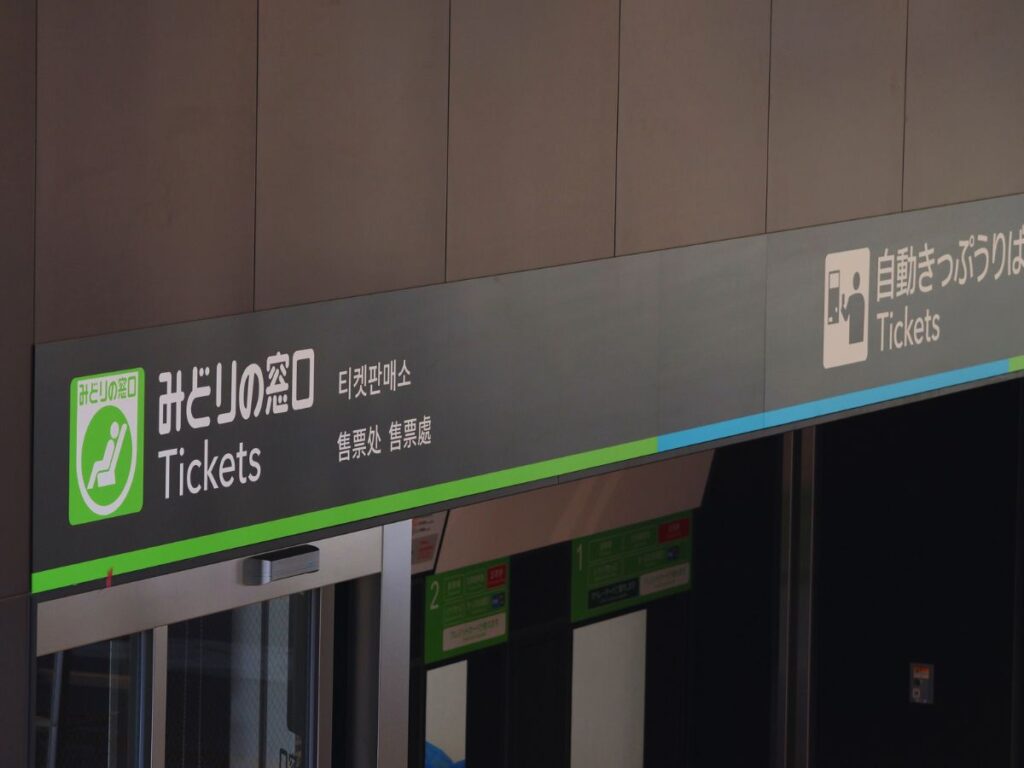
Getting your hands on a Shinkansen ticket can happen in two ways. You can do it the traditional way by visiting a ticket office at the station, or go the high-tech route by using your phone. We have had clients use both depending on how much time they have and whether they want a physical souvenir to take home.
Buying Physical Tickets at the Station
If you are already in Japan and want a physical ticket to hold in your hand, your best bet is to visit a Midori-no-madoguchi. You will recognise these by their bright green signs. This is the official ticket office where you can talk to a real person. We always recommend this for beginners because the staff are absolute experts. Even if they do not speak perfect English, they are incredibly patient and used to helping travellers. We usually just have our destination and preferred time ready on our phone to show them, which makes the whole process smooth and stress-free.
If you are in a rush and the office has a long queue, you can also use the touchscreen ticket machines. Most of them have a very clear English button at the top of the screen. They are fairly easy to navigate, but be aware that some machines can be picky about international credit cards. If your card gets rejected, do not panic; just head over to the green ticket office instead.
Going Digital and Ticketless
For those who like to plan everything from their hotel room, we highly recommend using an official app. The two main ones are SmartEX and EkiNet. SmartEX is the one you will use for the popular route between Tokyo, Kyoto, and Osaka, while EkiNet is best for heading north toward Hokkaido or Kanazawa.
Our favourite part about using these apps is that you can link your digital ticket directly to your Suica or Pasmo card. This includes the digital versions on your iPhone or Android. Once you have linked them, you do not need to worry about a paper ticket at all. You just tap your phone at the Shinkansen gate and walk through. It feels like magic, and it is one less thing to lose while you are exploring.
If all of this talk about Shinkansen car numbers and reservation fees is giving you a headache, we have a great tip: work with an experienced travel agency like Flip.
Step 4: Know How to Store Your Luggage
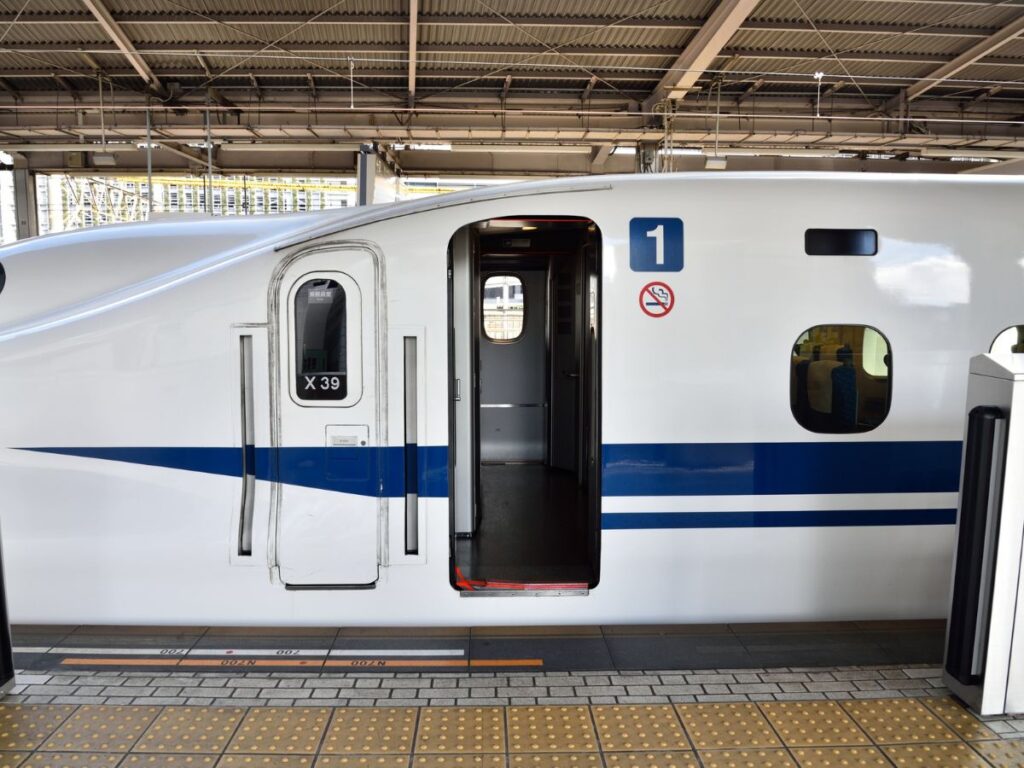
Before you haul your giant suitcases onto the platform, you need to understand the Shinkansen’s specific luggage rules. While there is plenty of legroom, there is actually very little dedicated space for large bags. If your suitcase is over a certain size, you are now required by law to have a specific reservation for it.
The rule is based on the “total dimensions” of your suitcase. This means you add the length, width, and height together. If that total is more than 160cm (about 63 inches), it is officially classified as “oversized”.
We have found that most standard “check-in” size suitcases usually fall just under this limit, but those massive extra-large bags will definitely trigger the rule. Each traveller is allowed two pieces of luggage, but neither can be larger than 250cm in total or weigh more than 30kg.
If your bag is oversized, you cannot just sit anywhere. You must book a seat in the “Oversized Luggage Area”. These are specific seats at the very back of the carriage where there is extra space behind the row for your bags.
The good news is that this reservation is completely free if you book it at the same time as your ticket. However, if you show up with a giant bag and no reservation, the conductor will charge you a ¥1,000 fine, and you might be forced to move your bag to a different car. We have seen this happen to travellers on the way to the airport, and it is a stressful way to end a holiday. Just keep in mind that these oversized luggage seats can book up quickly, so it is best to reserve yours a little earlier to avoid disappointment.
If the idea of lugging a giant suitcase through a crowded station sounds like a headache, we have a hard-won secret for you: Takuhaibin. This is Japan’s incredible luggage delivery service that lets you send your bags from hotel to hotel.
Want to travel hands-free? Check out our complete guide to travelling with luggage in Japan for our full insider tips on how to use this service:
Step 5: Finding Your Way at the Station
Now that you have your ticket and your bags are sorted, it is time to actually get on the train. Stations in Japan are incredibly well-organised, but they can be massive. For a first-timer, the most important thing to understand is that the Shinkansen area is often a “station within a station.”
The Double-Gate System
One thing that often confuses our guests is why they have to pass through two sets of ticket gates. When you arrive at a major hub like Tokyo or Shin-Osaka, you will first pass through the regular gates to enter the JR station. Then, you will follow the Shinkansen signs to a second set of gates that lead specifically to the high-speed platforms.
If you have a physical ticket, you just slide it into the slot at both gates and remember to grab it as it pops out. If you are using a digital ticket on your phone, you tap it at both sets of gates. It might feel like you are repeating yourself, but this system ensures that only people with a valid bullet train fare can reach the fancy platforms.
Finding Your Platform
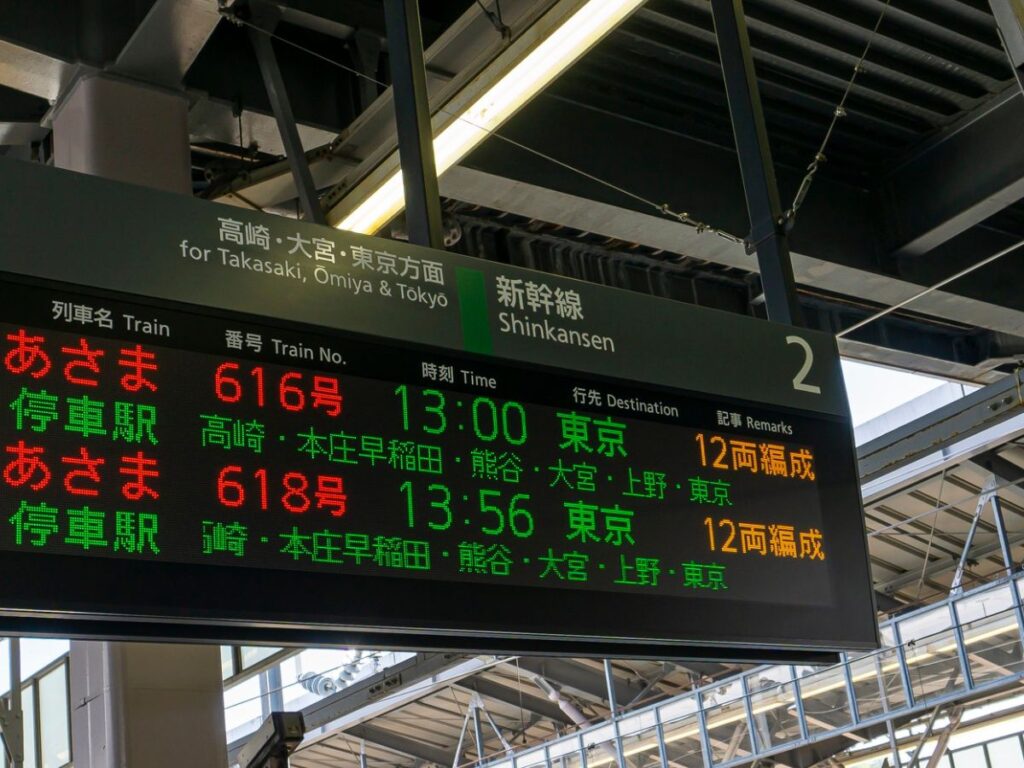
Once you are through the second set of gates, look for the large electronic departure boards. These can look a bit overwhelming, but they are very clear once you know what to look for. Find your specific train name (like Nozomi) and your train number (like #34) on your ticket. The board will show you exactly which platform that train is departing from. We always suggest checking this a few minutes before your departure time, as platforms can sometimes change at the last minute.
Lining Up Like a Local
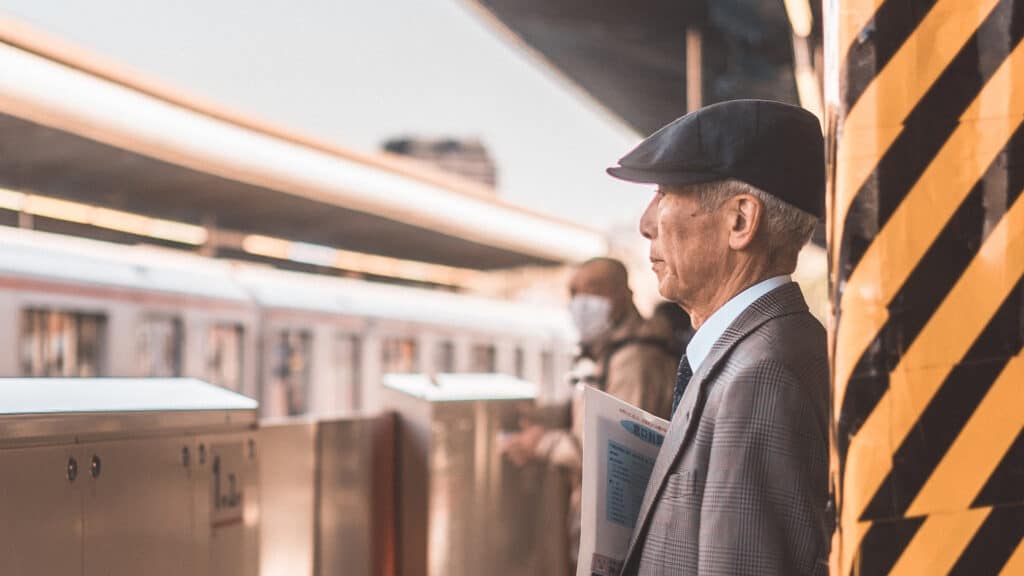
When you reach your platform, the most important thing to do is find your specific car number. Look down at the floor, and you will see markings or coloured stickers that tell you exactly where each car will stop. If your ticket says Car 5, find the Car 5 marking and join the line.
People in Japan take queuing very seriously. You will see neat lines forming behind these floor markings. Just join the end of the line and wait for the train to arrive. The Shinkansen is famous for its precision, so the doors will line up perfectly with the floor markings every single time. Wait for the arriving passengers to get off first, then step on and find your seat. It is a very calm, orderly process that makes boarding a breeze.
Something else to note is that if you want to store your non-oversized luggage in the carriage’s shared luggage racks, you might want to line up a little early to ensure there is space.
Tired of juggling guidebooks, blogs, and endless tabs? We’ll take care of the details so you don’t have to. Our travel planner service creates a personalised Japan itinerary that matches your style, so you can spend less time planning and more time looking forward to the journey.
→ Find Out More About Our Japan Travel Planner
Important Tips for JR Pass Holders

You now know the basics of how to pick your train and seat. However, if you have decided to travel with the Japan Rail Pass, you have to know a few specific rules that only apply to pass holders. Understanding these will help you get the most out of your pass and avoid any unnecessary stress at the station.
The Fast Train Rule (Nozomi and Mizuho)
The most important thing to remember is that the fastest Shinkansen services, the Nozomi and Mizuho, are not fully included in your pass. You can still ride them, but you must pay a “supplement fee” at a ticket office or machine before you board.
In our opinion, you rarely need to do this. We almost always recommend sticking with the Hikari or Sakura trains. They cover the exact same routes and are only about 20 minutes slower on the trip from Tokyo to Kyoto. Since they are completely covered by your pass, we think it is much better to save that extra cash for a great meal once you arrive.
Making the Most of Free Seat Reservations
One of the biggest perks of the Japan Rail Pass is that all of your seat reservations are completely free. While you can technically sit in the non-reserved cars, we always suggest taking a few minutes to book a specific seat.
You can do this at any Midori-no-madoguchi (green ticket office) or by using the reserved seat ticket machines. Most of these machines now have passport scanners, making it easy to scan your pass and pick your seat in seconds. If you bought your pass through the official JR website, you can even book your seats online before you arrive in Japan, which is a huge advantage during busy travel seasons.
Using the Automatic Gates
Your JR Pass is a magnetic ticket that works just like a regular one. You simply slide it into the automatic ticket gate, walk through, and remember to grab it as it pops out the other side.
Just keep in mind that if you have a separate seat reservation ticket, you do not need to put both into the gate. Only the pass itself is required to get you through.
Shinkansen Guide FAQs
What happens if I miss my train?
If you have a reserved ticket, it stays valid for non-reserved seats on any later train that same day. You only need a new ticket if you want a guaranteed seat again.
Can I eat and drink on board?
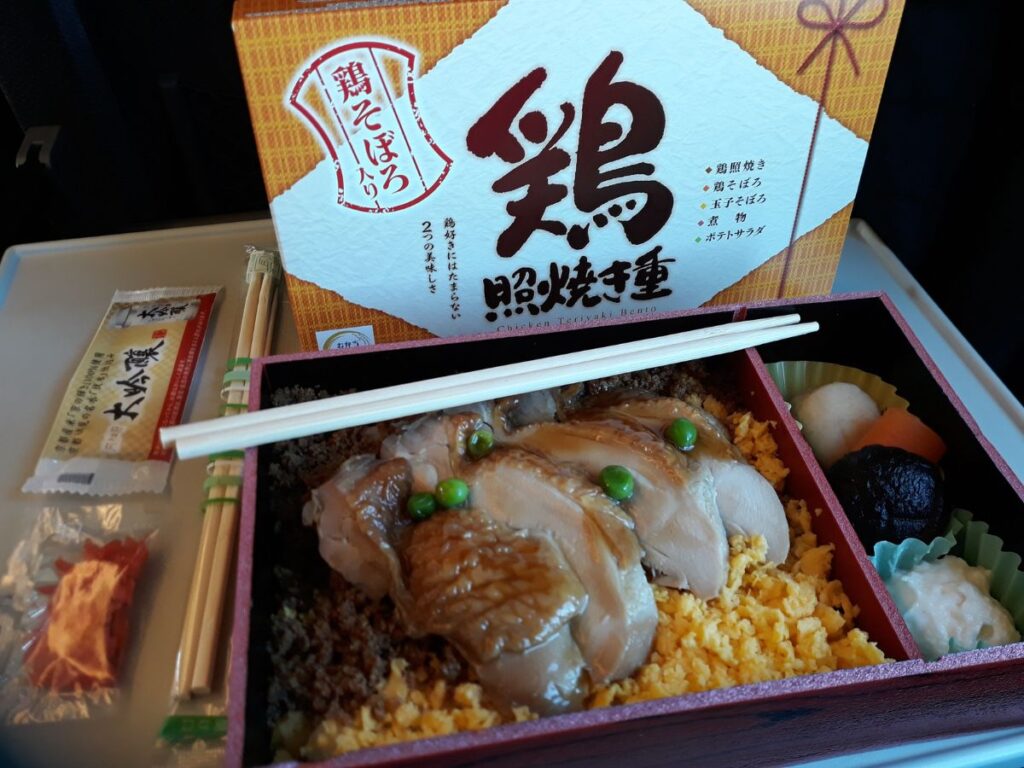
Yes! Station bento boxes (Ekiben) are a big part of the experience. Just avoid smelly foods and take your rubbish with you when you leave.
Is there Wi-Fi and power?
Most newer trains have free Wi-Fi and outlets at every seat. On older models, you will usually only find plugs at the window seats.
What if I miss my stop?
Do not jump off as the doors close! Just stay on until the next station, find a conductor, and they will help you catch a train heading back for free.
Are there toilets?
Yes, and they are very clean. You will find Western-style toilets and washrooms in the deck areas between carriages.