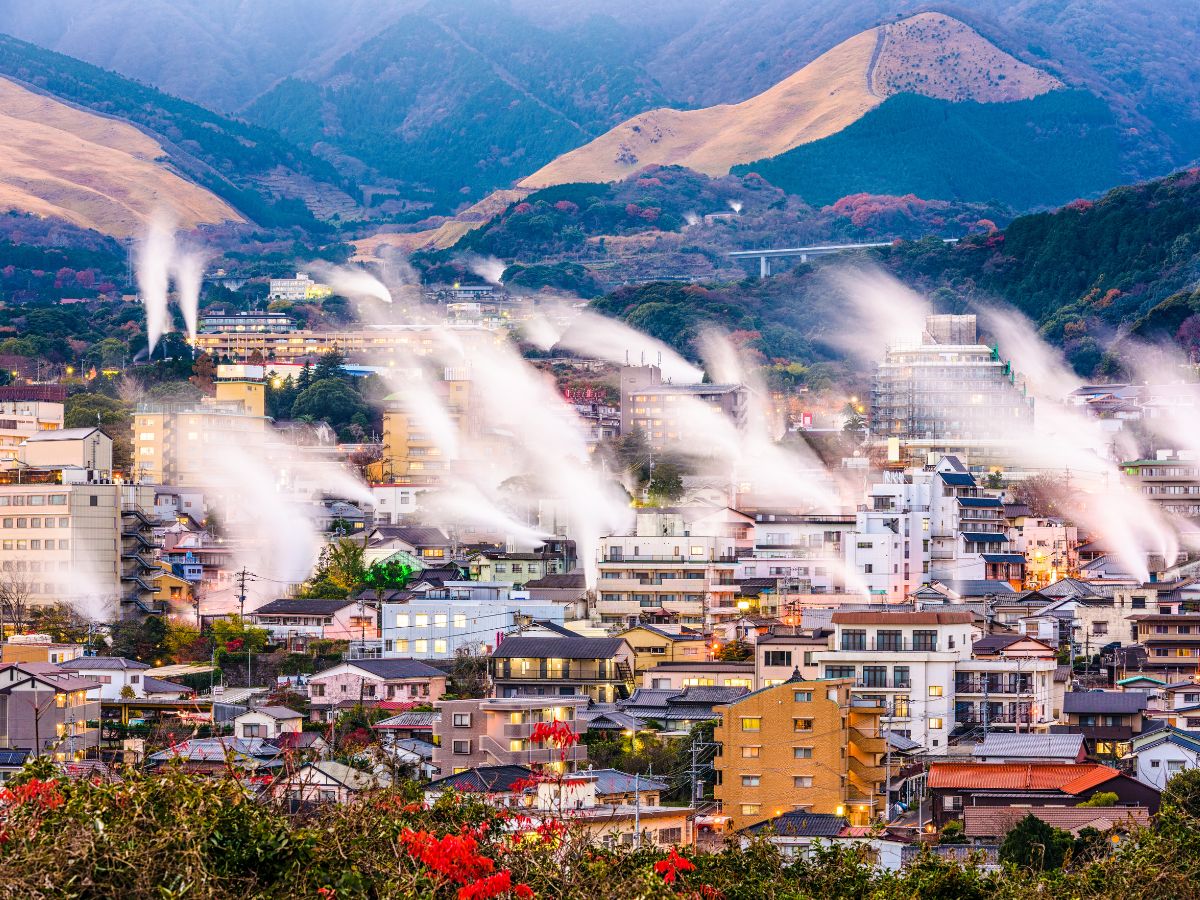
The first thing you will notice when you arrive in Beppu is the steam. It drifts out of the drains, rises from behind houses, and hangs over the city like a low cloud. This is because the city sits on a massive source of hot water that pumps out more than any other spot in Japan. In Beppu, the earth feels like it is boiling just under your feet.
Because there is so much water, the number of choices can feel a bit much for a traveller. You have everything from muddy pits in the woods to fancy hotel pools with great views. At Flip Japan, we prefer places that have a special character or a view you cannot get anywhere else. In this guide, we have narrowed the best onsen in Beppu down to three specific options for each type of traveller. If you want to see why this city is so famous for its water, these are the best places to start your trip.
Beppu Onsen 101: What to Know Before You Go
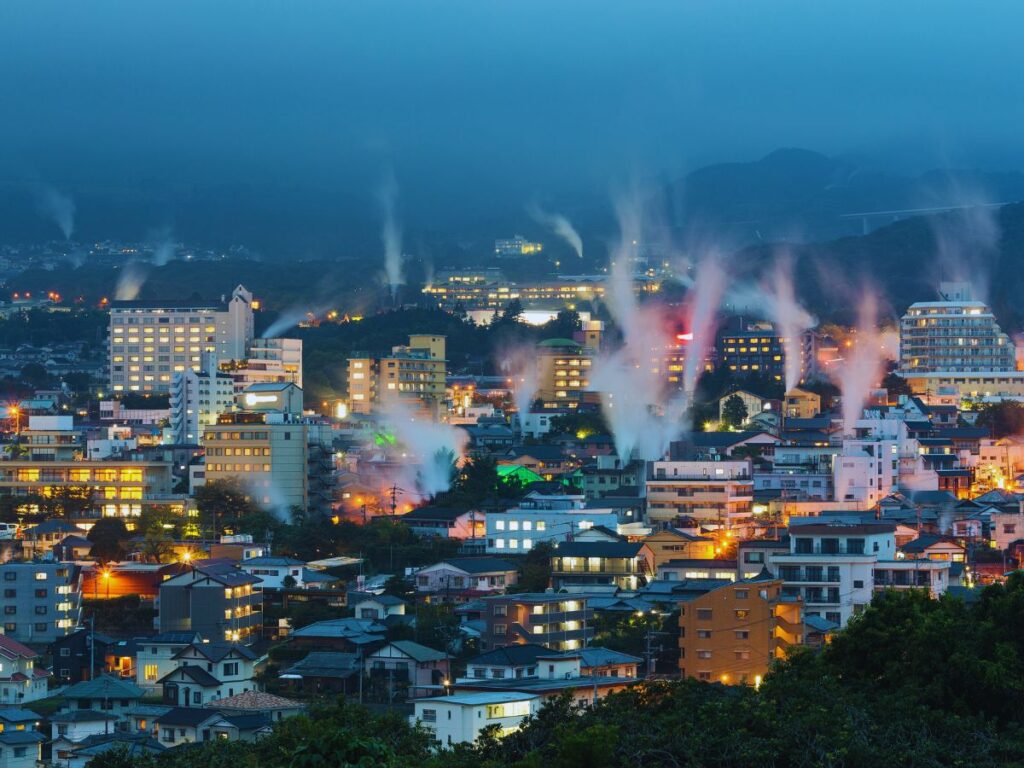
Before you choose a bath, it helps to understand how the city is set up. Beppu is actually made of eight different hot spring areas known as the Beppu Hatto. You do not need to visit every single one, but knowing what makes them different will help you plan your visit.
The Central District and Hamawaki are the oldest parts of town. The area right around the main station is known as Beppu Onsen and is full of grand, historic buildings. Just south of there is Hamawaki, which is a bit more quiet and feels like stepping back into the past. If you like old-school wooden architecture and a local feel, start here.
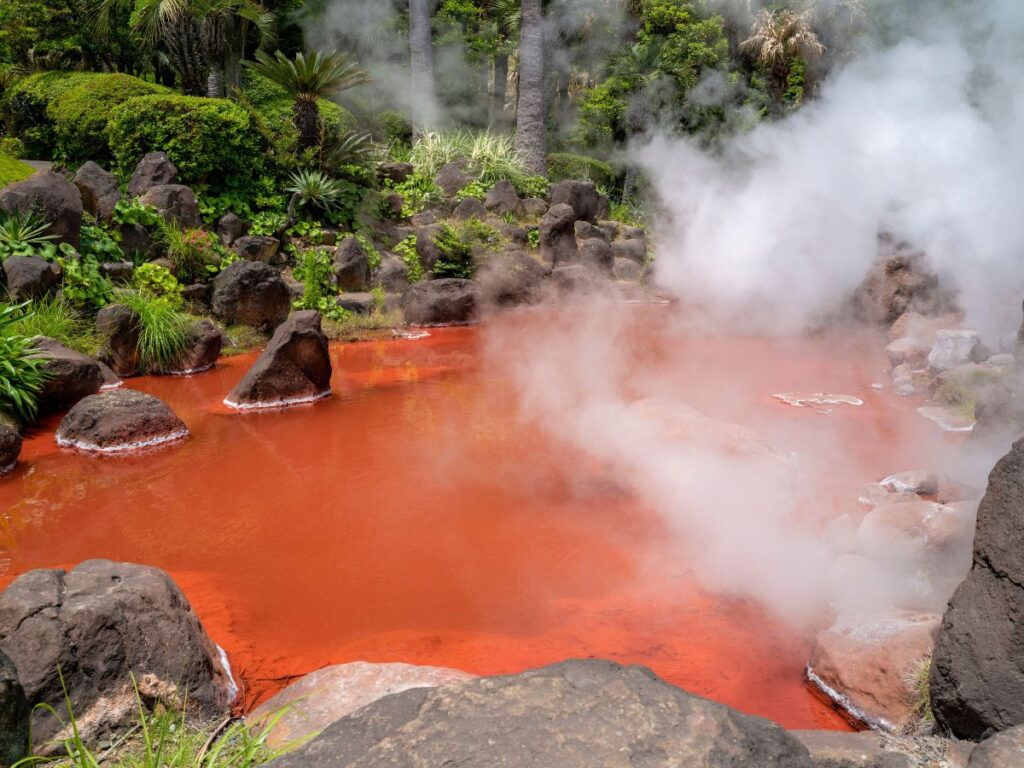
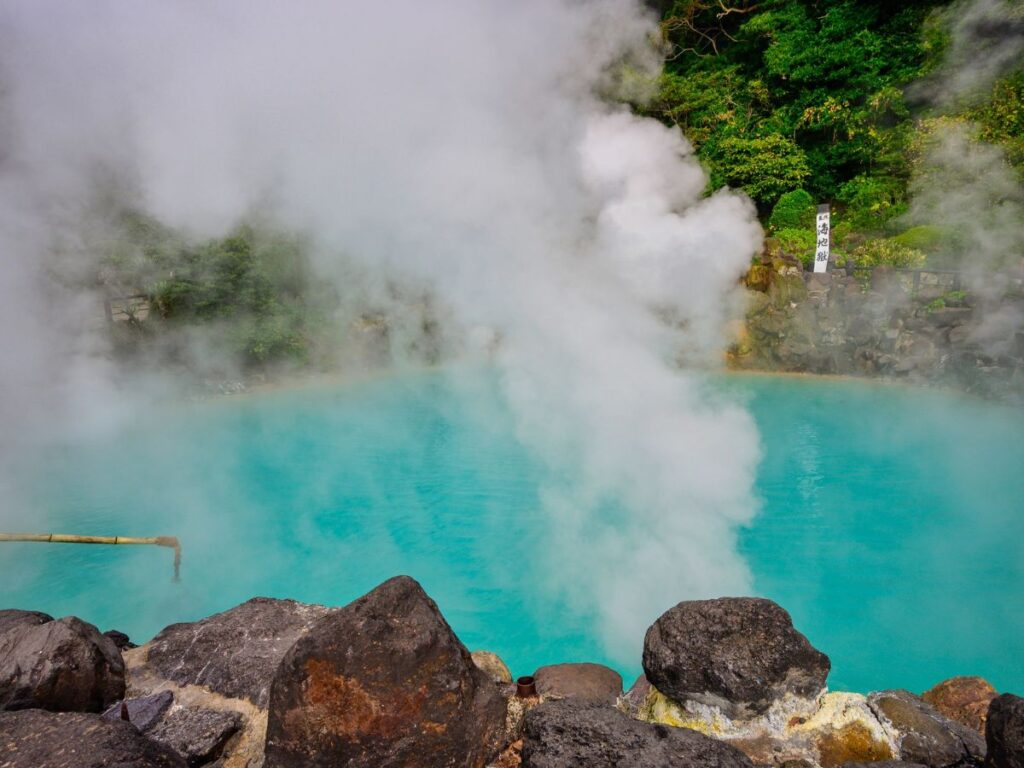
Kannawa is the heart of the tourist area. This is where you will see the most steam rising from the ground and where the famous Beppu Hells are located. These Hells are seven hot spring ponds that are only for looking because the water is almost boiling. You will see bubbling grey mud and a bright red pond that looks like it belongs in a horror film. Most people start at Umi Jigoku because it is a pretty blue colour. You can buy a pass for all seven spots for 2,400 yen, or just pay 500 yen to see one. Just remember that you cannot actually bathe in these ponds.
Because of all that geothermal heat, Kannawa is also the best place to try food steamed using natural volcanic steam. It smells strongly of sulfur here, which some people find a bit much, but it is the most iconic part of the city.
Myoban and Shibaseki are higher up in the mountains. Myoban is famous for its milky, acidic water, and the unique straw huts used to harvest bath salts. It feels very rural compared to the city centre. Shibaseki is a quieter area in the northern part of the city and is a great choice if you want to soak in a more natural, medicinal steam bath away from the busy centre.
Kankaiji, Horita, and Kamegawa offer a mix of modern and natural views. Kankaiji is on a hill overlooking the bay and is home to the big luxury resorts with infinity pools. Horita is a rustic spot that was historically a rest stop for travellers, and Kamegawa is right on the coast, famous for its beachside sand baths.
If this is your first time visiting a Japanese bath, the rules might seem a bit confusing at first. It is perfectly normal to feel a bit nervous, but people are generally very relaxed. For a full breakdown on how to behave and what to bring with you, we suggest reading our onsen 101 guide so you can soak with confidence:
One of the best things about Beppu is that it is one of the most welcoming cities in Japan for people with tattoos. While many parts of the country still have strict bans on ink in public baths, Beppu has hundreds of spots that do not mind at all. However, it is still a good idea to check the specific rules for your chosen ryokan or hotel before you arrive. You can find more advice on how to handle this in our guide on tattoos in Japan.
Best Onsen in Beppu for Heritage Seekers
If you want to feel like you have travelled back in time, Beppu has some of the most beautiful historic baths in Japan. These spots are less about fancy amenities, and more about the atmosphere and the quality of the mineral water.
Takegawara Onsen
Takegawara Onsen is the most famous building in the city, and for good reason. Built in the late 19th century, it has a high, dark wood ceiling, and a very traditional atmosphere that feels like a film set.
The main attraction here is the indoor sand bath. You wear a light cotton robe and lie down on a bed of volcanic sand that has been naturally heated by the steam below. A staff member will bury you up to your neck, and you simply relax for about fifteen minutes while the heat works on your muscles. It is a bit dark and can feel a little cramped if it is busy, but it is a classic Beppu experience you should not miss.
- Location: 16-23 Motomachi (about a 10-minute walk from Beppu Station)
- Price: 300 yen for a regular bath; 1,500 yen for the sand bath
Hyotan Onsen
Hyotan Onsen is the only hot spring in Japan with three Michelin stars, but do not let that intimidate you. It is actually a very friendly and laid-back place that is easy to navigate even if you are new to onsen. It is famous for its “waterfall” baths, where streams of hot water pour from the ceiling to massage your shoulders. There is also a steam room and a large outdoor area with several different types of stone baths. It is located in the heart of the Kannawa district, which makes it a great stop if you are already in the area to see the famous Hells.
- Location: 159-2 Kannawa (accessible by bus from Beppu Station)
- Price: 1,160 yen for adults; additional fees for sand baths or private rooms
Myoban Yunosato
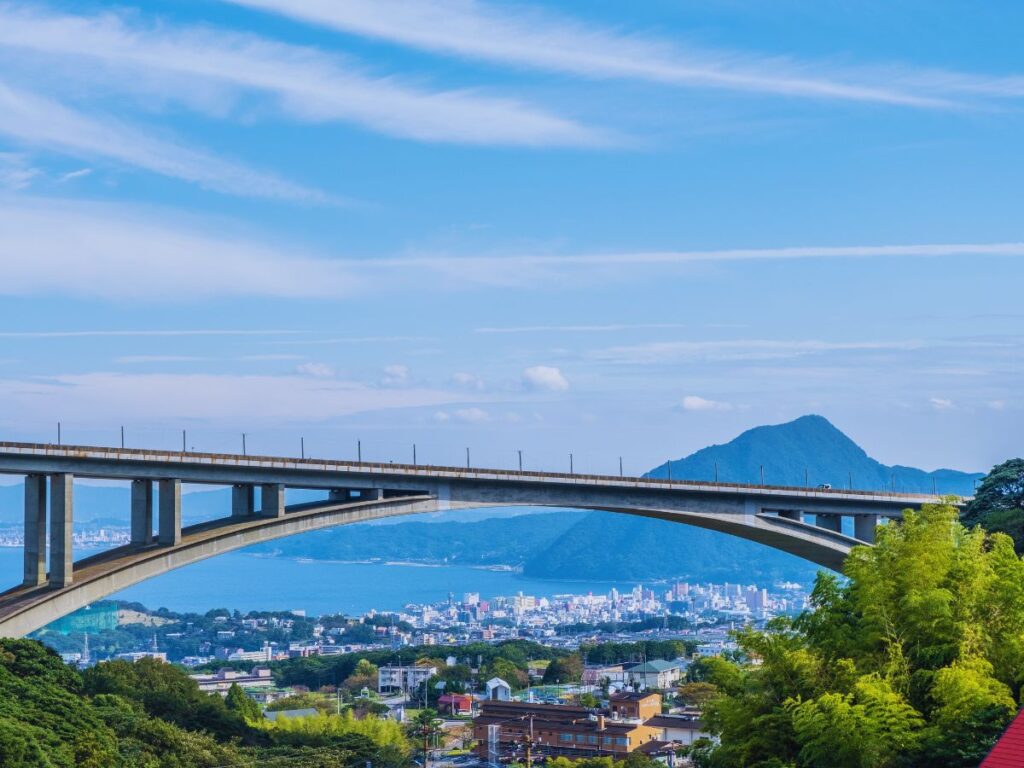
Myoban Yunosato is sitting high in the hills above the city and offers a very different vibe from the downtown baths. This area is famous for its “yunohana” huts, which are small straw structures used to harvest medicinal bath salts from the steam. The large outdoor rock bath has a great view of the mountains and the big bridge that spans the valley.
- Location: 6 Myoban (about a 25-minute bus ride from Beppu Station)
- Price: 600 yen for the large outdoor bath
If you are looking for an overnight stay in a traditional setting to match these historic baths, you should learn what a ryokan is before you book your stay.
Best Onsen in Beppu for Luxury Travellers
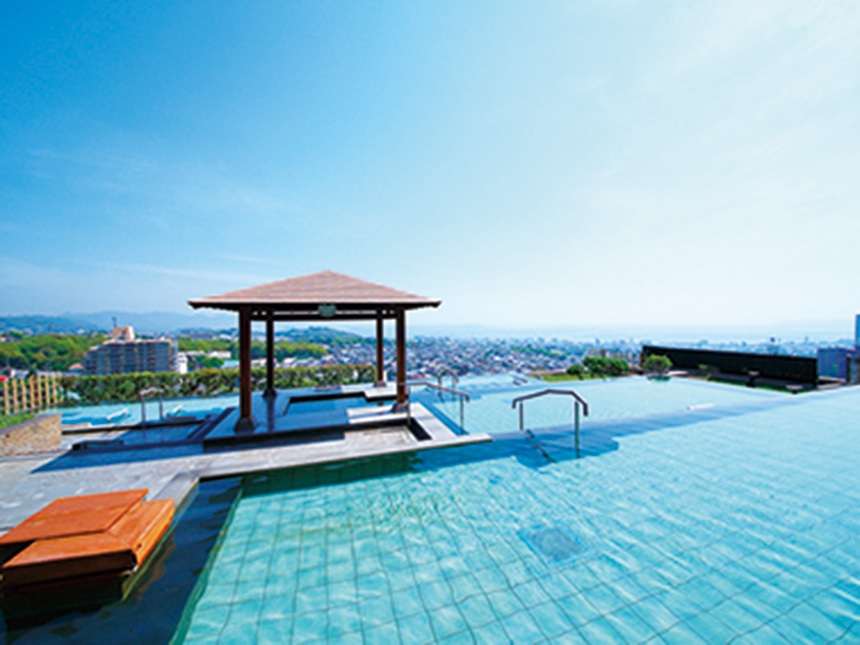
If you prefer your soak with a side of modern comfort and a spectacular view, these are the best high-end options in the city. These spots focus on providing a more modern experience with top-tier facilities.
Suginoi Hotel (Tanayu)
The Tanayu outdoor bath at the Suginoi Hotel is easily the most famous modern hot spring in Kyushu. It is a massive, five-tier infinity pool that sits high on a hill overlooking the entire city and Beppu Bay. The best time to visit is just before sunset so you can watch the city lights begin to flicker on through the steam.
Because it is part of a large resort, it can get very busy with families and tour groups, which might take away from the quiet atmosphere you usually expect at an onsen. However, the view is so impressive that it is still worth the trip.
- Location: 1 Ichonoki, Kankaiji (Free shuttle bus available from Beppu Station)
- Price: 2,000 yen – 3,200 yen (Prices vary by season and day of the week)
AMANE RESORT SEIKAI
For a more peaceful and private luxury experience, AMANE RESORT SEIKAI is a fantastic choice right on the coast. Unlike the mountain-top baths, this one allows you to soak while listening to the waves crash against the shore just a few metres away.
If you are staying the night, you are in for a treat, because every guest room comes with its own private, open-air hot spring on the balcony. If you are just visiting for the day, you can still use their beautiful public pools which feel like they are floating right on top of the ocean.
- Location: 6-24 Shamonimachi (about 15 minutes by taxi or bus from Beppu Station)
- Price: 2,500 yen for public baths
Beppu Rakutenchi
While Rakutenchi is actually an old-fashioned amusement park, its hot spring is a bit of a local secret with one of the best panoramas in the area. To get there, you have to take a steep, colourful cable car up the side of the mountain. The bath itself is quite simple, but because the park sits so high up, you get a clear view of the entire bay without the crowds.
- Location: 18-2 Otogayu (about 10 minutes by bus or taxi from Beppu Station)
- Price: 1,300 yen (includes cable car fare and park entry)
Best Beppu Onsen for Unique Experiences
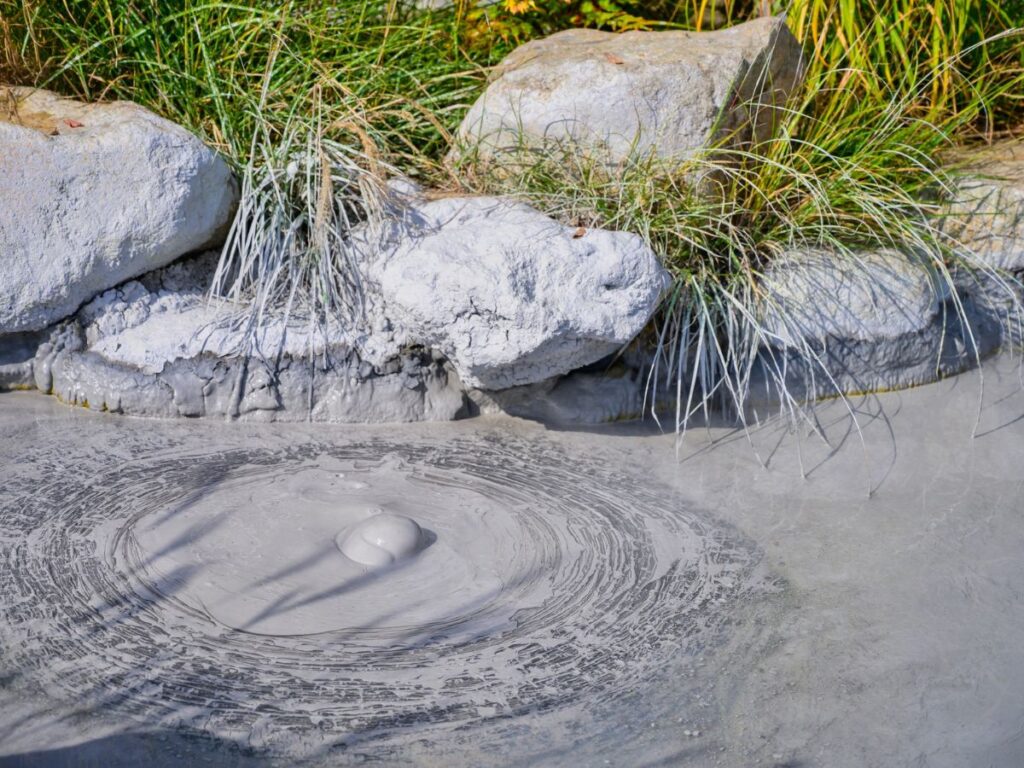
If you are tired of standard water baths and want to try something a bit more adventurous, these three spots should be at the top of your list.
Sand Spa at SHONIN PARK
Getting buried in sand while lying on a beach is one of the most relaxing things you can do in Beppu. You are given a yukata to wear and then guided to a spot on the shore where the sand is naturally heated by geothermal steam. A staff member will then shovel the warm, heavy sand over your body until only your head is poking out. You lie there for about fifteen minutes, listening to the ocean and feeling the heat seep into your bones. It is highly detoxifying, though it can feel quite heavy and hot if you are sensitive to pressure.
- Location: 795-1 Shoningahama-cho (get off the bus at the Roku-shoninkaku stop)
- Price: 2,500 yen (includes admission to the onsen and Sand Spa)
Onsen Hoyoland
Onsen Hoyoland is the place to go if you want to try a traditional mud bath. The mud here is thick and full of minerals that are said to be great for the skin. One thing to keep in mind is that the large outdoor mud pool is mixed-gender, which is quite rare in modern Japan. There are separate indoor sections for men and women, but if you want to experience the big outdoor area, you will need to be comfortable with the mixed-gender setting. It is a bit rustic and the facilities are older, but the mud itself is world-class.
- Location: 5 Myoban (about a 25-minute bus ride from Beppu Station)
- Price: 1,500 yen
Mushiyu at Kannawa Steam Bath
Here, you lie down on a bed of medicinal herbs called sekisho that are laid over a floor heated by natural geothermal steam. The room is small and dark with a low ceiling, and you stay inside for about eight to ten minutes to let the herbal steam work on your body. It is effectively a natural, volcanic sauna. It can feel very cramped and the heat is quite intense, so it is not for everyone, but it is certainly a memorable way to experience Beppu.
- Location: 1-kumi Kannawa Kamiguchi
- Price: 700 yen (plus a small fee for yukata rental if you do not bring your own)
Planning Your Beppu Itinerary
Beppu is easy to get to no matter where you are starting in Japan. If you are coming from Tokyo, the fastest way is to fly to Oita Airport. The flight is 90 minutes, and then you take a 45-minute bus ride to the city.
If you have a Japan Rail Pass and want to take the train, you take the Shinkansen to Kokura and change to the Sonic Express. This takes about six hours, but the views of the sea are good at the end. From Osaka or Kyoto, the train takes about four hours. You can also take the Sunflower Ferry overnight from Osaka. It is like a hotel on a boat, and it lands in Beppu in the morning.
Beppu is also a good place to start a trip around the rest of Kyushu. It is only two hours from Fukuoka, so look at our Fukuoka Guide to plan that part. If you are going south to see the volcanoes, you can also use our Kumamoto Guide for your road trip.
Best Onsen in Beppu FAQs
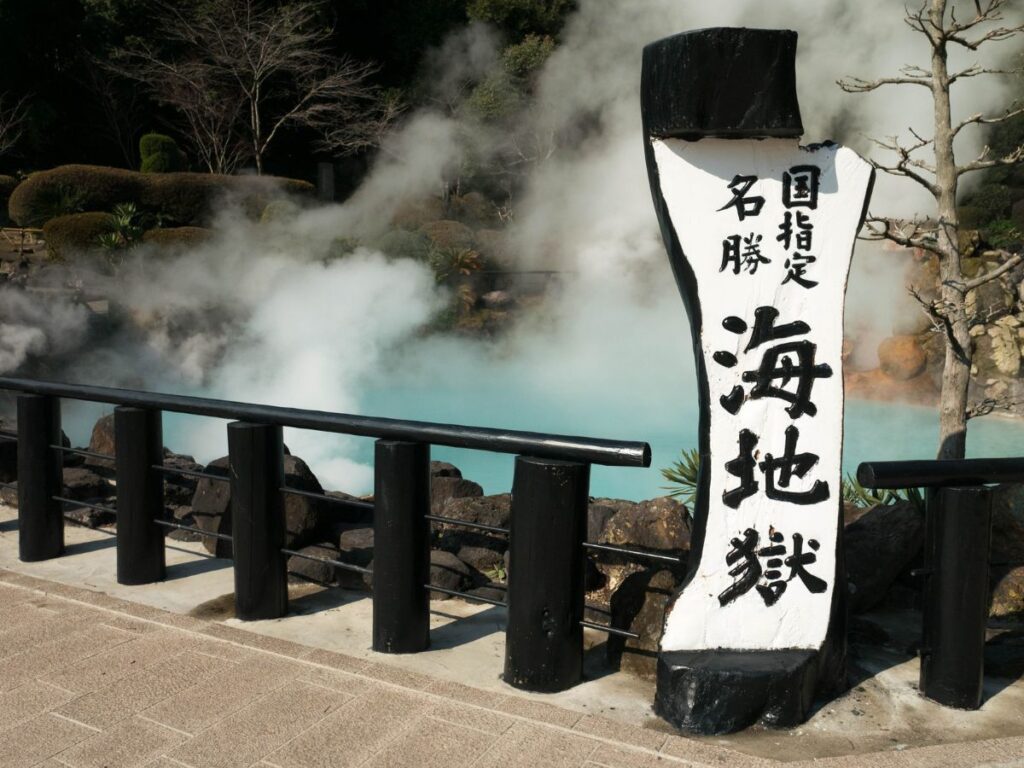
Can I visit the Hells of Beppu and bathe in them?
The water in the Hells is nearly 100 degrees Celsius, so do not try to soak in them. Many of these spots have small foot baths on the side where you can soak your feet for free. It is a good way to feel the hot water without getting hurt.
What is the best way to get around Beppu without a car?
The bus system in Beppu is easy to use and goes everywhere travellers need to go. We suggest getting the MyBeppu Free bus pass for 1,100 yen. It works for the whole day and covers all the main bath areas and the Hells. This is easier than paying with cash every time you get on the bus. There is also a 2-day pass available for 1,700 yen.
Are the onsen in Beppu tattoo-friendly?
Beppu is a very relaxed city for people with tattoos. Most of the old public baths, like Takegawara or Hyotan, do not care if you have ink. If you stay at a big luxury hotel, you should still ask them first or just book a private bath to be safe.
How many days should I spend in Beppu?
One full day is enough to see the Hells and try a few baths. If you want to see all eight areas of the city or visit the nearby town of Yufuin, you should stay for two nights. This gives you more time to relax.
Is it safe to try the mud and sand baths?
The sand and mud baths are safe. but they feel very hot. The sand is quite heavy on your body, and the mud rooms are very steamy. If you do not like high heat or if you have heart issues, take it slow and drink plenty of water. You should also bring an old towel because the mud can leave marks.