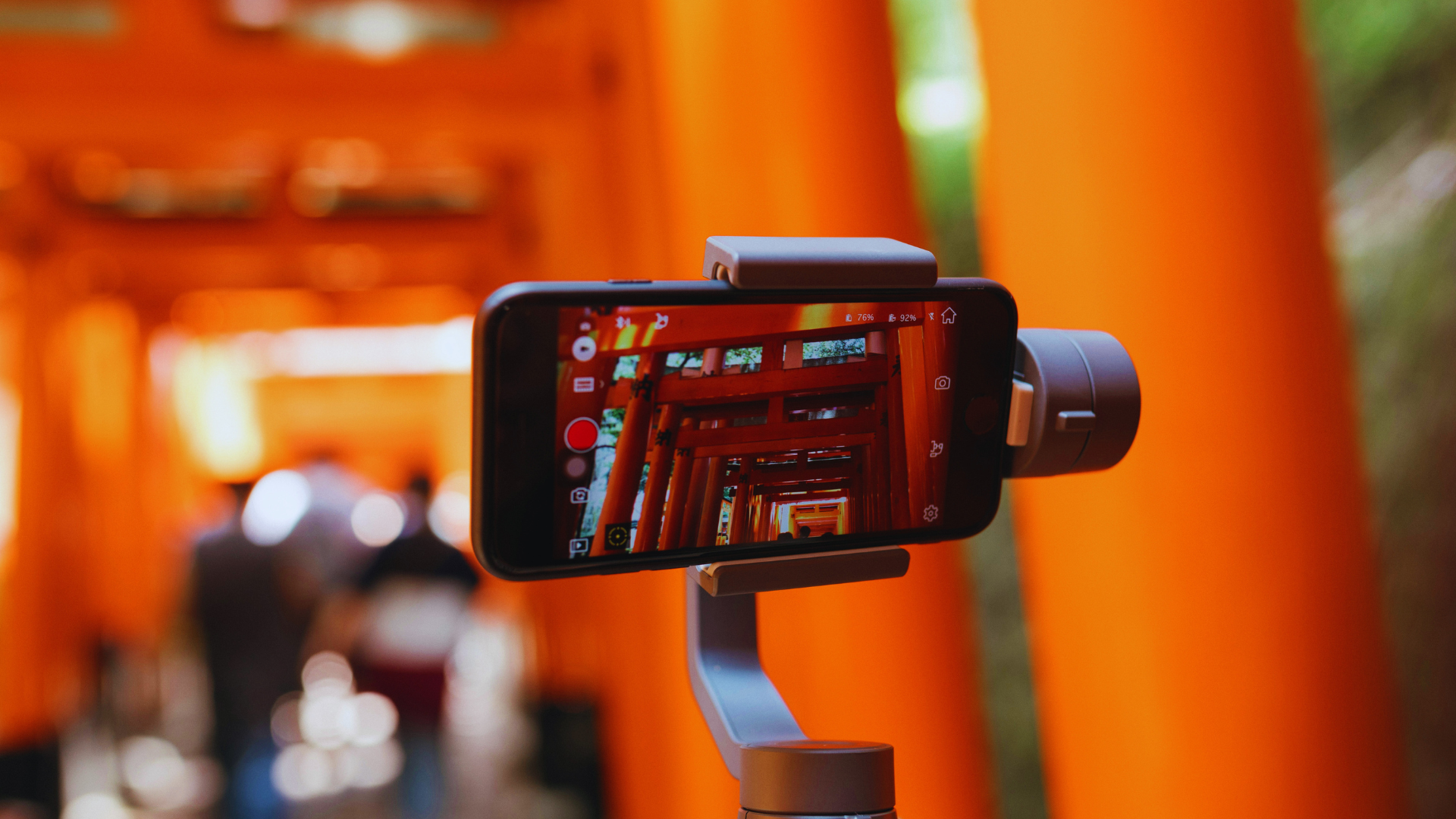

Filming in Japan is an amazing opportunity to capture serene beauty, unique crafts, and some truly novel experiences. However, it also comes with plenty of rules. Regulations are shaped by both the law and strong cultural expectations around privacy, order, and respect for shared spaces. As a result, film crews can come up against complicated permit applications and confusing filming rules.
If you are producing commercial content, documentaries, or branded media, understanding the basics of filming in Japan is essential. This guide contains a complete overview of filming permits, privacy laws, and location specifics to help you avoid delays, protect your footage, and maintain good relationships on the ground.
Looking for assistance with your upcoming Japan shoot?
We’re here to help! We’re a bespoke travel agency that acts as your local field producer in Japan, booking travel, accommodation, and experiences on your behalf. Our travel experts can advise on the best lesser-known locations, connect you to our network of incredible artisans, and run the on-the-ground coordination like permits, crewing, and recces. Check out our Japan fixer services to get started.
Commercial vs Personal Filming
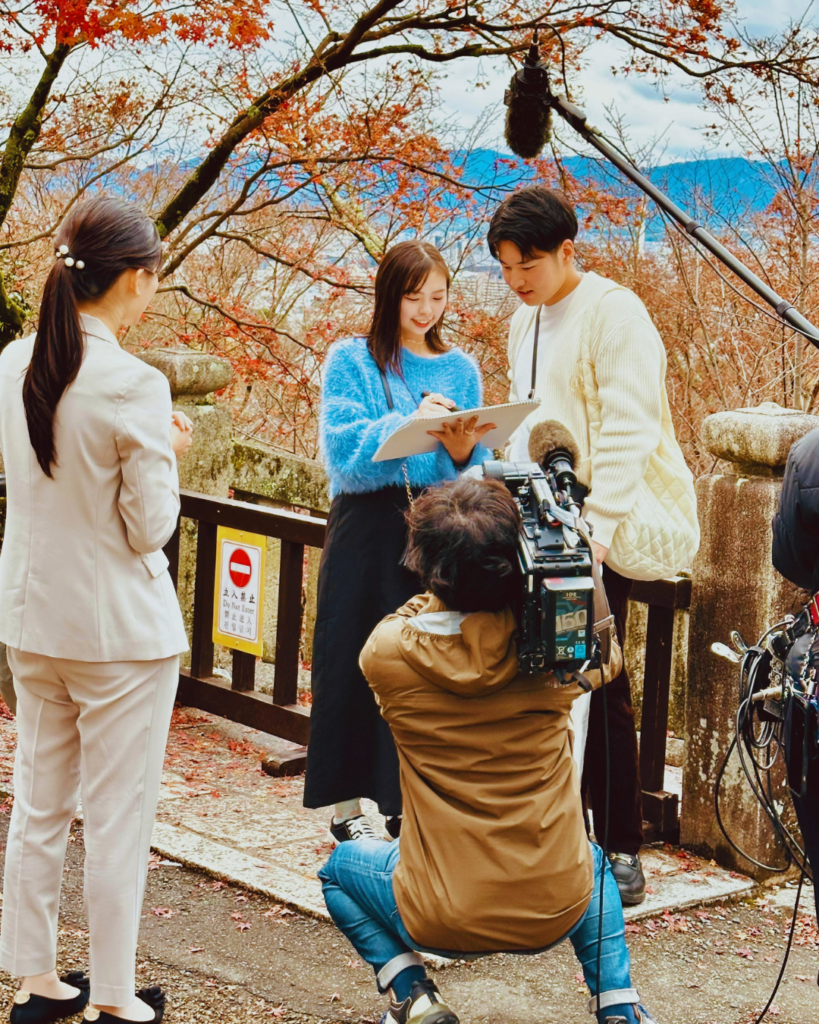
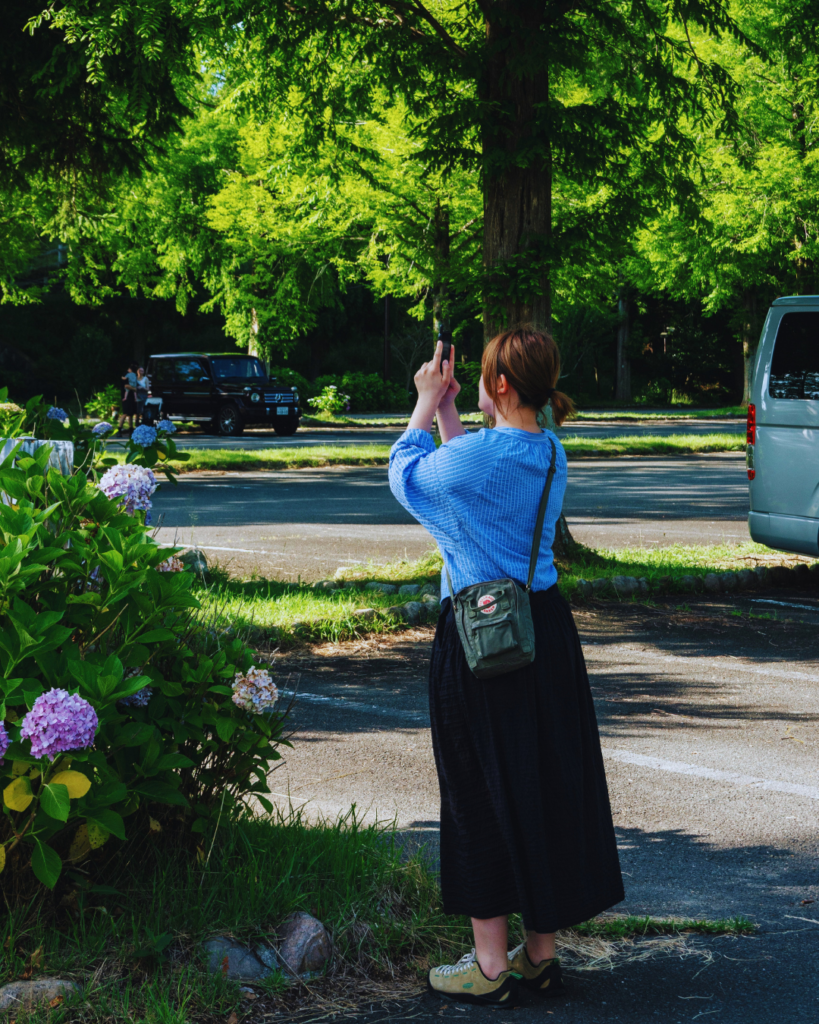
Before getting into permits and locations, it is important to understand the difference between personal and commercial filming in Japan. This distinction plays a big role in where you can film and what kind of permissions you may need.
In general, casual filming for personal use is treated pretty leniently, especially if you are using a phone or a small handheld camera. In many public spaces, this kind of filming is not seen as a problem as long as it doesn’t cause any disruption to other people.
However, once your project becomes commercial (e.g., branded content, advertising, client work, or anything intended for monetisation), the expectations change. This type of filming is more likely to require permits, with restrictions around locations, equipment, and crew size becoming stricter. Even a small setup can fall under these rules if the content is being used professionally, so it is important to plan accordingly from the start.
Laws and Regulations for Filming in Japan
Japan does not have a single, unified filming law. Instead, regulations are spread across privacy law, local ordinances, and property rights. In practice, this means that what is technically allowed and what is socially acceptable are not always the same.
Filming People
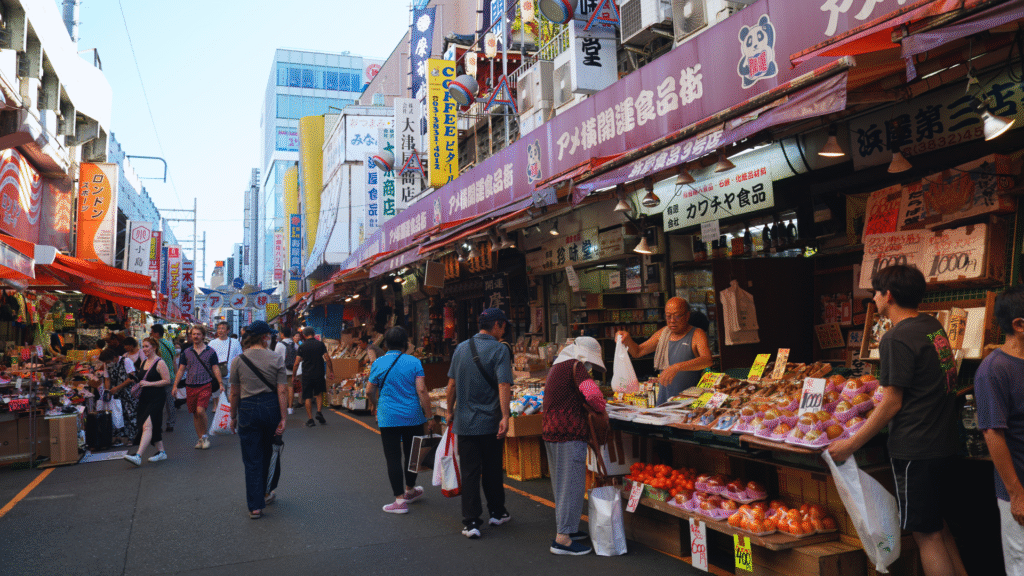
Filming individuals in public is not automatically illegal in Japan, but privacy rights are taken extremely seriously. The key concept to understand is around portrait rights, which protect a person’s control over how their likeness is captured and used. In other words, if someone is clearly identifiable in your footage, especially in a commercial context, they may have grounds to object or pursue legal action. This applies even if the footage was taken in a public place.
For this reason, it is strongly recommended to obtain written consent whenever a person appears in your footage unless it is for personal use only. Release forms are standard practice for professional productions, with Japanese language versions being easily provided by a local Japanese fixer service (like us here at Flip).
If a person does not sign the consent forms, then steps should be taken in post-production to make sure they cannot be recognised, such as blurring their face or removing any shots of them from the final edit. Filming crowds at a distance is generally less risky, so long as no individuals are the focus of the shot.
It also should go without saying that filming children without the prior consent of their parents/guardians should be absolutely avoided.
Private vs Public Property
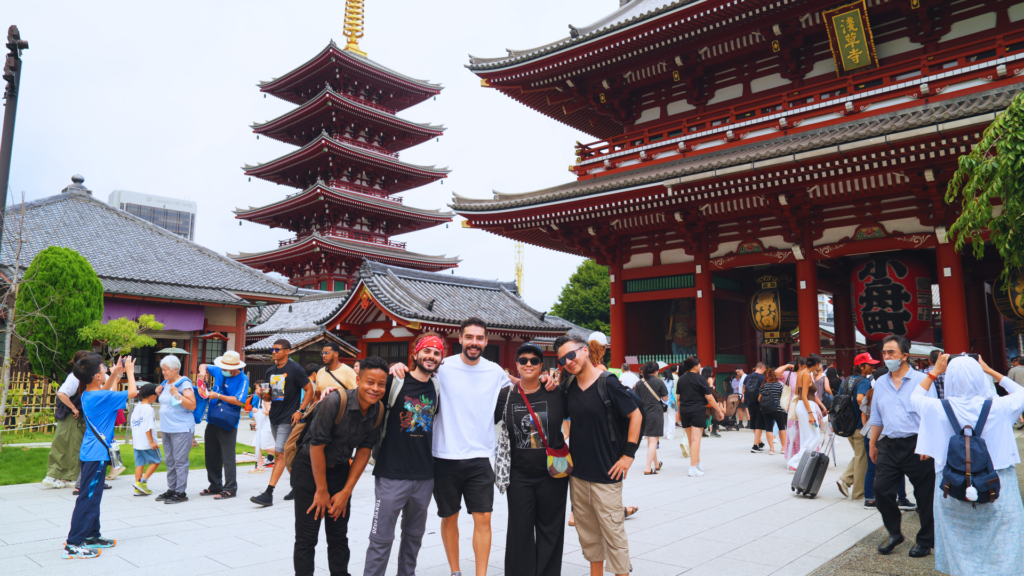
In Japan, filming rules are shaped by several elements rather than a single national law. Local regulations, property rights, and civil standards all play a part, but in simple terms, whether you can film usually comes down to who controls the space you are in.
In public areas such as roads, pavements, and parks, filming is generally allowed at a basic level, although it is not completely unrestricted. Local authorities can step in if filming affects public order, safety, or the flow of pedestrian traffic. If your shoot involves larger equipment, a crew, or anything that might draw attention, you may be asked to get permission in advance.
Private property is more straightforward. The owner or managing organisation has full control over whether filming is allowed. You’ll need to get permission or shoot before beginning filming, and you can be made to stop and leave at any time without it. This applies to spaces like personal homes, restaurants, and hotels, as well as many locations that may initially appear public, but are actually privately managed.
Some examples of areas you might not realise are private are shopping centres, covered streets, and office plazas. Even areas around train stations can often be owned or operated by private companies. Almost all religious sites, such as temples, shrines, and traditional gardens, are also private property. Filming at any of these locations without permission can lead to being asked to stop quite quickly.
A good rule of thumb is that if a space is maintained by a business, organisation, or institution, it is best to assume you will need permission. And if you are ever unsure, checking in advance or working with a local fixer can save you time and avoid any awkward interruptions on the day.
Banning of Professional Photography Equipment and Tripods
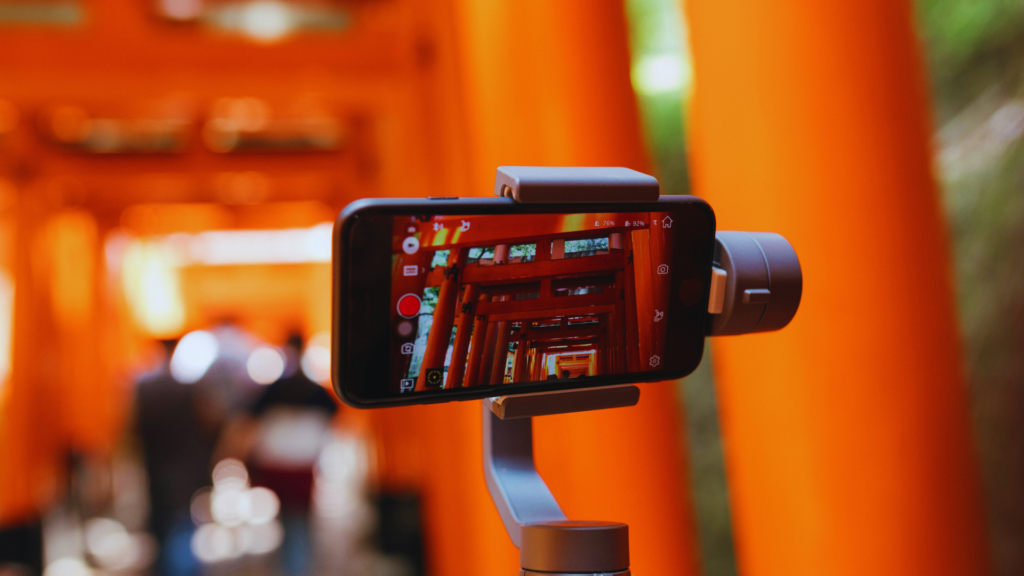
One of the quickest ways to run into trouble while filming in Japan is by ignoring the clear signs banning professional equipment, drones, or tripods that you’ll see across the country. These are especially common in busy pedestrian areas, tourist spots, and around religious sites, but once you start noticing them, you’ll realise they are everywhere.
Tripods, in particular, are frequently not allowed, as they block walkways and take up space. This can be an immediate issue for smaller video creators or influencers, and is best prepared for by bringing another person to film you instead of relying on equipment.
For larger shoots, professional cameras, lighting, and other gear can also attract attention from security or staff. The more noticeable your setup is, the more likely someone will approach you, so it’s important to have any permits or permissions on hand to let them know that you are allowed to be filming.
Japanese Filming Permits
For professional shoots, permits are often part of the process, and filming in Japan is no exception. What you need will depend on your location, equipment, and how complex your shoot is.
Professional Photography Equipment
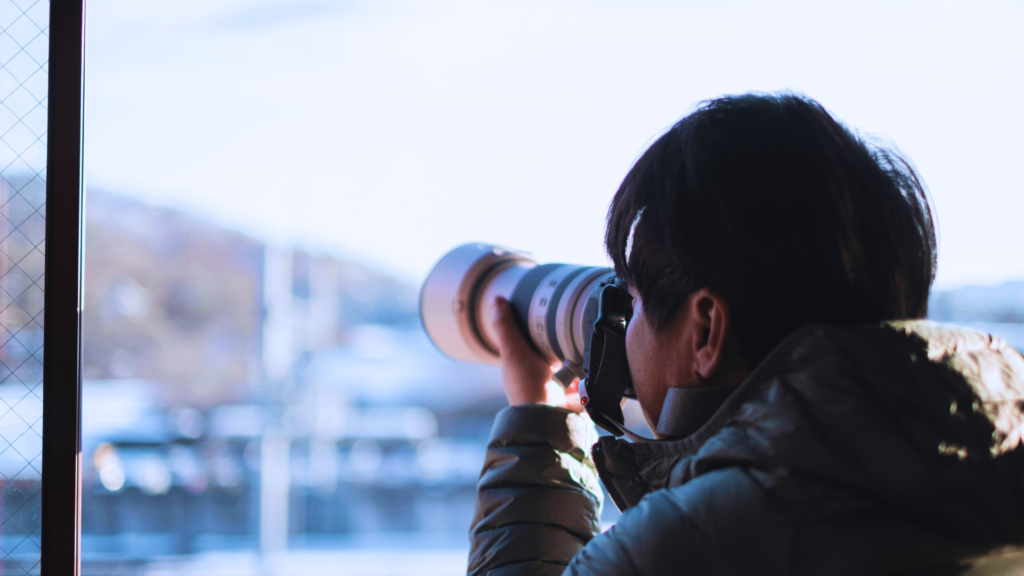
If you are using professional equipment, there is a good chance you will need permission in advance. Applications are usually made through local authorities, ward offices, or property managers, and without a Japanese speaker who is physically in Japan, the process can be extremely tricky if not impossible.
You may be asked to share details like your crew size, equipment list, filming schedule, and how the footage will be used. Approval can then take anywhere from a few days to a few weeks, so it is worth building that time into your schedule ahead of the shoot itself.
Drones
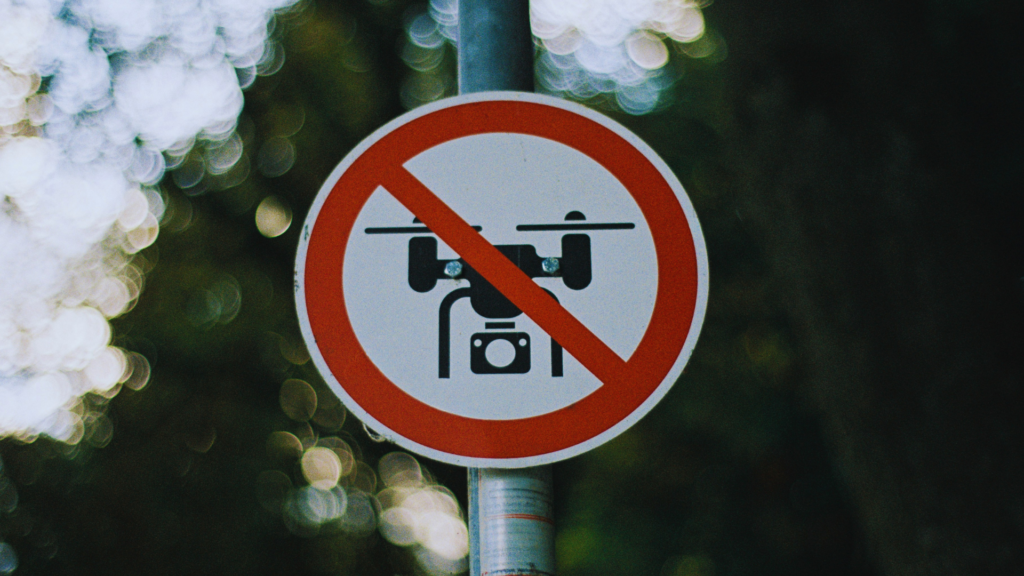
Drone filming in Japan is quite tightly controlled. Rules are set by the Ministry of Land, Infrastructure, Transport and Tourism, and there are restrictions on flying in cities, near airports, and over groups of people. On top of that, there are specific no-fly zones around certain buildings and cultural sites.
Depending on where and how you plan to film, you may need to deal with drone registration, flight approvals, local restrictions, and separate permission from property owners.
If you are hoping to get around a no-drone rule, you will need to register your drone, and in many cases, submit flight details way in advance. Depending on where you plan to film, you might also have to get additional permissions from the local authorities or landowners.
Parking
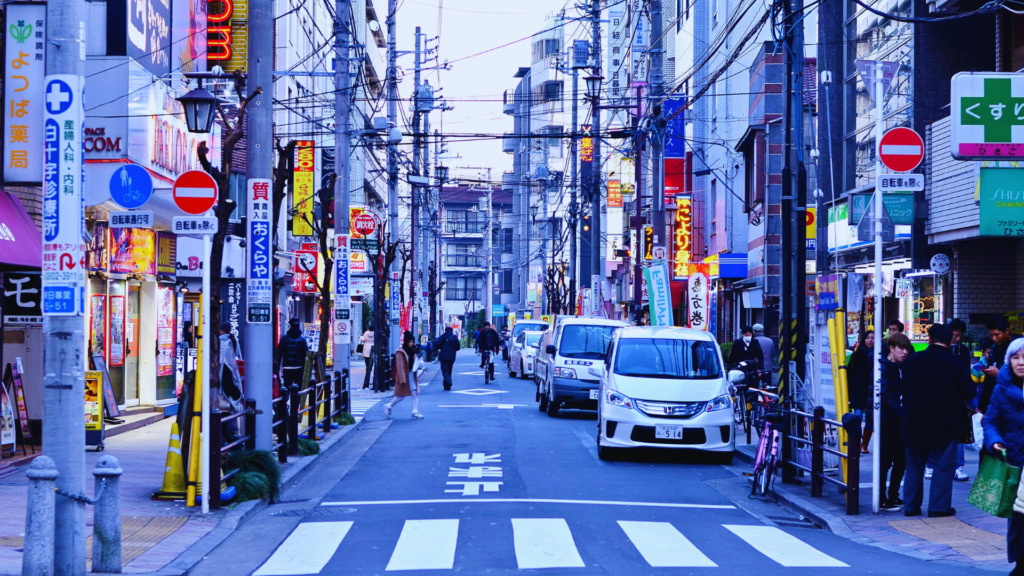
Parking might not be the first thing you think about, but in Japan, it can quickly become a challenge. For instance, street parking is strictly regulated, especially in cities. This means film crews need to plan ahead to arrange parking spaces that are legal, approved, and do not disrupt regular traffic. If you have larger vehicles, you may need special permits or coordination with local authorities.
Location Permits in Japan
Many locations in Japan require specific permits, particularly if they are well-known, culturally significant, or closely managed. The process can vary from place to place, but it usually involves submitting an application in advance, paying a location fee, and agreeing to certain conditions such as limited filming hours or restrictions on crew size.
It is also worth keeping in mind that not every location will approve commercial filming, especially if it could disrupt visitors or daily operations. Having a backup option can save you time if your first choice is not available.
Trains, Buses, and Other Public Transport Methods
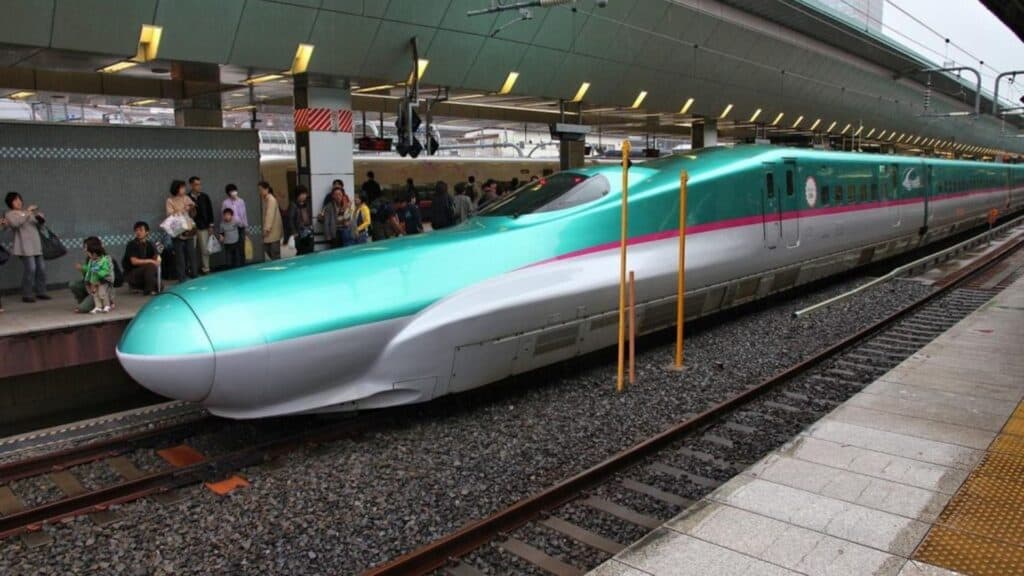
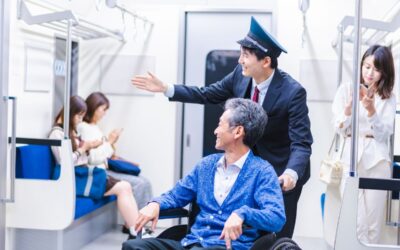
Filming on public transport in Japan is relatively restricted, mainly due to safety and passenger privacy concerns. If you are planning a professional shoot inside trains, buses, or stations, you will definitely need permission in advance, although taking more casual content usually goes unnoticed.
To film on train platforms, inside stations, or around entrances and exits, you will need permission from the relevant railway company. However, the application process can be detailed and time-consuming, particularly for commercial shoots.
Filming on the Shinkansen is even more tightly controlled. Whilst not impossible, it does require advance approval from the operating company and is subject to strict conditions around safety, timing, and equipment. For most productions, securing permission can be challenging without local support.
Roads
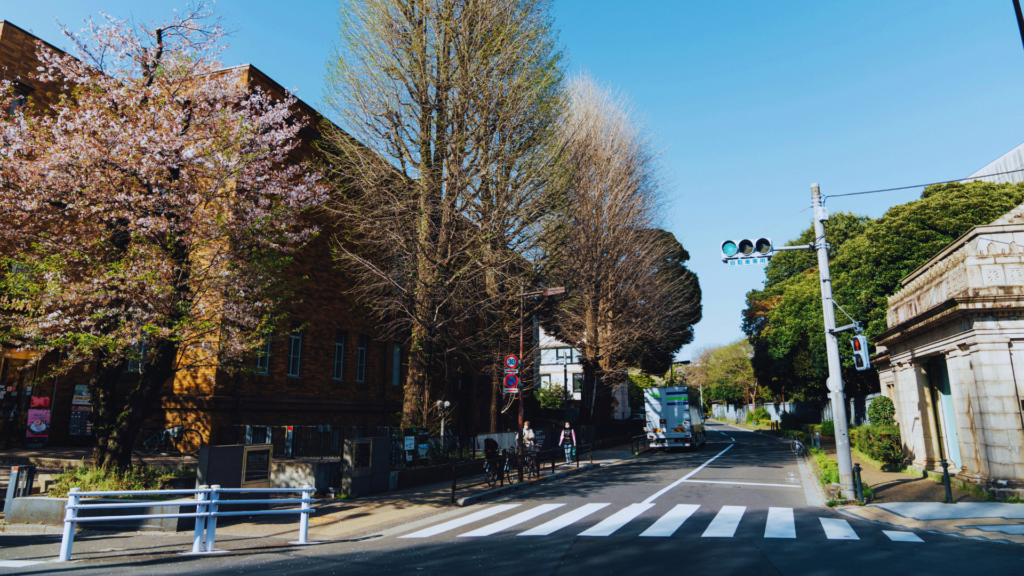
If you are planning to film on public roads, you may also need a “road use permit” from the police. This is especially important if your shoot involves tripods, lighting, large equipment, or anything that could affect pedestrian or vehicle movement. Even something as simple as stopping people for interviews can fall under this category, as it creates a temporary filming setup.
The First Steps for Filming in Japan
Filming in Japan can feel complex at first, especially after reading these rules and regulations. However, the good news is that preparation is key. Following the steps below can make the process much smoother right from the start:
- Start by confirming whether your project is personal or commercial, as this will affect permits, locations, and overall requirements
- Identify where you want to film and who controls those spaces, as you may need permission from multiple parties
- Allow plenty of time for permit applications, especially for popular or tightly managed locations
- Keep your setup as simple and low-profile as possible when filming in public
- Be mindful of privacy and avoid disrupting people or the surrounding environment
- Stay flexible in case locations are not approved or conditions change
- Consider working with a local fixer to help with permits, communication, and location scouting
Filming in Japan: FAQs
Do I need a permit to film in Japan?
It depends on your setup and purpose. Personal filming with a small camera is often fine, but commercial shoots or anything involving equipment usually require permits.
Can I film people in public in Japan?
Yes, but privacy rights are taken seriously. If someone is clearly identifiable, you should get consent or blur their face in post-production.
Is filming in train stations in Japan allowed?
Not without permission. Most stations are privately operated, so you will need approval from the relevant railway company.
Can I use a tripod in public places in Japan?
In many cases, no. Tripods are often restricted in busy areas and may require permission, especially if they get in the way of other people.
Are drones allowed in Japan?
Yes, but they are strictly regulated. You will need to follow national rules, register your drone, and often apply for flight permissions depending on the location.
What happens if I film in Japan without permission?
You will usually be asked to stop by the staff or security. In some cases, you may also be required to leave the area and delete all footage.