
Planning a trip to Japan and wondering just how possible it is to be a vegetarian or vegan in Kyoto? We have good and bad news. The bad is that Japan is not exactly the most vegan-friendly country in the world. The average restaurant won’t have a vegan option, and seemingly veggie-friendly dishes like tofu or miso soup are often actually made with animal-based ingredients.
But now for the good! The vegan experience in Japan is improving literally every day. More and more vegan and veggie spots are opening every year, plus there is actually a lot of traditional Japanese food, which just so happens to be authentically plant-based. There are hidden gem vegan restaurants and cafes dotted all over Kyoto, and we think you can still have the best food experience of your life there, whether or not you consume animal products.
Ready to learn more? We’ve put together this complete guide to being a vegan or vegetarian in Kyoto, complete with the 15 best vegan-friendly restaurants in the city. You’ll also get some top tips for navigating Japanese food on a plant-based diet to hopefully make the experience a lot easier and less scary.
The Best Way to Experience Kyoto as a Vegan or Vegetarian
Let us plan your vegan/vegetarian food tour for you! We’re a Japan-based travel agency specialising in custom tour itineraries, and we’ve led vegans and vegetarian guests all across the country. We can integrate your bespoke tour with some of Kyoto’s top sightseeing spots, as well as our favourite hidden gems that only locals know. Check out our tour page to get started!
Being a Vegan or Vegetarian in Kyoto

Japan can be an intimidating country for non-meat eaters as, let’s be honest, its food scene is definitely best known for sushi and wagyu steak. However, that doesn’t mean it isn’t still worth visiting as a vegan.
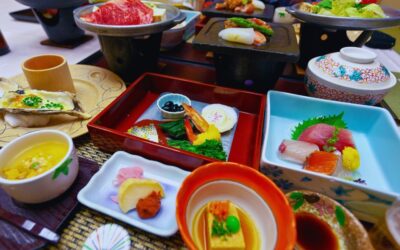
Kyoto, in particular, has a more traditional vibe than Tokyo or the other major cities, which can actually make being vegan or vegetarian that little bit easier. For instance, you can find shojin ryori restaurants that serve an authentic cuisine eaten by Buddhist monks that is completely plant-based. Kyoto is also well known for kaiseki, a course-based dining style that is extremely seasonal. Although the standard kaiseki restaurant probably won’t accommodate a plant-based meal, there is a familiarity with creating dishes that make seasonal veg the star of the show.
Now, we don’t want to get too ahead of ourselves. You should know that the average restaurant is not only unlikely to have a vegan/vegetarian option on the menu…but might not even understand the concept if you try to explain it. That’s because so many of Japan’s fundamental food staples use animal-derived products.
The best way to prepare for a trip to Kyoto as a vegan or vegetarian is to do your research and know what you can or can’t eat in advance.
Non-Vegan Foods to Avoid
As we mentioned, a lot of dishes in Japan might look vegan, but when you look a little deeper, you’ll realise they still contain fish-based ingredients. A few things to look out for are:
- Dashi (だし): A fish-based broth that is used as the basis for a lot of Japanese dishes, including udon, tofu, seaweed, miso soup, and more. It is possible to make a vegan dashi, but unless a restaurant specifies that their dashi is plant-based, you should assume it is not.
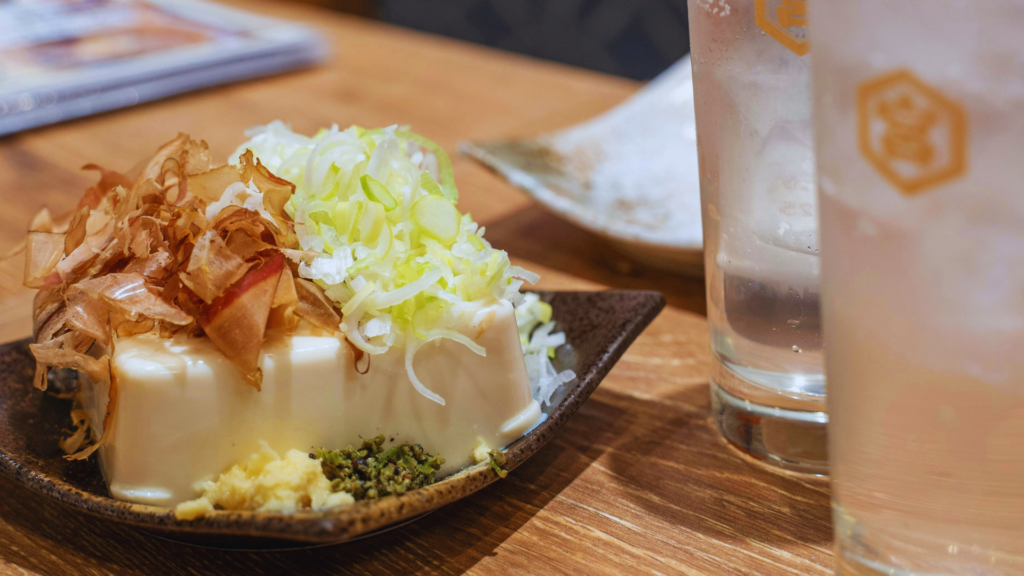
- Bonito Flakes/Katsuobushi (鰹節): Shavings of dried skipjack tuna that are used as a topping in lots of foods. Keep an eye out for these, particularly on vegetable side dishes, and be prepared to ask for food to be served without them when ordering in a restaurant.
- Inari Sushi (いなり寿司): Sushi rice packed into a pocket of lightly fried tofu that might seem like the perfect vegan snack. However, it almost always contains fish powder and/or the tofu is boiled in a dashi broth.
Traditionally Vegan Dishes
It’s time for some positive info dumping. Some Japanese dishes are authentically plant-based, meaning you can usually order them without too much worry. If you’re in a pinch, these are some foods to look out for:
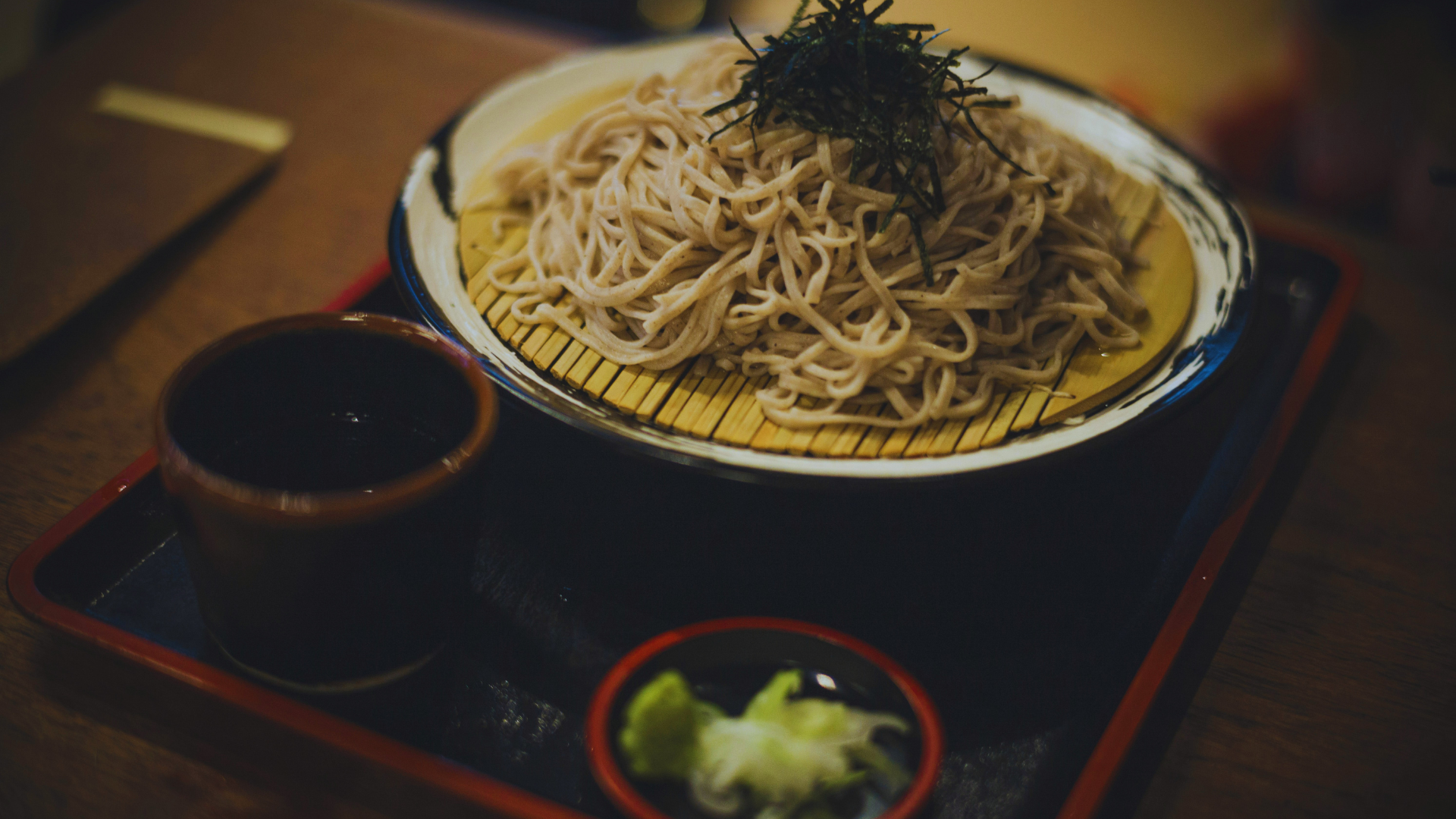
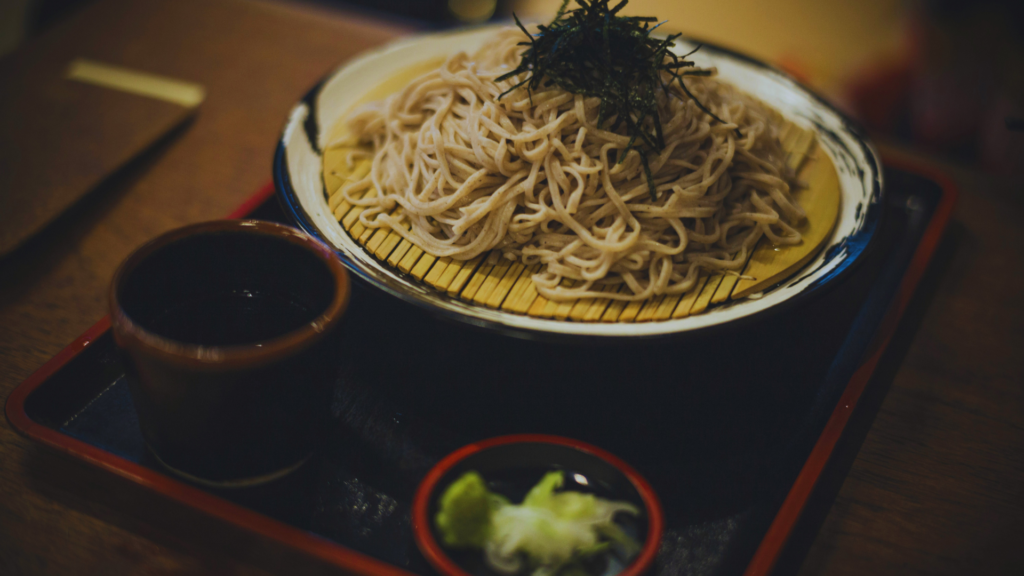
- Zaru Soba (ざるそば): Cold buckwheat noodles that are naturally vegan and high in protein. While they’re typically served with a dashi-based dipping sauce, you can ask for soy sauce or sesame sauce instead.
- Natto (納豆): Fermented soybeans with a strong flavour and sticky texture, commonly eaten for breakfast by mixing in mustard and soy sauce, and serving over rice, or in a handroll at a sushi restaurant.
- Tofu (豆腐): A staple in Japanese cuisine with many vegan-friendly variations. Try hiyayakko (cold tofu with soy sauce and ginger) or yudofu (tofu gently simmered in hot water). Just be sure to request no bonito flakes or dashi when ordering.
- Sushi (寿司): While sushi is often associated with fish, it actually refers to vinegared rice paired with toppings, which can be plant-based. Look for options like cucumber or pickled gourd rolls.
- Onigiri (おにぎり): Triangular rice balls wrapped in seaweed, often filled with simple, vegan-friendly ingredients. Plain onigiri and ume (pickled plum) varieties are usually safe choices. Be cautious with kombu (seaweed) fillings, as they may contain dashi.
- Tempura (天ぷら): Lightly battered and deep-fried vegetables that are crispy and flavourful. Just be careful, as some batters contain egg, so always check first.
15 Best Vegan-Friendly Restaurants in Kyoto
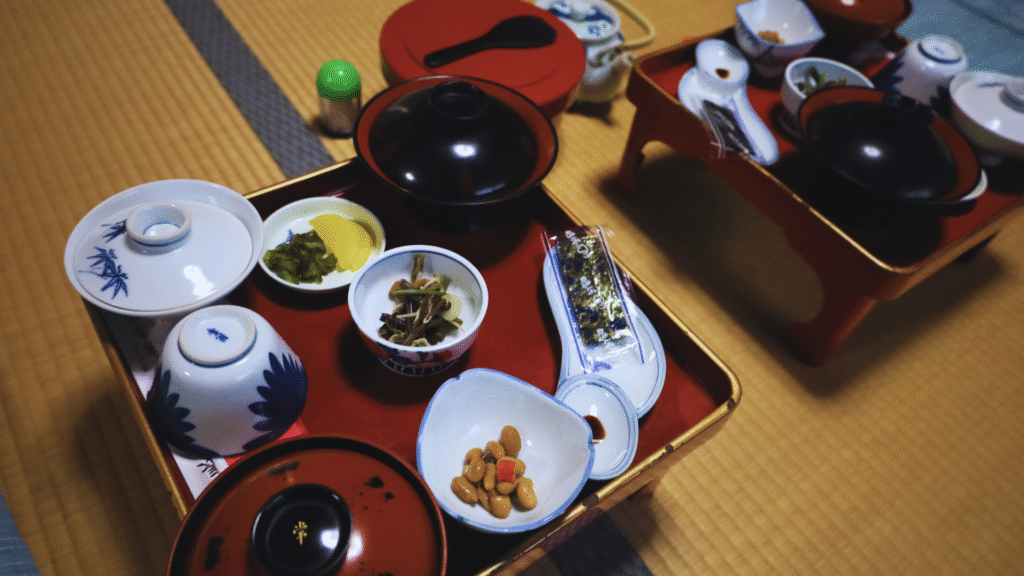
We know why you’re really here! Planning the best restaurants to eat at isn’t just for meat-eaters. We know plenty of foodie vegans in Japan who get excited to scope out all the top plant-based eaterie options well in advance, and if that’s you, this list has you covered.
Vegan-Friendly Cafes in Kyoto
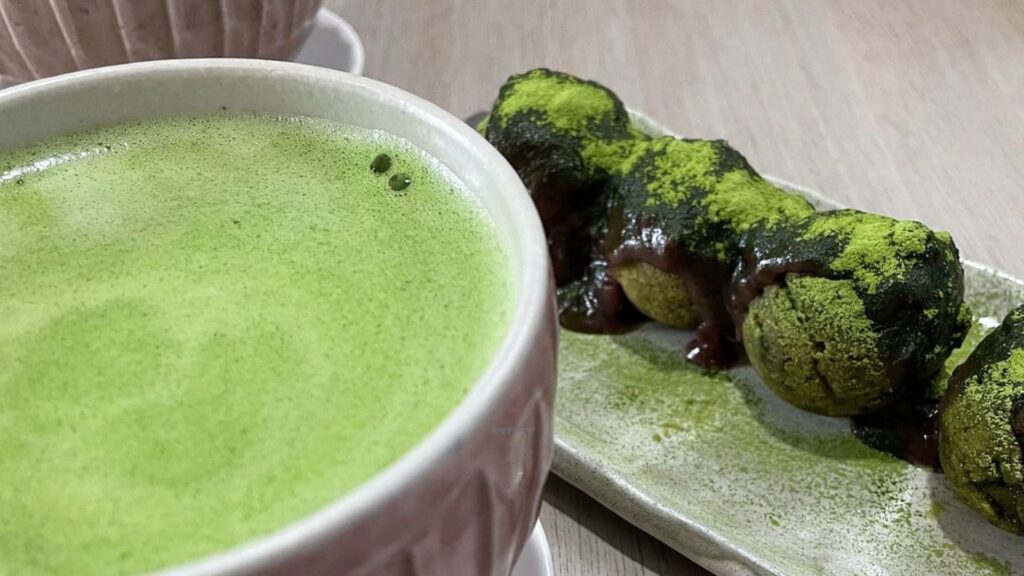
- Ain Soph: A very cute vegan restaurant that serves burgers and salads, but we think the best thing on the menu is the plant-based pancakes
- Mumokuteki Cafe: A beloved lunch spot where you can try vegan versions of local favourites like omurice or katsu curry, as well as great desserts
- Gomacro Salon: Enjoy a sesame-themed menu that’s almost totally plant-based, with a lovely cosy vibe and wonderfully friendly staff
- Veg Out: A cafe with classic Japanese lunch sets that are all about organic and additive-free ingredients
- Cafe Gallery Sun: A place for light sandwiches, delicious pastas, or simple salads, with especially impressive plant-based dairy products like the cheese toasties and iced cocoa
Traditional Japanese Food
- Gion Tanto: An okonomiyaki restaurant with a dedicated vegan restaurant, located in the heart of Gion
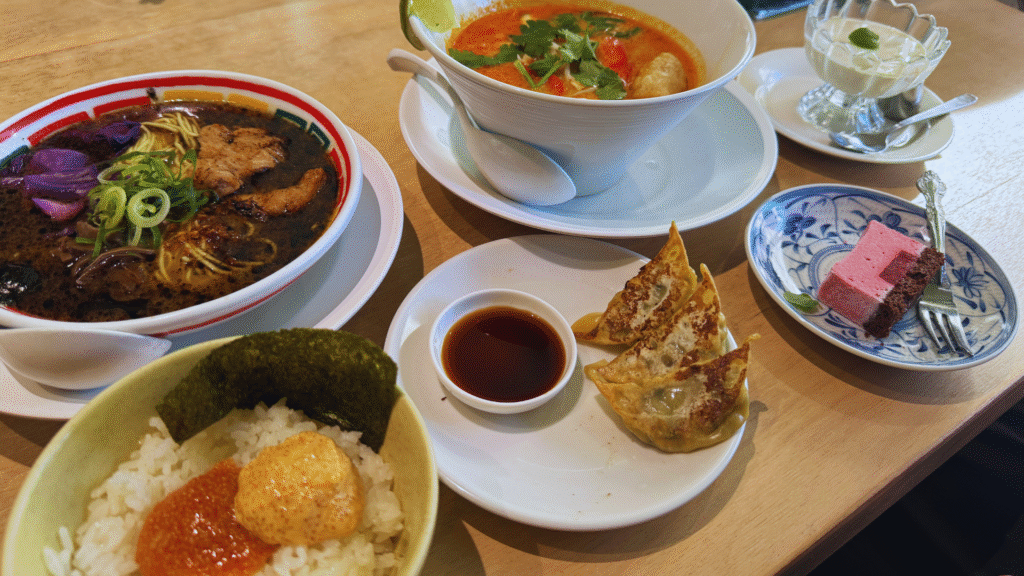
- Engine Ramen: A great ramenya that has quite a few vegan options on the menu, including really tasty vegan soup dumplings.
- Padma: A vegetarian/vegan restaurant with incredibly nourishing organic food that uses local produce for amazing, complete meals.
- Tenryu-ji Shigetsu: A place where you can experience authentic shojin ryori at a more approachable budget.
- TowZen: A fully vegan ramen restaurant that also serves a variety of plant-based and authentically Japanese side dishes.
- Chao Chao Gyoza: An intimate gyoza restaurant with two vegan gyoza options and plenty of vegan side dishes to choose from.
- Ajiro: Another chance to try shojin ryori cuisine in an intimate traditional-style Japanese restaurant
- Itadakizen Kyoto: A vegan restaurant with another location in London, where you can enjoy classic Japanese bites in an elevated setting
Chains

- Coco Ichibanya: One of our favourite chains in Japan, Coco Ichi (as the locals call it) serves Japanese curry and offers a vegan curry base, which you can add toppings like mushrooms and spinach to.
- MOS Burger: A fast food burger place that lets you sub out any burger for a vegan soy patty instead.
Is it Really Possible to be a Vegan in Kyoto?
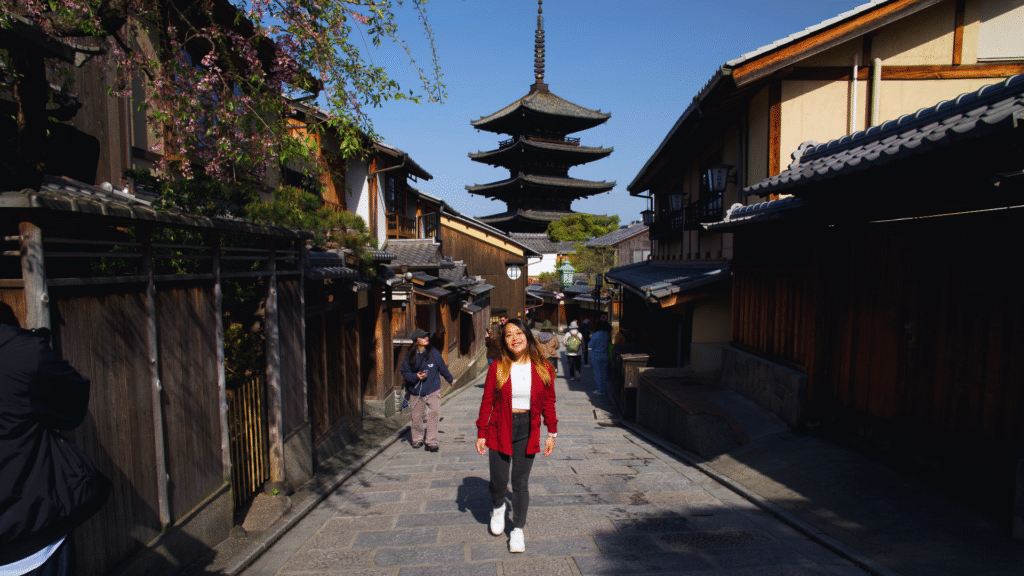
The short answer is yes, absolutely! Not only can you visit Kyoto as a vegan or vegetarian, but we know plenty of plant-based people who live in the city full-time. Of course, we want to be realistic. It isn’t always easy, and there are a lot of meals and restaurants that are not veggie-friendly…but there are more than enough to keep you satisfied.
As long as you’ve done your research and know where to go and what to avoid, there is so much plant-based cuisine to explore and discover. Plus, we’ve noticed so many more vegan and vegetarian-friendly foods popping up across Japan every single year. In other words, there’s never been a better time to be vegan in Kyoto.
Guide to Being a Vegan Or Vegetarian in Kyoto: FAQs
Is Kyoto good for vegans?
Yes, Kyoto is one of the most vegan-friendly cities in Japan, with a growing number of plant-based cafés and restaurants, as well as traditional dishes that can be adapted to be vegan. It isn’t one of the best destinations in the world, but there are more than enough vegan options to keep you satisfied.
What are the must-eat vegan foods in Kyoto?
Some must-try vegan-friendly foods include tofu dishes, zaru soba, vegetable tempura (egg-free), onigiri, and plant-based sushi like cucumber or pickled plum rolls.
How good is Japan for vegans?
Japan can be challenging for vegans due to the widespread use of fish-based ingredients, but with some preparation and awareness, it’s still very possible to eat well, especially in larger or more tourist-friendly cities.
Why is tofu famous in Kyoto?
Kyoto is known for its high-quality water, which is ideal for tofu production, resulting in a softer, more delicate texture that’s deeply rooted in the city’s culinary traditions.
Was Japan vegan?
Historically, Japan followed a largely plant-based diet influenced by Buddhist practices, but it wasn’t strictly vegan, as some animal products like fish were still consumed.