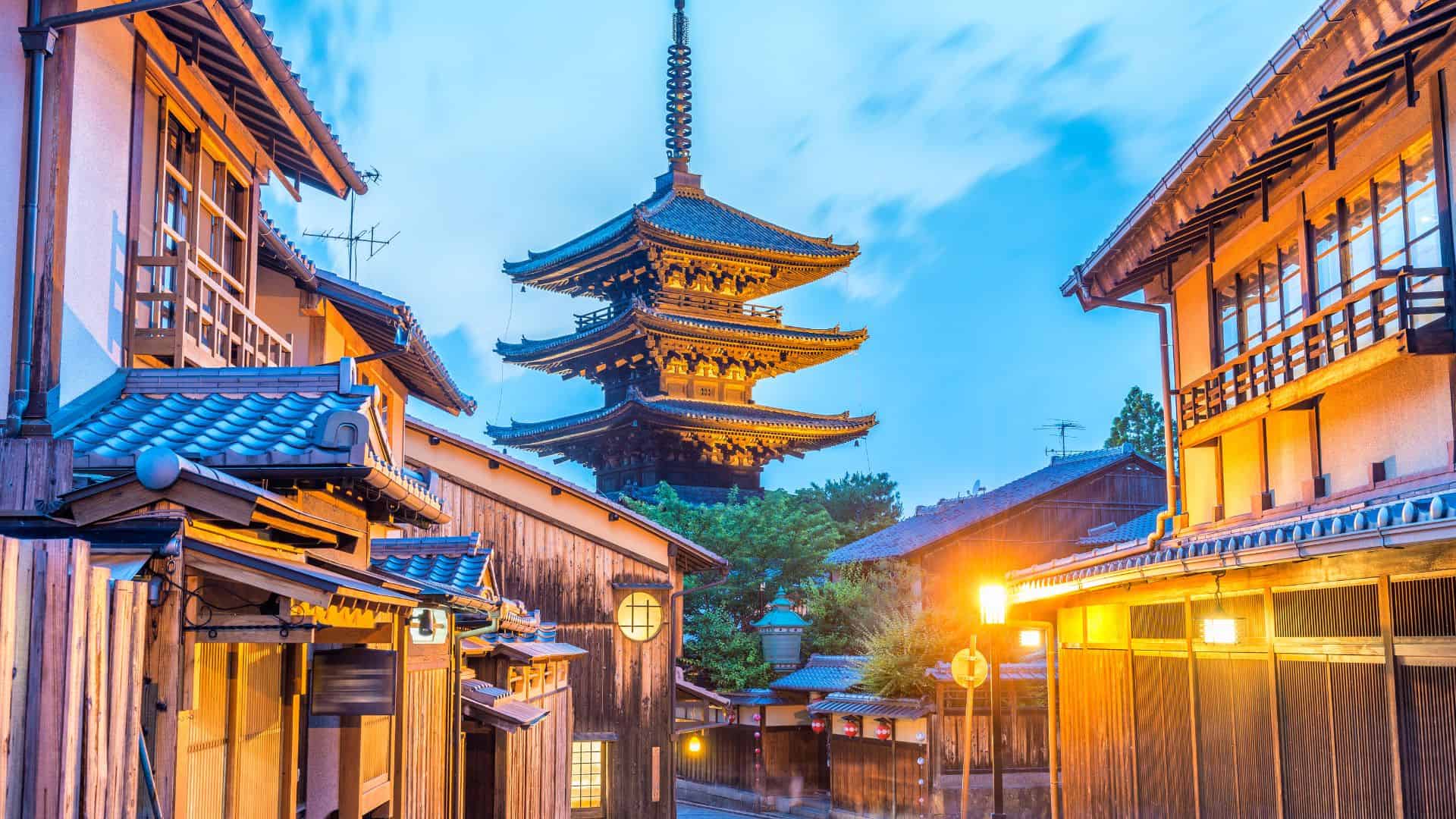
Whether you’re heading to Kyoto for the first time or returning to Japan’s traditional capital, you’ve surely seen how crowded it can get. And it’s no surprise. Kyoto is home to stunning temples, shrines, and neighbourhoods with a charm few cities in Japan can replicate. It’s that almost constant feeling of having accidentally time-travelled that makes it special. But it also means Kyoto is one of the most tourism-focused areas in the country.
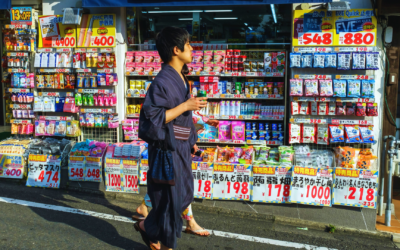
Sometimes, though, we just want to see what everyday life looks like in Kyoto. So here are five local neighbourhoods where you can see Japanese people living naturally, and where you too can immerse yourself a little more in daily Japanese life.
With that said, here are six Kyoto local neighbourhoods where you can get a break from the busy crowds of lovely Kyoto!
1. Kamishichiken District

You’ve heard of Gion, the geisha district many people visit in hopes of spotting a beautiful geiko or maiko on their way to work. Kamishichiken is a quieter, equally charming neighbourhood. Here, you can still find traditional tea houses where geisha perform, but with a more youthful atmosphere thanks to the nearby Kitano Tenmangu Shrine.
Pay a visit to the god of scholarship at Kitano Tenmangu Shrine, and explore the on-site museum, home to a charming collection of samurai swords and armour. The shrine is especially popular among students, as it’s known for prayers related to academic success.
The shrine grounds are free to enter and open daily from 7:00 AM to 5:30 PM, while the Treasure House Museum usually opens from 9:00 AM to 4:00 PM and costs around ¥500 for adults. Depending on the season, you might catch events like Baika-sai in February, where maiko serve tea in the plum blossom garden.
If you’ve just visited the Golden Pavilion and don’t know what to do next, Kamishichiken is only a 20-minute walk away, or a short ride on bus #204 or #205.
2. Kitaoji Area

Kitaoji is a neighbourhood where you’ll see locals going about their daily routines at a brisker pace. The area is centred around a major bus terminal and a subway station beneath a large shopping mall. It’s busy with students, friends of all ages meeting up, and workers grabbing lunch at casual, tasty restaurants.
The mall itself has a mix of shops, a food court, and even a supermarket, making it a handy stop for anything from quick snacks to browsing fashion or picking up everyday items.
Nearby, the Kyoto Botanical Gardens offer a peaceful morning escape where you can connect with nature and take some lovely photos. The gardens are spacious and beautifully maintained, with seasonal bonsai exhibitions and plenty of room to wander.
Entrance is ¥500 for adults, and free for children under high school age. Opening hours are 9:00 AM to 5:00 PM daily, with last entry at 4:00 PM. Scattered seating areas invite you to take a quiet break, and the surrounding area has several coffee shops and restaurants, making it easy to stop for a drink or meal before continuing your stroll.
This is where everyday life unfolds, so whether you want to do a bit of window shopping, pick up some souvenirs, or simply blend in, Kitaoji is just a short subway ride away. No need to book ahead for anything here—just turn up and enjoy the flow of local Kyoto life.
3. Yoshida Area

Home to two Kyoto University campuses, the Yoshida area is lined with restaurants and coffee shops often frequented by students. These are great spots for studying, socialising, or just soaking in the atmosphere. Cafes here tend to be cosy, budget-friendly, and often have free Wi-Fi—ideal if you want to take a break or get a bit of work done. Some places offer student-priced lunch sets starting at around ¥1,000, and it’s not uncommon to hear the buzz of academic chatter all around you.
You can also visit the Kyoto University Museum to brush up on world history and science before grabbing lunch among the students. Admission is very affordable at just ¥400 for adults, and the museum is open Tuesday to Sunday from 9:30 AM to 4:30 PM (closed Sundays and national holidays).
Or, if beautiful Japanese gardens interest you, visit the Shigemori Mirei Garden Museum. It features 18th-century buildings, two tea houses, and gardens blending traditional and modern styles, and was used as a residence during the Edo Period. Reservations are required in advance, and everything you need to know to reserve your spot, including pricing, is here.
While it’s not the place for shopping, Yoshida Area is perfect if you’re curious about academic and student life in a lesser-known neighbourhood. If you wander off into the eastern side streets, you’ll come across unique coffee shops with creative menus and tucked-away corners, as well as Yoshida Shrine—a peaceful and historic spot ideal for a quiet detour. It’s especially lovely in spring and autumn, and entrance is free, making it a sweet hidden gem to explore at your own pace.
4. Demachiyanagi Area

Though it houses Shimogamo Shrine, a UNESCO World Heritage site and the stage for one of Kyoto’s three major festivals (Aoi Matsuri, held in early May), Demachiyanagi remains largely off the tourist radar. The shrine is free to enter and open daily from 6:00 AM to 5:00 PM, making it a peaceful place to explore at any time of day.
Just one ride on the Keihan Line from central Kyoto, this calm Kyoto neighbourhood lies where the Kamo and Takano rivers meet. After walking through the shrine grounds and the ancient Tadasu no Mori forest (literally “Forest of Truth”), you can unwind by the Kamogawa Delta—a favourite hangout spot for locals, with stepping stones across the water and plenty of space to sit and chill. It’s a great place for a snack or picnic.
From there, you can head to the Demachi Masugata Shopping Street, a retro local arcade filled with grocery shops, family-run stores, traditional sweet shops, and the occasional quirky café.
If you’re interested in royal houses, visit the Kyoto Imperial Villa, to get a glimpse into the refined architecture and gardens once reserved for the imperial family. Entry is free, but you’ll need to book in advance through the official Imperial Household Agency website. Depending on the season, they have special events with a tea ceremony and even yoga sessions in the gardens!
5. Miyagawacho District

Just south of Gion, Miyagawacho is a lesser-known geisha district that offers a quieter and more intimate atmosphere. With fewer crowds, it’s a great place to catch a glimpse of a geiko or maiko on their way to work, especially in the early evening around 5:00 to 6:00 PM, when they typically head to their appointments. The streets are lined with traditional wooden buildings and tea houses, making it one of the best spots for a peaceful stroll through Kyoto’s historic side.
Just a short walk away is Kennin-ji, Kyoto’s oldest Zen temple, founded in 1202. Here you can admire its serene rock gardens, stunning fusuma (sliding door) screen paintings, and the famous ceiling mural of twin dragons, which spans the Dharma Hall.
The temple is open daily from 10:00 AM to 15:00 PM (last entry is at 16:30), and admission is ¥800 for adults. It’s a calm, contemplative place that’s perfect for a quiet break from the city, and a beautiful backdrop if you’re renting a kimono or just enjoy photography.
Also in the district is the Miyagawacho Kaburenjo Theatre Hall, home to seasonal geisha performances like the Kyo Odori, typically held in April. Tickets can be reserved online in advance via official tourism or ticketing websites. Even if you’re not there during performance season, the theatre itself is a culturally significant spot to check out.
Whether you’re looking for that perfect photo, hoping to see a geisha in action, or just wandering through traditional alleyways, Miyagawacho offers a relaxed atmosphere full of Kyoto charm.
6. Kifune and Kurama

If you’re craving a break from Kyoto’s crowds, the Kurama to Kifune hike is the perfect little escape. Just hop on the Eizan Dentetsu Line from Demachiyanagi Station to Kurama Station (about 30 mins, ¥430 one way). You’ll go from busy streets to peaceful mountain villages in no time. The trail connects Kurama-dera Temple to Kifune Shrine, winding through tall cedar forests, ancient shrines, and quiet paths that feel like something out of a Ghibli film.
At Kurama-dera, it’s ¥300 entry, and if you want to save your legs a bit, there’s a cable car for ¥200 that takes you partway up. From there, it’s a gentle hike through sacred groves and mossy stairs until you reach the Tree Root Path (Kinone Sando), one of the most magical bits of the walk. After around 1.5 to 2 hours, you’ll pop out into Kifune village, where the sound of the river and little inns make for the dreamiest finish.
Don’t miss Kifune Shrine at the end, especially the water omikuji (about ¥300–¥500) where your fortune appears in spring water — it’s small but so cool. In summer, you can grab lunch at a kawadoko (deck restaurant) above the river — meals start around ¥3,000, and reservations are smart for weekends. And if you’re really feeling it, stay overnight at a local ryokan (from around ¥10,000–¥15,000 per night) and soak in the peaceful mountain vibe a little longer.
A Glimpse Into Local Life in Kyoto

These local Kyoto neighbourhoods might not have all the must-see sights on your to-do list, but they offer a genuine glimpse into daily Japanese life and provide an often much-needed change of pace. Travelling doesn’t always have to mean ticking off major attractions. So next time you’re in Kyoto, consider visiting these areas, whether you’re in the mood to try new food, do a bit of shopping, or simply enjoy some relaxed people-watching.
If you want a local guide to show you around these areas, check out our tours!