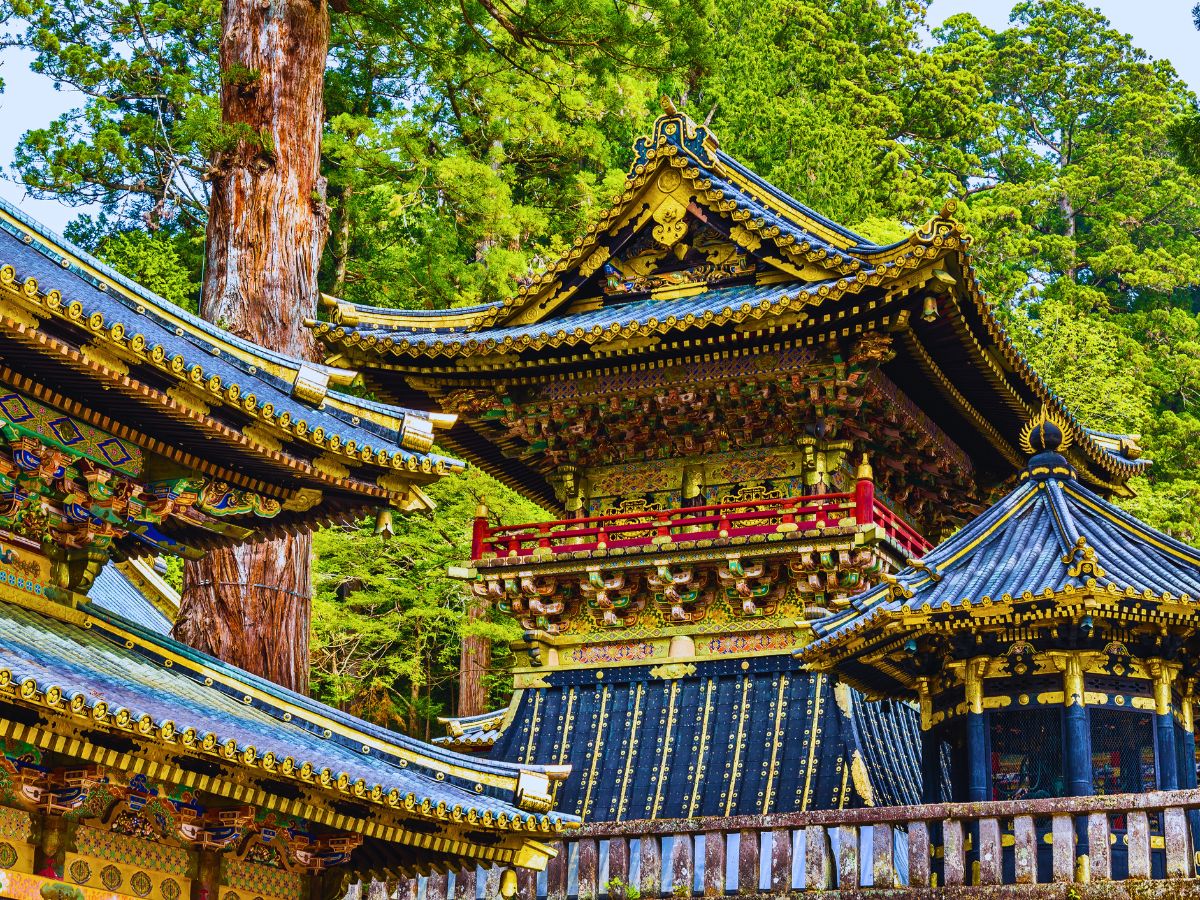
Want to see more than just Tokyo during your Japan trip? You might be thinking about visiting Mount Fuji, the famous shrines in Nikko, or the snow in GALA Yuzawa.
But when you check the prices, you see that train tickets for these trips can be very expensive. A ticket for just one trip on a fast train, like the Shinkansen, can cost a lot of money. It makes it hard to see everything you want to without spending too much.
But there’s good news. There is a special pass that makes these trips much cheaper and easier: the JR Tokyo Wide Pass. Think of it as an all-you-can-ride ticket for three days. It lets you get on and off many different trains, including the fast bullet trains, without needing to buy a new ticket every time.
Make Your Dream Japan Trip Simple
Love the idea of the Tokyo Wide Pass but not sure how to build the perfect 3-day plan around it? Or how to fit those adventures to Fuji and Nikko into the rest of your Japan schedule? We design 100% custom itineraries that make the most of your pass and ensure every day of your Japan trip is perfectly planned.
→ Get My Personalised Tokyo Travel Plan
What is the JR Tokyo Wide Pass?
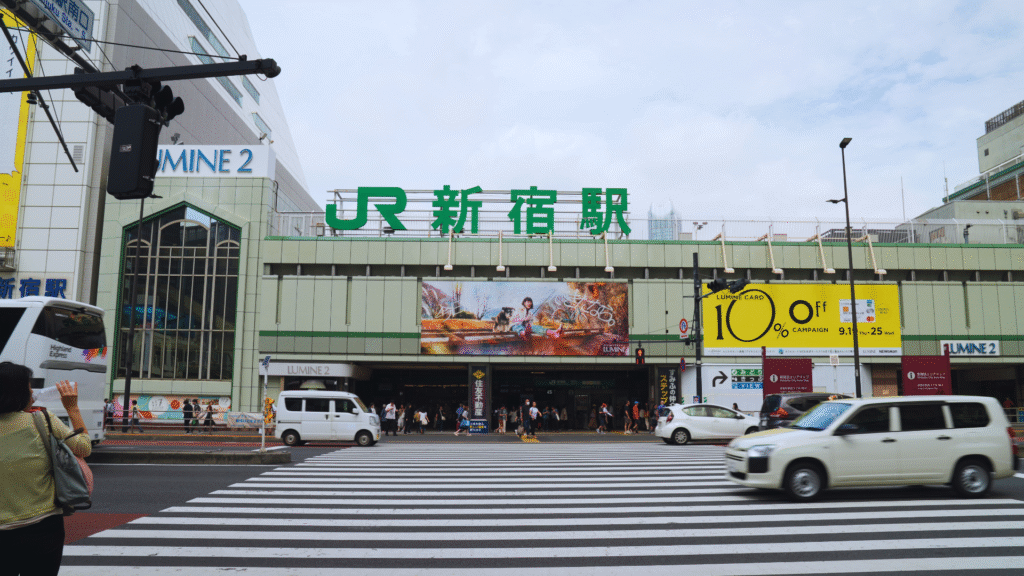
Let’s keep it simple. The Tokyo Wide Pass is one ticket that gives you unlimited train rides for three days in a row on certain train lines in and around Tokyo.
It is made by the JR East train company for travellers from other countries. The goal is to help you save money and see more places easily. The most important rule is that you must have a passport from a country other than Japan to buy it. This is great because it means tourists can buy it, and foreigners who live in Japan can buy it, too.
How much does the Tokyo Wide Pass cost?
Let’s look at the price, because this is where you can see how much money the pass can save you.
The Tokyo Wide Pass has a single set price for three days of travel. As of 2025, the cost is:
- Adults (12 years old and over): ¥15,000
- Children (6 to 11 years old): ¥7,500
A Quick Tip for Families
If you are travelling with very young children, up to two toddlers (aged 1 to 5) can travel with you for free! The only rule is that they can’t take up their own seat, so they can sit on your lap.
Now, ¥15,000 might seem like a lot at first, but stick with us. When you see that a single round-trip ticket on the Shinkansen from Tokyo to Karuizawa can cost around ¥12,000 by itself, you’ll understand how this pass quickly becomes a great deal.
Tokyo Wide Pass Map and Coverage: Where Can You Go?
This is the best part! The “Wide” in the name is no joke. This pass lets you visit a huge area and go far beyond central Tokyo. First, let’s look at the map to see all the places you can go.
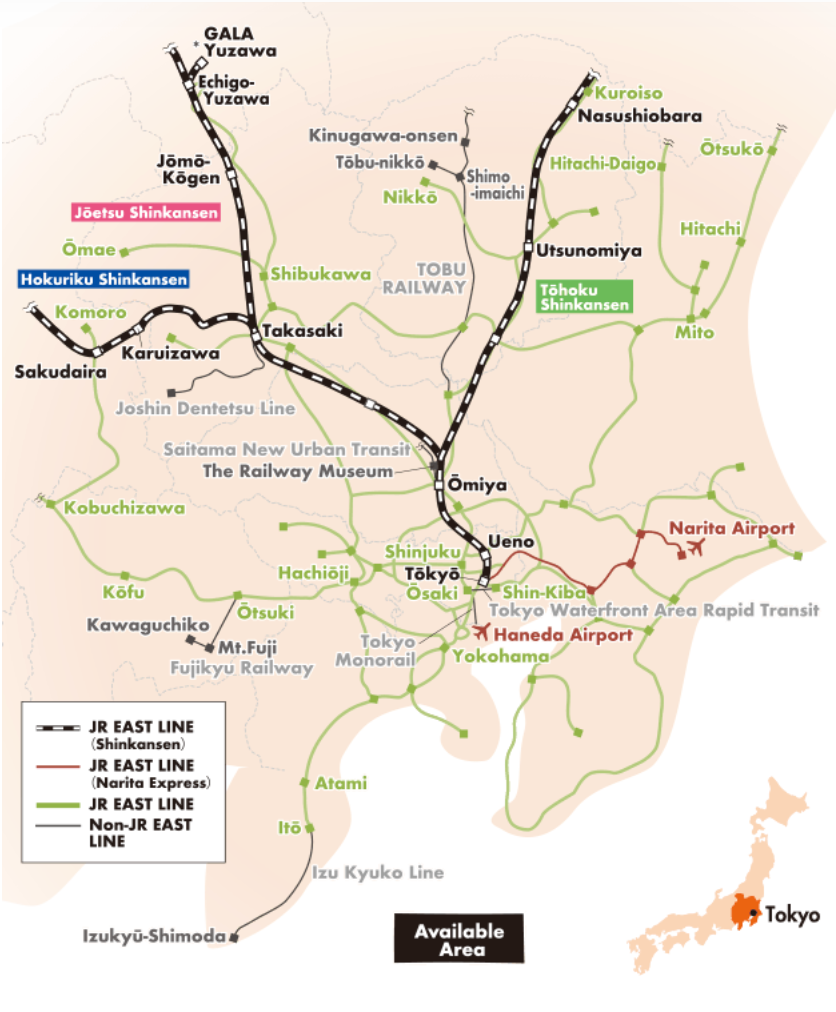
Credit: East Japan Railway Company
The pass covers a huge number of places, giving you many different options for your three days. For most travellers, the biggest attraction is the chance to see Mount Fuji. The pass lets you take the special Fuji Excursion train for a direct trip to the Lake Kawaguchiko area. Once there, you can enjoy the famous views, take a boat trip on the lake, or ride a ropeway up the mountain for an even better look.
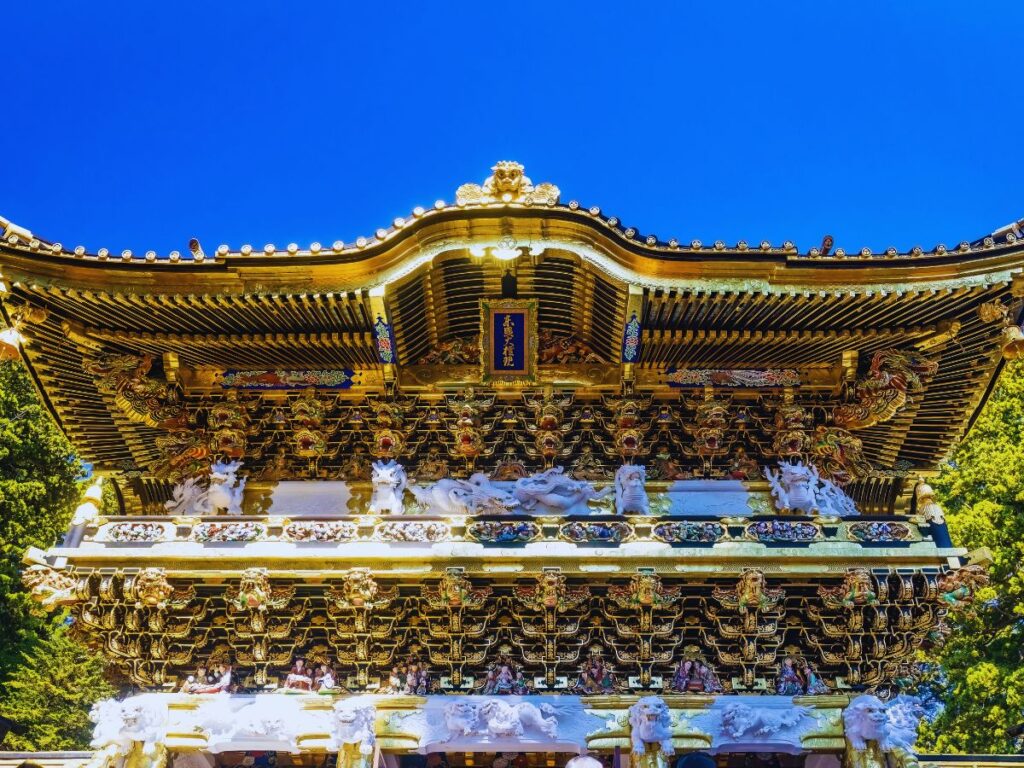
You could also travel north to Nikko, an area famous for its stunning shrines and temples, including the Toshogu Shrine with its famous carving of the three wise monkeys. Afterwards, you can relax in the hot springs of nearby Kinugawa Onsen.
If you’re looking for a trip to the mountains, you can ride the Shinkansen to the cool highland town of Karuizawa, a popular spot to escape the summer heat, enjoy nature, or go shopping at the large outlet mall.

For another mountain resort option, the pass takes you north towards Nasushiobara, an area great for hiking and relaxing in onsen. In the winter, the pass has a truly special destination: the GALA Yuzawa ski resort in Niigata. The Shinkansen station is connected right to the ski centre, meaning you can step off the train and onto the slopes.
For a change of pace, you can head to the coast. The pass covers the entire trip down the beautiful Izu Peninsula, all the way to Izukyū-Shimoda, a pleasant coastal city known for its great beaches and interesting history. You could also head west into Yamanashi Prefecture to visit Kōfu, the heart of Japan’s wine country, with the impressive Shosenkyo Gorge nearby.
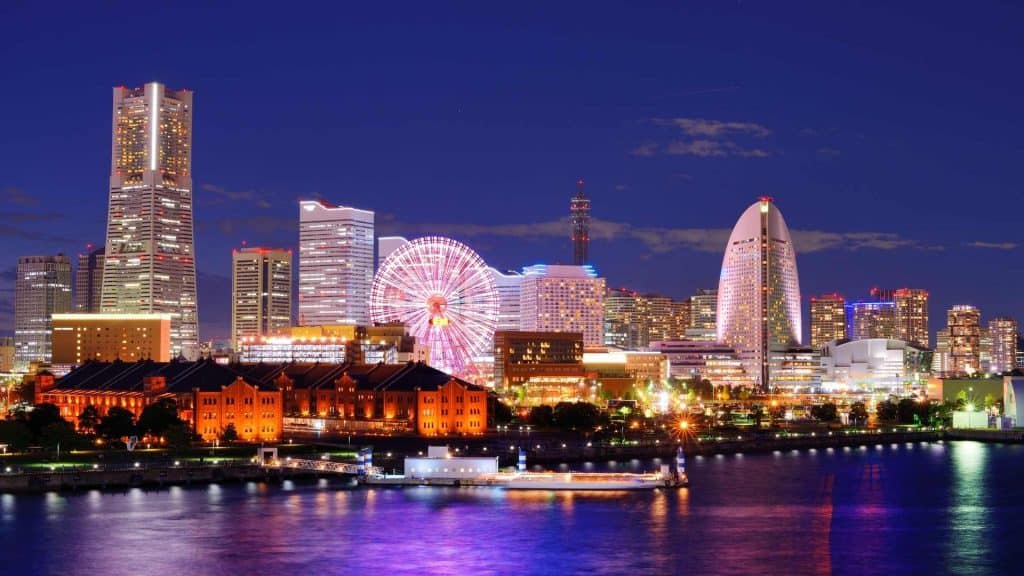
Even when you’re not taking a big day trip, the pass is still very useful. It covers travel to popular nearby spots like Yokohama, with its huge Chinatown, or the historic town of Kamakura, home to the Great Buddha and peaceful bamboo groves. Finally, it also includes your ride to and from the airport on the Narita Express (N’EX) and the Tokyo Monorail (for Haneda).
Go Beyond Just Seeing the Sights
Your pass can take you to some beautiful locations, but the best memories come from the things you do there. Imagine taking part in a traditional tea ceremony with a view of Mount Fuji, or trying a craft workshop in historic Kamakura. We can help you find and book an authentic cultural experience to make your day trips unforgettable.
→ Find Cultural Experiences for Your Day Trips
What Trains Are Covered by the Tokyo Wide Pass?
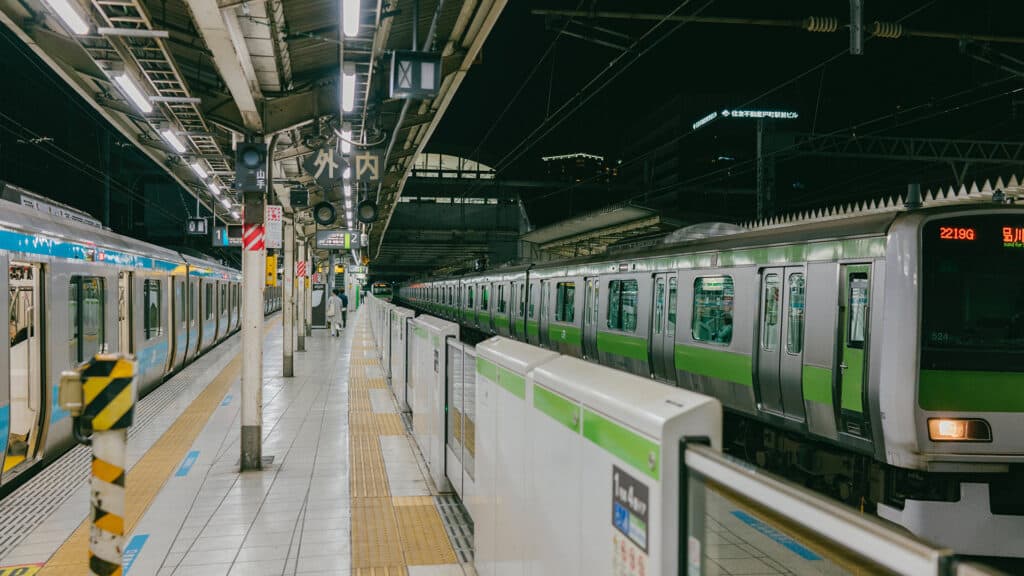
You won’t be stuck on the slow trains! The pass gives you access to a huge variety of services, from the famous bullet train to smaller local lines that take you right to the best sights. Here is the full list of companies and lines your pass covers:
- All JR EAST Lines: This is the main network. Your pass is valid on all JR East trains in the designated area. This includes the fast Shinkansen (like to Karuizawa and GALA Yuzawa), comfortable Limited Express trains (like the Narita Express/N’EX, the Fuji Excursion, and the Odoriko to Izu), and all local and rapid trains.
- Tokyo Monorail: This is one of the main ways to get to and from Haneda Airport.
- Izu Kyuko Line: This line covers the entire southern part of the beautiful Izu Peninsula, taking you from Itō all the way to Izukyū-Shimoda.
- Fujikyu Railway Lines: This is a huge bonus. The pass covers the whole Fujikyu line, which is the main way to get to the Mount Fuji Five Lakes area, including Kawaguchiko Station.
- Joshin Dentetsu Line: A local line that runs in the Gunma prefecture, near Takasaki.
- Saitama New Urban Transit: This “New Shuttle” line takes you from Ōmiya Station directly to the popular Railway Museum.
- Tokyo Waterfront Area Rapid Transit (Rinkai Line): This is very useful for visiting the modern Odaiba island area in Tokyo Bay.
- Tobu Railway (Special Rule!): The pass also works on some Tobu Railway trains for trips to Nikko and Kinugawa Onsen. You can ride the direct Limited Express trains (like the “Nikko” and “SPACIA Kinugawa”) that start on a JR line (like in Shinjuku) and travel through to the Tobu lines. You can also use the local Tobu trains between Shimo-imaichi and the Tobu-Nikko / Kinugawa-Onsen stations.
Important! What’s NOT Covered by the Tokyo Wide Pass?
This is really important to remember so you don’t have to pay any surprise fees. The pass is amazing, but it has some clear limits.
- The Tokaido Shinkansen: This is the most common point of confusion. The pass does NOT work on the Tokaido Shinkansen line. This is the one that runs west from Tokyo to popular cities like Kyoto, Shin-Osaka, and Nagoya. It is run by a different company (JR Central), so you would need a separate ticket to ride it.
- Most City Subways: Your pass will not work on the main subway networks you’ll use for sightseeing inside Tokyo. This means it is not valid for the Tokyo Metro or the Toei Subway lines. For travelling on the subway, you will need to buy a ticket or use an IC card like Suica or Pasmo.
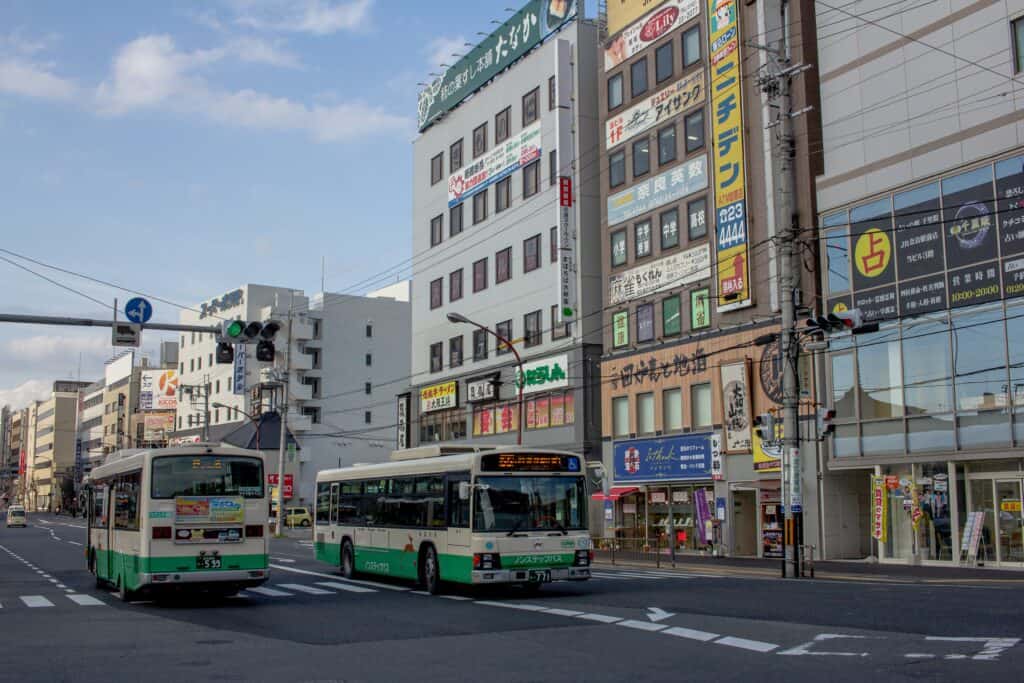
- Buses: Unlike some other rail passes in Japan, the Tokyo Wide Pass generally does not cover travel on local or highway buses, including most JR buses in the region.
- Upgraded Seats (Green Cars/GranClass): The pass is valid for travel in ordinary cars only. If you want to travel in the more spacious Green Cars (first class) or the premium GranClass seats on the Shinkansen, you will need to pay the full express and seat fees separately.
All this talk about trains and buses got you confused? Get a crash course on Japan transportation:
Is the Tokyo Wide Pass Actually Worth It?
This is the big question, right? The simple answer is: it completely depends on your travel plans. For some people, this pass is a massive money-saver. For others, it’s not a good fit at all.
So, let’s do the maths and figure out if it’s worth it for your trip.
The Simple Rule of Thumb
Here’s the quickest way to know if the pass is a good deal for you:
If you plan to take just one long-distance round trip (like a day trip to Karuizawa, Nikko, or GALA Yuzawa), the pass will almost certainly save you money. Those single trips can be very expensive, so the pass often pays for itself with just one journey.
Looking at the Numbers: Tokyo Wide Pass Sample Trips
Here are a few examples to show you what we mean. We’ll use the pass price of ¥15,000 and compare it to the approximate cost of buying individual tickets.
Scenario 1: The “Absolutely Worth It” Winter Trip
Let’s say you’re in Tokyo and want to take a day trip to the ski slopes. A round trip on the Shinkansen from Tokyo to GALA Yuzawa costs about ¥15,500.
Verdict: This single day trip costs more than the entire 3-day pass! In this case, buying the pass is a huge win. All your other travel for three days would be completely free.
Scenario 2: The “Ultimate Value” Trip
Imagine you want to see both Mount Fuji and the shrines of Nikko over two days. A round trip to Kawaguchiko (Fuji) is about ¥8,140, and a round trip to Nikko is about ¥11,000. The total ticket cost would be ¥19,140.
Verdict: With the pass costing only ¥15,000, you’ve saved over ¥4,000. This is exactly the kind of travel the pass is designed for.
Scenario 3: The “Definitely Not Worth It” Trip
Now, let’s imagine your plan is to stay only in central Tokyo, visiting places like Shibuya, Shinjuku, and Akihabara on the JR Yamanote Line.
Verdict: Buying the pass for these short, cheap trips would be a significant waste of money. You would spend far less just by using an IC card like Suica or Pasmo to pay for each ride as you go.
Want to Make Your Day Trips Even Easier?

This 3-day plan gives you a great starting point, but what about the details for each day? Planning what to see and do in new places like Nikko, Kawaguchiko, or even just within Tokyo, can be exhausting. That’s where our self-guided 1-day itineraries come in. For just a dollar, you can download a complete PDF guide to your phone that highlights the must-see spots and local gems you might otherwise miss.
→ Get Your Instant 1-Day Itinerary Here
How to Buy and Use the Tokyo Wide Pass: A Simple Step-by-Step Guide
Great, you’ve decided the pass is for you! Getting your hands on it and starting your adventure is very straightforward. Here’s exactly how it works.
Step 1: Buying Your Pass
You have two main options for buying the pass. Just pick the one that is most convenient for you.
Option A: Online Reservation
If you like to plan ahead, you can purchase the pass before your trip on the official JR-EAST Train Reservation website. You will pay online with a credit card and receive a confirmation email. This is a great way to have everything sorted before you even arrive.
Option B: Buy in Japan
If you prefer to buy it in person or you’re not sure about your itinerary in advance, you can wait until you get to Japan. You can buy the pass directly from a JR EAST Travel Service Centre or a major JR ticket office. You will find these at Narita and Haneda Airports, as well as major stations like Tokyo, Shinjuku, and Ueno.
Step 2: Picking Up Your Physical Pass in Japan
This is a very important step! The email confirmation you get online is not the actual pass. You must exchange it for the physical, magnetic ticket that you will use to travel.
What you’ll need:
- Your Passport. This is required to prove you hold a non-Japanese passport. Tourists will need the “Temporary Visitor” stamp/sticker you receive at immigration. Foreign residents just need to show their passport.
- Your reservation confirmation number if you booked it online.
Where to go:
Head to a main JR East station like one of the airports or Tokyo Station. You can get your pass at either:
- A designated ticket machine with a passport scanner. This is usually the fastest and easiest way.
- The JR Ticket Office, which has a green sign and is called the Midori no Madoguchi.
Step 3: Using the Pass at the Ticket Gates
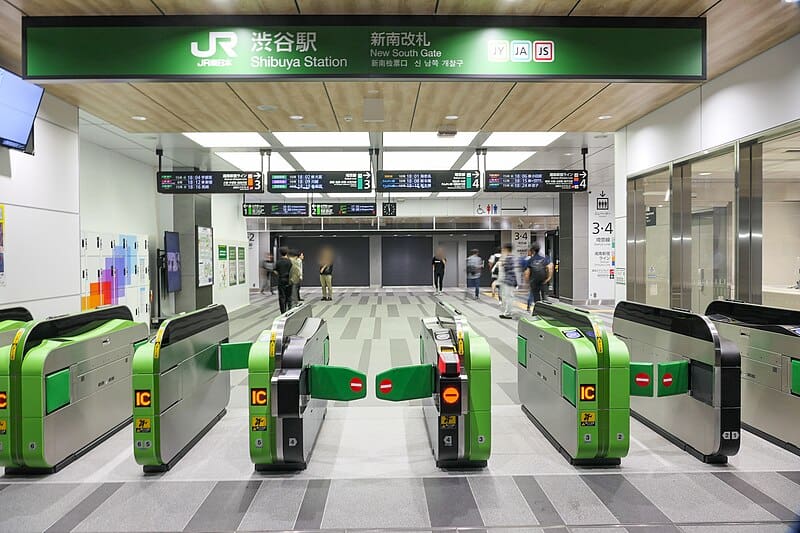
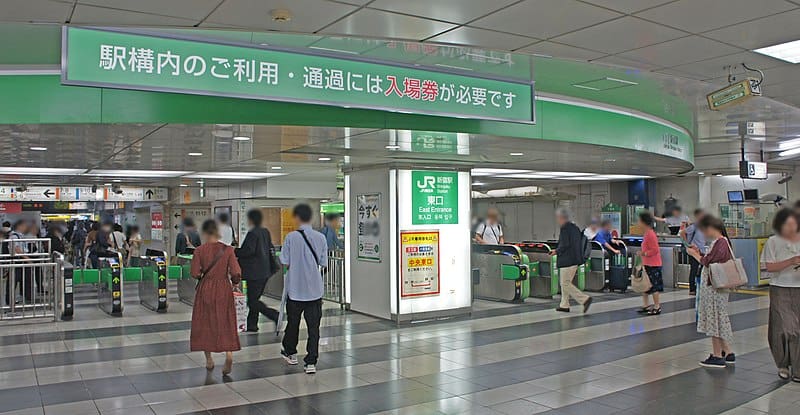
The physical pass you receive is a small ticket that you use at the automatic ticket gates. The process is simple: just insert your pass into the ticket slot on the gate, walk through, and remember to pick it up as it comes out on the other side.
If you are at a small station that doesn’t have automatic gates, simply show your pass to the station staff at the manned gate.
How to Reserve Your Seats
While you can always sit in the non-reserved cars on most trains, your pass allows you to make seat reservations for free, which is highly recommended for popular services. Booking a seat is a great idea for longer journeys on the Shinkansen or on very busy trains like the Fuji Excursion to guarantee you have a spot.
At a Ticket Machine:
Go to the ticket machines (usually green or white) at any major JR East station. They have an English language option. Simply follow the on-screen instructions to reserve a seat using your pass.
At a Ticket Office:
You can also go to the green ticket window (Midori no Madoguchi), show the staff your pass, and tell them which train you’d like to book a seat on. It’s helpful to have your desired train time, origin, and destination written down to make it easier.
Travelling to Kansai instead? Check out this pass:
Be sure to also read our guides on various other transportation passes in Japan and find the perfect one for your trip.
Sample 3-Day Itinerary Making the Most of the Tokyo Wide Pass
Okay, now for the most exciting part! Here is a sample plan to show you just how much you can see and do with this pass, and how much you can save. We’ll use Shinjuku as our ‘home base’ for this example, as its station is a major hub for many of the best express trains.
Day 1: Mount Fuji Adventure
For your first day, take the direct Fuji Excursion limited express train from Shinjuku Station straight to Kawaguchiko. There’s no need to change trains. Once you arrive, you can spend the day exploring the beautiful Fuji Five Lakes area, walking by the lakeside and enjoying the incredible views of Mount Fuji.
Pass Value Used: approx. ¥8,140
Day 2: UNESCO Shrines in Nikko
Today, you’ll head north to the mountains of Tochigi. You can take a direct Limited Express train from Shinjuku that runs right onto the Tobu Railway line, taking you to Tobu-Nikko station. Spend your day visiting the famous shrines and temples, including the celebrated Toshogu Shrine.
Pass Value Used: approx. ¥8,000
Day 3: Seaside Relaxation on the Izu Peninsula
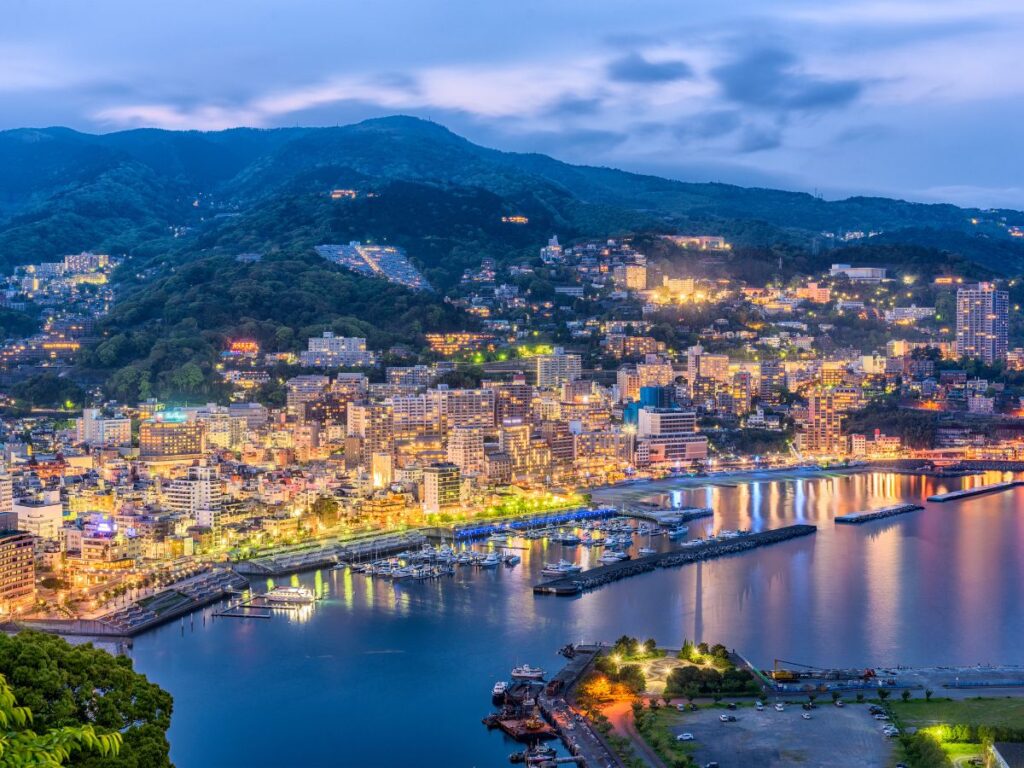
For a change of scenery, take a trip to the coast. Ride the comfortable Odoriko limited express train from Tokyo or Shinjuku down the Izu Peninsula. You can get off at a classic hot spring town like Atami, or continue further down the Izu Kyuko Line to explore the lovely coastal towns and beaches.
Pass Value Used: approx. ¥8,500
Total Itinerary Value
By following this plan, the total cost of your individual train tickets would be roughly ¥24,640. With the pass costing just ¥15,000, you would achieve a massive saving of over ¥9,500! This shows how you can visit three completely different, amazing parts of Japan in just three days, all while saving a lot of money.
Tokyo Wide Pass FAQs
Can foreign residents buy the Tokyo Wide Pass?
Yes! This is one of the best things about this pass. As long as you have a non-Japanese passport, you are eligible to purchase and use it. This makes it different from the whole Japan Rail Pass, which is only for temporary visitors.
Can I use the pass from Narita or Haneda Airport?
Yes, absolutely. The pass fully covers the Narita Express (N’EX) for travel to and from Narita Airport, and the Tokyo Monorail for travel to and from Haneda Airport. Using it for your airport transfer is a great way to start getting value from it right away.
Does the pass cover the Fuji Excursion train to Kawaguchiko?
Yes, it does, and this is one of its most valuable inclusions. The pass covers the entire journey on this direct limited express train, which is the easiest and most comfortable way to get to the Mount Fuji Five Lakes area from Shinjuku.
Is the pass valid on the Tokyo Metro or subways?
No, it is not. The pass is for use on the JR East network and specific partner lines. It will not work on the Tokyo Metro or Toei Subway lines. For travelling on the subway, you will need to use a separate ticket or an IC card like Suica or Pasmo.
Do I need my passport with this pass?
Yes, you must carry your passport with you when you are using the pass. Train conductors or station staff may ask to see it at any time to confirm that you are the eligible pass holder.