
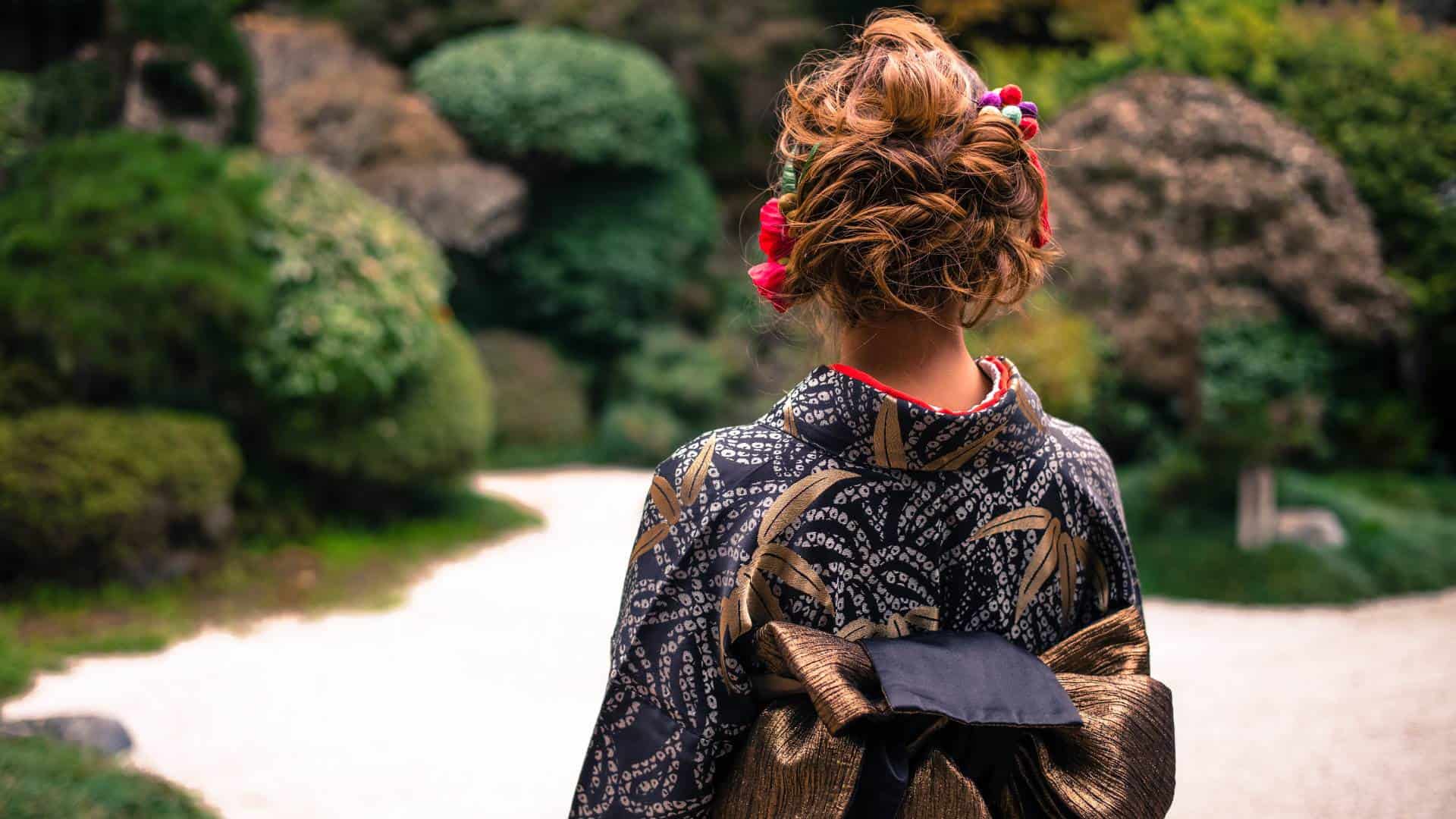

Coming of Age Day, or Seijin no Hi, celebrated on the second Monday of January, marks a significant milestone in the lives of young adults in Japan. This public holiday is dedicated to honouring their growth and transition into adulthood with coming-of-age ceremonies, a tradition steeped in history and cultural significance.
From its origins to modern-day celebrations, let’s explore the meaning of Seijin no Hi, the ceremonies, and how it continues to evolve.
What is the Coming of Age Day?
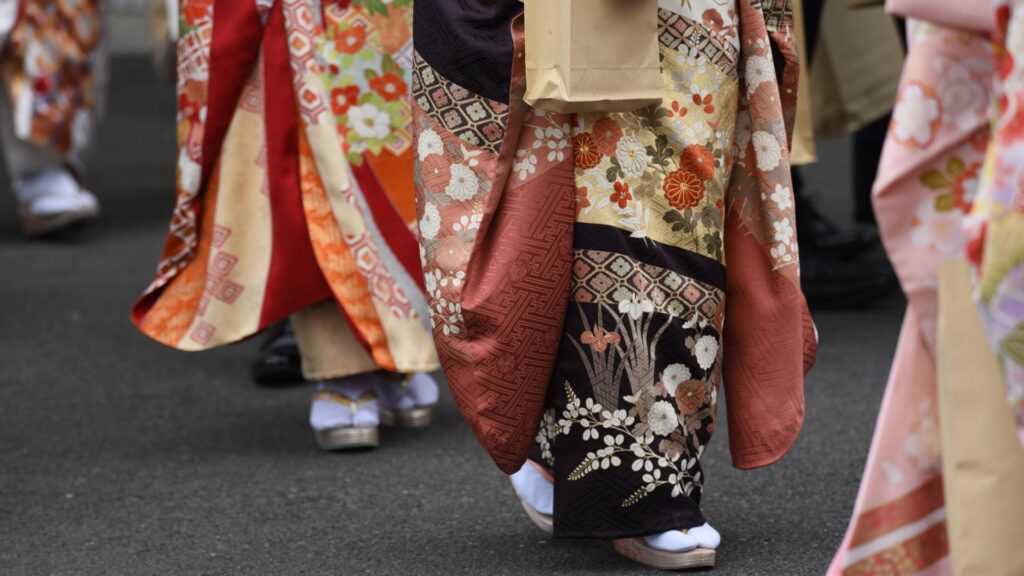
Coming of Age Day (Seijin no Hi) is observed annually to encourage young people who have reached adulthood and are navigating life independently. Originally celebrated on 15 January, the holiday was moved to the second Monday of January in 1999 as part of the ‘Happy Monday’ system, designed to create long weekends and boost domestic leisure activities.
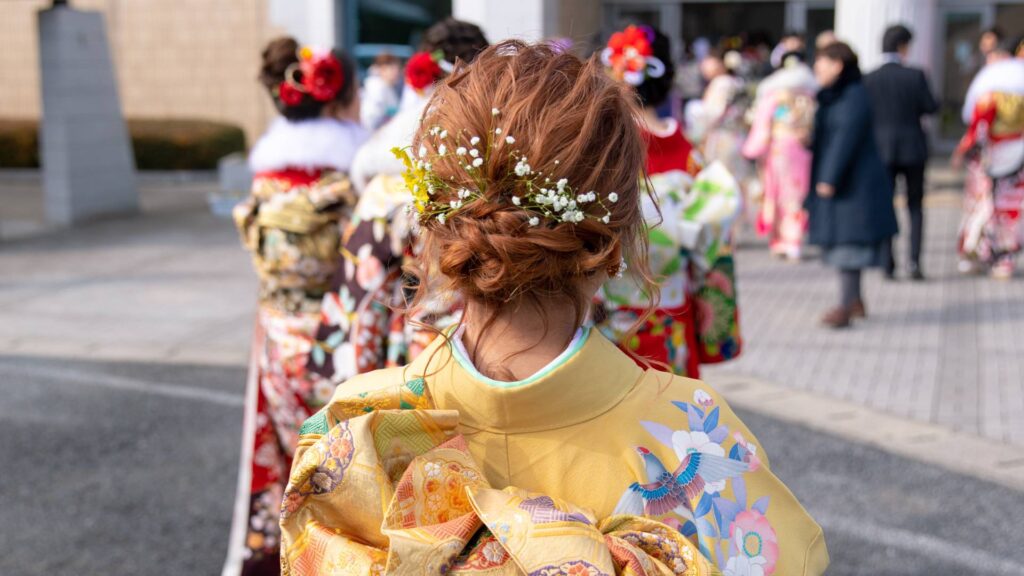
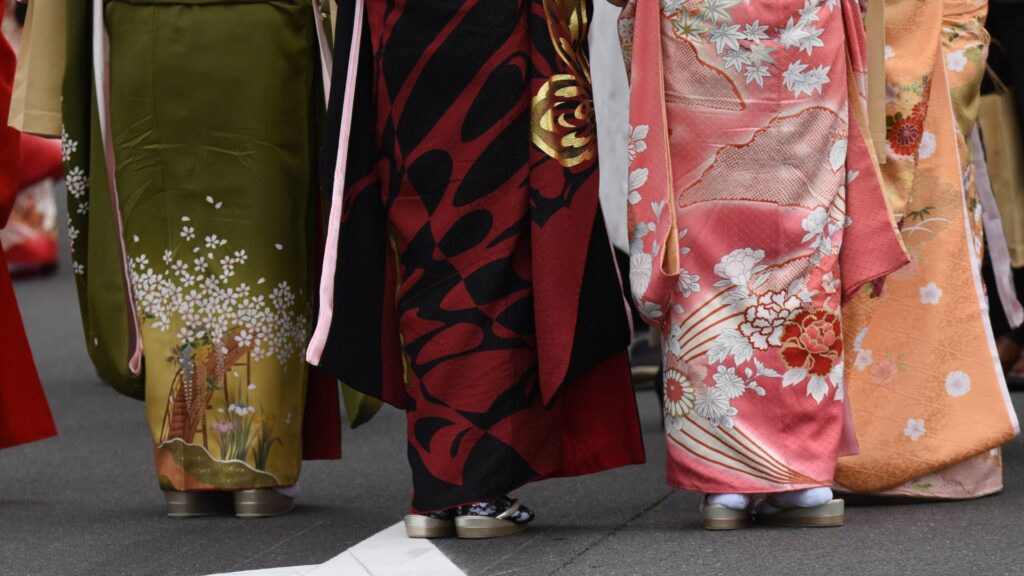
Local municipalities organise coming-of-age ceremonies (Seijin Shiki) to welcome the year’s young adults into society. Men typically wear formal suits or traditional hakama, while women don furisode – long-sleeved kimonos that symbolise their new status as adults.

Gifting for a Coming-of-Age Celebration: When and How Much?
A central part of Seijin no Hi celebrations involves giving gifts or monetary tokens to the young adults. If you’re marking this milestone for children, grandchildren, nieces, or nephews, here’s a quick guide:
- Children: ¥10,000 to ¥50,000
- Grandchildren: ¥10,000 to ¥100,000
- Nieces/Nephews: ¥10,000 to ¥30,000
The best time to present these gifts is during or just before the coming-of-age ceremony. If meeting in person isn’t possible, the year-end and New Year holidays provide an alternative window for gift-giving.
The Origins and Rituals of Seijin no Hi
The tradition of celebrating adulthood dates back to ancient Japan, rooted in two primary ceremonies: Genpuku for men and Mogi for women.
Genpuku: A Rite of Passage for Men
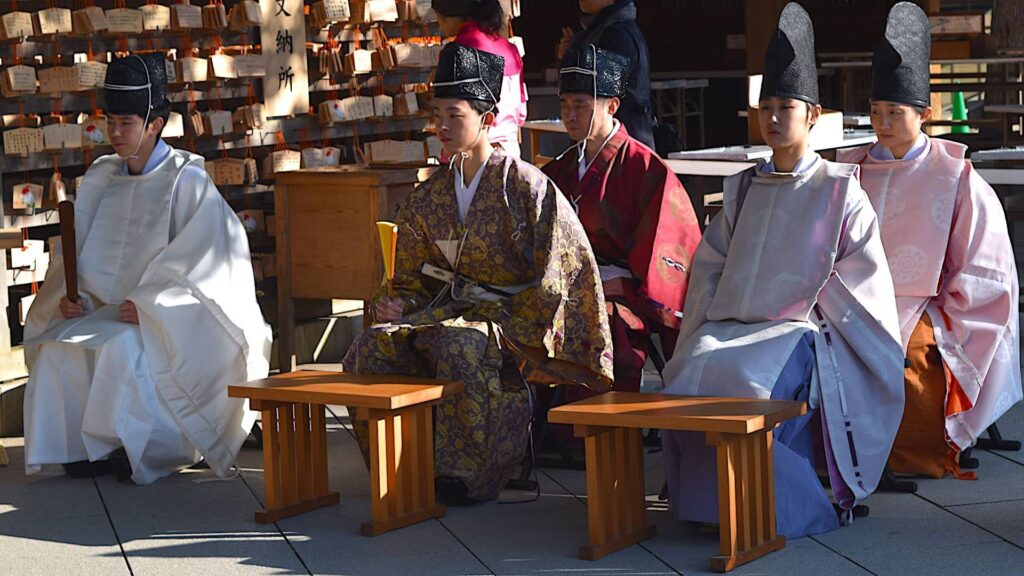
The Genpuku ceremony, originating during the Nara period (710–794), marked a boy’s transition to adulthood. Boys aged 12 to 16 would adopt an adult hairstyle (kanmurishita no motodori) and don a crown, symbolising their readiness to assume adult responsibilities such as marriage and governance.
Mogi: A Milestone for Women

For women, Mogi involved changing into formal attire to signify adulthood. Aristocratic women of the Heian period (794–1185) participated in these ceremonies upon marriage or reaching maturity. By the Edo period, Genpuku became a broader term for both male and female coming-of-age celebrations.
Modern-Day Coming-of-Age Ceremonies
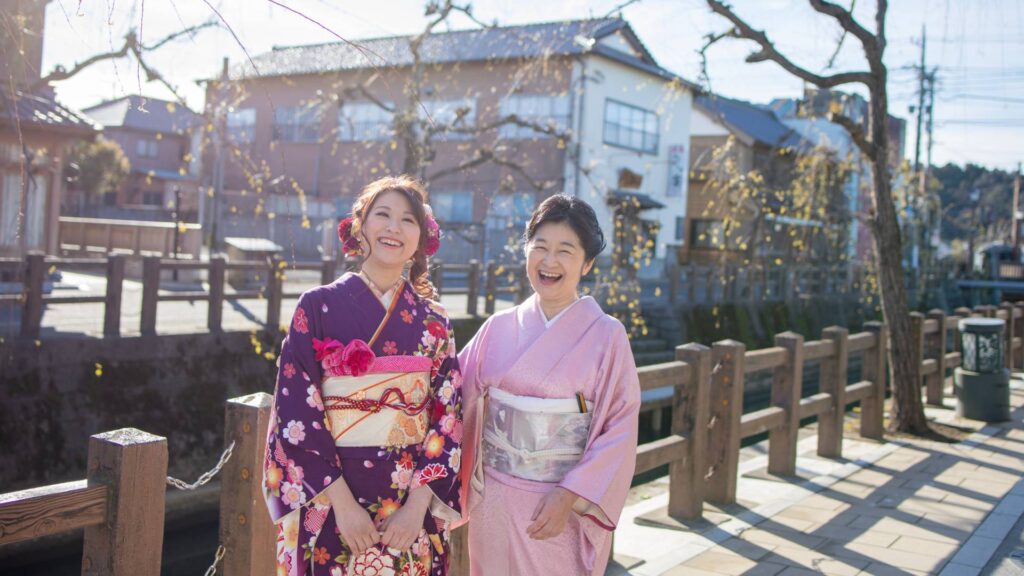
Today’s coming-of-age ceremonies (Seijin Shiki) began after World War II with the Seinen Matsuri (Youth Festival) in Warabi City, Saitama Prefecture, in 1946. This event aimed to uplift young people amidst the post-war despair. By 1948, the celebration had gained national significance and was established as Seijin no Hi.
In recent years, variations of the traditional Seijin Shiki have emerged, such as:
- Second Coming-of-Age Ceremonies: Marking 25 years, a milestone in maturity and civic responsibility.
- Half-Coming-of-Age Ceremonies: Celebrating 10-year-olds as they reach half the age of adulthood.
Ancient Coming-of-Age Rituals

Adulthood in ancient Japan varied across social classes. Among commoners, reaching adulthood often meant being capable of completing physical tasks such as carrying a bale of rice or hunting independently. While formal ceremonies like Genpuku and Mogi were reserved for the aristocracy, simpler traditions recognised maturity among the general population.
Adulthood Lowered to 18: Implications for Seijin no Hi
In 2018, Japan’s Cabinet approved an amendment to lower the legal age of adulthood from 20 to 18, effective April 2022. This change raises questions about the future of Seijin no Hi. Will the ceremony’s timing shift to accommodate university entrance exams? Will the number of attendees decrease? Local governments continue to explore how to adapt this cherished tradition.
A Milestone Worth Celebrating
Coming of Age Day (Seijin no Hi) remains a cornerstone of Japanese culture, reflecting both tradition and modernity. Whether through formal ceremonies or innovative events like half-coming-of-age celebrations, Seijin no Hi honours young adults as they step into their next chapter.
Does your country celebrate coming-of-age traditions? Share your experiences, and stay tuned for more insights into Japanese festivals and customs here on FLIP Guide! 🎊