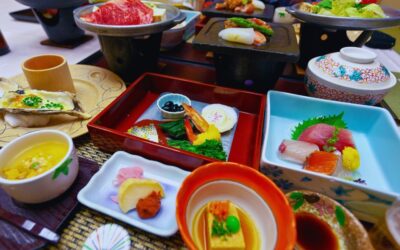


Yuba, or tofu skin, forms on the surface of heated soy milk and has been a key ingredient in Kyoto’s temple cuisine for centuries. Delicate, smooth, and subtly flavoured, it is often enjoyed both fresh and dried and can be found on many menus in the famous Arashiyama area.
This Japan cooking experience brings the process of yuba-making to life, allowing you to taste it freshly lifted from the soy milk while discovering the full range of soy-based Japanese dishes, all while stepping into a Japanese house in Nara and being welcomed by the family that will cook for you.
Key Features of a Tofu Skin Cooking Class:

- Learn about yuba
- Make your own yuba
- Step into a Japanese household
- Feast on a full-course meal
- Connect with the natives
A Warm Welcome from Our Japanese Hosts

This unique experience takes place in a quiet and welcoming home run by a kind, older Japanese couple. Their hospitality sets the tone for the entire meal: genuine, patient, and filled with personal touches. I immediately felt the calm atmosphere, set in the residential area where I was.
The fact that this isn’t an experience done in the heart of a busy city helps us slow down on the way there, with no tourist crowds, but a lot of Japanese people around us, setting the pace for a different kind of lunch experience. It makes for the perfect add-on to a Nara Day Trip.
The husband does most of the cooking and is a cheerful older gentleman who likes to laugh, while the wife, a shier and smaller lady, made me feel at home with her gentle gestures of hospitality.
Hands-on Tofu Skin Making Lesson

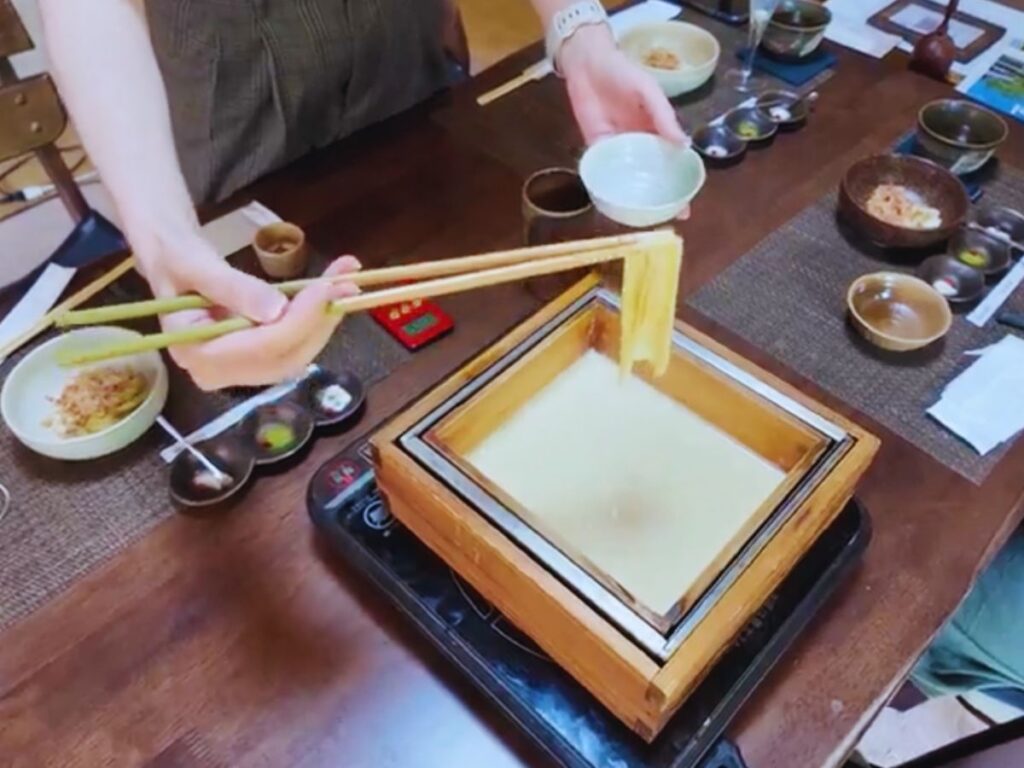
The highlight of the experience is learning to make our own yuba. For this, a small square pan of soy milk was gently heated in front of me, and as a thin film would form on the surface, I was taught to run my chopsticks along the edges and gently lift the tofu skin in one graceful motion.
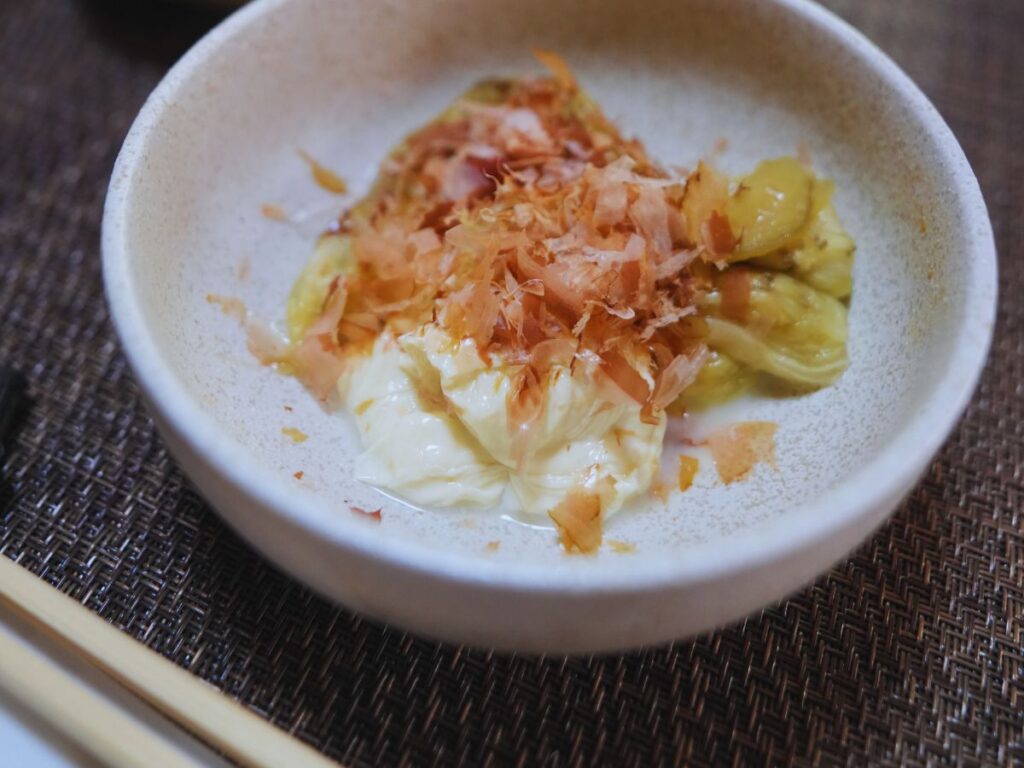
It’s easier said than done, and I struggled with it a bit at first, but don’t worry, you’ll get plenty of practice as new layers keep forming throughout the meal. Each yuba sheet is eaten simply, with a pinch of one of three types of salt (Yuzu, Matcha, and Smoked).
This minimalist seasoning allowed me to truly appreciate the light, fresh taste and texture of the yuba itself while still giving me interesting combinations to find out which one was my favourite. Even without any salt, there’s a rich flavour and texture to a layer that is still warm, but I suggest you try all the salt options at least once!
This is also the best way to try yuba for the first time, as you can immediately tell if the texture pleases you or not.
A Full-Course Meal of Soy-Based Delights
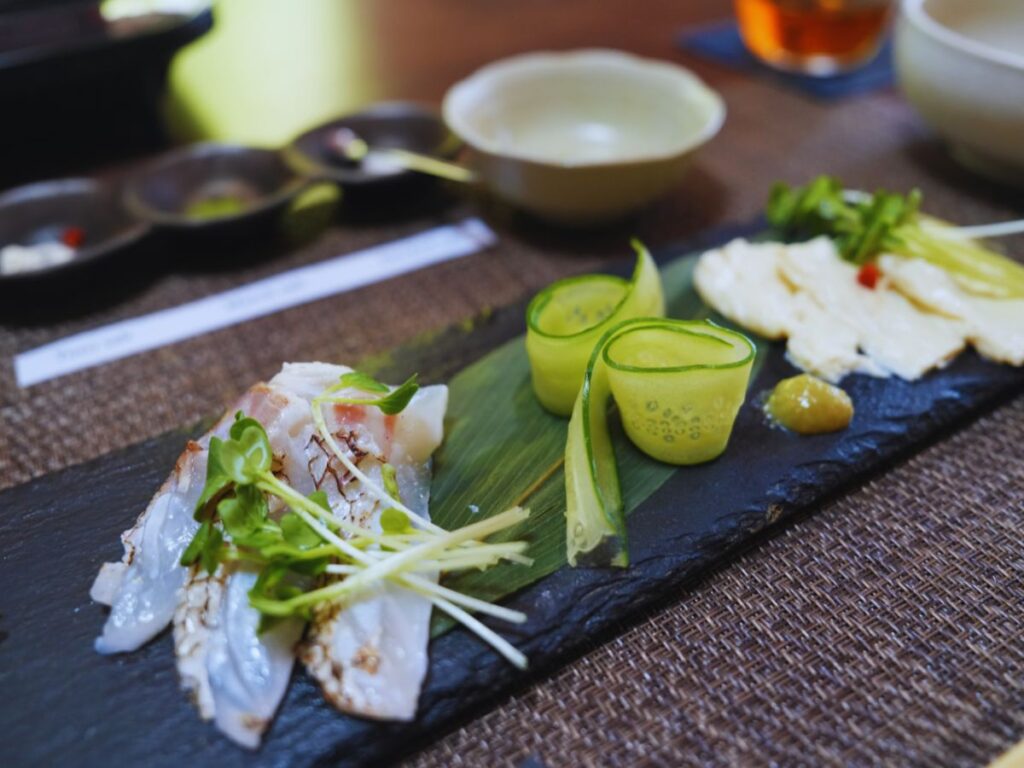
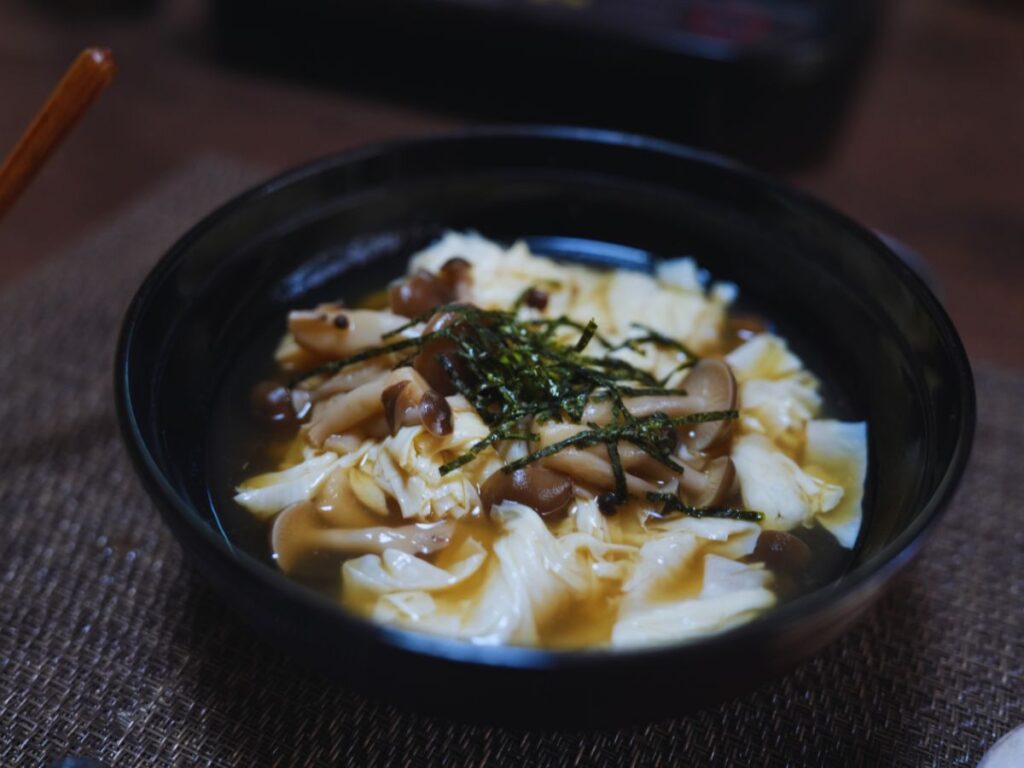
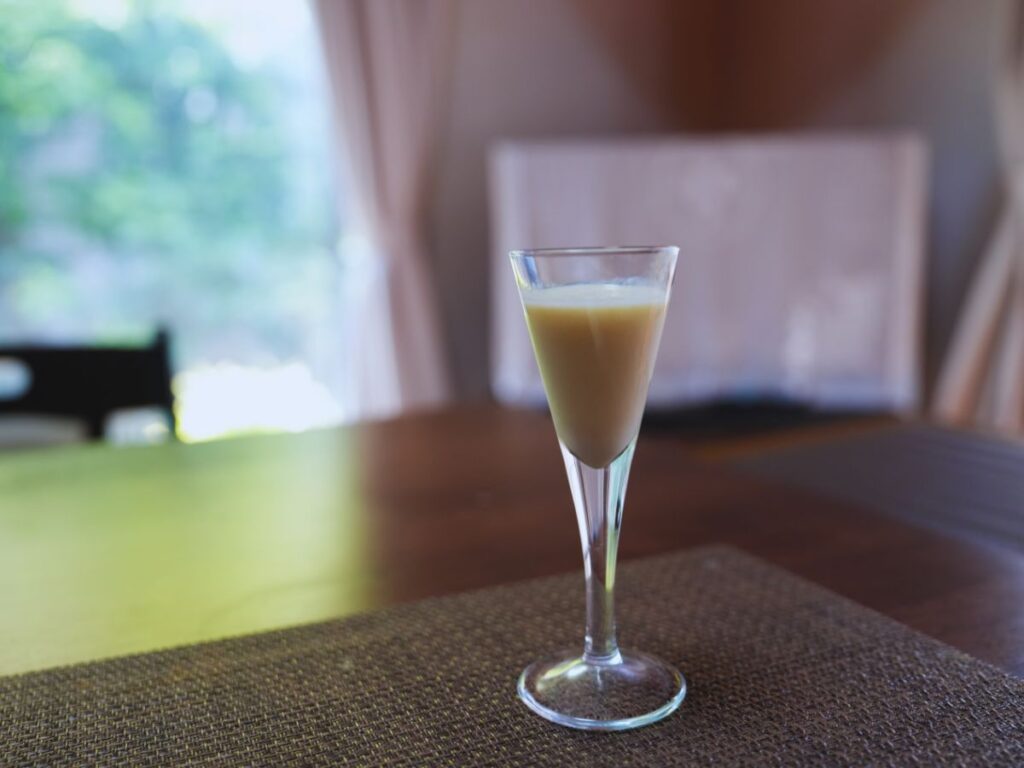
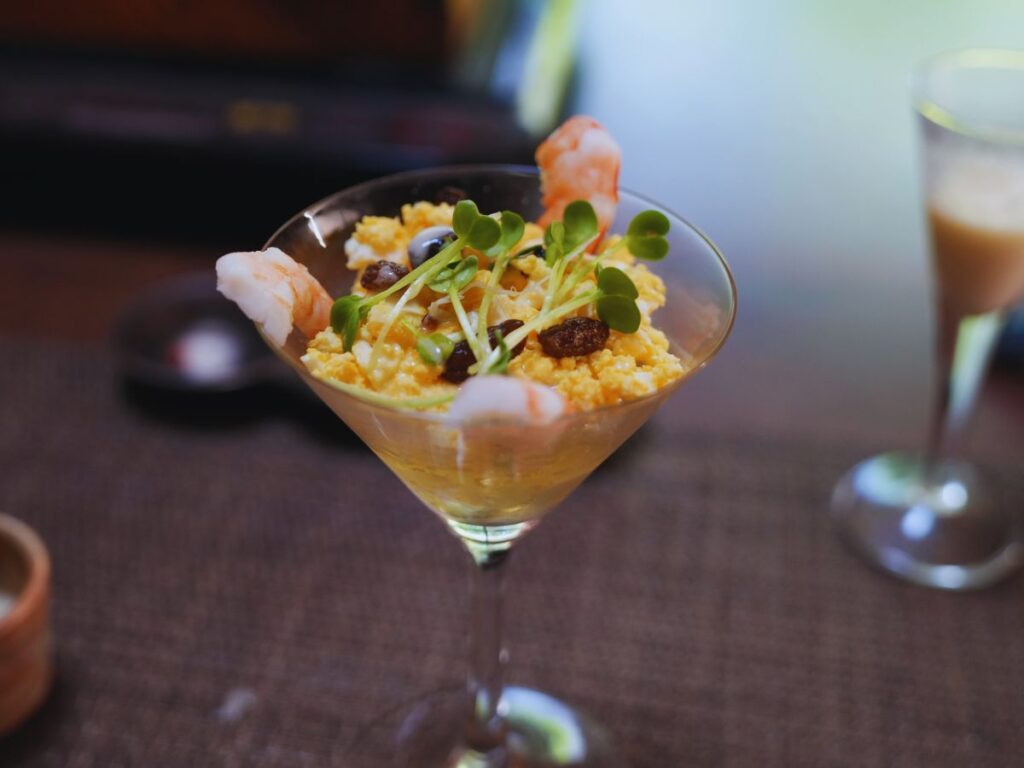
Between these yuba-making moments, a full-course meal will unfold around you. Every dish features soy (one of our favourite Japanese healthy foods ) in a different form, showing how versatile and essential this ingredient is in Japanese cuisine.
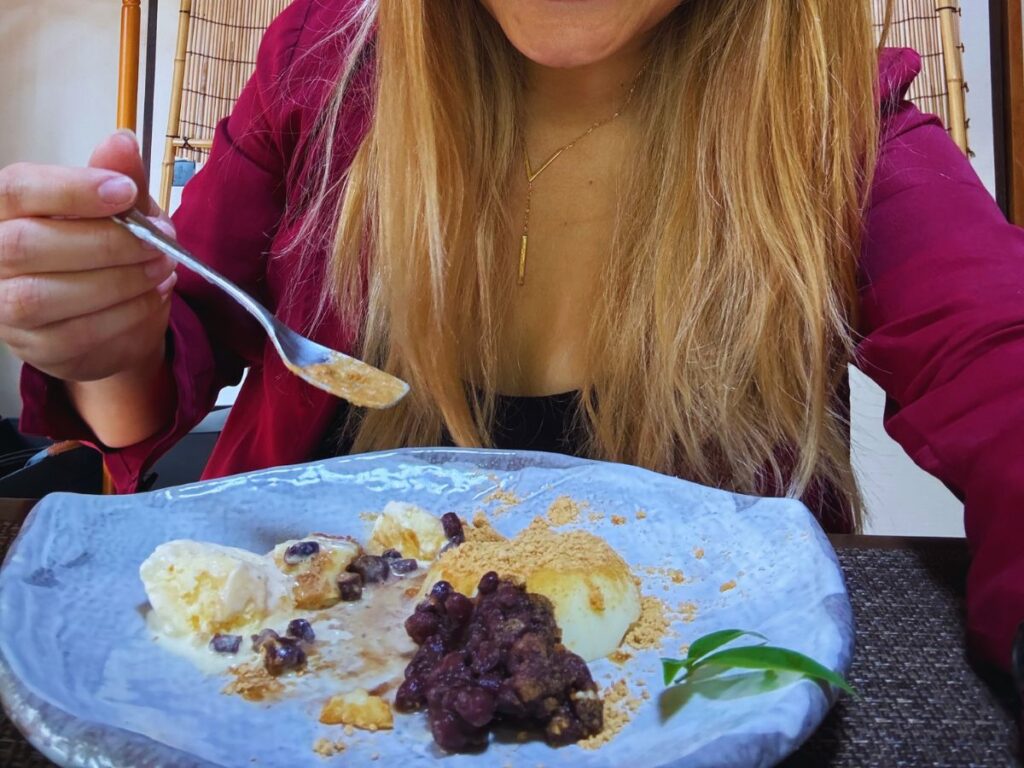
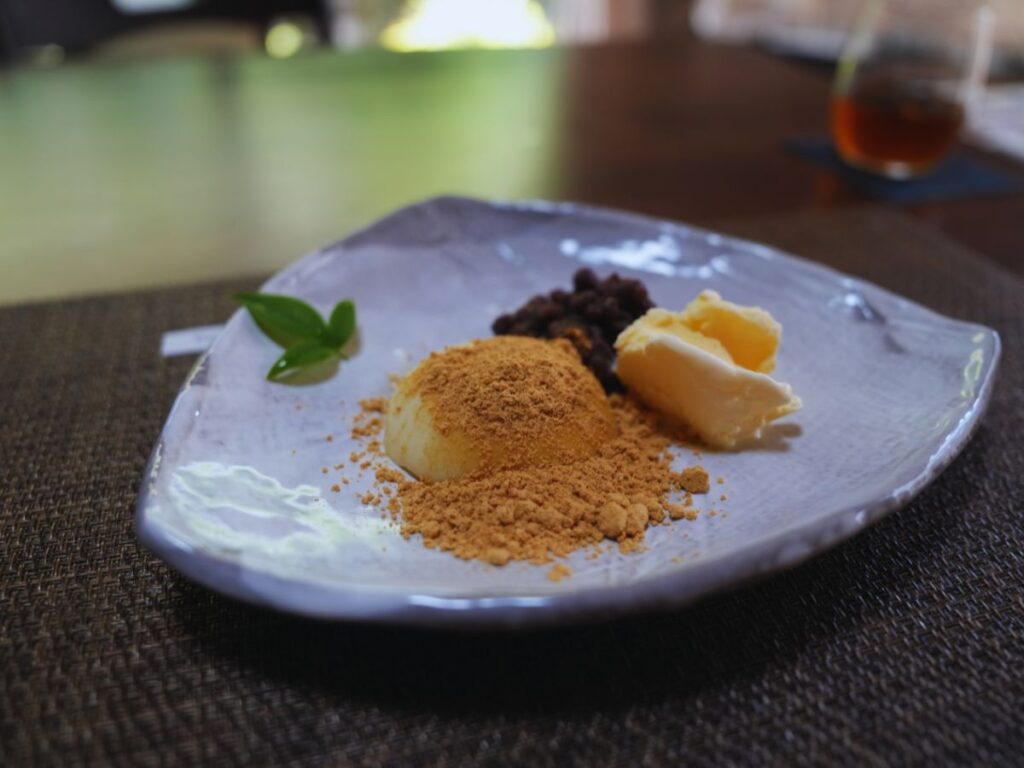
From soy milk drinks to savoury tofu-based bites, and even a very delicious dessert topped with kinako (roasted soybean flour), each course is elegantly presented and balanced in flavour. If you’re worried that there is only tofu in these meals, do not worry, the dishes have seafood, tempura, and there’s even delicious sushi in between the yuba!
The meal was deeply satisfying without making me feel too full or heavy, as it was made with local ingredients and prepared with quiet precision. It’s a perfect introduction to Japan’s lighter, seasonal cuisine, and it was a real challenge to decide which dish was my favourite because everything was so uniquely tasty! But in the end, I think the desert took my heart.
Conversation and Connection
As you eat, you’re invited to chat with the hosts, learning about their story and how this experience came to be. The first thing that they want to convey with this lunch experience is that yuba is healthy and carries Japanese tradition and history. Their passion for food and warm demeanour made the meal feel more like a visit to a friend’s home than a formal event.
They gladly explained about the ingredients and even shared personal anecdotes about their life and cooking (the husband didn’t quite like yuba the first time he tried it as a child), making me feel like I was simply visiting some relatives in Japan.
To conclude, you’ll take part in a simple tea whisking ritual. Guided by your host, you prepare your cup of tea, a small, peaceful gesture to mark the end of your meal and carry a sense of calm into the rest of your day.
Why This Japan Cooking Experience Stands Out
This is not just a cooking class or a food tasting; it’s a slow, meaningful encounter with Japanese food culture and a Japanese couple who welcome you into their own home. You’ll leave with a new appreciation for the humble soybean, the yuba, the elegance of simple flavours, and the depth of care that goes into a truly traditional meal.
Whether you’re a seasoned foodie or just curious about Nara culinary traditions, this yuba-making experience is one to savour. And, if after the experience you keep thinking about how tasty yuba was, you can buy some at Nishiki Market in Kyoto, so you can share it with your loved ones back at home!
Dropping by Nishiki Market for some yuba shopping? Be sure to read our full guide for the area:
Other Experiences Like This


If this Japanese cooking experience sounds like something you would enjoy, be sure to check our other cultural experiences that connect you to local artisans and experts of Japanese crafts and arts! We have other cooking experiences, as well as traditional crafts!
At Flip Japan, we like to make sure that you get access to genuine Japanese encounters and leave with lasting memories or souvenirs, no matter what region of the country you’re visiting! Check out our cultural experiences here, and our guided tours here, if you’d like for us to show you around with our local guides!
FAQ’s About Tofu Making Experience
What is the nutritional value of yuba?
Yuba has protein and iron, making it a great addition to various diets and a fan favourite in vegetarian cuisine around Japan.
Can I buy yuba at the supermarket and take it home with me?
Both dried and fresh yuba can be bought at supermarkets and taken home with you. However, fresh yuba should be kept in the fridge and only lasts about a week, while dried yuba can last a couple of months as long as it’s kept in a cool and dark place.
Can I make yuba at home?
Many people make yuba at home as the process is quite simple. People around the world make yuba with store-bought soy milk and heat it in a regular pan, no need for the special wooden recipient!
What does the word yuba mean?
Yuba is written with the Chinese characters 湯 Yu, meaning hot water, and 葉 Ba, meaning leaf, and it is said that the origin of the word comes from the word 姥 Uba, which means old woman due to the wrinkly aspect of the yuba resembling old skin.