
If there is one thing I’ve learned from consuming a frankly concerning amount of raw fish, whether off a plastic conveyor belt at a place like Sushiro or the occasional wallet-draining omakase splurge, it is that Sushi is the definition of deceptively simple.
On the plate, it looks like nothing more than a slice of fish draped over a ball of rice. It seems like a sushi making experience would be effortless. But if you have ever watched a professional chef work, you know the reality is very different. They move with such speed and precision that it looks intimidating.
Still, I wanted to see if a regular person like me could actually build a decent piece of nigiri, or if I should strictly leave it to the professionals. So, I booked a few different providers to see if I could make a piece of sushi that actually stayed together.
Planning Your Own Dream Trip to Japan?
Feeling overwhelmed by the endless options? Let us take the stress out of planning. We design 100% custom itineraries based on your interests, budget, and travel style, helping you discover the Japan you’ve always dreamed of.
Find out more about our Personalised Japan Travel Planner
Choosing the Right Sushi Making Experience
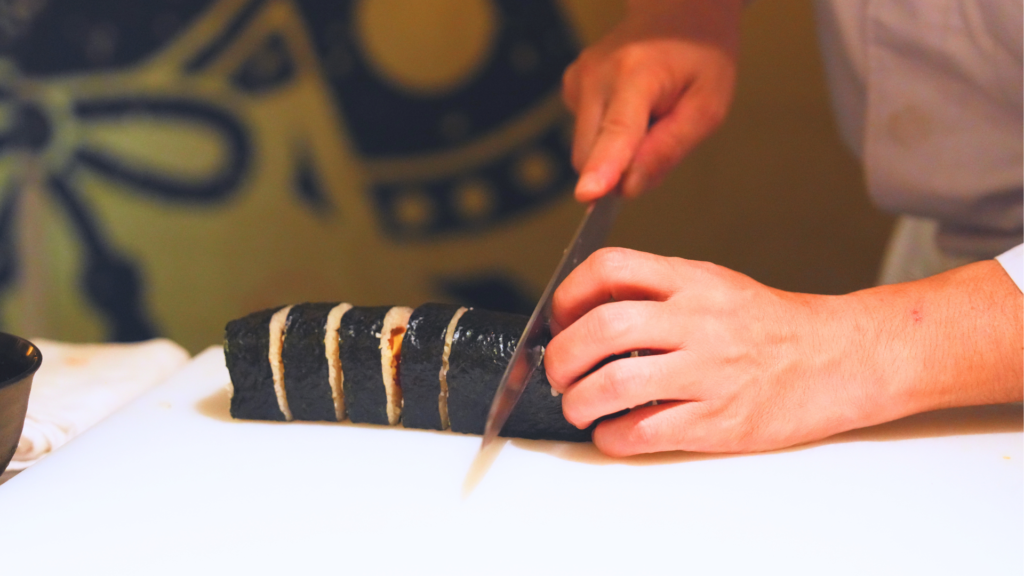
The first thing I found is that “sushi making” means different things depending on where you book. The location usually dictates the focus and style of the class. If you are interested in exploring other Japanese dishes, you can also check out our full guide to cooking classes in Japan.
The Market Style

This is the high-energy option, perfect for those who want to understand the entire supply chain of their food. These classes often start early in the morning near major fish markets. You meet the instructor and walk through the stalls to watch the professionals at work and learn how to select the freshest fish.
After the tour, you head to a nearby studio to prep your catch. It is loud, busy, and focuses heavily on the ingredients themselves. This is a great choice if you want to see the action of the market before you even put on an apron.
Pros:
- You get to experience the buzz and energy of a real Japanese fish market before the cooking even begins
- Learn how to spot fresh, high-quality seafood and understand where your sushi ingredients come from
- Feels like two experiences in one: a guided market tour followed by a hands-on sushi-making class
Con:
- The early start and fast-paced market environment might not be ideal if you’re looking for a more relaxed cooking experience or a leisurely morning in Japan
The Cultural Style
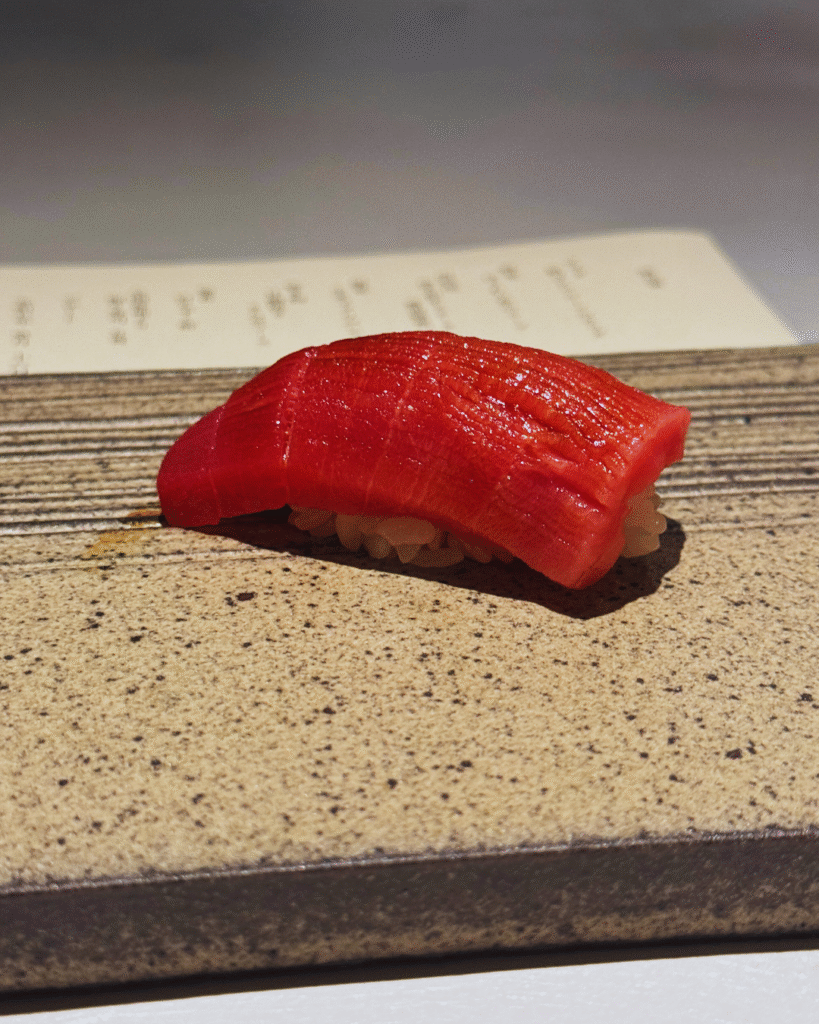
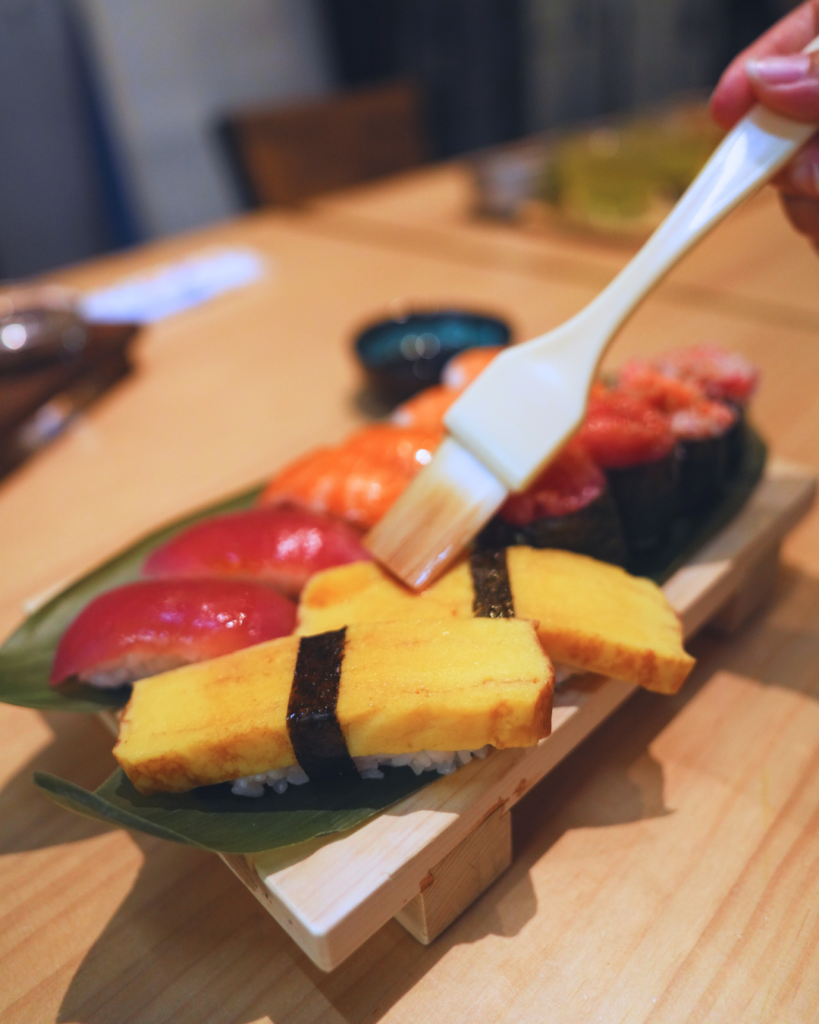
This experience is usually much quieter and focuses on the art form of Japanese dining. I tried one in a traditional house that felt less like a culinary school and more like a cultural immersion. The pace was slower and more meditative.
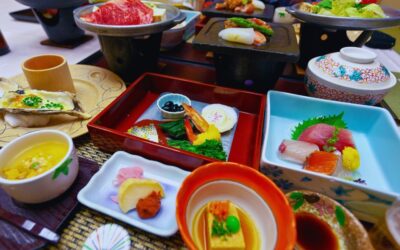
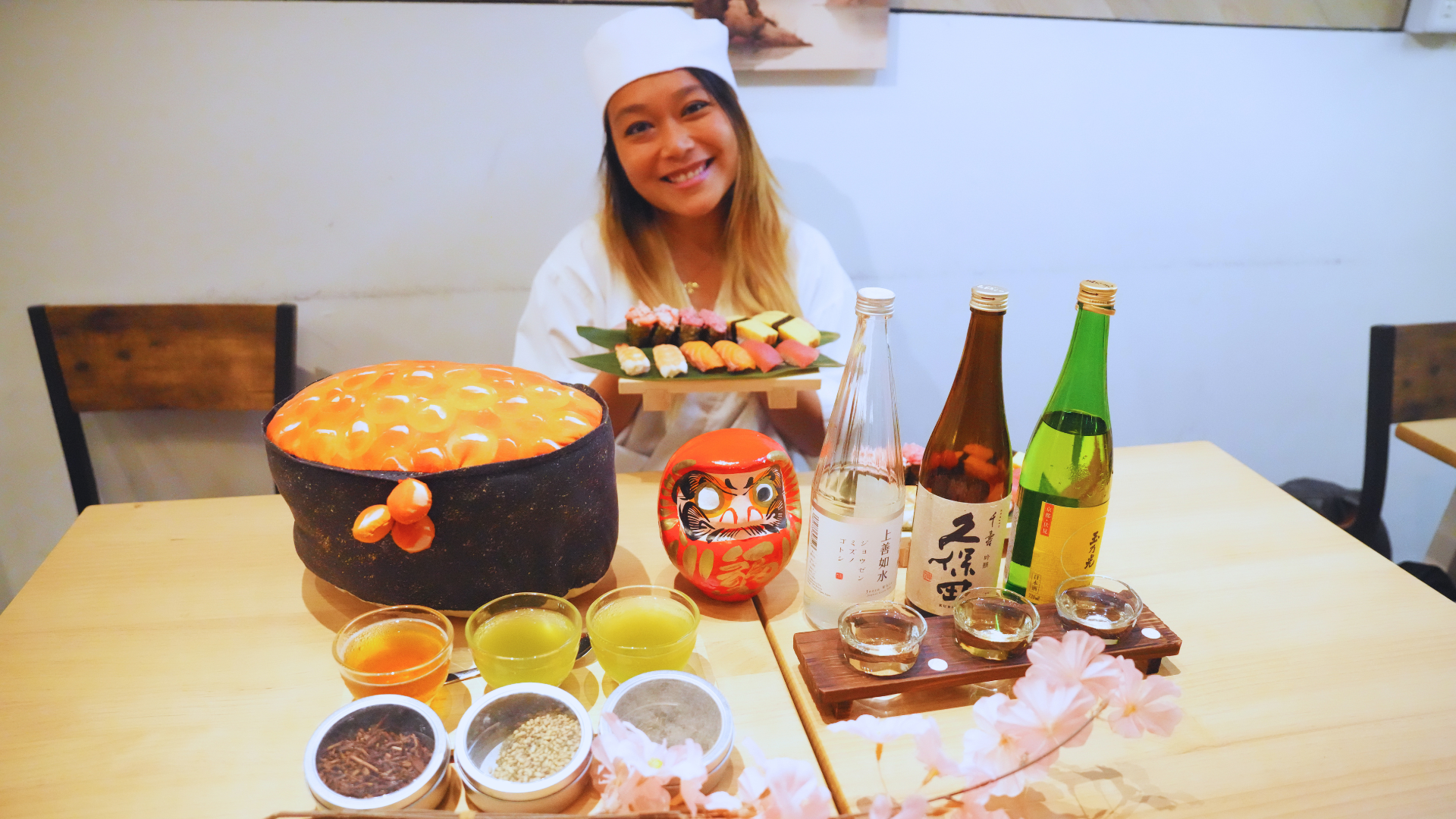
The instructors often pair the sushi making with a tea ceremony or sake tasting to teach you about the aesthetics of presentation just as much as the food itself. You get to soak up the atmosphere of a traditional tatami room while you cook.
- Offers a more relaxed and intimate atmosphere than many sushi-making classes
- Combines sushi making with traditional cultural experiences like tea ceremonies or sake tastings
- Great for travellers who want to learn about Japanese hospitality, presentation, and dining etiquette, not just the food
Con:
- Less focused on technical sushi-making skills, so it may not be the best fit for those looking for a fast-paced or chef-style cooking experience**.**
The Home Cooking Style
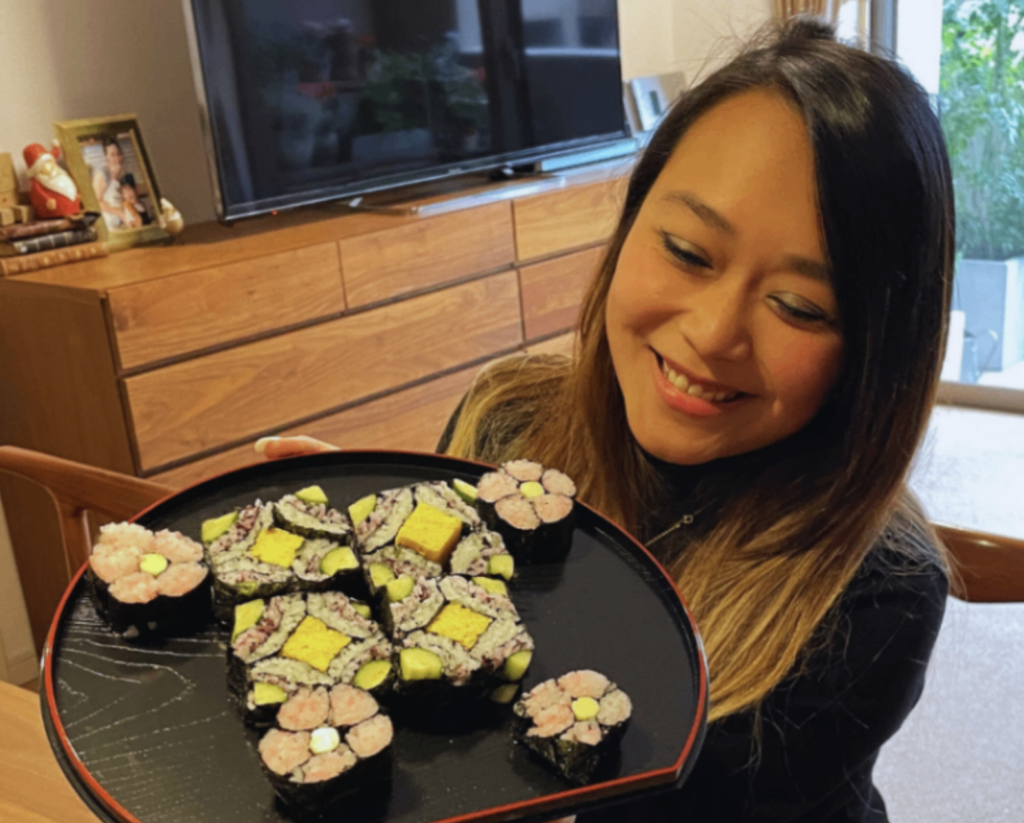
This was my personal favourite for learning skills I could actually use back home. Instead of a commercial kitchen, you visit a local’s actual apartment to make “homestyle” sushi using tools and ingredients you can find at a standard supermarket. It feels like cooking with a friend rather than training for a job. You can ask questions about daily life in Japan while learning recipes that are practical enough to replicate in your own kitchen.
Pros:
- Focuses on practical recipes and techniques you can actually recreate at home
- More personal and relaxed than a professional cooking school, with plenty of opportunities to chat and learn about everyday life in Japan
- Feels like cooking with a local friend rather than attending a formal class, making it a great cultural experience
Con:
- Less focused on professional sushi-making techniques, so it may not appeal to travellers looking for a more traditional chef-led or restaurant-style experience
The Restaurant Style
This experience is ideal for real foodies in Japan who want to learn sushi in a more traditional setting. Rather than taking place in a modern cooking studio, these workshops are held inside real, working sushi restaurants, many of which have been serving guests for generations. These are often private sushi making classes with the restaurant’s real chef, making them very intimate and extremely special.
Pros:
- Learn directly from professional sushi chefs in a real restaurant environment
- More intimate experience, often with smaller class sizes or private instruction
- Offers a deeper insight into traditional sushi culture, techniques, and restaurant etiquette
Con:
- Usually more expensive than studio-based sushi-making classes and may feel a little too focused on technique for younger children or casual travellers looking for a purely fun activity
My Personal Hands-On Sushi-Making Experience
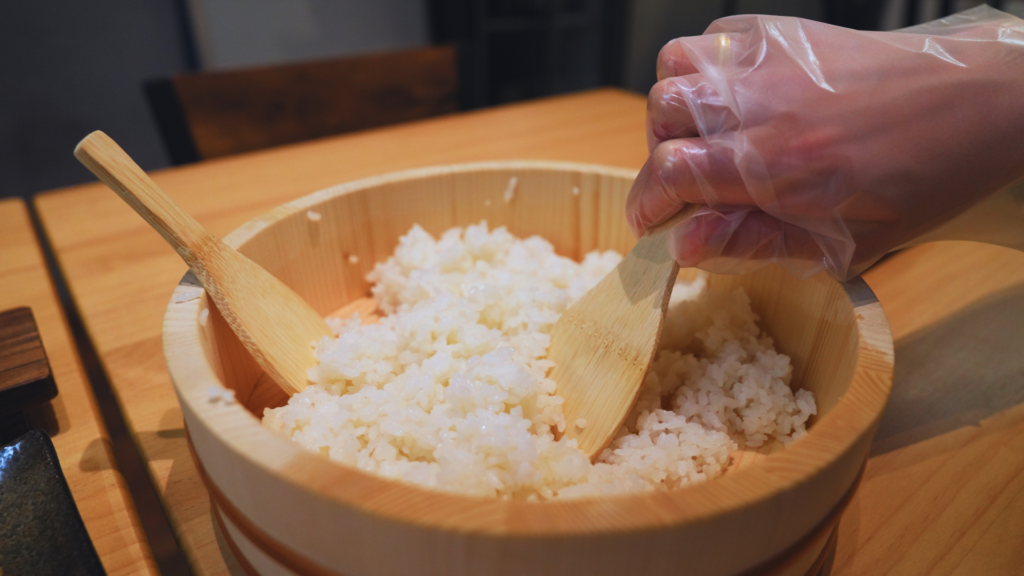
The first thing that threw me off during the actual sushi making experience was the temperature. When I reached into the wooden tub, the rice wasn’t cold. It was warm.
It felt completely different from the sticky, cold rice you get in a supermarket bento. It was delicate. I realized I had to move fast. If I took too long to shape it, the rice cooled down and lost that perfect texture. It was stressful in a fun way. I was trying to be gentle with the grains while racing against the clock.
Then came the knife work. The instructor handed me a yanagiba, and it felt heavy in the hand. It looked more like a sword than a kitchen knife. The hardest part was fighting the urge to “saw” the fish. I am so used to moving a knife back and forth. But here, I had to commit to one single, long pull.
My hand was shaking a bit on the first slice. I was terrified of ruining the beautiful piece of tuna. But when I finally just went for it, the blade slid through the fish like it was butter. Seeing that clean, glossy edge on the cutting board was arguably the most satisfying part of the day.
Assembling the sushi was where I really struggled. It is a coordination test. You have a slice of fish in your left hand and a ball of rice in your right.
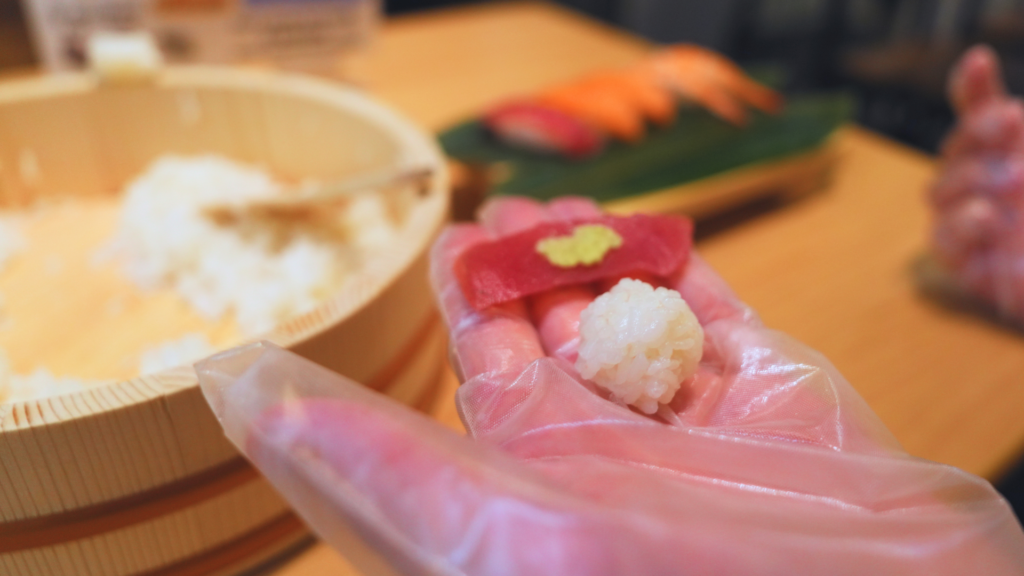
I smeared a little wasabi on the fish (and learned that it’s there not just for the kick but to act as a glue!) and tried to press them together. My brain wanted to squeeze it tight to make sure it didn’t fall apart.
That was a mistake. My first piece came out looking like a depressed brick. It was rock hard. The chef stepped in and physically adjusted my fingers. He loosened my grip, showing me how to barely cup the rice so it holds its shape but keeps a pocket of air inside. It takes a lot of failed attempts to trust that you don’t need to strangle the rice to make it stick.
After what felt like hours of focusing and adjusting my grip, I finally got to the best part: Eating. Sitting down to a tray of sushi that you built from scratch is a different kind of meal. To be honest, my pieces looked a little funny. Some were lopsided. Some had too much rice. Compared to the instructor’s perfect, glossy rectangles, mine looked a bit rough around the edges.
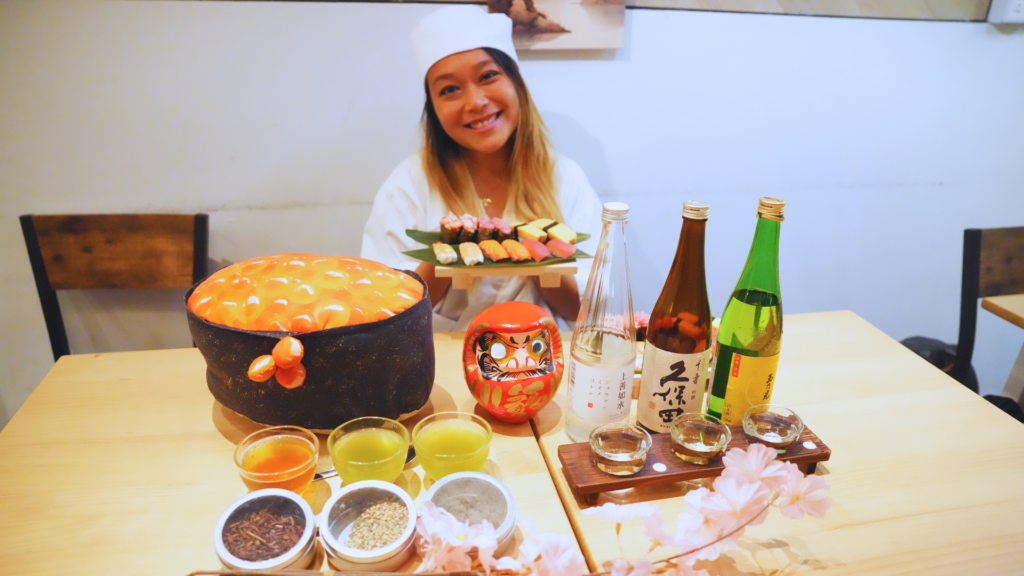
But they tasted incredible. Because the rice was still at that perfect warm temperature and the fish was fresh, the flavour was there even if the presentation wasn’t. The biggest takeaway wasn’t just the lunch. It was the shift in perspective. You never look at a sushi conveyor belt the same way again. You leave the class knowing exactly how much skill goes into that “simple” piece of food (and probably a dented ego after realising it wasn’t as easy as you thought it would be).
Things to Keep in Mind for a Sushi Making Class
Sushi making workshops are the type of food experiences that pretty much anyone can enjoy in Japan. There are kid-friendly classes, dietary requirement versions, group and private options, and every level of formality from super relaxed to ore intensive. Some focus on traditional techniques taught by professional chefs, while others are designed to be fun, family-friendly introductions to Japanese cuisine. Before booking, it’s worth considering what type of experience you’re hoping to get out of the class.
- Check what’s included: Some workshops only cover sushi-making, while others include extras such as market tours, sake tastings, tea ceremonies, or additional dishes
- Consider your skill level: Many classes are designed for complete beginners, but some restaurant-based workshops can be more technique-focused and hands-on
- Don’t worry if you don’t speak Japanese: Most experiences aimed at international visitors offer English instruction or provide an English-speaking guide
- Mention dietary requirements in advance: Vegetarian, vegan, halal, and allergy-friendly options are often available, but they usually need to be arranged before the day of the class
- Think about the atmosphere you’re looking for: Some workshops feel like a professional cooking lesson, while others are more relaxed and focused on cultural exchange and meeting locals
Ready to Get Behind the Counter?
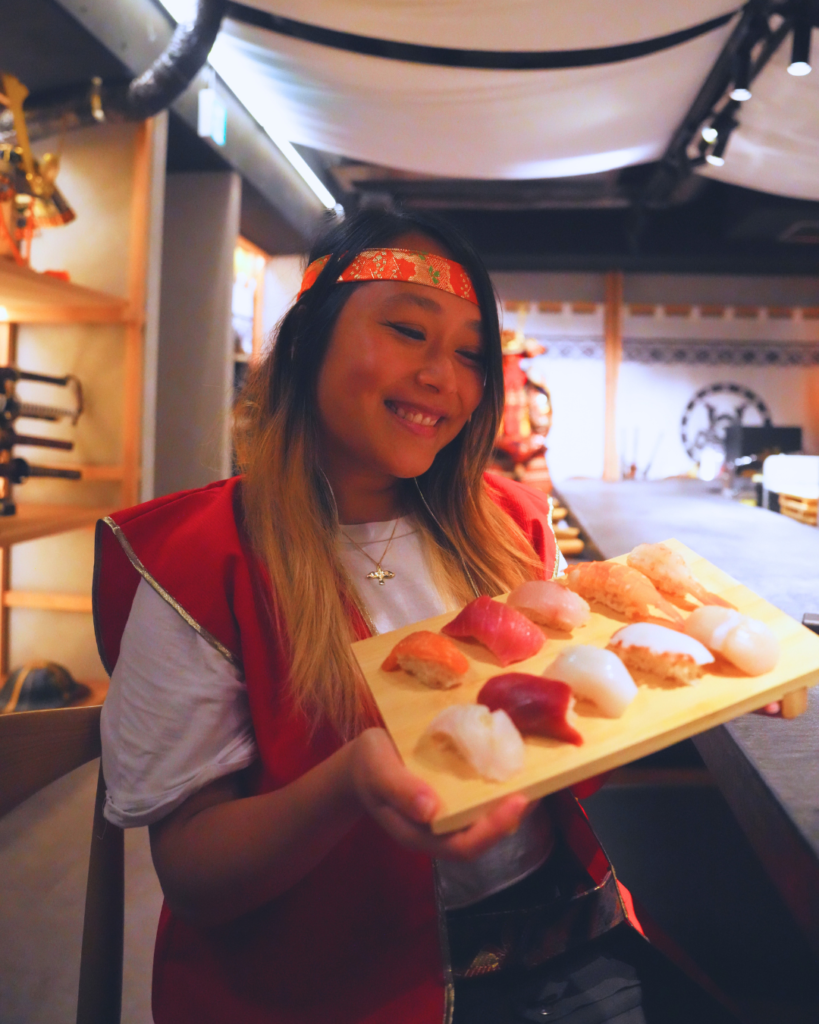
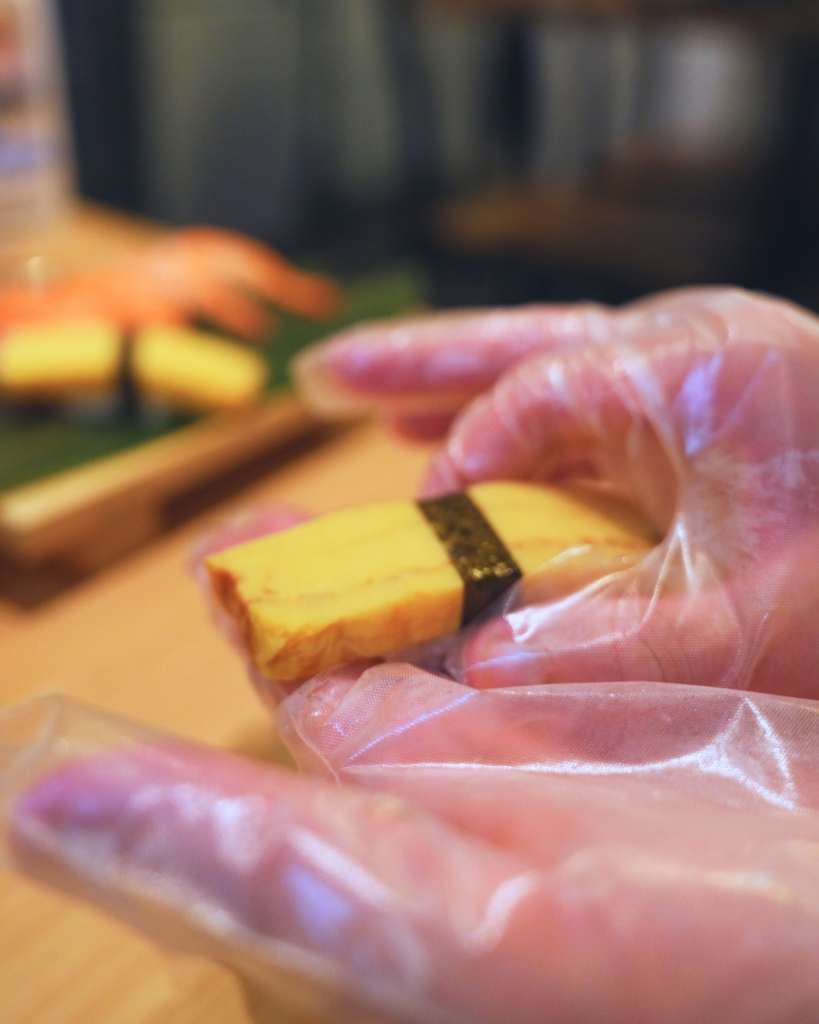
If you want to try your hand at making sushi, we can help you arrange the experience that fits your schedule. We have curated options across the country, working with local providers to ensure you get an authentic look into the Japanese kitchen, no matter which style you choose.
Book a sushi making experience.
Sushi Making FAQs
Do I need any cooking experience?
Not at all. These classes are designed for beginners. The instructors are used to teaching people who have never held a professional knife before, and they will guide you through every step.
Are the classes suitable for children?
Generally, yes. Making rolled sushi is fun for kids, and many families love it. However, because some classes use very sharp professional knives, there may be age restrictions for the slicing portion. It is best to check the specific details of the workshop first.
Will the class be in English?
Yes. All the experiences we list are led by English-speaking instructors. Otherwise, we can arrange for translators (including in languages other than English!) to be present.
Can I take my leftovers home?
Usually, no. Japan has strict food hygiene rules, especially when it comes to raw fish and warm rice. To ensure safety, you will typically eat everything you make right there in the studio.