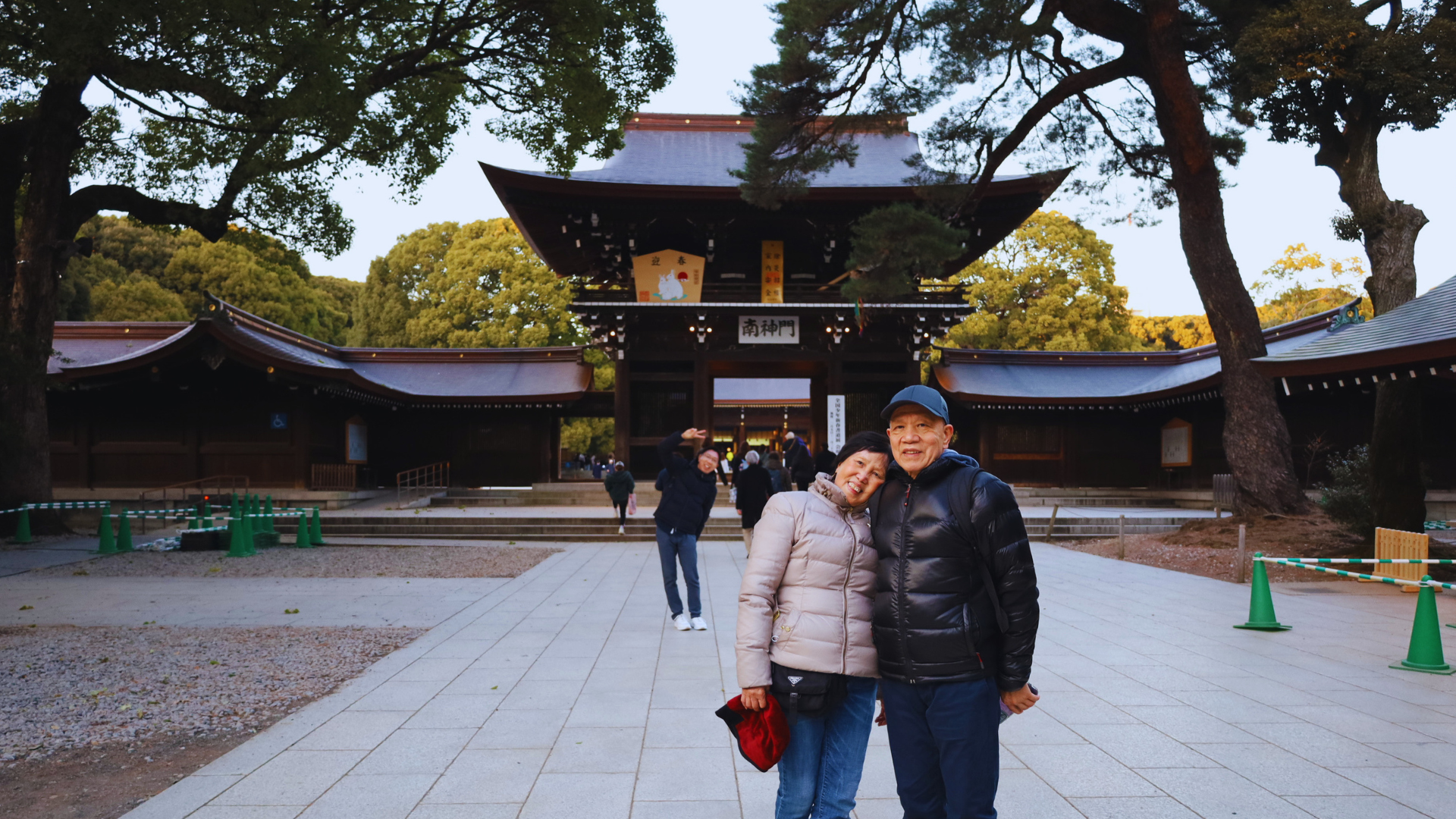

If you’re planning on celebrating your retirement with a trip to Japan, then first of all, congratulations! And secondly, we think you’ve made a great choice. Japan has so much to offer, with its well-established tourism infrastructure, world-class hospitality, and (of course) a deep and beautiful culture to experience for yourself.
Japan is also a place of great versatility. You can create an itinerary to focus on almost every type of interest, for instance, wellness, WWII, hiking, cuisine, anime, music, etc. In this guide, we’ve designed three Japan retirement trip Itineraries focused on history, nature, and luxury, but you can also check out our ultimate 10-day Japan itinerary for more ideas!
We are a bespoke travel agency in Japan, helping thousands to plan and experience their dream trip from all over the world. We design unique travel itineraries, act as an on-the-ground concierge, and offer immersive cultural activities to make sure you have the best possible retirement trip to Japan.
Why Choose Japan For Your Retirement Trip
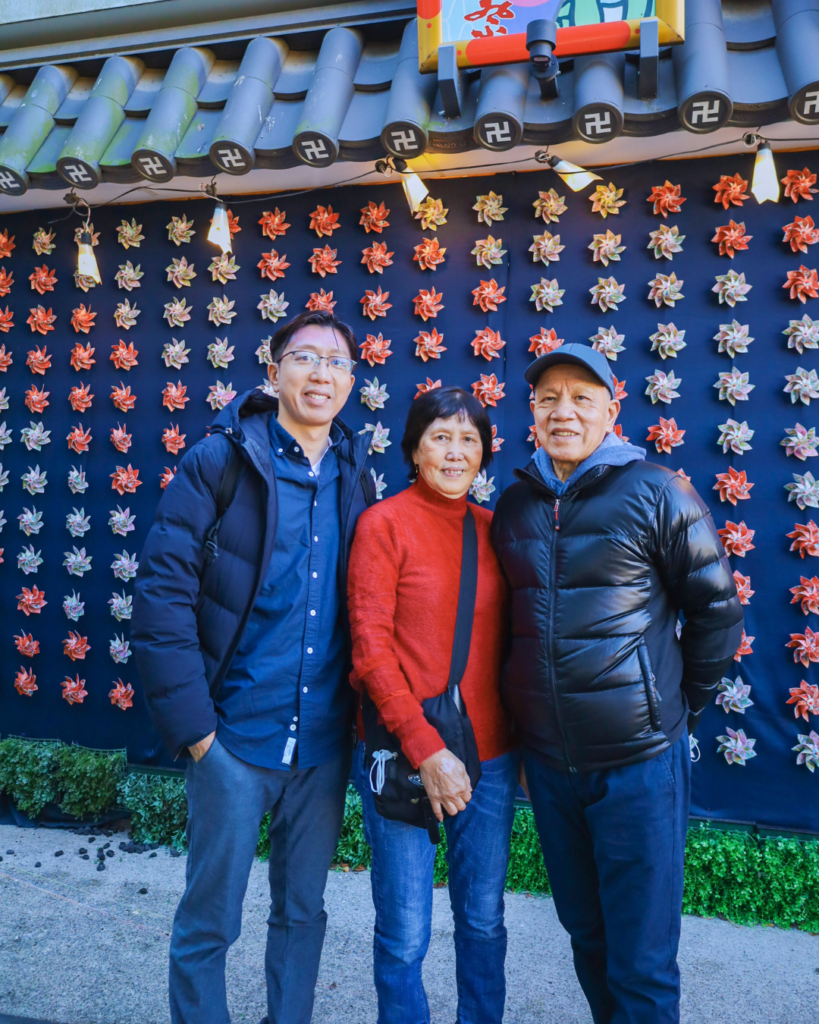
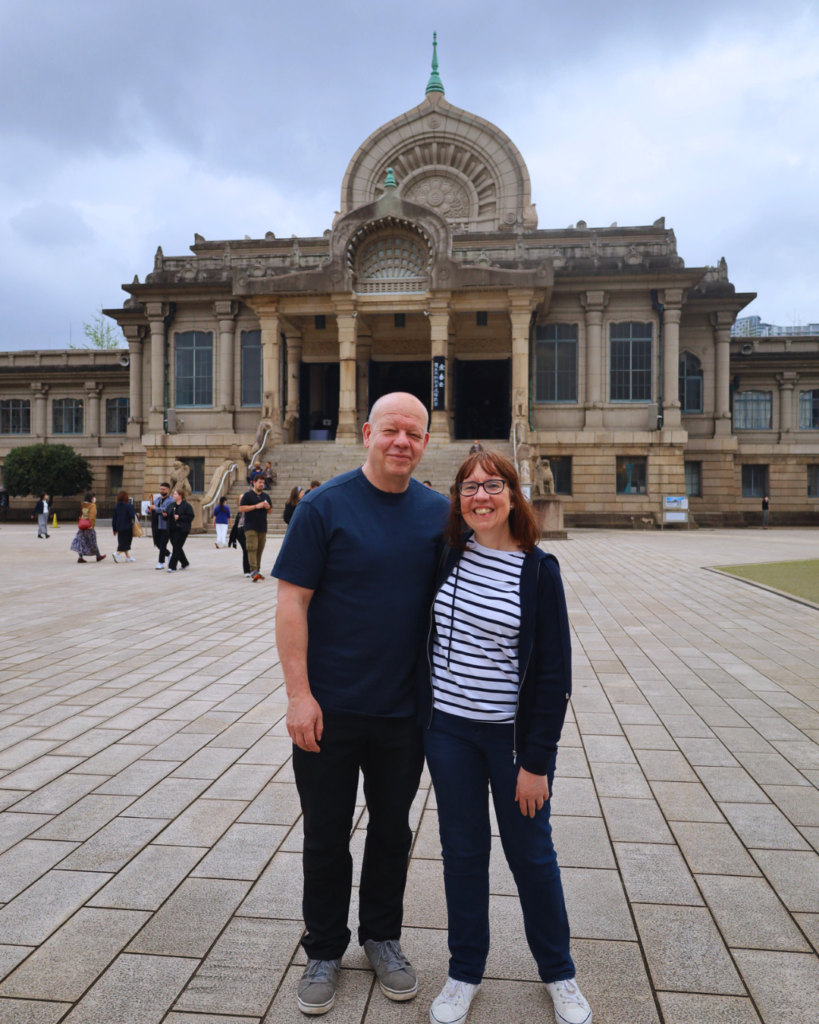
We might be biased, but we do really believe Japan is one of the most amazing destinations for a retirement trip. The country has something to offer everyone, no matter your personal interests, whilst also being extremely friendly to visitors and easy to traverse. English is spoken well enough in major cities, without Japan having become too tourist-focused, and there are so many different cultural experiences to discover.
One of Japan’s greatest strengths is its incredible variety. You can spend one day exploring bustling cities filled with world-class restaurants and museums, then the next unwinding in a peaceful mountain onsen, or wandering through centuries-old temple grounds. The country’s excellent transport network also makes travelling between destinations comfortable and straightforward, especially with the shinkansen (bullet train) connecting many of Japan’s major cities.
Learn more about Japan’s transport systems:
Is Japan Good for Limited Mobility?
We know that retirement trips can come with some additional considerations. For those with mobility concerns, Japan has many accessibility-friendly destinations. You can absolutely plan an incredible trip, no matter your fitness or mobility level, although we do suggest working with a local travel agent (like us) who can make suggestions or arrange additional help when needed.
The History-Focused Itinerary
This itinerary is designed for history buffs. It’ll bring you through many eras of Japan’s past, with some forays into architecture and Japanese traditions.
Days 1-3: Tokyo
Tokyo is not only the most convenient city to fly into, but it’s also an amazing place to start your experience. The city has been Japan’s capital since Emperor Meiji moved there in 1868, but Edo (Tokyo’s original name) has a history that spans even further.
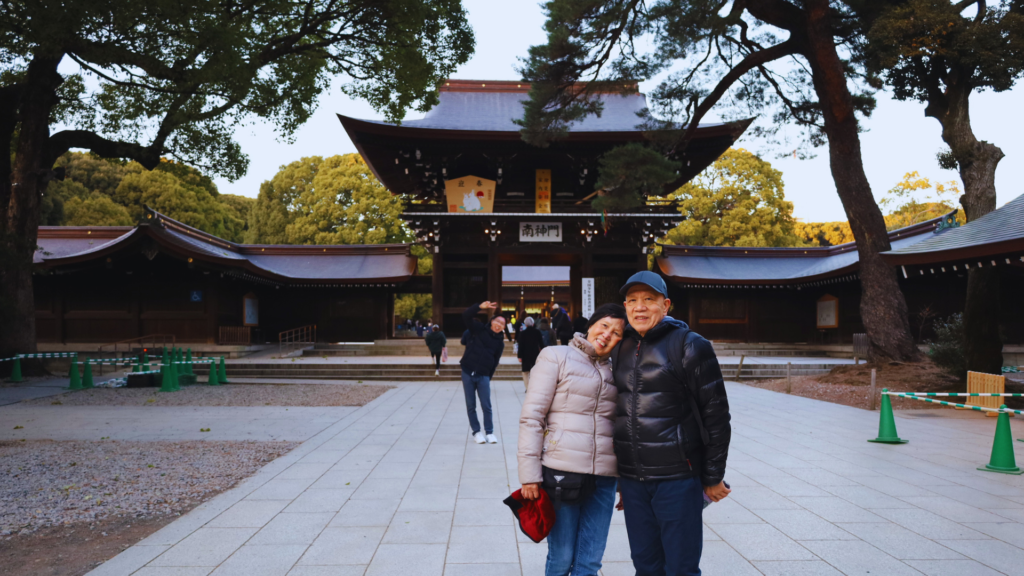
For a history-focused visit, we highly recommend starting by exploring Meiji Jingu in Harajuku. It’s the city’s most important Buddhist shrine, dedicated to Emperor Meiji, who famously opened up Japan after 200 years of isolation.
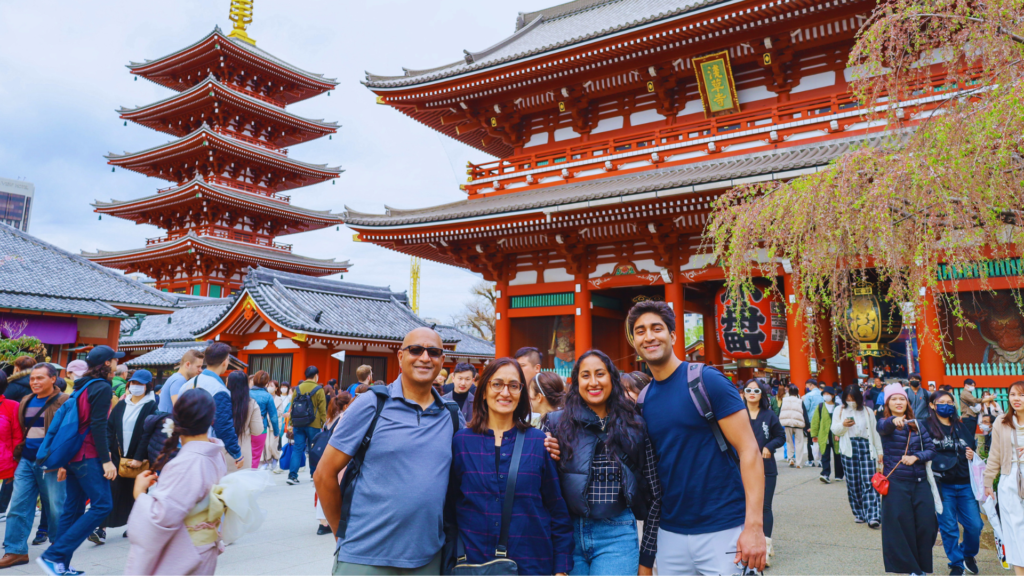
Senso-ji in Asakusa is another amazing spot, as probably Japan’s most famous temple. As the area can get incredibly crowded, we highly recommend going early and with a tour guide, in order to take in every detail and fact.
Tokyo is also home to some incredible museums. Here are a few that we particularly recommend:
- Tokyo National Museum: Located in Ueno Park, this is the largest art museum in Japan and one of the largest in the world. This museum houses ancient and medieval art from all around Asia.
- Edo-Tokyo Museum: The museum specialises in showcasing life during the Edo Period, with replicas of Edo-period shops, boats, libraries, homes and schools.
- The Japanese Sword Museum: An amazing place to view ancient Japanese swords, and learn about the traditions behind the metalwork craftsmanship.
- Tokyo Metropolitan Teien Art Museum: An absolute hidden gem, this is the former residence of Prince Asako turned a museum that displays the first Japanese art deco fusion architecture of the 1920s, as well as being home to Prime Minister Shigeru Yoshida whilst he guided Japan through the critical post-World War II recovery.
To see everything in a day, you can check out our custom Tokyo day tours, designed specifically for your interests.
Days 3-5: Kyoto
You can ride the shinkansen directly from Tokyo to Kyoto in just a few hours. As soon as you arrive, we think you’ll understand why it’s the second stop on this itinerary. Kyoto is considered the perfect window into “old Japan”, with some incredibly well-preserved streets and buildings that transport you back directly into the Edo Period (1603 to 1868).
The easiest way to navigate the city is via taxi. A lot of the best spots are a little further out, and as the trains and buses can get quite busy, we really recommend taking a car to cut down time and let you focus your energy on the sights themselves.
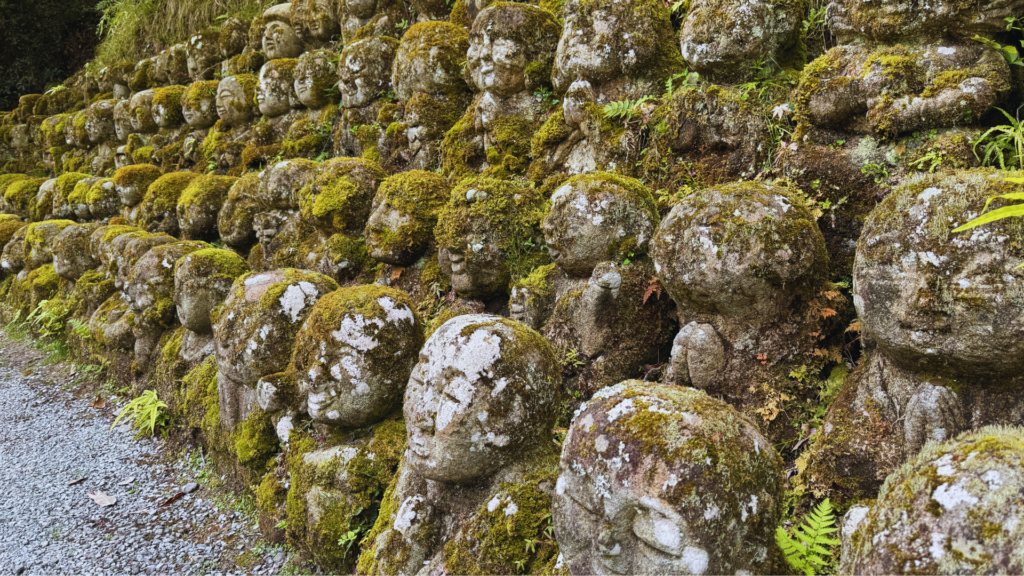
Speaking of, there is absolutely no shortage of historic destinations to explore in Kyoto. We actually recommend starting with a trip to Otagi Nenbutsu-ji. It’s usually less crowded than Kyoto’s other top spots (so you don’t have to arrive at the crack of dawn to enjoy it), but no less incredible. The temple is filled with 1,200 small stone statues, each with a unique, whimsical facial expression. That being said, it isn’t a reduced mobility-friendly spot. If steep stairs are an issue, we’d suggest choosing somewhere like Adashino Nenbutsuji instead!
In the morning, we do think Fushimi Inari is worth visiting if stairs aren’t an issue. It is where you’ll find the thousands of red torii gates winding up a mountainside. If you’re interested in unique architecture, then Kinkaku-ji (the Golden Pavilion) needs to be on your itinerary, with Ginkaku-ji (the Silver Pavilion) also being absolutely beautiful.
Check out our full 2-day Kyoto itinerary for more:
Days 5-7: Hiroshima
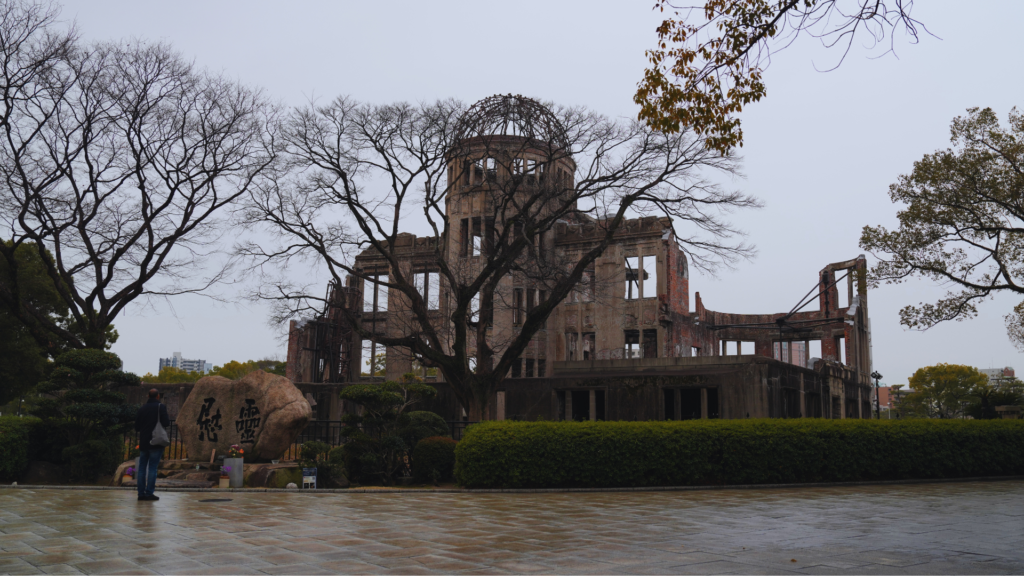
Less than two hours away on the bullet train is Hiroshima, a city that combines one of the most significant chapters of modern history with beautiful gardens, excellent food, and a remarkably peaceful atmosphere.
We recommend spending your first day exploring the Hiroshima Peace Memorial Park. The park is home to the Atomic Bomb Dome, the Peace Memorial Museum and several moving monuments dedicated to the victims of the bombing. It’s a place that encourages reflection while also telling the story of Hiroshima’s incredible recovery into the vibrant city it is today.
The following day, take the short ferry across to Miyajima Island. Home to the iconic floating torii gate of Itsukushima Shrine, which is one of Japan’s three most scenic views. The shrine is believed to have been first founded in 593, then named as a holy site in 806, when a Buddhist Priest visited and announced he felt spirits at the shrine.
The Nature-Focused Itinerary
Japan might be known as an ultra-modern destination with neon lights, robot waiters, and immersive digital art, but we know it’s also nature lovers’ dream. The country is covered in incredible mountains, coastlines, and forests, with amazing wildlife and peaceful hiking.
Learn more about planning a nature-focused trip:
Days 1-3: Tokyo
Believe it or not, there’s some incredible nature to be found even in the busy city of Tokyo. Shinjuku Gyoen is a great place to start, as a national park with a really cool greenhouse, stunning traditional Japanese garden, and amazing seasonal flowers that bloom throughout the year. It’s in the heart of Shinjuku, and only costs 500 yen (a little over $3 USD) to enter.
A few other parks worth visiting for nature are:
- Hamarikyu Gardens: A beautiful Edo-period park with a lovely pond and tea house
- Rinshi-no-mori Park: A place that feels like a forest far away from Tokyo
- Showa Kinen Park: A little outside the city, but well worth the journey. This park is huge, with so much wildlife and fun things to do, including a little train to take you from one end to the other.
During your time in Tokyo, we also highly recommend considering a day trip out to Okutama. The area follows the Tama River into a scenic gorge and Lake Okutama. There’s some truly wonderful hiking, as well as a chance to enjoy a more rural side to Japan.
Days 3-5: Nagano
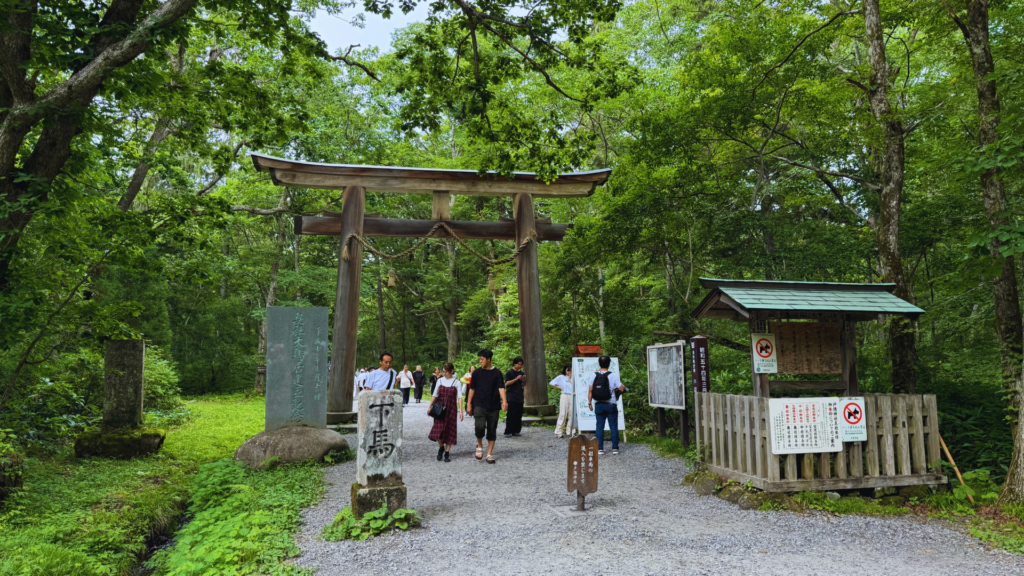
Just over an hour from Tokyo on the shinkansen, Nagano is surrounded by mountains and is one of the best places to experience Japan’s natural landscapes. It changes hugely with the season, from a winter paradise perfect for snow-shoeing in winter, to a green haven in the summer ideal for gentle hikes.
One of the biggest highlights is a visit to Jigokudani Snow Monkey Park. Despite its name, it’s worth visiting throughout the year, as the wild Japanese macaques can often be spotted bathing in the hot springs or roaming the surrounding forest. The walk to the park is relatively flat and takes around 30 minutes through a scenic woodland trail.
If you enjoy gardens and history alongside nature, make time for Zenko-ji Temple. One of Japan’s oldest and most important Buddhist temples, it’s surrounded by leafy grounds that are particularly beautiful in spring and autumn.
We also suggest taking a day trip from Nagano to one of these destinations:
- Kamikochi: One of Japan’s most spectacular mountain valleys, with crystal-clear rivers, wooden boardwalks and mostly flat walking trails beneath the towering peaks of the Japanese Alps.
- Karuizawa: A charming mountain resort town known for its forests, waterfalls and easy cycling routes. It’s especially beautiful in autumn when the leaves change colour.
- Togakushi: Home to ancient cedar forests, peaceful hiking trails, and one of Japan’s most important Shinto shrine complexes. Don’t miss the famous avenue of towering cedar trees leading to Okusha Shrine.
- Hakuba: Best known for skiing in winter, but equally stunning in the warmer months with alpine flowers, mountain gondolas and scenic walking trails offering incredible views of the Northern Alps.
Days 5-7: Kyoto
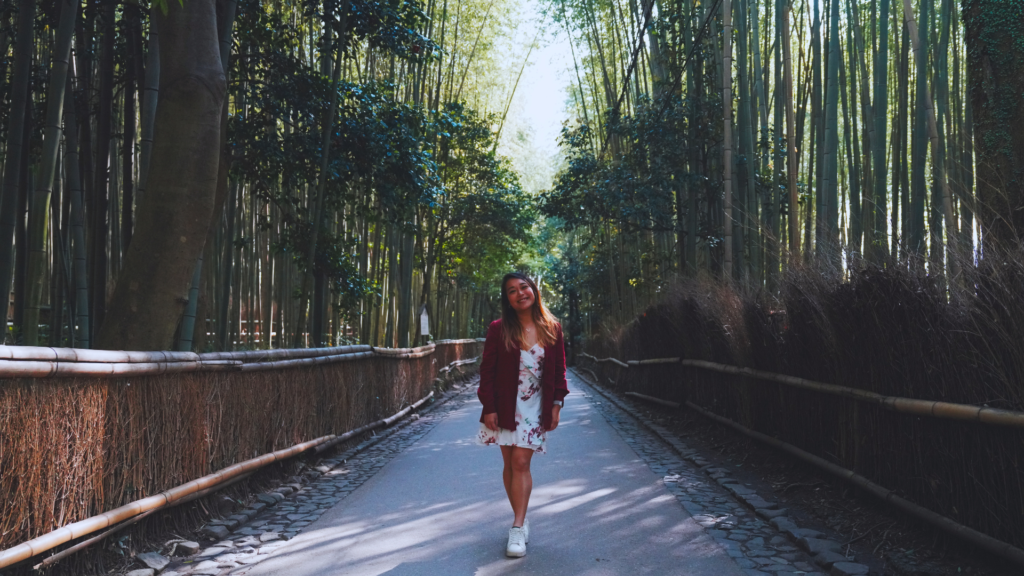
Take the shinkansen for around 3 hours either through the mountains or along the coast to reach Kyoto. The city is best known as Japan’s cultural heart, but trust us, there is also a lot of natural beauty to be discovered between sightseeing.
Start with a visit to Arashiyama. While the famous Bamboo Grove is the main attraction (and definitely worth exploring), we also recommend continuing further into the area to explore the peaceful riverside paths and forested hills.
You should also make time for Saiho-ji (Kokedera), also known as the Moss Temple. Covered in more than 120 varieties of moss, the temple grounds feel almost magical, with winding paths and tranquil ponds. Just remember that visits must be booked in advance, as numbers are strictly limited. Working with a travel agency is the easiest way to arrange the trip.
We also recommend taking a day trip to Mount Hiei, which sits between Kyoto and Lake Biwa. A cable car and ropeway make reaching the summit easy, and once at the top you’ll find gentle walking trails, beautiful forest scenery, and sweeping views across Kyoto.
The Luxury-Focused Itinerary
Retirement is something to be celebrated, and it’s safe to say you deserve a little luxury. Japan is a place with options for all budgets, but if you truly want to treat yourself, this is the itinerary to choose.
Learn more about luxury travel in Japan:
Days 1-3: Tokyo
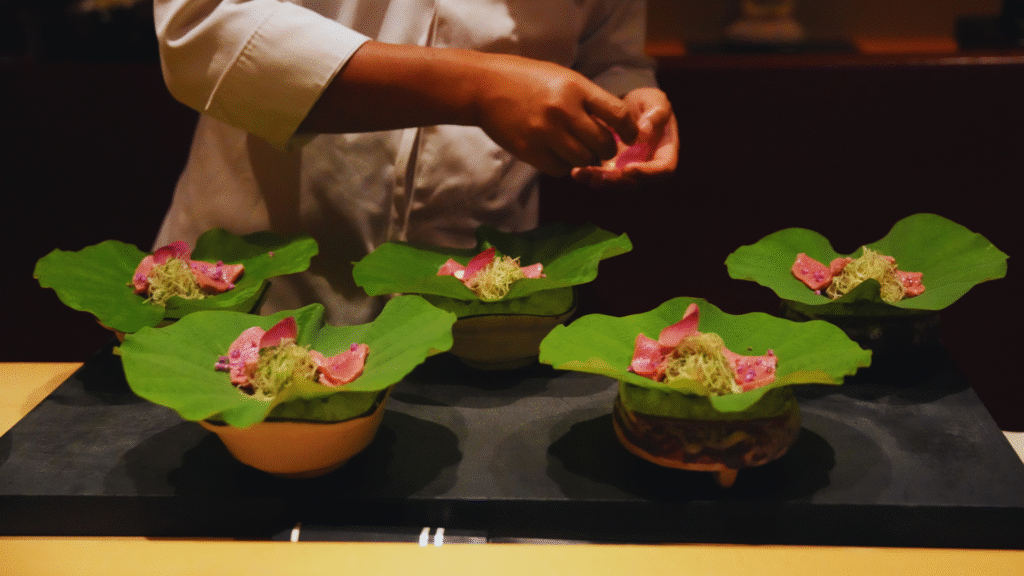
Tokyo is the perfect place to begin your luxury Japan experience. There you’ll find some of the world’s best hospitality, with everything from Michelin-starred dining to private once-in-a-lifetime cultural experiences. For your first few days, we recommend staying somewhere like Ginza, which has fine dining, luxury shopping, and easy connections right on your doorstep.
Start your trip with a private guided experience designed around your interests. Rather than rushing between crowded attractions, a local expert can take you beyond the usual sights, sharing the hidden stories behind Tokyo’s neighbourhoods, temples, and traditions.
Food is a huge part of any Japan trip, and with a luxury budget, anything is possible. We highly recommend making an omakase sushi reservation, where a chef serves you the best fresh ingredients of the day, preparing sushi right in front of you.
Tokyo is also a great place to experience a wagyu dinner. You’ll have many options for this, but the two most popular dining styles for luxury travel are teppanyaki and yakiniku. In a teppanyaki restaurant, a chef grills the beef on a large iron griddle right in front of you. Yakiniku is a bit more hands-on, where you grill thin slices of marbled beef over a charcoal fire at your own table.
Days 3-5: Hakone
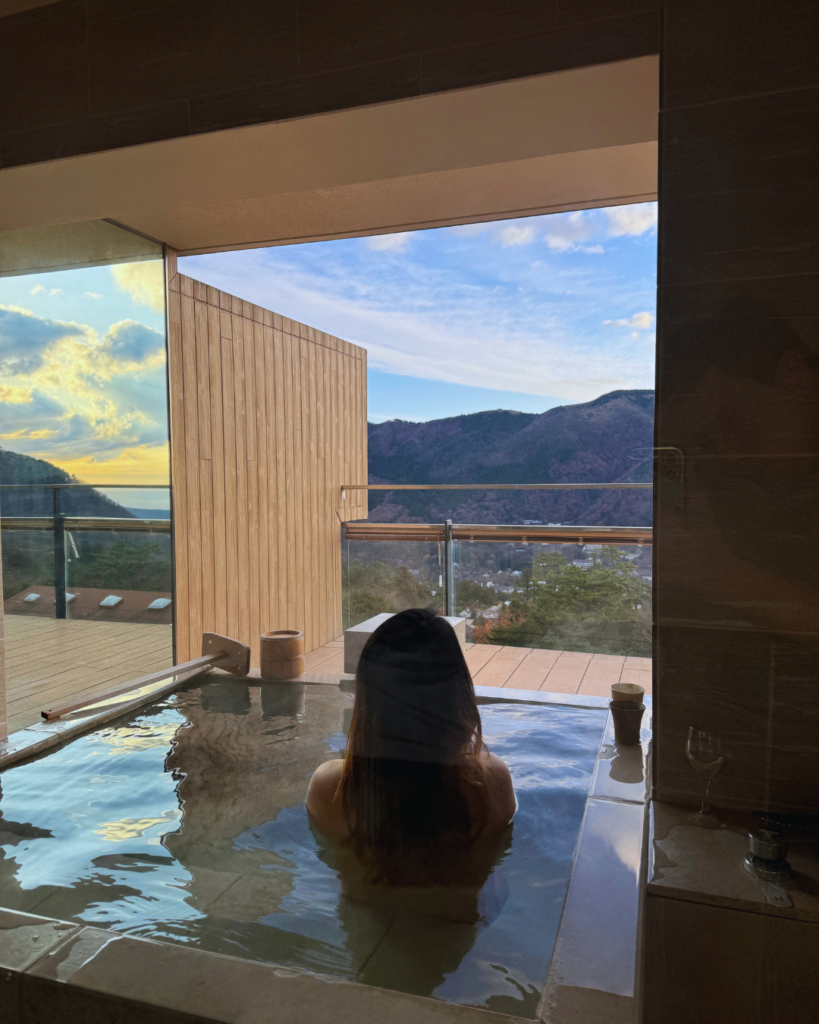
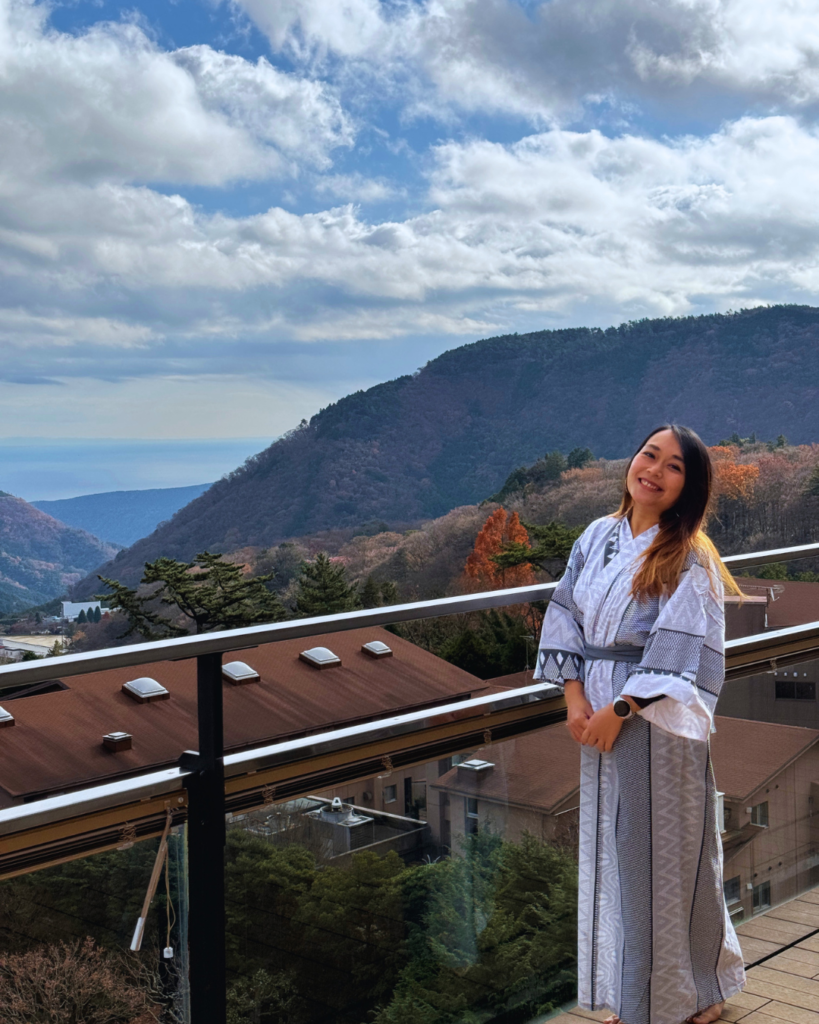
Next, ride the Romancecar for a little under two hours to reach Hakone. This area is known for its beautiful scenery and exquisite luxury onsen. Staying in a ryokan is the ultimate luxury in Japan, as the traditional inns are known for immaculate service, indulgent dinners made with seasonal ingredients, and relaxing onsen baths.
During your time in Hakone, we can arrange for you to experience a private Mount Fuji tour with a driver and guide. This is a wonderful way to explore the striking scenery and surrounding areas, as well as reach some of our favourite hidden gem spots that can only be reached by car.
As for Hakone sightseeing, you’ll also be able to visit the Hakone Open-Air Museum to see its impressive collection of contemporary sculptures set against a dramatic mountain backdrop. There’s also the Hakone Sightseeing Cruise Across Lake Ashi, with views of the lake-top torii gate at Hakone-jinja Shrine.
Days 5-7: Kyoto
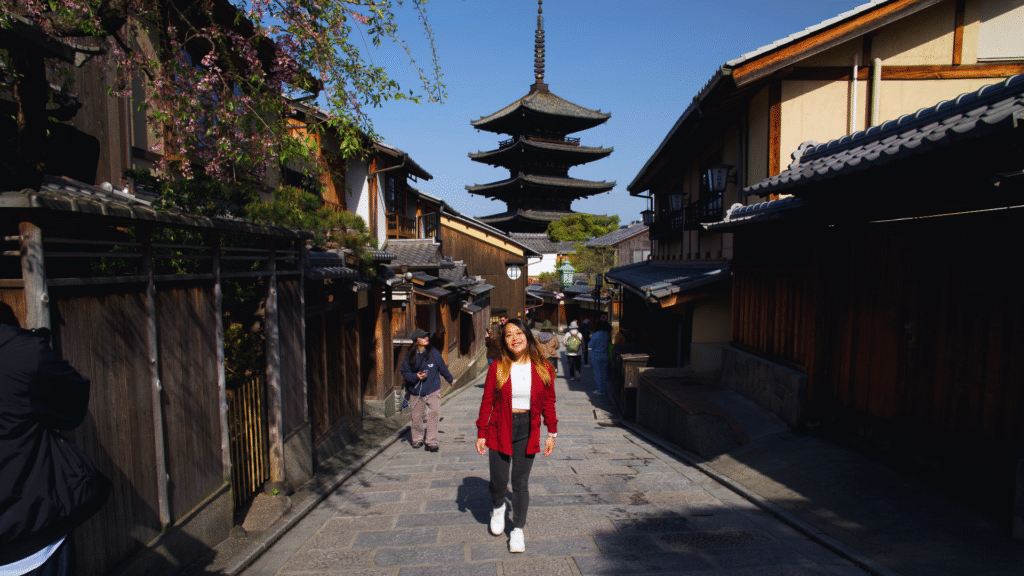
From Hakone to Kyoto is around 3 hours by shinkansen, and if you really wanted to treat yourself, you could consider riding in the Green Car (a first-class equivalent). We truly have to say, no luxury Japan trip is complete without a stop in Kyoto. It is where Japan’s traditional arts, architecture, cuisine, and hospitality have been preserved at the highest level.
We recommend exploring the city with a private guide who can arrange access to quieter temples, introduce you to local artisans, and help you experience Kyoto beyond the crowds.
One unforgettable Kyoto experience is a private geisha evening. You’re able to enjoy an exclusive introduction to Kyoto’s centuries-old entertainment culture through traditional dance, music, and conversation. These experiences are often difficult to arrange without local connections, making them a truly special addition to a luxury itinerary. You could also consider a private tea ceremony with a tea master, visiting a traditional tea house to learn about the art of the tea ceremony.
We also have to mention that Kyoto is known for kaiseki dining. This is considered Japan’s highest tier of fine-dining, and involves multiple small courses designed to the smallest detail by a chef. The menus are seasonal and ever-changing, with even the timing of when each dish is served and the plate it is served on being specifically designed for the ultimate experience.
Trips for Travelling in Japan as a Senior
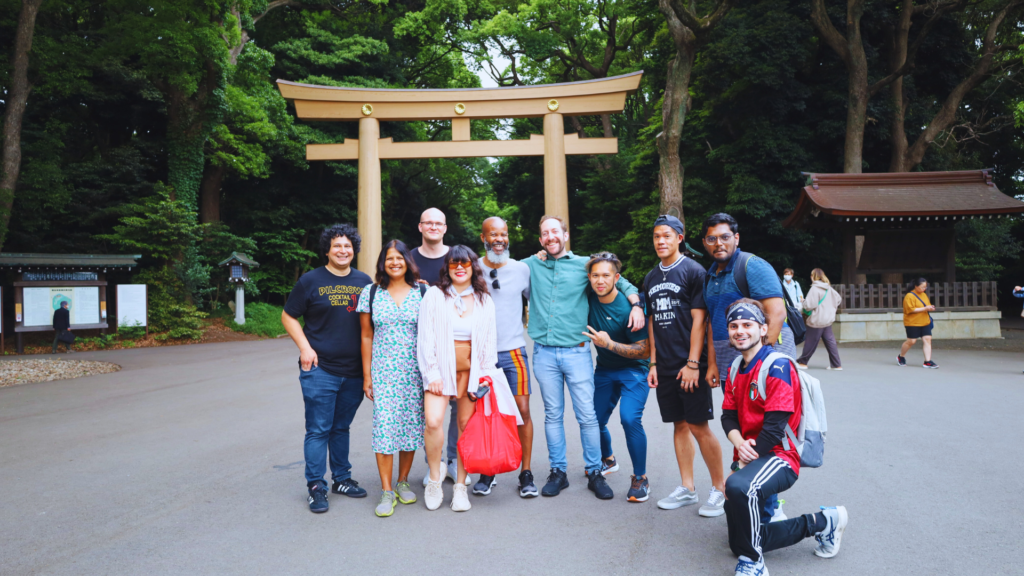
The wonderful thing about travelling in Japan is that the country is safe, the locals are welcoming, and there’s plenty of tourist infrastructure to make exploring easy. That being said, we’ve had the pleasure of hosting many retirement trips and have collected quite the list of helpful tips to help you plan yours.
Here are the ones we think you’ll find to be the most useful:
- Exploring Japan typically means taking a lot of steps, especially in the cities. Be prepared for this with practical walking shoes and a realistic schedule that won’t overdo things. Even taking the train usually involves steps, as the stations can be large, and lots of stations have a lot of stairs. Similarly, temples and shrines can often require you to climb a lot of stairs just to reach them.
- Kyoto, in particular, can make getting around on foot tricky. A lot of the streets are uneven and cobbled, there are lots of stairs, and many of the most famous spots require uphill walks. We really think taking taxis around is the way to go.
- Make sure to pick up a Suica or Pasmo card at the airport. This is a travel card that you load money onto and can use to pay for not just trains and buses, but also in shops and at many vending machines. Having one will make your trip a lot smoother from the start.
- Working with a travel agent is the easiest way to make sure everything you need is arranged, as well as providing you with an on-the-ground contact should anything go wrong or plans change the day of.
We hope you have an amazing trip!
Japan Retirement Trip Itineraries FAQs
Is Japan a good place for a retirement trip?
Yes! We think it’s the perfect mix of accessible, safe, and welcoming, with a completely unique culture and extremely interesting history. There’s really something for everyone, with many different destinations and cultural experiences to add to an itinerary.
Is English spoken widely in Japan?
In the major cities, most hospitality workers will speak English, especially in Tokyo. Restaurants often have English menus, and there is plenty of English signage to simplify getting around. If you leave the cities, there will be less English, but most locals are happy to try and help, even with a language barrier.
How accessible is Japan?
Japan is becoming increasingly accessible, with step-free train stations, accessible public transport, and many attractions offering wheelchair-friendly facilities. However, some historic temples, shrines, and traditional ryokans have stairs or uneven paths, so planning ahead or travelling with a specialist tour operator can make your trip much easier.
What’s the best destination for seniors travelling in Japan?
It depends! Often we’ve found Kyoto to be a favourite destination, as it offers culture, history, and fabulous food. However, Tokyo is another great choice for experiencing all elements of Japan at once, Nagano brings amazing nature, and time in Hakone is a truly relaxing and beautiful experience.
How many days is enough for a Japan trip?
We’ve lived in Japan for years and still have more to discover! That being said, we think at least one week is a good place to start in order to see multiple places in the country, and feel like you’re able to do enough to make the travel time worth it.