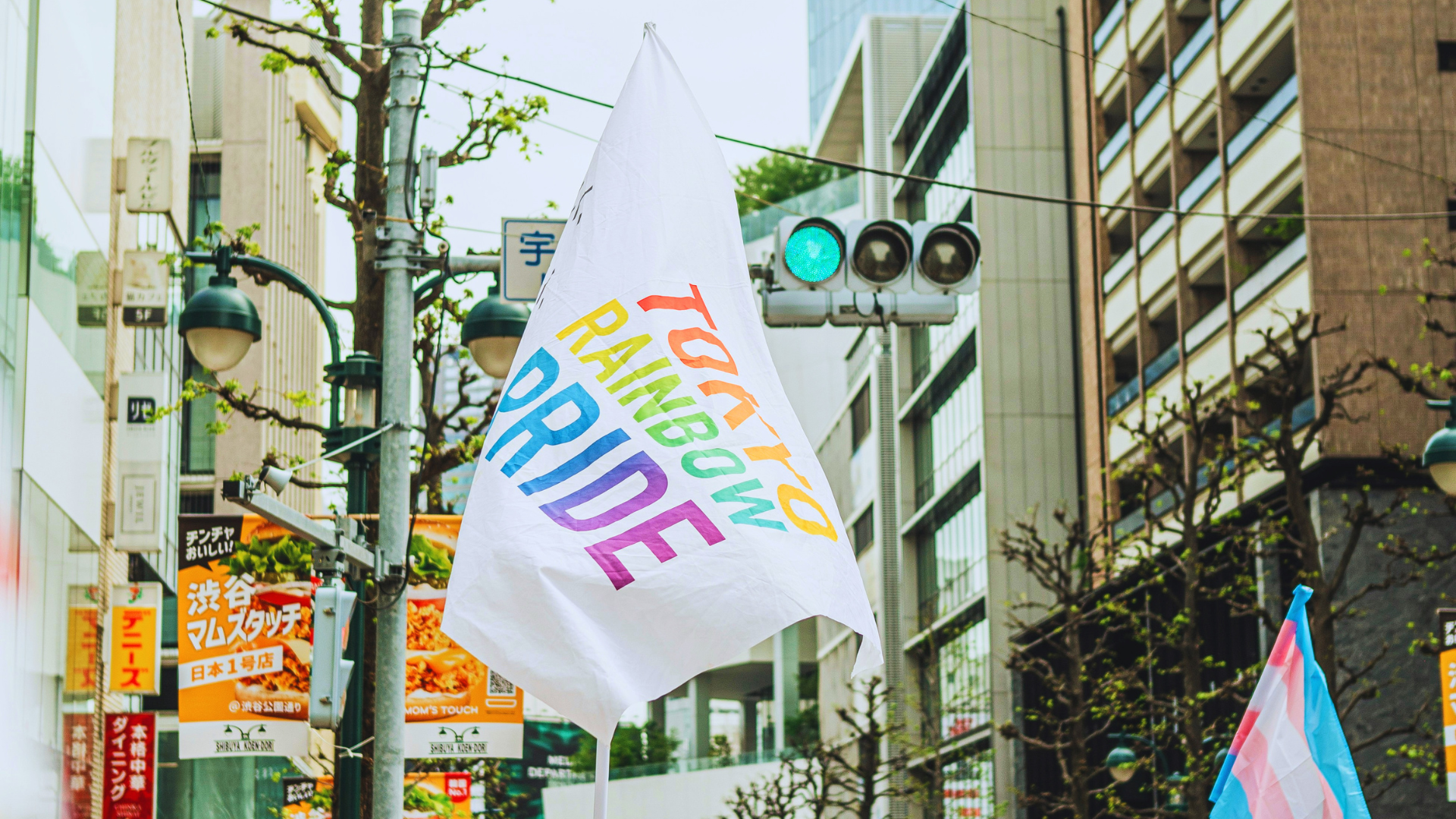

Travelling anywhere for the first time as a member of the LGBTQIA+ community can come with its complications. But we’re happy to tell you that the hardest thing about travelling as a queer person in Japan is deciding where to go.
The country is super safe no matter how you identify, and has a whole host of amazing things to do, places to visit, and sights to see. To help you plan your Japan trip, we’ve put together this epic 7-day queer Japan itinerary that will take you through all the must-sees, lots of hidden gems, and a sprinkling of queer-specific destinations.
The Best Way to Plan Your Trip…
Let us help you! We’re a local Japan travel agency and member of IGLTA that offers full scope travel planning services as well as ultimate one-day tours. Start by checking out our private tours of Tokyo, Kyoto, and Osaka.
Is It Safe to Visit Japan as a Queer Person?
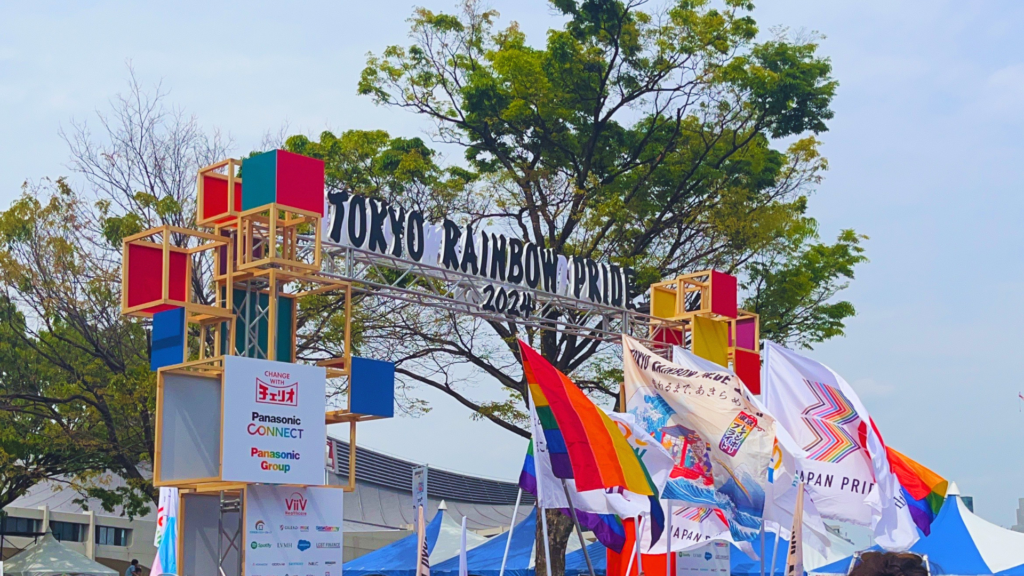
Yes. Japan is one of the safest countries in the entire world for anyone, and that includes members of the LGBTQIA+ community. Reports show that hate crimes against queer people happen less often than in most Western countries, making it a place where you can feel safe to explore without fear of being harassed.
We would go so far as to say Japan is one of the best queer destinations in the world. Here you can find amazing LGBTQIA+ communities, counter-culture, and queer art, on top of the more mainstream reasons that make the country one of the most sought-after travel destinations universally.
That being said, the civil rights are not quite as progressive. Same-sex marriage isn’t legal, and although trans people are able to legally change their gender, it is usually only approved if someone has undergone sexual reassignment surgery.
In other words, you should face very little discrimination (if any) as a tourist in Japan, but living there full-time as a resident does come with complications.
Japan Travel Tips for LGBTQIA+ Travellers
Despite being extremely safe and familiar with queer travellers, Japan can still present certain queer travellers with some complications. For a full breakdown, you can check out our LGBTQIA+ Japan travel guide, but we’ve also listed some of the most important travel tips below:
- PDA (anything more than hand-holding) for queer or straight couples in Japan is frowned upon, especially on public transport
- Hotels and ryokan are generally welcoming to same-sex couples, and sharing a room rarely raises any issues
- If staying at a ryokan, consider requesting the correct gendered yukata in advance, as staff may automatically provide one male and one female set
- Some traditional ryokan may not accept same-sex couples, so it’s worth checking policies or contacting the property before arrival
- A lot of love hotels outside of the major queer districts don’t allow same-sex couples to enter
- Public onsen are separated by gender, so for trans and non-binary travellers, a private onsen might be the most comfortable experience
- Same-sex couples can enter a public onsen together, but should avoid any form of physical intimacy; for a more romantic option, we recommend private onsen
- Tokyo and Osaka are home to thriving LGBTQIA+ communities, with Nichome and Doyamacho serving as the country’s best-known queer districts
- If nightlife isn’t your thing, look for queer meetups, film screenings, language exchanges, and community events through Instagram, Meetup, and Reddit
Our 7-Day Queer Japan Itinerary
Now, let’s get to our one-week Japan travel itinerary, designed specifically for first-time visitors under the LGBTQIA+ umbrella.
Day 1 – Sumo and East Tokyo
Morning:
We like to recommend that all first-timers in Japan start out in Tokyo. It’s the capital, and the city where you can truly find a little bit of everything. Then, seeing as food is almost always a major reason someone wants to visit Japan, we think the place in Tokyo to stop by first has to be Tsukiji Market.
Full transparency: the original wholesale fish auctions that made Tsukiji famous have moved to Toyosu. However, trust us that Tsukiji’s outer market is still an absolute treasure trove for foodies in Japan.
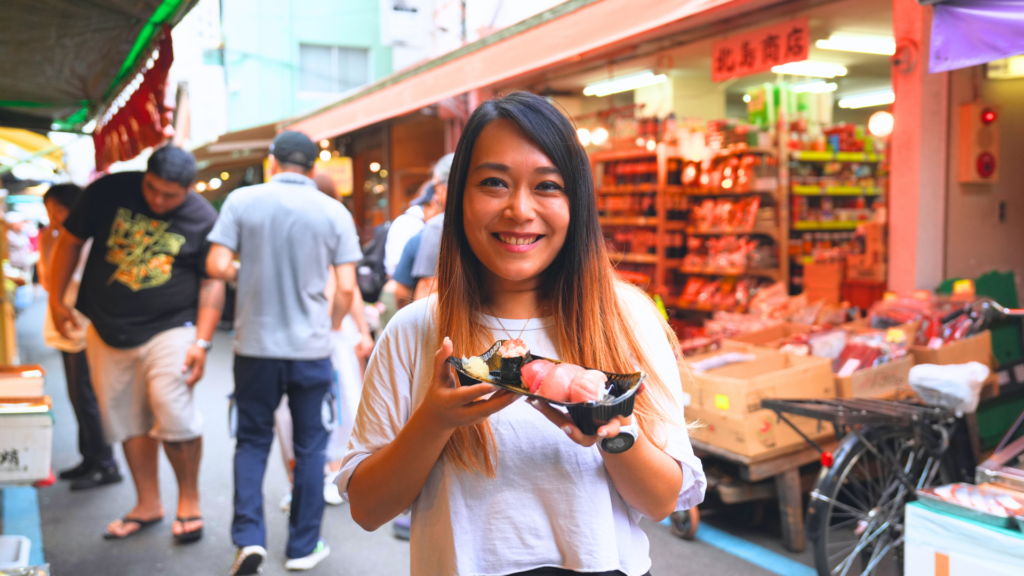
Here, you can snack your way through breakfast, trying bites and skewers of every kind imaginable as you move through the different stalls. Buttery grilled scallops, rich wagyu skewers, beautiful chirashi bowls of fresh seafood…Tsukiji is always a great time.
Afternoon:
Once full, hop on the Oedo Line straight to Ryogoku, the historic sumo district. This is where you’ll find Ryogoku Kokugikan (Sumo Hall), where Japan’s official sumo tournaments take place. Unless you’re lucky enough to be in town during the major tournaments, we think the best way to experience sumo first-hand is by attending a sumo lunch demonstration at one of the training stables.
These experiences are hosted by retired wrestlers who will demonstrate their signature moves whilst also sharing personal stories from their training days. After, you’ll be served the traditional sumo lunch of chanko nabe. It’s a protein-rich hotpot made with a flavourful broth, seasonal veggies, tofu, and various meats.
Evening:
Before the day’s over, it’s time to fit in a little sightseeing. Head to Asakusa to see Senso-Ji, the most important Buddhist temple in Tokyo. The buildings are extremely stunning, and there are some great street food stalls on the left side. Locals come here to pray, burn incense for good fortune, and draw omikuji (paper fortunes).
This is also one of the best places in the city to try renting a kimono and doing a photoshoot. There’s just no beating the background. Don’t forget to get a glimpse of the nearby Tokyo Skytree before heading back to the hotel!
Choosing a Queer-friendly Hotel in Tokyo:
- International chains are always a safe bet for Japan as they are extremely familiar and welcoming to LGBTQIA+ travellers
- In terms of area, Nichome in Shinjuku is the gay hub of Tokyo (more on this below), and best for anyone looking for more of a queer nightlife scene, with Nishi Shinjuku being a quieter option that’s still very well connected
- Ginza is another central hub with access to everywhere you might want to be in Tokyo (but particularly good for shopping)
Check out our full guide on where to stay in Tokyo for first-time visitors:
Day 2 – Counterculture in West Tokyo
Morning:
Start day 2 in Harajuku, where counterculture has thrived for decades. Yes, Takeshita Street is fun, and we definitely think it’s worth popping in for the crazy crepes, colourful sweets, and ridiculously cute shops. But honestly, the real charm of Harajuku begins once you escape the crowds and wander into the side streets. Around Cat Street and the surrounding backstreets, you’ll find vintage shops, independent cafes, and ultra cool art pop-ups.
You also have to leave a bit of time to explore Yoyogi Park, which is just next to Harajuku Station. This is a place where even locals feel safe to drop some of Japan’s social expectations and be free. You’ll see people dancing, holding hands, and playing games, and it’s a super safe space to fully be yourself.
Afternoon:
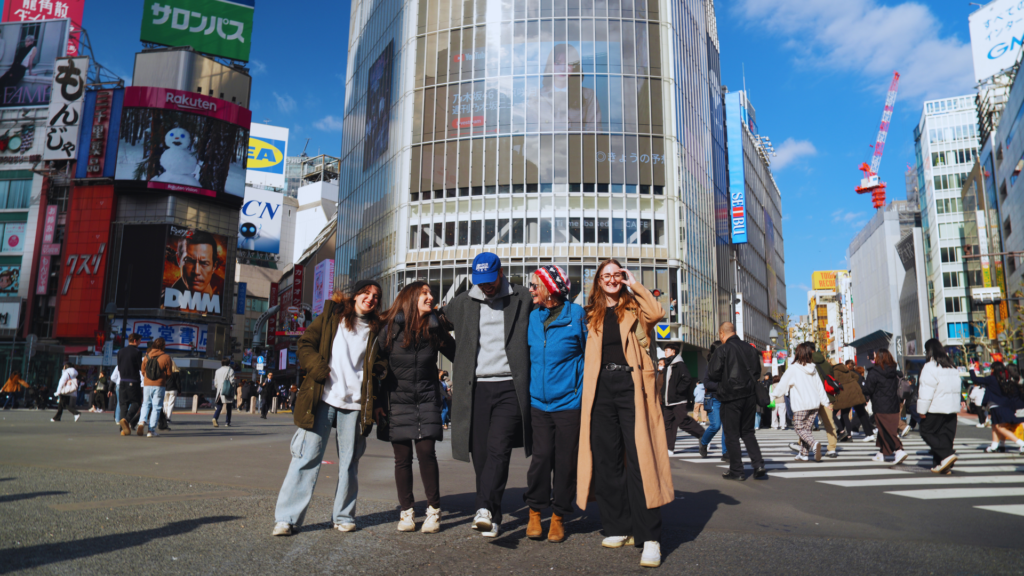
Once you’ve had your fill of Harajuku, you can take a taxi, the train, or just walk to the neighbouring Shibuya. Even if you’ve never been to Japan before, you’ve definitely already seen the famous Shibuya Scramble Crossing. It’s every bit as chaotic in person, and no first-time visit to Tokyo is complete without crossing it yourself (and seeing the Hachiko statue next to it).
After that, we’d recommend simply enjoying Shibuya at your own pace. It’s super busy, with lots of shopping, cool record stores, and endless restaurants. It’s also worth noting that Shibuya has played an important role in Japan’s LGBTQIA+ movement, as in 2015, it became the first ward in Japan to recognise same-sex partnerships.
Evening:
In the evening, it’s time to explore Shinjuku. It’s another central Tokyo hub, and also the home of Nichome, which we’ve heard called the largest gay district in Asia. There are so many gay and lesbian bars, karaoke joints, and queer-friendly love hotels, making it THE place to go out.
Day 3 – Akihabara and Ginza
Morning:
On day 3, we’re bringing you to Ginza. Even if designer shopping isn’t really your thing, it’s a lovely area to wander around. You’ll find beautiful department stores, flagship shops, art galleries, and plenty of cute cafes.
Of course, Ginza is also one of the best places in the city to treat yourself to an unforgettable meal. If you’ve been dreaming of sushi in Japan, this is the perfect excuse to book an omakase lunch, or you could opt for a wagyu steak dinner. After all, if you’re going to splurge anywhere, Ginza is the place to do it.
Afternoon:
Next, head north to Ueno Park for a completely different vibe. Within the park you’ll find plenty of greenery, museums, and a peaceful temple in the middle of a lake. It’s a great spot to stroll through and relax…and also home to the famous Punch the monkey in Ueno Zoo.
Just outside of the park is Ameya-Yokocho (Ameyoko), a lively market street packed with food stalls, discount shops, and all sorts of wonderfully random finds. It’s one of our recommendations for souvenir spots in Tokyo, especially if you’re interested in Japanese denim.
Evening:
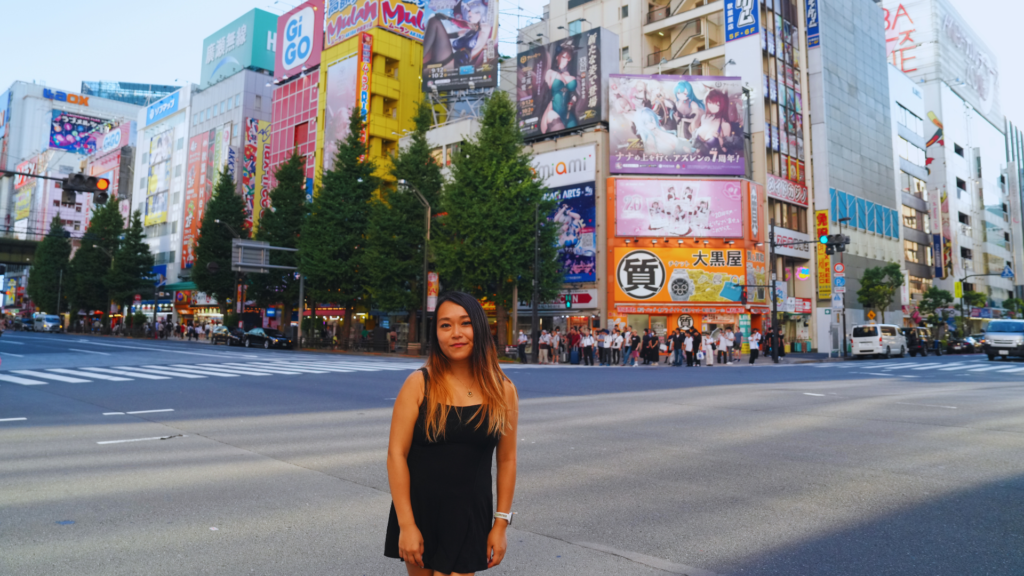
Finish the day in Akihabara, Tokyo’s mecca for all things anime, manga, gaming, and geek culture. There are countless arcades, gachapon machines, and multi-storey shops selling everything from Pokémon cards to retro consoles.
One thing we love about Akihabara is that there’s truly a fandom for everyone. For instance, beyond the mainstream anime and gaming scene, you’ll find entire stores dedicated to BL (Boys’ Love) and yuri (Girls’ Love) manga.
Day 4 – To Kyoto, Arashiyama, and Kinkaku-ji Temple
Morning:
It’s time to say goodbye to Tokyo and head to Kyoto, Japan’s old capital, famous for the historic streets and buildings that have barely changed since the Edo Period. To get there, take the bullet train from Tokyo Station to Kyoto Station, which takes around 2 hours. If you can, sit on the right-hand side of the train (seats D and E in ordinary class) for the best chance of seeing Mount Fuji.
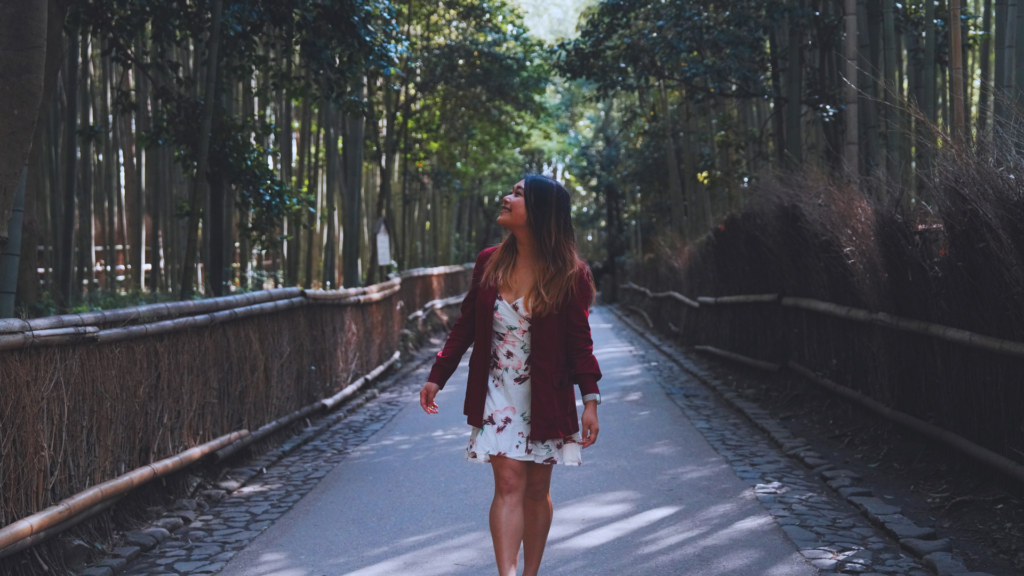
Once in Kyoto, drop your luggage at a station locker (we promise they are super safe), and head straight to Arashiyama Bamboo Grove. It’s just as spectacular in person as it looks in photos…although do be prepared for it to be reasonably crowded.
Afternoon:
Next, we think you should head over to Shunkoin Temple. It’s found within the larger Myoshinji temple complex, which was first established in 1590. Shunkoin Temple is the first and only Japanese temple to offer same-sex marriage spiritual ceremonies, along with a whole host of other interesting experiences like Zen meditations and calligraphy workshops.
After, hop on the bus for 10 minutes to reach Kinkaku-ji, also known as the Golden Pavilion. As the name suggests, the building is completely covered in shimmering gold leaf, and is absolutely gorgeous.
Evening:
We don’t think there’s a better way to unwind in Kyoto than with a private onsen experience. The city is known for having an abundance of ryokan with an in-room bath, or you can reserve a kashikiri buro (private bath) for an hour or two. For couples, this can be wonderfully romantic, but even individuals or groups who don’t feel comfortable at a public onsen will find the experience relaxing and rejuvenating.
Booking a queer-friendly ryokan in Kyoto:
- Look for international-friendly ryokan, as these are generally more used to diverse guests and less likely to raise any issues with same-sex couples sharing a room
- Nagomi-Ryokan Yuu and Kyomachiya Ryokan Sakura Urushitei are two examples of queer-friendly ryokan in Kyoto
- If booking directly or through a smaller traditional ryokan, it can help to message (or ask your travel planner to message) in advance and confirm room arrangements and check-in details, as policies can vary more in family-run properties
Day 5 – Historic Kyoto
Morning:
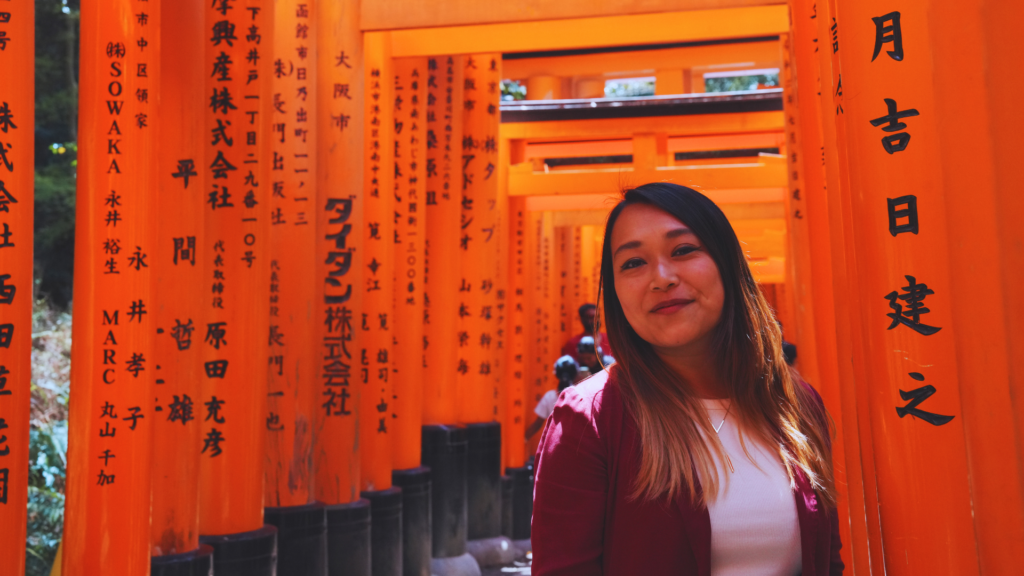
You’re going to want to be up and moving early on day 5 to avoid the worst of the crowds at Fushimi Inari. We’re not sure if there’s anything quite as iconic as those stunning vermilion torii gates that seem to stretch on forever. This is one of Kyoto’s most photographed spots, and unfortunately, it is worth the hype.
We recommend taking your time wandering up the lower trails, where you’ll pass smaller shrines, fox statues, and peaceful viewpoints over the city. You don’t need to hike all the way to the top unless you want to, but even a short walk gives you a real sense of why this place is so special.
Afternoon:
Next, head towards Kiyomizu-dera, one of Kyoto’s most iconic temples, perched on a hillside overlooking the city. The temple grounds are full of little things to explore, such as the Otowa Waterfall where visitors drink from three streams said to bring health, success, and love.
On your way down, you should wander through Sannenzaka and Ninenzaka, two beautifully preserved streets lined with tea shops, pottery stores, and sweet cafes. They are paved with stone steps, and the views are fantastic…just try not to trip, as there’s a local superstition that it will bring you years of bad luck.
You should also try to stop by Nishiki Market if you can. It’s the go-to culinary spot in the city with 100+ food stalls and souvenir shops.
Evening:
For your last evening in Kyoto, we recommend exploring Gion, Japan’s most famous geisha district. The narrow streets are filled with wooden machiya townhouses, with lantern-lit alleys, quiet teahouses, and some world-class restaurants. We really suggest trying to book a kaiseki course dinner here, although it can be super tricky without a Japanese speaker or local travel planner (like us here at Flip).
Day 6 – Nara Day Trip and Doyamacho

It’s day trip time! In just under an hour by train from Kyoto is Nara. If you don’t know the city by its name, you’ll know it by its deer…yes, the hundreds (maybe thousands) of friendly bowing deer that roam the area around Nara Park freely.
After taking in the deer, you have to visit Todai-ji Temple, one of Japan’s most impressive historical landmarks and home to a giant bronze Buddha. It’s also in Nara Park and well worth the 800 yen entry fee.
Learn more about Nara:
Evening:
Towards the end of the day, you’ll want to head over to Osaka, which takes around 35 to 45 minutes depending on your route. Once you arrive, head straight to Dotonbori for dinner. It’s a neighbourhood known for food (within a city known for food), and the perfect place to try local classics like takoyaki (octopus balls) and kushikatsu (deep-fried skewers).
If you’re looking for some nightlife, head over to Doyamacho, Osaka’s main LGBTQIA+ district near Umeda. The vibe here is more local and laid-back than Tokyo’s Nichome, with a mix of bars, karaoke spots, and community hangouts tucked into quiet side streets.
Choosing a Queer-friendly Hotel in Osaka:
- International hotel chains and larger modern hotels in Osaka are generally very LGBTQIA+-friendly and well used to hosting same-sex couples
- For location, Umeda is a great central base with excellent transport links and easy access to Doyamacho (Osaka’s queer district)
- Namba is another popular option, especially if you want to be close to Dotonbori and Osaka’s larger food and nightlife scene
Day 7 – Osaka Castle and Umeda
Morning:
We know you’re going to be feeling pretty sad as you wake up on your final day in Japan, but don’t worry, day 7 is packed with enough cool things that you’ll quickly get distracted.
Spend the morning at the picture-perfect Osaka Castle. It’s built within a large park and surrounded by moats and gardens, and is completely and utterly beautiful. Inside, you’ll find a small museum charting the history of Toyotomi Hideyoshi and the castle’s role in Japan’s unification, but honestly, the real highlight is just walking around the grounds and taking in the views.
Afternoon:
There’s no way around it, you have to try okonomiyaki for lunch. This savoury Japanese pancake is a true Osaka speciality, made with cabbage, batter, and your choice of fillings like pork or seafood. It’s grilled on a hot plate right in front of you and finished with a generous drizzle of sauce, mayonnaise, and bonito flakes.
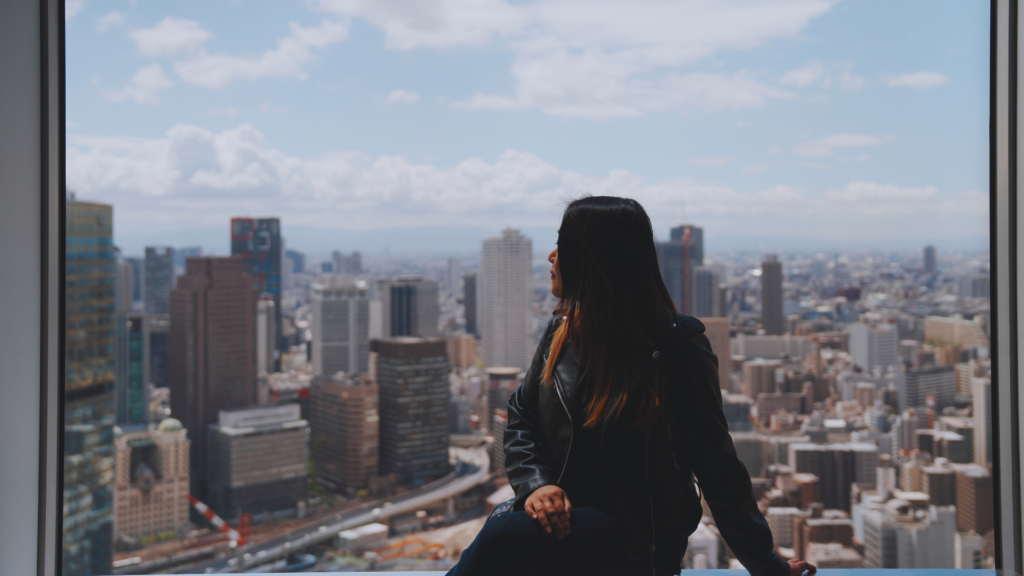
Our final stop is in Umeda. This area feels a bit more modern and fast-paced, with huge department stores, underground shopping streets, and endless places to grab a last-minute souvenir or snack. We also think a visit to Umeda Sky Building is super worth it. Its floating observatory offers panoramic views across Osaka that are especially beautiful later in the day as the city starts to glow at sunset.
7-Day Queer Japan Itinerary FAQs
Is Japan safe for gay travellers?
Japan is considered incredibly safe for gay travellers. Hate crimes against queer people are lower than in most Western countries, with crime rates in general being some of the lowest in the world.
What is the most gay city in Japan?
Tokyo is generally considered Japan’s most LGBTQIA+ friendly city, largely thanks to Shinjuku Nichome, one of the largest queer districts in Asia. Osaka also has a vibrant queer scene centred around the Doyamacho neighbourhood.
Is gay marriage legal in Japan?
No, same-sex marriage is not currently legal nationwide in Japan. However, several court rulings have found the lack of marriage equality to be unconstitutional, and many local governments now offer partnership certificates to same-sex couples.
Is Japan LGBTQ-friendly for tourists?
Yes. Japan is widely thought of as one of the safest countries in the world, and LGBTQIA+ travellers generally experience very few issues while visiting. While attitudes towards sexuality can be more private than in some Western countries, overt discrimination against tourists is uncommon.
How are LGBTQ people treated in Japan?
Experiences vary, but LGBTQIA+ people in Japan generally face more social invisibility than open hostility. Legal protections and social acceptance are slowly improving, although many queer Japanese people still choose to keep aspects of their identity private, particularly outside major cities.