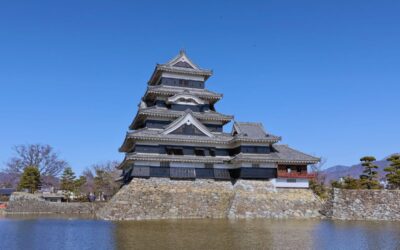
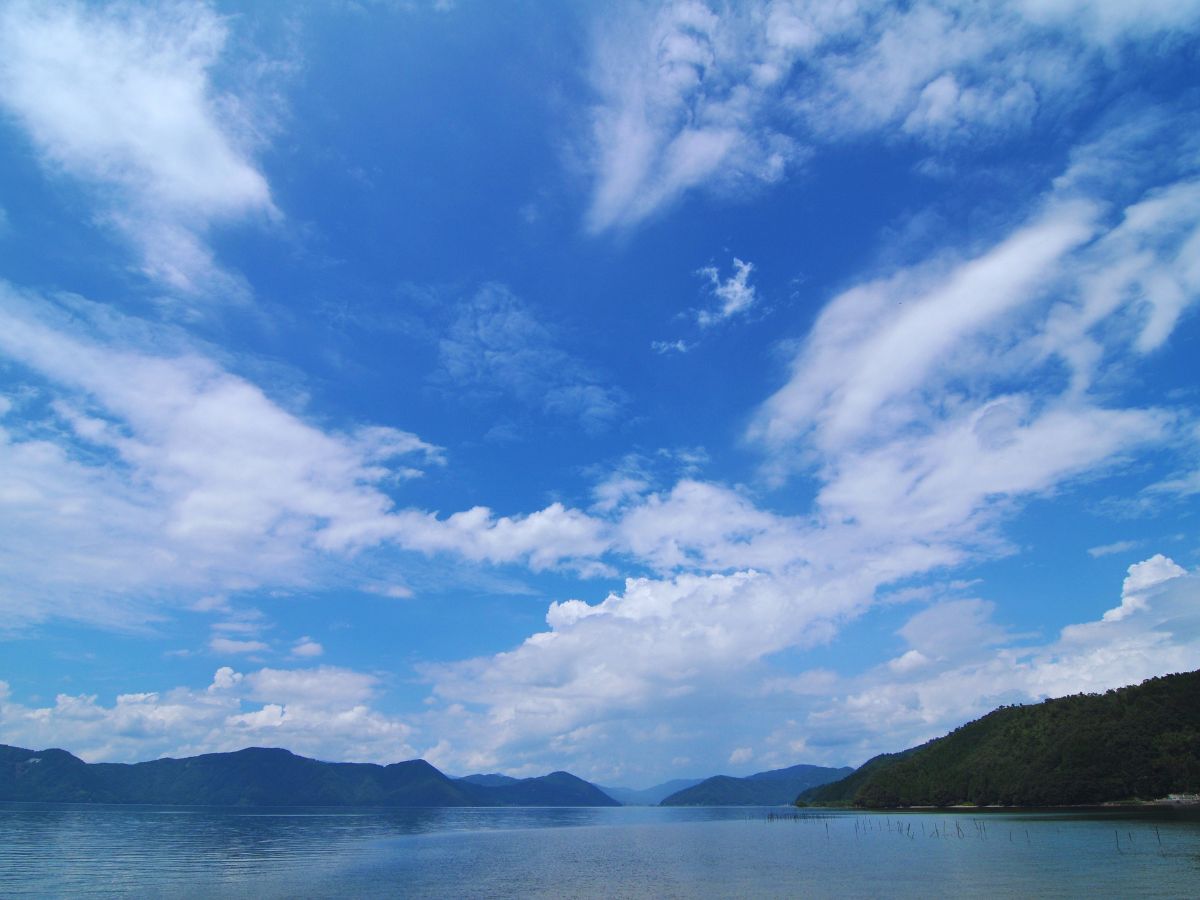

The first time I saw Lake Biwa properly, from the window of a Biwako Line train pulling into Otsu, I was surprised by how big it actually is. You hear “Japan’s largest lake” and your brain still pictures something you could walk around in an afternoon. It isn’t that. The water stretches out until it meets the hills on the far side and just keeps going. If you’re searching for Lake Biwa things to do because Kyoto alone isn’t cutting it, that scale is reason enough to make the trip.
Most people heading to Kyoto never get that view, because they come in from Osaka on the other side of the city and Biwa stays out of sight the whole trip. That’s part of why I think it gets overlooked, and honestly, it baffles me a bit. It sits right on Kyoto’s doorstep, close enough to visit on a half day trip, yet it barely registers on most itineraries. It really should be on the list of more people’s list of things to do in Japan during their visit.
Getting to Lake Biwa
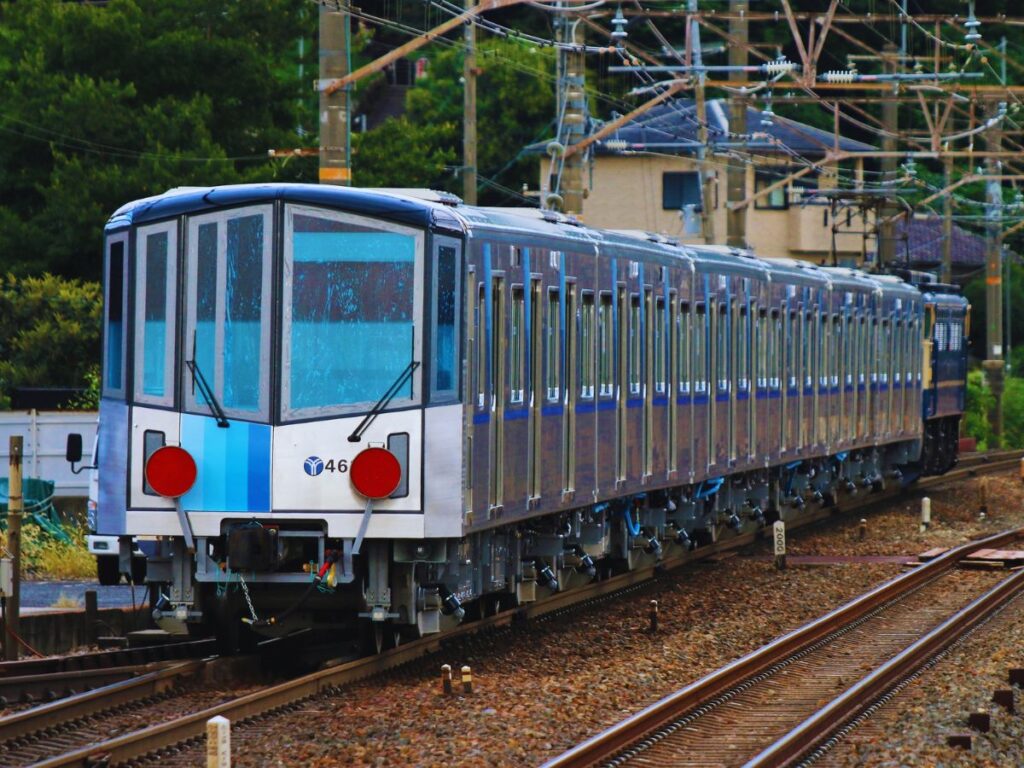
Otsu, the city at the southern tip of the lake, is around ten minutes from Kyoto Station on the JR Biwako Line, closer than some parts of Kyoto are to each other. Coming from Osaka is just as simple on the same line. If you’re arriving from the Kanto region or connecting off the Shinkansen, Maibara further north is the more useful stop.
Once you’re there, trains and local buses cover most of the southern and eastern shore, though a bicycle opens up more of the lake if you have the time. A word of warning though: local buses out towards Enryakuji and the western shore run less frequently than the trains, and timetables at smaller stations are often only posted in Japanese, so a quick screenshot of your route before setting off saves a lot of standing around at the platform looking confused.
Some of these local stations weren’t exactly built with luggage or strollers in mind either, so if you’re travelling with either, budget extra time for stairs and narrow platforms rather than assuming elevators will be there. The official Biwako Visitors site is a decent place to double check seasonal transport changes before you travel, since some routes run less often outside peak months.
Things to Do Around Lake Biwa
Climb Hikone Castle
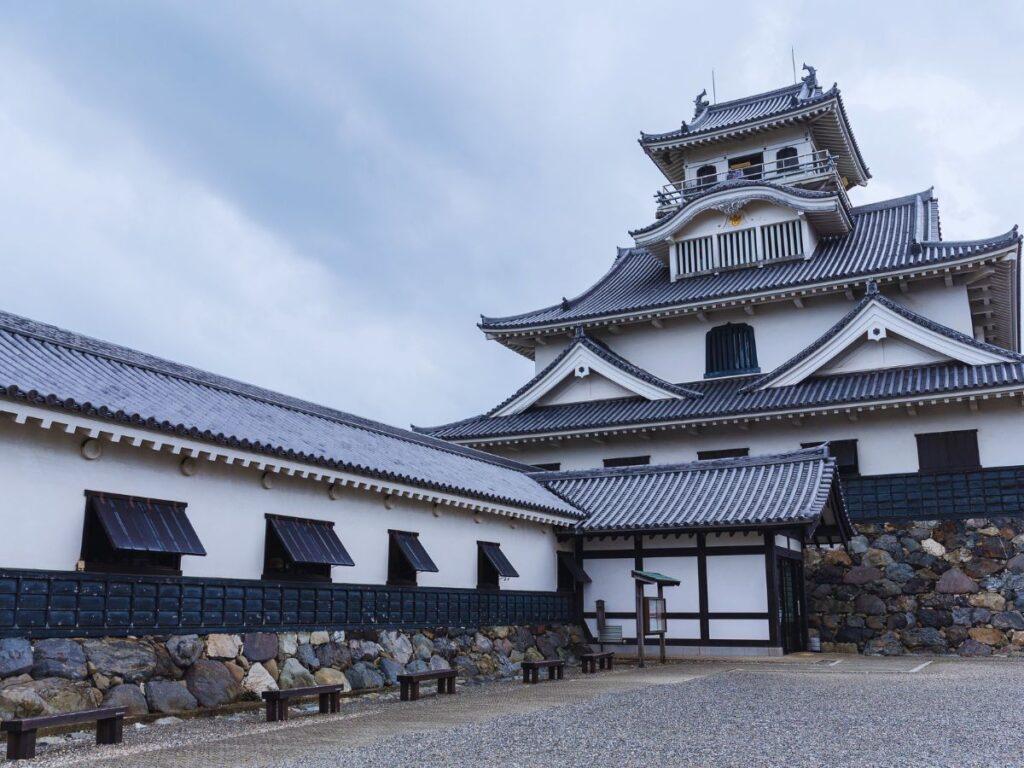
Hikone Castle is the one I’d put at the top of the list, and I say that as someone generally skeptical of anywhere billed as a must-see. Most castles you visit in Japan today are concrete reconstructions from the twentieth century, rebuilt after wartime damage or general decay over the centuries. Hikone’s keep, on the other hand, is original (making it roughly 400 years old), and one of only a handful left standing in that condition, which is why it holds National Treasure status.
The staircases inside are narrow and steep, so wear proper shoes and don’t expect it to be an easy stroll. Genkyu-en, the garden at its base, is a good place to sit with matcha afterwards and let your legs recover while you look back at the keep from across the pond.
Cycle the Biwaichi Route
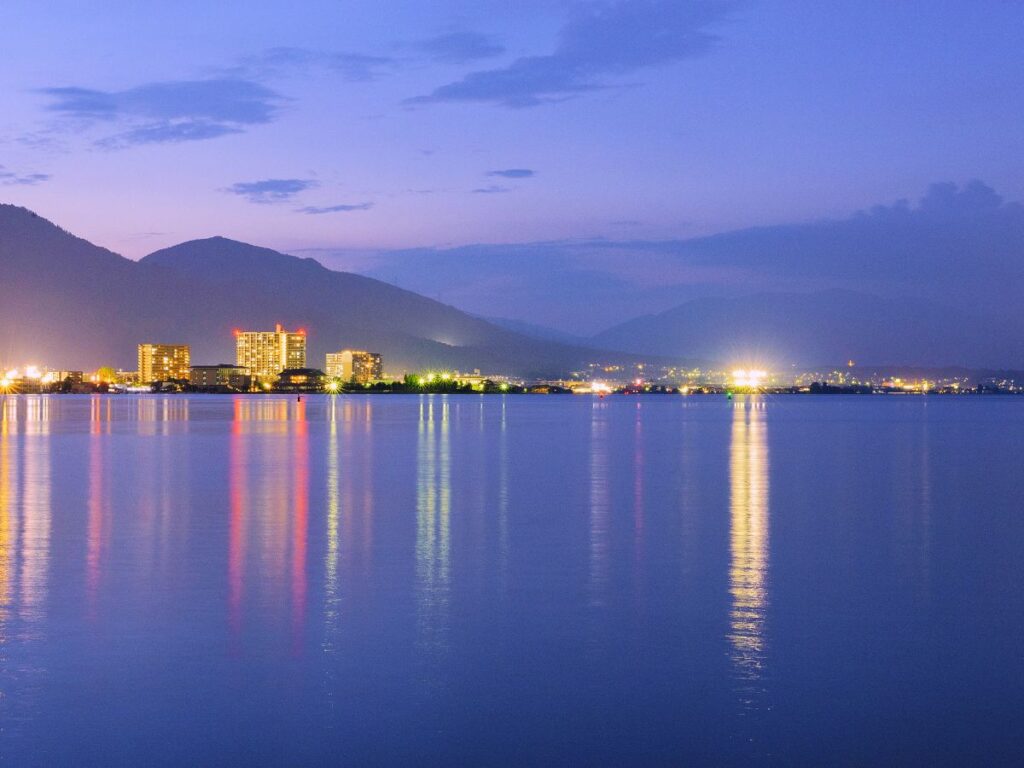
Cycling the Biwaichi route is the other big draw, a roughly 200 kilometre path that circles the entire lake. Very few people do the whole loop in one go (for obvious reasons), and you don’t need to, no matter what the fitness influencers doing it in a single day on social media might have you believe.
A shorter stretch from Otsu up towards Omi-Maiko gives you a proper sense of the lake’s scale in a few hours, while the full route usually gets split over two or three days with overnight stops along the way. Rental shops in Otsu and Moriyama offer half-day and full-day options, and the paths themselves are flat enough that beginners manage them fine.
Cruise the Lake or Sail Out to Chikubu Island
The Michigan is a paddle steamer that’s been running out of Otsu Port since the 1980s, named after Shiga’s sister state relationship with Michigan in the US. Bookings and timetables are on the Biwako Kisen site. Be sure to check it ahead, especially in summer since the popular afternoon sailings fill up. It’s clearly built for sightseeing rather than transport, buffet trays and all, but the views out towards Mount Hiei and Mount Hira from the deck are worth it.
Ferries from Nagahama, Imazu, or Hikone Port also cross to Chikubu Island in the northern part of the lake, where Hogon-ji Temple and Tsukubusuma Shrine sit. There’s a local tradition of throwing a small clay disc off the hillside and trying to get it through a torii gate below for good luck. I’ve tried it twice and missed both times, so consider yourself warned that the wish granting rate may be exaggerated.
Paddle Past the Torii at Shirahige Shrine
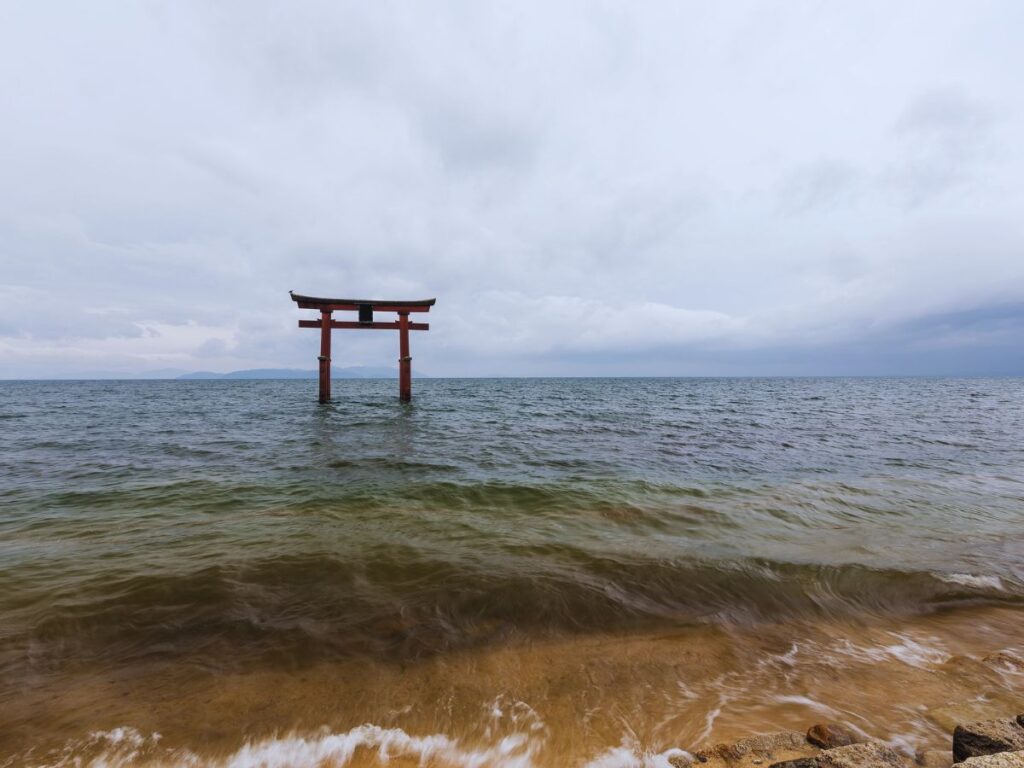
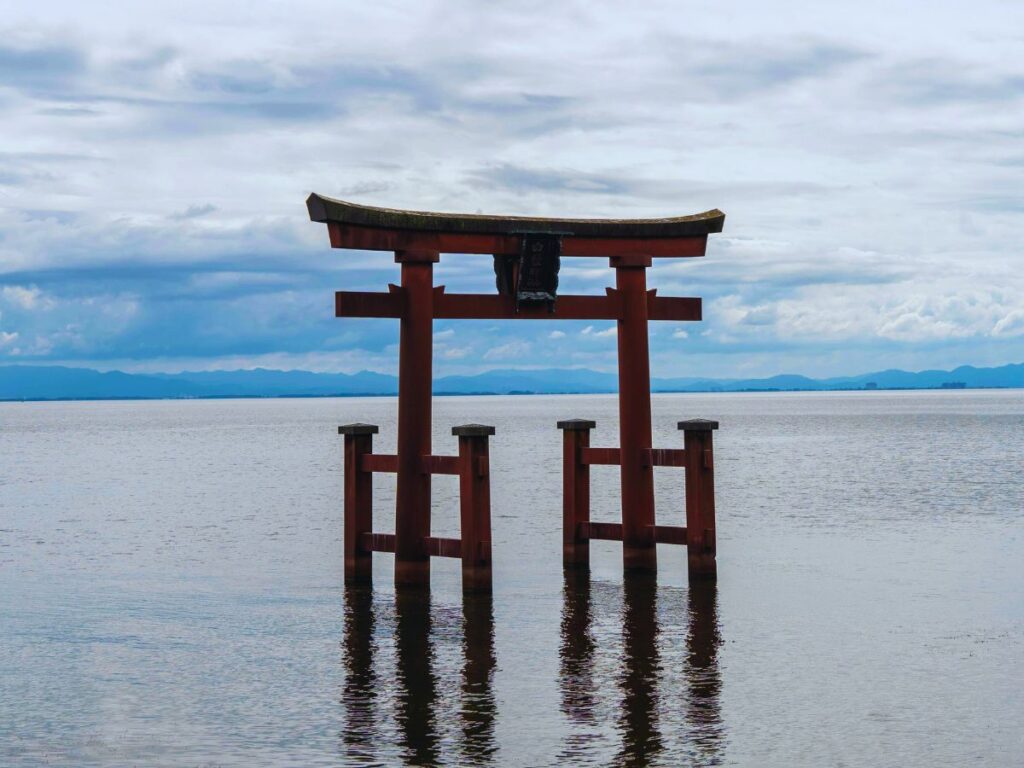
Shirahige Shrine is THAT torii gate that shows up in most photos of Lake Biwa, standing out in the water rather than on land. The road running past it is narrow with nowhere safe to cross if you’re on the wrong side, so traffic backs up badly on weekends and holidays. Going early in the morning helps a lot, and honestly, fighting through a crowd of tripods for one photo isn’t how I’d want to spend a morning.
A better way to experience it, if you have the time, is paddleboarding or kayaking past the gate instead, which a handful of local operators run from spring through autumn. Seeing it from the water rather than the roadside is a completely different experience, and you get the shot without anyone else’s elbow in it.
Visit the Lake Biwa Museum
If the weather turns, the Lake Biwa Museum near Otsu is worth the detour, built around the theme of the lake and the people who’ve lived alongside it. Its freshwater aquarium is one of the largest of its kind in Japan, and the giant Lake Biwa catfish kept there has become something of an unofficial mascot for the place, in a slightly ugly, slightly lovable way.
Wander the Canals of Omihachiman
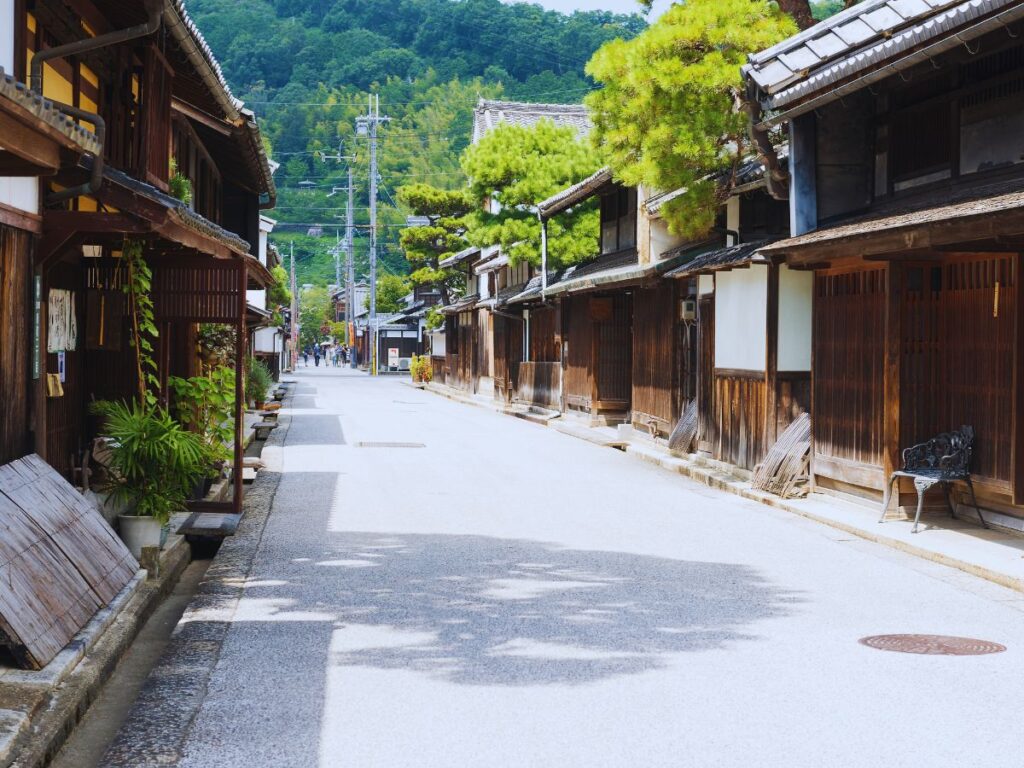
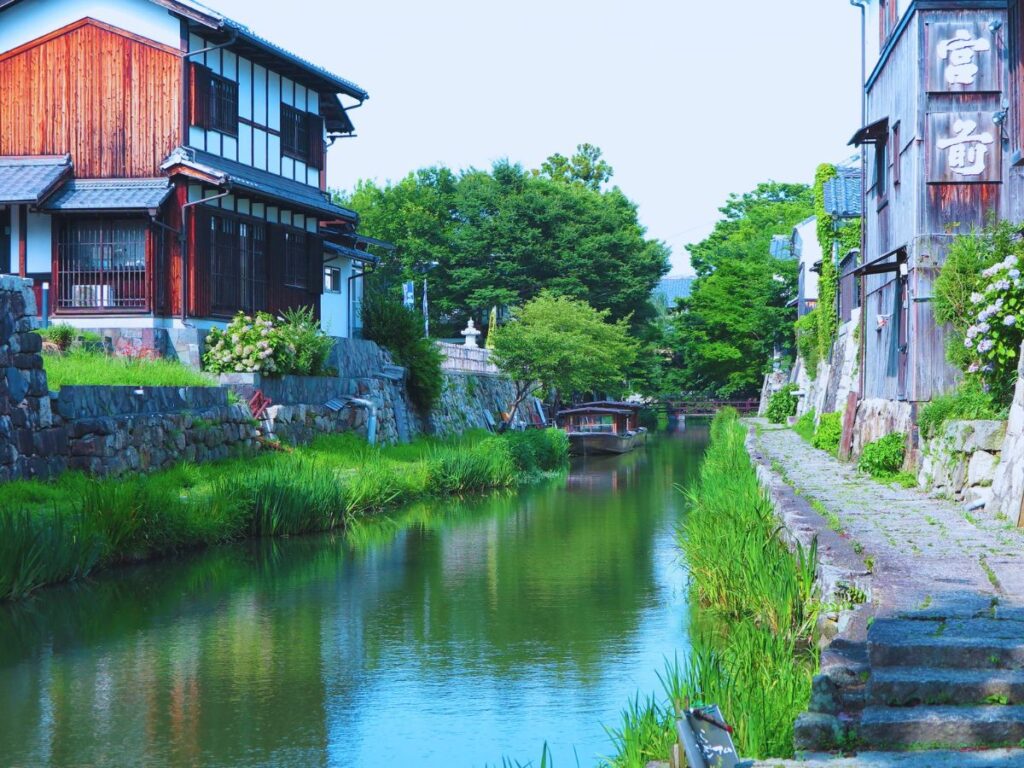
Omihachiman, a little further round the eastern shore, is a smaller and quieter alternative to Kyoto’s old merchant districts. Its canals were built centuries ago for trade, and you can still take a boat down the main waterway past the old warehouse buildings, or ride the ropeway up for a wider view over the town and the lake beyond.
Walk Mount Hiei and Enryakuji
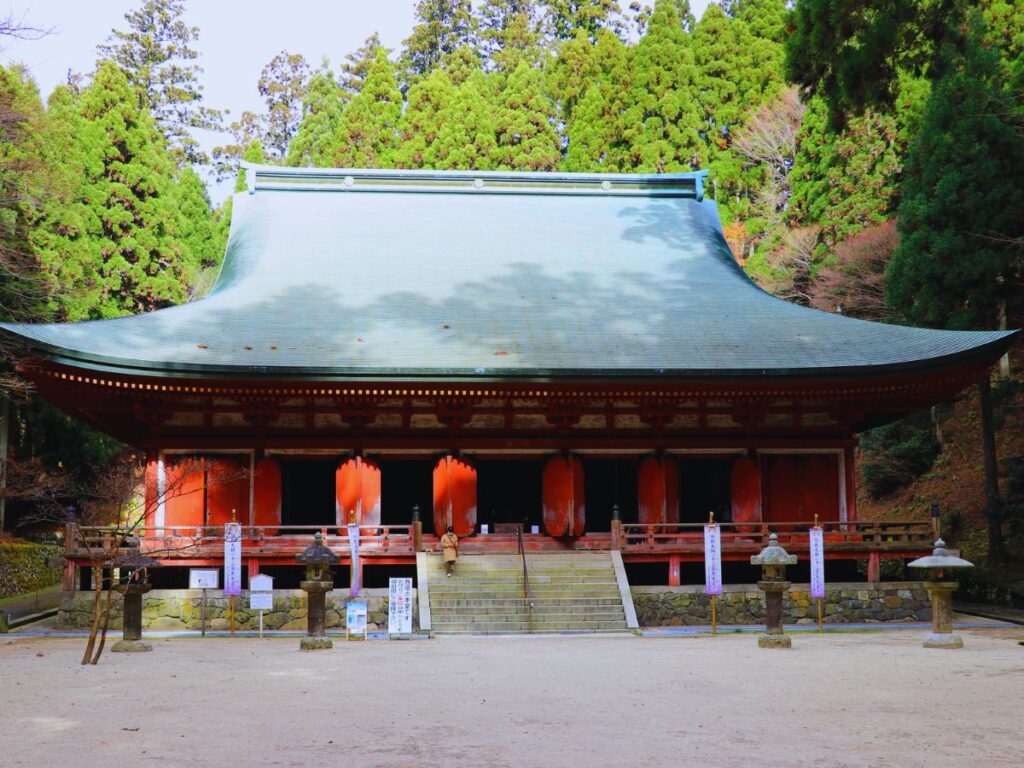
Mount Hiei is directly behind Otsu and Sakamoto, and Enryakuji, its main temple complex, has been the head temple of its sect since it was founded in the eighth century. The easiest way up is the Sakamoto cable car, which is worth doing for the ride alone, climbing slowly through the trees before the halls and pagodas start appearing.
If you add this to your itinerary, know that it’s at least a half day out rather than a quick stop, and the complex is spread out enough that you’ll want decent shoes and a bit of patience.
See Nagahama’s Glass Town and Second Castle
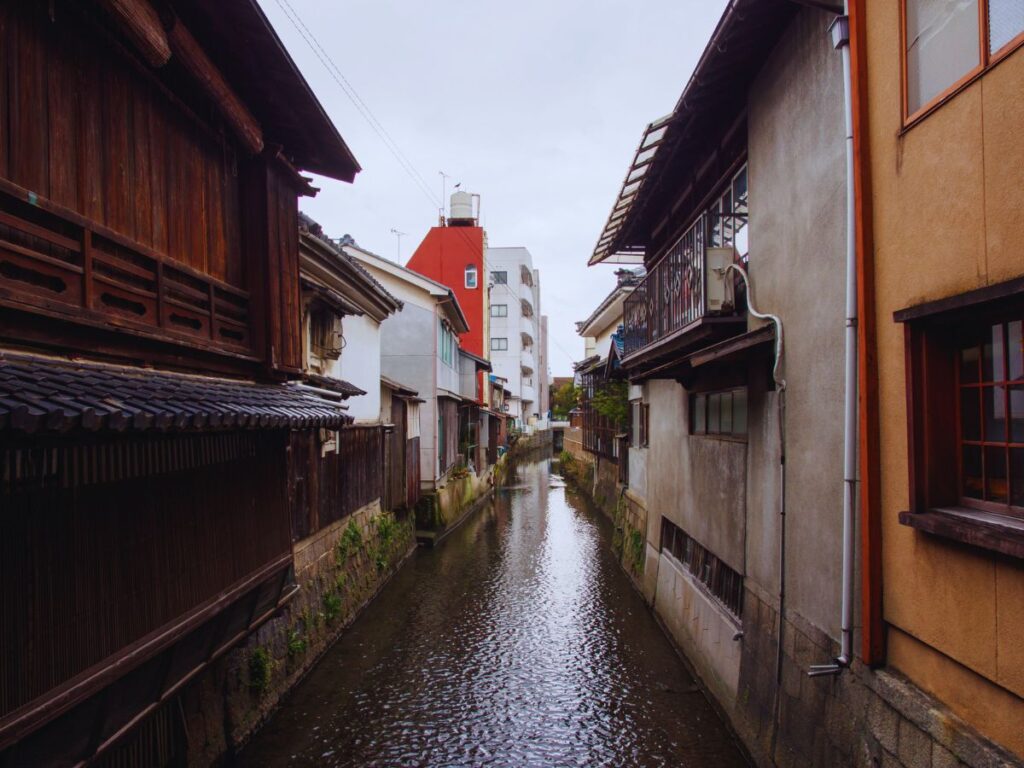
North of Hikone, Nagahama has its own castle and its own pace, built around Kurokabe Square, a stretch of Edo period buildings that now house glassware workshops and shops. It’s a good spot to slow down for an afternoon, and a good excuse to buy something pretty (but small and breakable that you’ll then have to carry carefully for the rest of the trip).
Swim, Hike or Ski on the Western Shore
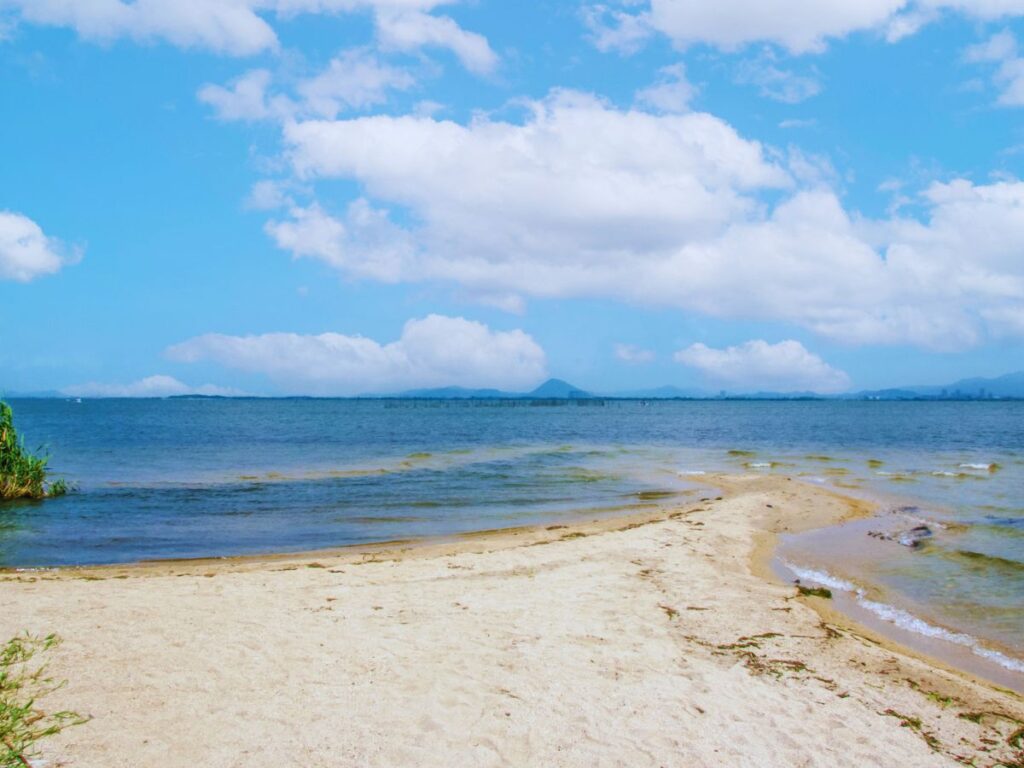
In summer, Omi-Maiko Beach on the western shore is where locals actually go swimming, freshwater rather than seawater, so no salt and no jellyfish to deal with. Getting in the water itself is free, though driving means paying for the car park, and if you’re planning a beach barbecue rather than just a swim, that’s a separate 500 yen charge per person.
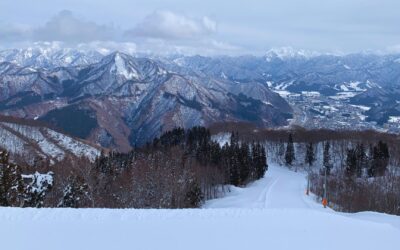
If you’d rather stay dry, the Hira Mountains behind the western shore have hiking trails with views back down over the water, and in winter the Biwako Valley Ropeway up Mount Horai switches over to a small ski resort with the lake laid out below the runs.
Eat Funazushi and Omi Beef
Funazushi is the dish most tied to the region. It is fermented carp preserved in rice over months, and yes, it’s an acquired taste even by Japanese standards. Still, I’d say try a small portion at a proper local restaurant rather than skipping it altogether. It gives you a sense of what people here were eating long before sushi meant raw fish on rice.
Omi beef comes up just as often, one of Japan’s oldest wagyu brands, predating the more famous Kobe beef. You’ll find it in formal restaurants around Hikone, and in more casual forms like an Omi beef burger.
Catch the Biwako Fireworks Festival
If you’re around in August, the Biwako Fireworks Festival is worth timing a visit for, with around 10,000 fireworks fired over the lake. Book accommodation early if you’re aiming for this weekend though, since hotels around Otsu fill up fast and prices climb accordingly.
Soak in an Onsen on the Western Shore
For something quieter, a handful of onsen along the western shore near Makino and Imazu let you soak with a proper view over the water as the light drops. It’s a good way to close out a day of cycling or castle climbing without needing to head back into Kyoto for the evening.
Lake Biwa 2-Day Itinerary
Day 1: Otsu to Hikone
Start the morning in Otsu, since it’s the easiest point to reach from Kyoto. You can do either a Michigan cruise or, if the weather turns, the Lake Biwa Museum just along the shore. By early afternoon, take the JR Biwako Line up to Hikone, about twenty-five minutes from Otsu. Give yourself at least two hours for the castle itself, including the climb up to the keep, before dropping down to Genkyu-en Garden at its base.
From Hikone, it’s a short hop further north to Nagahama, where Kurokabe Square makes a good early evening wander among the glass workshops before dinner. Stay overnight in Hikone or Nagahama rather than doubling back to Kyoto, since either town is worth experiencing without a train timetable hanging over you.
Day 2: The Western Shore
Get an early start from Hikone, since the whole point of the day is beating the crowds to Shirahige Shrine. Whether you’re going by train and bus or cycling a stretch of the Biwaichi route, aim to be at the shrine by mid-morning at the latest, before the tour groups and the traffic along that narrow road really pick up. If you’ve booked a paddleboard or kayak session near the torii gate, this is the slot to do it in, since the water tends to be calmer earlier in the day too.
From Shirahige Shrine, head south along the western shore to Omi-Maiko for lunch, close enough to the shrine that it doesn’t eat into the day. In summer this also gives you the option of an hour on the beach if the weather’s playing along.
If you’d rather spend the afternoon on solid ground, the Hira mountains sit just behind this stretch of coast for a shorter hike with lake views on the way back down. Either way, plan to be back on a train towards Kyoto or Otsu by late afternoon, giving yourself enough buffer for the less frequent local services on this side of the lake.
We at Flip usually build Biwa in as a one- or two-night extension onto a longer Kyoto stay, since it slots in naturally without needing a separate trip, and it’s often the part of the itinerary clients say they didn’t expect to enjoy as much as they did.
See how we build custom itineraries for clients here.
Lake Biwa Things to Do FAQs
Is Lake Biwa worth visiting from Kyoto?
Yes, particularly if you’ve already spent a few days in Kyoto and want somewhere quieter with a different pace. Otsu is only around ten minutes away by train, so it can even be a half-day trip.
Can you swim in Lake Biwa?
Yes, several beaches open for swimming between July and August, particularly around Omi-Maiko on the western shore.
What is Lake Biwa famous for?
It’s best known for being Japan’s largest lake, for the floating torii gate at Shirahige Shrine, for Hikone Castle’s original keep, and for the Biwaichi cycling route that circles the entire shoreline.
Is the Biwaichi cycling route suitable for beginners?
Sections of it are, particularly around the flatter southern stretches near Otsu and Moriyama.
What’s the best time of year to visit Lake Biwa?
Summer through autumn tends to be the most popular window, especially for cycling, with lakeside breezes and clear views towards the surrounding mountains. Spring brings cherry blossoms around Hikone Castle, though it’s also the busiest time to visit.