
Most people planning a trip to Japan build their route around cities. Tokyo, then Kyoto, maybe Osaka, with a day trip to Nara squeezed in for the deer. It works, and it is a fine trip, I will not pretend otherwise. But somewhere around the third temple in a row, a lot of travellers start asking us a different question: where can we actually get outside?
Japan is one of the most mountainous countries in the world, and over two thirds of it is forest. There are active volcanoes, cedar groves older than most European cathedrals, coastlines that shift from black volcanic sand to white coral in a few hundred kilometres, and entire valleys with streams running over rocks. None of this is hidden exactly, it is just rarely the headline, mostly because Instagram prefers a torii gate to a mossy rock.
Planning a nature-focused Japan trip takes a different approach to route building than the standard city circuit, and after years of panning trips for clients, we at Flip have a fairly reliable process for it. Here is how we do it.
Step 1: Decide What Kind of Nature You Actually Want
This sounds obvious, but it is a step a lot of people skip, and skipping it is usually why a nature trip ends up feeling thin. Japan’s natural landscape splits into a few distinct types, and they do not overlap as much as you would think.
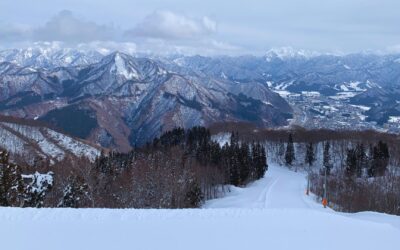
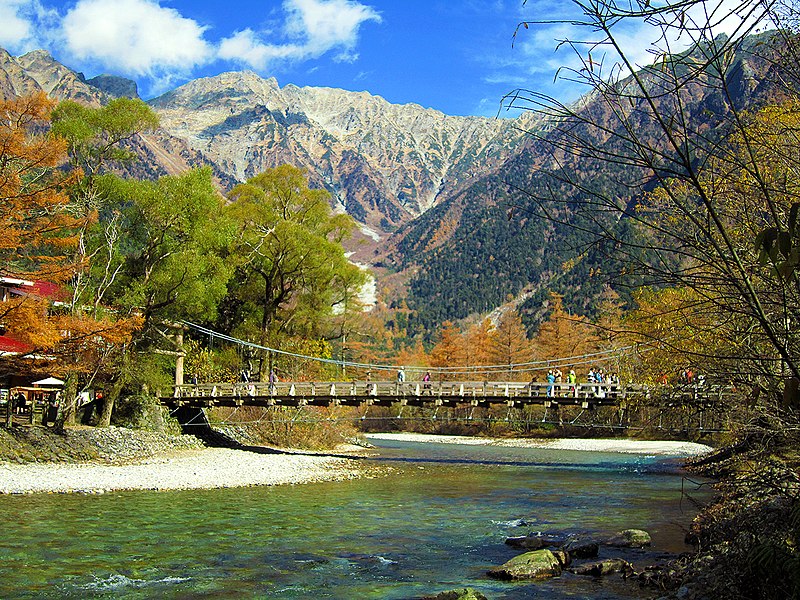
There is alpine Japan, the Northern, Central, and Southern Alps that run through Nagano, Gifu, and Toyama. This is a landscape of jagged ridgelines, and multi-day trekking routes, with places like the Hakuba Valley or the Kamikochi basin.
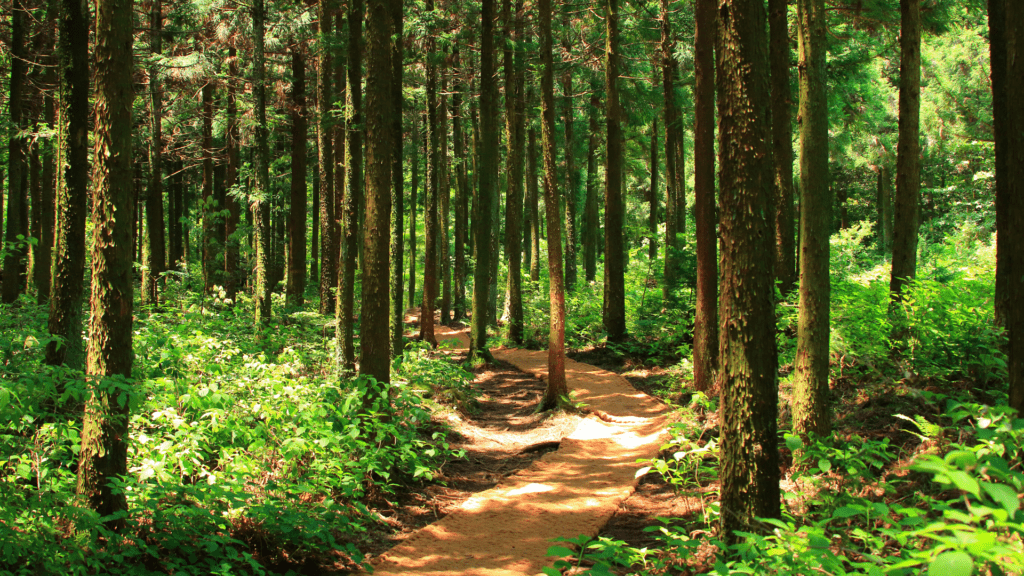
There is also a Japan of ancient forests, best represented by Yakushima off the southern coast of Kyushu, where you have moss-covered cedar trees. You can also find this atmosphere in the undisturbed beech forests of Aomori’s Shirakami-Sanchi, or along the trails of the Kii Peninsula.
You also have volcanic Japan, where you have steaming valleys and sulfur hot springs. You see it best in places like Hokkaido’s Noboribetsu or the crater lakes in Fukushima.
Then there is wide open wilderness. Hokkaido is the most famous example of this, with its sprawling national parks, and a sheer scale of empty land that comes as a shock to anyone used to Tokyo’s rush hour. But you can also find vast, sweeping landscapes elsewhere, like the Aso Caldera in Kyushu or the Sanriku Coast up in Tohoku.
Of course, there is also the coast. In fact, it is easy to forget how different the ocean looks depending on where you are in Japan. Down south in Okinawa, you have coral reefs and white sand. Further north, there are the calm waters of the Seto Inland Sea, or the steep cliffs of the Izu Peninsula. If you want to kayak, snorkel, or just sit and watch the tide come in, you need a completely different kind of route.

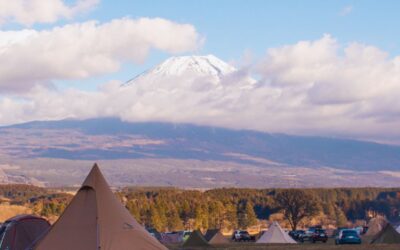
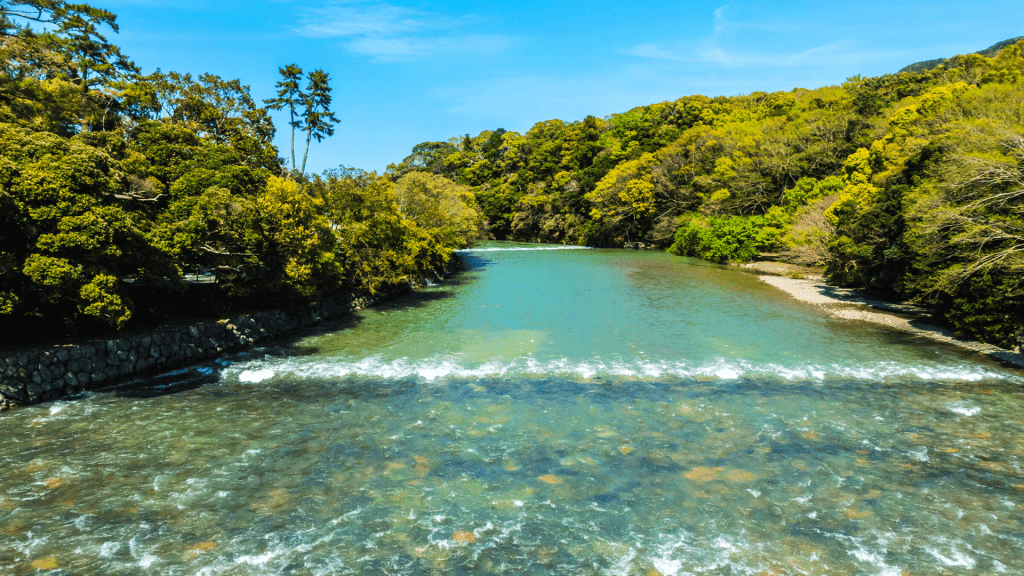
Finally, there is the gentler countryside version. This is the Japan of terraced rice paddies, thatched farmhouses, clear rivers you can swim in, and quiet family campsites around Hokuto or Saku where you can pitch a tent and cook over a portable stove for the weekend.
A client who wants to hike for six hours a day wants a very different trip from a client who wants to sit on a ryokan veranda and watch mist move through a valley. Both are nature trips, but they have almost nothing in common when it comes to routes, so be honest with yourself before you book anything.
Step 2: Choose Your Region for Your Nature-Focused Japan Trip
Once you know which version of nature you are chasing, the region usually picks itself.
If you want alpine scenery, the Kamikochi Valley in Nagano is a popular anchor. If it is ancient forest, Yakushima is non-negotiable. If you need wide open space, Hokkaido in summer offers national parks where you can hike for hours without seeing another group, which still feels slightly illegal after years of queuing for things in Kyoto.
And if you want the gentle countryside, somewhere like the Iya Valley in Tokushima or the Miyama region north of Kyoto gives you thatched roofs and vine bridges. If this kind of quieter, regional route appeals to you, it is worth browsing some off-the-beaten-path Japan destinations before settling on one.
What we try to steer clients away from is the handful of spots that have quietly become extensions of the city circuit, and I will be blunt about this one. Kawaguchiko, for example, which is practically unbeatable for the Mount Fuji view, is crowded now, with tour buses lined up at the photo spots by mid-morning and a parking situation that will test your patience.
Parts of Nikko have the same problem in autumn. These places are not bad, they are just no longer quiet. If quiet is part of what you are after, there is almost always a regional alternative with the same kind of scenery and a fraction of the foot traffic.
Step 3: Pick Your Season Around the Region
This is where a lot of independent planning goes wrong, and I watch people make this mistake constantly. They pick dates first, usually based on cherry blossoms or autumn leaves, and then try to fit a region into that window. We tend to work the other way around.
Spring outside the obvious cherry blossom hotspots is, for me, one of the best windows for a nature-focused Japan trip. Tourists usually assume the season ends in early April when the city blossoms fall, but getting out into rural regions stretches the window entirely.
The Japanese Alps are still snow-capped well into May. Because of the elevation change, you get this beautiful overlap where late blossoms are blooming in the mountains long after the rest of the country has moved on.
Autumn works the same way. Everyone wants Kyoto’s maple leaves in mid-November, but the colour change actually starts in Hokkaido in late September and rolls south over about six weeks, which means a region like Tohoku can give you a quieter but just-as-vivid version of the same thing two or three weeks before the Kyoto crowds arrive and start elbowing each other for the same camera angle.

Worth knowing if you are planning around early summer, and nobody tells tourists this enough: June and most of July fall inside Japan’s rainy season, tsuyu, and rural nature regions get the worst of it, with trails turning to mud and bus schedules occasionally cut short without much warning. It is not a reason to avoid summer travel, but it does mean alpine areas above the rain line, like Kamikochi, tend to be a safer bet than lowland forest hikes during that window.
For anyone travelling in typhoon season, it is worth checking conditions through Japan’s river and disaster information portal before heading into mountain or coastal areas. This is not me being overly cautious, typhoons here are no joke.
Summer belongs in the mountains. Lowland Japan in July and August is hot and uncomfortable, with humidity that makes a simple walk feel like a workout and your shirt feel like a wet towel by 10am. Meanwhile, Kamikochi and the Alps sit comfortably cool even in August.
Winter, on the other hand, is when places like Hokkaido’s Noboribetsu or the snow monkeys of Nagano’s Jigokudani really earn their reputation, and when a long soak in an outdoor onsen with snow falling around you is a great way to spend an evening. Check what to pack on our guide on what to wear in Japan by season, because I have seen too many people freeze in a thin jacket in Nagano in December.
Step 4: Be Realistic About Your Budget
Before you lock in a specific region and season, we have to talk about the financial side of things. People often assume that leaving Tokyo or Kyoto means the trip automatically gets cheaper. I have to break this news constantly. A nature trip is rarely a budget trip, and it honestly often costs more than staying in the city.
You have to account for completely different logistical costs. In the city, you rely on cheap subways and quick meals. In rural Japan, public transport is sparse. You might need to pay for a rental car, gas, and expensive highway tolls just to reach your destination.
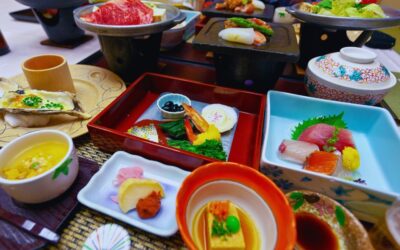
Accommodation pricing also shifts drastically. When you book a remote ryokan, you are usually paying a premium per-person rate because an elaborate dinner and breakfast are baked into the cost. It is an incredible experience, but it eats up your daily budget quickly. Then you have to add in the costs of booking specialized local workshops or outdoor activities.
This is exactly why booking a consultation with us at Flip is so valuable at this stage. Before we start building your itinerary, we sit down with you to talk about concrete numbers. It is entirely possible to do rural Japan on a tighter budget by prioritizing campsites or self-catering private rentals, but you have to plan for it from day one.
We will help you look at the whole picture and map out exactly what your budget can realistically cover, ensuring you do not blow your entire trip fund on a single weekend in a luxury onsen town.
Step 5: Build the Route Around Transport Reality
City-based Japan itineraries lean almost entirely on the shinkansen, and it is easy to assume the rest of the country works the same way. It does not, and this catches people out more than anything else on this list. A lot of the best nature regions are served by local lines, single-carriage trains that run once an hour, or buses that stop running entirely in winter.
Kamikochi, for instance, is only reachable by a regional bus or taxi from Matsumoto, since private cars are banned in the valley to keep it pristine, and the bus queue at peak times in autumn can run well over an hour. Stand in it once and you will understand why we push people toward shoulder season instead. Yakushima needs a ferry or short flight from Kagoshima, and once you are on the island, a rental car becomes close to essential.
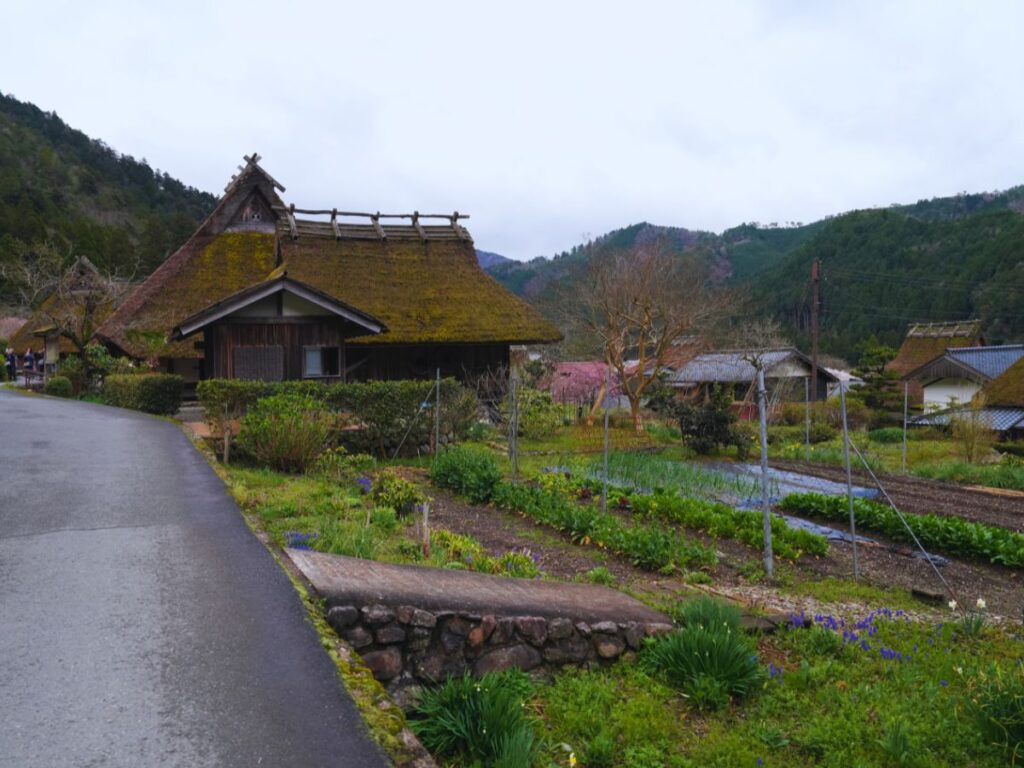
Miyama and the Iya Valley are realistically car territory too, since the bus schedules are built for residents rather than tourists and can leave you stranded for hours if you miss one. None of this is a problem if it is accounted for early. It becomes a problem when someone has already booked four nights in a remote ryokan without realising the nearest train station is ninety minutes away by infrequent bus.
This is also where pacing comes in. A city itinerary can comfortably move every one or two nights because trains are fast and frequent. A nature itinerary cannot, and trying to force that pace usually means spending half a day in transit for what amounts to one afternoon in the destination.
We generally push clients toward fewer stops with longer stays, three or four nights in one base rather than one night each in three. After all, isn’t the actual point of a nature-focused Japan trip to slow down?
Step 6: Choose a Base
Do not expect the small business hotels that are rampant across Japanese cities. I always tell people this is actually one of the best parts of the trip. Japanese city hotels are notorious for being so cramped you can barely open a suitcase on the floor (yes, I spend my days binge-watching TikToks about Japan travel). Once you head into remote nature destinations, you finally get some actual space.
Instead of a functional box to sleep in, the accommodation becomes a highlight of the route. There are plenty of great choices. You can book a traditional ryokan for hot spring baths and multi-course meals. You can even look into countryside farm stays.
Just be realistic about the pricing. A nature-focused trip often outprices a city itinerary because places like ryokan bake elaborate meals and intense hospitality into the nightly rate. We can arrange any of these choices for you, but we always make sure clients understand how rural lodging changes the daily budget before booking anything.
Step 7: Plan Your Activities and Book Local Experiences
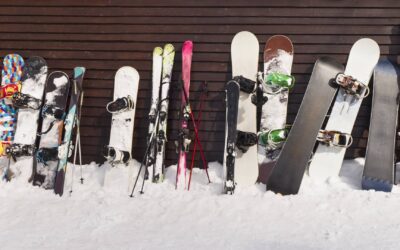
The whole point of this step is figuring out what you are actually going to do once you get there. The season and personal interest dictate everything here. But of course, we also caution guests about matching their activities with their fitness level. A winter trip could mean booking backcountry skiing in Hokkaido. A summer route might focus on sea kayaking down in Okinawa.
You can also easily mix the outdoors with deep cultural experiences. Hiking the Kumano Kodo pilgrimage routes lets you walk through ancient forests and spend your nights experiencing local temple stays and morning rituals.
Beyond just the physical outdoors, nature ties directly into what locals actually make. Different regions have completely different specialties in traditional crafts, usually based on the natural materials available around them. Up in Tohoku, you might spend an afternoon learning woodwork from artisans surrounded by the very forests they harvest from. Down in Kyushu, volcanic clay translates into incredible local pottery workshops.
Experiencing nature through these regional crafts adds a fantastic layer to the trip. Flip can easily arrange and book these specialized workshop experiences for you so your entire itinerary feels connected to the landscape.
Planning Your Own Nature-Focused Japan Trip
Most of what makes a trip like this work happens in the later steps. It all comes down to securing the right rural accommodation and booking the exact local experiences that match your pace. That is the part of the process that benefits most from someone who has already done it before. We have personally stood in that Kamikochi bus queue and scoured the country for trusted guides and transportation providers so you do not have to.
We at Flip build these itineraries the same way for every client. We start with the kind of nature you actually want and work outward from there, rather than handing over a fixed package and hoping it fits.
If you want local experts to plan your nature-focused Japan trip, our Japan trip planning service is exactly what you are looking for.
Nature-Focused Japan Trip FAQs

What is the best time of year for a nature-focused trip to Japan?
It depends entirely on the region and the activities you are after. Alpine areas peak in summer, coastal and hot spring regions are best in winter. The shoulder seasons of late spring and early autumn often give the best access to forested and countryside areas before peak crowds arrive.
How many days do you need for a nature-focused Japan itinerary?
Ten to fourteen days allows for two or three regions at a comfortable pace. A single-region trip, focused on somewhere like Yakushima or the Japanese Alps alone, can work well in five or six days.
Is Japan good for nature lovers who do not hike?
Yes. You can, for example, get to ryokan towns or see the beautiful countryside without having hiking experience.
What is the most remote natural area in Japan to visit?
Yakushima and parts of Hokkaido’s Daisetsuzan National Park are among the least developed natural areas accessible to regular travellers.
Can you combine nature and city sightseeing in one Japan trip?
Yes, and most itineraries do. The key is sequencing, often opening or closing with a city for convenience while keeping the middle of the trip dedicated to slower, nature-focused regions.
Do you need a car to see rural Japan?
For most nature regions, yes, or at minimum a willingness to work around limited bus and train schedules. Kamikochi is an exception, since private cars are banned there, but the surrounding region still benefits from one.