
Kyoto vs Osaka is a classic dilemma for anyone planning their first trip to Japan. The two cities sit a fifteen-minute Shinkansen ride apart, close enough that people assume the choice barely matters. But actually, it matters more than most first-timers expect.
Since our team is based here, we can honestly say that choosing between them shapes the whole feel of your trip, not just the sightseeing list. It really just comes down to the kind of energy you want around you, and which everyday travel headaches you would rather avoid. It is a good idea to try to understand how the two cities differ before getting to your Japan trip planning.
Kyoto vs Osaka Tourist Sites
![Kyoto vs Osaka: Which City Should First-Time Visitors Choose? [Kyoto-Arashiyama (Photo by Flip Japan)]](https://flipjapanguide.com/wp-content/uploads/2025/09/4-1-1024x768.jpg)
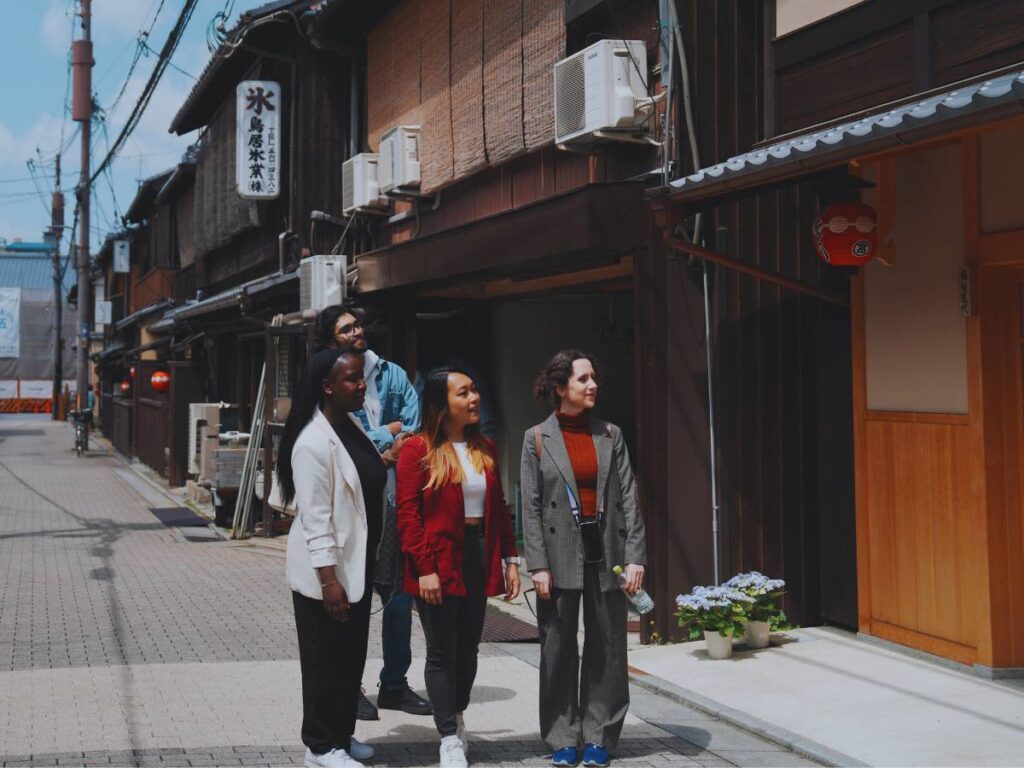
Kyoto holds the heavy historical sights. You go there to see things like centuries-old shrines and preserved streets where geishas still walk. Strolling Higashiyama District is easily one of the top things to do for your Japan visit.
However, as I’m sure you’ve learned by now from your trip planning, the famous spots are completely overrun. If you want to photograph the golden pavilion at Kinkakuji, you will be shuffled along a set path shoulder-to-shoulder with hundreds of other people. The massive wooden deck at Kiyomizudera offers a stunning view over the city, but you have to battle through a sea of selfie sticks to reach the edge.
The sights are spread out across the entire city, meaning you spend a massive amount of your day just sitting in traffic on local buses. To actually enjoy Kyoto, you have to wake up by six in the morning. If you wait until midday, the magic is completely drowned out by the sheer volume of tour groups.
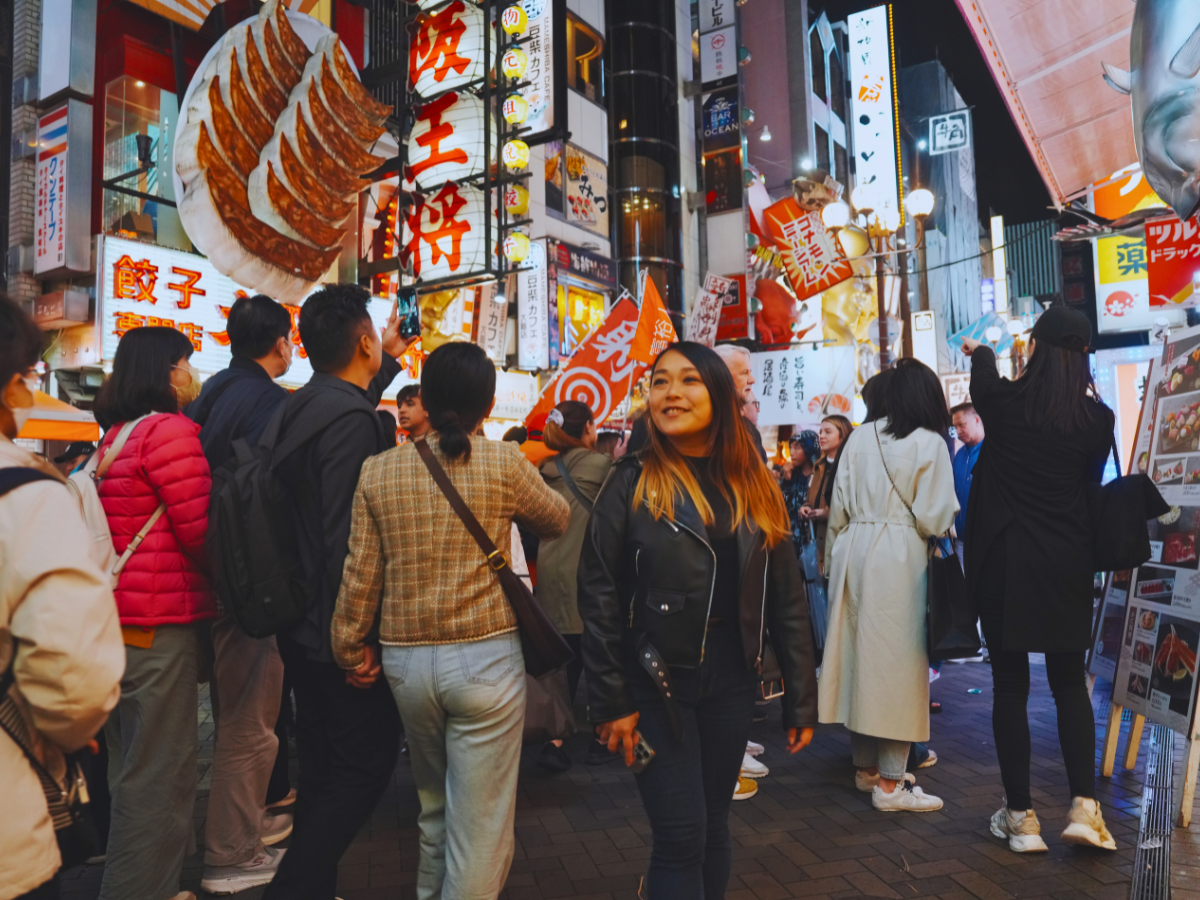
Osaka is more of a modern, concrete playground. It was heavily rebuilt after the war, so you are not coming here for ancient history. The sights here are heavily focused on entertainment, like towering observation decks and massive theme parks like Universal Studios Japan.
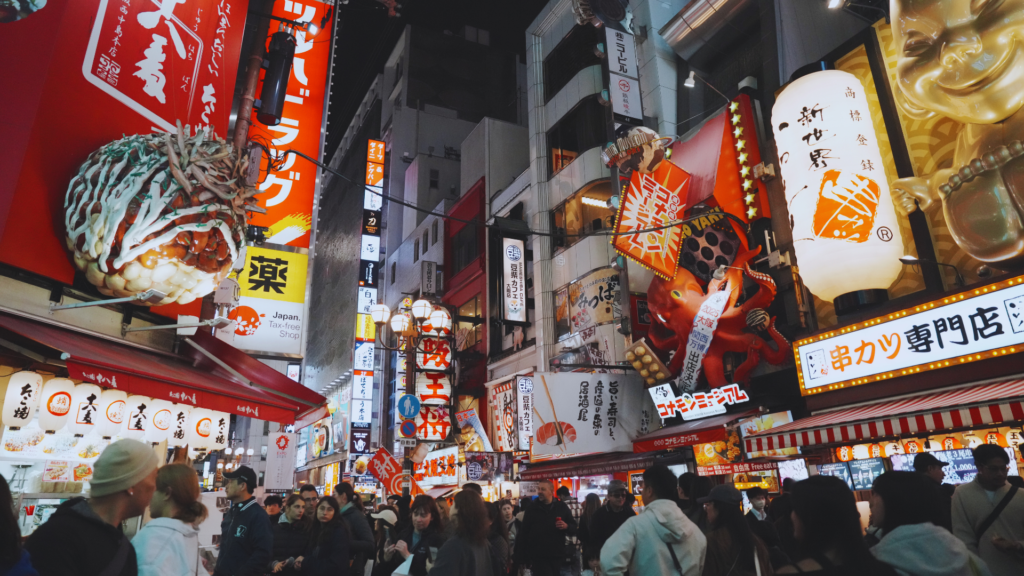
You have streets covered in aggressive neon signage, and giant mechanical crabs attached to restaurant storefronts! Walking down by the Dotonbori canal at night to see the illuminated billboards reflecting on the water is iconic.
The main attractions here are highly concentrated around the major train hubs, which makes them very easy to reach compared to the sprawling layout of Kyoto. You can easily fill an afternoon finding free things to do in Osaka just by wandering through the massive food markets. For the most part, there is no need for early starts here because the city actually looks better after dark. The only real exception is USJ, where you absolutely need to be at the gates before dawn to beat the crowds.
Kyoto vs Osaka People and Culture
![Kyoto vs Osaka: Which City Should First-Time Visitors Choose? [1 day Osaka itinerary Shinsaibashi]](https://flipjapanguide.com/wp-content/uploads/2026/02/7-1024x768.jpg)
The people in Kyoto take immense pride in their city, and the major positive you will experience is their flawless, quiet hospitality. A local shop owner will treat a simple transaction like a serious art form, handling your change with two hands, and bowing until you leave the premises. They are deeply respectful of public peace, and the streets feel incredibly safe and orderly.
The downside is that Kyoto locals are famously indirect and highly protective of their privacy. They operate on a tight-knit community mindset that can feel very closed off to outsiders. If you are doing something wrong, like blocking a narrow alley or talking too loudly, they will rarely tell you directly. Instead, you will receive a polite but freezing look that makes you feel completely unwelcome (and maybe become the reason for new legislation against misbehaving tourists).
It is a culture of reading the room. That strict adherence to unwritten rules means visitors often feel like they are walking on eggshells around the locals, terrified of making a social mistake.
The people in Osaka are widely considered the friendliest in Japan. The biggest pro is their absolute lack of pretension. They are known for being warm and outgoing. When I’m there, I feel like all they want is for me to enjoy their food and their city. It is incredibly easy to strike up a conversation with the person standing next to you at a local pub.
The con is that Osaka locals are brutally impatient and direct. If you stop in the middle of a busy shopping arcade to check your phone, don’t be surprised if a local bumps into you or tells you to get out of the way. The polite restraint you find in the rest of Japan simply does not exist here, which can feel quite abrasive if you are expecting a quiet, orderly environment, or freeing if you (like me) prefer a straightforward city that does not take itself too seriously.
Navigating Kyoto vs Osaka
Kyoto is laid out on a grid system that looks deceptively simple on a map. In reality, the city relies heavily on a sprawling bus network to connect major sights, since the subway lines only form a simple cross. During peak seasonal periods, those local buses become tightly packed metal boxes smelling of damp wool and exhaust fumes.
Taking a route like the number 205 heading towards Kinkakuji usually means standing shoulder-to-shoulder in gridlocked traffic for a significant chunk of your day. I know this sounds like a nightmare for a family travelling with kids, but we have tips to make your trip easier:
Osaka solves its transport problem by building downwards. The subway system is vast and efficient, even to the point of being confusing for new arrivals trying to read the coloured line indicators.
Umeda Station is a notorious underground maze where even seasoned locals occasionally lose their bearings among the endless department store entrances. Once you understand the overhead signage though, you can cross the entire city without ever seeing the sky, which makes it a solid base no matter the weather.
We regularly plan a two-day Osaka itinerary for clients because the transit system lets you cover a huge amount of ground quickly. For anyone who’d rather skip the navigation stress entirely, a customised private Osaka tour takes that off your hands.
Crowds and Etiquette When Visiting Kyoto vs Osaka
Kyoto has a complicated relationship with its visitor numbers. The sheer volume of people trying to photograph the same bamboo stalks in Arashiyama can undo the calm atmosphere you came for. You’ll see strict no-photography signs on private streets and explicit instructions on how to behave around working geiko and maiko.
Surviving Kyoto comes down to adjusting your internal clock. Be out the door by six in the morning if you want to see the shrines the way they’re meant to be seen. By midday, retreat to a quieter neighbourhood while everyone else fights for space on the narrow pavements. Want a Kyoto local to show you around the best spots? Check out our 1-day Kyoto tour.
Don’t get me wrong, Osaka gets massive tourist crowds as well. But in a way, the crowds can feel part of the entertainment. The intersection at Dotonbori bridge is a permanent crush of people photographing the illuminated running man sign, and nobody minds the congestion. Heck, the bigger the crowd, the better the photos come out, as far as I’m concerned.
The etiquette here is far more forgiving of an accidental misstep. You just need to keep moving with the flow of pedestrian traffic and avoid stopping abruptly in the middle of a busy walkway. Do that, and the locals will merrily leave you to explore.
Culinary Experience in Kyoto vs Osaka
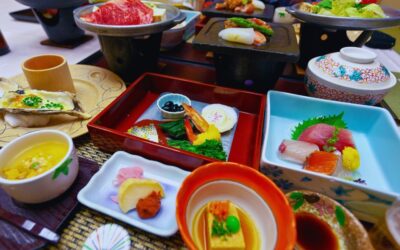
The culinary philosophies of these two cities couldn’t be more different. Kyoto leans heavily on subtle flavours and delicate presentation. A traditional kaiseki meal is an exercise in appreciating quiet artistry and careful service, often served on ceramic dishes chosen to reflect the season. It can also be expensive and intimidating to book without any Japanese.
Even the casual dining scene in narrow alleys like Pontocho carries a certain exclusivity, and plenty of small places operate on an invitation-only basis or simply won’t seat passing tourists. Do your research before you head out for dinner.
Osaka, on the other hand, embraces ‘kuidaore’, which translates roughly to eating yourself into ruin. The street food culture in areas like Shinsekai is aggressively savoury, the air constantly thick with fried batter and sweet sauce. You’ll queue for scalding hot takoyaki and dense okonomiyaki, and it’s worth the wait.
The sheer volume of affordable food makes it easy to find free things to do in Osaka just by wandering the food markets. The dining scene is genuinely democratic too, with high-end sushi bars sitting comfortably next to standing-only pubs where salarymen drink cheap beer after work.
Shopping in Kyoto vs Osaka
Shopping in Kyoto means appreciating highly specialised craftsmanship. You’ll find generations-old shops dedicated entirely to one product, some selling only bamboo tea whisks. The retail experience is quiet and deferential, and staff will carefully wrap your purchases, treating each item with careful attention. Yes, that level of care comes with a matching price tag, but you’re buying pieces with actual history behind them.
Meanwhile, Osaka approaches retail with the same enthusiasm it applies to food. Shinsaibashi and Amerikamura are dense with everything from high-end global fashion to chaotic vintage clothing stores. The local discount shops are a sensory overload of fluorescent lights and narrow aisles stacked to the ceiling with cosmetics and snacks.
One thing I personally love is that bargain hunting is treated here as a competitive sport, with staff using megaphones to announce flash sales. It’s the place to buy cheap, fun souvenirs in bulk before flying home.
Accommodation Styles in Kyoto vs Osaka
If you want to sleep on tatami mats and bathe in cedar tubs, Kyoto is the place. The traditional ryokan here are sought-after not just for their hospitality, but also for their multi-course meals and manicured Japanese gardens. Just know that most of these places have strict curfews to observe, and staff will lay out your futon while you eat dinner, meaning your daily schedule bends around the inn’s timetable rather than the other way round. Read more about staying in a ryokan here:
Accommodation in Osaka prioritises convenience over historic charm. The city is dominated by towering business hotels and international chains sitting directly above major train stations. The rooms are often small and functionally identical, but they come with strong water pressure and blackout curtains.
Yes, these small rooms have been bashed by influencers in social media, but isn’t a comfortable bed and a guaranteed hot shower really all you need after a twelve-hour day of sightseeing? You’ve also got total freedom to come and go at three in the morning for a late-night bowl of ramen.
So, Should You Base Yourself in Kyoto or in Osaka?
Where you base yourself ultimately comes down to travel style. Kyoto rewards early risers who want to beat the crowds to the historic sites, and it suits a slower evening pace and quieter neighbourhoods, since much of the city shuts down early and leaves you to peaceful nighttime walks along the Kamo River.
Osaka is the better call if you thrive on late-night dining, big shopping districts, the energy and it’s also a more practical hub for regional day trips thanks to the rail connections out of Shin-Osaka and Namba. We at Flip always tell clients to choose the city that matches their evening energy levels, since that’s when the differences are most obvious.
Kyoto vs Osaka: Base Camps and Regional Day Trips
Because Kyoto and Osaka are so close, many visitors ask if they should split their hotel bookings or simply pick one city as a permanent base. Since it takes just forty minutes to travel between them on the local rapid commuter trains, doing a day trip from one to the other is incredibly easy. So, yes, picking just this leg of your Kansai stay to save the massive headache of packing up and moving your luggage is definitely reasonable.
If your itinerary includes a lot of wider regional travel, Osaka is the undisputed winner for logistics. Major hubs like Shin-Osaka and Namba provide direct, high-speed rail connections to places like Hiroshima, Nara, and Koyasan.
Kyoto is geographically surrounded by mountains on three sides. While it offers brilliant and easy access to Shiga prefecture and Lake Biwa, it is a much slower launchpad for exploring the rest of western Japan. Be sure to check out the Kansai Area Pass if you’re planning to travel to other parts of the region:
Kyoto vs Osaka FAQs

How many days should a first-time visitor spend in Kansai?
We generally recommend five to seven days minimum to comfortably see the main sights of both cities without burning out. Compressing the region into a rushed weekend guarantees exhaustion and a fairly superficial experience of either city.
Is it easy to travel between Kyoto and Osaka daily?
It takes around thirty to forty-five minutes on the local rapid trains, depending on your starting station, on lines like the Hankyu or Keihan. Plenty of local residents commute daily for work, so sleeping in one city and visiting the other is entirely feasible, though it’s worth avoiding the morning and evening rush hours when carriages get packed shoulder to shoulder.
Which city is more budget-friendly for accommodation?
Osaka generally offers a wider variety of affordable business hotels and short-term rentals than its northern neighbour.
What’s the best way to handle luggage between the two cities?
I’d recommend using a local luggage forwarding service. Dragging heavy suitcases onto commuter trains between Kyoto and Osaka is stressful and inconveniences other passengers, and sending your bags ahead to your next hotel for a small fee changes the whole experience.
Are credit cards widely accepted in both cities?
Major hotels, department stores, and high-end restaurants in both cities accept international credit cards. At smaller street food stalls in Osaka or when buying charms at a temple in Kyoto, though, you’ll need physical cash, so keep a reasonable amount of yen on you.