
It really bugs me that most tourists treat Nagano as a stopover. There. I said it. They ride through to a ski resort, suffer through a miserable and winding line to photograph the snow monkeys (only to grumble about it on social media afterward), and then leave. The monkeys just going about their day soaking in a hot spring are undeniably cute, but Nagano is so vast and has a very interesting geography that you can come back every single season and still find something new to do with each visit.
That is why this Nagano guide takes a much wider look at the prefecture. It spans everything from the charming bakeries of Karuizawa to the post towns of the Kiso Valley, with the Japanese Alps and plenty of hot springs in between, of course.
How to Get to Nagano and How the Prefecture is Laid Out
Nagano sits in the middle of Honshu, which means that it has no coastline. What it has is lots of mountains. The Northern, Central and Southern Alps all cross the prefecture, and the towns sit in the basins between them.
If you are trying to make sense of the geography, I split the prefecture into four simple zones:
- The North: Nagano City, hot springs, and the snow monkeys
- The East: Karuizawa and its neighbouring castle towns
- The Centre: Matsumoto and Lake Suwa, with the Alps right behind them
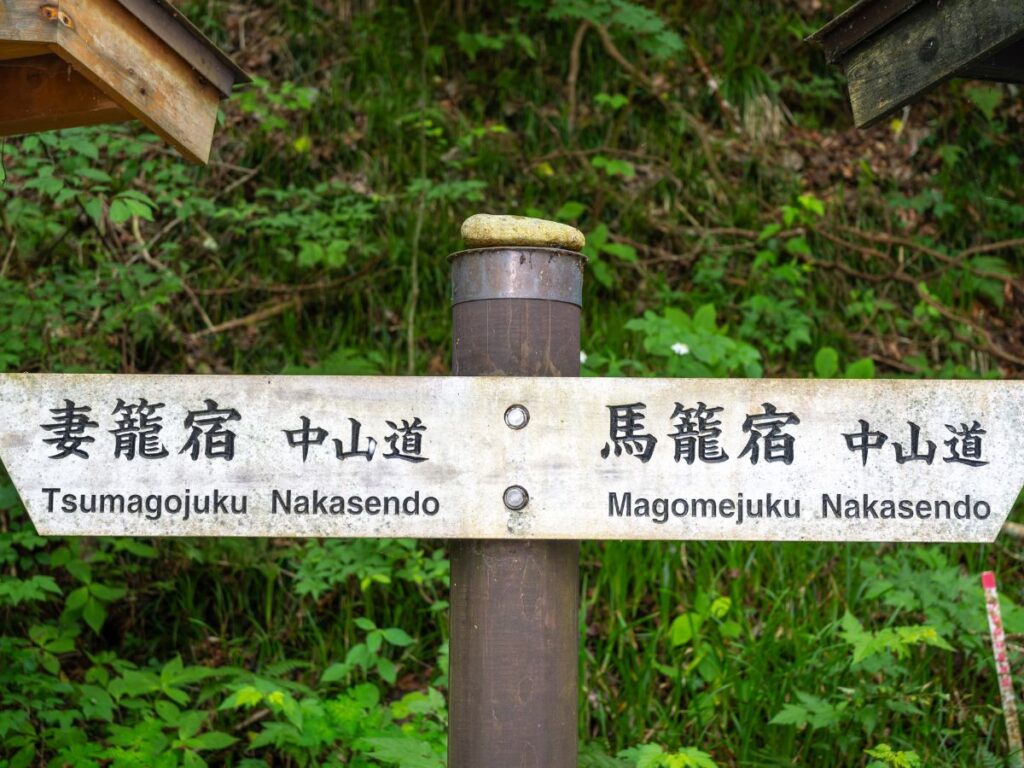
- The Southwest: The historic Nakasendo trail, and Kiso Valley
Getting there is easy. The Hokuriku Shinkansen reaches Karuizawa from Tokyo in about an hour, and Nagano City in about an hour and twenty minutes. From Nagano Station, the limited express Shinano runs south to Matsumoto in roughly fifty minutes and carries on into the Kiso Valley. From Shinjuku, the Azusa reaches Matsumoto in about two and a half hours, stopping at Suwa on the way.
Nagano City and the North
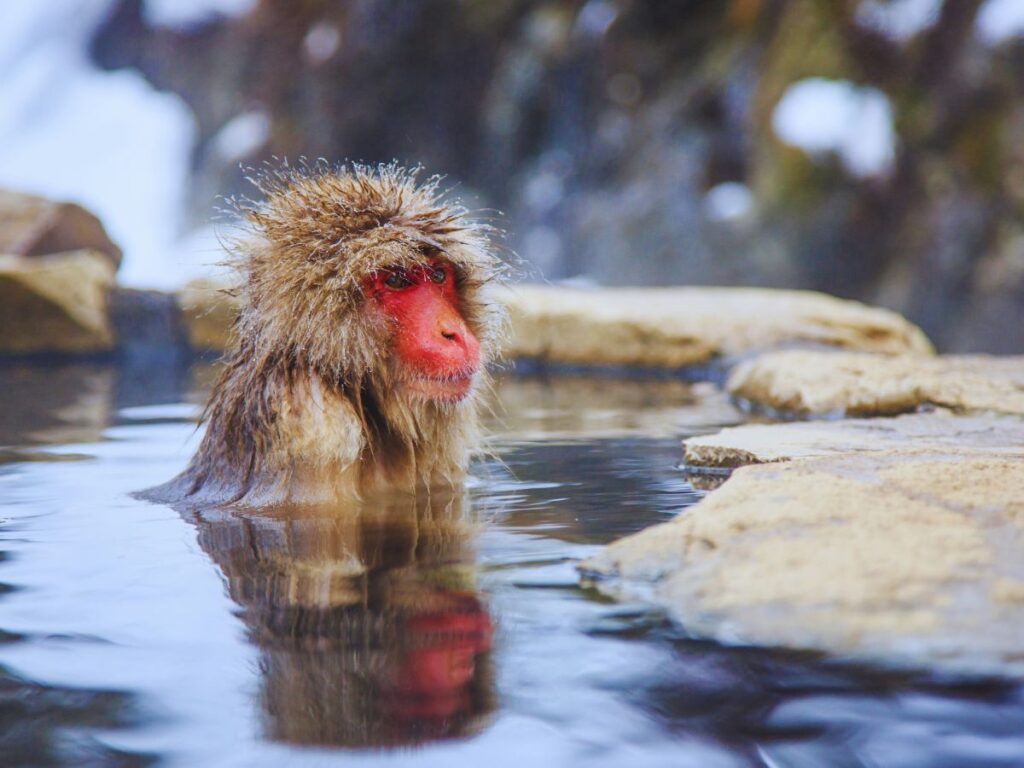
Yes, what you have seen on your feed is real. The macaques actually do soak in a hot spring pool when the snow falls, their faces turning bright red from the heat while steam rolls off their thick fur. You can visit in the warmer months too, but fair warning, the monkeys mostly just lounge around looking intensely bored.
Most people dash straight back to Nagano after seeing the monkeys. I prefer to stay in Shibu Onsen instead, a historic hot spring village on the slopes above the park, reached by a quick bus ride from Yudanaka Station. Shibu has nine public bathhouses, and a night at a local ryokan gets you a brass key that opens every single one of them. Walking between the baths in a cotton yukata and wooden sandals, with steam drifting from lattice windows, ranks as one of my favourite evenings anywhere in Japan.
Back in the city, Zenkoji is the biggest draw for locals. The temple dates back roughly 1,400 years and holds a main hall designated a National Treasure. For me, the approach is half the fun because Omotesando runs about 1.8 kilometres of pure snacking heaven straight from the station to the gate.
Twenty-five minutes of walking turns into an hour of stopping for oyaki dumplings stuffed with pickled greens or sweet bean paste, browsing local sake and spice shops, and inhaling the smoke wafting off street grills. If you’d rather taste with some context than just grab a bottle, we can arrange a guided sake tasting or brewery visit nearby.
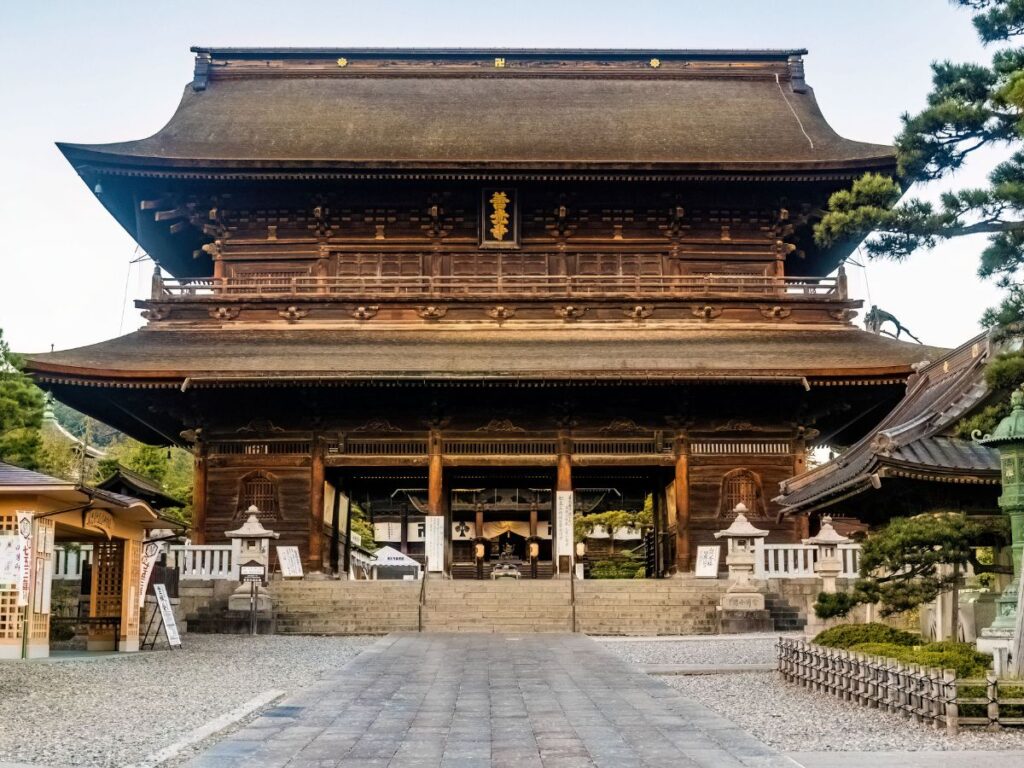
The temple itself earns the walk. Under the main hall sits a pitch-black corridor. You cross it by keeping a hand on the wall. Somewhere in the dark hangs a metal key, and touching it secures your place in paradise. I hate the dark, but you best believe I braved that tunnel because I will take any VIP fast-track to heaven I can get.
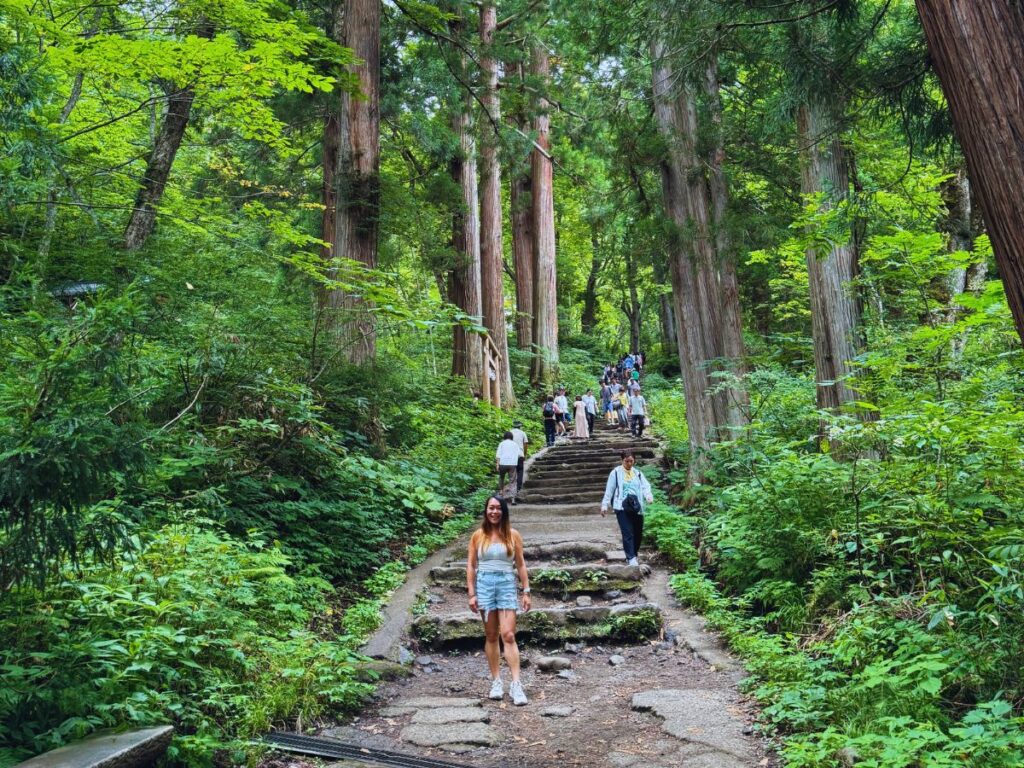
If you have a spare day, spend it at Togakushi, a mountain area with five shrines. Buses run there from Nagano Station, but the ride takes an hour and ten minutes on a winding road. Pack a travel sickness tablet if you need one, especially if you are travelling with kids. The path to the innermost shrine, Okusha, is my absolute favourite. It follows a towering avenue of ancient cedars that makes you feel tiny (in the best way) and completely at peace. Just do not expect an easy stroll. Timetables thin out in winter and deep snow buries the route, so check the schedule before you go.
If you have a spare morning, catch a short train to Obuse. The town turns local chestnuts into everything from roasted treats to ice cream. It also houses a compact museum dedicated to the artist Hokusai, who spent time here late in his life.
Karuizawa and Eastern Nagano
Karuizawa is the first shinkansen stop out of Tokyo, and it is the main reason half the capital escapes here from the concrete oven in August. Anglican missionaries started holidaying here in the 1880s for the mountain breeze, and Tokyo’s elite quickly followed. Today, it carries a reputation as the upscale retreat where wealthy families keep sprawling second homes behind thick pine hedges. In fact, the Crown Prince Akihito even met his future wife on a tennis court here in the late 1950s.
Fortunately, you do not need a multi-million-yen estate to enjoy the place. Grand villas sit quietly out of sight, but the wider town serves as a relaxing high-altitude base for outdoor wandering. You can weave through the shaded lanes between artisan bakeries and cosy cafes, preferably with an electric bicycle, because those gentle slopes look harmless until your thighs stage a full revolt. And If you want a more rugged workout, Mount Asama looms right above town with active volcanic trails, though keep an eye on safety alerts because access near the summit gets restricted whenever the mountain feels grumpy.
Down in Old Karuizawa, around Kyu-Karuizawa Ginza, jam makers and specialty shops line the main drag. Nagano is practically Japan’s fruit basket, meaning the local preserves made from regional apples, peaches, and blueberries are worth every yen. Small wooden chapels sit tucked into the trees just steps away if you need a breather from the souvenir shoppers.
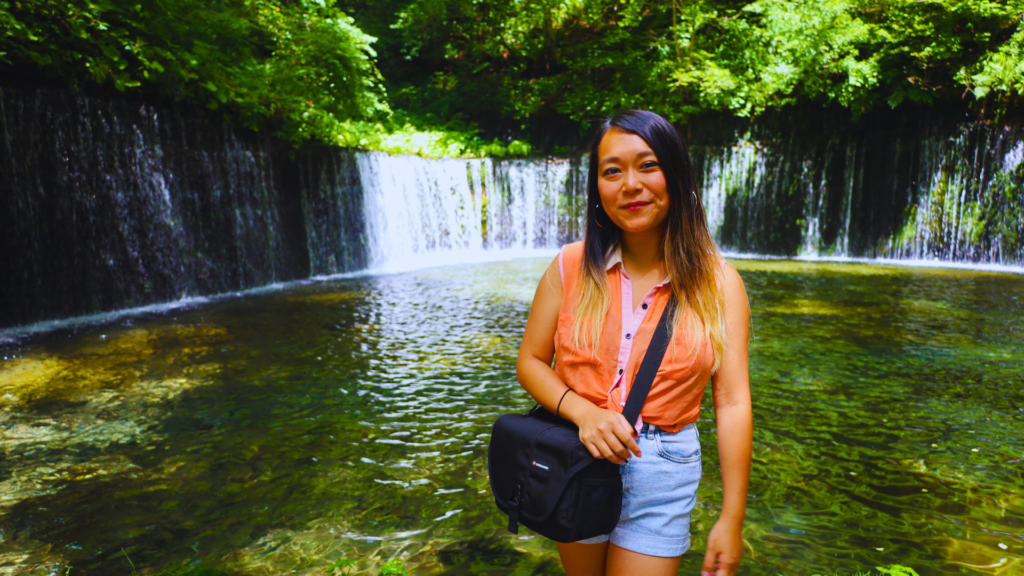
A bit further out, Shiraito Falls offers a cool break on a sticky summer afternoon, while Kumoba Pond provides an easy woodland stroll that completely explodes with red and gold foliage in autumn. Both are a short bus or bike ride from the station.
Or, if you prefer air conditioning and retail therapy over cycling uphill, the massive outlet mall sitting right outside the station is where you will find me doing multiple rounds of window shopping. For a complete breakdown of where to eat and wander, check out my guide:
If you want to dodge the Tokyo weekend crowds entirely, Ueda and Komoro are a short hop further down the line. They offer a much quieter, budget-friendly vibe. Ueda’s castle park fills up with cherry blossoms in April, and the local soba in both towns is exceptional.
Matsumoto and the Northern Alps
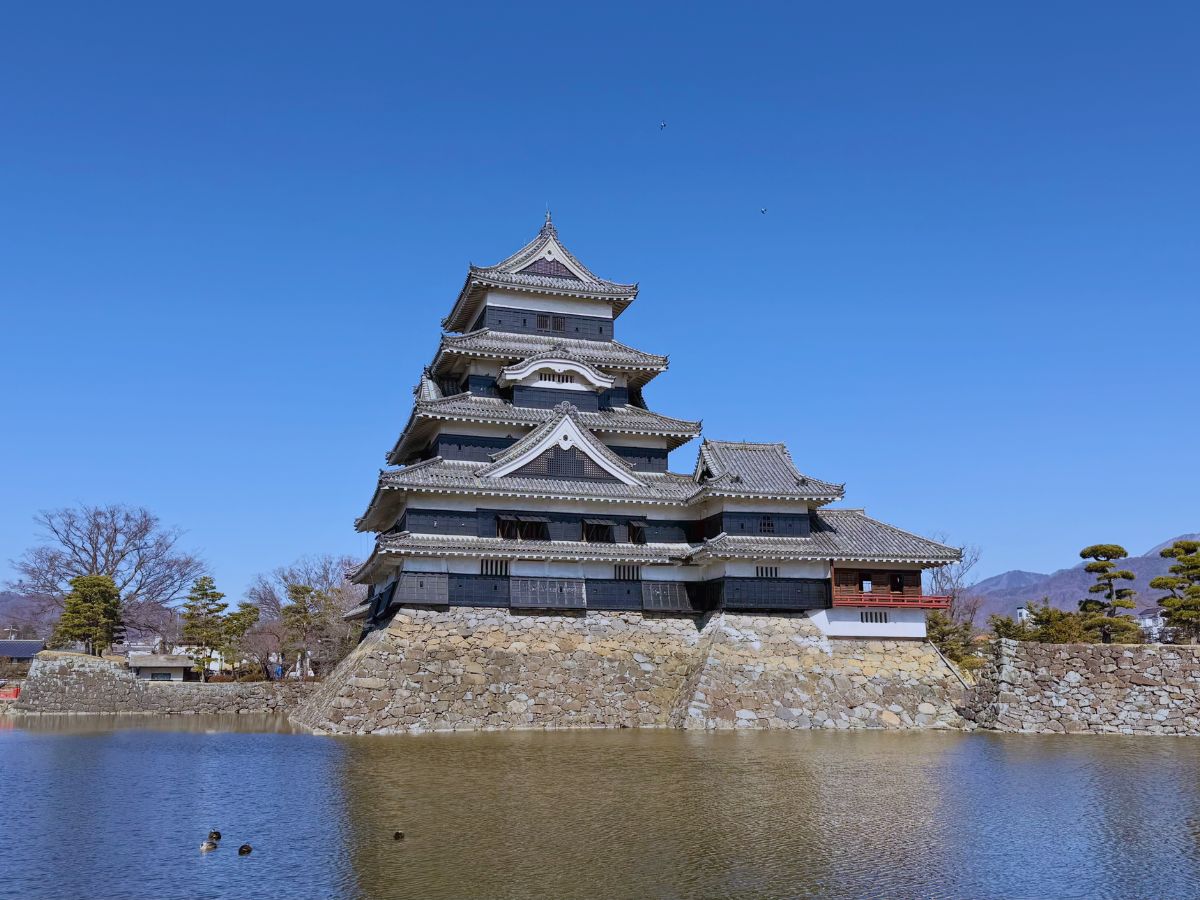
The city revolves around Matsumoto Castle, a black-timbered keep completed in the 1590s. Locals call it the Crow Castle (so it earns additional points if you’re a Game of Thrones fan) because of its dark walls and swooping roofs. It survived the centuries without a modern rebuild, meaning the steep stairs and worn floorboards are entirely original.
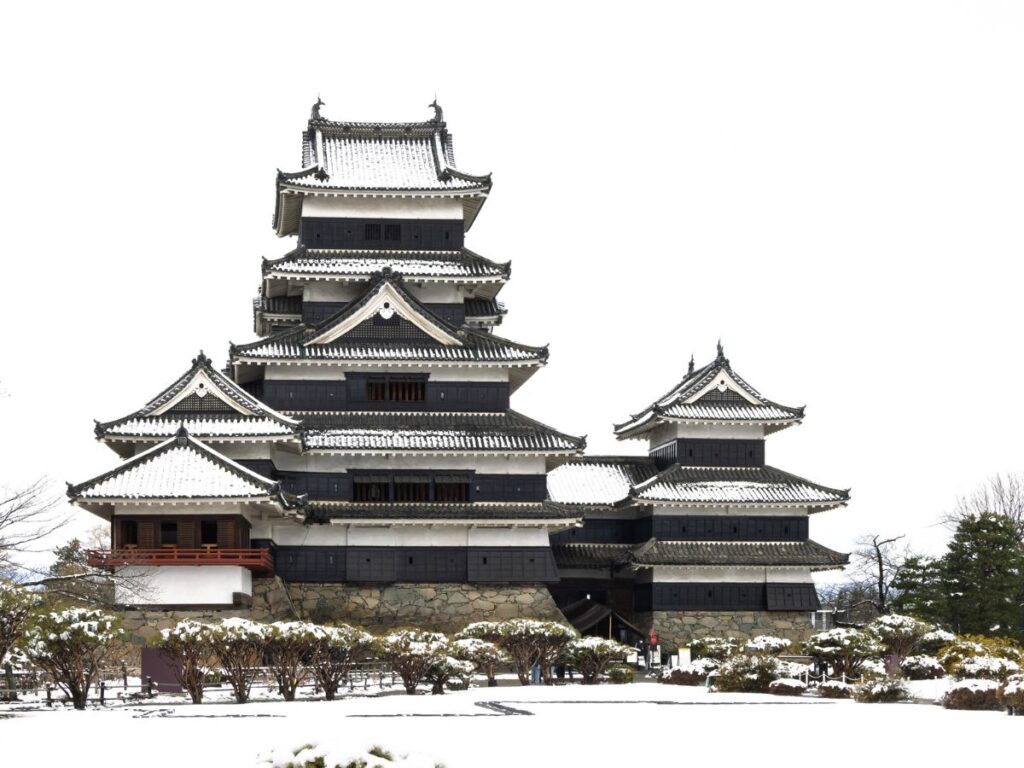
Inside, you strip off your shoes and carry them in a plastic bag. Some of the staircases double as vertical ladders, and weekend queues can bottleneck badly, but the view of the Alps from the top makes the climb worthwhile. Afterwards, wander Nakamachi, the old merchant district of white storehouse walls and craft shops, and find a moody kissaten for old-style coffee. The late Yayoi Kusama was born here, and the city art museum shows her work, complete with a giant polka-dot pumpkin sculpture out front.
Now, you know that stunning Japanese alpine hiking paradise blowing up your social media feeds? That’s Kamikochi, and it is one of the reasons why everyone bases themselves in Matsumoto to get there. Because the valley is strictly car-free to protect the pristine nature, you cannot just drive your own vehicle right up to the trails. You have to leave your car or train behind at a transport hub and hop on one of the authorised hybrid buses or private taxis that ferry visitors past the gates.
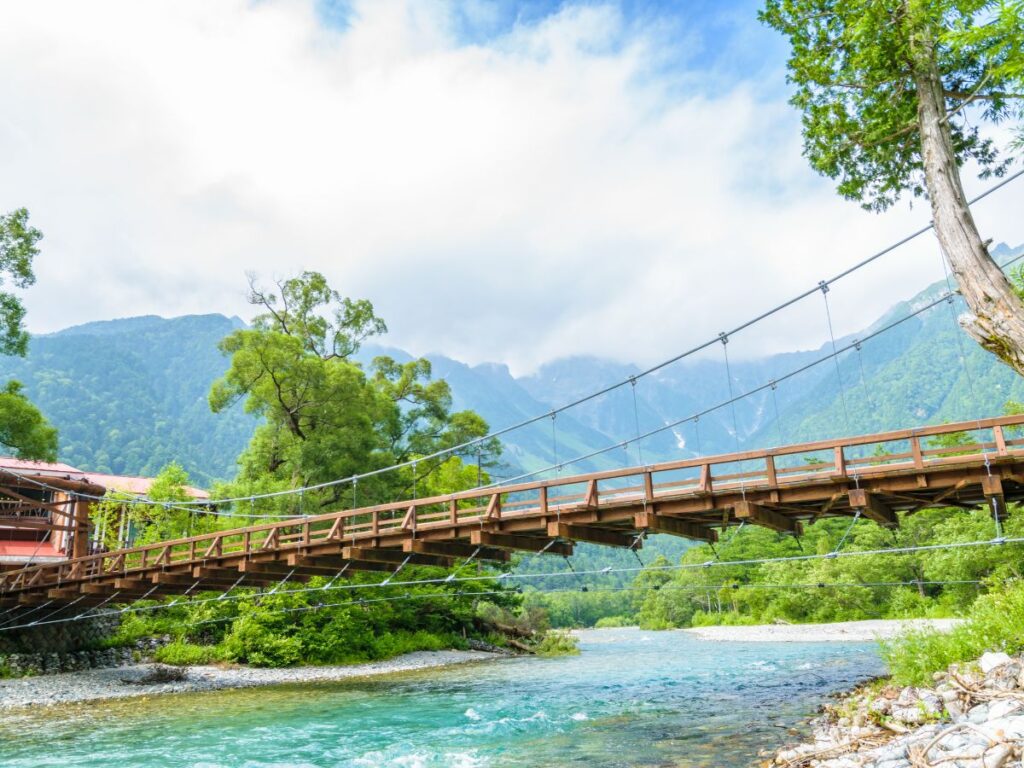
You can catch a direct highway bus straight from Matsumoto Station, and you should definitely book your seats online ahead of time. Alternatively, you can take a local train and transfer to a connecting mountain bus.
Once you arrive, a flat trail follows the Azusa River past Taisho Pond, the iconic Kappa Bridge, and up to Myojin. It is about seven kilometres in total, with the jagged Hotaka peaks towering overhead. Keep in mind that the valley is only open from mid-April to mid-November.
For an easy detour before or after the mountains, Lake Suwa sits under an hour from Matsumoto on the same train line that runs straight to Tokyo. Suwa Taisha, one of the oldest shrine complexes in the country, holds the wild Onbashira festival every six years, when huge tree trunks are hauled down hillsides while teams of men ride them for glory. Takashima Castle, nicknamed the Floating Castle, overlooks the shore, and the lakeside hot springs are just what you need after a day on foot.
Two short add-ons sit nearby. Shirahone Onsen, on the slopes of Mount Norikura, has milky white water, and a local saying that three days of soaking protects you from colds for three years. I cannot prove the medical science, but I always sleep like a rock afterwards. In Azumino, the Daio Wasabi Farm grows wasabi in clear spring water, and the weird wasabi ice cream actually tastes good.
Kiso Valley and the Old Nakasendo
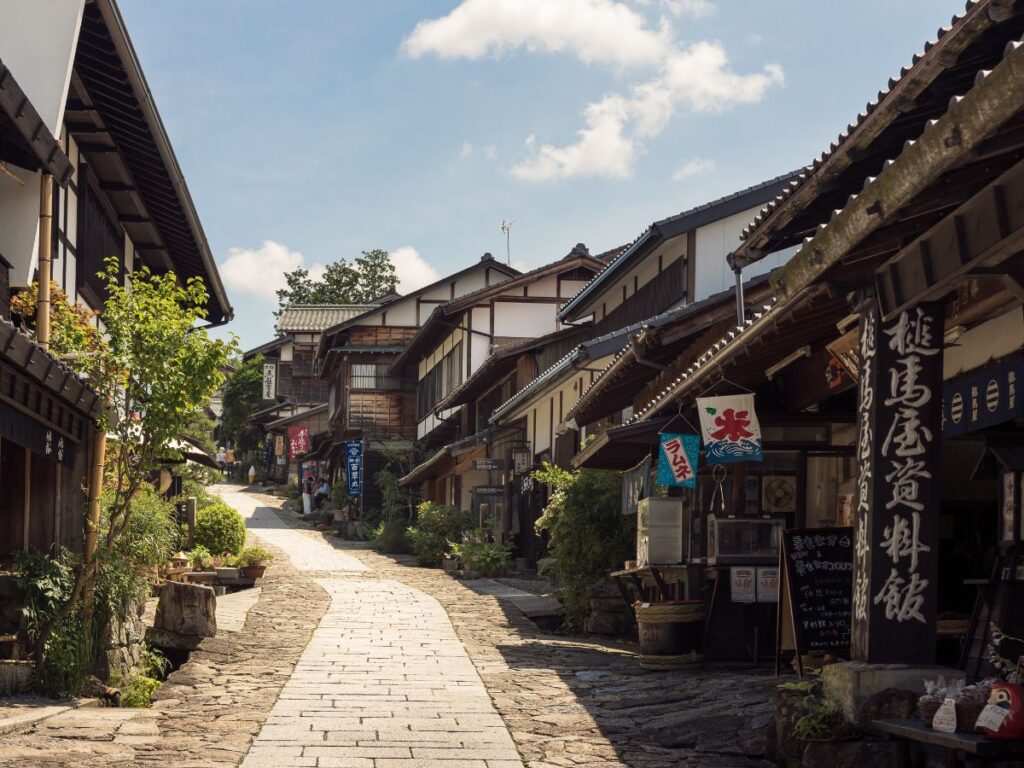
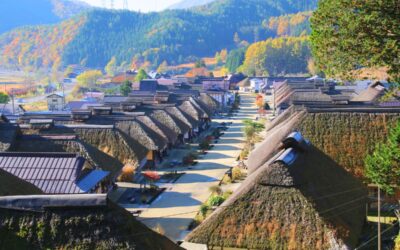
The Kiso Valley is where I drag friends who claim they want to see “real history” instead of just staring at glass museum cases. The Nakasendo was the old mountain highway linking Edo (present-day Tokyo) to Kyoto, essentially a medieval commuter route lined with post towns where weary travellers crashed for the night and changed horses.
Narai is the longest of them, packed with lacquerware shops and old inns along a single street. It is about forty minutes from Matsumoto by train and makes an effortless half-day trip. Further down, Tsumago has been fiercely protected by the government for decades, with a strict ban on power lines and modern signs, while Magome climbs a steep, stone-paved slope with mountain views at the top.
The classic hike between Magome and Tsumago covers about eight kilometres and takes two and a half to three hours. Always walk from Magome to Tsumago, because the other way around is uphill and is not going to be kind to your calves. The trail snakes through cedar forests, squeaks past tiny waterfalls, and occasionally demands that you yank on a heavy metal bear bell. Ring the darn thing loudly because nobody wants an unexpected wildlife encounter.
Buses between the trailheads and local stations run on mountain time, meaning they are wonderfully infrequent, so check the timetable before you set off unless you fancy being stranded. And if you can swing it, stay overnight in Tsumago. Once the day-trippers vanish by late afternoon, the whole village goes dead quiet, and a traditional ryokan dinner of earthy mountain vegetables and grilled river fish is the ultimate reward.
Snow and Winter in Nagano
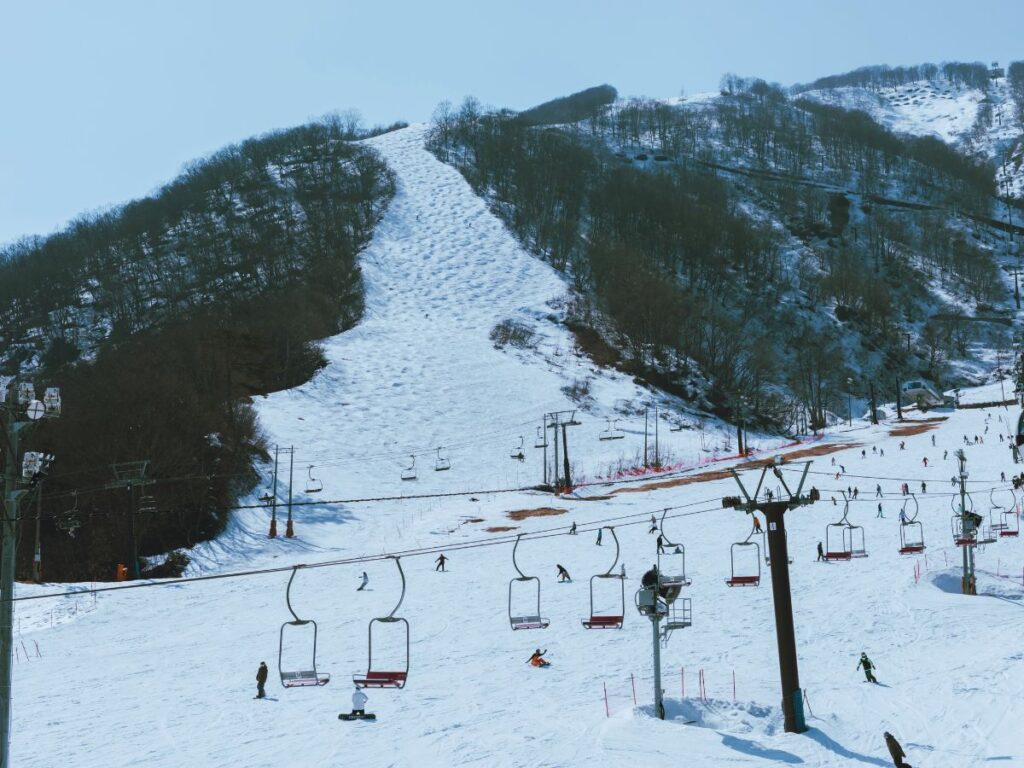
When people in Japan think of Nagano, their minds usually jump straight to its reputation as the ultimate snow sports haven. The prefecture actually hosted the Winter Olympics back in 1998, and those old venues are still kicking around. But as a tourist, what you have to understand is that Nagano is not just a single giant ski hill. The resorts here are totally different beasts depending on where you drop your bags.
Take Hakuba Valley, for example. It is not just one resort, but around ten different areas jammed together with the old Olympic ski jumps still looming over the town. Powder days there are legendary, but so are the brutal lift queues on holiday weekends, and the bars fill up with an international crowd. It suits anyone who wants massive terrain and a busy social scene.
Nozawa Onsen is my personal pick, mostly because I am not the best skier and I love hot springs. It is a mountain village with great skiing by day, and thirteen free public bathhouses for the evening. The narrow streets steam in the freezing air, and the water in those baths runs hot enough to make grown adults yelp. Meanwhile, Shiga Kogen is the giant of the bunch, linking multiple areas into one sprawling playground high enough to guarantee a long season.
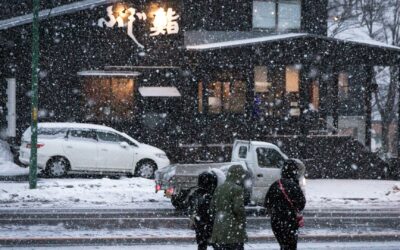
Winter is not just for skiers either. Snow piled high on the roofs at Zenkoji and a steaming outdoor bath in Shibu Onsen after a freezing walk are worth the trip even if you never touch a pair of skis. Just remember that heavy snowfall means delayed trains, so keep your arrival and departure days flexible.
Nagano’s Popular Eats
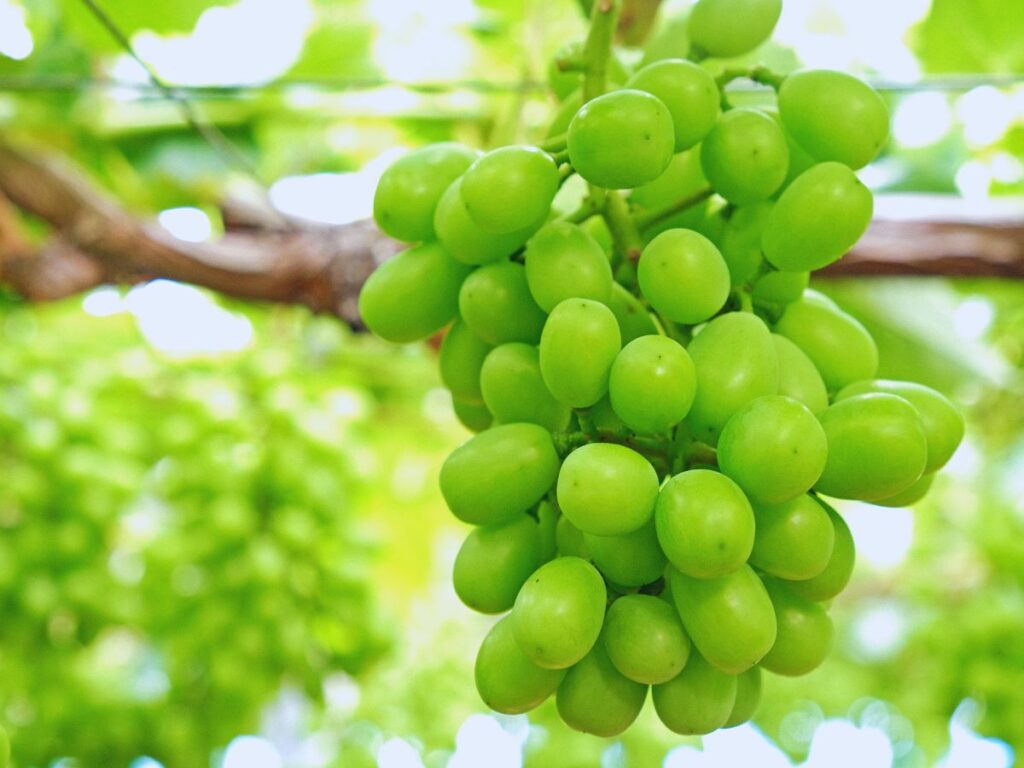
Nagano’s cool mountain nights and bright days produce some of the sweetest fruit in Japan. Peaches ripen in July and August, grapes roll in from late August, and apples run deep into November. The Shine Muscat, a crisp green grape with an edible skin, is a national obsession for a reason. Lucky for us, farms around Suzaka, Obuse, and Azumino open their orchards for timed, all-you-can-eat picking sessions. We can book a guided fruit-picking and parfait experience in advance if you’d rather not gamble on availability.
Beyond the fruits, shinshu soba is one of my favourite eats in the region and the tiny, unflashy shops with handwritten menus always serve the best bowls. Oyaki dumplings are cheap, steaming, and filling. Then, you have basashi (raw horse meat) and inago (small grasshoppers simmered in sweet soy sauce). Okay, those last two may not sound that appealing, but try both at least once. The grasshoppers mostly just taste like sweet glaze with a crunchy texture.
How Long to Stay in Nagano and Where to Base Yourself
If you are just focusing on one area, like Matsumoto, the castle, and Kamikochi, two or three days is plenty. But if you want to connect two or more zones, like pairing Matsumoto with the Kiso Valley or heading up north for winter, push it to five days or more.
Nagano City is the strongest base for transport and for winter. Matsumoto suits Kamikochi, the castle and the Kiso Valley better. If you can only choose one, pick Matsumoto in the warmer months and Nagano City in winter. Karuizawa works as a first night or a weekend on its own. We also suggest booking the Kamikochi and ski buses before you leave home, since those are the ones that sell out.
If working out how many days to give each zone, and which bases to pair together, sounds like more effort than you want to put in, we can build a personalised Nagano itinerary for you instead, tuned to your season and pace.
Two Nagano Itineraries to Steal
Both of these plans assume you start and finish in Tokyo and travel by train and bus. Adjust the pace to suit your energy, and leave slack for weather.
Six Days in Spring, Summer, or Autumn
Day 1: Karuizawa and Nagano City
Take the Shinkansen from Tokyo to Karuizawa in the morning, taking about an hour. Leave your bags in a coin locker at the station and hire an electric bicycle. Ride to Old Karuizawa for coffee and a wander down Kyu-Karuizawa Ginza, then head out to Shiraito Falls for a cool stop before lunch. In mid-afternoon, collect your bags and ride the Shinkansen to Nagano City, taking roughly half an hour. Check in and eat at an izakaya near the station.
Day 2: Zenkoji and Togakushi
Reach Zenkoji by eight o’clock when the morning services are underway. Do the dark corridor beneath the main hall, then walk back down Omotesando for oyaki. Take a bus up to Togakushi in the afternoon, walk the cedar avenue to Okusha, and eat soba afterwards. Return to Nagano City for the night, but check the last bus back before you set off.
Day 3: Snow Monkeys and Shibu Onsen
Take the Nagaden line to Yudanaka, taking about fifty minutes. Visit Jigokudani Monkey Park in the morning when it is quiet. In the afternoon, check into a ryokan in Shibu Onsen. Do the bathhouse rounds in a yukata after dinner.
Day 4: Matsumoto
Ride back to Nagano, then catch the Shinano train to Matsumoto, taking around fifty minutes. Reserve a seat if it is a weekend. Visit the castle straight after lunch, spend the late afternoon in Nakamachi, and finish with coffee in a kissaten. Eat dinner near the station.
Day 5: Kamikochi
Take an early bus into the valley, which is open from mid-April to mid-November. Walk from Kappa Bridge to Taisho Pond and on to Myojin, about seven kilometres in total, with a long lunch beside the river. Take the bus back to Matsumoto in the late afternoon. In spring or early summer, swap this day for a night at Shirahone Onsen.
Day 6: Kiso Valley and Onward
Take the train south from Matsumoto to Nagiso, taking about an hour and a quarter, then a bus to Tsumago. Walk the old street, then continue on foot to Magome. Catch a bus down to Nakatsugawa, followed by the train to Nagoya and the Shinkansen back to Tokyo. If the day feels too tight, pick Narai instead, which needs only half a day and lets you return to Tokyo directly from Matsumoto.
Five Days in Winter
Day 1: Nagano City
Take the Shinkansen from Tokyo to Nagano and drop your bags. Walk Omotesando to Zenkoji in the afternoon when the winter light hits the roof. Do the dark corridor, then warm up with hot sake and oyaki. Dine in an izakaya near the station.
Day 2: Snow Monkeys and Shibu
Take the Nagaden line to Yudanaka, then a bus and forest walk to Jigokudani Monkey Park. Go early, wear grips on your shoes (or rent ones at the base), and expect ice underfoot. Check into a ryokan in Shibu Onsen in the afternoon and do the bathhouse rounds after dinner.
Day 3: Transfer to Nozawa Onsen
Travel back through Nagano and on to Iiyama, then take the bus up to Nozawa Onsen. Allow roughly two hours in total, and more if snow slows the road down. Arrive for a late lunch. Spend the afternoon exploring the village and its public baths, then eat dinner at a small restaurant on the main street.
Day 4: Skiing at Nozawa
Spend a full day on the slopes. Beginners can book a lesson, and stronger skiers should head straight for the upper mountain. Finish the day with a soak in a public bath.
Day 5: Return to Tokyo
Take a bus to Iiyama Station and the Shinkansen back to Tokyo, taking around two and a half hours door to door. If you want bigger terrain, swap Nozawa for Hakuba, which is about an hour and a quarter by highway bus from Nagano City. Book your bus seats in advance during holiday periods.
Nagano Guide FAQs
What is Nagano famous for?
Nagano is famous for the Japanese Alps, Zenkoji Temple, Matsumoto Castle, the snow monkeys of Jigokudani, Karuizawa, and the old Nakasendo post towns. It is also known for snow sports, hot springs, and delicious fruits like apple and shine muscat.
How many days do you need in Nagano?
Five to six days works well for a first visit. That covers Karuizawa, Nagano City, the snow monkeys, Matsumoto, and one-day trip to either Kamikochi or the Kiso Valley.
How do you get to Nagano from Tokyo?
Take the Hokuriku Shinkansen from Tokyo Station to Nagano Station, which takes about an hour and twenty minutes. Karuizawa is on the same line, about an hour from Tokyo. For Matsumoto, take the Azusa limited express from Shinjuku, which takes around two and a half hours.
Should I stay in Nagano City or Matsumoto?
Stay in Nagano City for Zenkoji, the snow monkeys and the onsen towns. Stay in Matsumoto for Kamikochi, the castle and the Kiso Valley. With four nights or more, split them between the two.
When is the best time to visit Nagano?
Autumn brings colour and fruit picking, winter brings snow and onsen, spring brings cherry blossom at Takato and Matsumoto, and summer suits alpine hiking and cool days in Karuizawa. Kamikochi is open only from mid-April to mid-November. Expect rain from mid-June to mid-July.