
Japan has a reputation for low crime rates and considerate behaviour in public. That said, I think the question of whether Japan is safe for solo female travellers deserves a more honest answer than the usual reassurance that it’s one of the safest countries in the world.
The reality is that Japan isn’t free from the problems women face elsewhere. Because yes, some women do experience sexual harassment and unwanted physical contact.
So, in this guide, I’ll cover the issues I think solo female travellers should know about, from groping on commuter trains to the more recent Japanese phenomenon known as butsukari otoko. I’ll also explain how to respond to harassment and where to turn for help if something happens.
Japan’s Safety Record: What the Numbers Tell Us
If we look at sources like Hong Kong Police’s international city comparison, when it comes to serious street crime, Tokyo compares favourably with many other major cities. In 2024, its murder rate was 0.7 per 100,000 people, compared with 3.9 in New York and 1.2 in London. The difference was even greater for robbery: Tokyo recorded 1.9 cases per 100,000 people, against 187.5 in New York and 383.6 in London.
For women, though, general crime rates don’t tell the whole story. A 2025 Tokyo Metropolitan Government survey found that just under one in five women surveyed had experienced chikan (groping, molestation, or public sexual harassment) in the previous year. The survey covered almost 12,000 people aged 16 to 69 across Tokyo, Saitama, Chiba and Kanagawa.
National police statistics reported that in 2025, police dealt with 1,657 cases of chikan under prefectural anti-nuisance ordinances, down from 1,811 in 2024. More than half involved public transport (875 cases), including 804 on trains. Separately, police recorded 618 incidents of non-consensual indecent assault on trains nationwide, up from 556 in 2024. Of these, police identified and dealt with a suspect in 440 cases. To be clear, these figures cover all prefectures, not just Tokyo. But then again, it only accounts for incidents reported to or identified by police. As in any other country, cases go unreported.
One thing I found interesting in the Tokyo survey is that 37.9% of victims who experienced chikan on trains said they endured it or couldn’t do anything at the time. However, when someone nearby intervened, 94.7% of incidents stopped. Just goes to show that passengers can make a real difference, even if speaking up isn’t always easy.
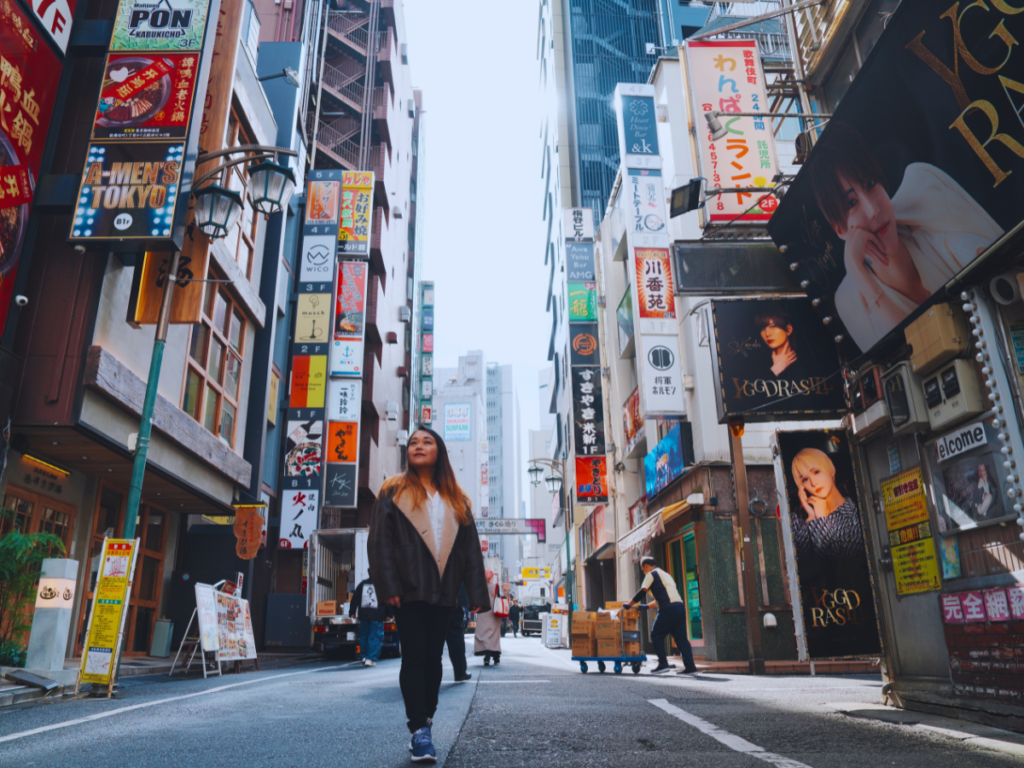
Nightlife brings a different set of concerns. The UK’s Foreign Office warns that visitors have been targeted by drink spiking, robbery, sexual assault and credit card fraud in entertainment districts. It specifically identifies Kabukicho, Roppongi, Shibuya and Ikebukuro as higher-risk areas in Tokyo, and advises visitors not to follow street touts into bars.
For most solo female travellers, the figures above shouldn’t put Japan off the itinerary. You can expect to use public transport and explore cities with relatively little concern about violent street crime. The bigger precautions are more specific, like crowded trains during rush hour, when unwanted touching can be harder to spot and challenge. This is one of the most commonly discussed safety concerns for women in Japan, so let’s look at it more closely.
Safety on Trains in Japan
Chikan: Groping and Upskirting in Japan
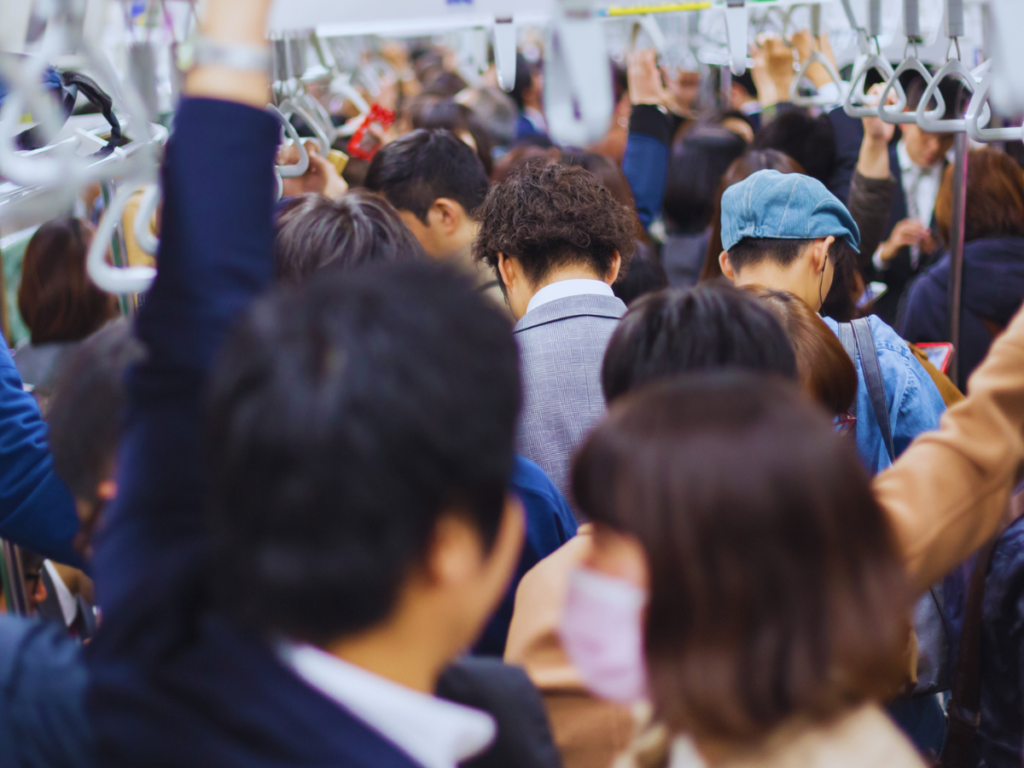
Chikan (痴漢) is the Japanese word for groping and sexual harassment, particularly on public transport. It most often comes up in conversations about crowded commuter trains, where someone can take advantage of the lack of personal space to touch another passenger. Sometimes the person responsible is difficult to identify because everyone is packed so tightly together. It isn’t something you’ll necessarily encounter, but it’s worth knowing what it is and how to respond.
But it’s not just about unwanted touching on trains, either. Upskirting, or secretly photographing underneath someone’s skirt, is another problem in Japan. This can happen on escalators and station stairways, where someone might hold their phone low and angle the camera upwards. They may look as though they’re simply checking their messages, so it’s not always obvious what they’re doing.
In fact, these days, you might notice that some Japanese stations have installed mirrors beside escalators. These let people see what’s happening behind them, making it easier to spot someone holding a phone in a suspicious position.
Women-Only Train Carriages
You’ll find women-only carriages on some train lines in Japan, mainly during weekday morning rush hour. They’re usually easy to spot: look for pink signs on the platform, often with matching pink markings on the floor showing where to queue. The carriage doors and windows will also have signs saying 女性専用車 (josei sen’yō-sha).
Don’t be surprised if you enter a women-only carriage and find a man sitting inside, though. They’re not necessarily a creep. It could just be the time of day, because the time for use of these carriages varies depending on the train company and line. On Tokyo Metro, for example, women-only carriages generally operate during the morning rush, with services ending between 9am and 9:30am depending on the line. Still, they’re a useful option if you’re travelling at the busiest times.
What Should You Do If Someone Gropes You?
If someone touches you inappropriately, shouting “chikan!” can alert the people around you. You can also shout “yamete kudasai!”, which means “Stop, please!”
It can feel awkward to make a scene, especially if you’re not sure how people will react. But you don’t need to stay quiet or worry about causing a disturbance. If something is happening to you, the people around you need to know.
A few things you can do other than shouting to get attention:
- Move away. If you can, change carriages or move towards other passengers.
- Ask someone for help. Try “tasukete kudasai”, meaning “Please help me”. You can also point to someone and ask them to find a station attendant.
- Speak to station staff. If you’re able to, get off at the next station and tell a member of staff what happened. They can help you contact the police.
- Remember what you can. The person’s appearance, clothing and the station where it happened may help if you decide to report it.
You’ll also see emergency intercoms on some platforms and inside trains. These let you contact railway staff if you need help. Especially as a solo female traveller, I’d say you don’t have to chase after the person or confront them yourself. Your priority is to get somewhere safe and alert railway staff.
Getting Home After the Last Train
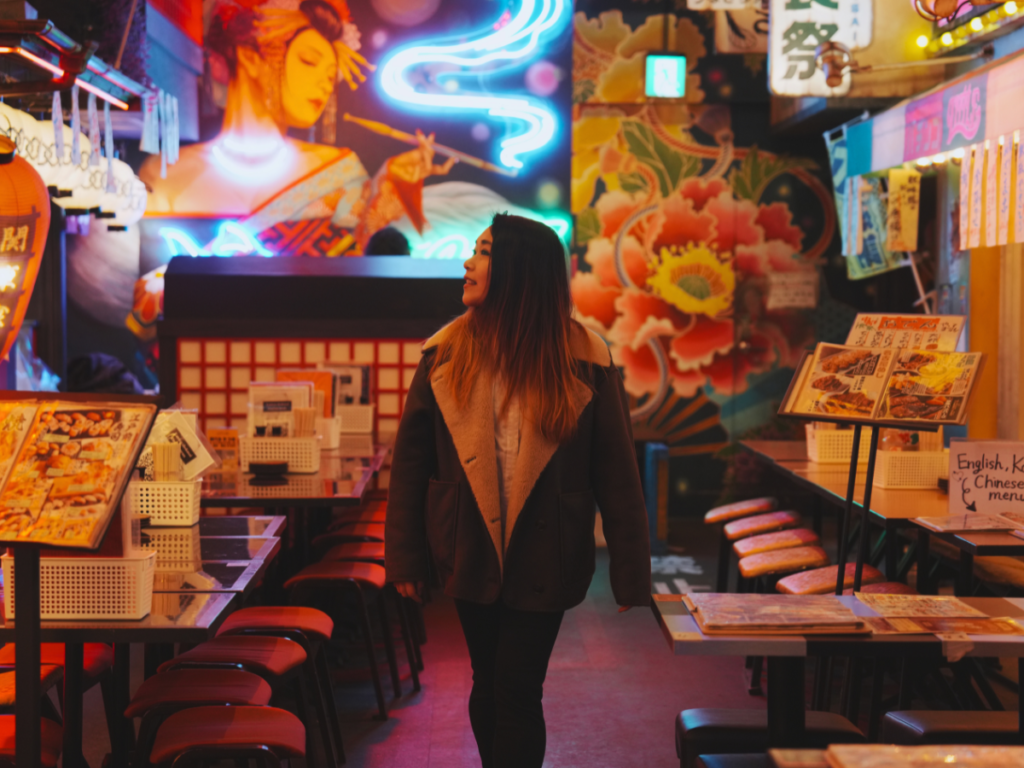
Japan’s trains don’t run all night. For some reason, some tourists don’t realise this before their trip. In major cities, most services finish around midnight or shortly after. Miss it, and you could be waiting several hours for the first morning service.
So, if you’re planning a late night out, check how you’ll get back before you leave. This is particularly important in Japan because train connections can make the last journey a bit more complicated than you’d expect. You might have a train leaving your nearest station at 12:15am, but if you need to change lines along the way, the connecting train might stop running earlier. Missing that connection could leave you stranded halfway back to your hotel.
Google Maps is useful for checking the last available route, but make sure you enter your actual accommodation as the destination, not just the nearest major station. Pay attention to the departure time, the number of transfers and the time you have to change trains. I’d also give yourself a bit of breathing room rather than planning to catch the very last connection of the night.
Don’t count on finding a night bus as a backup, either. Japan’s overnight buses are mainly designed for long-distance journeys between cities, rather than getting you across town after the last train. Local bus services have their own timetables and often finish earlier than trains. If you miss your last connection, a taxi or somewhere to stay overnight is usually the more realistic option.
Are Japanese Taxis Safe for Solo Female Travellers?
As a woman, I find it pretty comfortable taking a licensed taxi alone in Japan, including late at night. The main thing is knowing how to recognise a proper taxi. To start with, Japanese taxis come in different colours, including black, white, silver and even bright yellow. So, you can’t use the car colour to decide if it’s legitimate. The easiest thing to check is the number plate: licensed taxis have green plates with white characters. Ordinary private cars have white plates with green characters.
You’ll usually find taxis waiting outside major train stations, hotels and shopping centres. You can also flag one down on the street.
Japan has taxi apps, too. GO is one of the main options. I particularly like it because it has an English interface and accepts international credit cards. You enter your pick-up point and destination in the app, so there’s less chance of getting the address wrong. Uber and DiDi are also available in Japan, but coverage depends on the area.
One thing to understand about Uber in Japan: booking an Uber doesn’t necessarily mean a private driver will turn up in their own car. Most rides are regular licensed taxis booked through the app. Japan does have a limited private-car ride service, but it only operates in certain areas and under specific conditions.
The main thing I’d avoid is getting into a car offered by someone approaching you outside a station, airport or bar. Japan’s transport ministry warns visitors about unlicensed shirotaku (白タク), which are private cars illegally charging for rides.
What If You Miss the Last Train?
If a taxi is too expensive, you might have to find somewhere to spend the night and wait for the first train in the morning. Luckily, in bigger cities like Tokyo and Osaka, you do have a few options. You could book a nearby hotel or capsule hotel, or find a 24-hour manga café if you’re trying to keep costs down.
Personally, I’d rather pay a little extra for somewhere comfortable to sleep than spend the night wandering around looking for somewhere open. Some capsule hotels have women-only floors. Manga cafés (manga kissa) are another popular budget option. They usually have private booths where you can sit back, use the internet and sometimes even lie down for a few hours.
Karaoke places can also stay open late, but I’d see these more as somewhere to wait with friends than somewhere I’d recommend settling in for the night alone.
Where to Get Help in Japan
Kōban
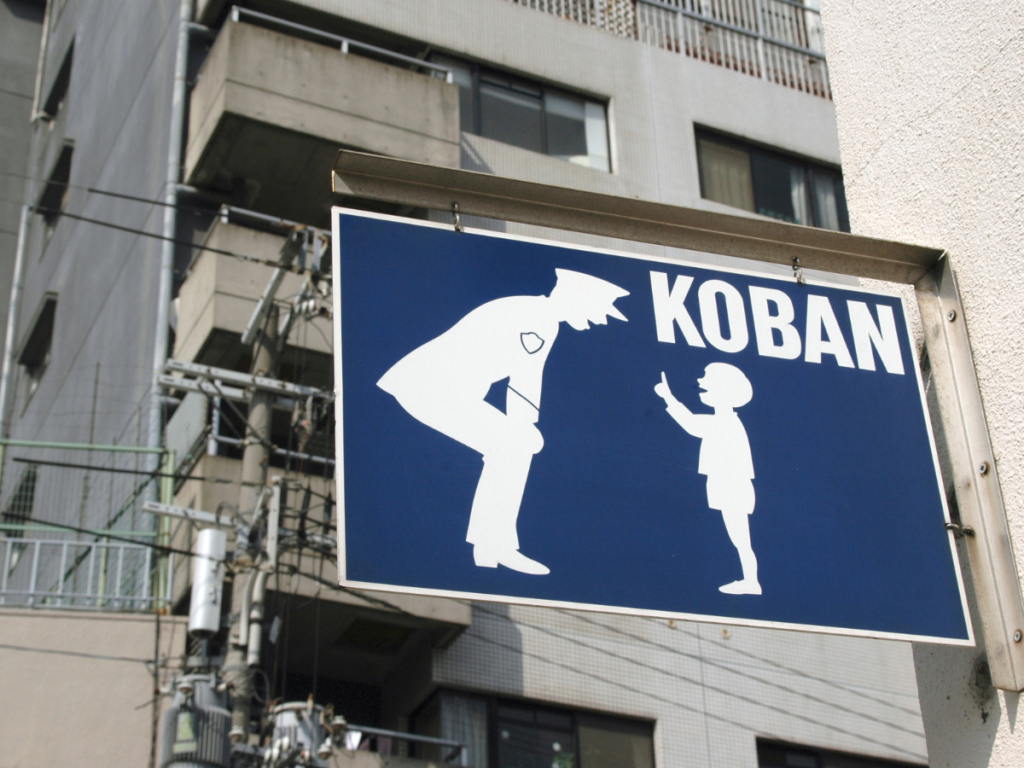
You’ll probably come across a kōban (交番) during your trip. They’re small police boxes found around train stations, shopping streets and residential neighbourhoods. Look for the sign saying KOBAN.
You don’t need to be dealing with a major crime to go in. You can report harassment or theft, ask for help with lost belongings, or speak to an officer if someone has made you feel unsafe. They’re also useful if you’re lost and need directions.
One thing to bear in mind is that a kōban isn’t always staffed. The officer might be out on patrol or dealing with something nearby. If you’re in immediate danger, don’t wait for someone to come back. Instead, have these emergency numbers saved.
Japan Emergency Numbers to Save
There are two numbers worth keeping handy:
- 110: Police. Call if you’ve been assaulted, threatened, robbed or are in immediate danger.
- 119: Ambulance and fire service. Call if you’re seriously injured, suddenly very unwell or need an ambulance.
Both numbers are free to call. You can also get help in English, although the arrangements vary by area. For 110 calls, police in Tokyo, for example, publish guidance confirming that they can connect callers who don’t speak Japanese with an interpreter. Stay on the line if you can’t explain the situation straight away.
The Japan Visitor Hotline
If you need advice in English and aren’t sure who to contact, the Japan Visitor Hotline is another number worth saving. It’s run by the Japan National Tourism Organization (JNTO) and operates 24 hours a day, 365 days a year.
You can call about accidents, illness, natural disasters and other problems during your trip, as well as general travel questions.
- From Japan: 050-3816-2787
- From overseas: +81-50-3816-2787
It’s useful to have, particularly if you’re travelling alone and need help working out what to do next. Just remember that it isn’t a replacement for calling the police or an ambulance in an emergency.
I’d save these numbers in your phone before you travel. Hopefully, you’ll never need them, but you don’t want to be searching for them when you’re already stressed.
Walking Alone in Japan
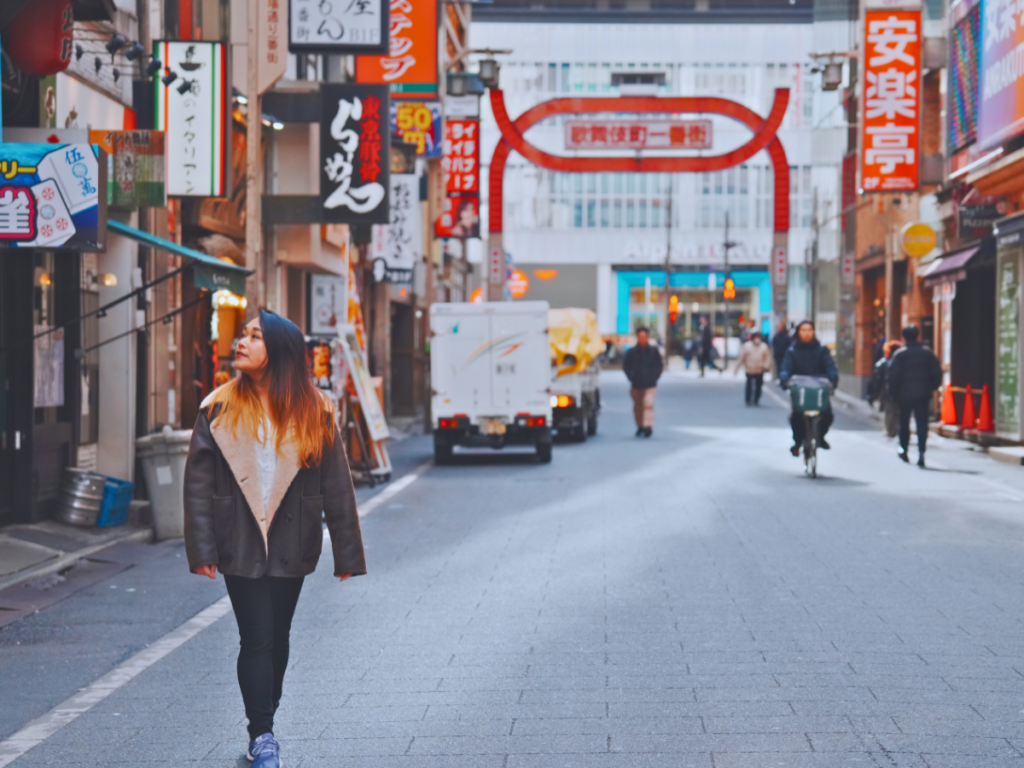
Walking around Japan alone is something you can do without too much concern, even after dark. You’ll often see women out by themselves in the evening, and it’s quite normal to walk home from the station after dinner or a night out.
But one thing that surprised me when I first moved here is how quickly busy streets can turn quiet. Even in a city like Tokyo, you can turn off a main road and find yourself walking along a residential street with hardly anyone around. You might have hundreds of people living in the apartment buildings just steps from where you are, but with residents several floors up and behind locked entrances, they’re not necessarily going to see or hear what’s happening on the street below.
For that reason, I’d stick to busier, well-lit roads when walking back to your accommodation late at night, particularly if you’re unfamiliar with the neighbourhood. You don’t need to avoid residential areas altogether, but I wouldn’t take a poorly lit shortcut just because it looks like the quickest route.
What Is Butsukari Otoko?
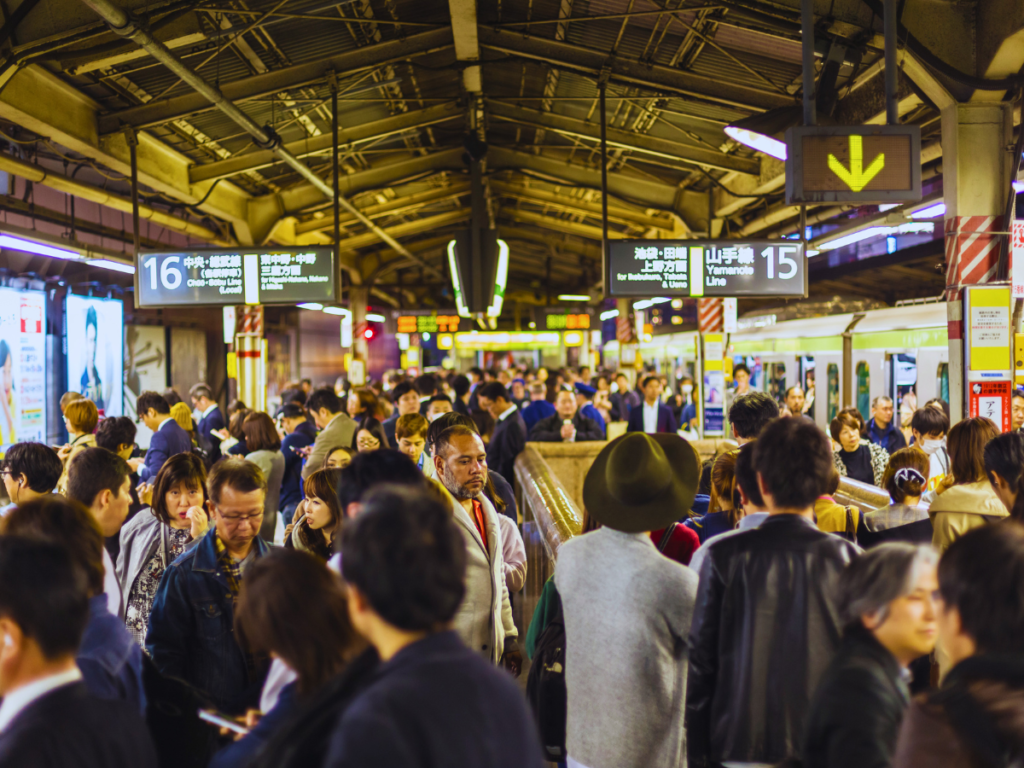
There’s another issue you might come across in discussions about women’s safety in Japan: butsukari otoko (ぶつかり男), sometimes called butsukari ojisan (ぶつかりおじさん).
The term roughly translates as “bumping man”. It describes men who deliberately walk into or shoulder-check people in public, often targeting women in busy places such as station concourses and crowded streets. Unlike an accidental bump in a crowd, these collisions are intentional.
I know we’ve all seen viral videos showing this behaviour, but I honestly don’t think they should be taken as a reflection of what happens on every street in Japan. It’s difficult to say how common this behaviour is, but you should understand that not every collision in a crowded area is necessarily accidental. There is a chance it was intentional, and if they threaten you or continue following you, then you’ll know to ask for help.
If you ever feel uncomfortable or think someone is following you late at night, Japan’s convenience stores can also be useful places to head for. You’ll find them all over major cities, and many are open 24 hours, so there’s a good chance you’ll have one nearby even late at night.
Japanese Nightlife Safety for Solo Female Travellers
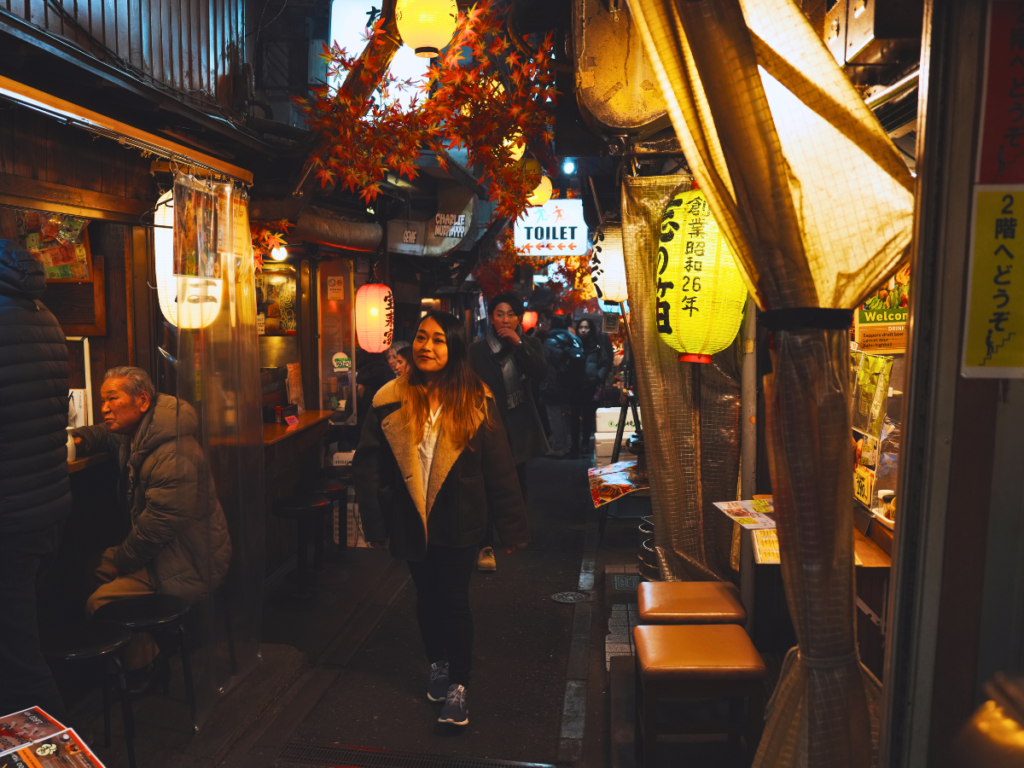
Japan’s nightlife districts have street touts, known locally as kyakuhiki (客引き). You’ll see them approaching people outside stations and along entertainment streets, offering to take them to a bar or club. Some are simply trying to attract customers, but others work with establishments that target visitors with inflated bills and other scams.
This isn’t just a case of paying a little more than you expected. The Tokyo Metropolitan Police warn that some of these establishments have served visitors drinks that leave them incapacitated, then charged excessive amounts to their credit cards. The police specifically advise visitors not to follow street touts into bars.
Of course, being careful doesn’t mean you should miss out on Tokyo’s nightlife. Even when travelling alone, you might still want to explore the city’s famous drinking districts and enjoy a night out without having to figure everything out yourself. So, why not join one of our nightlife tours? We’ve spent years exploring Tokyo’s bars and drinking spots, and we’d love to show you some of our favourites.
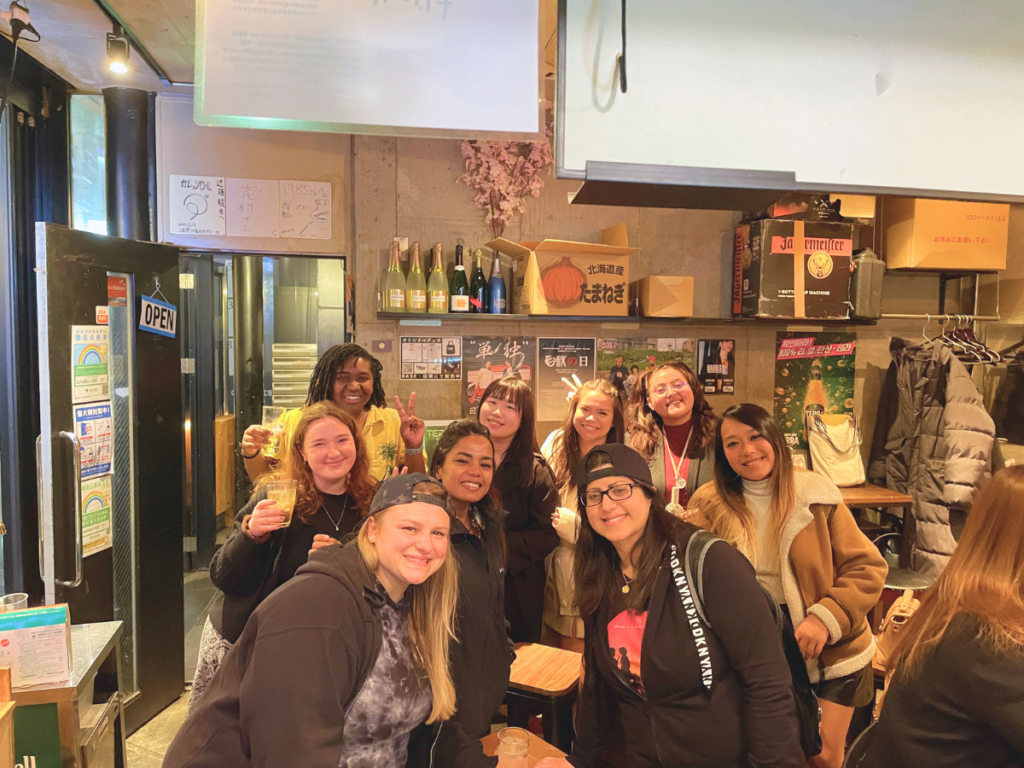
We can take you to some of the city’s best-known nightlife areas: from Shibuya, with its maze of backstreet bars and late-night drinking spots, to Golden Gai, where tiny bars are packed into a handful of narrow alleys.
- Book our Shibuya Bar Tour to enjoy the best backstreet bars and drinking spots just steps away from the world-famous Shibuya Crossing
- Book our Golden Gai Bar Tour to experience a night in one of the tiny bars packed into a handful of narrow alleys in Shinjuku
Or, if you’d like to venture beyond the usual tourist areas, we can take you to a neighbourhood most tourists don’t think to look at, where you can discover local bars and enjoy a drink alongside the regulars on our Tokyo Local Bar Tour.
FAQs: Is Japan Safe for Solo Female Travellers?
Is Japan safe for solo female travellers at night?
You’ll see plenty of women out alone in Japan after dark, walking home after dinner or meeting friends for drinks. You can do the same, but I’d still pay attention to your surroundings and be a little more cautious around nightlife districts.
Are capsule hotels safe for solo female travellers?
Capsule hotels are a popular option for solo travellers, and many have separate floors or sections for women. Some are women-only, too.
Are there women-only train carriages in Japan?
Yes, just look out for the pink signs on station platforms. These mark women-only carriages, which operate on many train lines during certain weekday rush hours.
Can I go to bars and clubs alone in Japan?
Of course. You don’t need to miss out on Japan’s nightlife just because you’re travelling alone. Just be careful about people approaching you on the street and offering to take you to a bar.