
There’s a certain video format doing the rounds on Japan TikTok right now. You’ve probably seen it: a couple dragging an enormous suitcase (or two) up three flights of station stairs, sweating, laughing, quietly regretting every packing decision they made for their Japan trip. Japan and stairs, the comments always say, name a more iconic duo.
Watching those, as a parent, your brain does the obvious maths. If a suitcase causes that much drama, what’s a stroller going to do to us?
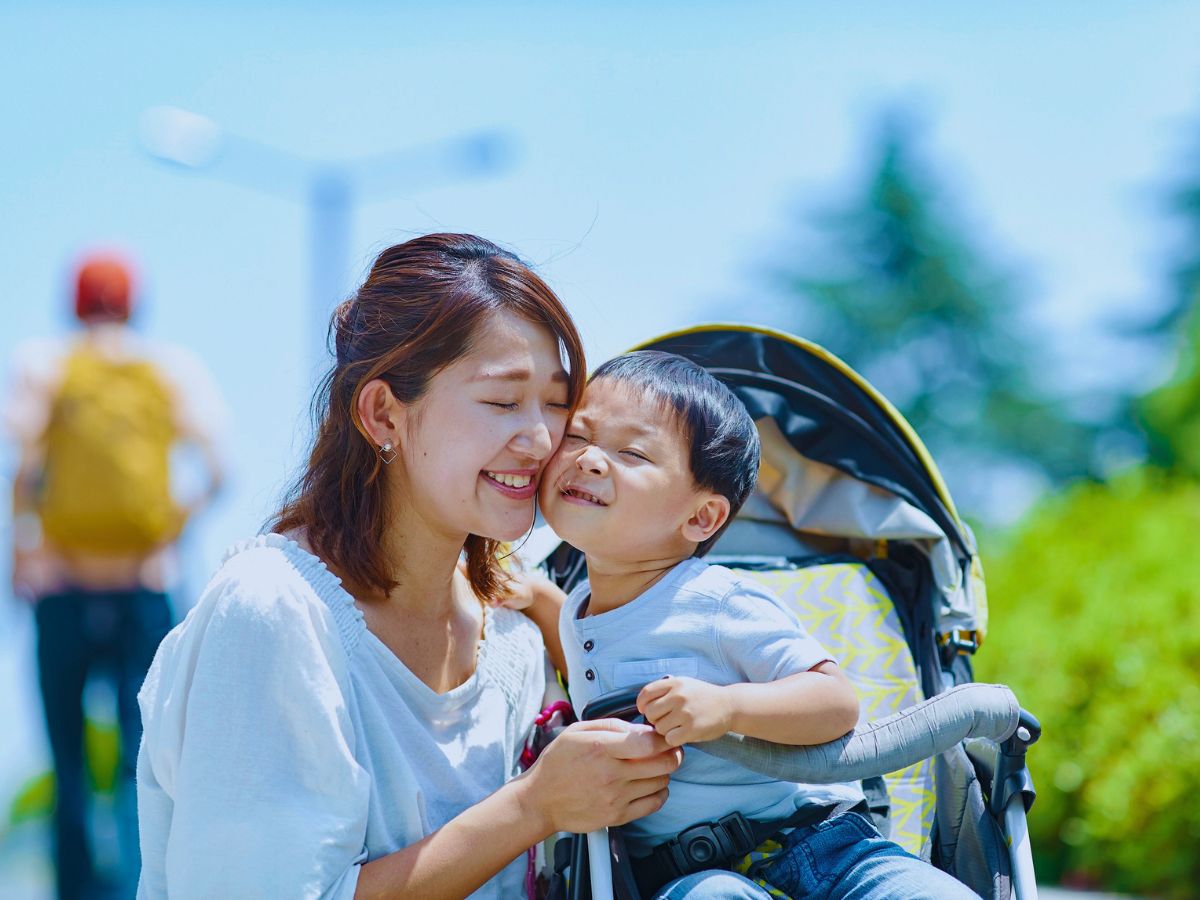
Here’s my answer, and I’m not a travel blogger passing through for a week. I’m a Japan-based mum. My son was born in a hospital a short walk from where I’m typing this right now, and the “bebīkā” (that’s the Japanese word for stroller, lifted straight from the English “baby car”) currently folded up in my genkan has clocked up some serious mileage.
So, is Japan stroller-friendly? Largely, yes. Elevators don’t exist absolutely everywhere, I won’t pretend they do. But they exist almost everywhere that counts, and when one’s missing, staff sort you out fast without fuss.
What actually wears you down isn’t accessibility at all. It’s cramming a stroller onto a train during rush hour, and that’s got nothing to do with Japan being inaccessible. It’s just several million people all trying to be somewhere at once.
Using a Stroller on Japanese Trains and the Subway
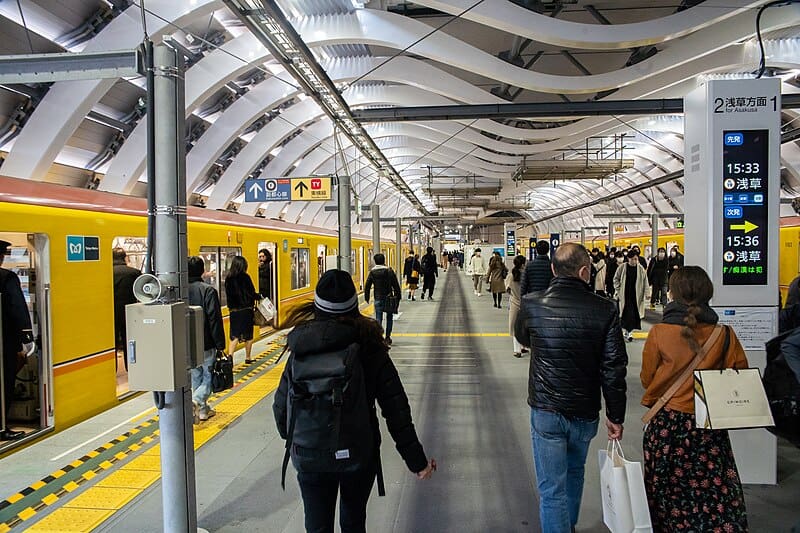
The first rule of surviving public transport in major Japanese cities with a stroller is simple: avoid rush hour like it’s the plague. This is roughly between 7.30 to 9.30 in the morning, and 5 to 7 at night. Platforms fill up, carriages fill up, and nobody’s rude about it exactly, but the space just disappears. A stroller in a carriage that packed stresses everyone out, you included.
Worth knowing too is that Japan’s transport ministry actually standardised the rules so strollers no longer have to be folded on board at all, and priority seats got their own sticker for parents. In practice though, some passengers still aren’t thrilled about an unfolded stroller taking up space during peak hours, and you’ll occasionally catch a look or a sigh. Don’t take it personally. Most people are just tired.
Now, the good news is that nearly every station runs what’s called in Japan a barrier-free route, a path through the building that dodges stairs entirely using elevators and ramps. The bad news is that it’s rarely the shortest way round.
Before heading out each day, flick on the wheelchair-accessible option in Google Maps route settings. It plans your route around stairs automatically.
For example, I tried searching for how to get to SUNSHINE 60 OBSERVATORY from Shinjuku Station. The ‘best route’ option would tell you that it’s a 19-minute trip via the Saikyo Line, following the signs for Central Gate 2 and exiting at Exit 35.
Turning on the wheelchair-accessible option would have you exit via the South Gate instead, adding 5 minutes to your trip. But once you see that the South Gate is where the elevator for the ground level is, you’ll realise that those 5 minutes are worth it. The alternative would have been 30 minutes of getting lost at the Central Gate, trying to decipher how you are supposed to leave the station with this huge stroller.
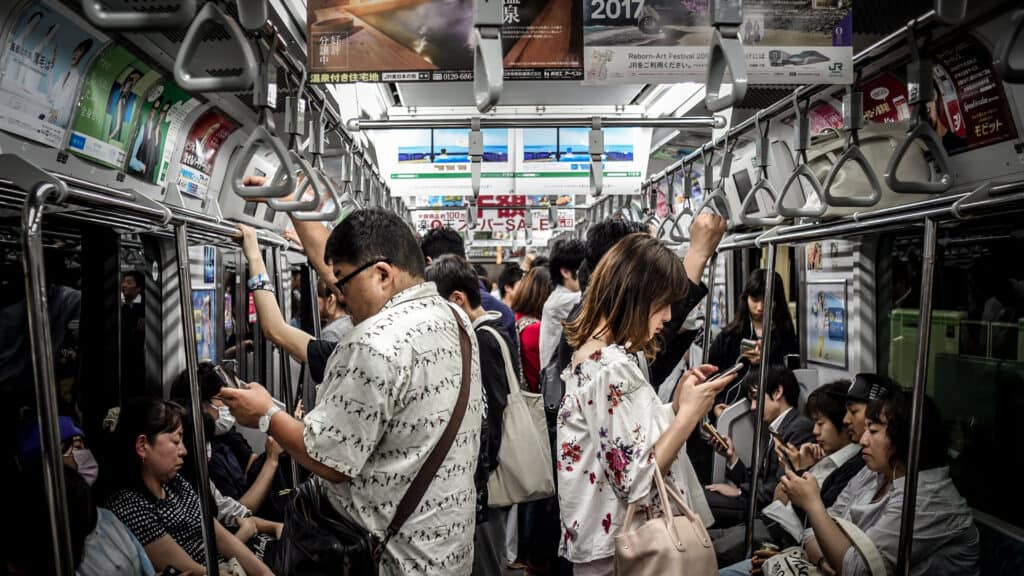
Once you’ve found your way to the train itself, hunt for the wider space near the doors, usually flagged with a small blue or pink wheelchair symbol. That’s built for strollers, wheelchairs, and big luggage. Park yourself there.
Even in these spaces though, if it gets really packed, common courtesy is to fold the stroller and hold your kid for a stop or two, freeing the space up.
The shinkansen plays by slightly different rules. Fold the pushchair to get through the doors, unfold it once you’re inside, then stash it near the oversized-luggage seats at the end of the carriage (which might need reserving depending on which shinkansen you’re riding). Kids under six also ride free on your lap. Honestly, shinkansen come with a lot of their own rules, so be sure to read our guide if you plan on using it during your trip:
Walking Around Japanese Cities with a Stroller
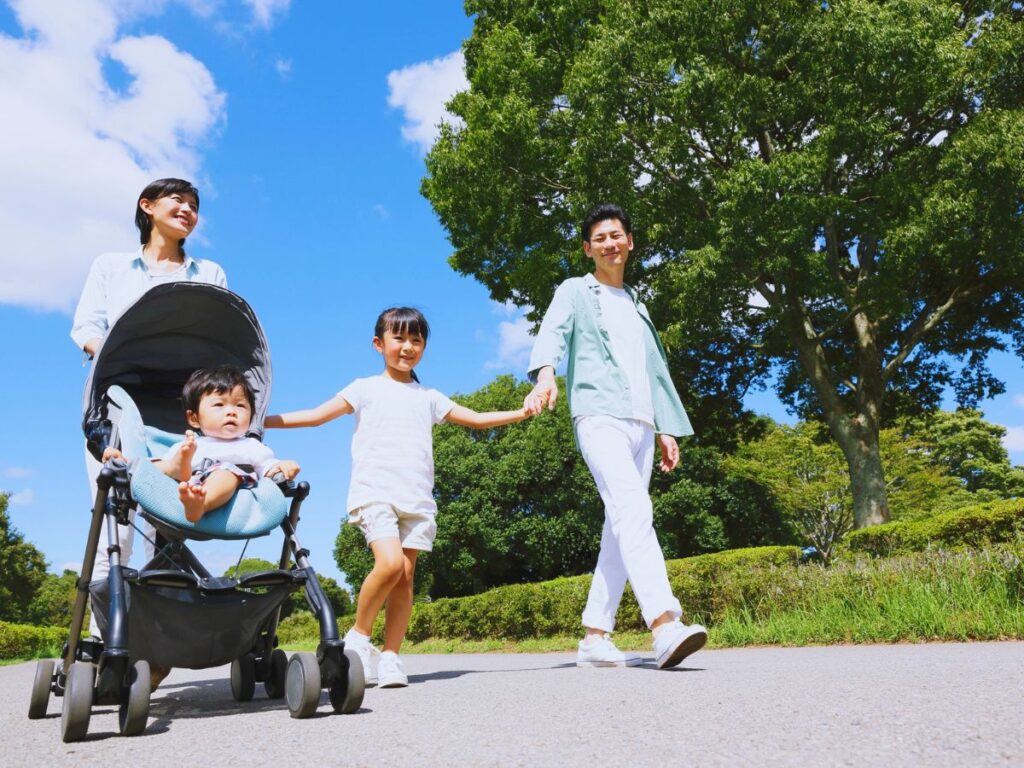
Once you successfully navigate the station exit and step out onto the pavement, life with a stroller gets much easier. Generally speaking, Japanese city streets are wonderfully smooth and well-paved, making actual rolling a breeze. Pavement etiquette is a real thing, though; pedestrians usually flow in steady, orderly streams on one side, so staying in your lane prevents accidental collisions with hurried salarymen or cyclists.
When hunger strikes, you might be a bit frustrated to find that many traditional independent eateries, hidden ramen shops, and intimate izakayas rarely have room for a sprawling, heavy-duty stroller. Many local dining spots feature narrow doorways, counter-only seating, or steep staircases leading up to a second-floor dining room.
Rather than letting this ruin your lunch plans, look out for larger department stores. The basement food halls, known as depachika, and the upper-floor restaurant floors are absolute lifesavers for travelling families. They feature spacious layouts, and many restaurants even have dedicated areas for stroller parking.
That said, if you stumble upon a tiny local cafe you simply must try, it is entirely normal to park your stroller neatly outside the entrance (granted it is not blocking the walkway), and step inside with your child. Japan’s remarkable public safety means your belongings will be entirely safe waiting for you outside.
If you want an even more enjoyable time for your family, exploring with a tour guide who not only knows the best places to visit but also the best way to get there is priceless. With our Customised Tokyo Tour, you even get decide which places you and your kids want to visit during the tour.
Using Strollers in Japan’s Theme Parks and Modern Tourist Landmarks
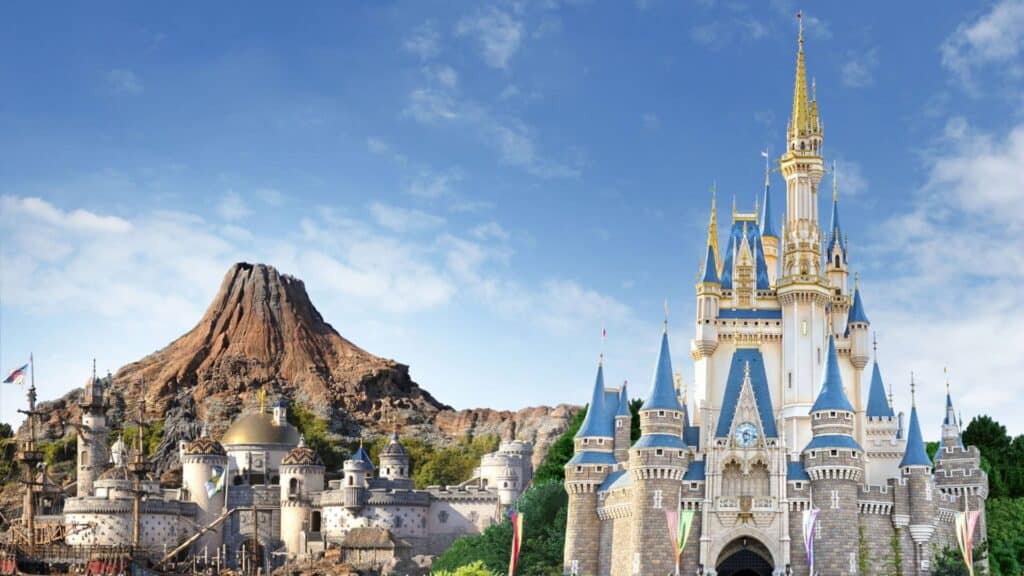
Major entertainment hubs and modern vertical attractions, like Tokyo Skytree or Shibuya Sky, are thankfully engineered with modern accessibility in mind. You will glide smoothly from the underground ticket gates straight up to the observation decks without hitting a single step.
Theme parks like Tokyo Disneyland or Universal Studios Japan are equally accommodating, though you will quickly notice how many local parents choose to rent lightweight buggies right at the gates rather than wrestle their own bulky models through crowds and onto transport.
Disney rents them for 1,000 yen a day. Universal Studios Japan rents strollers just past the main gate for 1,100 yen, no booking required, for kids one month to four years old.
But honestly, bring your own if you’d rather. I was pretty attached to my son’s stroller and using any other just felt off, so I did just that. Just make sure it folds manually and the wheels lock, because during peak parade times or live stage shows, park staff may kindly ask you to park your pushchair in designated stroller parking zones.
Also, I always advise keeping a lightweight baby carrier stashed in the basket underneath for these exact moments, allowing you to scoop your toddler up and enjoy the entertainment completely unburdened.
Using Strollers in Japan’s Temples, Shrines, and Historical Sites
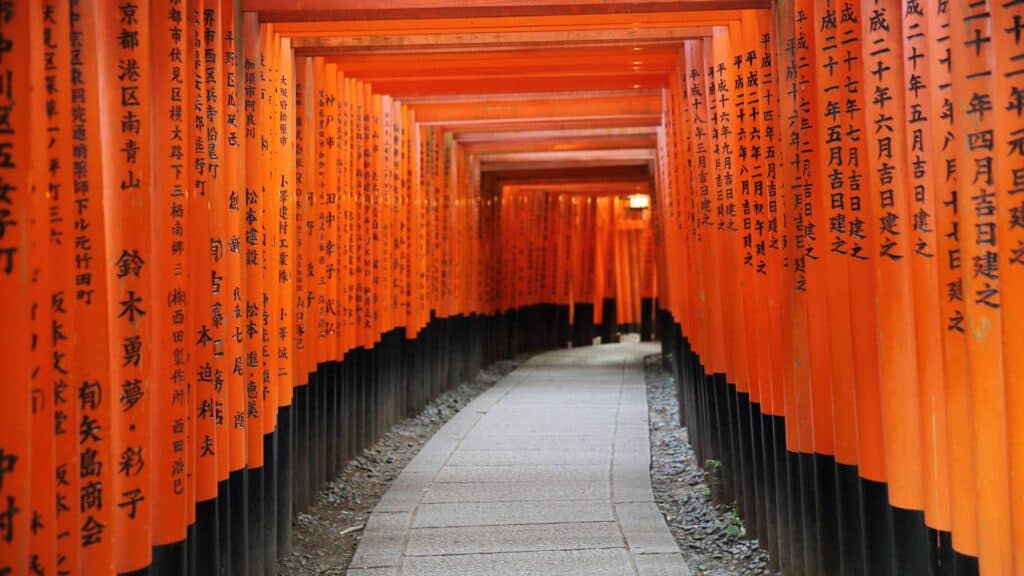
Ancient temples, and sprawling shrines were obviously built centuries before concrete or accessibility laws were ever conceived, so this is where your romantic notions of effortless wheeling face their ultimate test.
When you visit locations like Kyoto’s historic districts or traditional temple grounds, you encounter historic stone steps, and raised wooden thresholds at temple hall entrances. Even ones that look flat on a map, like Meiji Jingu, hit you with loose gravel paths that grind a pushchair to a near stop within the first hundred metres.
To add to that, many sacred temple buildings require you to remove your shoes at the entrance and step onto delicate historical tatami mats or polished wooden corridors. Strollers must stay outside in a designated parking area anyway.
For these specific days of your trip, my advice would honestly be to leave the stroller folded up back at the hotel room and rely exclusively on a trusty baby carrier or a hip seat.
FAQs About Using a Stroller in Japan
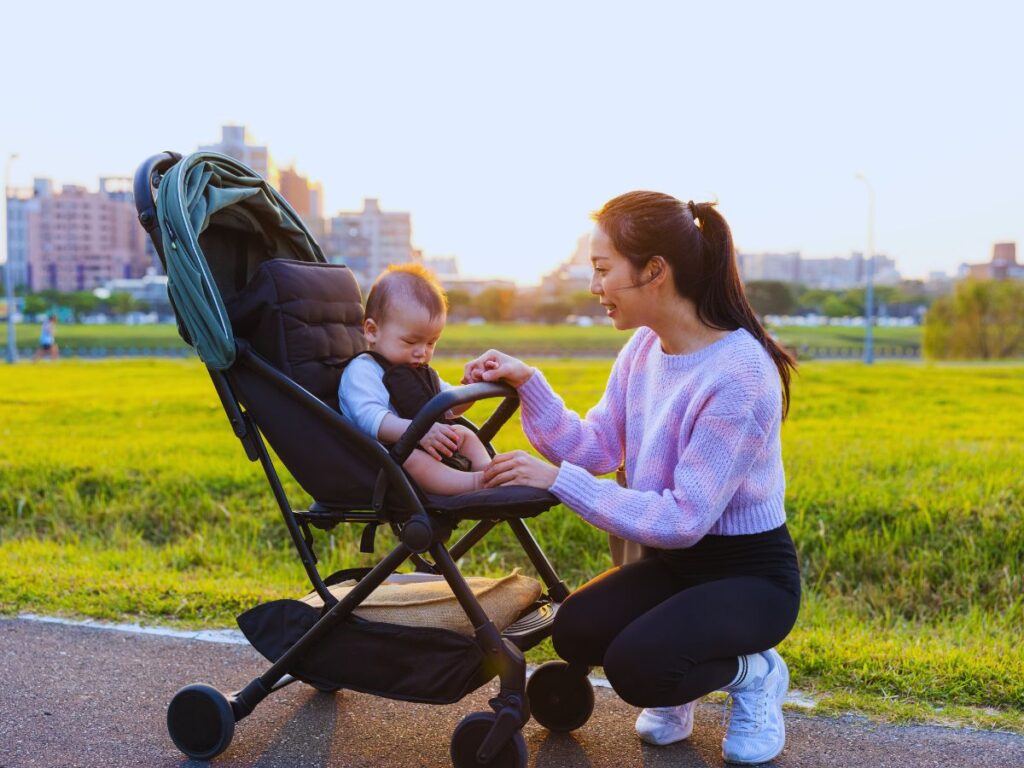
Is Japan stroller-friendly for tourists?
Mostly yes in modern cities, but expect hurdles at historical sites and narrow shops. Also, try to steer clear of rush-hour trains.
Are baby carriers better than strollers in Japan?
Pack both if possible. A carrier would come in handy in crowded trains and old temples and shrines.
Should I bring my own stroller to Japan, or rent one there?
Rent if you’re bouncing between cities, it saves you dragging kit through airports and up the odd staircase. Bring your own if you’re staying put in one city, and your kid has strong opinions about their usual seat.