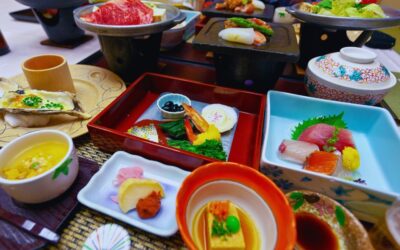
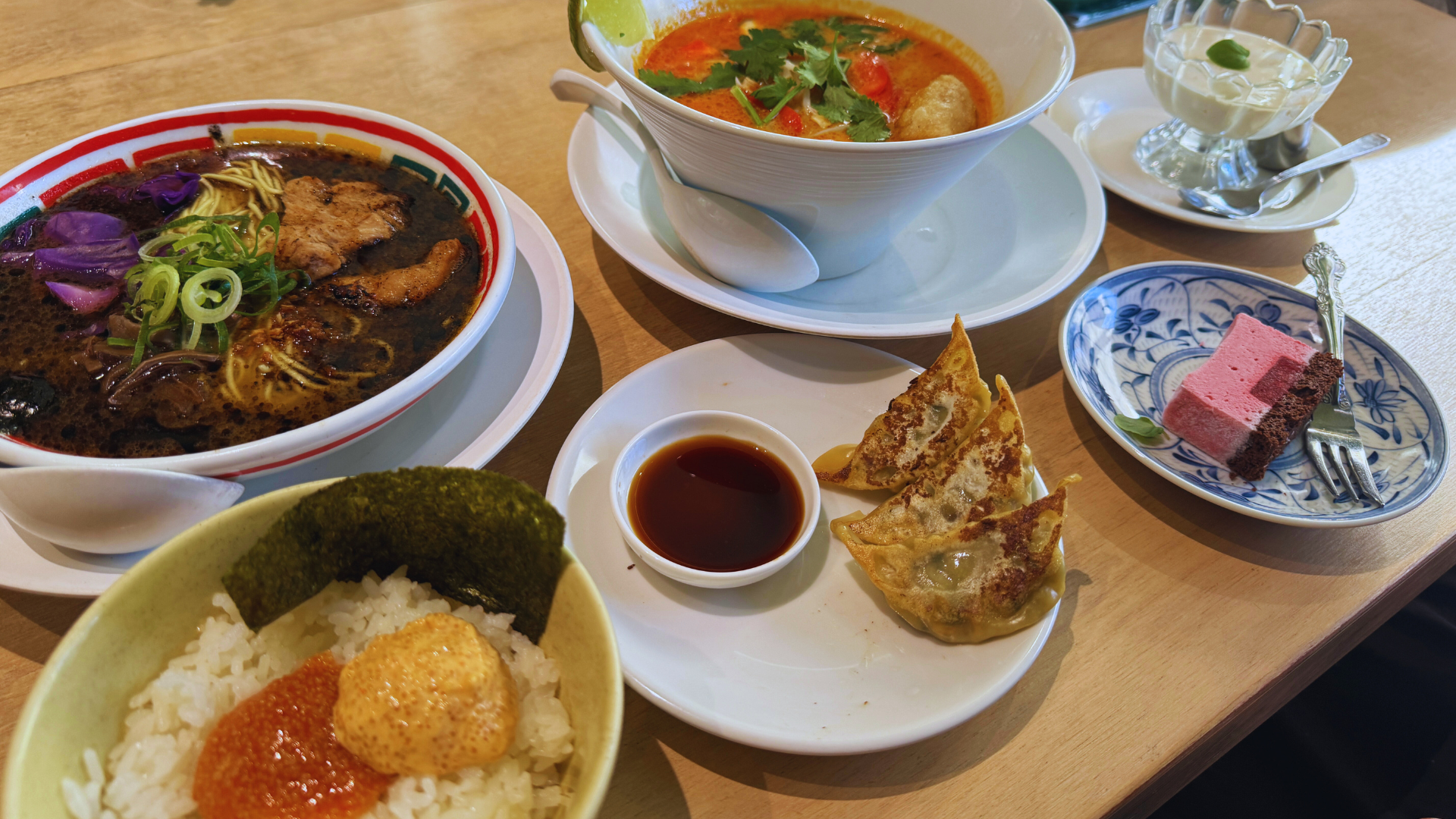

Japan can seem an intimidating country to visit if you’re vegan. And I understand why…it’s known for its meat. It might be hard to imagine, but I’m here to tell you that it’s not only possible to survive as a vegan in Japan, but that the experience might just be your best trip yet.
There are a lot of options when it comes to vegan food in Japan that go beyond the Western-style vegan bistros. I’m using this guide to share my personal experience as a vegetarian living in Japan with many vegan friends, to give you faith that you can enjoy this country without eating meat, fish, or dairy!

The Best Way to Experience Japan as a Vegan
You’ll learn in this guide the many, many reasons that being a vegan in Japan is totally possible. But, if I’m honest, the easiest option is to join a vegan tour or travel with a vegan guide. Our ultimate vegan group trip is a great option if you’re interested in travelling with other vegans to experience temple stays, authentic dishes, and vegan cooking classes…without having to organise anything yourself.
Does Japan Have a Vegan History?

Yes and no. Japan does have a Buddhist history spanning back to the 6th century CE, and for over 1,000 years of that time, the consumption of land-based animals was completely banned. Japan’s early Buddhist principles focused on a largely plant-based diet, with a few exceptions for meat and fish, mostly on special occasions.
Now, to be clear, Japan wasn’t strictly vegan, but mostly vegetarian with some fish consumption, particularly in coastal regions. What that meant, though, was that a lot of the cuisine was naturally vegan.
In the 1800s, during the Meiji Restoration Period, Emperor Meiji set about to modernise Japan, largely through trade. As part of this new era, he lifted the ban on eating meat and actually encouraged its consumption in young men in the hopes of producing a stronger army.
Shojin Ryori
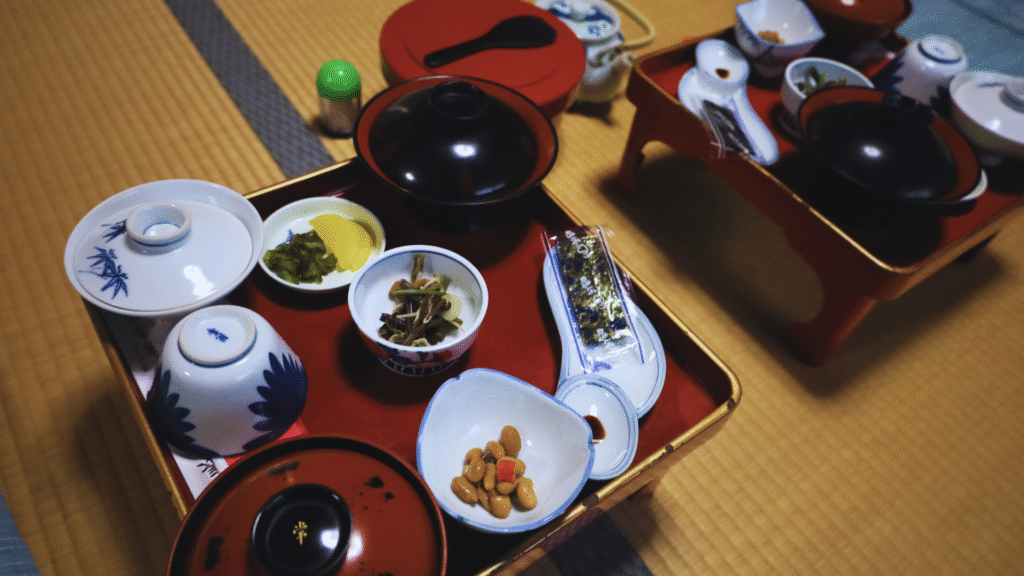
Shojin ryori translates literally to “devotion cuisine” and is the traditional diet consumed by Buddhist monks in Japan. It follows strong tenets in order to constitute as shojin ryori, including the practice of non-violence. Killing or causing harm to any creature is strictly banned in Buddhism, so the cuisine is vegan by principle.
There’s a lot more to shojin ryori than just veganism. The food must also nourish the body and calm the soul. Just because a dish is Japanese and vegan does not mean it is shojin ryori. To experience the food authentically, the best thing to do is to visit a specialist restaurant or experience a temple stay (known as shukubo).
Things to Watch Out for as a Vegan in Japan

Before I dive into all the things you can eat as a vegan in Japan, I unfortunately have to touch on the things you need to be actively avoiding. I say actively because non-vegan (specifically fish) ingredients pop up a lot in Japanese food, in ways that you would never expect or think to check.
Dashi
If you don’t already know about dashi, you will very soon…and I would hazard a guess that it’s about to become the bane of your life. Dashi (だし) is a fish-based broth that is used in almost everything: soup, noodle dishes, tofu, seaweed, miso soup, and so much more.
It’s particularly frustrating as dashi makes otherwise completely vegan dishes no longer plant-based. Whilst it is possible to make it without fish, you’ll have to specifically ask for this in restaurants, with many chefs potentially not quite understanding the concept.
Dashi is the reason that most udon and soba dishes can’t be eaten by vegans, and something you have to check for in every single dish…especially plain tofu dishes.
Bonito Flakes
Bonito flakes or katsuobushi (鰹節) are super-thin shavings of dried skipjack tuna that are used as a topping in lots of Japanese foods. If you don’t know what it is, you probably would never guess that this is a fish-based ingredient.
You need to watch out for bonito flakes, particularly when ordering vegetable and tofu dishes, as they are very often topped with bonito flakes. Similarly, if you pick up the veggie ready-to-eat side dishes from grocery stores here, you’ll need to watch out for this topping.
Inari Sushi
This is a tough one to have to share. Inari sushi is essentially sushi rice packed into a pocket of lightly fried tofu that would seem like the perfect vegan snack. However, it almost always contains fish powder and/or the tofu is boiled in a dashi broth (I told you dashi would be tricky).
Certainly, avoid grocery store inari sushi. You could ask a chef in a restaurant if their inari sushi was made using dashi, but be prepared to be disappointed.
Authentic Japanese Dishes That Happen to Be Vegan
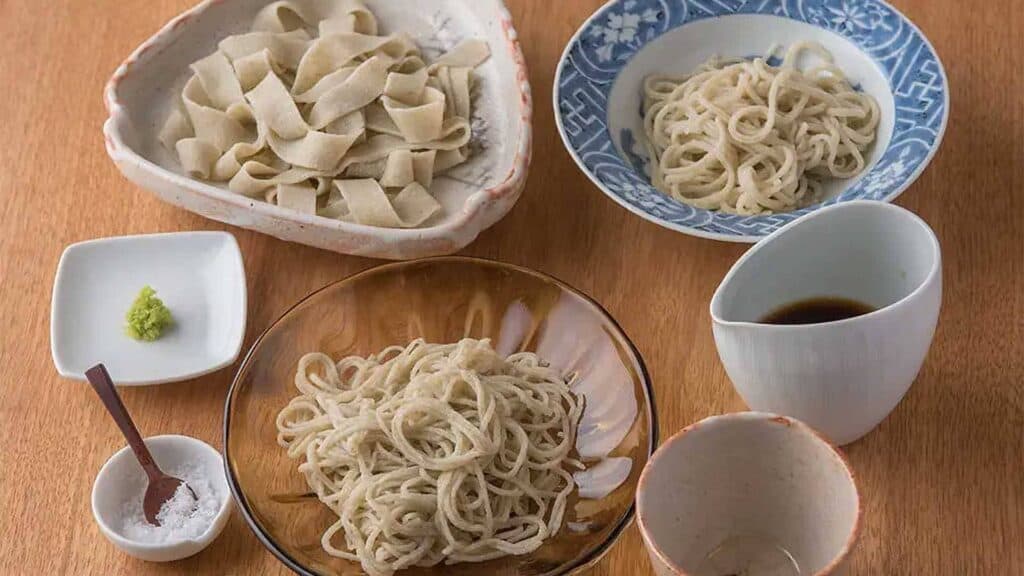
Finally, time for some good news! Although finding vegan food in Japan can be challenging, it is far from impossible. There are many dishes which just happen to be vegan, meaning you can still enjoy an authentically Japanese meal that just happens to be plant-based.
Zaru Soba
Soba are buckwheat noodles that just happen to be vegan and contain a great amount of protein (around 6g per 100g serving). Usually, they’re served with a dashi broth, however, that’s not the only option.
Zaru soba is a dish where soba is served cold and dipped into some sort of sauce. Instead of the traditional dashi sauce, you can opt for a soya sauce or sesame sauce to complement the noodles. This is especially delicious to eat during summer when the cold noodles perfectly cut through the hot and sticky weather.
Natto
Natto is a fermented soybean dish that’s super popular to eat for breakfast in Japan. The soybean fermentation process causes them to become super sticky with a really unique texture and taste.
It’s sold in every grocery store and many convenience stores in small styrofoam containers. To eat it, use chopsticks to mix the natto really well until it gets a little frothy, then top it with the mustard and the sauce that’s usually provided. Pour it over rice and enjoy!
If you’re at a sushi restaurant, you can often also find natto hand rolls on the menu for another vegan option.
Tofu
Okay, I know I said you have to watch out for dashi and bonito flakes when ordering tofu. This is still true, but there are still so many tofu dishes in Japan that are 100% vegan. More than this, they’re also so incredibly delicious.
You can try hiyayakko, fresh tofu served with soy sauce and ginger, or yudofu, a hot dish where the tofu is simmered in hot water before serving. Whenever you order a tofu dish, just make sure to request that the chef doesn’t use any bonito flakes.
Sushi (yes, really)
Stay with me! When you think of sushi, of course, you think of fish. But, in Japan, sushi actually refers to vinegared rice with a topping…and that topping doesn’t have to be fish. You can find plenty of sushi options that are vegan, like cucumber rolls, gourd rolls, and even corn tempura nigiri.
Onigiri
A little similar to sushi, you can also get onigiri (rice balls with fillings) that are naturally vegan. These are the iconic triangular rice balls wrapped in nori seaweed that you can eat as a vegan. The plain ones are absolutely plant-based, and the ume (pickled plum) filled onigiris are also often vegan. You’ll also see kombu (seaweed) onigiri, but these very often contain dashi, so you’ll need to check the ingredients list.
Tempura
Tempura is a Japanese style of deep-frying food characterised by a very light but still incredibly crispy coating. Now, you have to be a little careful with tempura as the batter can contain egg, depending on the recipe and chef, so you will need to double-check.
Once you’ve confirmed the restaurant/chef is using an egg-free batter, you can enjoy an array of veggie tempura. My favourites are Japanese pumpkin (kabocha) tempura and sweet potato (satsumo imo) tempura. The flavour is creamy, salty, sweet, savoury, and just delicious.
Are There Vegan Restaurants in Japan?
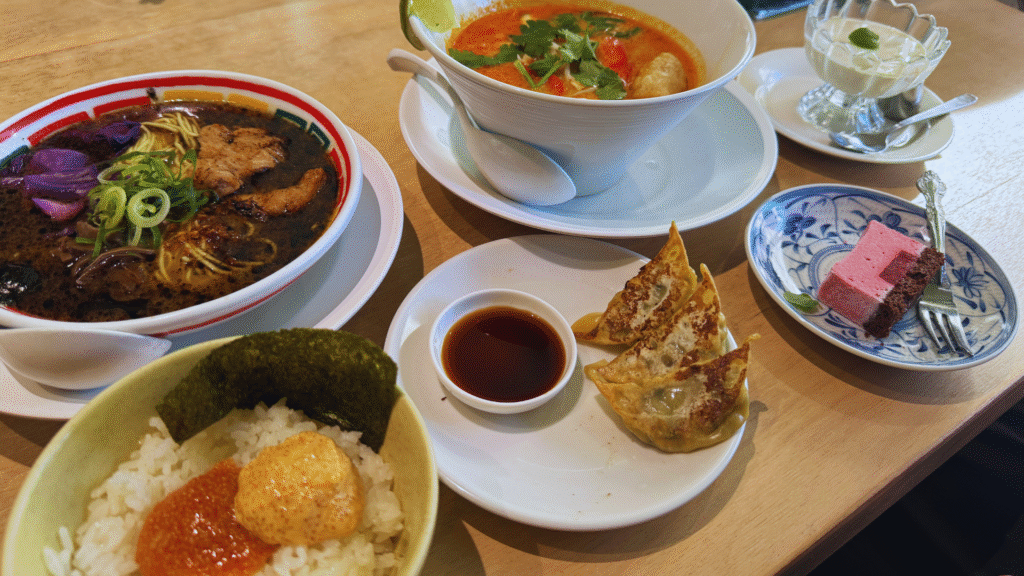
Of course! And more and more every year. The big cities, in particular, have an abundance of dedicated vegan restaurants (or restaurants with vegan options). You can use the app HappyCow to find these, but below are some great recommendations:
Tokyo
- Jikasei Mensho: A ramen restaurant that serves two types of super delicious vegan ramen. There are a few locations, as well as a totally vegan one in Harajuku.
- Kakekomi Gyoza: A really fun gyoza restaurant in Shinjuku that has vegan gyoza options on the menu.
- Mushroom Tokyo: A fabulous omakase (chef’s choice) restaurant where every dish is created around mushrooms. It’s a small boutique place with just a few tables and an amazing vegan tasting menu.
- Masaka: A famous vegan izakaya found in Shibuya, where you can experience the lively izakaya atmosphere and local favourite dishes like karaage and gyoza, except everything is vegan.
- Brown Rice Tokyo Omotesando: A vegan restaurant with a focus on organic and natural whole food from Japan.
Find more:
Osaka
- OKO Takoyaki: A vegan food stall that lets vegans try Osaka’s famous street food, takoyaki.
- Paprika Shokudo: A fully vegan cafe with a really cosy atmosphere and some pretty unique menu items like vegan oysters and fried chicken.
- Vegan Ramen By Playpen Friends: Easily one of the best vegan ramen places in Osaka that offers three different types of vegan ramen to try.
- Megurimeshi Megumi: An excellent vegan restaurant that serves an array of traditional Japanese dishes, including the local speciality of okonomiyaki.
- Canelita Sweets: Okay, not a restaurant, but this is a fully vegan bakery/cafe where you can get cakes, doughnuts, and pastries.
Kyoto
- Engine Ramen: A great ramenya that has quite a few vegan options on the menu, including really tasty vegan soup dumplings.
- Padma: A vegetarian/vegan restaurant with incredibly nourishing organic food that uses local produce for amazing, complete meals.
- Tenryu-ji Shigetsu: A place where you can experience authentic shojin ryori at a more approachable budget.
- TowZen: A fully vegan ramen restaurant that also serves a variety of plant-based and authentically Japanese side dishes.
- Chao Chao Gyoza: An intimate gyoza restaurant with two vegan gyoza options and plenty of vegan side dishes to choose from.
Nationwide Japanese Chains with Vegan Options
- Coco Ichibanya: One of my favourite chains in Japan, Coco Ichi serves Japanese curry and offers a vegan curry base, which you can add toppings like mushrooms and spinach to.
- MOS Burger: A fast food burger place that lets you sub out any burger for a vegan soy patty instead.
Final Tips for Vegans in Japan
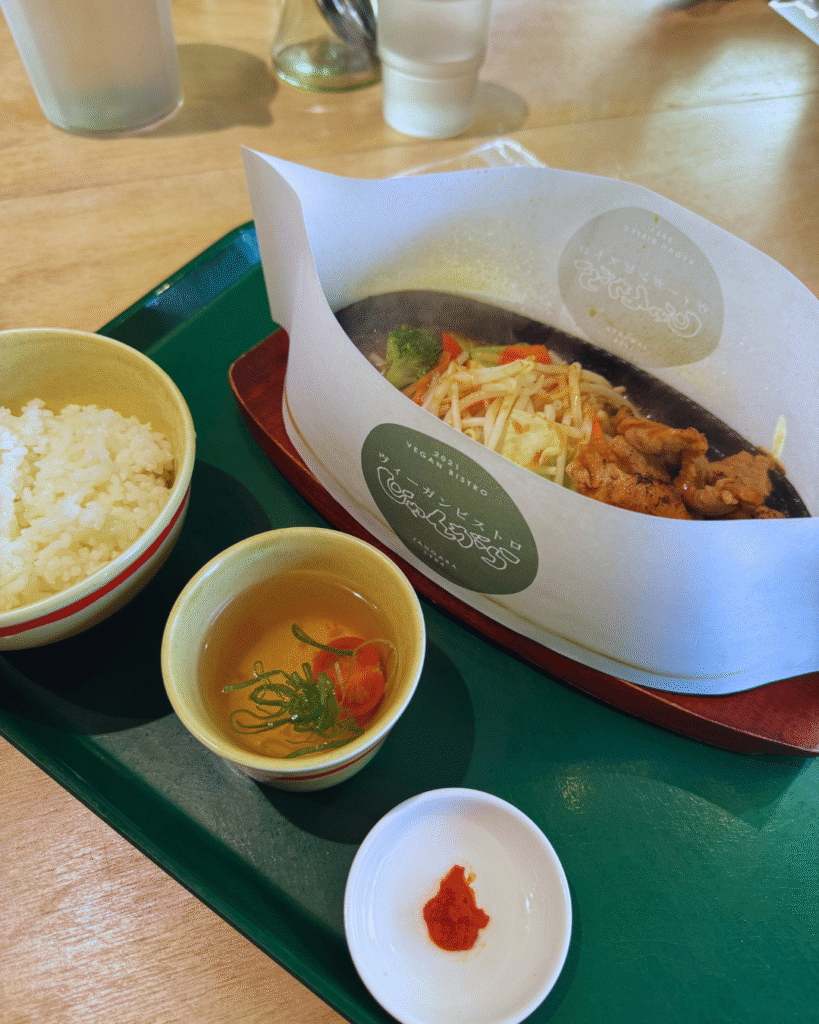
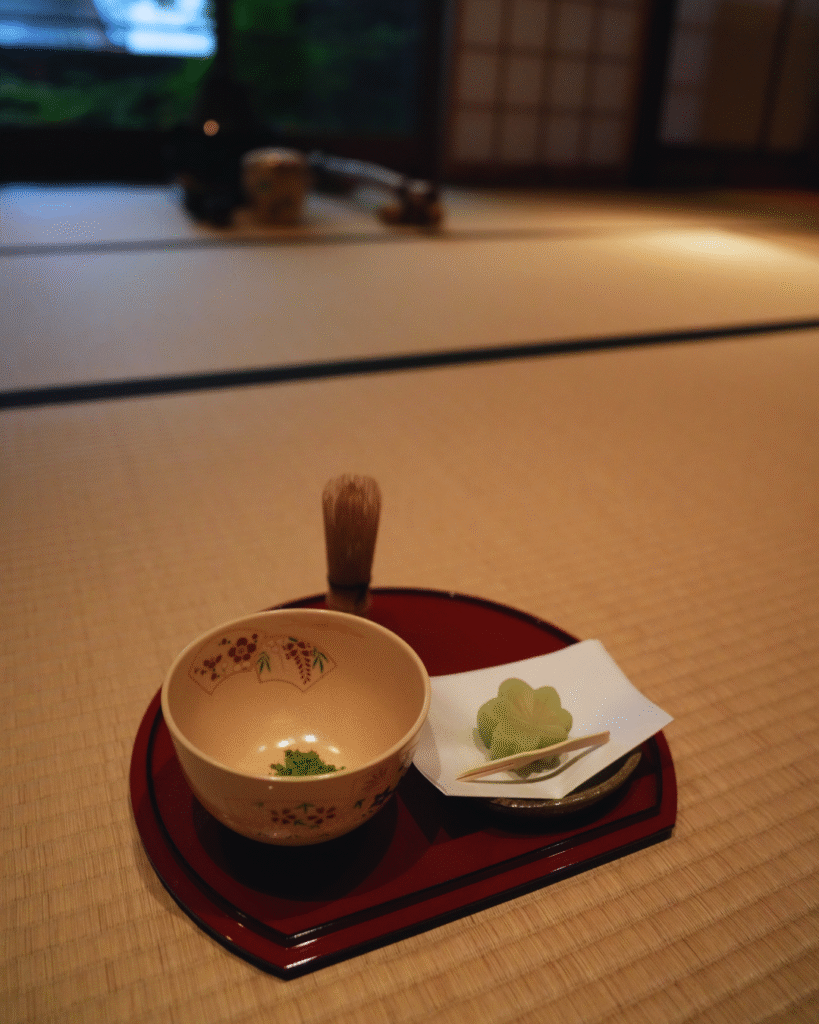
To keep your journey as smooth as possible, I have a few final tips for thriving as a vegan in Japan:
Apps
There are two apps in particular that I think you need as a vegan in Japan:
- HappyCow: A public database of vegan restaurants and restaurants with vegan ingredients that covers the entire world, including Japan.
- Google Translate: Particularly the camera function! Just hold your phone over a food’s ingredient list/menu to immediately translate ingredients so you know exactly what it says.
Phrases
Japanese is obviously a very complicated language, but there are some shorter phrases that you can learn (or write down) to help make life as a vegan in Japan just a little easier:
| English | Spoken Japanese | Written Japanese |
| I am vegan | Watashi wa biigandesu | 私はビーガンです |
| I do not eat meat, fish, shellfish, poultry, eggs, milk, or milk products | Watashi wa biigan desu. Niku,-gyo, koukaku-rui, toriniku, tamago, gyuunyuu, nyuuseihin o kuchi ni shimasen | 私はビーガンです。肉、魚、甲殻類、鳥肉、卵、牛乳、乳製品を口にしません |
| No dashi, please | Sakana o tsukatta ashi wa yamete kudasai | 魚を使っただしはやめてください |
| I can’t eat meat | Watashi wa niku ga tabe raremasen | 私は肉が食べられません |
Is It Vegan Japan
Is It Vegan Japan is a great website to have in your back pocket. It goes into great detail on different products, foods, snacks, and restaurants in Japan to discuss if they’re vegan and any potential animal-based complications for you to consider.
FAQs for Vegans in Japan
Is vegan sushi a thing in Japan?
Absolutely! There are a few fully vegan sushi restaurants, however, you can also order vegan sushi in almost any sushiya. Look for cucumber rolls, gourd rolls, plain rice sushi, and corn tempura.
Which Japanese city is best for vegans?
You have two major options. If you want variation, then Tokyo is the best choice. There are so many fully vegan establishments, and more and more non-vegan restaurants are adding vegan options to their menu. Secondly is Kyoto. You’ll find more shojin ryori options here, and the region is also famous for its tofu.
Is vegan food expensive in Japan?
This depends, although in general, I do find vegan options tend to be a little more expensive than non-vegan food. You absolutely can find more budget-friendly vegan options, though!
Is mochi vegan in Japan?
In general, yes! Mochi is made of glutinous rice, water, and sugar, with zero animal-based products needed. You do need to keep an eye on mochi with fillings, though, as these can occasionally include butter.
Is vegan ramen available in Japan?
Of course! Every year, there are more and more vegan ramen options popping up all over Japan. They’re most common in the big cities, though, and you probably can’t expect the average ramen shop to sell vegan ramen.