
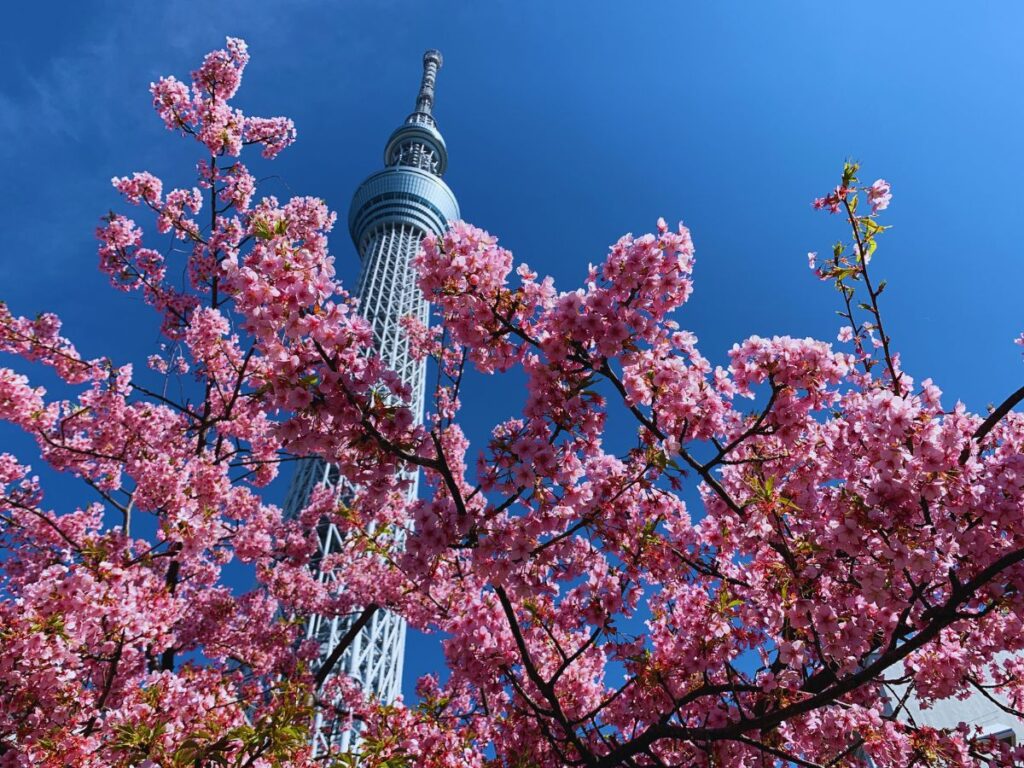
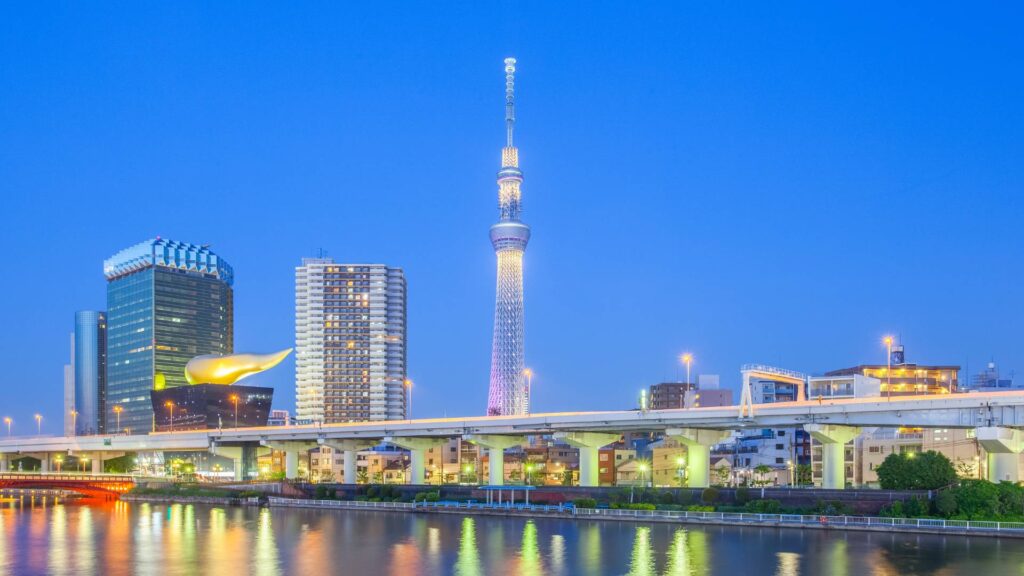
Living around Tokyo, I see the Tokyo Skytree constantly. Grabbing coffee in Asakusa or looking out from a hotel window in Shinjuku? That giant silver needle is always looming in the background. It is the most visible landmark in Japan, yet for the longest time, I avoided actually going up it.
Why? Because frankly, it looked like a tourist trap. It is expensive, it is always crowded, and I usually prefer the raw, open-air vibe of places like Shibuya Sky.
But we at Flip always get asked by friends and clients if visiting the “tallest tower in Japan” is actually worth the hassle. We know it appears on almost every Ultimate Tokyo Bucket List, but does it actually deserve that spot? So, we finally decided to test it out properly to see if the experience matched the hype.
Planning Your Own Dream Trip to Japan?

Feeling overwhelmed by the endless options? Let us take the stress out of planning. We design 100% custom itineraries based on your interests, budget, and travel style, helping you discover the Japan you’ve always dreamed of.
Find out more about our Personalised Japan Travel Planner
Planning Your Visit (The Essentials)
Before we dive into our experience, here are the basic facts you need to know to plan your trip.
- Access: Direct access from Tokyo Skytree Station (Tobu Line) or Oshiage Station (Hanzomon/Asakusa Lines).
- Opening Hours: Generally 10:00 to 21:00 (Last entry 20:00).
- Ticket Prices (Adult):
- Tembo Deck (350m): ¥2,100 (Advance) / ¥2,400 (Same-day)
- Combo Ticket (350m + 450m): ¥3,100 (Advance) / ¥3,500 (Same-day)
Prices are higher on weekends/holidays. Always check the official site for the exact rate on your specific date.
Which Ticket Should You Buy?
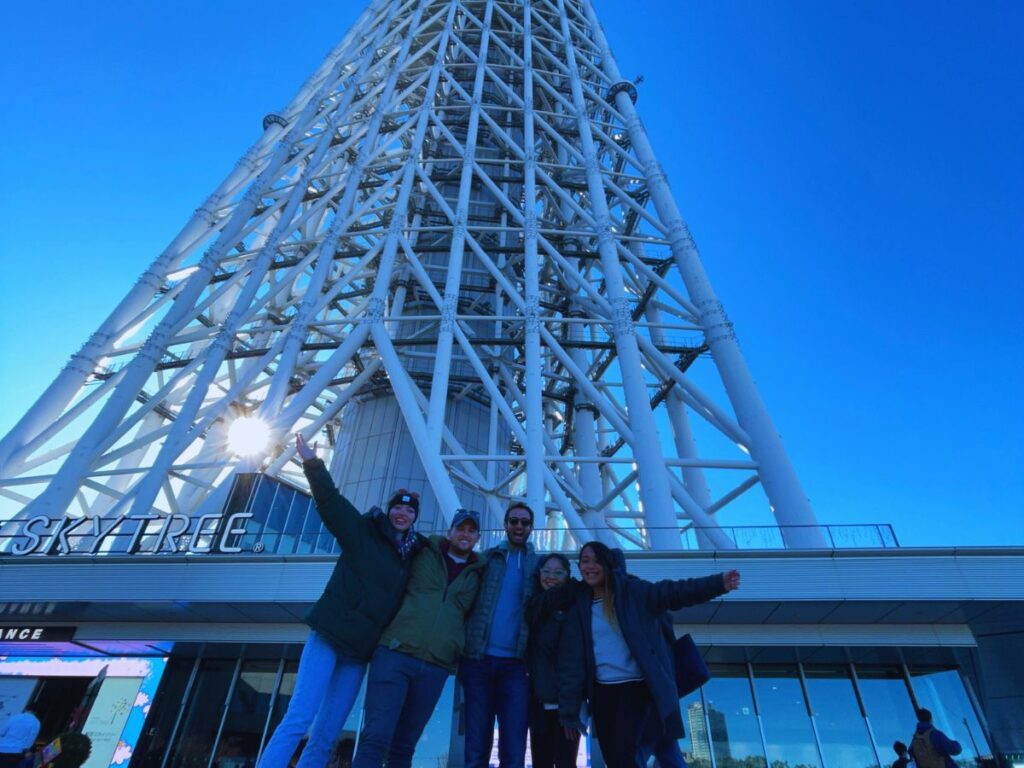
Before you book, it is important to understand that there are two different observation levels, and you need to decide how high you want to go.
The standard ticket gets you into the Tembo Deck at 350 metres above ground. This is the main floor where you find the cafe, the souvenir shop, and the famous glass floor. For most visitors, this covers everything you want to see.
The second option is the Combo Ticket, which adds access to the Tembo Galleria at 450 metres. This is a sloping glass tube that spirals up the outside of the tower. It takes you 100 metres higher, but it is important to know that you cannot buy a ticket only for the top deck. You must buy the main deck ticket to get there. We will tell you later if we think the upgrade is worth the extra money, but for now, just know that these are your two choices.
Arriving at Tokyo Skytree
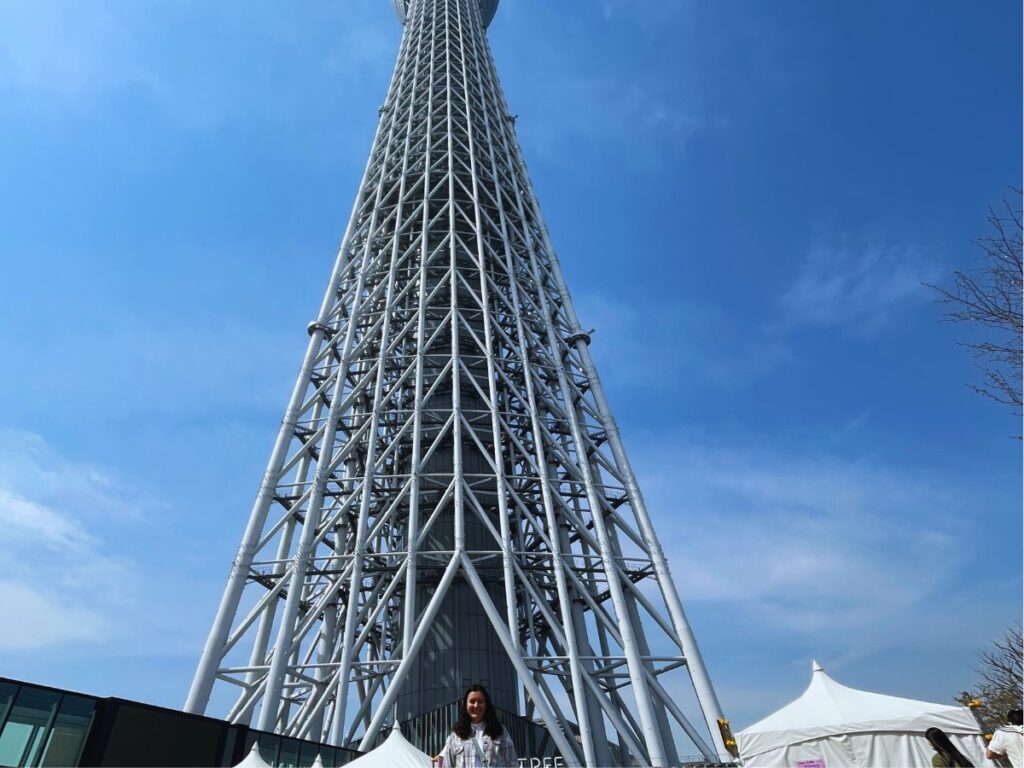
When we arrived at the base, our fears were immediately confirmed. The line for same-day tickets was terrifying. It snaked back and forth through the lobby, and the estimated wait time was nearly an hour just to buy a pass. If we had been on a strict holiday schedule, this would have been a disaster.
Thankfully, we knew better. We had booked our tickets online a few days earlier. While hundreds of people stood in the “Same Day” queue, we scanned our QR codes and walked straight to the lift.
You can buy official tickets online starting 30 days in advance. However, the most important rule is the deadline: you must book by 11:59 PM (23:59) on the day before your visit to get the advance rate. You cannot buy an “Advance Ticket” on your phone while standing in line on the day of the visit. By then, it is too late.
Now, if you’re in Japan on a tourist visa and haven’t booked online, do not join that massive line. Look for the “Fast Skytree Ticket” counter on the 4th floor. It is a special lane exclusively for international visitors. It costs more than a regular ticket, but if you value your time, skipping that hour-long wait is absolutely worth the extra yen.
Tembo Deck (350m)
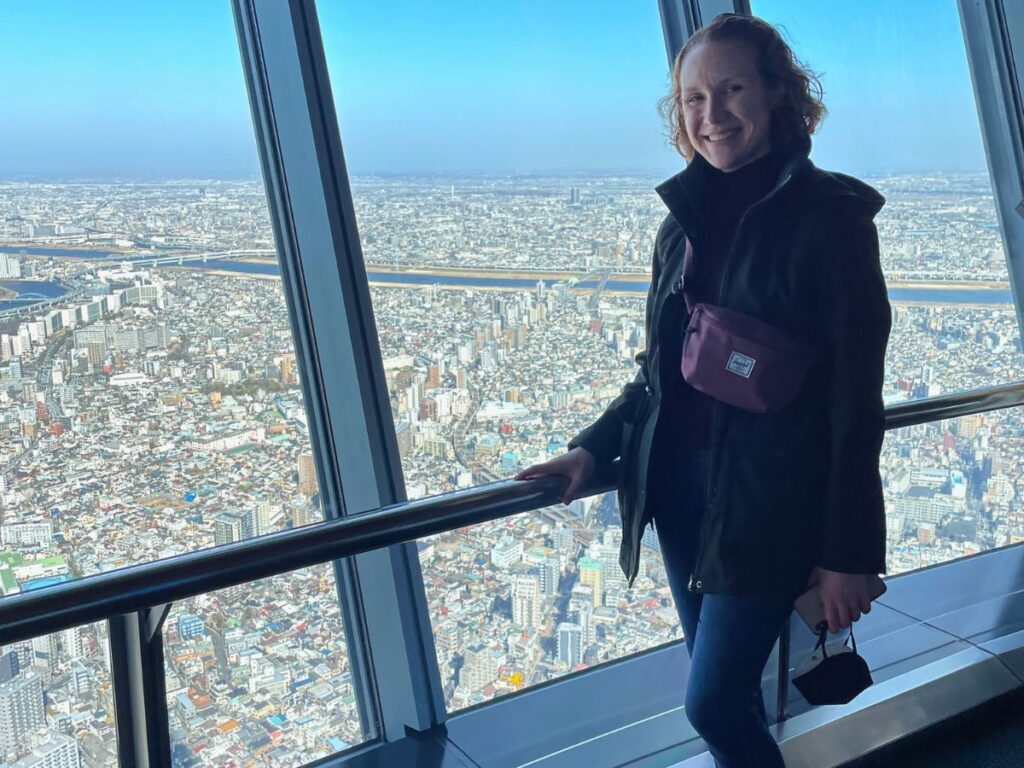
Once you scan your ticket, get ready for your ears to pop. The elevators here are absolute monsters, shooting you up at 600 metres per minute. You are at the top before you even realise you are moving.
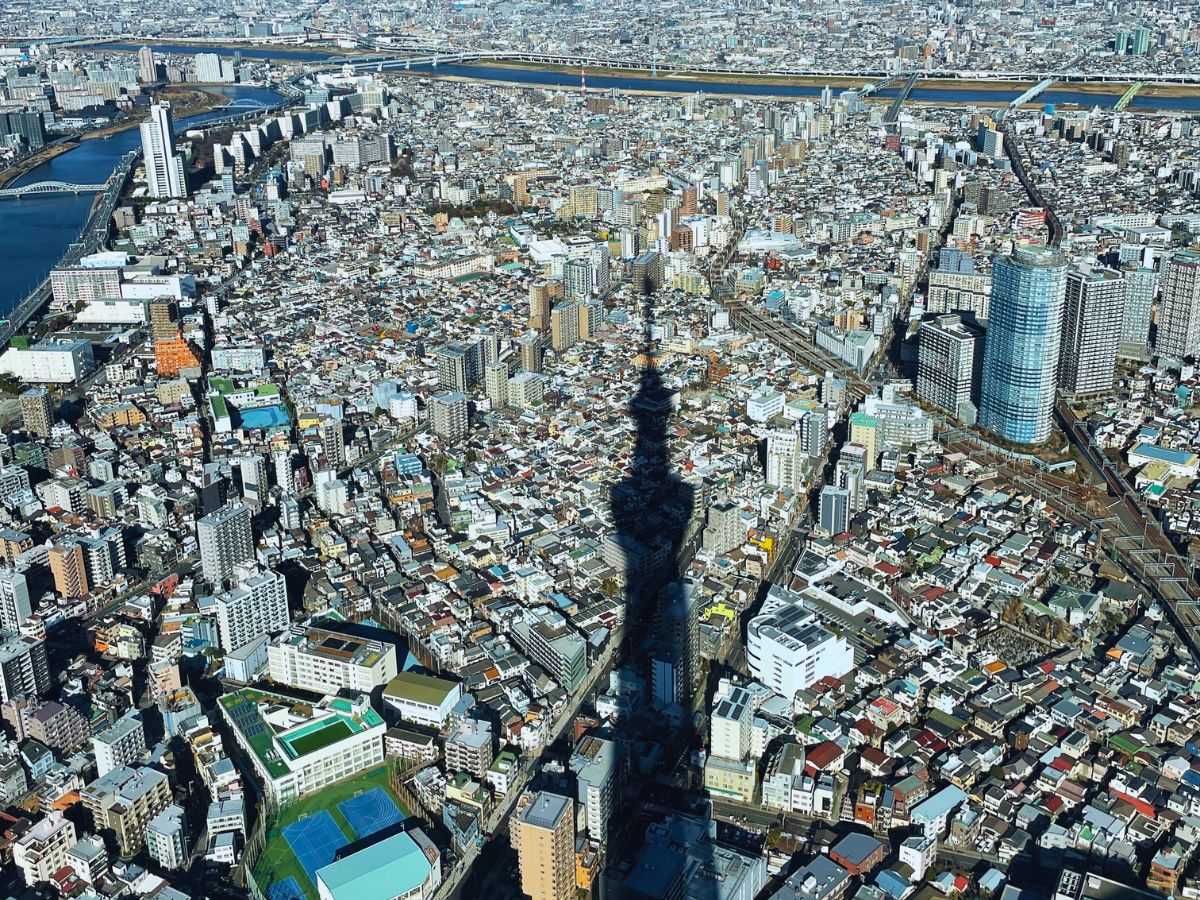
When the doors open, the first thing that hits you is the distance. Unlike Tokyo Tower, where you feel close to the streets, Skytree makes Tokyo look like a microchip. The buildings stretch out endlessly, and seeing the curve of the earth on the horizon is something you won’t forget.
The best thing to do here is play a game of “spot the landmark”. From this height, the old red Tokyo Tower looks like a tiny toy model, which really shows you just how much taller Skytree is. You can also trace the Sumida and Arakawa rivers cutting through the concrete, which gives you a great sense of how the city was built around water. And of course, if you are lucky enough to visit on a clear day, you might see Mt. Fuji floating on the horizon. Seeing that white peak towering over the skyscrapers is easily the highlight of the trip.
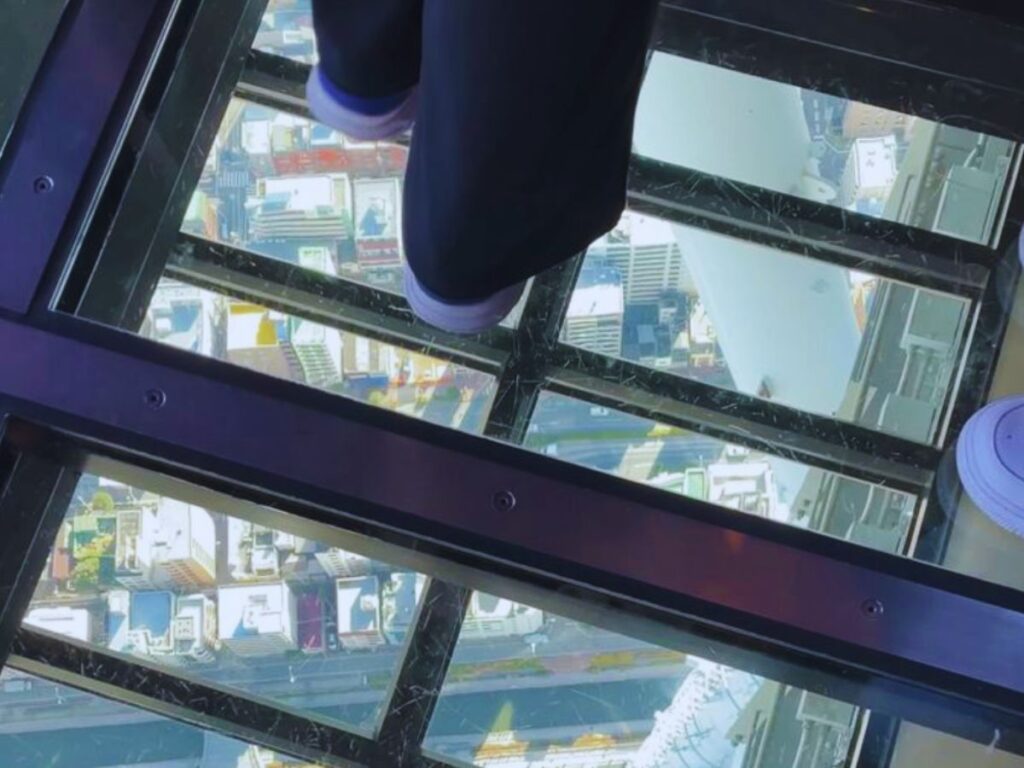
Once you have finished with the view, head down to Floor 340 for that famous Tokyo Skytree glass floor. It sounds like a gimmick, but standing on a sheet of reinforced glass with nothing but 350 metres of air between you and the street is genuinely terrifying. It forces your brain to malfunction for a second, but it makes for the best photo of the day.
If your legs are feeling a bit shaky after that, we recommend grabbing a window seat at the Skytree Cafe. It is the perfect place to sit with a soft-serve ice cream and watch the sun go down. And here is a little secret before you head to the lifts: look for the official red postbox on this deck. You can buy a postcard, stamp it with a unique design that you can only get here, and mail it to your family back home. It is a much cooler souvenir than a plastic keychain.
Tembo Galleria (450m)
Now, if you decided to splurge on the Combo Ticket to reach the very top, your next stop is the elevators to the Tembo Galleria at 450 metres.
We gave it a try, just to see if that extra 100 metres really made a difference. The experience itself is unique. Instead of a wide open floor, you step onto a sloping glass tube that spirals around the outside of the tower. It feels a bit like walking through a sci-fi movie. As you walk up the gentle slope, the goal is to reach the Sorakara Point at 451.2 metres. This is the absolute highest point you can stand at in the tower.
So, is it worth it? It really depends on what kind of traveller you are. If, for example, this is your “once in a lifetime” trip to Japan and you want to say you stood at the absolute highest point, then go for it. It is also great if you want a photo next to the “451.2m” sign to prove you made it to the top.
However, we have to be honest with you. While the architecture is cool, if you’re here exclusively for the view, it does not feel drastically different from the main deck. You are higher, yes, but you lose some of the detail of the city below. For most people, the view from the 350-metre deck is more than enough. If we went back, we would probably skip the upgrade and save that extra money for a nice lunch in Solamachi instead.
Skytree vs. Other Observatories

This is the question our clients ask us the most. With Shibuya Sky all over Instagram and the classic Tokyo Tower still being popular, does Skytree actually win?
In our opinion, Skytree wins if you are looking for pure scale. It is the only place where you can truly understand just how huge Tokyo is. You are so high up that the city looks like a map, and on a clear day, the view is unmatched.
However, you should remember that it is not the only option. There are plenty of other decks, including the free Tokyo Metropolitan Government Building (Tocho) in Shinjuku. If you are struggling to decide which one fits your schedule (and budget) best, you can read our full list here:
The Honest Verdict: Is Tokyo Skytree Worth It?
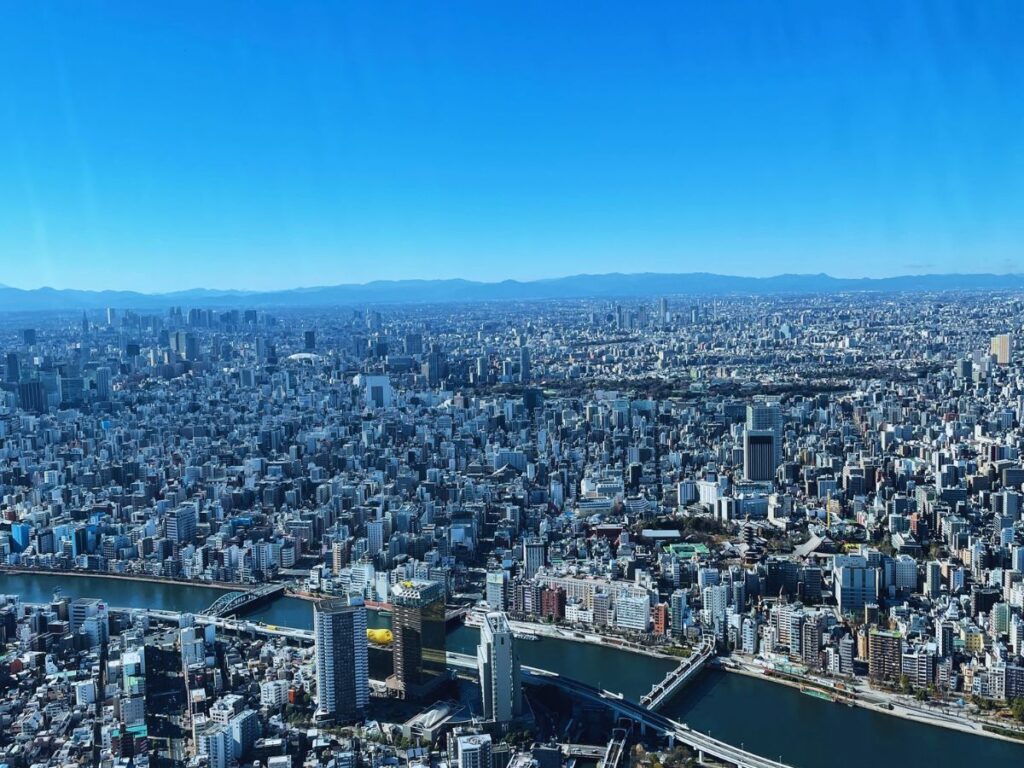
After spending a full afternoon and evening there, we finally have an answer to the big question. Is Tokyo Skytree worth the money?
For us, the answer is a definite yes, but with one condition. You have to go for the right reasons. If you are looking for a romantic, moody atmosphere or cool open-air photos for Instagram, you might actually prefer Shibuya Sky or the Mori Tower in Roppongi. Those places feel more connected to the city’s energy.
But Skytree is in a league of its own when it comes to raw scale. Standing 450 metres in the air and seeing the city curve into the distance is an experience you simply cannot get anywhere else in Japan. It makes you realise just how massive Tokyo really is. If you are a first-time visitor, a family with kids, or just someone who wants to say they stood on top of Japan, it is absolutely worth the ticket price.
Tokyo Solamachi
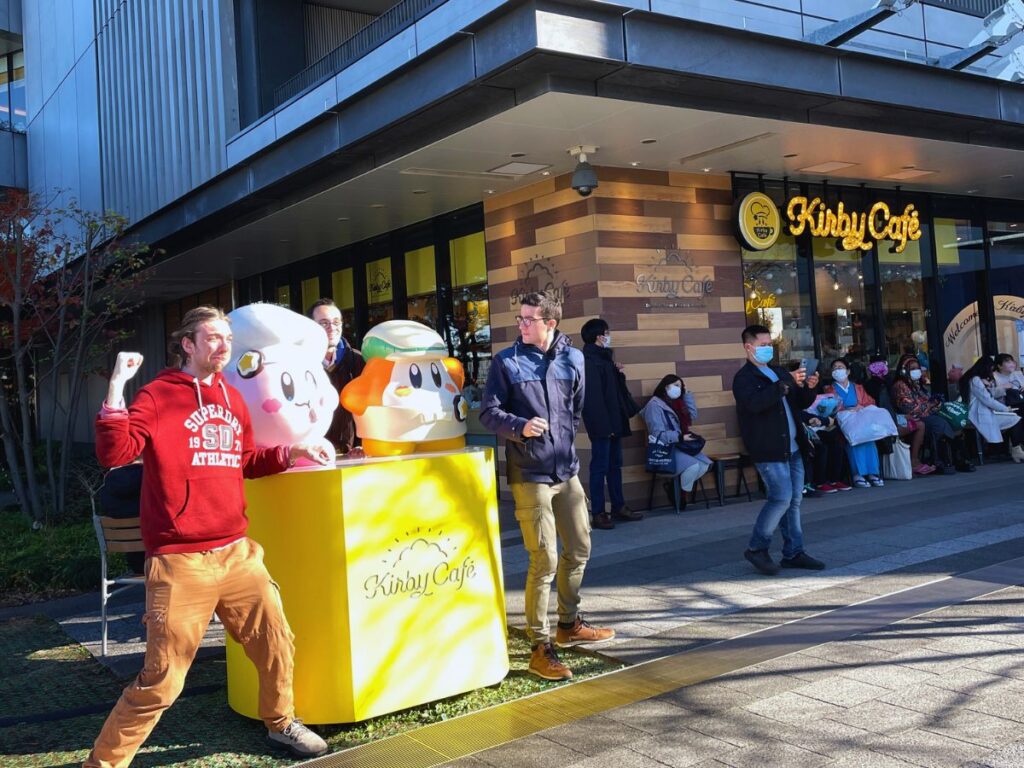
One mistake we see people make is treating Skytree like a quick stop. They go up, look at the view, and immediately jump back on the train. Please don’t do this. You would be missing out on half the fun.
The base of the tower is a massive shopping complex called Tokyo Solamachi, and it is honestly one of our favourite places to shop in the city. Unlike other malls that just have generic brands, Solamachi focuses heavily on Japanese crafts. We lost a good hour just wandering through the stores, looking at high-quality chopsticks and traditional tenugui (hand towels). There are even shops dedicated to those realistic plastic food samples you see outside restaurants, where you can buy DIY kits to take home.
If you have kids (or just love sea life), the Sumida Aquarium on the 5th floor is surprisingly excellent. It is famous for its open-style penguin tank, where you can see the birds swimming from every angle, and it is a perfect way to relax after the busy tower.
And finally, for Pokémon fans, there is a massive Pokémon Center here. In our experience, it is usually a little less crowded than the chaotic ones in Shibuya or Nihonbashi, so it is a much better place to browse.
And just down the hall is the famous Kirby Cafe. The food here is adorably themed and surprisingly good, but be warned: it is incredibly popular. You essentially need to book a reservation the minute they open online (usually the 10th of the previous month) if you want a chance to get in. You definitely cannot just walk up on the day!
Kirby Cafe is among the attractions in Japan that need reservations at least months in advance. Read our full guide:
Overwhelmed with Planning?
Planning every single day of your trip can be exhausting. Take the stress out of it with our ready-to-use, 1-day PDF itineraries. Instantly download a plan packed with the best spots and start exploring.
Tokyo Skytree FAQs
How long should I budget for the visit?
If you are just doing the observation decks, allow about 90 minutes to 2 hours. However, if you plan to explore the Solamachi mall or visit the Aquarium downstairs, you could easily spend half a day here.
Is it scary?
Honestly, it can be. At 350 metres, the height is extreme. However, the decks are fully enclosed with thick glass and sturdy rails, so it feels very safe. Just avoid the “Glass Floor” section on Floor 340 if you get nervous!
Can I get a refund if the weather is bad?
Generally, no. Once you buy the ticket, they won’t refund you just because it is cloudy or rainy. This is why we recommend checking the forecast on the morning of your visit before booking anything.
Is there a time limit on the deck?
No. Once you are up there, you can stay as long as you like. We have seen people bring books and sit in the café for hours watching the sunset.
Can I bring my luggage?
Large suitcases are not allowed on the observation decks for safety reasons. You will need to leave them in the coin lockers located on the 1st or 4th floors of the Solamachi complex before you go up.