
Curating a professional-focused Japan itinerary can be challenging, not because it is difficult to find experiences suited to the trip, but due to the huge array of opportunities on offer. As a result, knowing how to design the ideal MICE trip to Japan becomes a delicate process.
In this guide, we are providing insights into the best MICE activities in Japan by trip genre, as well as including suggestions for the type of event each may best suit. We will be covering areas like culinary, wellness, and hands-on activities, sharing specialised ideas that aren’t typically found on the average tourist to-do list.
Planning a MICE trip to Japan?
We have created a variety of Japan MICE resources to help you. However, the best way to navigate the cultural, language, and localisation challenges is by working directly with a Japan-based MICE travel planner. We create bespoke itineraries around corporate tourism in Japan, with experience in events of all sizes. Start by taking a look at our MICE Japan services.
Hands-On and Creative MICE Activities in Japan
These types of activities include experiences like workshops and craft-making. They make for exceptional team building and incentive travel activities that simultaneously entertain and teach participants about Japanese cultural history. These activities also result in tangible souvenirs for guests to bring home as a memento of their trip.
Knife-Making
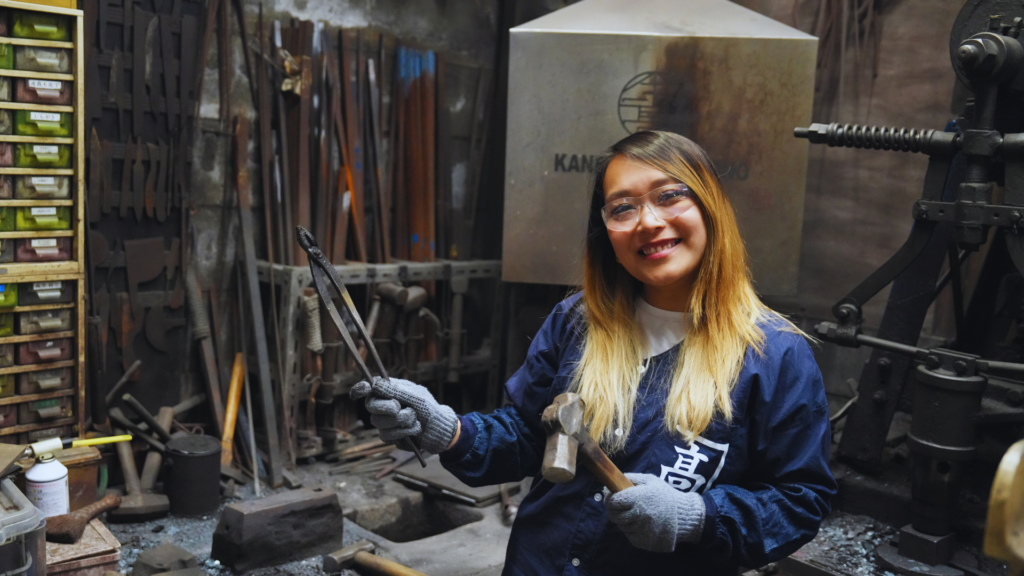
One of our most popular experiences in Japan is knife-making. You have the option to make just the handle or visit a metalworks shop for a hands-on knife-forging workshop. The activity fosters focus, craftsmanship appreciation, and meaningful team engagement, as well as sharing techniques handed down from swordsmiths for the samurai. At the end of the session, each participant will have created their own personalised knife, which will either be ready to take home immediately or can be shipped at a later date.
The activity encourages focus, patience, and collaboration, making it an ideal team-building exercise. Beyond the practical skills, participants gain a deeper appreciation for Japanese craftsmanship, learning the cultural significance of precision, form, and attention to detail that have shaped centuries of metalworking tradition.
Kumihimo Workshops

Kumihimo is the traditional Japanese craft of braiding cord or silk to create beautiful (and functional) items. It has been practised for generations, having been incorporated in historical items like samurai armour and kimono sashes. During a workshop, participants will learn the art of kumihimo, making their very own keyring by hand.
The practice also has symbolic significance that is perfect for team building. Kumihimo is built on the important principles of patience and precision, with repetition and rhythm as the key to success. These workshops are slower and more reflective than something like knife-making, and can be enjoyed by participants of all ages and abilities.
Wagasa-Making

While the term may be unfamiliar to you, wagasa are the delicate bamboo and paper umbrellas often paired with traditional kimono. The art of making them is considered a heritage craft, and during a wagasa-making experience, guests are able to enjoy a tactile, creative group activity.
Most workshops teach participants to make miniature versions of the wagasa, which can be finished and taken home the same day. The process involves assembling the bamboo frame, carefully stretching the washi paper over the ribs, and adding decorative touches such as hand-painted designs or colour accents.
Kintsugi (Golden Repair)

Kintsugi is one of the most striking and memorable of Japanese art forms. The process involves repairing broken pottery with gold-dusted lacquer, in an act that highlights the beauty of the piece’s imperfections instead of attempting to hide them. The technique dates back to the 15th century when, legend has it, a Japanese shogun broke his favourite tea bowl. Today, kintsugi reflects ideas that strongly align with modern ESG principles, becoming a practical demonstration of respecting resources and promoting a circular economy.
Workshops typically use a modern approach that replaces traditional toxic lacquer with much safer food-safe synthetic glue and epoxy putty mixed with brass or gold powder. This means guests can take home their creation on the same day. The process can be a little delicate, but very accessible for complete beginners, particularly as imperfection is the goal.
Food and Drink Experiences
One of the best ways to experience Japan’s culture first-hand is through its incredible culinary scene. This spans all levels, starting from the street food scene in Osaka’s Dotonbori, to the Michelin-starred fine-dining restaurants in Tokyo.
Mochi Pounding
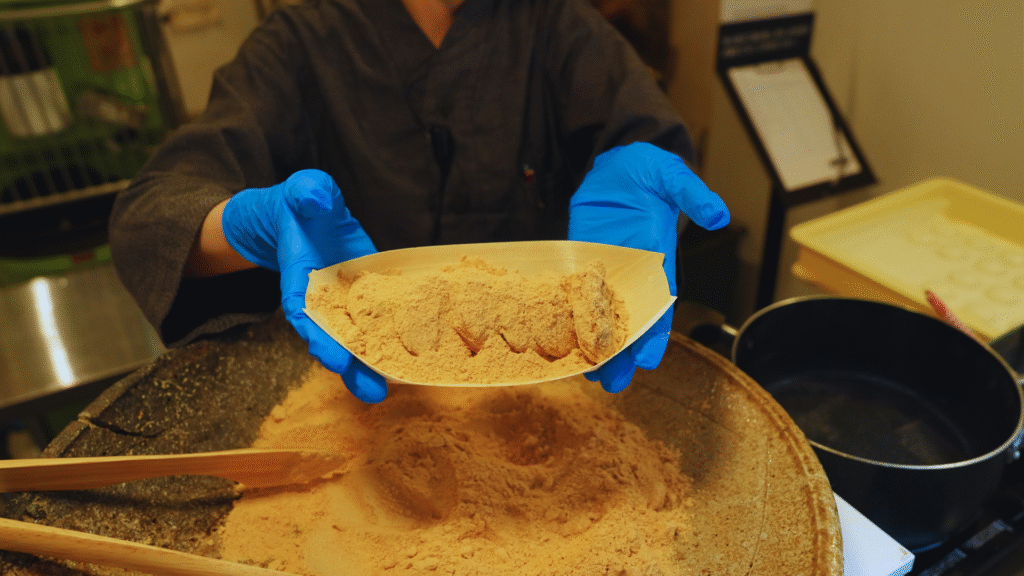
Mochi pounding is the process of using specialised wooden hammers to break down rice from its grain form into a soft and fluffy paste. The activity of mochi pounding is an energetic and interactive one that brings teams together through rhythm, coordination, and shared celebration. The resulting fresh mochi is then a delicious treat for participants to share in and enjoy together.
Another element to note is that mochi pounding is typically located in culturally important MICE destinations like Kyoto or Nara. This means the activity can be combined with sightseeing and private tours of nearby areas.
Sake and Whisky Distillery Tour
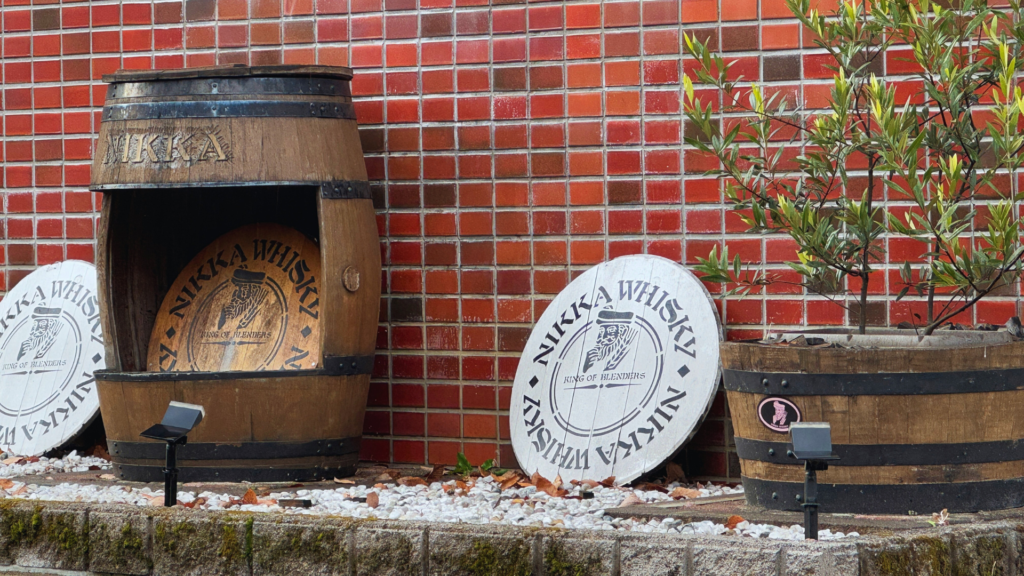
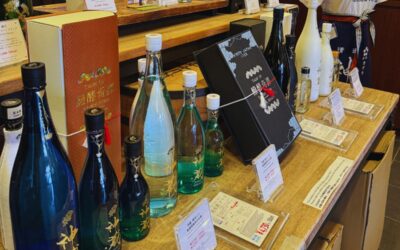
Sake and whisky distillery tours provide a curated tasting and behind-the-scenes experience highlighting Japanese culinary craftsmanship. Sake breweries can be found across the country, whilst world-famous whisky distilleries are located in destinations like Hokkaido and Sendai. Japan is renowned for its distilling methods, with many of its sake and whisky bottles becoming highly sought-after by enthusiasts.
These are perfect MICE activities in Japan for networking in an elevated setting. In addition to tastings, many tours include guided explanations of the brewing and ageing processes, demonstrations of traditional techniques, and even the chance to try hands-on activities such as rice polishing or barrel inspection. Some distilleries also offer private dining experiences or pairing sessions, where delegates can taste local ingredients and dishes alongside curated sake or whisky selections.
Home-Cooking Classes
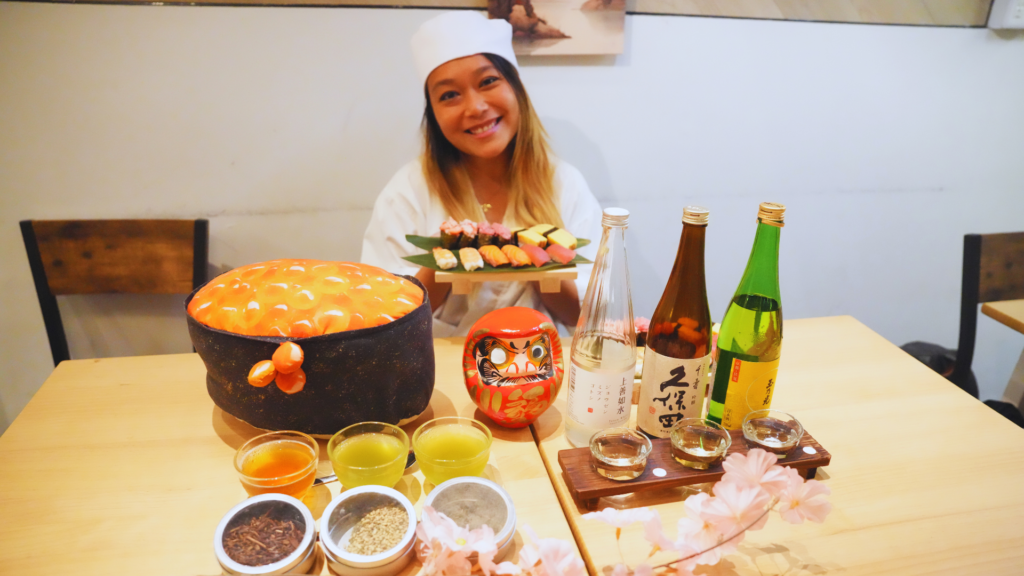
A Japanese home-cooking class is a chance to provide participants with an intimate culinary session in a local chef’s home. The experience encourages authentic connection and cross-cultural exchange, ending in a shared traditional meal.
Home-cooking experiences will focus on regional dishes, such as sushi, tempura, or Japanese curry, through imparting traditional cooking techniques, ingredients, and dining etiquette. These classes are ideal for team-building, as guests collaborate to complete recipes, share tasks, and enjoy the fruits of their labour together.
Omakase Dinner
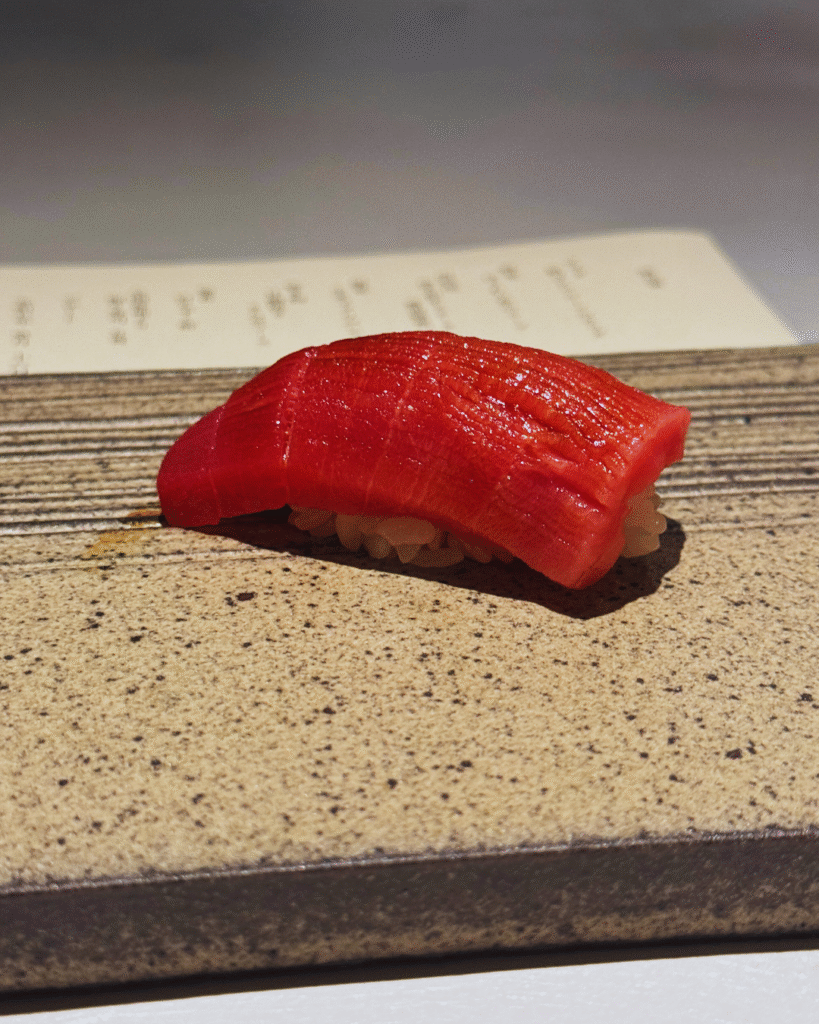
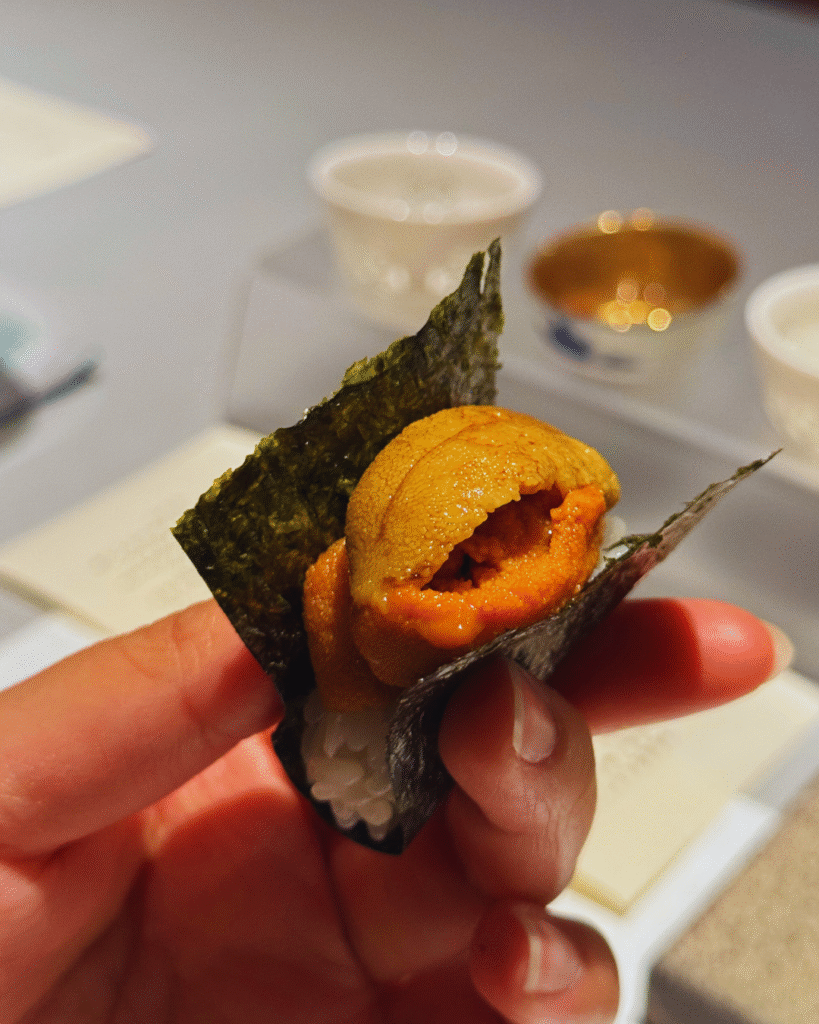
An omakase dinner presents guests with a refined, chef-led tasting journey that delivers exclusivity, storytelling, and culinary artistry ideal for VIP hospitality. Omakase, meaning the chef decides, hands over the culinary reins to an experienced chef who uses the best seasonal ingredients of the day to craft a unique course menu.
Omakase typically refers to a sushi dinner, where diners are served individual pieces of nigiri, with every element of the evening perfectly curated. The dishware, pace of food, and drinks pairing will be intentionally decided in order to build an exceptional dining experience that many go on to describe as the highlight of their time in Japan. These experiences stand out for their ability to create intentional environments for executive networking events. The intimate counter-seating design and elevated setting are ideal for focused conversation and forming deeper connections.
Mindfulness and Wellness Focused Trips
The mindfulness and wellness space within MICE travel is an exciting and growing one. In Japan, it is a way of life. The concept of Zen has been prevalent in the country since the introduction of Zen Buddhism in the 12th century, shaping approaches to meditation, balance, and daily rituals. These traditions translate naturally into the MICE space, offering corporate groups opportunities to add restorative experiences to their itineraries.
Traditional Tea Ceremony

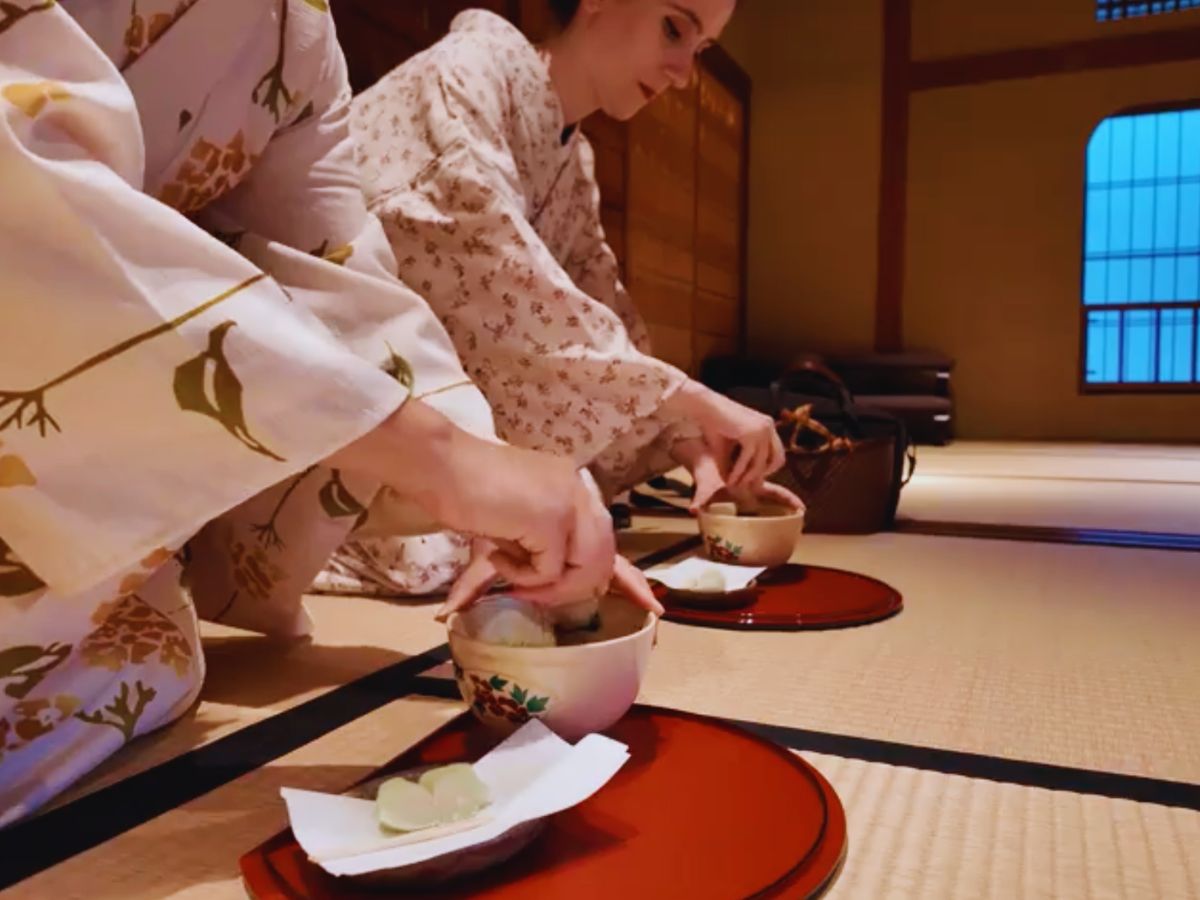
Experiencing a traditional tea ceremony is a dream come true for so many visitors to Japan. The activity involves optional kimono rentals and watching a tea master majestically prepare and serve matcha to guests. The participants are then invited to try the whisking process for themselves.
The tea ceremony can be carried out in both small, intimate settings and larger spaces to accommodate bigger groups. When added to a MICE itinerary, the experience provides a calm and reflective moment that encourages presence, respect, and cultural appreciation.
Dinner in the Dark
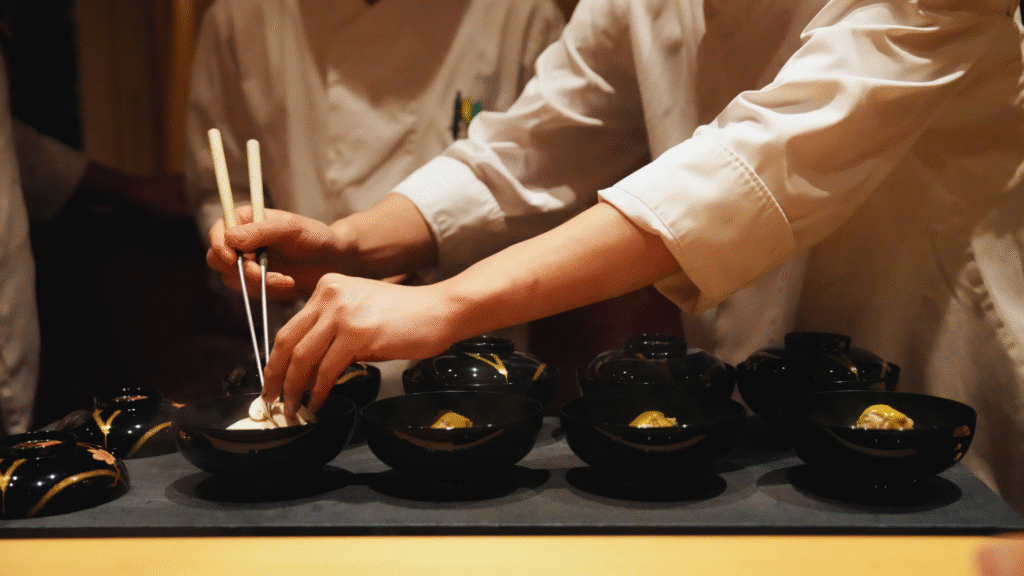
This is a spectacular MICE activity that removes the visual element of eating in order to create a sensory dining experience like no other. The meal promotes trust, communication, and heightened awareness in a memorable group format, as diners discover flavours and share their impressions with one another.
Dining in the dark is particularly impactful in a business setting where communication can easily get clouded by the way things seem instead of clearly comprehending the way they are. This activity invites the opposite, pushing participants to go beyond the expected and into the true unknown.
Zen Meditation at a Temple

On a MICE trip to Japan, guests can experience far beyond a simple temple visit. As a group, visitors are able to stay in the monastery with monks, share their food, and participate in real Zen meditation. The practice involves participants sitting quietly in a meditation hall whilst concentrating on their breathing and maintaining stillness for a set period of time, often around 15 to 30 minutes.
As a result, the Zen meditation promotes a refocusing on the present. For many people, this creates an opportunity for self-reflection and balance. We’ve found that Zen meditation can have a particular impact on high-performing individuals and teams, presenting them with an activity that isn’t accessible to the average tourist.
Yamabushi (Shugendo)
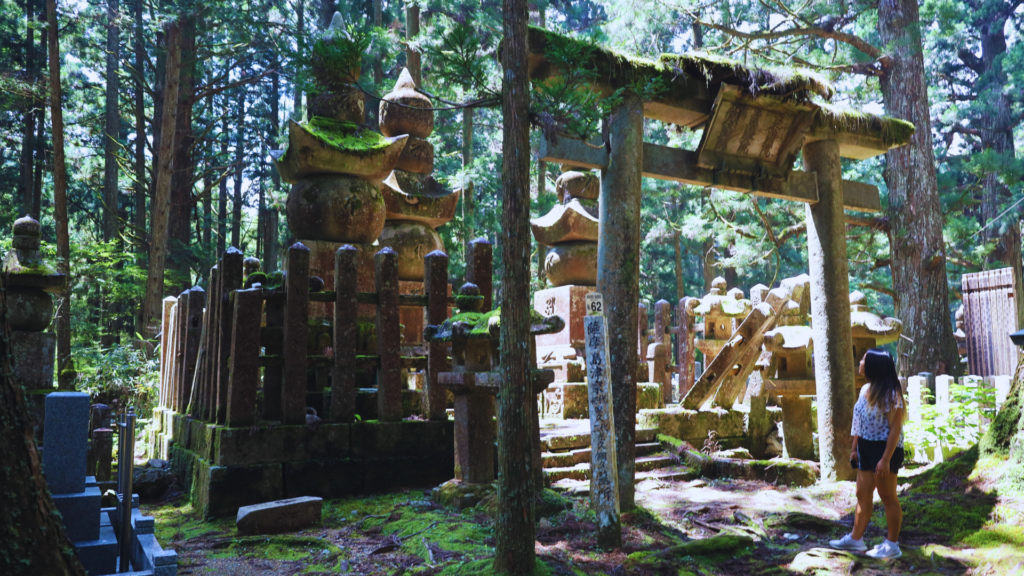
The Yamabushi are people who submit themselves to the mountains, sometimes referred to as the “mountain priests” or “warrior monks”. They follow the traditional practices of shugendo, training on the mountains as part of their spiritual discipline, with roots in both Buddhism and Taoism. A Yamabushi experience allows visitors to join the daily practice through guided hikes, breathing exercises, chanting, and moments of silent reflection in the forest.
This delivers a transformative leadership and endurance challenge to groups, with the potential to bring out deeper connections to both one another and oneself. It is rare to join such a practice, with shugendo creating a deeply immersive opportunity for those looking to explore one of Japan’s most distinctive cultural traditions.
Industry Immersion Ideas
For MICE itineraries looking to explore Japan’s industry expertise, there is an abundance of activities which showcase otherwise classified elements of Japan’s factories, headquarters, and museums. This is an exceptional way to blend a group’s professional and personal goals for the trip, with many industry-specific options to align with your company’s market.
Behind-the-Scenes Factory Tours

Japan is home to many internationally respected manufacturing sectors, for example, automotive engineering, robotics, electronics, and food production. Behind-the-scenes factory tours allow MICE groups to see these industries in action, observing production lines, quality control systems, and specialised machinery used in modern manufacturing.
Many of these tours are organised specifically for corporate or educational groups and are not typically accessible to the general public. Arranging them without a local travel partner can be challenging, which is where our MICE services come in. We are able to organise the tour, provide a translator, and plan travel to and from the facility.
Headquarters Visits
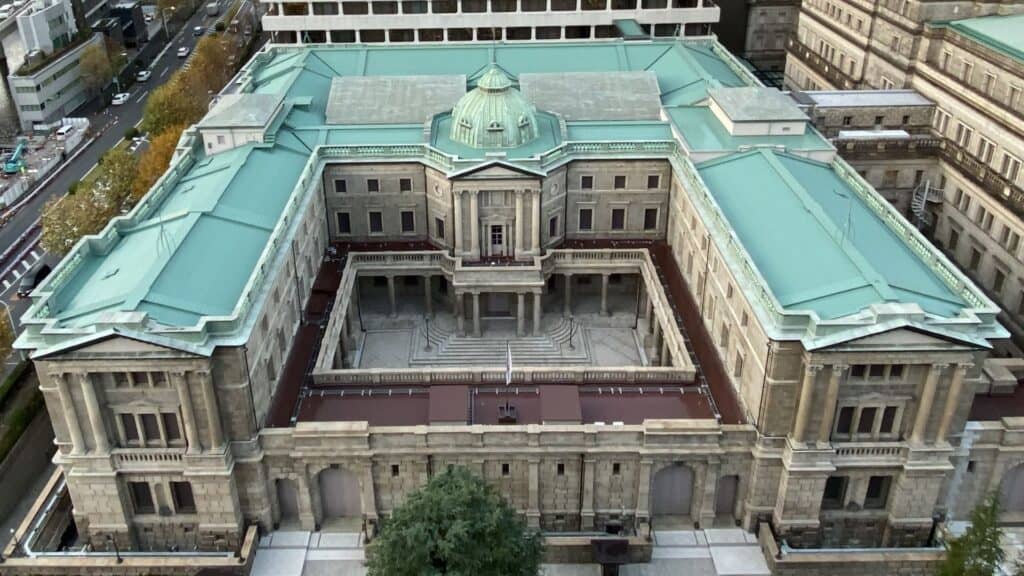
Major cities such as Tokyo, Osaka, and Fukuoka are home to global brands, technology firms, and innovative start-ups that help shape the country’s business landscape. Through a visit to these company headquarters, MICE groups are able to network and learn more about the company’s history, corporate philosophy, and current projects.
Similarly, company offices can be arranged as meeting spaces for MICE trips. Hosting a session in this type of environment creates a dynamic setting that encourages conversation, collaboration, and professional exchange outside of a traditional conference venue.
Professional Skills Workshops

These professional skills workshops are designed for international professionals looking to further their business with Japan in the future. The MICE activity introduces participants to Japan’s cultural working methods and philosophies that have shaped its business culture for decades.
These workshops are typically led by experienced facilitators, consultants, or industry specialists who guide participants through discussions, exercises, and collaborative problem-solving activities. For MICE groups, the format encourages active participation while allowing teams to explore practical strategies that can be carried back into their own organisations.
Private Museum, Exhibition, and Architecture Tours
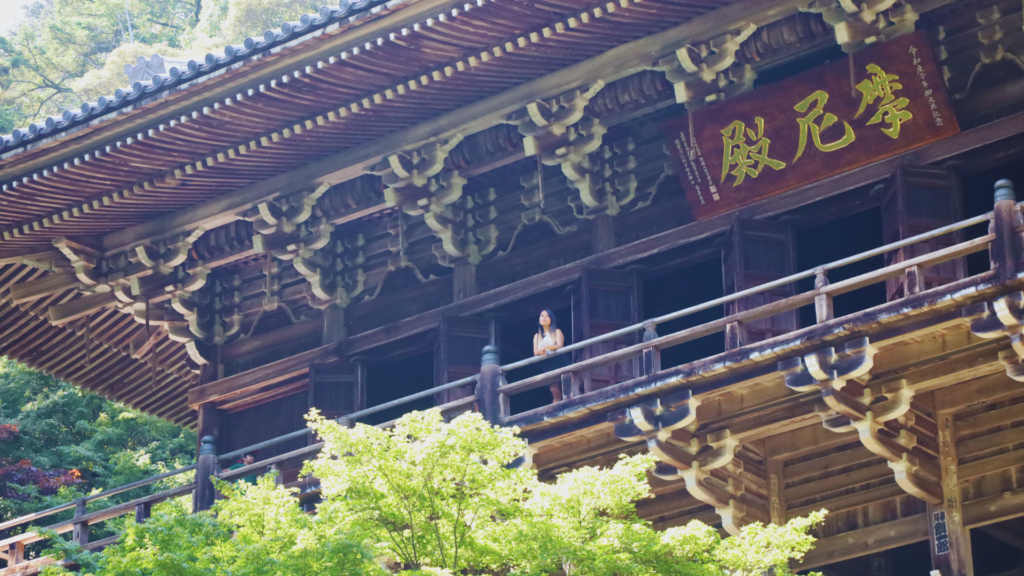
Whilst there are many museums and historic buildings that are open to the public, a MICE itinerary can be elevated to the next level with a private tour of spaces, led by an expert in the industry. For instance, being taken through a preserved Edo town by a historian or exploring one of Tokyo’s famous temples with an architect.
These private tours often bring participants to areas otherwise closed to visitors, with a curated exploration of the chosen destination. They also allow groups to engage directly with specialists who can answer questions and provide deeper insight into the history, design, and cultural context of the site.
What Makes Japanese MICE Activities Stand Out
Japan is truly a country of variety. It is an excellent MICE destination for itineraries focused on cultural immersion and depth, with incredible once-in-a-lifetime experiences that share the country’s deep traditions. However, it is also a place of modern business, big industry, and world-class culinary expertise. Regardless of a group’s professional endeavours or personal hopes for a trip, the activities available in Japan make a host of goals achievable within just one trip.
MICE Activities in Japan FAQs
What kinds of activities are there for corporate travel to Japan?
Corporate travel itineraries in Japan can include cultural workshops, culinary experiences, wellness activities, industry visits, and guided tours of historic or architectural sites. These activities are often designed to support team building, networking, and cultural immersion.
Is English widely supported for MICE activities in Japan?
Yes, English is widely supported within Japan’s MICE industry, particularly in major cities and established tourism destinations. Translators and interpreters can also be arranged for activities that cannot be facilitated by English guides.
Where is the best MICE destination in Japan?
Tokyo is often considered the leading MICE destination due to its extensive venues, international connectivity, and diverse experiences. However, cities such as Osaka, Kyoto, Yokohama, and Fukuoka also offer strong infrastructure and distinctive cultural settings.
Do international professionals need visas to attend business events in Japan?
Visa requirements depend on the delegate’s nationality and length of stay. Many countries have short-term visa exemption arrangements for business travel, though organisers should always confirm requirements in advance. We recommend starting by reaching out to your local embassy for advice.
Is Japan an expensive destination for MICE activities?
Japan can accommodate a wide range of budgets, with both premium and cost-effective options available for activities, accommodation, and venues. Due to the currently weak yen valuation, many companies may find a MICE trip to Japan has become significantly more affordable than in years prior.