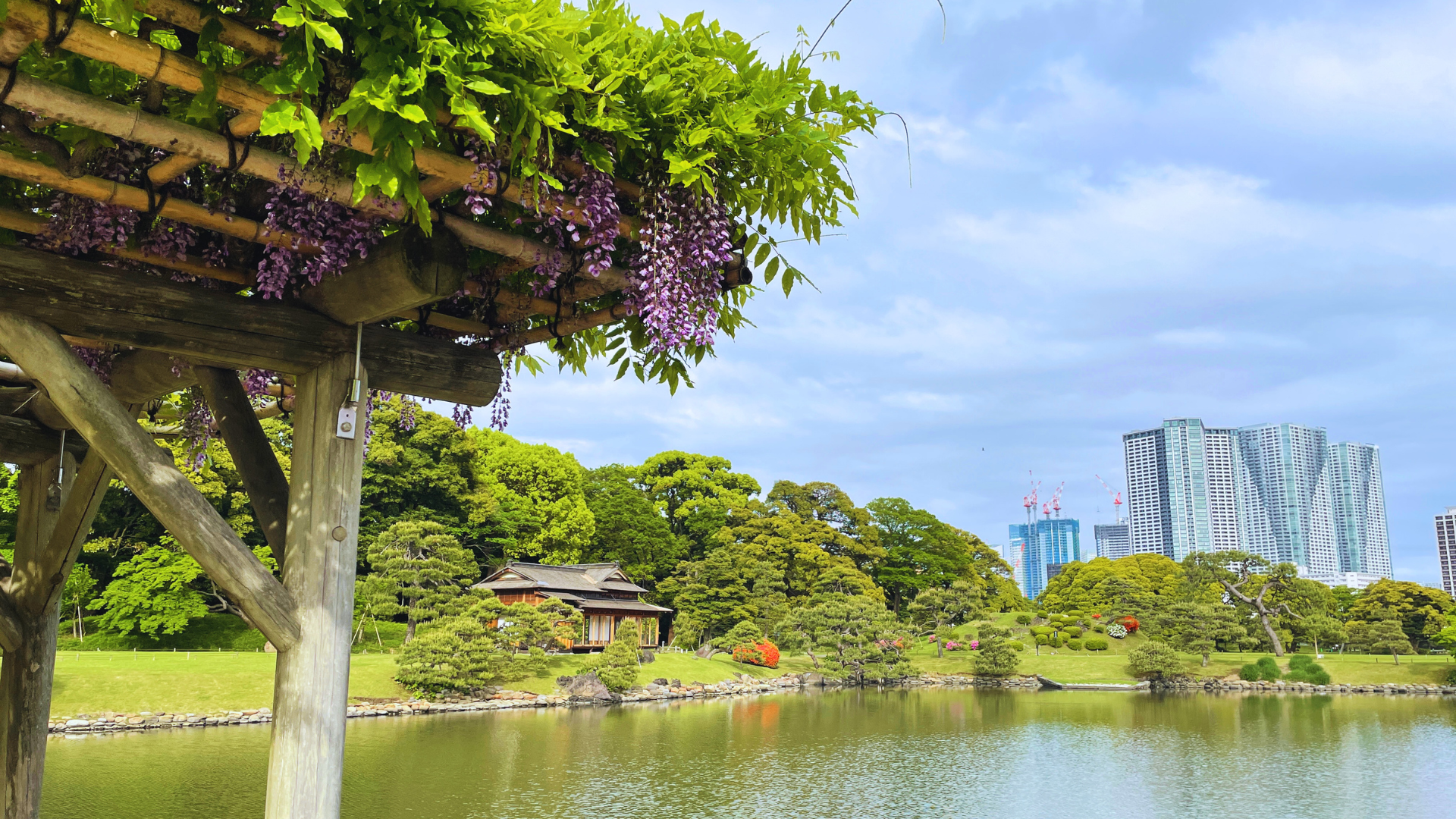

It is no secret that Japan is a country filled with sweeping beauty, immersive cultural experiences, and stunning architecture that spans both preserved ancient structures and ultra-modern building initiatives. However, the sheer volume of possible MICE venues in Japan can become overwhelming.
This guide is designed to help you navigate that incredible array of settings for your MICE Japan itinerary. It covers everything from state-of-the-art galleries to traditional Japanese houseboats, real Japanese castles to luxury car racetracks. Keep reading to discover which of Japan’s best MICE venues is best suited to your upcoming programme.
Optimise Your MICE Trip to Japan
We believe that the best way to navigate the cultural, language, and localisation challenges of planning a MICE trip to Japan is by working directly with a Japan-based travel planner. At Flip Japan, we create bespoke itineraries built for corporate tourism in Japan, with experience in events of all sizes. Visit our MICE Japan services page to learn more about how we can assist in your travel planning.
Private Residences
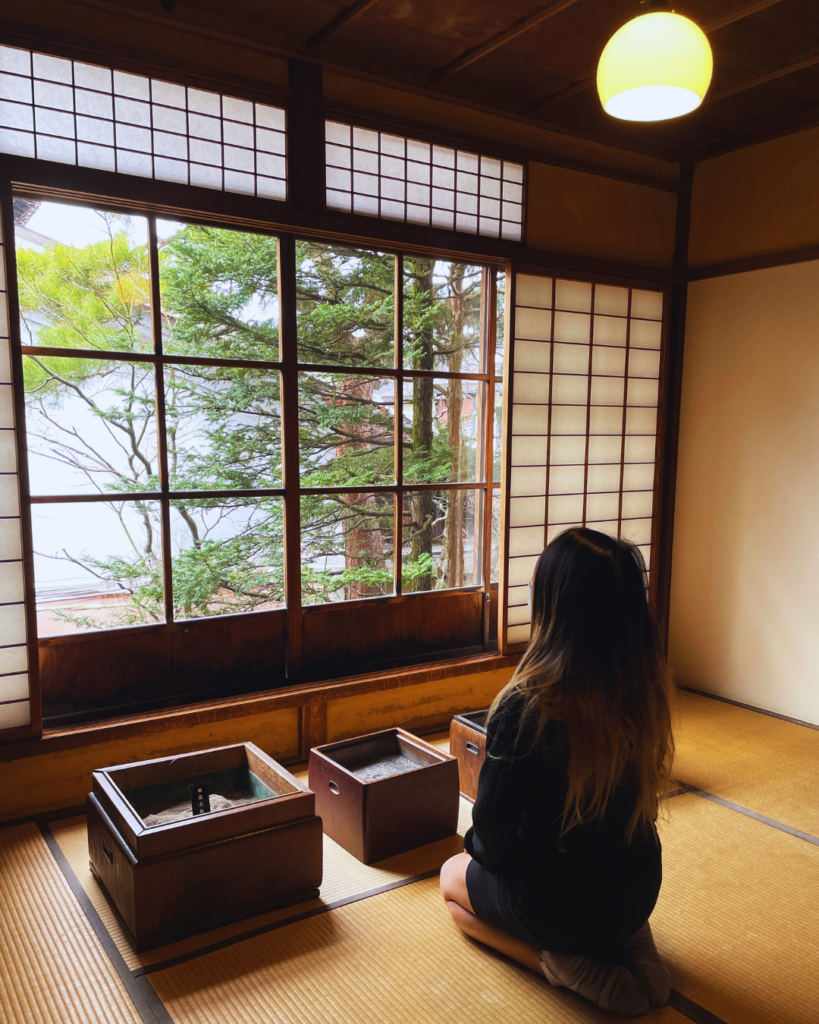
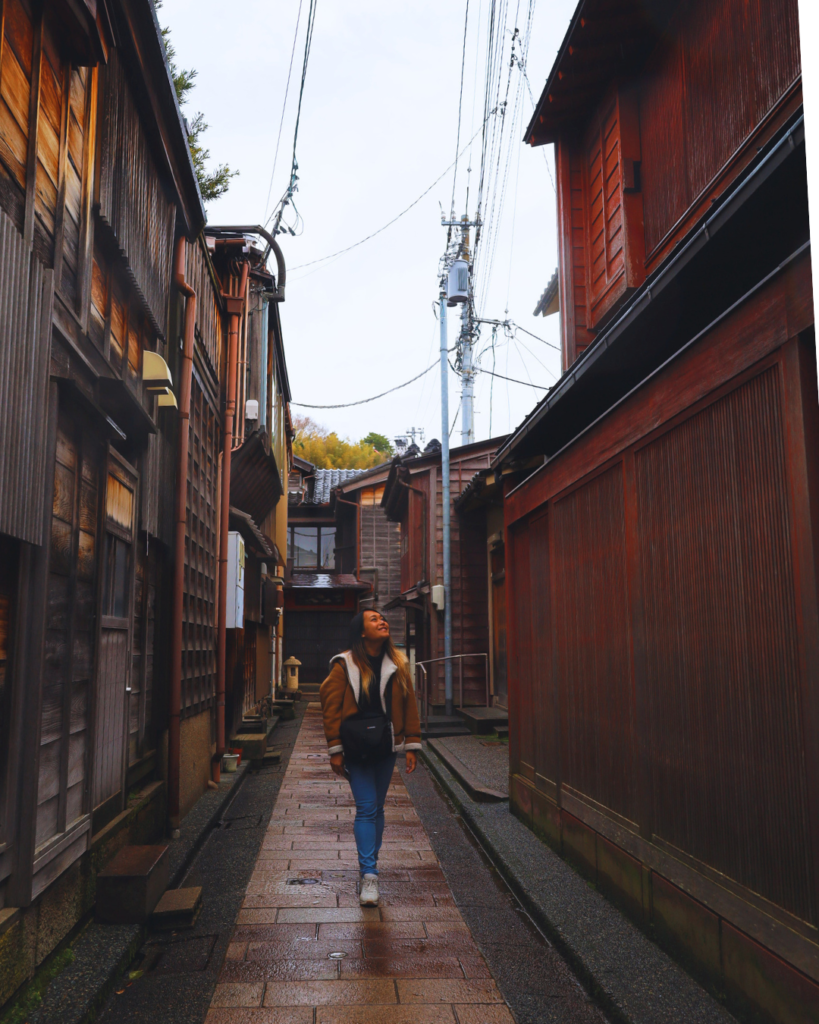
One factor that uniquely positions Japan for hosting MICE events is the incredible preservation of its historical buildings. These private residences, like the machiya (traditional wooden townhouses), restored kominka (folk houses), and former residences, offer a combination of cultural character and functionality.
These private residences come in all shapes and sizes to suit events of all scales. For instance, choosing the tearoom of a former geisha residence in Kanazawa’s Higashi Chaya District for an incentive travel experience, or hiring the entire property of a former foreign ambassador for luxury executive retreats.
Example Venue: Kobe Geihinkan
Kobe Geihinkan (Former Foreign Settlement Guest House) is an incredible private venue that combines 19th-century Vienna Secession, Art Nouveau, and traditional Japanese architecture practices. It is located in the heart of Kobe, with stunning views across the garden, and a sought-after atmosphere of privacy, prestige, and serenity.
Located in Kobe, the residence houses a large reception hall with a capacity of 130 guests (120 if seated), making it ideal for corporate retreats, media events, or private receptions.
Capacity: 130 people
Perfect For: Executive retreats, corporate off-sites, and brand trips
Castles
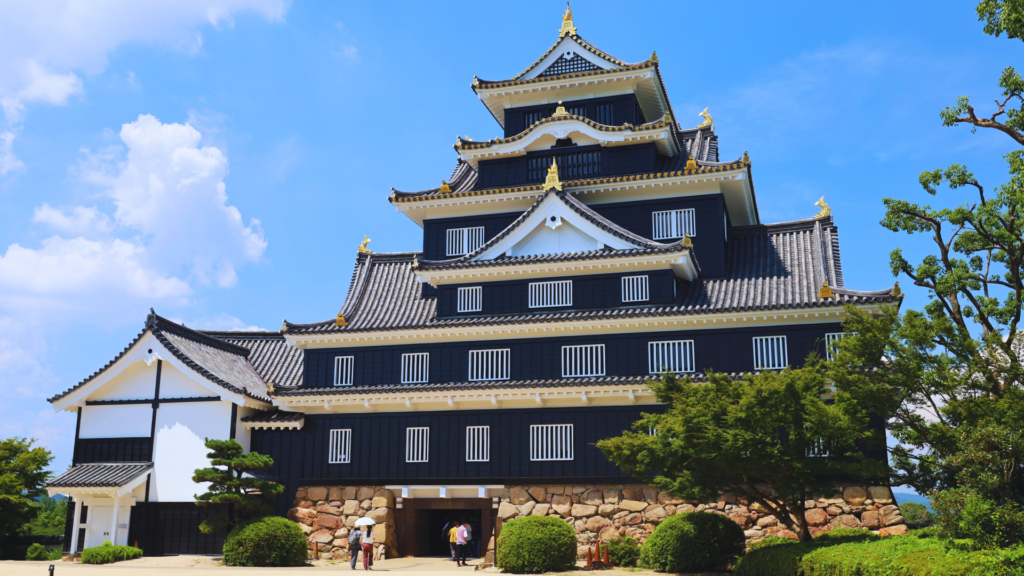
As a former feudal state, ancient Japanese castles can be found all over Japan. Some of these are preserved original structures, whilst others are careful reconstructions, but all represent excellence in design and their own important historical impact. Notably, several of these castles are also available for exclusive private hire, offering bespoke event opportunities.
Options expand from guided tours, single room rentals, or entire property experiences that include overnight stays and luxury on-site kaiseki dining.
Example Venue: Ozu Castle
Found in Ehime Prefecture, Ozu Castle provides guests with the outstanding opportunity to experience a luxury heritage stay. The entire castle can be reserved for private MICE experiences, offering private dining, cultural activities, and specialised experiences.
The castle was founded in the early Edo period by the area’s feudal lord, shaping the history of the greater castle town. Though many of the surrounding buildings have been preserved from the Edo and Meiji eras, the castle itself is a careful reconstruction of the original structures, using the same materials and processes as were employed centuries before.
Capacity: 6 guests for overnight stays, 48 guests in the event space
Perfect For: Exclusive executive retreats, cultural workshops, and high-end corporate hospitality
Recognised Cultural Properties
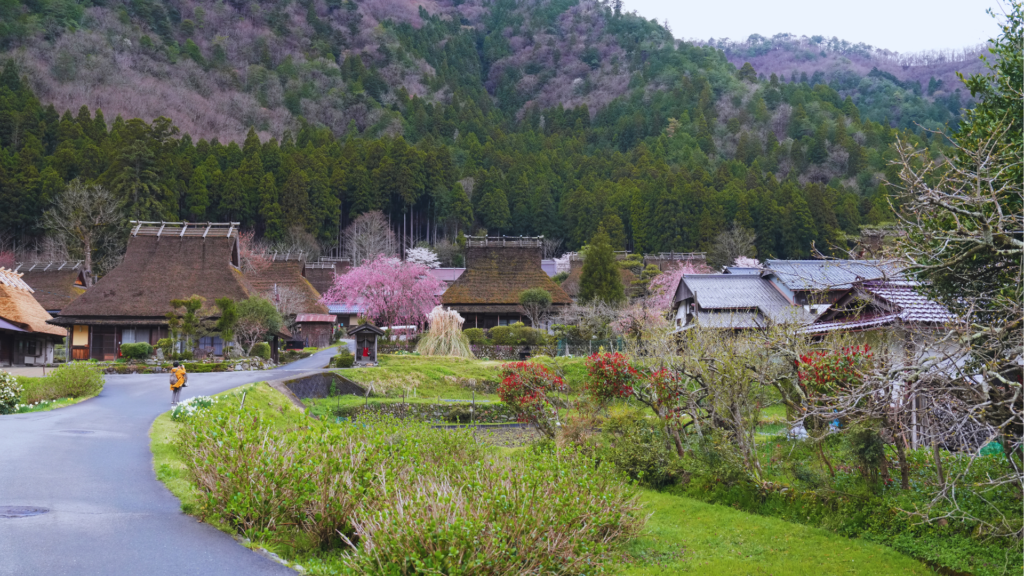
Selecting one of Japan’s registered cultural properties for your MICE event elevates an experience through a setting of prestigious, exclusive, and historical importance. They also promote support for Japan’s cultural preservation, contributing to the maintenance and sustainability of historic sites, and potentially aligning with a MICE trip’s CSR and responsible tourism initiatives.
The choice of registered cultural properties is diverse and extensive, nodding to Japan’s own expansive history. For example, hosting a banquet at a beautifully preserved dining hall, a traditional performance at a Kabuki theatre, or a historian-led tour of a preserved samurai district.
Example Venue: A Thatched-Roof Farmhouse in Miyama
Nestled just an hour from Kyoto is the beautiful village of Kayabuki no Sato, a destination famous for its thatched-roofed homes. The entire village is recognised as a heritage site, operating in many ways as it has for over 100 years.
Within the Kayabuki no Sato are farmhouses available for private hire and events. Built during the Meiji era, these historic home have retained their original interior while adding modern amenities like underfloor heating. They make for unique and inspiring settings for team-building activities or overnight immersive experiences.
Capacity: 6 guests for overnight stays, 48 guests in the event space
Perfect For: Team building, incentive travel, and cultural workshops
Aquariums

As an island nation, Japan maintains a deep-rooted connection to the ocean, reflected in both its cultural heritage and its advanced marine research capabilities. These initiatives are best showcased through the nation’s innovative aquarium facilities, with Japan being home to some of the largest and most immersive aquariums in the world.
These facilities also make for excellent MICE venues in Japan, creating a modern space perfect for larger events or smaller bespoke tours.
Example Venue: Okinawa Churaumi Aquarium
Located in the tropical island prefecture of Okinawa, Churaumi Aquarium is a next-generation ocean life facility, where art and marine science blend in perfect harmony. It is renowned for its Kuroshio Tank, one of the largest in the world, as well as being home to groups of both tiger sharks and bull sharks.
The venue is fully equipped with professional lighting and sound systems, making it ideal for everything from seminars and ceremonies to elegant banquets.
Capacity: 500 people
Best For: Seminars, product launches, and company off-sites
Museums and Galleries

Museums and galleries in Japan offer culturally rich environments that add depth and meaning to business events. The venue can be selected to best fit with a MICE event’s themes or industry, with choices encompassing an array of spaces.
Specifically within Japan, museums go beyond just exemplary opportunities for engaging with the nation’s history. They also showcase more novel and experiential venues that go beyond traditional exhibition formats. For example, teamLab’s immersive digital art experiences, or institutions like Cup Noodles Museum Yokohama, which introduce interactive and brand-driven storytelling.
Example Venue: Tokyo Metropolitan Teien Museum
The Tokyo Metropolitan Teien Museum is a superb example of the cultural and era fusion found in so many of Japan’s museums and galleries. Originally built as the residence for Prince Asako in the early 1930s, the property is an incredible collaboration of art deco and Japanese design principles.
Now it has been transformed into a museum exhibiting the property’s architecture and extensive collection of art. The gardens, restaurant, and stunning reception are available for private hire, creating a unique opportunity for elevated art deco-styled events in Tokyo.
Capacity: Restaurant, 80 people; garden terrace, 50 people; cafe, 30 people
Best For: VIP receptions, boutique product launches, and incentive travel experiences
Temples and Shrines

No MICE trip to Japan would be complete without a visit to one of Japan’s incredible temples or shrines. However, to elevate the experience into further cultural immersion, these ancient sites can become not just a stop, but a venue for stays, experiences, and activities.
For instance, guests can stay overnight in a Zen Buddhist temple in Mount Koya, joining monks for their meditation practices and meals. Elsewhere, many shrines offer bookable properties perfect for workshops or seminars.
Example Venue: Former Chikurin-in Temple
Found in Kochi, Chikurin-in Temple’s history is deeply rooted in retreats, having once served as a satobo (traditional dormitories for visiting high-ranking monks). Although it is no longer an active temple, the buildings and grounds have continued to be meticulously maintained, having been designated as a national place of scenic beauty.
The stunning garden, two tea rooms, and main building can be used for MICE functions, providing a blissful backdrop of Mount Hachioji and a serene sense of restorative calm.
Capacity: 20 people
Best For: Executive retreats, leadership workshops, and wellness-oriented itineraries
Amusement and Theme Parks
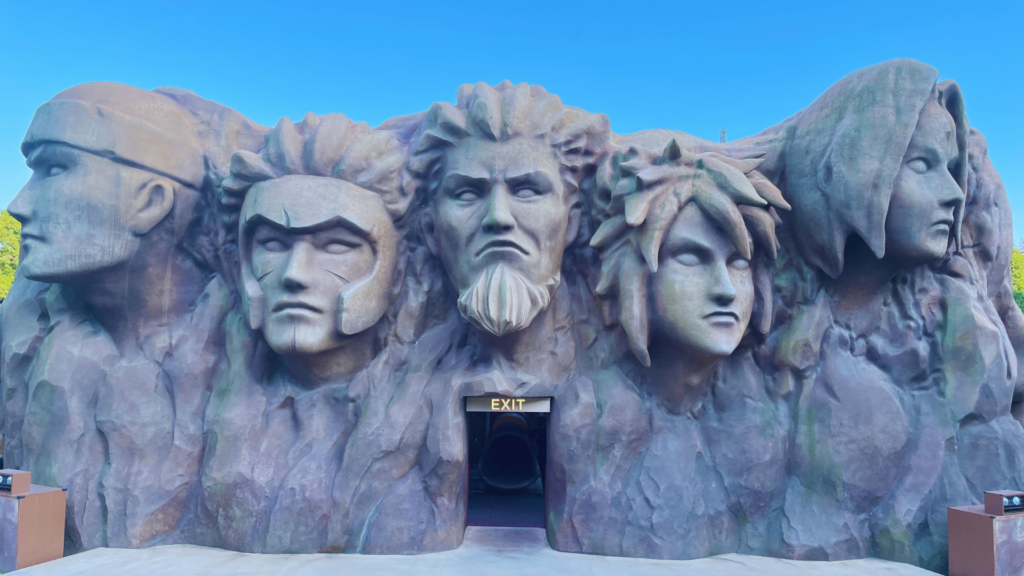
Amusement and theme parks in Japan offer dynamic and high-energy environments that bring a sense of excitement and playfulness to MICE events. Unlike traditional venues, these spaces are designed to entertain, making them particularly effective for creating memorable, large-scale experiences. Hiring an amusement or theme park for a MICE event can materialise in a variety of ways, from exclusive after-hours events to entire site-wide private bookings.
Beyond major international brands, Japan also features unique, locally themed parks such as Fuji-Q Highland, known for its record-breaking roller coasters, and Huis Ten Bosch, which recreates a Dutch townscape.
Example Venue: Universal Studios Japan “Group Special Event” Space
One example of positioning a theme park as a MICE venue in Japan is through one of Universal Studios’ two dedicated “Group Special Event” spaces. Located within the park’s grounds, it is a perfect opportunity to host corporate celebrations and incentive travel guests, which includes a stage for performances or speeches.
Capacity: Stage 33, 600 people (Standing); Peacock Theatre, 400 people (standing)
Best For: Executive retreats, leadership workshops, and wellness-oriented itineraries
Observation Decks

Observation decks in Japan provide a MICE itinerary with a sense of awe and sophistication. Positioned high above the city, these venues provide panoramic views that create an immediate visual impact, making them ideal for memorable, experience-led gatherings.
Tokyo, in particular, presents an array of truly dramatic observation deck views, thanks to the city’s sprawling nature. These venues offer flexible spaces that can accommodate private receptions, networking events, and exclusive hire, all set against the dramatic skyline backdrop.
Example Venue: Tokyo Tower
Few buildings in Japan are as iconic as Tokyo Tower. The red and white structure stands prominently in the heart of the city, offering incredible 260-degree views from its observation deck.
As a MICE venue, it presents an impressive opportunity for private events in one of the city’s most memorable locations. Beyond event hosting, the tower also offers a fantastic team-building opportunity through the Open-air Outdoor Stairs Walk, as groups hike the 600 stairs to the observation deck. Tokyo Tower is also home to a dining space for up to 250 guests.
Capacity: Main deck, 50 people; dining space, 250 people
Best For: Team building, networking events, and media trips
Boat and Water Venues
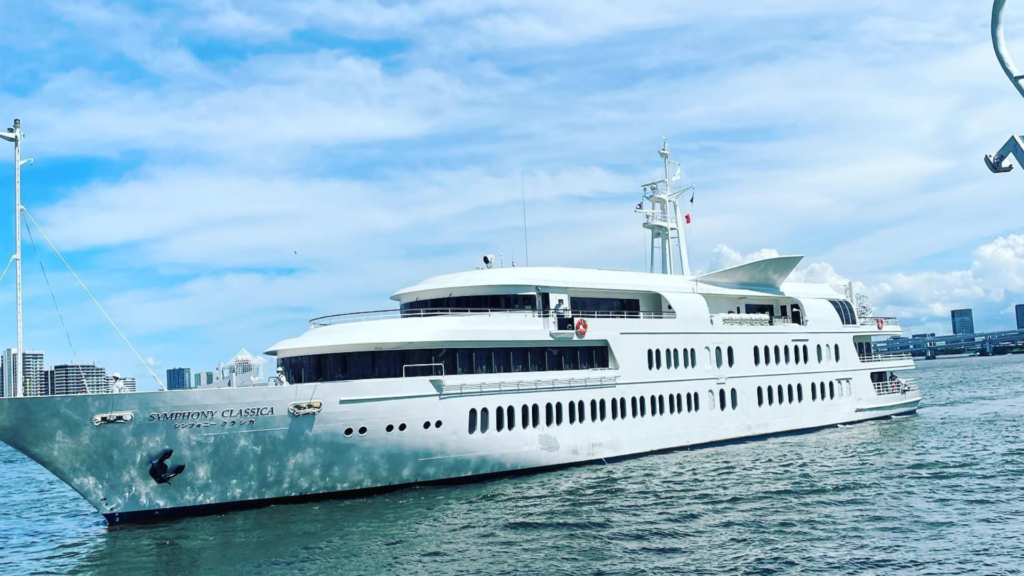
Across Japan are located port towns and cities with their own remarkable stories of trade, sea ventures, and development. Within these waterside destinations are found boat charters, ocean-facing observation decks, and marine-themed event spaces, providing scenic views and elegant backdrops for a MICE experience.
From modern luxury vessels to traditional yakatabune boats, complete with tatami floors, lantern lighting, and seasonal Japanese cuisine, water-based venues offer exclusivity and atmosphere.
Example Venue: Yakatabune in Tokyo
Chartering one of the Tokyo Yakatabune Association’s traditional Japanese houseboats is a fantastic activity for company off-sites, celebrations, or retreats.
The experience typically follows a set cruising schedule, with most journeys lasting around 2 to 3 hours, allowing guests to fully enjoy both the dining and sightseeing elements. Cruises usually depart in the late afternoon or evening, making them particularly well-suited to sunset and nighttime events, when the city skyline is illuminated.
Capacity: 20-120 people
Best For: Team building events, corporate celebrations, and incentive travel experiences
Showrooms and Racetracks
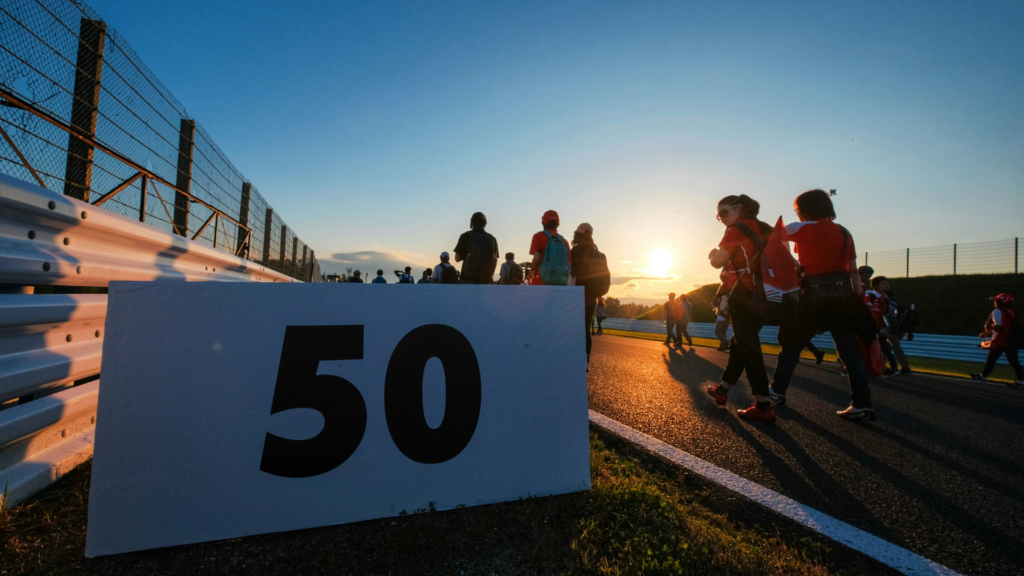
Japan’s long-standing global influence in automotive manufacturing has led to the establishment of many high-performance, brand-led venues, perfect for a MICE itinerary. Showroom spaces provide a polished setting for presentations, product showcases, and corporate gatherings, whilst racetracks introduce a dynamic, adrenaline-driven element well fitting for team building or rewards travel.
Across the country, venues range from internationally recognised courses such as Suzuka Circuit and Fuji Speedway to brand-focused spaces like Nissan Global Headquarters Gallery, offering a diverse mix of large-scale infrastructure and immersive brand environments.
Example Venue: Porsche Experience Centre Tokyo
Located just outside Tokyo, the Porsche Experience features a purpose-built driving circuit, advanced simulation technology, and modern event spaces designed for both business and experiential use. The entire venue is available to be reserved for exclusive use, offering a truck featuring six modules, approximately 50 state-of-the-art Porsches, a 500m² atrium, Restaurant 906, and catering services.
A typical programme might include a tour of the facility, a 90-minute driving experience, and a dinner course at the site’s restaurants.
Capacity: 6-100 people
Best For: Top performers and incentive groups, automobile-centred MICE events, and team building
How to Decide Between MICE Venues in Japan
It is evident from this list that the scope of MICE venues in Japan is distinctive and extensive. There is a novel experience, stylish setting, and luxury ambience for every MICE niche, with venues at every scale. As a result, selecting the right location depends on the objectives and tone of the event. We recommend beginning by considering whether the focus is on engagement, exclusivity, scale, or cultural immersion, and aligning the venue accordingly.
MICE Venues in Japan: FAQs
How far in advance should I book a MICE venue in Japan?
For large conferences or exhibitions, planning should ideally begin 12 to 24 months in advance, particularly in major cities. Smaller MICE trips typically require less lead time but still benefit from early reservations made 2-6 months in advance to avoid disappointment.
Where is the best MICE destination in Japan?
The best MICE destinations in Japan depend on your company’s needs and expectations. For the largest variety of venues, accommodation, and activity options, Tokyo is a great choice. Alternatively, if a more unique destination is a priority, we recommend considering Fukuoka, Okinawa, or Kyoto.
Are MICE venues in Japan expensive?
MICE venues in Japan can range from moderate to high-end, depending on the venue type. However, many MICE travel planners may find their purchasing power has significantly increased in recent years due to the currently weak yen.
Is English widely supported at MICE venues in Japan?
Major convention centres and international hotels typically provide English-speaking staff and multilingual support services. For specialised events, professional interpreters can also be arranged.
What is the best time of year to host a MICE event in Japan?
Spring and autumn are particularly popular due to favourable weather conditions, and the famous cherry blossom and autumn leaves seasons respectively. That being said, peak seasons also bring heavier crowds and demand for accommodation, events, and venues.
Do international professionals need visas to attend business events in Japan?
Visa requirements depend on the delegate’s nationality and length of stay. Many countries have short-term visa exemption arrangements for business travel, though organisers should always confirm requirements in advance. We recommend starting by reaching out to your local embassy for advice.
Is it difficult to plan a MICE event in Japan?
Planning a MICE event in Japan can be tricky due to obstacles such as language barriers, permit requirements, and limited local vendor knowledge. The easiest solution is to work directly with a domestic travel planner, like us at Flip Japan.