
Most people who visit Mie come to see Ise Jingu, tick it off, and leave. They spend a morning at the shrines, eat a bowl of udon on the way out, and catch the train back to Osaka or Nagoya before dark.
It is one of the most common mistakes in Japanese travel, and the irony is huge, because the most sacred Shinto site in the country sits inside a prefecture that also contains UNESCO pilgrimage forests, free-diving women who have been harvesting the seabed since the Yayoi period, the best wagyu beef that most people outside Japan have never heard of, and a ruggedly beautiful Pacific coastline.
Mie sits on the eastern coast of the Kii Peninsula, facing Ise Bay to the north and the Pacific to the south. It was formed during the Meiji Restoration from the old provinces of Ise, Shima, Iga, and part of Kii. Hold up, before you think I’m some kind of robot giving you a boring history lesson, know that I am telling you this because that combination of origins matters. It explains why the prefecture contains such wildly different characters within its borders.
The shrine literally known as the ‘Soul of Japan’, a ninja mountain town, an oyster-farming coastline, and some of Japan’s most remote hiking terrain all coexist here, with relatively few visitors connecting the dots between them. If you are still working out the broader shape of your trip, our Japan trip planning guide is a good place to start before diving into the details here.
By the time you finish this Mie area guide, you will know exactly why Mie deserves far more than a day trip.
Mie Area Guide: Regions
Mie is far larger and slower to move around than it looks. Ise and Toba are easy to navigate by train, but once you go toward Kumano, Ago Bay, or the rural coastal areas, a rental car makes a huge difference. If you are travelling without a vehicle, be sure to build in extra buffer time and avoid trying to pack too much into a single day.
Central Mie (Ise and Toba)
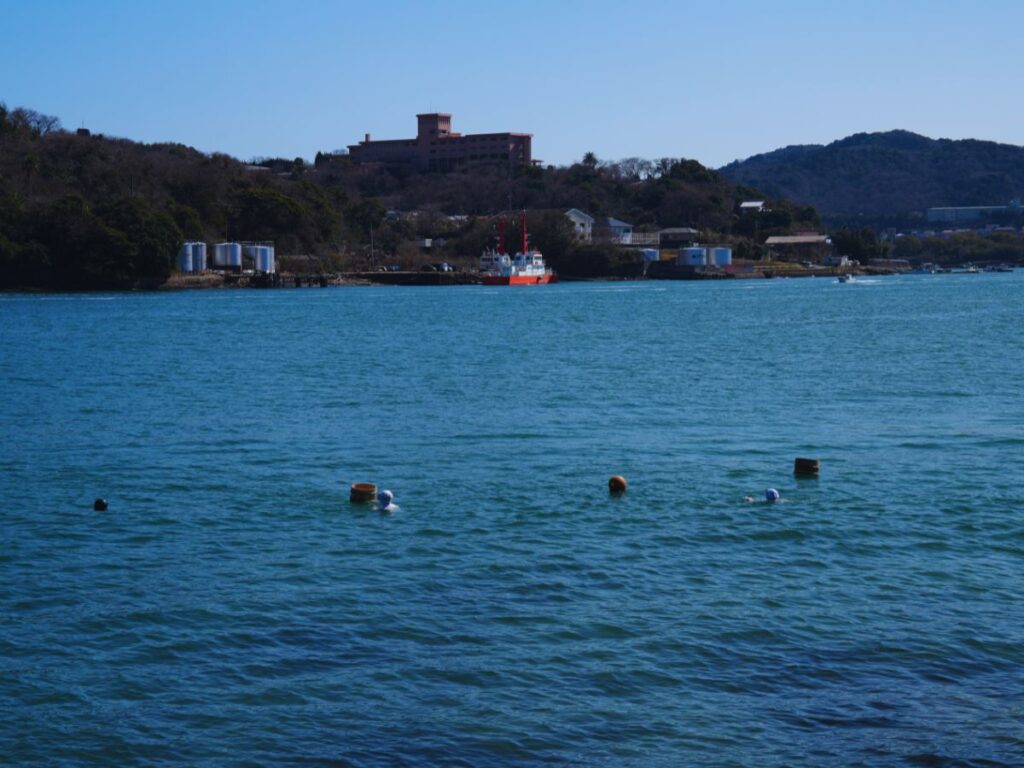
This is where you will most likely base yourself, and you’ll probably notice right away that in a way, Ise exists, because the shrine exists. The whole area is built around the concept of ‘pilgrimage’, from the train lines shuttling people in from Osaka to the old-school merchant streets that have been feeding tired travelers for hundreds of years. Just south of Ise, Toba is where the peninsula finally meets the sea. It is a harbour city, complete with fishing boats and pearl-farming rafts visible from the waterfront. The two towns sit close enough together that you can move between them easily.
Northern Mie (Yokkaichi and Kuwana)
The northern region sits close to Nagoya and is home to Mount Gozaisho and the Yunoyama hot springs. Most foreign visitors skip the north entirely, which is a shame for one particular reason (at least for a cyberpunk aesthetic fan like me): the Yokkaichi industrial complex at night. The petrochemical plant lights reflected in the surrounding waterways have become such a photography destination that they now even offer a cruise because of it. It sounds bizarre until you see it.
Kuwana, just north, is a quieter castle town whose local food culture revolves around hamaguri clams from the bay: grilled on the shell, served in soup, folded into rice, and more!
Southern Mie (Kumano and the Kii Peninsula Coast)
The Iseji route of the Kumano Kodo passes through Mie, running about 170 kilometres from Ise Jingu to the three grand shrines of Kumano in Wakayama Prefecture. It is part of a UNESCO World Heritage designation and holds the unique distinction of being dual-listed alongside the Camino de Santiago. Once you leave the Toba peninsula and head south, the landscape shifts dramatically. The flat coastal towns give way to cedar-covered mountains, remote fishing villages, unusual rock formations at Oni-ga-jo, and the kilometres-long Shichiri Mihama pebble beach.
Western Mie (Iga)
I could tell you that Iga is the hometown of haiku poet Matsuo Basho. Yes, that Japanese poet is so legendary that his writing has somehow made it to school textbooks all over the world. But to be blunt, people come here for one very specific, very cool reason: it is the birthplace of the ninja tradition! The town takes its heritage seriously, and the castle grounds are well worth a detour if you’re traveling between Mie and Osaka.
Mie’s Must-Visit Attractions
Ise Jingu
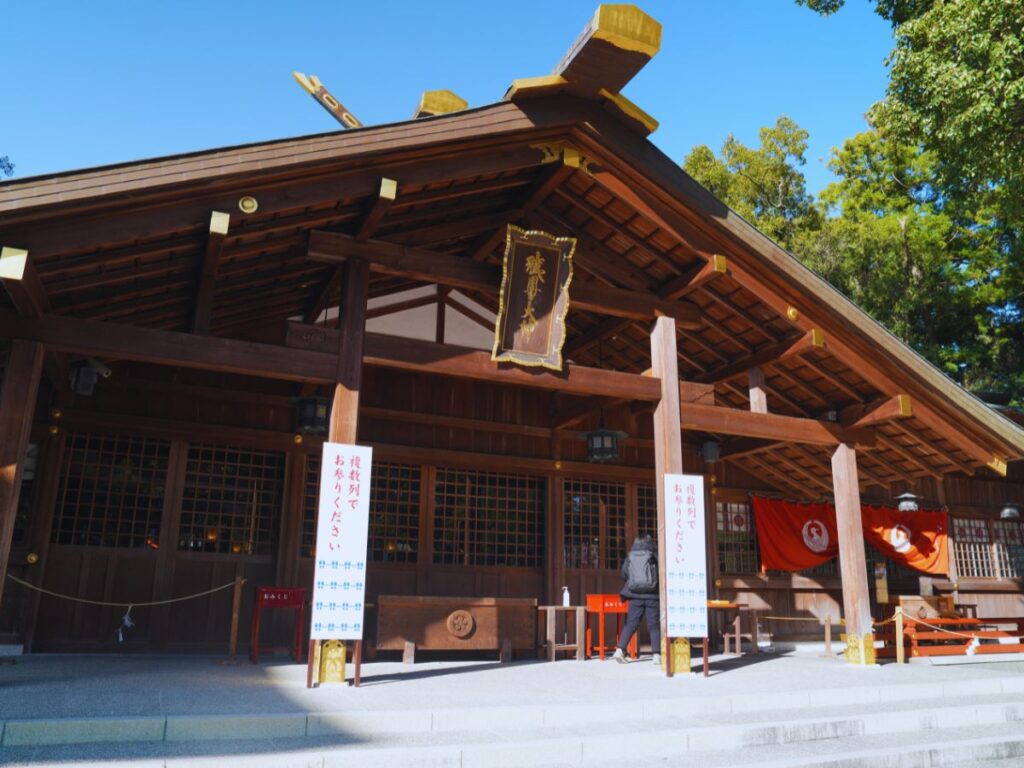
Ise Jingu is Japan’s most sacred Shinto shrine complex. It’s split into two main areas: the Inner Shrine (Naiku), which houses Amaterasu Omikami (the sun goddess and mythical ancestor of the Imperial family), and the Outer Shrine (Geku), dedicated to the deity of agriculture and basic survival. There are also 125 sub-shrines scattered around, just in case you haven’t had your fill of wooden architecture.
Here is a rule you absolutely cannot break: you must visit Geku first, then Naiku. It’s a centuries-old tradition. A shocking number of tourists skip Geku entirely because Naiku is the famous one. Don’t be that tourist. While you’re at it, walk on the sides of the path, not the middle. The centre lane is reserved for the gods. Even if you aren’t religious, walking the edges keeps you out of the way of local pilgrims and prevents you from looking like an oblivious tourist.
One very interesting detail about Ise Jingu is the Shikinen Sengu. Every 20 years, they completely tear down the shrines and rebuild them from scratch on an adjacent plot of land, transferring the deities to their brand-new, identical homes. They’ve been doing this since 690 AD.
Why? It keeps the spiritual energy fresh, and more importantly, it ensures traditional carpentry techniques are passed down to the next generation before the master builders retire or die. The current structures were built in 2013, so the next rebuild is in 2033.
- Location: Ise City
- Admission fee: Free
- Hours: 5:00 – 18:00 (Closes earlier in winter; open 24 hours over New Year’s)
Meoto Iwa
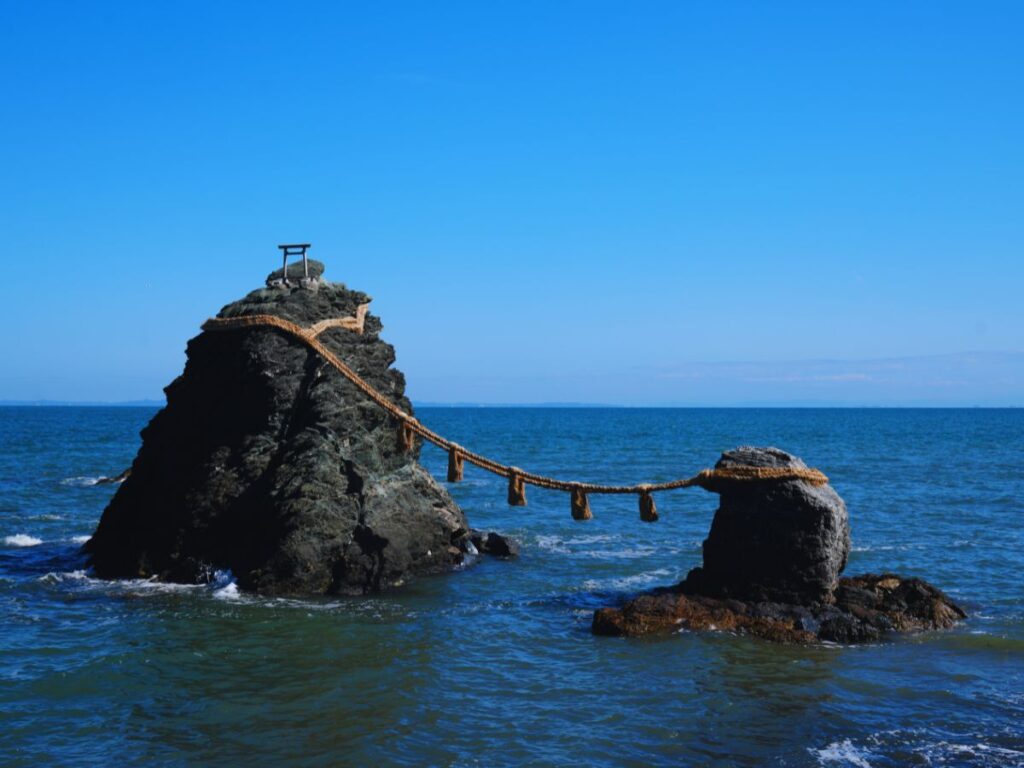
Before visiting Ise Jingu, people usually stop at Futami Okitama Shrine for a purification ritual using seawater at Futamiura. For most modern visitors, this means coming to see the Meoto Iwa: two rocks standing in the shallows offshore, joined by a thick shimenawa sacred rope weighing almost a ton, representing the creator deities Izanagi and Izanami. I’m sure you’ve seen photos of it before, likely with the sun rising directly between the two rocks.
- Location: Futami Town, Ise
- Admission fee: Free
- Hours: Open 24 hours (Shrine grounds)
Okage Yokocho
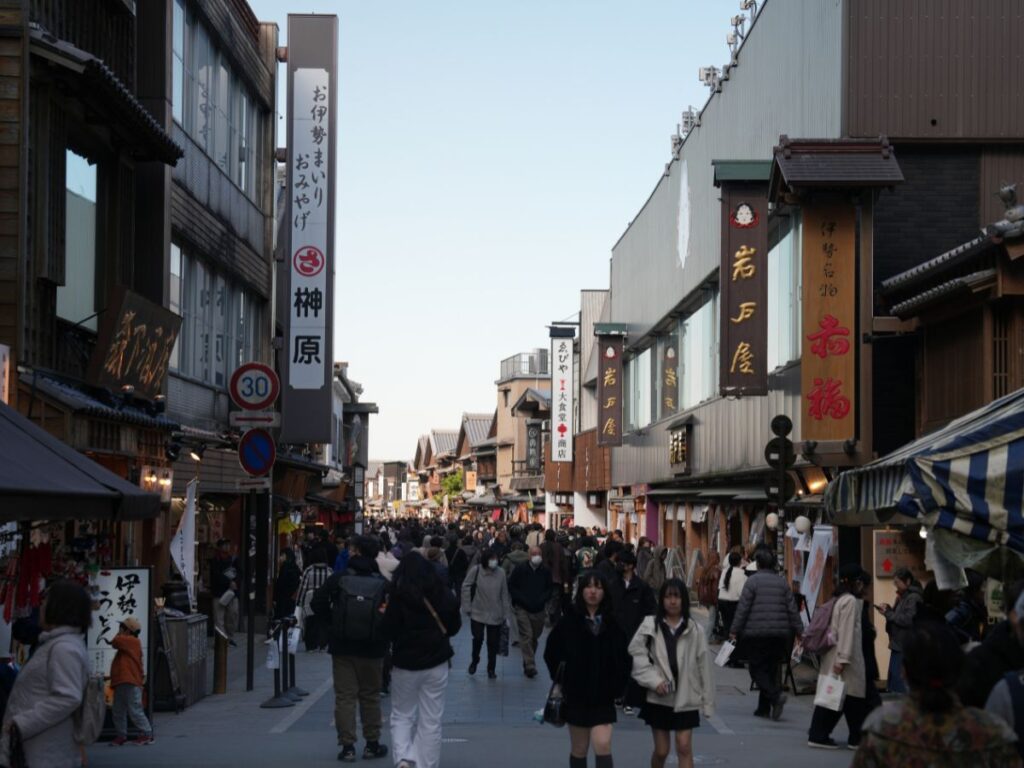
The Oharai-machi and Okage Yokocho streets near the Inner Shrine entrance have been feeding pilgrims since the Edo period. Obviously, the food here is worth stopping for. A must-try is the akafuku mochi, which is soft rice cake covered in sweet red bean paste, made to a recipe unchanged since 1707 and shaped to represent the flow of the Isuzu River nearby. It does not keep past the day it is made, which means you cannot buy it as a souvenir, but eating it while standing at the edge of the historic street is the best way to do it anyway.
- Location: Uji-imajacho, Ise (Right outside Naiku)
- Admission fee: Free to explore
- Hours: 9:30 – 17:00 (Varies slightly by shop and season)
Toba Aquarium (Toba)
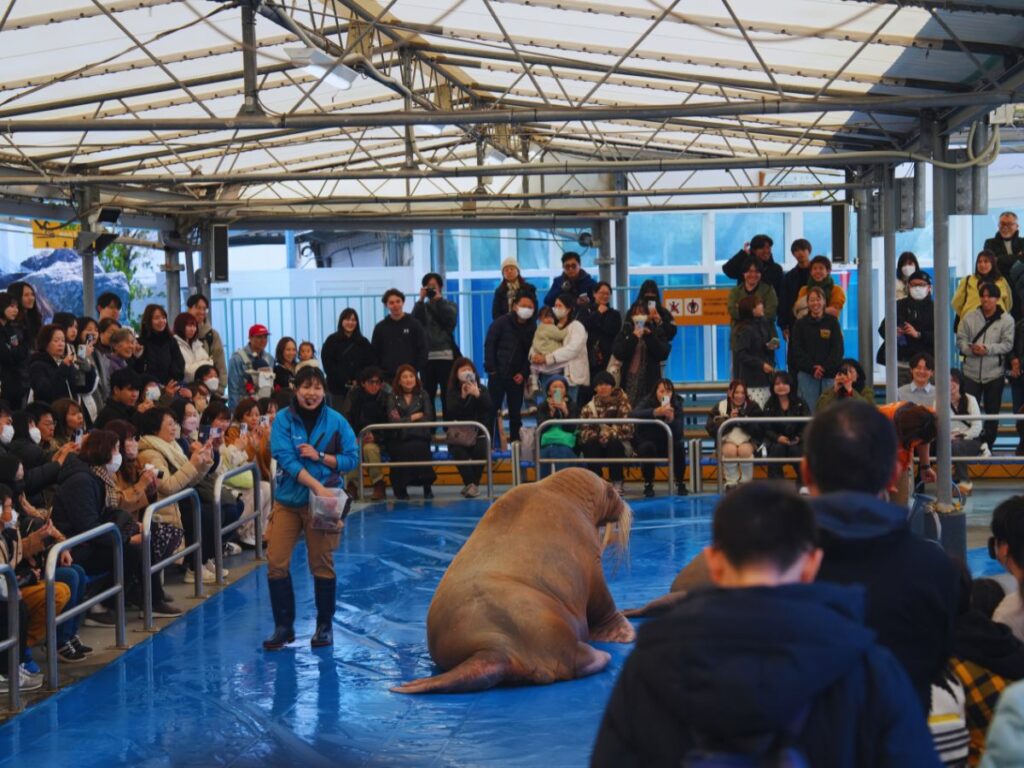
Toba Aquarium holds over 1,200 species and is the only facility in the world that keeps dugongs in captivity. The layout covers the different marine environments of the Ise-Shima coast, the open Pacific, and the river systems inland. It is the kind of place where you think you will spend ninety minutes and find yourself still there three hours later. We cover it in more detail in our best aquariums in Japan guide if you are comparing options across the country.
- Location: Toba City
- Admission fee: 2,800 yen (Adults), 1,600 yen (Children)
- Hours: 9:00 – 17:00 (Last entry at 16:00)
Mikimoto Pearl Island
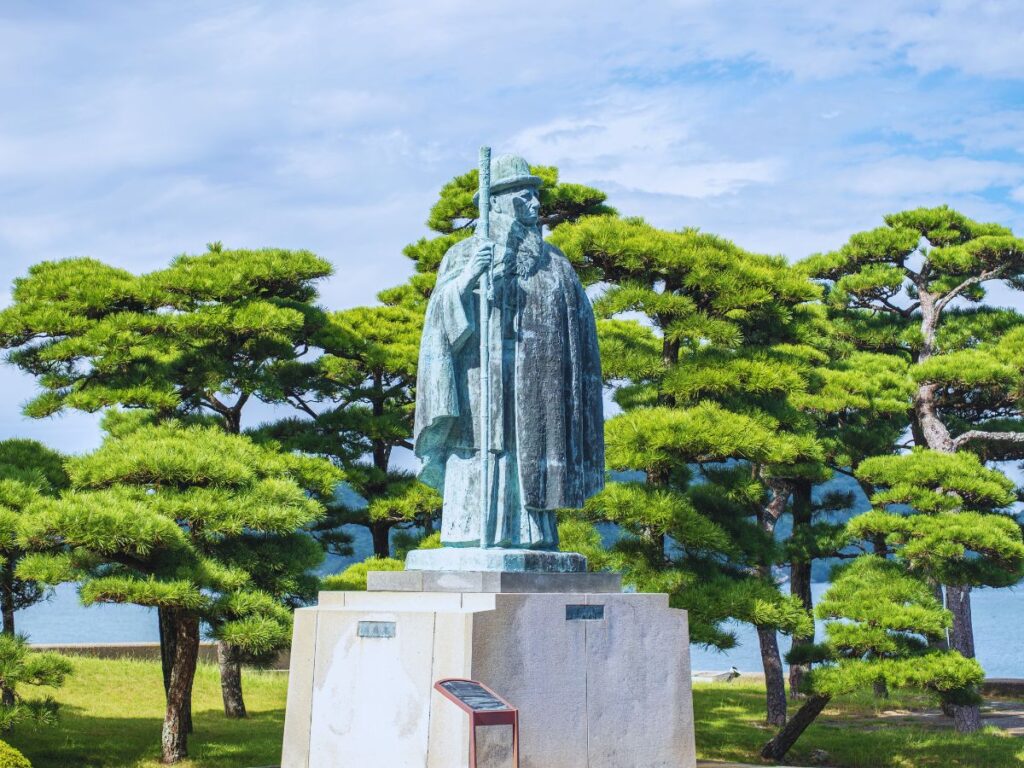
Kokichi Mikimoto first developed his process for culturing pearls in Toba, and the island is now a museum and demonstration site. Even if you have no interest in buying jewellery, the industrial history of how one man’s technique transformed the global pearl trade in the late 1800s is worth an hour of your time.
The ama diver demonstrations in traditional white diving costumes run several times a day, but these are, for me, more of a polished and well-managed visitor attraction. If you want a less ‘produced’ experience of ama culture, the ama huts in Toba and Shima (more on those below) are a better option.
- Location: Toba City
- Admission fee: 1,650 yen
- Hours: 9:00 – 17:00 (Varies seasonally)
Ama Divers of Toba and Shima
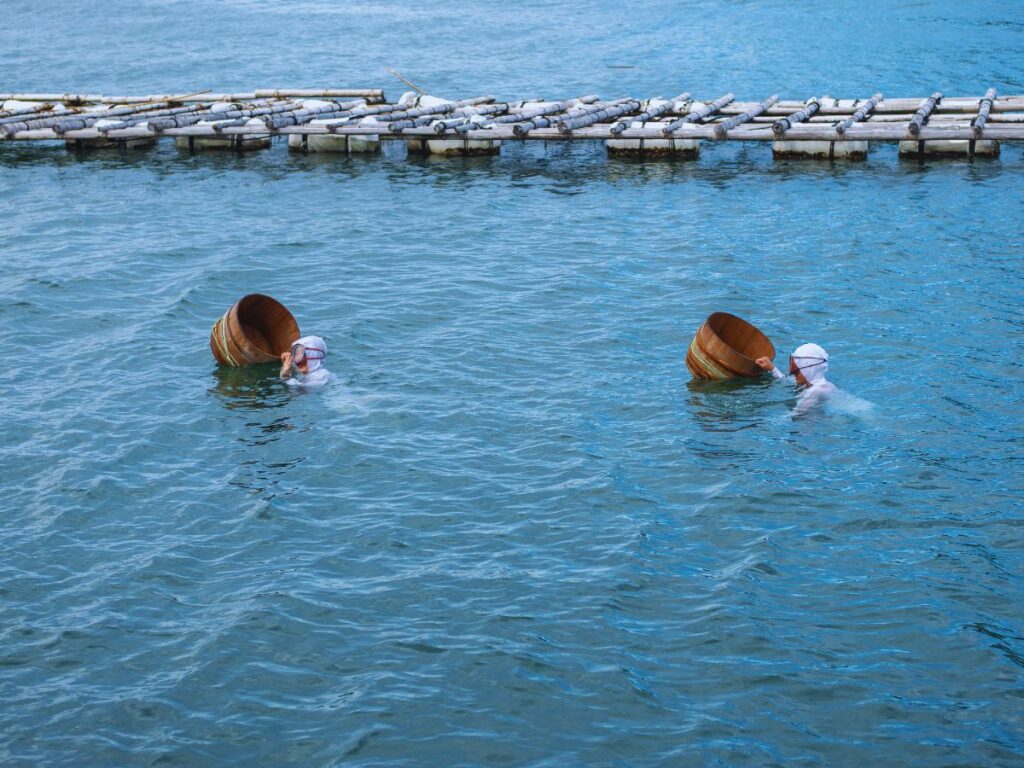
Ama diving in Mie has roots stretching back roughly 2,000 years. These female free-divers were historically tasked with providing abalone and other seafood to the imperial court, and the tradition is still active. If you’ve seen the wildly popular ‘When Life Gives You Tangerines’ on Netflix, you’ll remember that Ae-Sun’s mom was a traditional female free-diver in Jeju. The amas are sort of Japan’s version of those.
Several ama huts in the area accept visitors for an experience that centres on eating charcoal-grilled seafood while the divers themselves talk about their work and history. These experiences, to me, feel like hanging out with working women who have turned to tourism as one way of sustaining the tradition, and the conversations that happen over grilled abalone are far more interesting than anything you will find in a display cabinet.
- Location: Coastal Toba and Shima Peninsula
- Admission fee: Varies by experience package
- Hours: Advanced booking required; usually lunchtime sessions around 11:30 – 14:00
Ago Bay
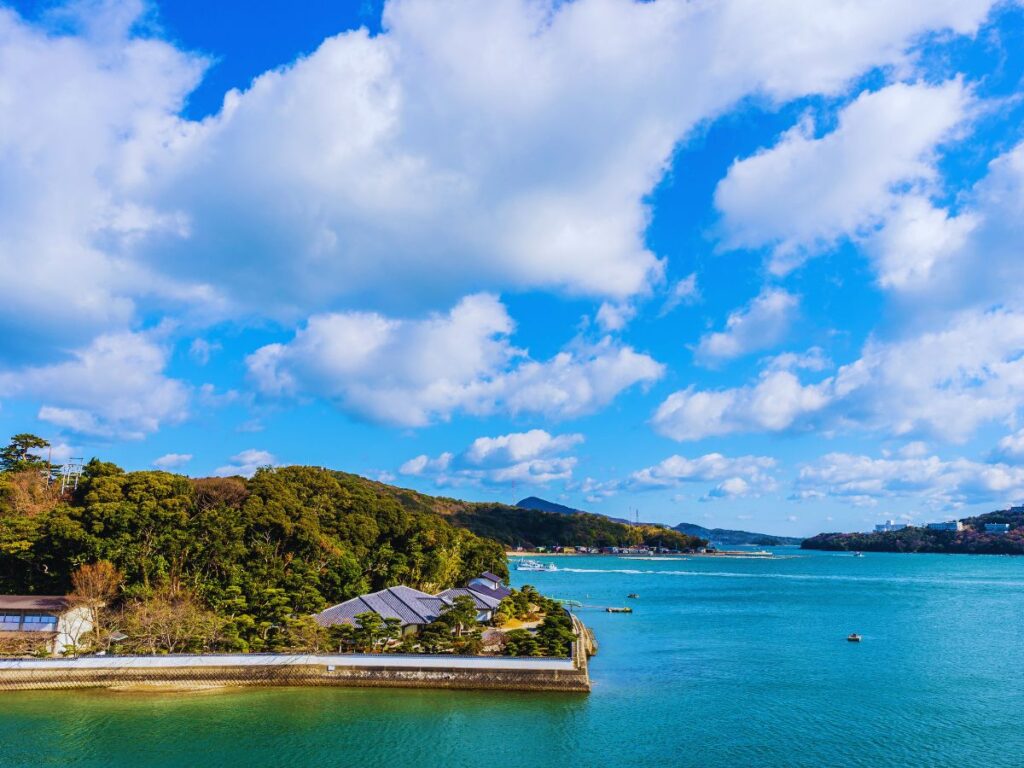
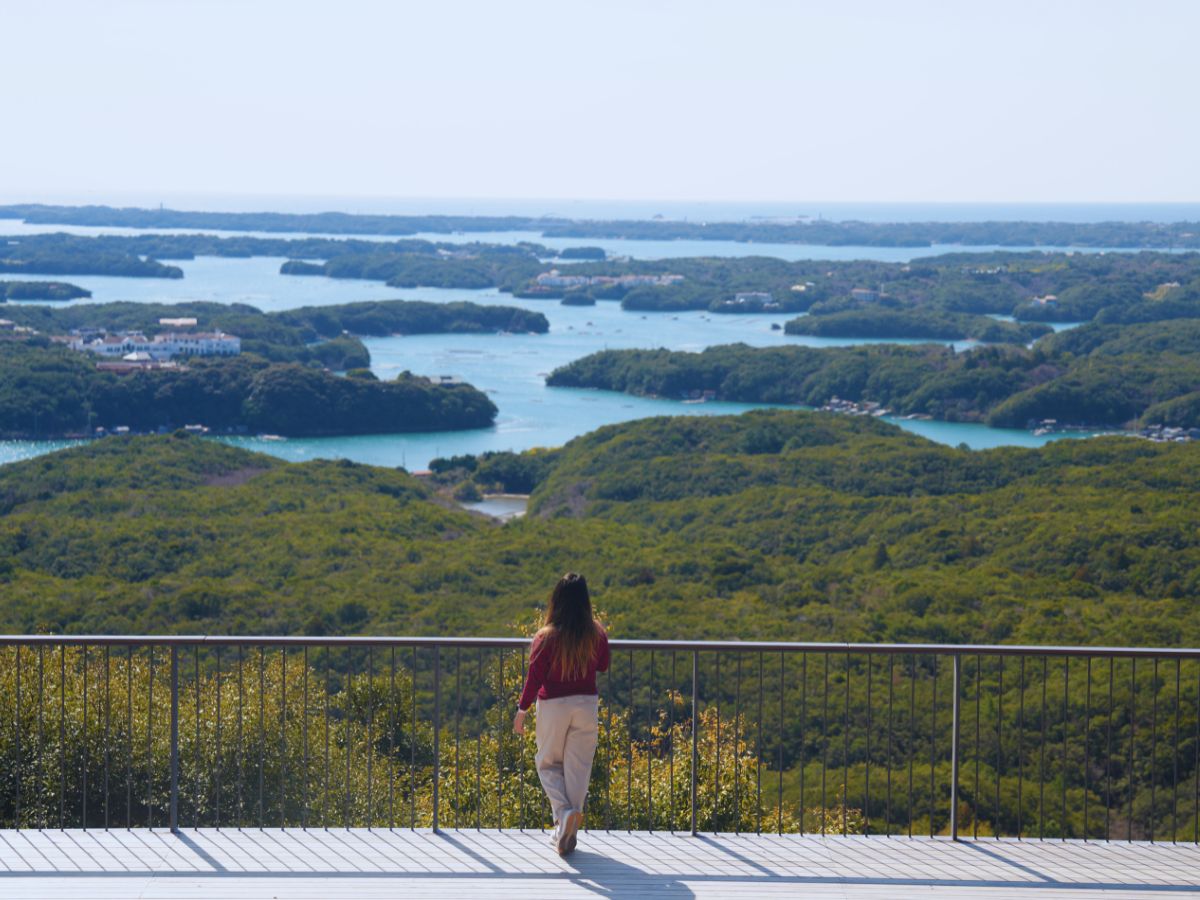
South of Toba, the coastline breaks apart into peninsulas and inlets that form Ago Bay. The water here is studded with the floating rafts of pearl farms as far as you can see, and that is not an exaggeration. A sightseeing boat through the bay is worth the time, especially combined with an afternoon at one of the small harbour restaurants in Kashikojima for grilled oysters.
- Location: Shima Peninsula, Southern Mie
- Admission fee: Free to view; sightseeing cruises are around 1,700 – 2,500 yen
- Hours: Open 24 hours (Bay area); cruises run hourly from 9:30 – 15:30
Ninja Museum of Igaryu (Iga)
The Ninja Museum sits within the grounds of Iga Ueno Castle and centres on a former ninja residence with hidden doors, trap floors, and concealed weapon storage built into the walls. The demonstrations by trained practitioners focus on what the tools were actually for and how the architecture was designed to confuse intruders rather than playing it for laughs, which is the right call. The grounds also include a separate memorial museum to Matsuo Basho.
Iga works best as a half-day stop when moving between Mie and Osaka or Nagoya. The journey from the coast is long enough (though undeniably pretty) that a dedicated round trip might feels like a stretch unless ninja history is athe specific draw for you.
- Location: Iga City, Western Mie
- Admission fee: 1,000 yen (Adults), 700 yen (Children); separate 600 yen fee for the live Ninja Show
- Hours: 10:00 – 16:00 (Weekdays), 10:00 – 16:30 (Weekends/Holidays)
Kumano Kodo Iseji Route
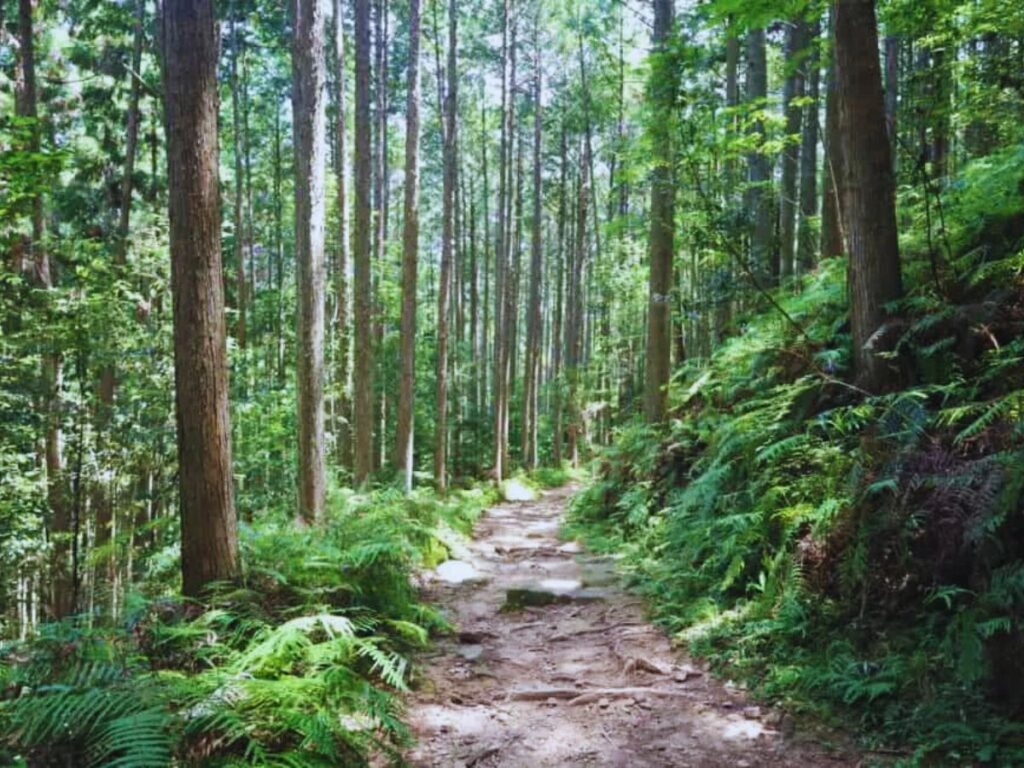
The Iseji is the section of the Kumano Kodo running through Mie. The Iseji section is significantly less walked than the more popular Nakahechi route in Wakayama, which means you can do a section on a weekday and barely see another person. We have a dedicated Kumano Kodo area guide that covers the full trail network if you are planning to walk more than one section.
The Magose-toge Pass is the most accessible starting point for first-timers, and it is also very calming, with beautifully preserved cobblestone paths climbing through the cypress forest. You will pass guardian Jizo statues and small shrines along the way.
- Location: Southeastern Mie (Stretching from Ise down to Kumano City)
- Admission fee: Free
- Hours: Open 24 hours (Hiking during daylight hours is highly recommended)
Oni-ga-jo (Kumano City)
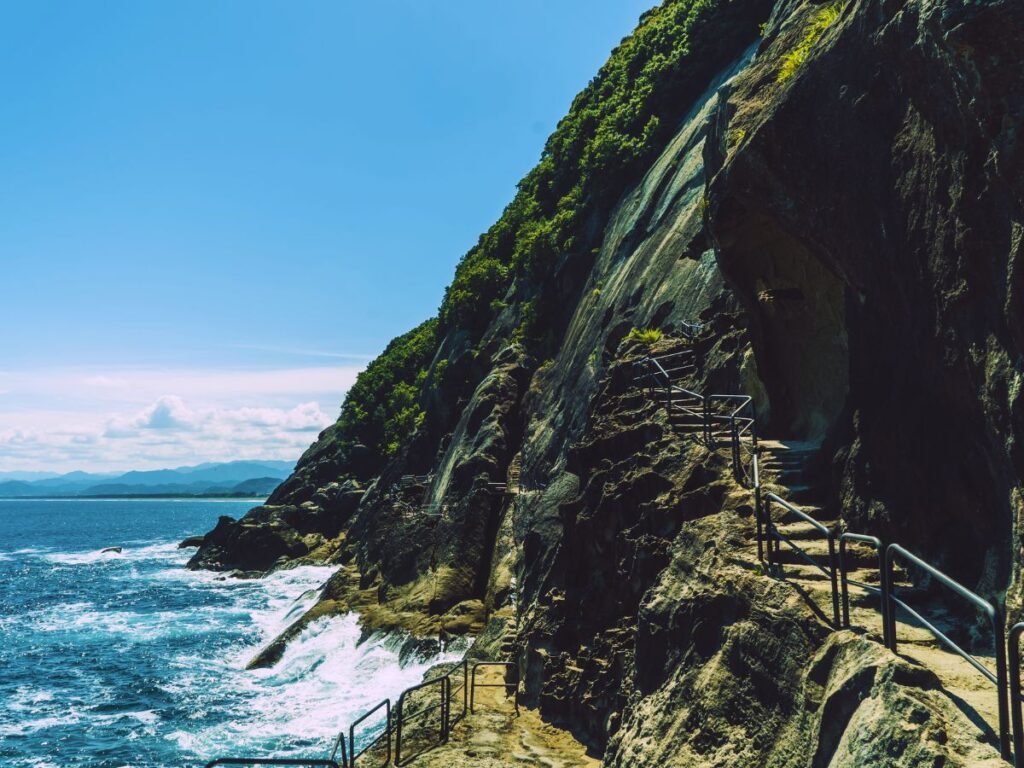
Oni-ga-jo is a stretch of coastal rock formations carved by wave erosion into shapes jagged and dramatic enough that local legend attributed them to demons, which is how the name, literally “demon’s castle”, came about. It also sits adjacent to the Matsumoto-toge section of the Kumano Kodo Iseji, making it easy to combine a short forest walk with the coast on the same day.
- Location: Kumano City, Southern Mie
- Admission fee: Free
- Hours: Open 24 hours (Onigajo Center visitor shop open 9:00 – 17:00)
Kazahaya no Sato (Tsu City)
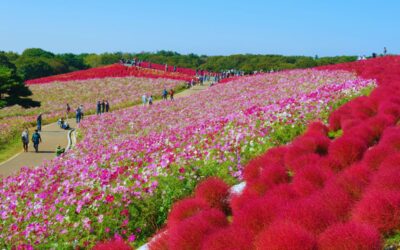
This massive flower park completely changes with the seasons and feels miles away from your standard, perfectly trimmed city park. Because it was originally built as a golf course, the grounds cover very vast rolling green hills. Depending on the month you visit, you can walk under purple wisteria vines, wander through hydrangeas, or catch the early spring plum blossoms.
But what makes this place really special is how it is run. It is the first garden in Japan where staff and people with disabilities work together to grow and look after the massive flower displays.
- Location: Tsu City, Central Mie
- Admission fee: Varies by bloom condition, usually 100 to 1,500 yen; free for children under 13
- Hours: 8:00 – 17:00 (Extended to 18:00 during wisteria and hydrangea festivals)
Mie’s Must-Eats
Ise Ebi: Spiny Lobster
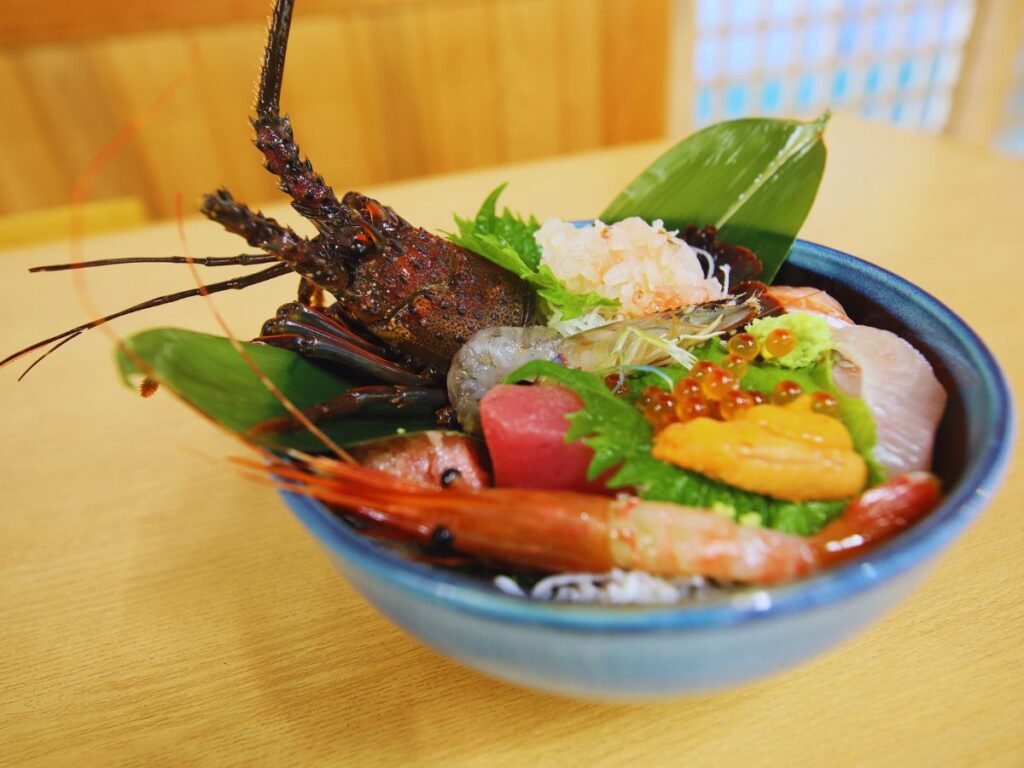
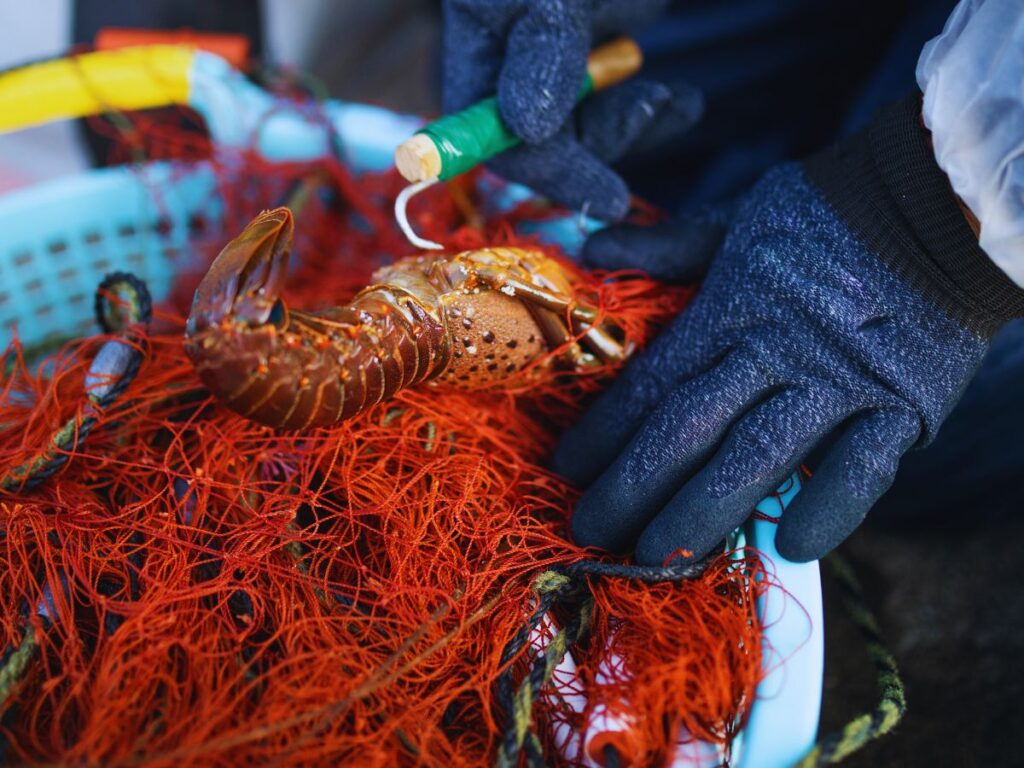
Ise ebi is the prefectural symbol of Mie and the thing it does better than anywhere else in the country. Fishing it is entirely prohibited during summer to protect the population, so the season runs from October to April. When it is in season, you will find it at harbour restaurants in Toba and around Ago Bay, usually at a price that reflects its status: a single grilled lobster will typically cost between 3,000 and 8,000 yen depending on size and where you eat.
Matsusaka Beef
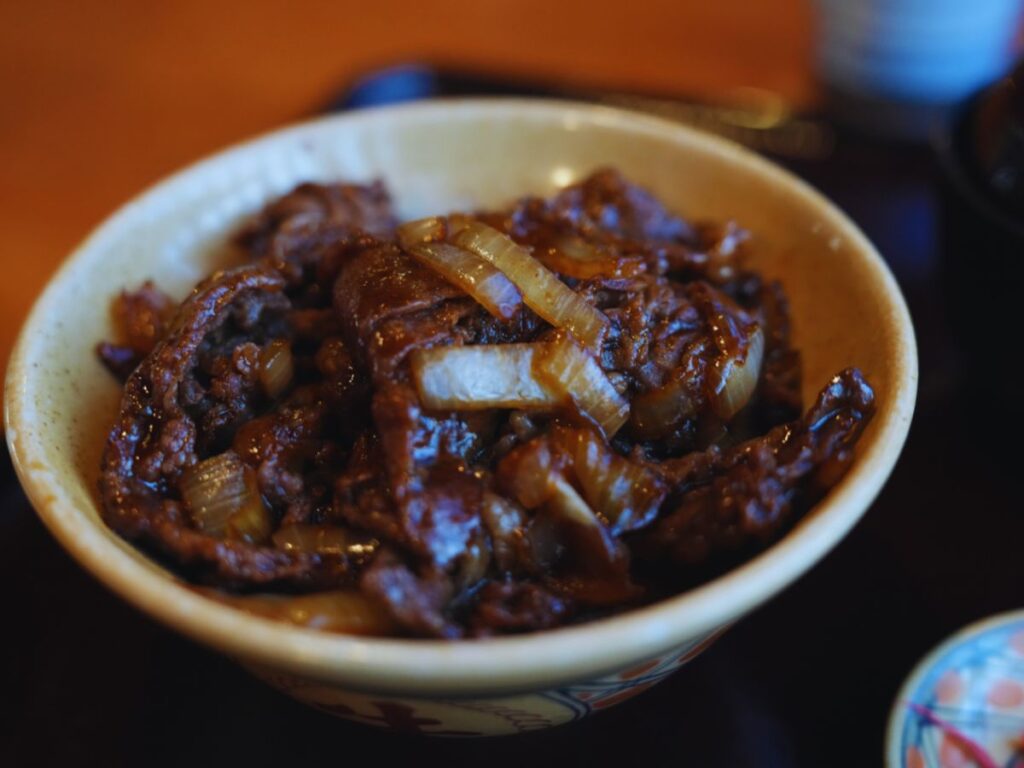
Matsusaka beef comes from Japanese black cattle raised under strict conditions in the Matsusaka area of Mie, and it is one of Japan’s three Sandai Wagyu (basically the top 3 wagyu) alongside Kobe and Omi beef. Eating Matsusaka in Matsusaka city is, of course, also considerably cheaper than ordering the same grade in Tokyo or Osaka.
Tekonezushi
This is the local sushi that is hand-pressed and marinated in a soy-based sauce and topped with raw katsuo (bonito) or yellowfin tuna. The name comes from the practice of mixing it by hand.
Ise Udon
Ise udon is said to have originated as food for pilgrims visiting the shrines: intentionally gentle in texture and flavour to sit easily on a stomach after a long journey. The noodles are thick and extremely soft, and the broth is much lighter in volume than most udon soups.
Akafuku Mochi
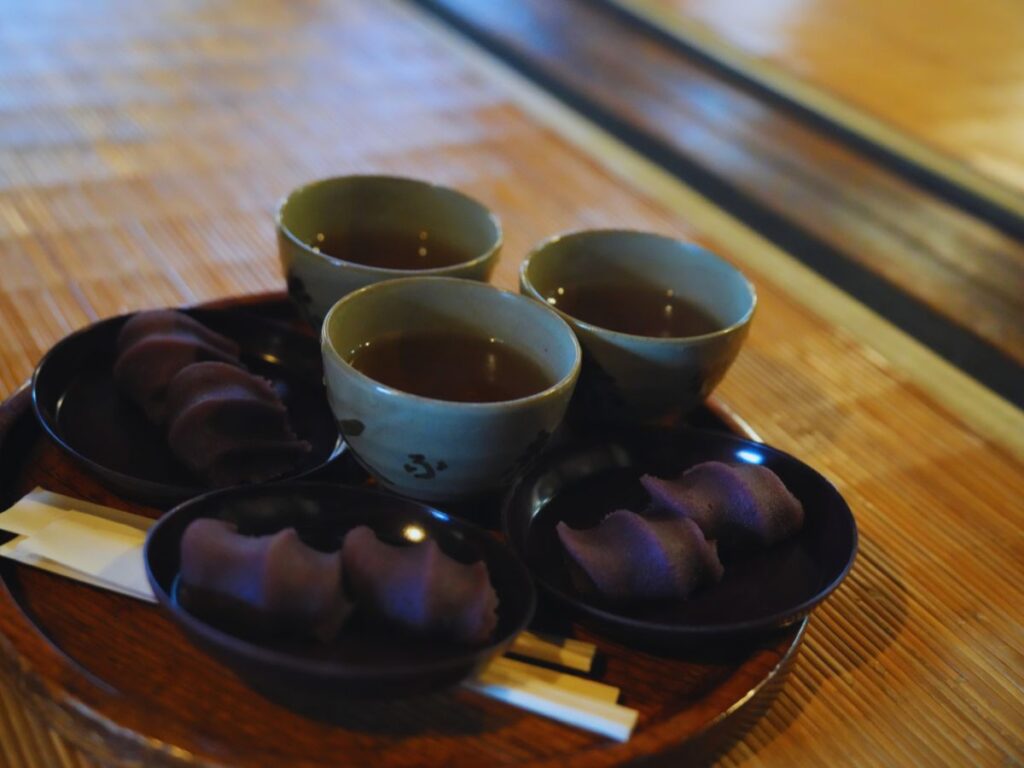
If you think you know mochi, this one might catch you off guard. Instead of hiding the sweet red bean paste inside the rice cake, akafuku has the bean paste slathered on the outside of the soft mochi. It is incredibly fresh and completely preservative-free, which is also why it essentially self-destructs if left for more than a day or two. That means no packing it in your suitcase for home. You buy it, you sit down with a cup of hot green tea right there in the merchant streets, and you eat it on the spot.
Kaki: Oysters from Ago Bay
These oysters are big and incredibly fresh. If you find a place serving them raw, grab a few, but I recommend finding one of those tiny shacks by the harbor in Kashikojima and getting them grilled over hot charcoal. Cooking them over the fire gives them this amazing smoky flavour you don’t get when they’re raw. Honestly, just order a plate of both and see which side you land on.
3-Day Mie Itinerary
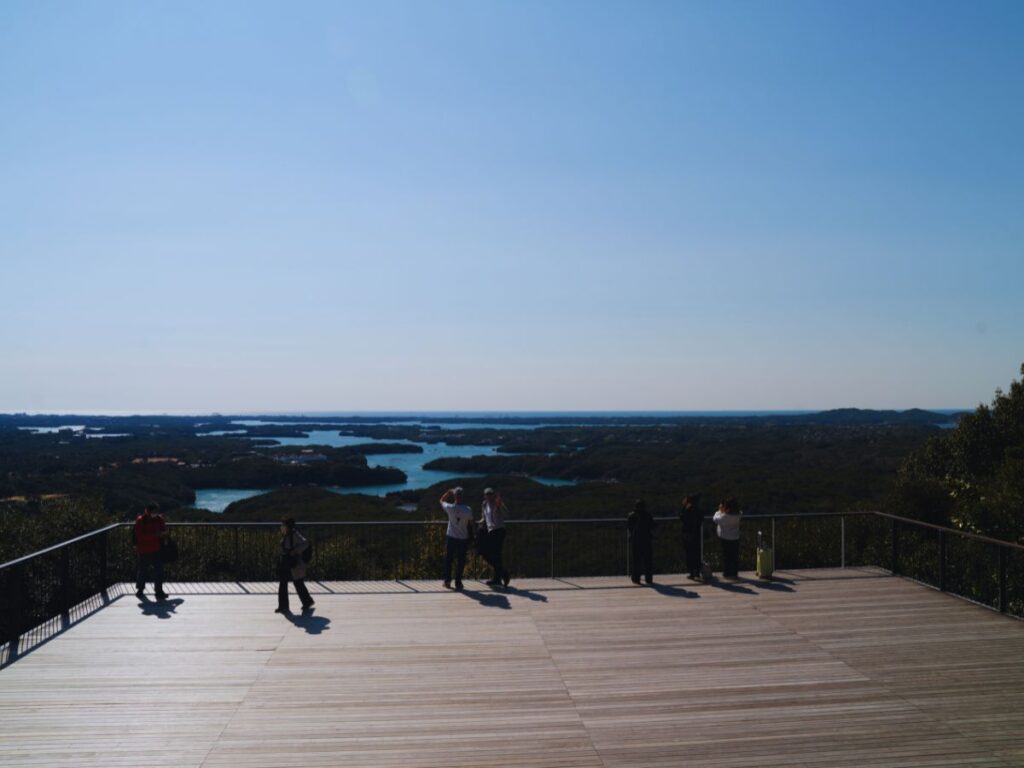
Day 1: Futamigaura, Ise, and the Shrine Approach
Start early at Meoto Iwa. If you are travelling in summer, arriving before dawn means you might catch the sunrise between the two rocks before the tour groups appear. From Ise Station, take the JR Sangu Line to Futaminoura (about ten minutes), then walk fifteen minutes along the coastal path.
Head back toward Ise by mid-morning and begin the shrine circuit. Geku first: it is a five-minute walk from Iseshi Station and takes about thirty minutes to cover properly. The Sengukan Museum is worth a brief stop if the Shikinen Sengu ceremony interests you. Take the bus to the Inner Shrine. The Naiku-mae stop is about fifteen to twenty minutes from Geku-mae. Give yourself at least an hour in the forested grounds, including a walk along the Isuzu River before crossing the Uji Bridge.
Lunch is in Okage Yokocho: tekonezushi or fresh oysters from one of the harbour-style restaurants on the approach. Pick up akafuku mochi on the way out, and spend the rest of the afternoon on the Oharai-machi merchant street..
Day 2: Toba, Ama Divers, and Ago Bay
Take the Kintetsu or JR line south from Ise to Toba in the morning, which takes about twenty to thirty minutes. Spend the morning at either the Toba Aquarium or Mikimoto Pearl Island. Both are half-day activities and I’d say doing them back-to-back leaves you exhausted and rushed. So, pick the one that suits your interests.
After, grab lunch at the Toba harbour area. If the season is right and the budget allows, this is the moment for Ise ebi. If not, the grilled oyster stalls near the waterfront are excellent and considerably less expensive.
Take the Kintetsu Shima Line in the afternoon to Kashikojima for a boat tour through Ago Bay. The sightseeing boats run on a schedule, so check times before you leave Toba; there is not always a late afternoon departure. If you have pre-booked an ama hut experience at one, that works better as a morning activity on this day rather than the Toba Aquarium, as the huts open early and the conversation over fresh seafood takes more time than it sounds like it would.
Day 3: Kumano Kodo and Oni-ga-jo
This day requires an early start and either a car or patience with the JR Kisei Main Line. By car from Toba, Kumano City is roughly two to two-and-a-half hours. By train it is longer, and connections can require waiting at small stations where the next service is an hour away, so be sure to look up the timetable the night before.
Walk the Magose-toge Pass section of the Kumano Kodo Iseji. From Owase or Aiga Stations, take the bus to the Washige stop and walk the five-kilometre cobblestone route through the cypress forest. Allow two to three hours with stops for this walk.
Finish at Oni-ga-jo. If the light is good, add a walk along the Shichiri Mihama beach before heading back. Find dinner in Kumano City before the return trip, or stay the night and head north the following morning, because doing the full return journey from southern Mie to Ise in a single day by public transport is possible but tiring.
Optional Day 4: Iga
If you are heading from Mie toward Osaka or Nagoya rather than retracing your route north, Iga is a natural half-day addition. The Ninja Museum of Igaryu and Iga Ueno Castle grounds take two to three hours in total. The Kintetsu Osaka Line from Iga-Ueno Station reaches Osaka in roughly ninety minutes, so you can exit the prefecture without unnecessary backtracking.
Mie Area Guide FAQs
When is the best time to visit Mie?
Spring and autumn are the easiest seasons for general sightseeing and walking. Summer can be beautiful along the coast but very humid, and typhoon season can heavily affect trains, ferries, and coastal walks. Winter is much quieter and an excellent time for seafood, especially local oysters and Ise ebi, but keep in mind that some rural areas may feel quite sleepy.
Is Mie worth visiting beyond Ise Jingu?
Significantly so. The shrine is the reason most people come, but Mie also contains a lot of other must-visit attractions (not to mention must-try food!). A single day covers none of this properly, and if this blog has not convinced you of that, I don’t know what will.
How do I get to Mie from Tokyo, Osaka, and Nagoya?
Mie has no Shinkansen and no commercial airport, so the Kintetsu railway is the most practical option from Kyoto, Osaka, and Nagoya, with frequent limited express services. From Tokyo, the fastest route is to first take the Shinkansen to Nagoya, and continue by limited express from there.
Do I need a car to explore Mie properly?
For Ise, Toba, and the Kintetsu line corridor, public transport is workable. For the southern half, covering Kumano, Oni-ga-jo, the coastal Iseji sections, and the more scattered spots around Ago Bay, a car makes the trip significantly easier.
Can I do Mie as a day trip from Osaka or Kyoto?
You can visit Ise Shrine as a day trip, and plenty of people do. It takes roughly ninety minutes each way from Osaka by Kintetsu, which leaves you five or six hours on the ground: enough for both shrines, Okage Yokocho, and a decent lunch. But, a day trip alone does not give youit is not enough time to understand what the rest of the prefecture offers!
How long does it take to visit both Ise Jingu shrines?
Allow around thirty minutes for Geku and at least sixty minutes for Naiku. Add fifteen to twenty minutes for the bus between them, for a total of just under two hours. If you are exploring the forested subsidiary paths at the Inner Shrine or spending time in Okage Yokocho afterwards, half a day is a realistic total for the full circuit.