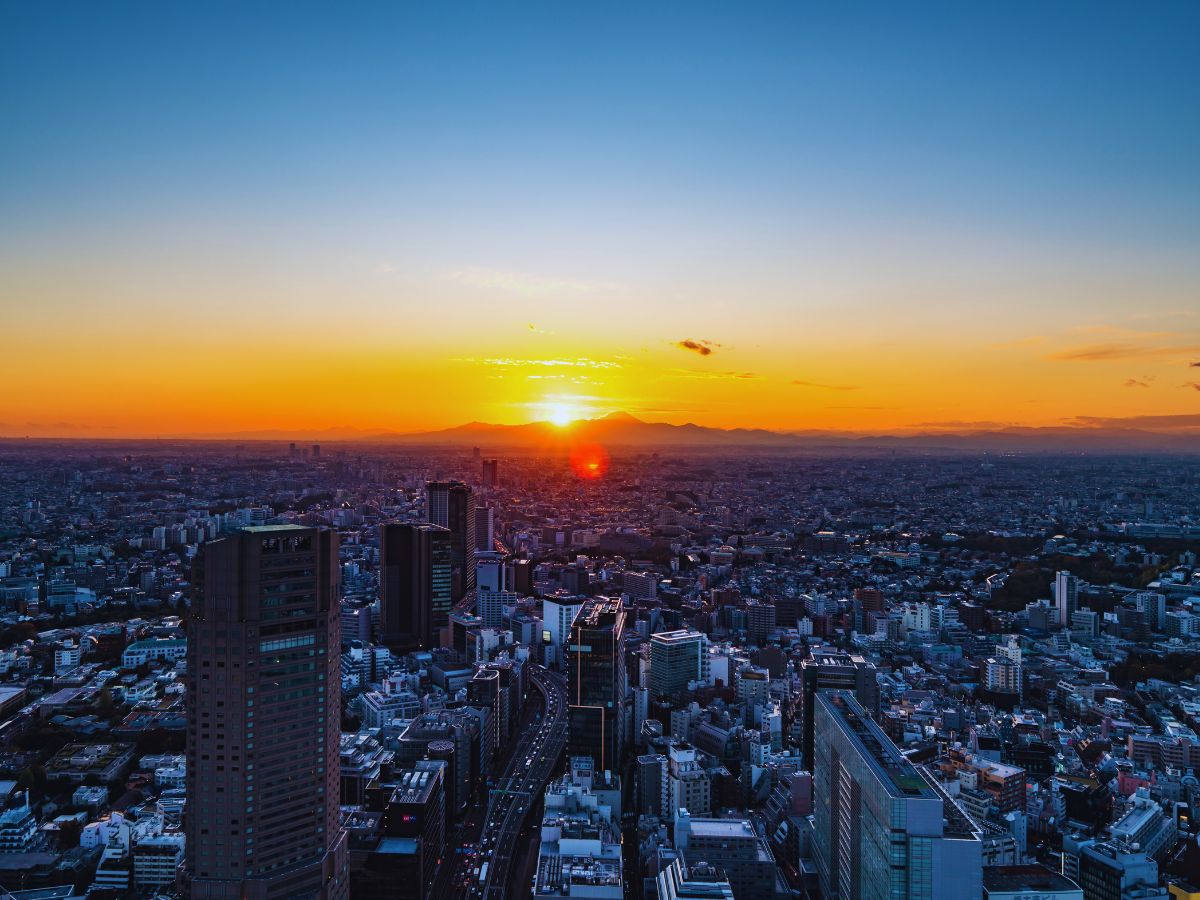

Tokyo looks impressive from street level, but seeing it from above gives you a different appreciation of just how enormous the city is.
Now, the tricky part is deciding where to spend your money. Three attractions tend to dominate the conversation: Shibuya Sky, Tokyo Skytree and Tokyo Tower. All offer great views, and unless you’re particularly enthusiastic about looking at buildings from a great height, paying to visit all three on a single trip is probably overkill.
So, which is the best observation deck in Tokyo? Here’s how the three compare, including their views, ticket prices, atmosphere, locations and the best times to visit.
Shibuya Sky vs Tokyo Skytree vs Tokyo Tower: At a Glance
| Feature | Shibuya Sky | Tokyo Skytree | Tokyo Tower |
| Maximum viewing height | 229m | 450m | 250m |
| Popular for | Rooftop views over Shibuya | Panoramic view of Tokyo | Central Tokyo views |
| Indoor/outdoor | Both | Indoor | Indoor |
| Adult ticket price | From ¥2,700 | From ¥1,800 | From ¥1,500 |
| Neighbourhood | Shibuya | Oshiage, Sumida | Shiba, Minato |
Prices stated in the above table are starting adult online rates checked in November 2026, but actual prices vary by date, time and ticket type. For example, Tokyo Skytree’s combined ticket includes both observation levels, while its cheaper starting price covers the 350m deck only.
I also want to clear up the difference between a tower’s overall height and the height of its observation decks. Tokyo Skytree stands at 634m, but its highest public viewing area is 450m above ground. Tokyo Tower reaches 333m, with its highest observation deck at 250m. Shibuya Sky sits at approximately 229m, making it the lowest of the three by maximum viewing height.
That sounds like a disadvantage for Shibuya Sky. But is it really?
Shibuya Sky
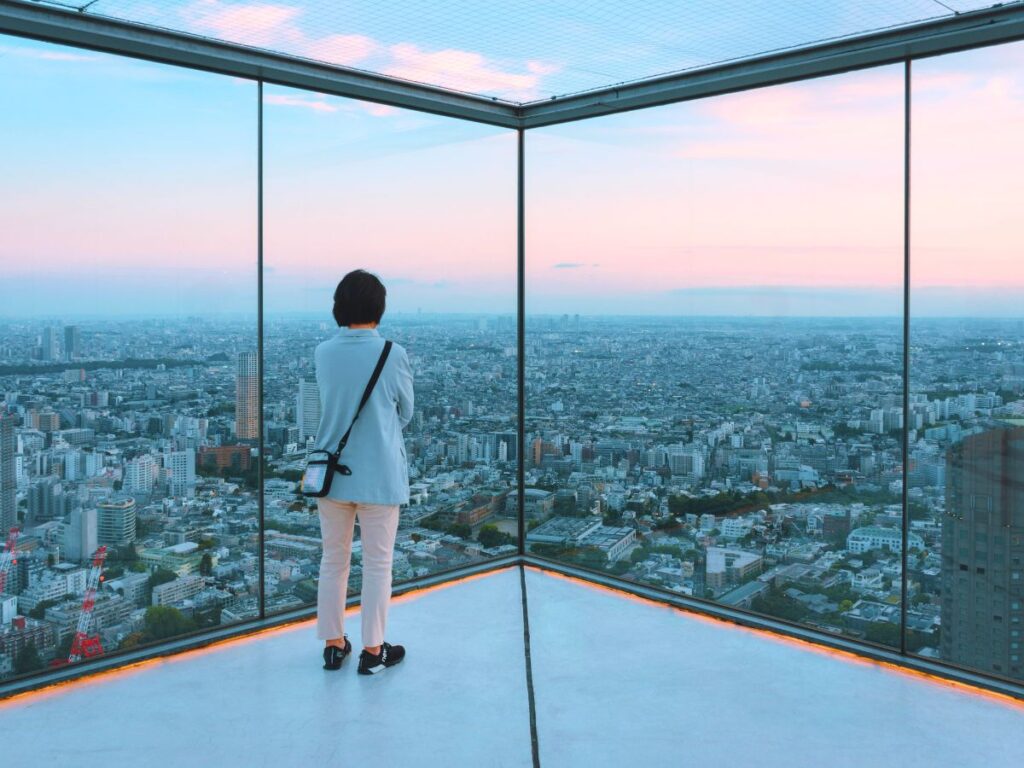
If you’ve seen photographs of people sitting on a rooftop with Tokyo’s skyline stretching behind them, there’s a good chance they were taken at Shibuya Sky.
Located at the top of Shibuya Scramble Square, directly connected to Shibuya Station, Shibuya Sky’s main attraction is SKY STAGE, the open-air rooftop observation area. Unlike the other two attractions, you’re actually outside, with the wind and open sky around you rather than a wall of glass separating you from the city.
The views are interesting partly because of the location. You can look down towards Shibuya Crossing, watch the traffic and crowds moving through the streets, and see the surrounding buildings stretching into the distance. On clear days, Mount Fuji may also appear on the western horizon.
The indoor SKY GALLERY on the 46th floor is worth exploring, too. It offers a more conventional viewing experience, alongside interactive displays and places to sit and take in the scenery. Want a closer look at the rooftop, views and ticket options? I’ve covered everything in my full guide to visiting Shibuya Sky:
I’d particularly recommend it to anyone who enjoys photography or wants to experience Tokyo from an open-air rooftop. Its location also makes it easy to fit into a day exploring Shibuya.
Tokyo Skytree

If height is your priority, Tokyo Skytree wins by a considerable margin. It is Japan’s tallest structure, with two observation areas located at 350m and 450m above ground.
The first is the Tembo Deck, which has large windows surrounding the observation floors and gives you a sweeping view across Tokyo. There’s also a glass-floor section, which is particularly entertaining if you don’t mind looking straight down.
For an even higher perspective, you can purchase a combined ticket for the Tembo Galleria. This is the enclosed, glass-walled corridor that slopes upwards towards 450m. Walking along it gives you a rather unusual perspective, with the city stretching out below.
I’ve also put together a more detailed Tokyo Skytree guide, including the observation decks, ticket options and what to expect during your visit:
I also like that there is plenty to do around the tower. Tokyo Solamachi has shops, restaurants and cafés. You can even combine your visit with Sumida Aquarium or a trip towards Asakusa. Skytree plus Asakusa is such a great combo, and Asakusa has so much more to it than the main street. We run custom walking tours through the area if you want to properly dig into it.
Tokyo Tower
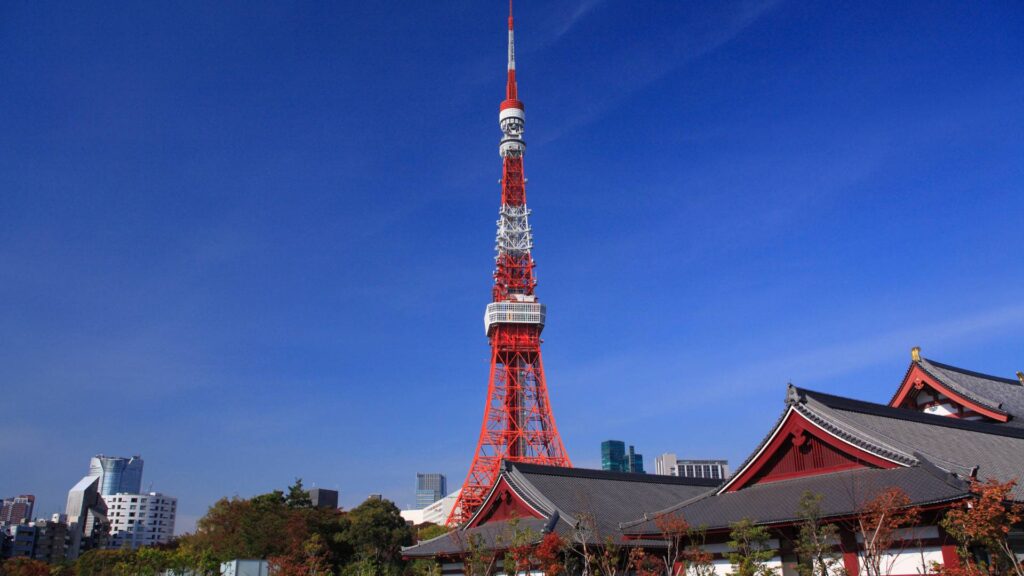
Tokyo Tower might be the shortest of the three in terms of overall height, but I wouldn’t dismiss it on that basis. It is practically Tokyo’s answer to the Eiffel Tower. It’s one of those landmarks that has become so closely associated with the city that it would feel strange to imagine the skyline without it. And while newer, taller buildings have since taken over, I still think there’s a very good reason to visit.
The biggest difference is the perspective. From the much higher observation decks at Skytree, Tokyo can look like an enormous map spread out beneath you. At Tokyo Tower, you’re closer to the streets. You can watch the traffic moving along the roads, pick out individual buildings and even spot people walking around Zōjō-ji Temple below.
There are two observation levels: the Main Deck at 150 metres and the Top Deck at 250 metres. If the view is what you’re after, the Main Deck is where I’d spend my money. The Top Deck has a more elaborate interior, with mirrors and geometric lighting. One thing I particularly like about Tokyo Tower is that it feels like a classic sightseeing attraction. It has a little more history and nostalgia than the newer observation decks.
A fun way to experience the tower is to climb the open-air staircase to the Main Deck instead of taking the lift. Check out my Tokyo Tower guide, covering the observation decks, tickets and what to see around the area:
Which Tokyo Observation Deck Offers the Best Value for Money?
For a straightforward observation deck visit, I’d spend my money at Tokyo Tower. Adult tickets for the Main Deck start at ¥1,500, making it the cheapest standard observation deck ticket of the three. You still get a great view over central Tokyo, and personally, I don’t think most visitors need to spend the extra money on the Top Deck Tour, which costs ¥3,300. The guided experience and more elaborate interior are interesting, but the view itself isn’t different enough to justify more than double the price for most people.
Tokyo Skytree’s Tembo Deck tickets start at ¥1,800 for adults, while a combined ticket for the Tembo Deck and Tembo Galleria starts at ¥3,000. You’re paying for the height and the chance to explore both observation levels, so I’d go for the combined ticket if reaching the higher viewpoint is a big part of the appeal. Otherwise, the Tembo Deck alone is perfectly good.
Shibuya Sky is the most expensive, with adult online tickets starting at ¥2,700 for entry before 15:00 and rising to ¥3,400 for later slots. Sunset visits are particularly popular, so you’re paying a premium for one of the most sought-after times to visit. That said, you’re also paying for the open-air rooftop experience, which is what sets it apart from the other two.
Which Tokyo Observation Deck Has the Best Views at Different Times of Day?

Okay, I’m not just trying to give each observation deck its moment in the spotlight here, but I really do think they each have a time of day when they shine. Hear me out.
Best for daytime views: Tokyo Skytree
Tokyo Skytree is my pick for daytime views, particularly on a clear day. Its height gives you a fantastic sense of just how far Tokyo stretches, and you have a better chance of spotting distant landmarks like Mount Fuji when visibility is good. Of course, Shibuya Sky is a better choice if you’d rather look down at the streets and crowds around Shibuya Crossing.
Best for sunset: Shibuya Sky
For sunset, I’d choose Shibuya Sky without much hesitation. Its open-air rooftop makes the transition from daylight to evening particularly enjoyable. You can watch the city change colour, see the buildings begin to illuminate, and watch Shibuya’s evening rush build below. It’s no wonder the sunset slots are so popular. Admit it, we’ve all seen those reels of people on the Shibuya Sky escalator as the sun is setting.
Best for night views: Tokyo Tower
Tokyo Tower is my favourite of the three for night views, partly because it feels like a more relaxed place to enjoy them. It’s generally a calmer experience than Shibuya Sky, so you can take your time looking out over central Tokyo. You’re close enough to make out the roads, buildings and streams of traffic moving below, rather than seeing the city as one enormous spread of lights. With Zōjō-ji Temple and Shiba Park nearby, there’s something wonderfully classic about this corner of Tokyo at night.
Skytree gives you the biggest panorama after dark, but personally, I find the sheer height makes the night view feel more distant. Tokyo becomes an enormous spread of lights, and you lose some of the street-level detail that makes Tokyo Tower so appealing to me.
Which Tokyo Observation Deck Is Best for Families with Children?
If you’re travelling with kids, I’d put Tokyo Skytree at the top of the list. The observation decks are fully enclosed, so you don’t have to worry about little ones getting cold or dealing with strong winds on an exposed rooftop. The glass-floor section on the Tembo Deck is also likely to be a hit with children who enjoy a bit of a thrill.
Skytree is particularly convenient for families with younger children, because there are baby-care rooms, stroller rental, and a place to leave your strollers on the fourth floor. Once you’ve finished looking at the views, you can head down to Tokyo Solamachi, which has plenty of shops and places to eat. Sumida Aquarium is another easy addition to the day.
Tokyo Tower is also reasonably well equipped for families. Strollers are available to rent, and there’s a nursing room in Foot Town. Older children might enjoy climbing the open-air staircase to the Main Deck, too, although it’s a bit more of an undertaking than simply taking the lift.
Which Tokyo Observation Deck Is Best for First-Timers?
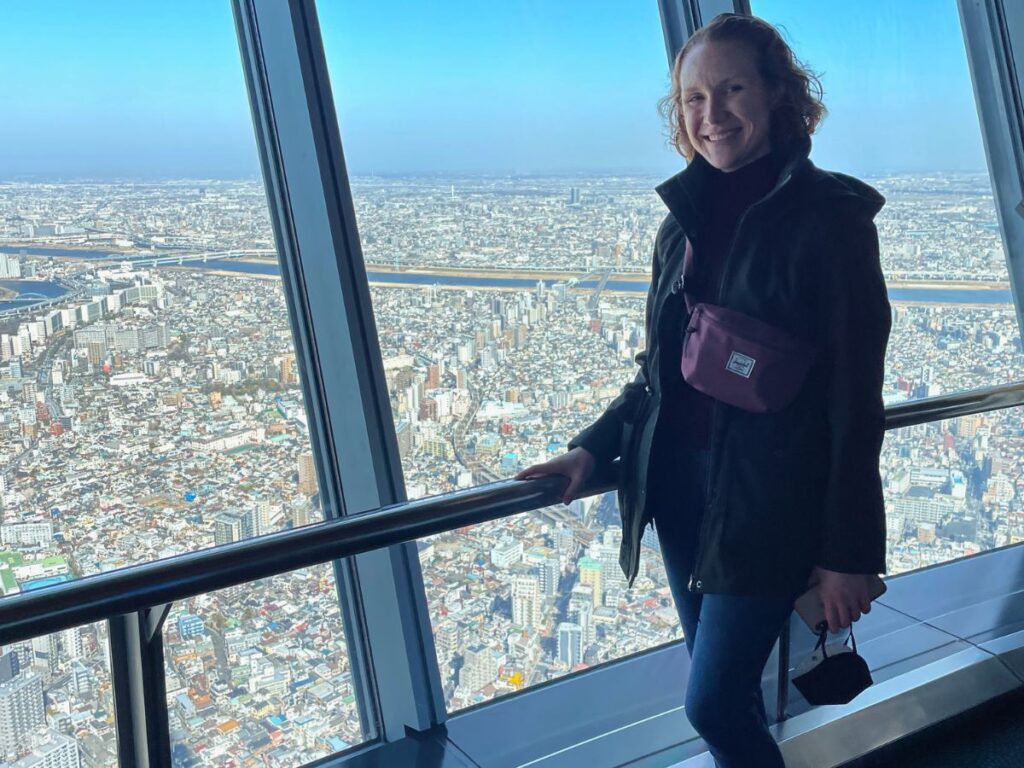
For a first visit to Tokyo, I’d recommend Tokyo Skytree. I mean, it’s a major Tokyo landmark, the observation decks are impressive, and there’s plenty to do around the tower afterwards. Shibuya Sky might be the most talked-about observation deck at the moment, but much of the experience has become tied up with getting the famous photographs and videos. If you’re more interested in taking in Tokyo than getting the shot everyone else is after, Skytree offers a more satisfying introduction.
I have a soft spot for Tokyo Tower, too. It was actually the first observation deck I visited, but that is exactly why I wouldn’t recommend it to first-timers. At the time, I found it a little underwhelming. From inside, it felt like being in a tall building, and I thought the tower itself was more impressive from the outside. I’ve come to appreciate it much more since visiting the other two, though. You’re close enough to observe the roads, buildings and activity below, but still high enough to take in the city around you. It has more of an observer-of-Tokyo feeling, rather than simply looking out over an enormous panorama.
Which Tokyo Observation Deck Is Best for Photography?

Shibuya Sky is my pick for photography, particularly if you want more than just a panoramic shot of Tokyo. The open-air rooftop gives you much more freedom to play with angles and compositions. You can photograph the skyline without reflections in the glass, capture Shibuya Crossing from above and get those recognisable shots of the rooftop escalators.
There are a few restrictions to know about, though. You can bring your phone or a camera with a neck strap (or one small enough to fit in your pocket), but tripods, monopods and selfie sticks are prohibited on the rooftop. You’ll also have to leave your camera bag or pouch in a locker on the 46th floor, so pack light.
Tokyo Skytree is the better choice if you’re after a huge panoramic view. From 350m or 450m, you can capture just how far the city stretches, and pick out landmarks across the skyline. One of my favourite shots of Tokyo Skytree is actually of its enormous shadow stretching very far out into the city. It’s almost scary realising just how tall this tower is, and that you’re in it. The downside is that you’re shooting through glass. Reflections can get in the way, particularly at night, so getting a clean photograph takes a little more effort.
Which Tokyo Observation Deck Is Best in Bad Weather?
If the forecast looks miserable, Tokyo Skytree is the safest choice. Both observation levels are indoors, so rain and strong winds won’t stop you from enjoying the views. You can still spend time looking out across Tokyo without worrying about an exposed rooftop closing.
Tokyo Tower is another good option. Its Main Deck and Top Deck are enclosed, so you can visit comfortably in cold or rainy weather. The views are a little different from Skytree’s, but you won’t have to contend with the wind or rain either.
And I just want to emphasise, Shibuya Sky is a risky choice when the weather is poor. Its famous rooftop can close temporarily because of strong winds, rain, snow or other adverse conditions. The indoor SKY GALLERY on the 46th floor remains an option, but most people book Shibuya Sky specifically for the open-air rooftop.
Of course, being indoors doesn’t guarantee a good view. Heavy rain and haze can affect visibility from all three observation decks. If the weather is particularly bad, you might be better off saving your money for a clearer day.
Best Observation Deck in Tokyo FAQs

Is Shibuya Sky better than Tokyo Skytree?
If I had to choose based on the overall experience, I’d pick Shibuya Sky for its open-air rooftop experience, sunset views and looking down at Shibuya Crossing. That said, Tokyo Skytree is better for sheer height and expansive panoramic views.
Is Tokyo Tower worth visiting if I’ve already been to Tokyo Skytree?
I’d say so. Tokyo Tower offers a different perspective of central Tokyo and has a more nostalgic atmosphere. Its location also makes it easy to combine with Zojoji Temple and Shiba Park.
Which Tokyo observation deck is the cheapest?
Tokyo Tower’s Main Deck is the cheapest of the three, with adult tickets costing ¥1,500 when purchased online.
Can you see Mount Fuji from Shibuya Sky, Tokyo Skytree and Tokyo Tower?
Mount Fuji can sometimes be seen from all three observation decks on clear days, but visibility depends heavily on weather.
Do you need to book Tokyo observation decks in advance?
Definitely book Shibuya Sky in advance, particularly if you want a sunset entry slot. Tokyo Skytree and Tokyo Tower also offer online tickets, which can make entry more convenient.