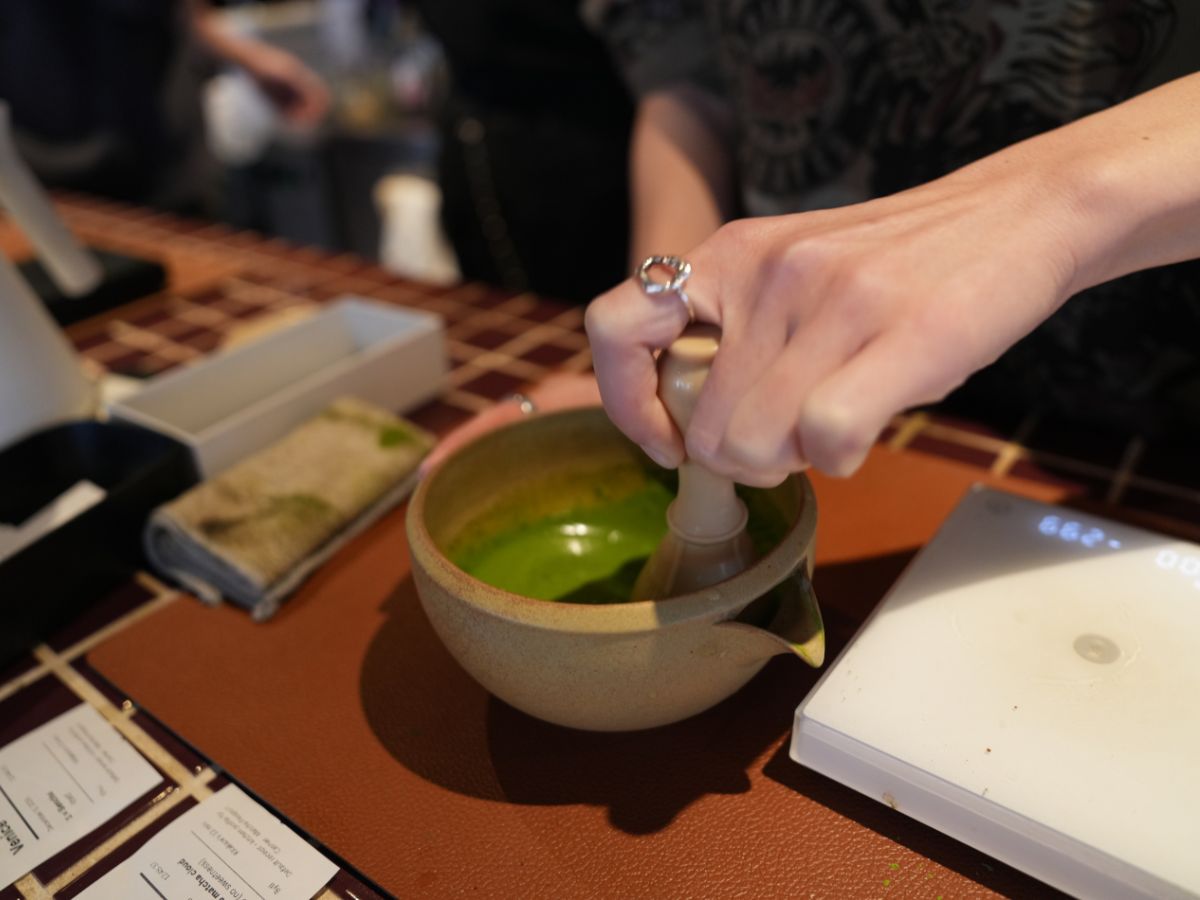

Tokyo has an overwhelming number of places claiming to serve the best matcha. But from one tea lover to another, the truth is that the best matcha in Tokyo really does depend on what you’re looking for. If you want to sit in a centuries-old teahouse and drink from a hand-crafted ceramic bowl, that exists here. If you want an intense matcha soft-serve that’ll stop you on your tracks, that also exists. And if you want a calming cup in a beautifully designed modern cafe, you’ll find that too.
This guide breaks it all down by neighbourhood so you can stop scrolling and actually make a decision. For everything else you need to eat and drink across the city, take a look at our Tokyo Food Guide.
Asakusa
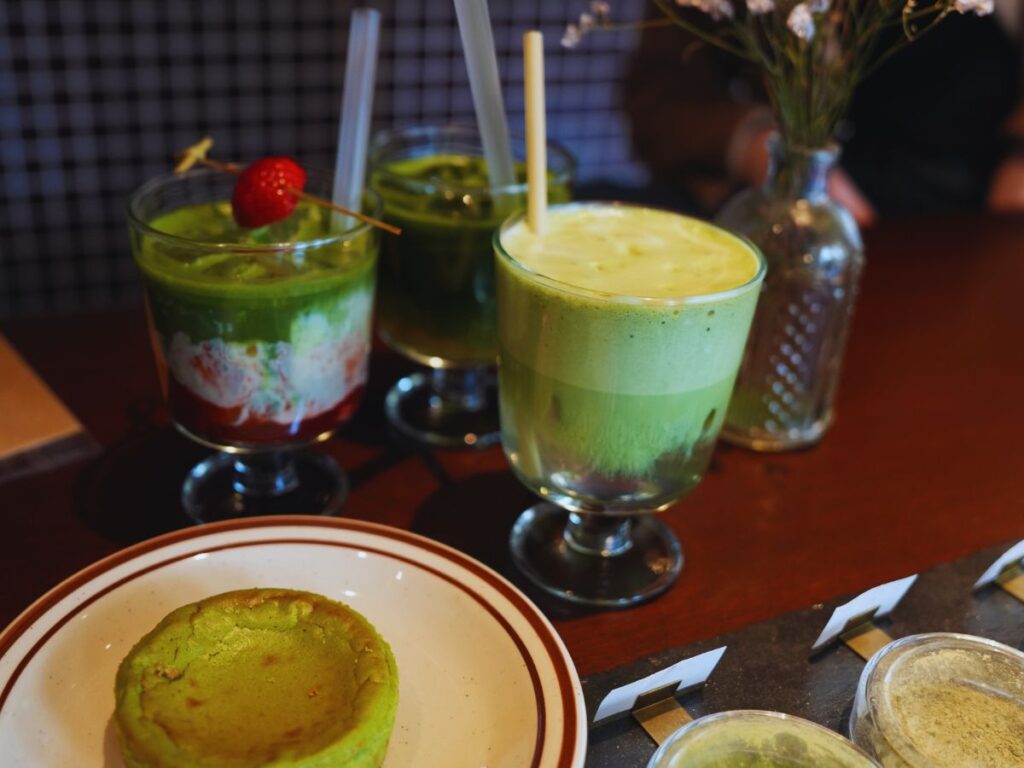
Most first-time visitors to Tokyo end up in Asakusa, and the matcha scene here has grown around that. There’s a real mix of matcha shops here: traditional teahouses that have been operating for decades, alongside newer spots that have gone viral for their desserts. The area sits around Senso-ji, one of the most visited temples in Japan, so foot traffic is high and queues at the more popular spots are long. That said, the tea here is genuinely good, and a couple of the venues have built strong reputations over many years for good reason rather than just proximity to a famous landmark. Here are two of those spots:
Suzukien
Suzukien is the place to go if you want to test how much bitterness you can actually handle. They serve matcha soft-serve ice cream in seven levels of intensity, and the highest grades can be challenging to get through for some people. It’s not a gimmick; the tea quality is real. But be prepared to queue. On a busy weekend, waits of 30 to 45 minutes are completely normal.
- Address: 3-4-3 Asakusa, Taito City, Tokyo
- Opening Hours: 10:00 to 18:00, open daily
- Price Range: 500 to 800 yen
Hatoya Asakusa
Hatoya draws a loyal crowd for its rich matcha lattes and traditional wagashi sweets. The atmosphere here is more traditional and the space itself feels genuinely rooted in the neighbourhood rather than built for tourists. Like most of Asakusa, it gets busy, but the quality justifies the effort.
- Address: 1-36-3 Asakusa, Taito City, Tokyo
- Opening Hours: 10:00 to 18:00, closed Wednesdays
- Price Range: 600 to 1,000 yen
Ginza and Nihonbashi
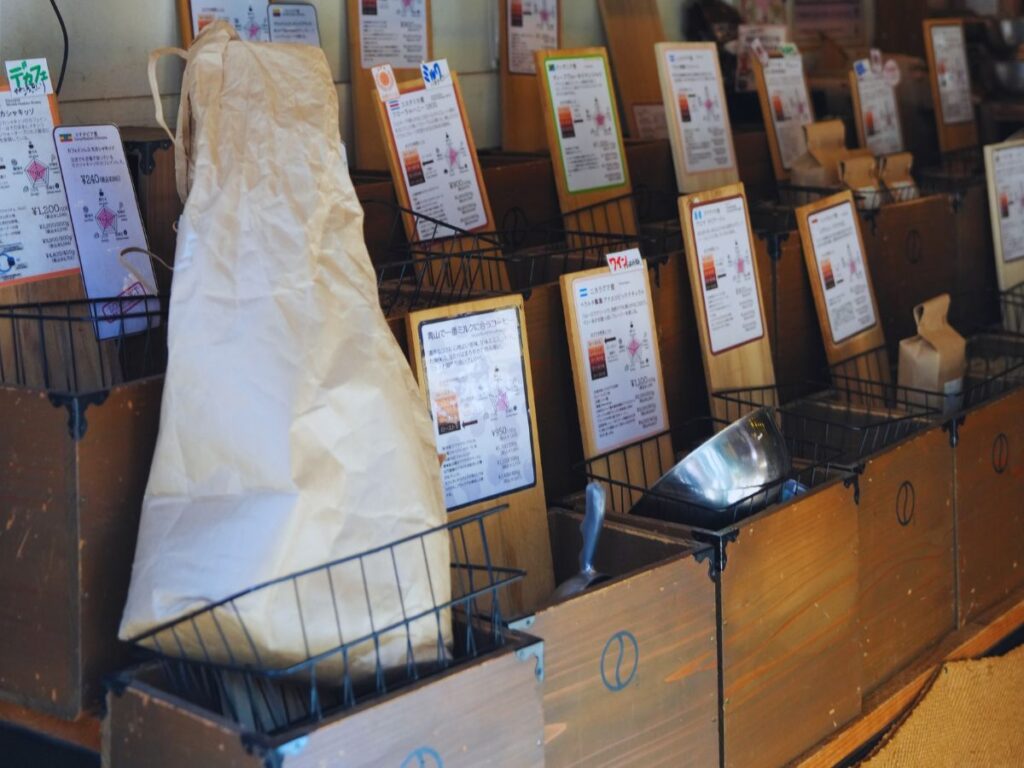
Several long-established Kyoto tea brands, like Uji-based Nakamura Tokichi, have opened their Tokyo locations in Ginza and Nihonbashi, two of the city’s more formal shopping districts. The shops here are less about viral moments and more about the tea itself: where it comes from, how it’s graded, and how it’s best prepared. It’s a very reliable area in the city for buying high-quality matcha powder to take home, with staff who can actually walk you through the differences between what’s on the shelf.
Jugetsudo
Jugetsudo sits on the fifth floor of the Kabukiza Tower, right next to Tokyo’s most famous kabuki theatre. The shop is operated by Maruyama Noriten, a brand that was founded in 1854! The menu focuses on premium Shizuoka matcha with a range of sweets alongside, and there’s a tea experience course if you want to slow down and work through different varieties properly. It’s one of the more atmospheric spots in this part of the city.
- Address: Kabukiza Tower 5F, 4-12-15 Ginza, Chuo City, Tokyo
- Opening Hours: 10:00 to 18:00, open daily
- Price Range: 800 to 1,500 yen
Ippuku & Matcha
Ippuku & Matcha’s tea is made from leaves that are hand-picked and processed from individual tea gardens rather than blended, which is still relatively unusual even in Tokyo. So, it is a great option for anyone who actually wants to understand what they’re drinking rather than just drink it. The shop itself is small and the main seating is outdoors, which is worth knowing before you go. There’s a private four-seat tea room inside but it requires a reservation.
- Address: 2-1-1 Nihonbashi, Chuo City, Tokyo
- Opening Hours: 11:00 to 19:00, closed Sundays
- Price Range: 700 to 1,200 yen
Aoyama and Omotesando
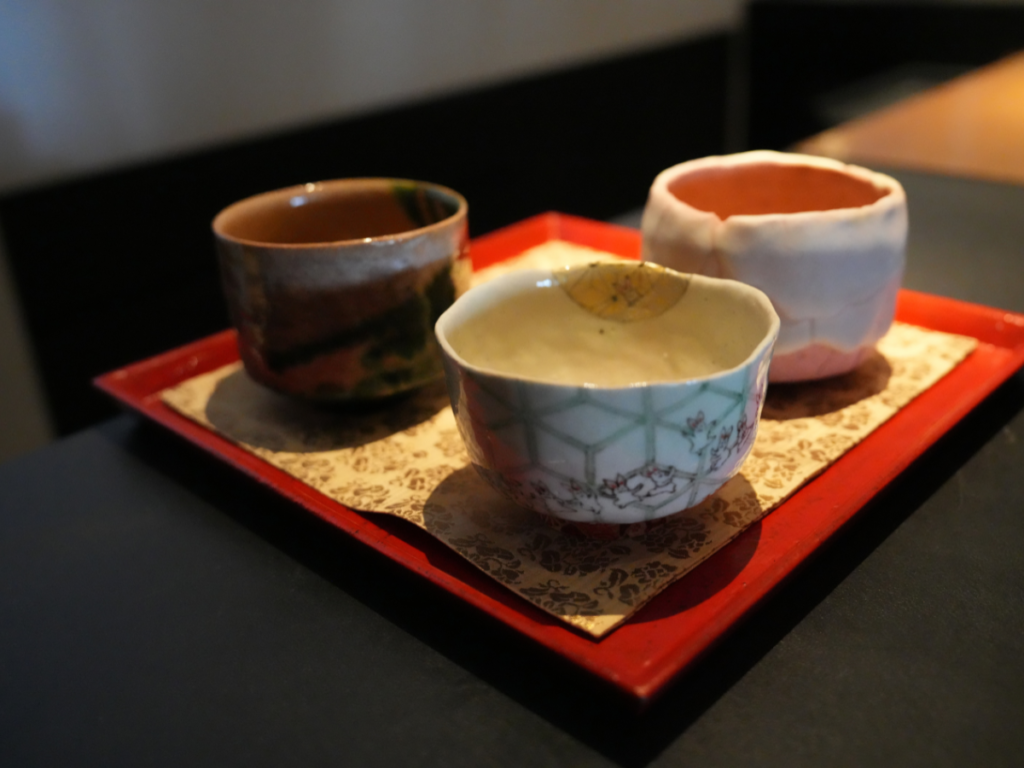
Aoyama and Omotesando are better known for fashion and architecture than for tea, but that context is part of what makes the matcha spots here interesting. The tea rooms in this neighbourhood tend to be smaller, quieter, and more focused on the preparation process than on volume or novelty. It’s a good area to visit if you want to spend time with a single cup rather than work through a list of desserts.
Sakurai Japanese Tea Experience
The founder of this place, Shinya Sakurai, roasts and blends his own tea on-site, which is unusual and means what you’re drinking changes depending on the season and what he’s working with. In a way, it is closer to a bar than a teahouse: you watch the preparation in front of you, and work through different types of tea. It is on the pricier end and booking ahead is advisable, but it’s one of the more distinctive things you can do in Tokyo regardless of your interest in tea.
- Address: 5F 5-6-23 Minami-Aoyama, Minato City, Tokyo
- Opening Hours: 11:00 to 21:00, closed Mondays
- Price Range: 1,200 to 2,500 yen
The Matcha Tokyo
You might have heard of or even been to this tea-lover’s favourite, as The Matcha Tokyo is a chain at this point, with locations across Japan and internationally. The Omotesando location is the original. The menu is straightforward, lattes, teas, a small selection of sweets, with the option to choose your matcha intensity. It’s not a destination experience in the way Sakurai is, but if you want a well-made organic matcha latte without a complicated booking process, this is a reliable option in a convenient location.
- Address: 5 Chome-11-13 Jingumae, Shibuya, Tokyo 150-0001
- Opening Hours: 10:00 to 19:00, open daily
- Price Range: 700 to 1,400 yen
Shibuya and Shimokitazawa
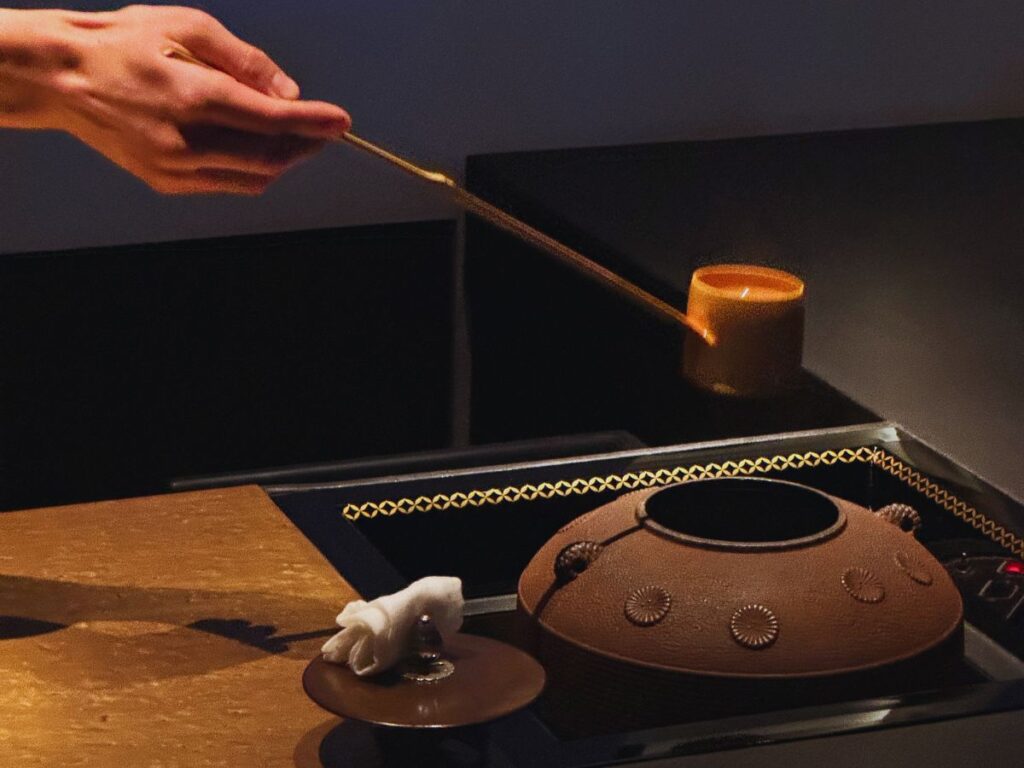
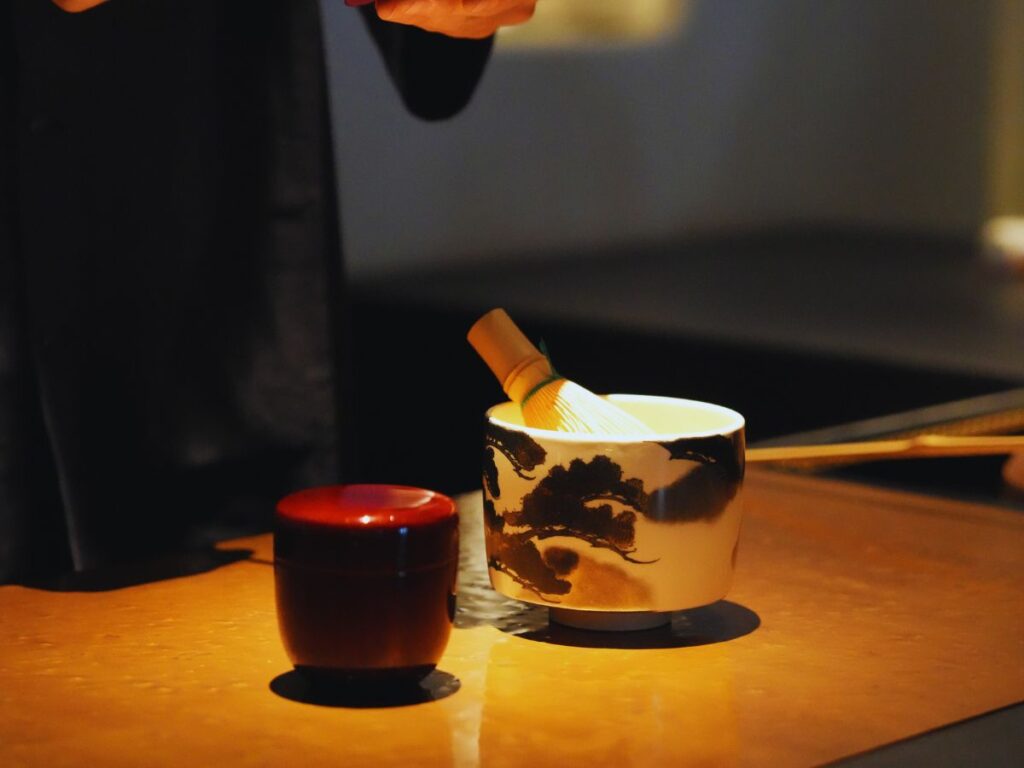
Tokyo’s matcha culture is not only about what’s in the cup, and this part of the city makes that clear. Shibuya is one of the best areas to buy the equipment that surrounds tea preparation, particularly handmade chawan (tea bowls) and chasen (whisks) from independent ceramic galleries. The pieces here are made by working craftspeople, and the difference in quality compared to the mass-produced versions are immediately obvious.
Shimokitazawa, a short train ride from Shibuya, has a completely different energy: independent music venues, vintage clothing shops, and a small but growing number of artisanal tea roasteries that feel inventive rather than Instagram-driven.
Utsuwa Kenshin
Utsuwa Kenshin has spent years building relationships with individual ceramic artists across Japan, and the shop stocks their work rather than mass-produced pieces. The selection changes regularly and includes tea bowls alongside other tableware, with prices that reflect the fact that these are handmade works rather than factory goods (if you know what we mean). It operates more like a gallery than a shop, with themed exhibitions running throughout the year. If you want a chawan that was made by a specific person with a specific approach, rather than something anonymous, this is the right kind of place to look.
- Address: 2F Star Building Aoyama, 2-3-4 Shibuya, Shibuya City, Tokyo
- Opening Hours: 12:00 to 19:00, Sundays 12:00 to 17:00
- Price Range: Several thousand yen upwards depending on the artist
TEN
TEN is about one square metre of floor space in Shimokitazawa, which tells you everything you need to know about what it is and isn’t trying to be. It is run by Shingo Aoki, who has been working in the Japanese tea industry for over a decade. The menu covers sencha, matcha, blended teas and tea-based cocktails, with leaves sourced from farms in Miyazaki, Kagoshima and Shizuoka depending on the season. They also pair their tea with wagashi made by artisans from Niigata.
- Address: 2 Chome-19-2 Kitazawa, Setagaya City, Tokyo 155-0031
- Opening Hours: Check Instagram before visiting as hours vary
- Price Range: 600 to 1,200 yen
Taste the Best Matcha in Tokyo with a Local
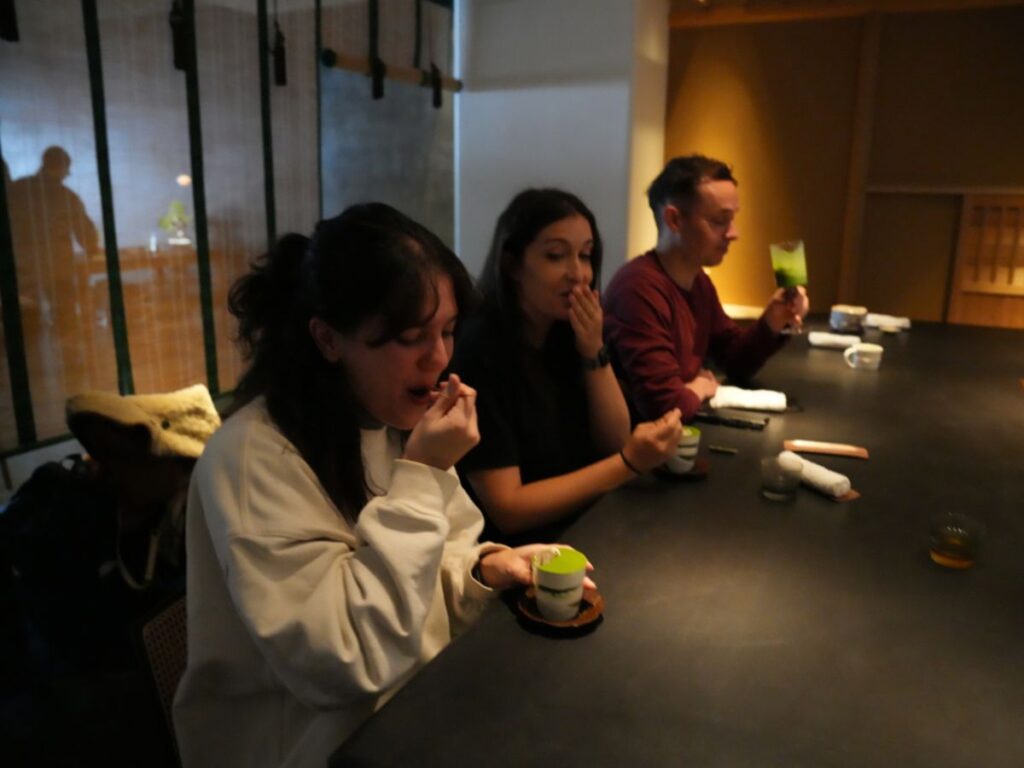
The best matcha experiences in Tokyo aren’t always easy to find. Our Premium Matcha Tour takes care of that.
Over five hours, a local guide takes you through three neighbourhoods, covering the history and stories behind Japanese tea culture as you go. You’ll taste everything from traditional ceremonial matcha to modern creative desserts, with stops at the kinds of places that don’t make it onto most travel lists. If you want to keep going at the end, there’s even an option to extend into a lesser-known area for more matcha.
Best Matcha in Tokyo FAQs
Where can I buy matcha powder in Tokyo to take home?
Skip the supermarket and go to a specialist like Atelier Matcha in Ginza. Look for sealed tins of ceremonial grade Uji matcha to ensure the powder stays fresh for your journey back.
Are the viral matcha cafes in Tokyo worth the wait?
It honestly depends on what you’re after. Many places in Asakusa have two hour queues for drinks that are designed for social media rather than flavour. If you’re in it for the ‘Gram, then go for it. However, if you’re focused on the flavour, you will find better quality in less popular places.
Where can I find a traditional tea ceremony in Tokyo?
You can book an authentic experience through us to ensure you are learning from a proper master in a calm, traditional setting. Have a look at this video to see exactly how it looks when it is done correctly.
Where can I buy a matcha bowl and whisk in Tokyo?
Avoid the tourist souvenir shops. For a proper bowl and a sturdy bamboo whisk, visit independent ceramic galleries in Shibuya or Ebisu. Shops like Utsuwa Kenshin sell unique pieces made by Japanese artisans that feel much better to use.