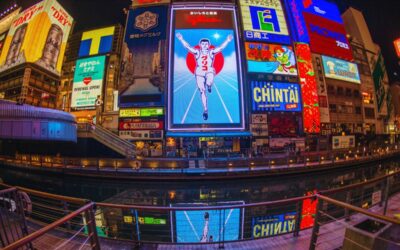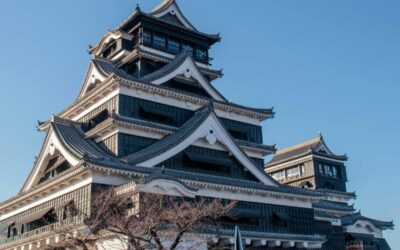
Planning a trip to Japan can feel like trying to solve a giant, exciting puzzle. You’ve got the bright lights and incredible food of Osaka on one hand, and the historic temples of Kyoto on the other.
But what if you also want to explore the beautiful coastlines and traditional towns of the Hokuriku region, like Kanazawa and Toyama?
Figuring out how to connect all these amazing places can get complicated, and the cost of individual train tickets can quickly add up. This is where planning can feel less fun and more like a headache.
But what if there was a way to make it simple? Let us introduce you to your new best friend for exploring West and Central Japan: the Kansai-Hokuriku Area Pass.
Think of it as your golden ticket. It’s a single rail pass that gives you seven consecutive days of unlimited travel across this entire, diverse area. It is designed specifically for foreign travellers like you to make your journey smoother, more flexible, and much easier on your wallet. Ready to find out how it works?
Let’s Plan Your Japan Trip Together
Thinking about visiting Japan but not sure where to begin? From hidden local spots to the big must-sees, we’ll put together a bespoke plan shaped around your interests, budget, and pace. You get the joy of travelling without the stress of endless research.
→ Start Building My Personalised Japan Itinerary
What is the Kansai-Hokuriku Area Pass?

It sounds official, but the idea is actually very simple.
The Kansai-Hokuriku Area Pass is a special ticket that gives you unlimited travel on specific trains, including some Shinkansen (bullet trains), throughout the Kansai and Hokuriku regions for seven days in a row. It’s designed to make exploring these two fantastic areas easy and affordable.
Crucially, this pass is only available to international travellers visiting Japan on a “Temporary Visitor” status, so it’s a great perk for tourists.
How Much Does it Cost?
This is the most important question, right? Here are the current prices:
• Adult (12 years and older): ¥19,000
• Child (6 to 11 years old): ¥9,500
A nice bonus for families is that a pass-holding adult or child can bring up to two infants (aged 1-5) with them for free, as long as the infants don’t require their own seat. Children under one year old are always free.
If you’re travelling to Japan with kids, be sure to also read this:
Who is Eligible for the Pass?
To get your hands on this pass, you just need to meet two simple conditions:
1. You must have a passport issued by a country other than Japan.
2. You must be entering Japan with a “Temporary Visitor” stamp in your passport. This is the standard stamp you get at immigration if you’re visiting for tourism.
You’ll need to show your passport with this stamp when you pick up your pass, so make sure you have it with you!
Kansai-Hokuriku Area Pass Map and Coverage: Where Can You Go?

Let’s look at where this pass can actually take you. It connects two major regions of Japan, giving you access to a wide range of destinations.
First, the pass covers the Kansai Region, an area well known for its cultural sites. This includes cities like Osaka, known for its food, and Kyoto, known for its temples and geisha districts. The pass is useful from the start, covering your trip from Kansai International Airport (KIX).
Tackling a trip to Kyoto can be complicated because it has so much to offer. Check out our guide if you need help:
It also extends west to Okayama, which has the famous Korakuen Garden, considered one of Japan’s top three landscape gardens. Planning a stop at Okayama? We’ve got the perfect itinerary for you:
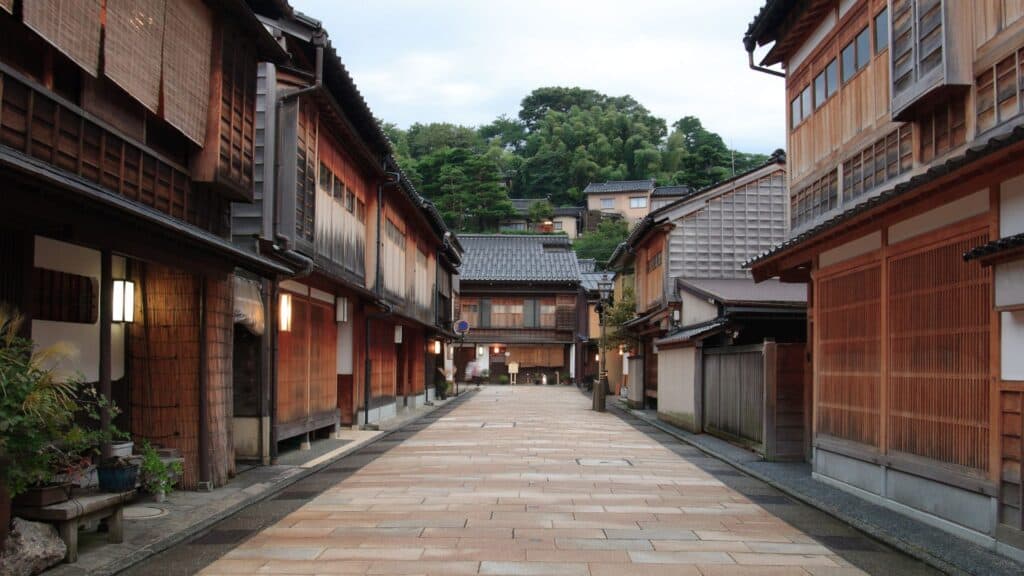
The pass also takes you north to the Hokuriku Region, an area along the coast known for its history. You can use it to visit Kanazawa, which has well-preserved samurai and geisha districts and the Kenrokuen Garden.
The pass also covers travel to Toyama, a city that provides access to the Japanese Alps, and Fukui, a prefecture with a well-known dinosaur museum. Read our overnight Kanazawa itinerary before your visit to the area:
Major Train Lines Included
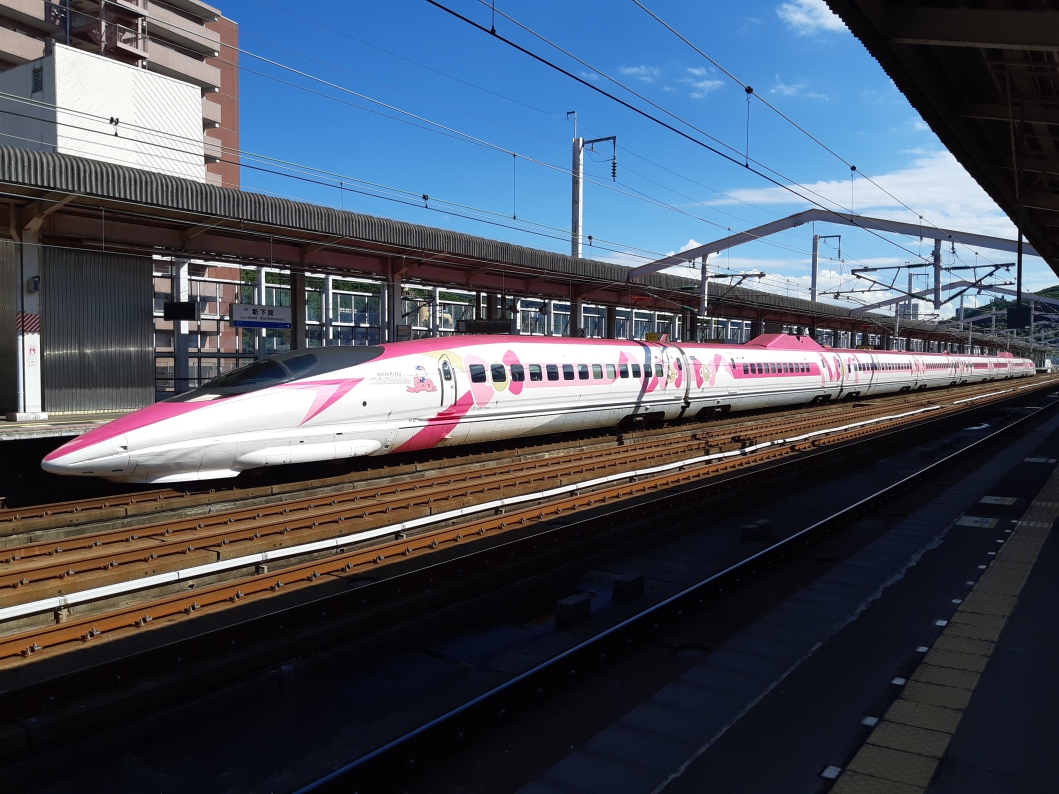
To get between these places, the pass includes unlimited rides on several key train lines. You can use two Shinkansen lines for fast travel: the Sanyo Shinkansen between Shin-Osaka and Okayama (which includes the Hello Kitty Shinkansen) and the Hokuriku Shinkansen between Tsuruga and Joetsu-Myoko.
For other main routes, the pass covers important Limited Express trains. This includes the Thunderbird (connecting Osaka and Kyoto with the Hokuriku area), the Haruka (for travel to and from Kansai Airport), and the Kuroshio.
You also get full access to all local and rapid services on JR West lines, which are useful for shorter trips within the covered area.
The pass further covers rides on the West Japan JR Bus network on its local routes. Please note that it does not cover the long-distance expressway buses.
To help you reach certain areas, the pass even includes travel on a few specific private railway lines that connect with the JR network. These are:
- IR Ishikawa Railway (between Kanazawa and Tsubata)
- Ainokaze Toyama Railway (between Takaoka and Toyama)
- Hapi-Line Fukui (between Fukui and Echizen-Hanando)
- Noto Railway (between Nanao and Wakura Onsen)
- Kyoto Tango Railway
Important! What’s NOT Covered by the Kansai-Hokuriku Area Pass?

Understanding what is not included is just as important as knowing what is. It helps you plan properly and avoid any unexpected costs at the ticket counter. Here are the main things you cannot use the Kansai-Hokuriku Area Pass for.
First, the pass does not cover the Tokaido Shinkansen, which is the line that runs between Shin-Osaka and Tokyo. While your pass covers some Shinkansen travel, it has specific limits.
For example, on the Sanyo Shinkansen, it is only valid up to Okayama; travel further west towards Hakata is not included. Similarly, on the Hokuriku Shinkansen, the pass covers the line up to Joetsu-Myoko; any travel from there towards Tokyo requires a separate ticket.
There are also a couple of specific Limited Express trains that are not covered. If you plan to take the SUPER HAKUTO (which runs to Tottori) or the SUPER INABA (which also runs to Tottori via Okayama), you will need to pay a separate fare.
Finally, the pass is for standard travel, so premium seating options require an extra payment. If you wish to travel in a Green Car (first class) or GranClass, you must buy the appropriate supplementary tickets. The same applies to reserved seating on certain local trains that have special seating options.
This can all seem a bit confusing, especially if your plans are complex. If your itinerary involves any of these routes, it’s always a good idea to check the details on the official JR West website to be certain.
All this talk about trains got you confused? You need a crash course on Japan transportation:
Is the Kansai-Hokuriku Area Pass Actually Worth It? A Price Breakdown
This is the big question: will this pass actually save you money? Let’s get into the numbers.
Please note: The ticket prices below are estimates for standard reserved or non-reserved seats and can change based on the season and exact train. They are intended to give you a clear idea of the potential savings.
The Simple Answer
For most people, the answer is yes, especially if your plans include a return trip from the Kansai area (like Osaka or Kyoto) to the Hokuriku area (like Kanazawa or Toyama). A single round trip on a Limited Express train between these regions can almost cover the entire cost of the pass. Add in your airport travel and a few side trips, and you’re already saving money.
Scenario 1: The “Absolutely Worth It” Trip

Let’s look at a common travel plan: you fly into Kansai Airport, visit Osaka, then head to Kanazawa for a few days with a quick trip over to Toyama, before returning to the airport.
Here’s a more accurate breakdown of what you’d pay for individual tickets:
- Kansai Airport to Osaka (Haruka Express): approx. ¥1,800
- Osaka to Kanazawa (Thunderbird Limited Express): approx. ¥7,130
- Kanazawa to Toyama (Hokuriku Shinkansen): approx. ¥2,800
- Toyama back to Kanazawa (Hokuriku Shinkansen): approx. ¥2,800
- Kanazawa back to Kansai Airport (Thunderbird & Haruka): approx. ¥8,930
Total without a pass: Around ¥23,460
Cost of the pass: ¥19,000
In this very straightforward itinerary, you would save around ¥4,460. That’s a solid saving you can put towards a great meal or entrance fees.
Scenario 2: The “Ultimate Value” Itinerary
Now, let’s see what happens when you use the pass to its full potential over 7 days. Imagine an itinerary where you really move around:
- Day 1: Kansai Airport to Okayama (Haruka & Shinkansen): approx. ¥7,300
- Day 2: Okayama to Kyoto (Sanyo Shinkansen): approx. ¥7,500
- Day 3: Kyoto to Kanazawa (Thunderbird): approx. ¥6,380
- Day 5: Day trip from Kanazawa to Toyama and back (Shinkansen): approx. ¥5,600
- Day 7: Kanazawa to Kansai Airport (Thunderbird & Haruka): approx. ¥8,930
Total without a pass: A huge ¥35,710
Cost of the pass: ¥19,000
In this case, the savings are massive—over ¥16,700. This doesn’t even include the smaller local JR train journeys you would inevitably take in cities like Osaka and Kyoto, which would add even more value.
When is it NOT Worth It?

The pass isn’t for everyone. If your trip is focused almost entirely within the Kansai region (for example, just visiting Osaka, Kyoto, and Nara), a different, cheaper pass like the Kansai Area Pass would be a much better choice.
Also, if you are only planning a one-way trip from Kansai to Hokuriku and not returning, buying a single ticket might work out to be cheaper. The real value of the Kansai-Hokuriku Area Pass comes from making at least one long-distance return journey.
Learn more about the Kansai Area Pass:
Want to explore Japan like a local without the planning headache?
We’ve done the work for you! Our self-guided 1-day itineraries (for major cities and lesser-known destinations in Japan) are packed with the best spots and hidden gems. Just download the PDF to your phone and go.
→ Get Your Instant Itinerary Here
How to Buy and Use the Kansai-Hokuriku Area Pass
Step 1: Purchasing the Pass
You have three main options for buying the pass, so you can choose whichever is most convenient for you.
The first, and often easiest, option is to buy it directly online through the official JR-WEST online train reservation website. This allows you to pay for it before your trip and simply pick it up when you arrive.
The second option is to buy from a designated travel agency outside of Japan before you leave home. If you do this, you will receive an “Exchange Order” (sometimes called an MCO). This is not the pass itself, but a voucher that you will swap for the actual pass once you are in Japan.
Finally, you can also purchase the pass after you arrive from a designated travel agency inside Japan. While this is an option, it can be easier to sort it out before your trip begins.
Step 2: Activating and Using the Pass
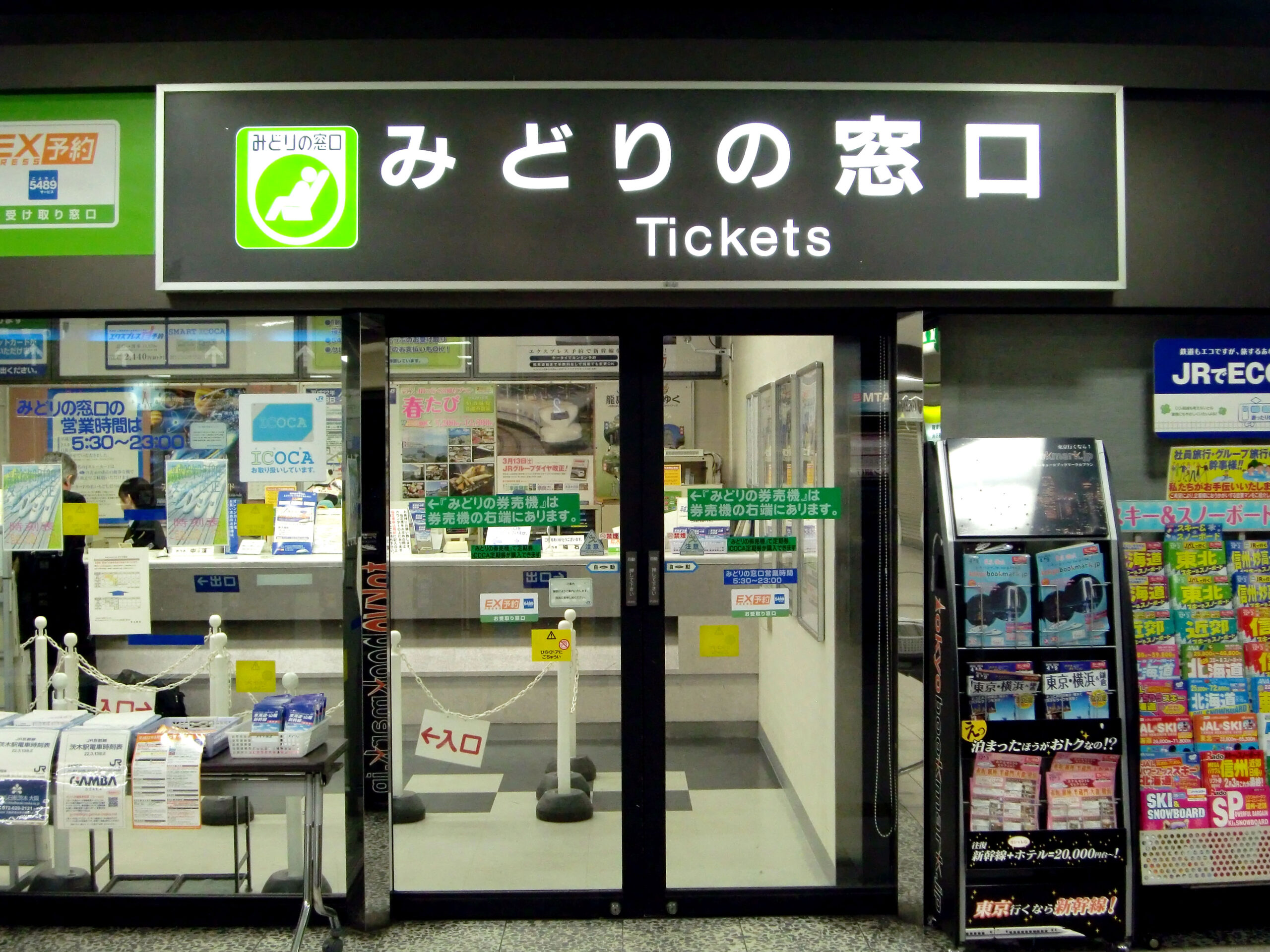
Whether you bought your pass online or have an Exchange Order, your next step is to visit a designated JR ticket office in Japan (look for the green “Midori no Madoguchi” signs).
You will need to show the staff your passport so they can confirm you have a “Temporary Visitor” stamp and are eligible to use the pass. Once they have checked your details, they will issue you with the physical Kansai-Hokuriku Area Pass, dated for its 7-day validity period.
Using the pass is simple. At most stations, you just insert the ticket into the automatic gates when you enter and take it back as you walk through. At smaller, rural stations without automatic gates, you can simply show your pass to the staff member at the ticket window.
How to Reserve Seats
One of the great benefits of this pass is that you can make seat reservations on eligible trains for free. This is highly recommended for long-distance travel on Shinkansen and Limited Express trains, especially during busy periods.
You have two easy ways to do this. You can go to any JR ticket office (“Midori no Madoguchi”), show your pass, and tell the staff which train you’d like to reserve a seat on.
Alternatively, you can use the green-coloured ticket machines (“Midori no Kenbaiki”) found at major stations. These machines have an English language option and a scanner for your passport and pass, allowing you to reserve your own seats without having to queue.
See Japan Through Local Eyes

Japan’s cities are full of choices — endless districts, streets, and food spots to try. But without a local, it’s easy to feel lost. With our private walking tours, you’ll see the city through expert eyes, uncovering tucked-away corners, tasting real flavours, and connecting with the culture beyond the guidebook.
→ Discover Japan with a Local Guide
Sample 7-Day Itinerary: Making the Most of the Kansai-Hokuriku Area Pass
This is an example itinerary to show how the pass can be used for a 7-day trip, with a breakdown of daily travel costs to show the savings. Note that prices are estimates for individual tickets and can vary.
Day 1: Arrival at Kansai Airport (KIX)
After arriving at KIX, find the JR ticket office near the train gates to exchange your order for the rail pass. Once you have it, take the Haruka Limited Express directly from the airport to Osaka.
After checking into your hotel, you can use the pass on the JR Osaka Loop Line to get to stations near Dotonbori, which is known for local food like takoyaki and okonomiyaki.
- Pass Usage: Haruka Limited Express (KIX to Osaka), JR Osaka Loop Line.
- Cost without Pass: approx. ¥1,800
Day 2: Day Trip to Okayama

From Shin-Osaka Station, take the Sanyo Shinkansen to Okayama; reserving a seat is a good idea. It’s best to visit Korakuen Garden in the morning. In the afternoon, the local JR train to Kurashiki only takes about 15 minutes, making for an easy side trip to see the Bikan Historical Quarter canals before heading back to Osaka.
- Pass Usage: Sanyo Shinkansen (Shin-Osaka to Okayama, return), JR local line (Okayama to Kurashiki, return).
- Cost without Pass: approx. ¥11,660
Day 3: Travel to Kanazawa via Kyoto
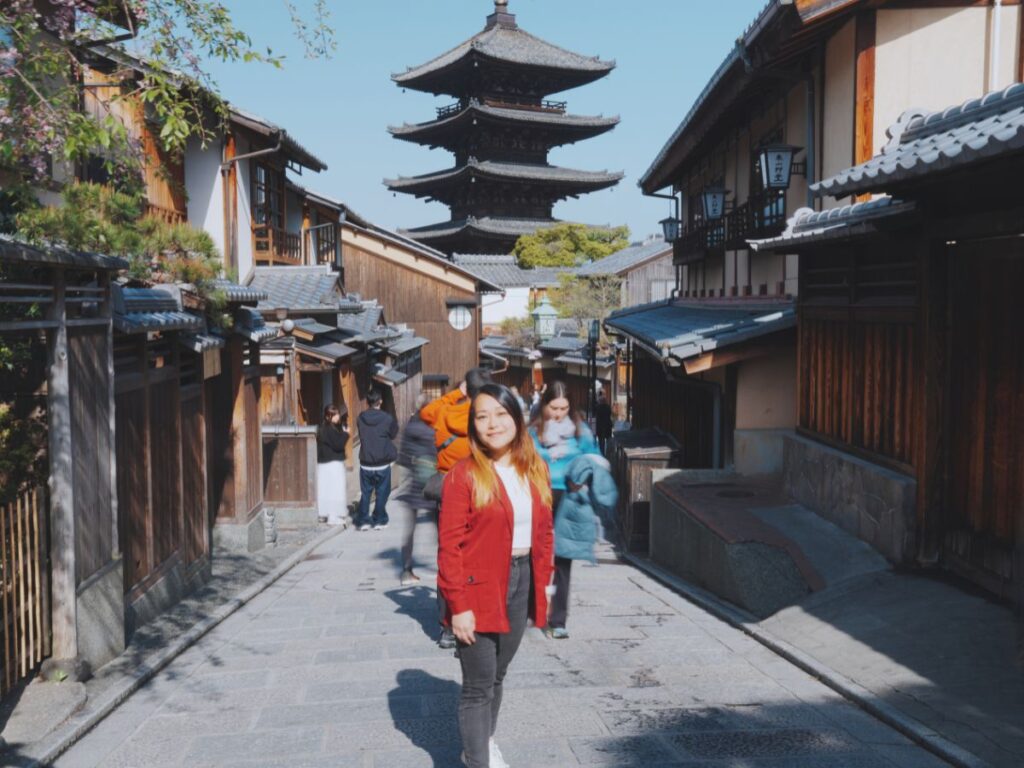
Take a JR Special Rapid train from Osaka to Kyoto Station. Use the pass on the JR Nara Line to get to Inari Station for the Fushimi Inari Shrine. In the afternoon, get your bags and take the Thunderbird Limited Express to Kanazawa; the journey takes about two hours.
- Pass Usage: Special Rapid train (Osaka to Kyoto), Thunderbird Limited Express (Kyoto to Kanazawa).
- Cost without Pass: approx. ¥6,960
Day 4: Kanazawa
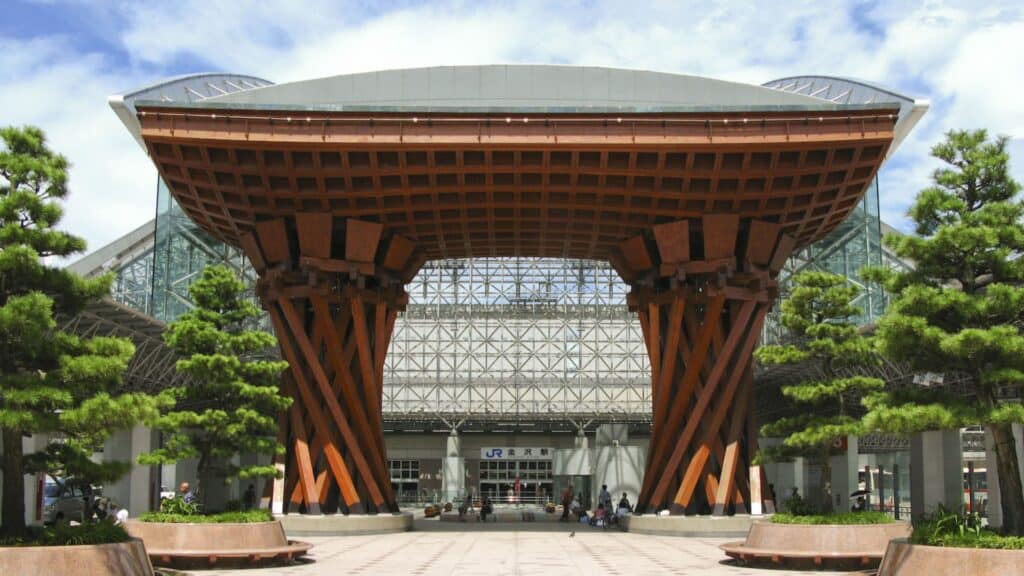
A key tip for Kanazawa: your pass covers the West Japan JR Bus lines, not all city loop buses. Be sure to look for the JR logo at the bus stop and on the bus itself. This bus connects Kanazawa Station with Kenrokuen Garden, the Nagamachi samurai district, and the Higashi Chaya geisha district, where you can try the local gold leaf ice cream.
- Pass Usage: West Japan JR Bus network (local routes).
- Cost without Pass: approx. ¥630 (equivalent of 3 bus trips)
Day 5: Day Trip to Toyama
The Hokuriku Shinkansen gets you from Kanazawa to Toyama in just over 20 minutes, making for a very easy day trip. Visit the Glass Art Museum or Fugan Canal Kansui Park. Return to Kanazawa whenever you’re ready.
- Pass Usage: Hokuriku Shinkansen (Kanazawa to Toyama, return).
- Cost without Pass: approx. ¥5,600
If you have the time, you can consider spending more days in Toyama as it has so much to offer. Check out our 3-day itinerary for the prefecture:
Day 6: Return to Osaka via Tsuruga
Break up the return trip with a stop in Tsuruga. Take the Hokuriku Shinkansen from Kanazawa and store your bags in a station locker at Tsuruga. You can spend a few hours visiting the Kehi Shrine and the Red Brick Warehouse. Afterwards, take the Thunderbird Limited Express directly from Tsuruga to Shin-Osaka or Osaka Station.
- Pass Usage: Hokuriku Shinkansen (Kanazawa to Tsuruga), Thunderbird Limited Express (Tsuruga to Osaka).
- Cost without Pass: approx. ¥9,260
Day 7: Departure from Kansai Airport (KIX)

For your last morning, you could use the pass to visit Kuromon Market (a short walk from JR Namba station). When it’s time to leave, the Haruka Limited Express is the most direct way to the airport. Check the timetable in advance, as it runs from both Tennoji and Shin-Osaka stations.
- Pass Usage: Haruka Limited Express (Osaka to KIX).
- Cost without Pass: approx. ¥1,800
The total cost without using a pass comes to around ¥37,710. By choosing the Kansai-Hokuriku Area Pass, which is priced at ¥19,000, you can make a big saving. With this itinerary, the total savings add up to about ¥18,710.
Step Into Japanese Traditions

There’s more to Japan than sightseeing. Imagine whisking matcha at a tea ceremony, learning the secrets of Japanese cooking, or trying your hand at a traditional craft. These are the moments that bring your journey to life — and we can help you book them with ease.
→ Find Cultural Experiences for Your Japan Trip
Kansai-Hokuriku Area Pass FAQs
What is the difference between the Kansai-Hokuriku Area Pass and the Hokuriku Arch Pass?
The main difference is Tokyo. The Hokuriku Arch Pass is a larger, more expensive pass that connects Tokyo to this region. The Kansai-Hokuriku Area Pass is focused only on travel between the Kansai and Hokuriku areas and does not include travel to or from Tokyo.
Can I use the Kansai-Hokuriku Area Pass on the Thunderbird train?
Yes, the Thunderbird Limited Express, which is a key train connecting Osaka and Kyoto with the Hokuriku region, is fully covered by the pass.
Is the Hello Kitty Shinkansen covered?
Yes, it is. The pass covers the Sanyo Shinkansen line between Shin-Osaka and Okayama, which is the route the Hello Kitty Shinkansen operates on.