If you’re planning on visiting Arashiyama to get a look at the gorgeous bamboo grove that Kyoto is so famous for, then you need to start your day with Otagi Nenbutsu-ji.
Want a full guide on how to explore Arashiyama like a local? Check out our detailed blog:
Otagi Nenbutsu-ji, tucked away in the quieter, northern reaches of Arashiyama, isn’t just another stop on the temple circuit; it’s one of the highlights of the famous area, rivalling the bamboo forest and the Tenryuu-ji temple with its quiet atmosphere and unique history.
So today we will take you through one of the best places to visit, that many tourists skip simply because they do not know it exists, or because they think it’s not worth it. Spoiler alert: it totally is!
As a boutique travel agency, we have tried many routes and seen many ways of enjoying Arashiyama, so if you want some direction for your visit to the western side of Kyoto, check out our guide for first-timers.
What Makes Otagi Nenbutsu-ji So Unique?
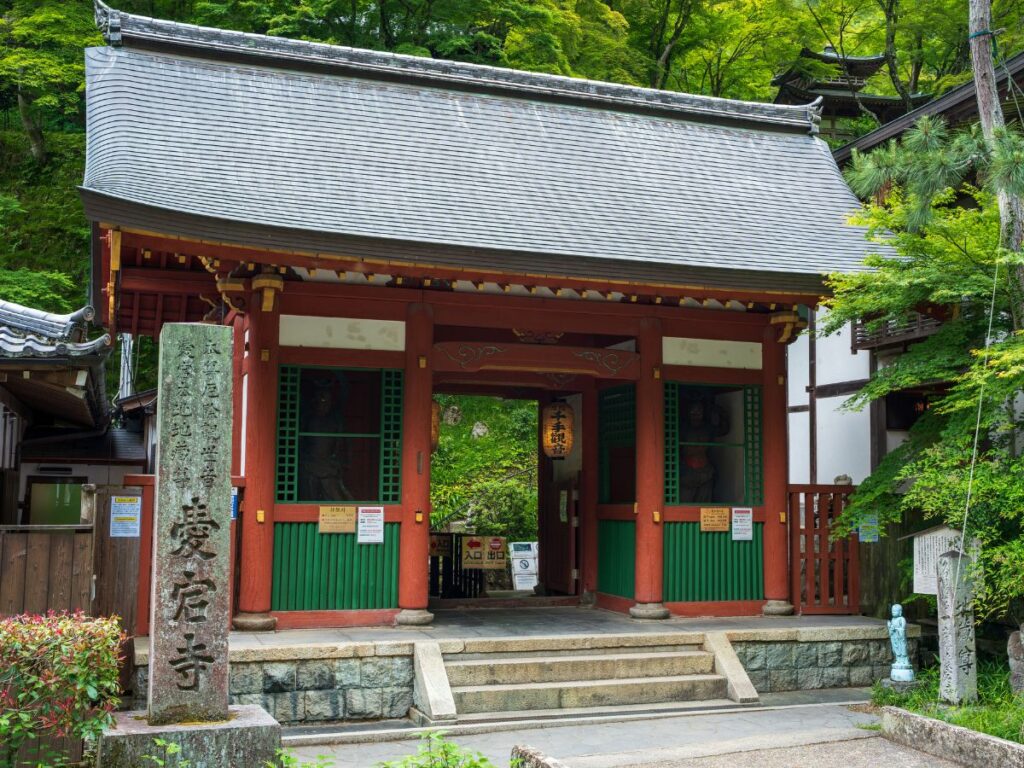
At first glance, Otagi Nenbutsu-ji might seem like another peaceful Kyoto temple, and considering how it’s not located in the middle of the city or right beside a train station, it might seem like an unnecessary detour…We’re here to tell you that it’s absolutely not.
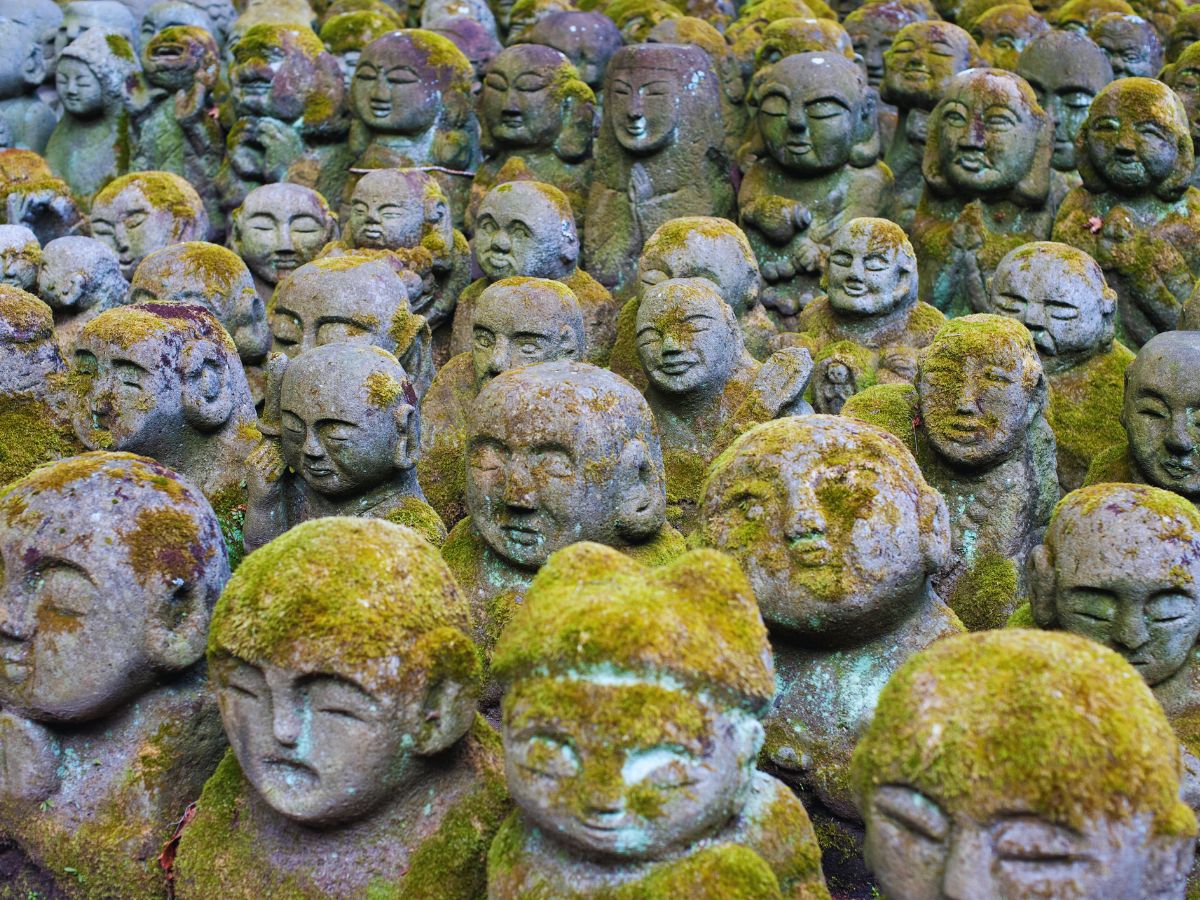
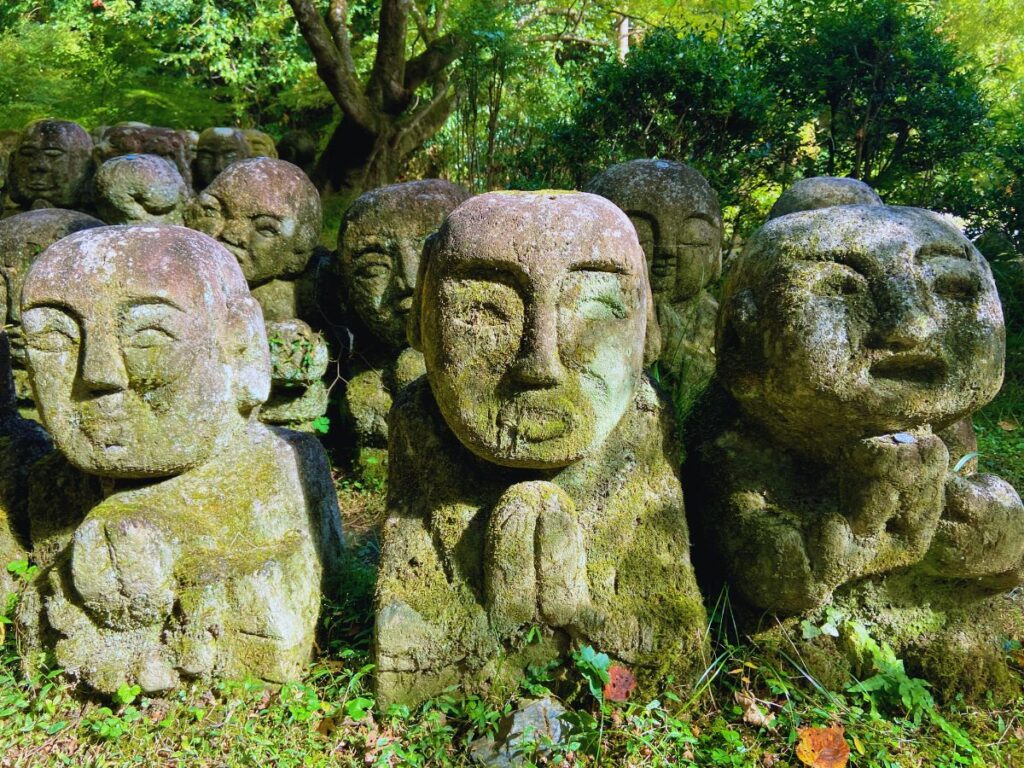
The moment you step through the gates of Otagi Nenbutsu-Ji, you’re greeted by hundreds of whimsical, weathered stone faces staring back at you. These are the 1,200 rakan statues, each one representing a disciple of Buddha. Unlike the solemn figures you might expect and have seen across other temples, these statues are full of humour and individuality, making the temple feel alive and strangely personal. They’re smiling, grimacing, drinking sake, holding tennis rackets, cameras, cats, even pulling silly expressions.
The Rakan Statues
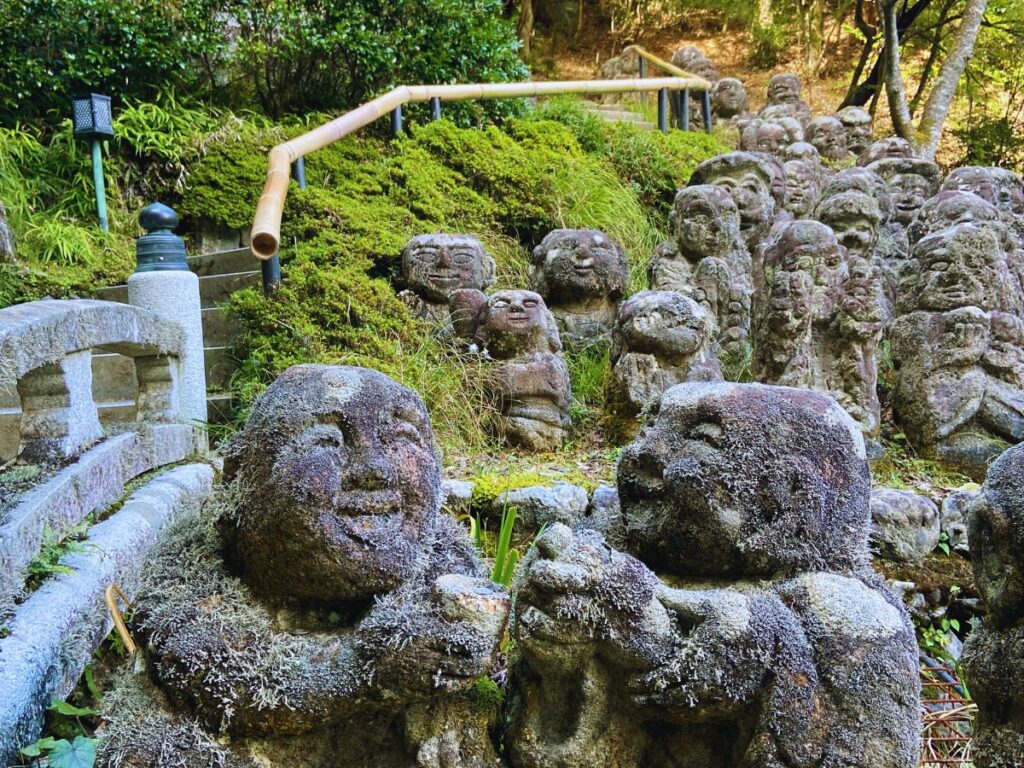
So what’s up with these statues, and why are they so casually adorning a temple? This is where the unique story of Otagi nenbutsu-ji comes in. Every single Rakan statue that you see was hand-carved by amateurs from all over the country—ordinary people, not professional sculptors—under the guidance of the temple’s former head priest, Kocho Nishimura, in the late 20th century.
This process of learning how to sculpt is part of a different approach to a pilgrimage that reflected his artistic view, one that celebrates Buddha’s message of peace and happiness throughout art.
So for each Rakan statue that you’ll see here, you now know that each of them was sculpted by someone learning to bring a sculpture to life. This is why each statue feels so different from the next; so unique, because each one represents someone of importance to the sculptor.
You can see part of the sculpting process on their website.
The Temple’s Quiet Story
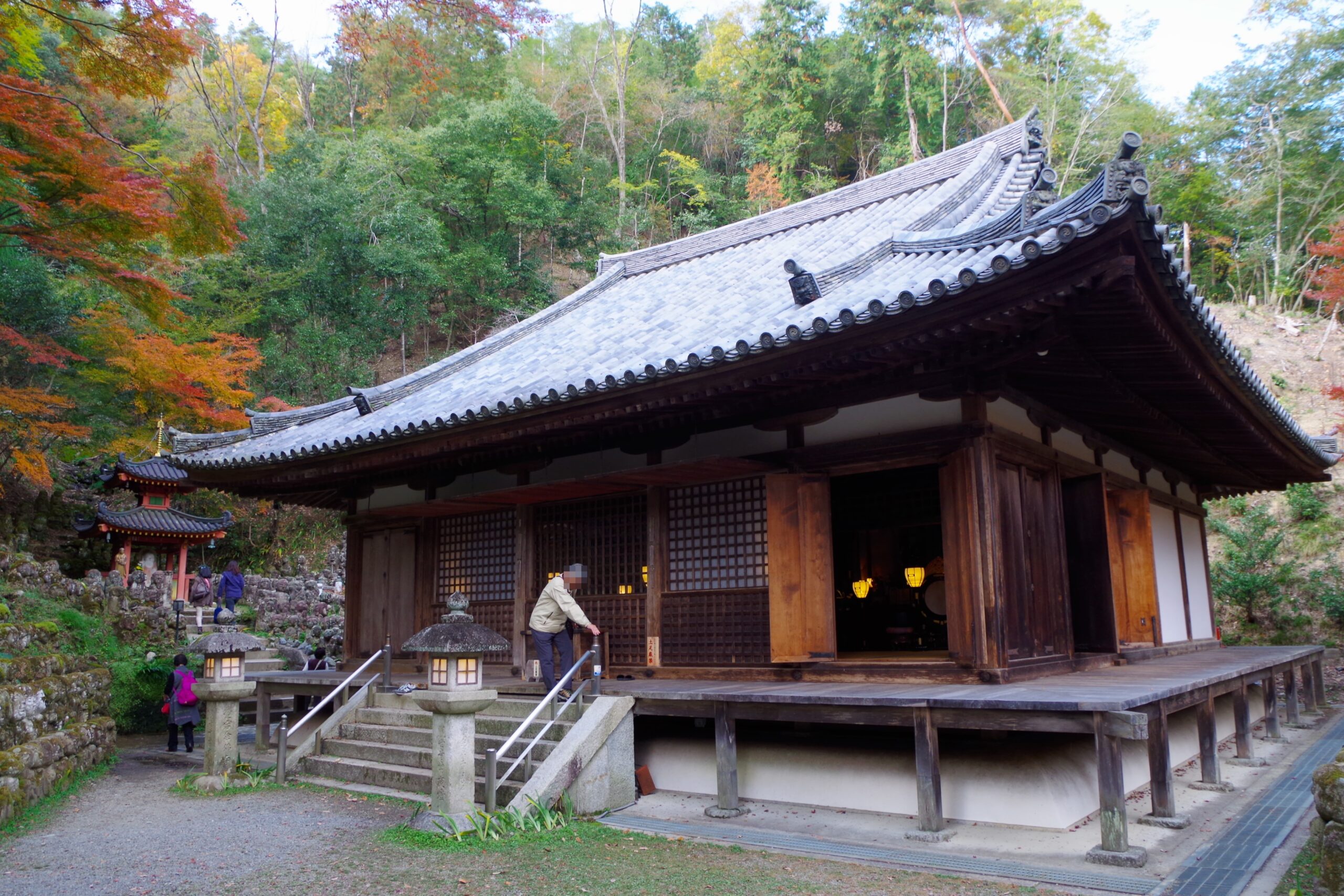
Though Otagi Nenbutsu-ji now feels like a hidden gem, its history is long and surprisingly turbulent. It was originally founded in the 8th century by Emperor Shotoku, and it was actually built near the Gion area (the famous geisha district), but the temple was destroyed and rebuilt several times due to floods, earthquakes, and fires.
The version you see today is largely the result of a 20th-century reconstruction effort, which breathed new life into the temple grounds. Far from being a sombre historical relic, the temple became a place where art, community, and Buddhist teachings could meet in a light-hearted way.
Wandering Around the Temple
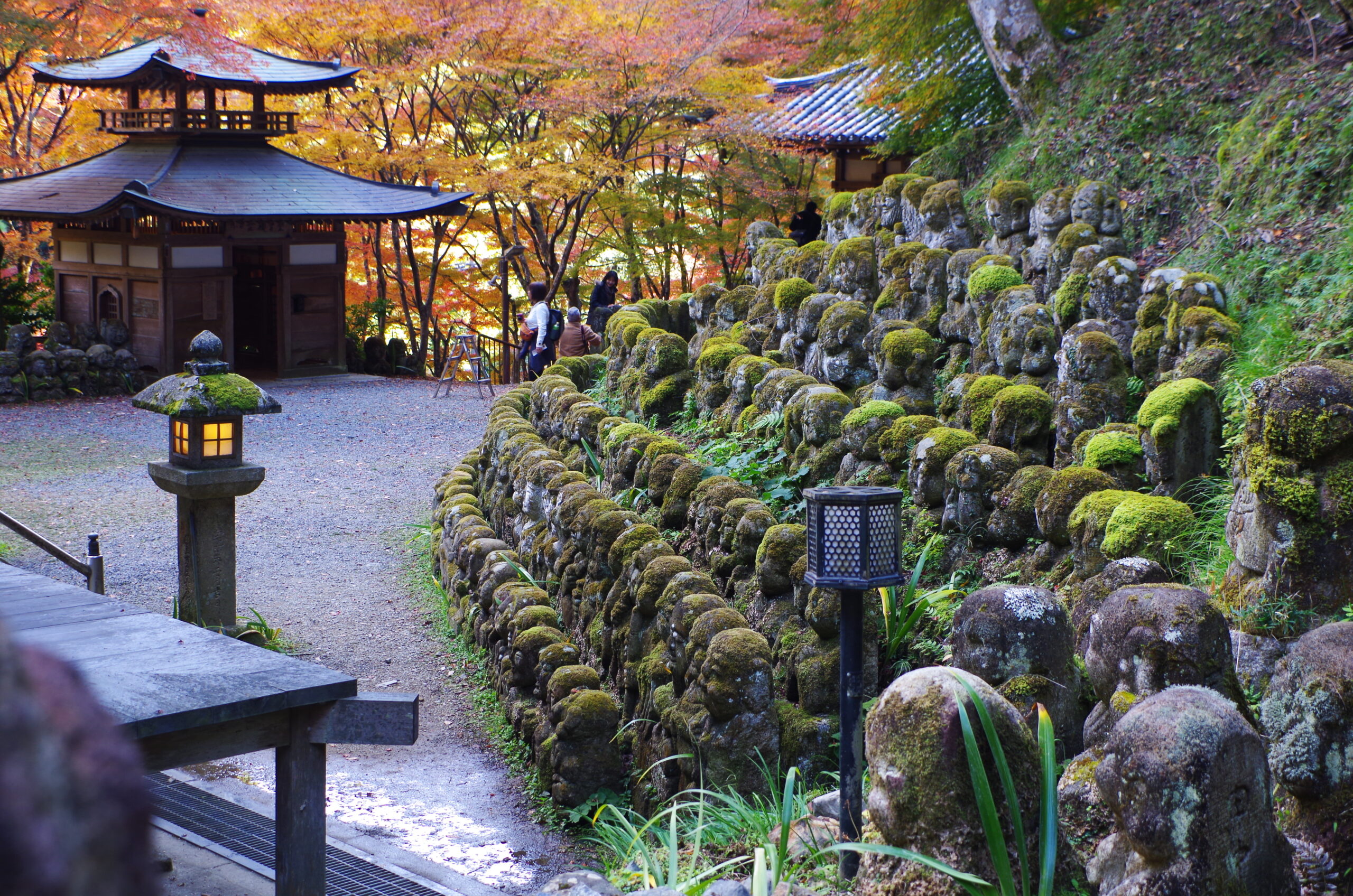
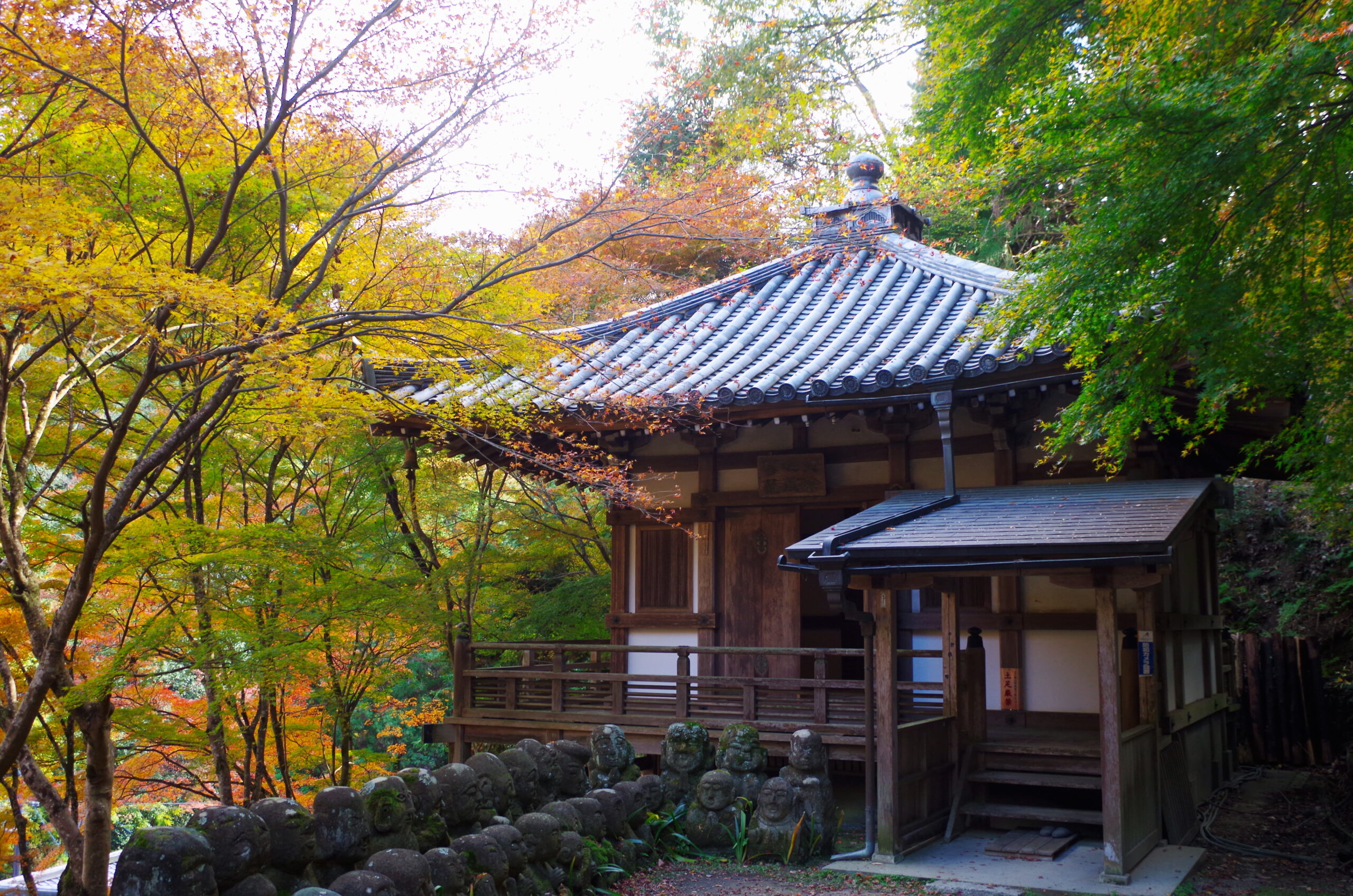
Exploring Otagi Nenbutsu-ji feels like stepping into an enchanted forest populated by cheeky little stone spirits. The statues are scattered across the temple grounds, covered in moss, leaning at odd angles, and tucked into corners you might not notice at first. Part of the fun is slowing down and spotting the details: a rakan holding a camera, another cuddling a cat, one that looks like it’s mid-giggle.
And because the temple is rarely crowded, you can take your time here, whether to take pictures and get the perfect shot, or to simply breathe in the air of the mountain area of Kyoto with a bit of incense in the mix. There’s no rush, no pressure to “see it all” in five minutes; you’re encouraged to wander, pause, and connect with the statues. Looking for other gems to explore in Kyoto? Check out our guide to Ninenzaka and Sannenzaka:
How to Get To Otagi Nenbutsu-ji

Reaching Otagi Nenbutsu-ji is quite simple and doesn’t require too much planning. You can reach it without struggles by only using public transportation, but to help you save time, we suggest you take a 10-minute taxi from the nearest station instead of waiting and wasting time on a bus.
So, just hop on the JR Sagano Line (also known as the San’in Line) to Saga-Arashiyama Station and from there either call an Uber or hail a taxi at the taxi stop, which is right outside the station. It should cost no more than ¥1,300 (~$10).
If you’d rather enjoy the scenery and take the bus, you can hop on the Kyoto City Bus #62 or #92 heading towards Kiyotaki or Daikaku-ji. Get off at Otagi-dera-mae or Otagi Nenbutsu-ji. It should cost ¥230 ($2) and takes around 15 to 20 minutes to get you there.
Because Otagi Nenbutsu-ji is a little further out, it stays blissfully peaceful. You won’t find the bustling crowds of central Arashiyama here—just the occasional traveller who made the effort to come.
Visiting in Autumn
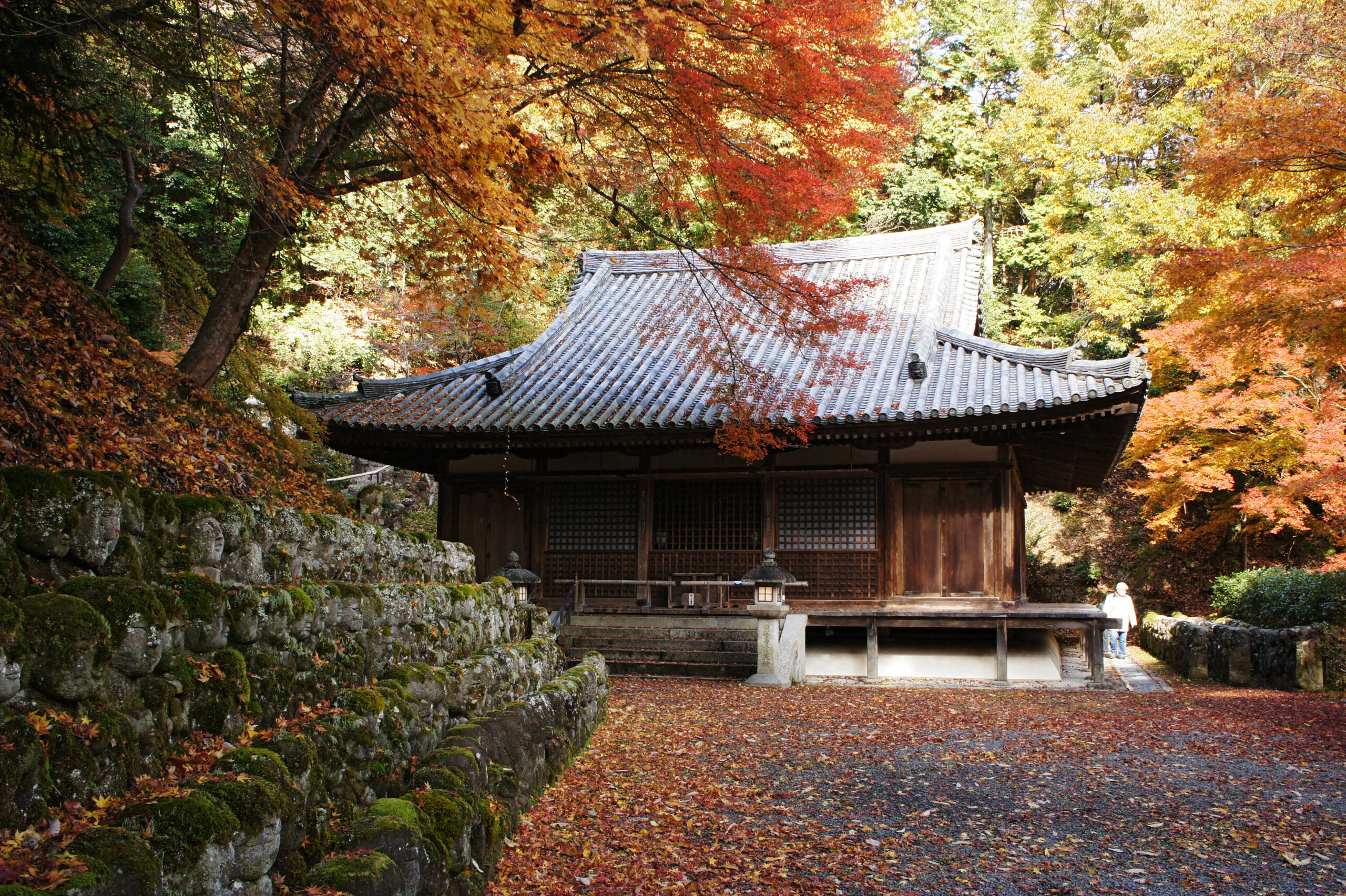
If you’re lucky enough to visit Otagi Nenbutsu-ji in November, you might stumble into something truly unforgettable! The Autumn Tengu Festival, a lively and rare celebration that brings ancient history and folklore to life. Held each year on the second Sunday of November at 1:00 pm, this small but powerful festival revives the raucous spirit of the temple’s early days.
The festival begins with solemn Buddhist prayers and chanting, led by the head priest in traditional robes. But soon enough, the peace is broken by the arrival of masked tengu clacking wooden clapboards and squawking in their “forest tongue.”
They roam the crowd, handing out blessings and causing a bit of theatrical chaos, delighting adults and scaring the kids just a little. One of the festival’s highlights is when the turquoise-faced tengu fires five ceremonial arrows into the air, and lucky visitors scramble to catch them for a year of good fortune.
It’s joyful, strange, and entirely unique, blending folklore, community, and tradition in a way that you won’t find anywhere else in Japan. And because the festival is small and mostly attended by locals, it feels personal and magical, like being let in on a very old secret.
Where to Go After Otagi Nenbutsu-ji

Once you leave the temple, you can walk down the street and you will soon find a lovely residential and traditional area, with coffee shops, souvenir shops and a stunningly untouched aura.
Many people take a taxi straight to the bamboo forest if they’re in a hurry, but this walk is what makes the Arashiyama area so special, so we suggest you visit the temple first thing in the morning and then take your time walking down the street until you reach the bamboo grove.
And if you’re all in for visiting another interesting Buddhist temple, you will find Adashino Nenbutsu-ji Temple soon after you begin walking down the street.
Otagi Nenbutsu-ji FAQs
What is the best season to visit Otagi Nenbutsu-ji?
Autumn is the best due to the foliage, but if you’re lucky enough to visit on a snowy winter day, it’s the most iconic and picturesque time. Just be careful because the path gets very slippery!
How long does it take to see the whole temple?
It depends on whether you want to take your time seeing all the statues and taking pictures, but usually, no more than an hour.
Is it worth visiting Adashino Nenbutsu-ji after seeing Otagi Nenbutsu-ji?
The two temples focus on very distinct aspects of Buddhism, so you will hardly feel like it’s more of the same. Otagi focuses on an artistic approach, while Adashino focuses on remembering those who have passed.
Can I touch the Rakan statues?
Although you can leave coins on the statues as a form of prayer, you should avoid touching them. You can instead touch the bronze statue inside a small cabinet that was made specifically to be touched by visitors.
A Change of Pace in a Busy Area
Kyoto is a city of countless temples, each with its own history and character. Some are grand, some are ancient, some are picture-perfect. But Otagi Nenbutsu-ji is the one that makes you laugh out loud. It reminds you that spirituality doesn’t have to be heavy; it can be playful, human, and even a little silly.
And considering how busy the bamboo forest area is all year round, it’s nice to start in a quiet temple and make your way down the traditional streets before you start struggling to get a picture of just you and the scenery.
So, next time you visit the Arashiyama Area, add a twist to your itinerary and start with Otagi Nenbutsu-ji. We promise it will mark a different start to your day, and it might end up becoming your new favourite temple in Japan! And if you don’t want to think too much about how to get there and what you cannot miss inside the temple, let our local guides show you around on a tour!
Opening Hours: 9 AM–4:15 PM, CLOSED on Wednesdays
Entrance Fee: ¥500 (~$3)