When you’re planning a trip to Japan, your list probably fills up fast with the bright lights of Tokyo and the historic streets of Kyoto. Then you look at a map and see Nagoya, a huge city right in the middle, and you ask the big question: is Nagoya worth visiting?
The short answer is a definite yes. While it might not have the ancient capital status of its neighbours, Nagoya offers something completely its own. It’s a city where you can explore the powerful history of samurai lords at Nagoya Castle in the morning and then learn about the story of global innovation at the Toyota museum in the afternoon. It’s a real, working city with a unique local culture and a food scene so special, it has its own name—Nagoya Meshi.
This Nagoya travel guide is designed to answer that big question for you. We’ll show you exactly why you should visit Nagoya, covering all the best things to do and the most delicious food to eat, all wrapped up in a perfect 1-day itinerary that lets you experience the city’s unique character.
Planning Your Own Dream Trip to Japan?
Tired of spending hours trying to piece together the perfect Japan trip? Our custom travel planning service is for you. We handle all the research and logistics to create a unique itinerary that lets you travel with confidence and experience Japan your way.
→ Find out more about our Personalised Japan Travel Planner
How to Get to Nagoya
Located right in the heart of central Japan, Nagoya is a major transportation hub and incredibly easy to get to from the country’s main tourist cities. Your choice of travel will usually come down to your budget, your timeline, and whether you are using a Japan Rail Pass.
Getting to Nagoya from Tokyo
Travelling from the capital to the centre of Japan is a quick and straightforward journey, with excellent options for both speed and savings.
By Train (Shinkansen)
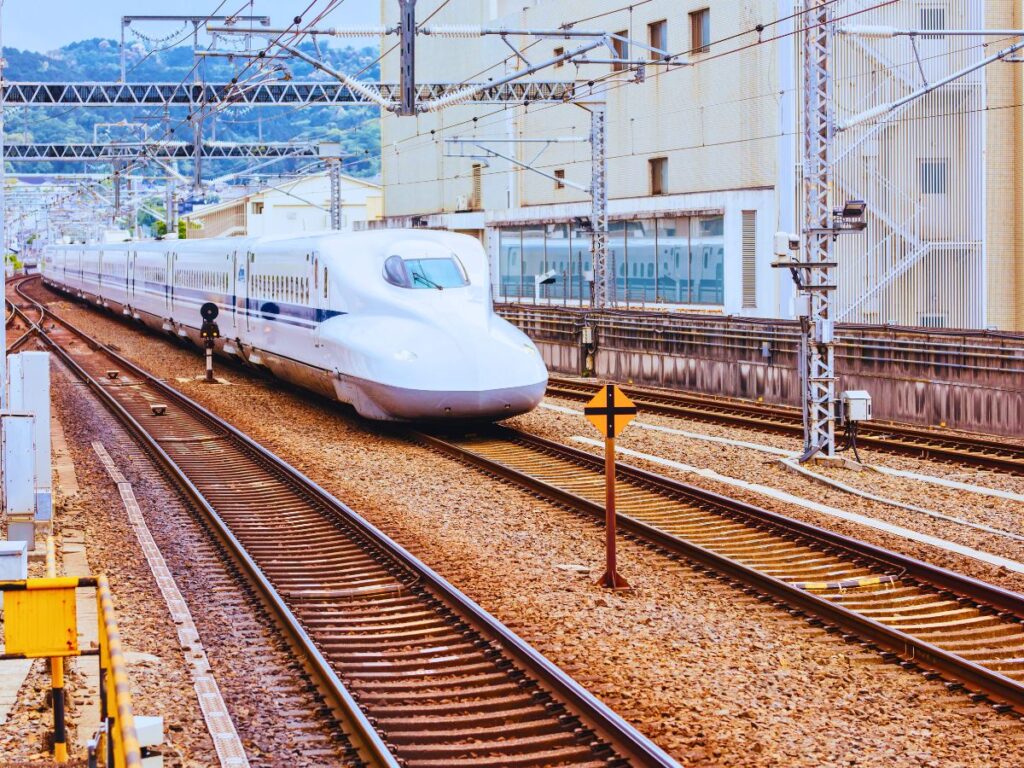
- Route: Take the Tokaido Shinkansen from Tokyo Station or Shinagawa Station directly to Nagoya Station.
- Time: About 1 hour and 40 minutes on the fastest Nozomi train, or about 2 hours on the Hikari.
- Cost & JR Pass: A one-way ticket costs around ¥11,500. The journey is covered by the Japan Rail Pass, but remember the golden rule: the pass is not valid on the fastest Nozomi trains. You must take a Hikari or Kodama service instead.
By Bus
- Route: JR and other companies run frequent highway buses from major hubs like the Shinjuku Expressway Bus Terminal (Busta Shinjuku) and the bus terminals at Tokyo Station.
- Time: About 5 to 6 hours, depending on traffic.
- Cost: This is the budget-friendly option. A one-way ticket typically costs between ¥3,000 and ¥7,000, depending on the bus company and time of booking.
Getting to Nagoya from Kyoto/Osaka
Nagoya is a very popular next stop for travellers coming from the Kansai region, and the short distance makes it an extremely easy trip.
By Train (Shinkansen)
- Route: Take the Tokaido Shinkansen from Kyoto Station or Shin-Osaka Station directly to Nagoya Station.
- Time: The journey is very quick. It’s about 35 minutes from Kyoto and about 50 minutes from Shin-Osaka on a Nozomi train.
- Cost & JR Pass: A one-way ticket costs around ¥6,000 from Kyoto or ¥7,000 from Shin-Osaka. The trip is covered by the Japan Rail Pass, but just like the route from Tokyo, you must use a Hikari or Kodama train, not the Nozomi.
By Bus
- Route: Frequent highway buses connect Nagoya with major terminals in both cities, including Kyoto Station and the Osaka City Air Terminal (OCAT) in Namba.
- Time: About 2 hours and 30 minutes.
- Cost: A one-way ticket is typically in the ¥2,500 to ¥4,000 range, making it a great way to save money.
Which is Better: Train or Bus?
- Choose the train if: You value speed and convenience. The Shinkansen is incredibly fast and comfortable. It is the obvious and most cost-effective choice if you have an active Japan Rail Pass.
- Choose the bus if: You want to save money. Bus tickets are significantly cheaper than the train, making it the clear winner for budget-conscious travellers. The trade-off is a longer journey time.
Wondering whether the Japan Rail Pass is worth it for your trip? Here’s everything you need to know:
Top 8 Must-Visit Attractions in Nagoya
Nagoya’s attractions show its unique identity, offering a mix of historic sites, modern structures, and industrial museums.
Nagoya Castle
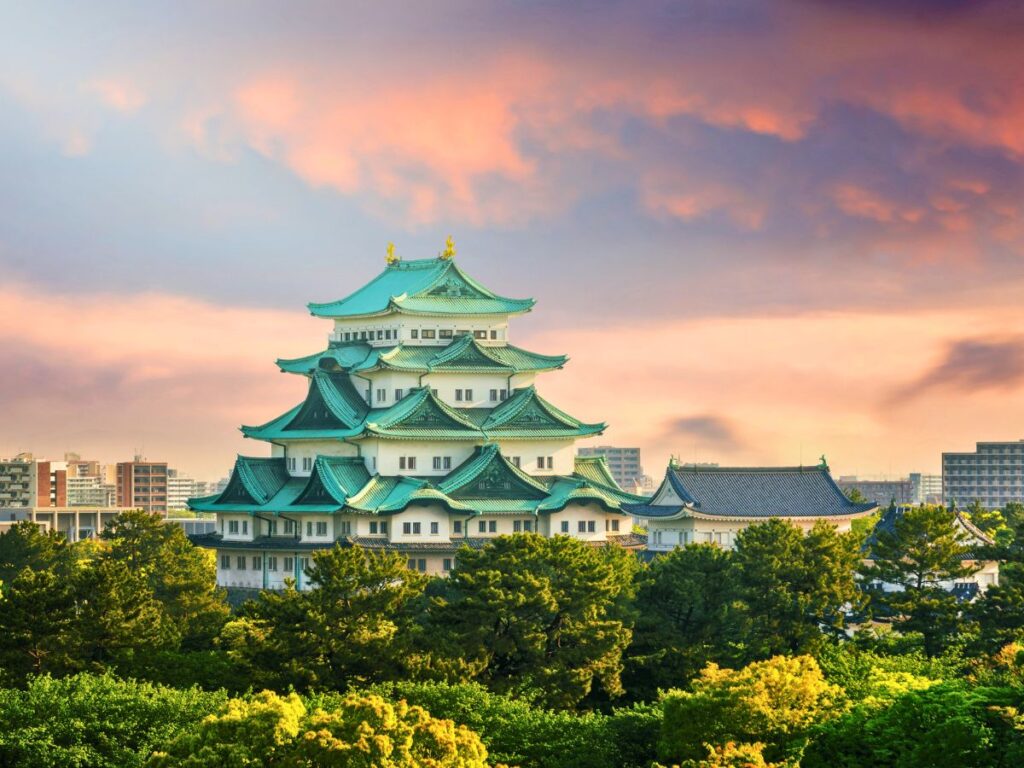
A major landmark for the city, Nagoya Castle is a good place to start your visit. It was the base of the powerful Owari branch of the Tokugawa clan during the Edo period. While the main keep was rebuilt after the war, the Hommaru Palace has been reconstructed using traditional methods and materials, showing visitors the decorative style of the period’s formal residences.
Address: 1-1 Honmaru, Naka Ward, Nagoya, Aichi 460-0031
Osu Shopping District & Kannon Temple
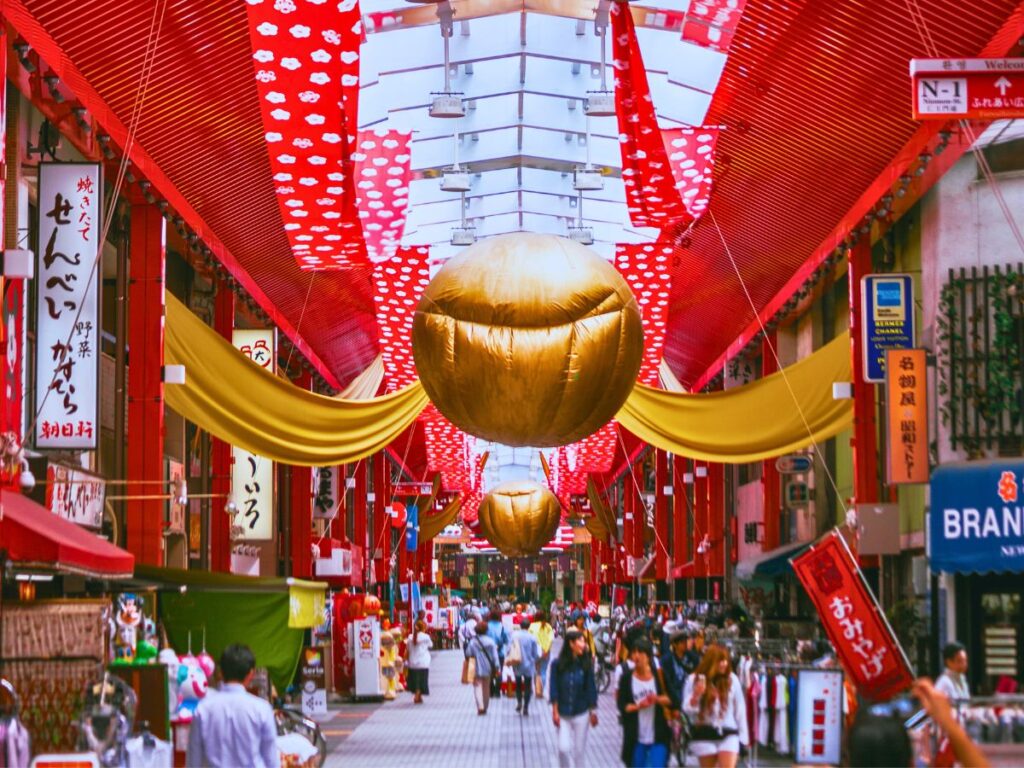
For a feel of local life, head to the Osu Shopping District. This is a collection of covered shopping arcades (shotengai) with a fun, quirky vibe that is different from the city’s department stores.
You can find everything here, from thrift shops and retro electronics to unique souvenirs and traditional crafts. At its centre is the Osu Kannon Temple, a colourful Buddhist temple that is an active place of worship.
Address: 2 Chome-21-47 Osu, Naka Ward, Nagoya, Aichi 460-0011
Love thrifting? Japan is the perfect place for that:
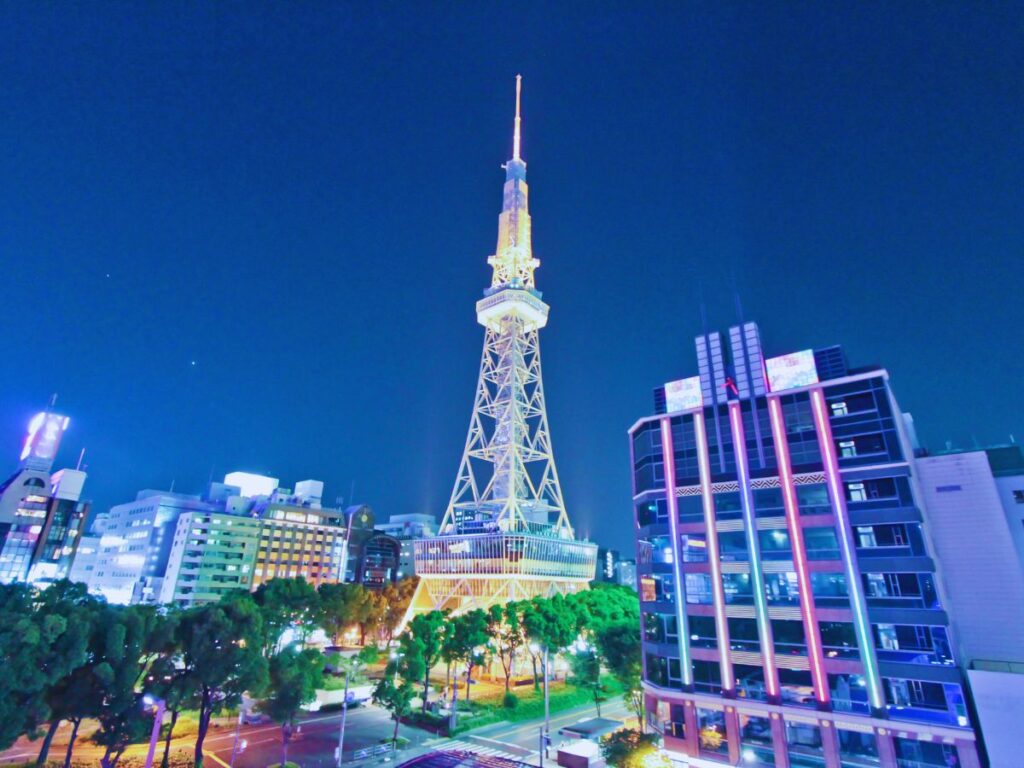
Sakae District (Oasis 21 & Chubu Electric MIRAI TOWER)
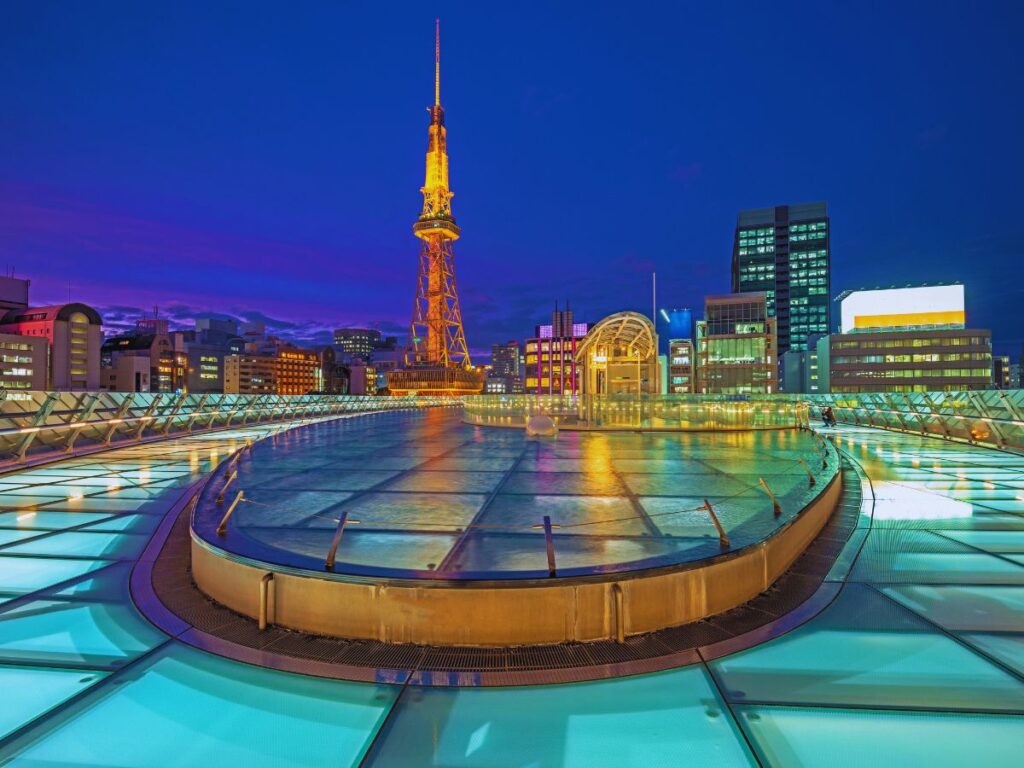
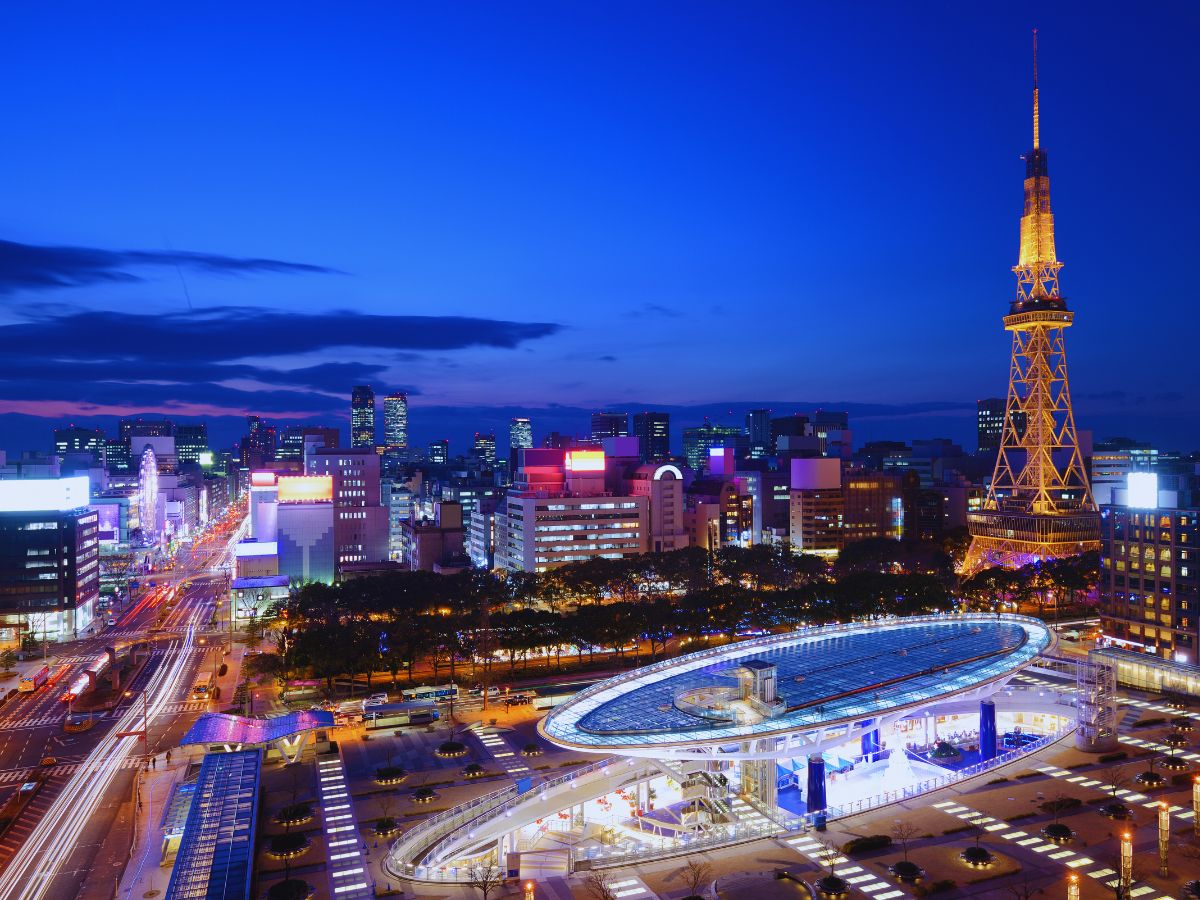
Sakae is the modern centre of Nagoya for shopping, dining, and entertainment. A main feature here is Oasis 21, a modern complex with a distinct look. You can browse the shops below or walk on its water-filled glass roof, the “Spaceship Aqua,” for clear views of the city and the nearby Chubu Electric MIRAI TOWER. The surrounding park is a popular spot where you can sit and mingle with locals.
Address: 1 Chome-11-1 Higashisakura, Higashi Ward, Nagoya, Aichi 461-0005
Toyota Commemorative Museum of Industry and Technology

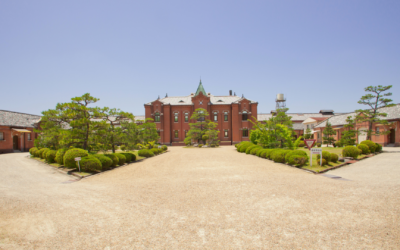
This is a highly-regarded museum in Japan, located in the original red-brick factory buildings of the Toyoda Automatic Loom Works. It clearly shows the story of how the company evolved from producing automated textile looms to becoming a global automotive company. The exhibits are detailed and often have live demonstrations, making it an informative stop and a great choice for a rainy day.
Address: 4 Chome-1-35 Noritakeshinmachi, Nishi Ward, Nagoya, Aichi 451-0051
Atsuta Jingu Shrine
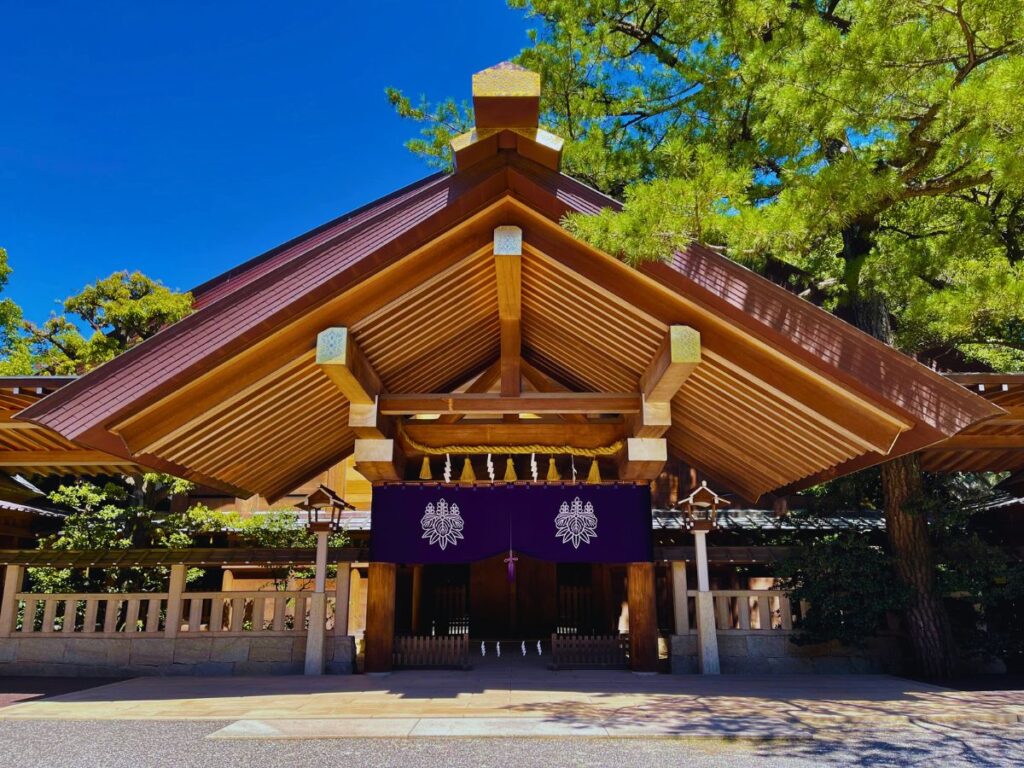
As one of the most historically significant Shinto shrines in Japan, Atsuta Jingu offers a quiet space away from the city. It is known for housing the Kusanagi-no-Tsurugi (the “Grass-Cutting Sword”), which is one of the three sacred Imperial Regalia of Japan, though the sword itself is not on public display.
Address: 1 Chome-1-1 Jingu, Atsuta Ward, Nagoya, Aichi 456-8585
Nagoya City Science Museum
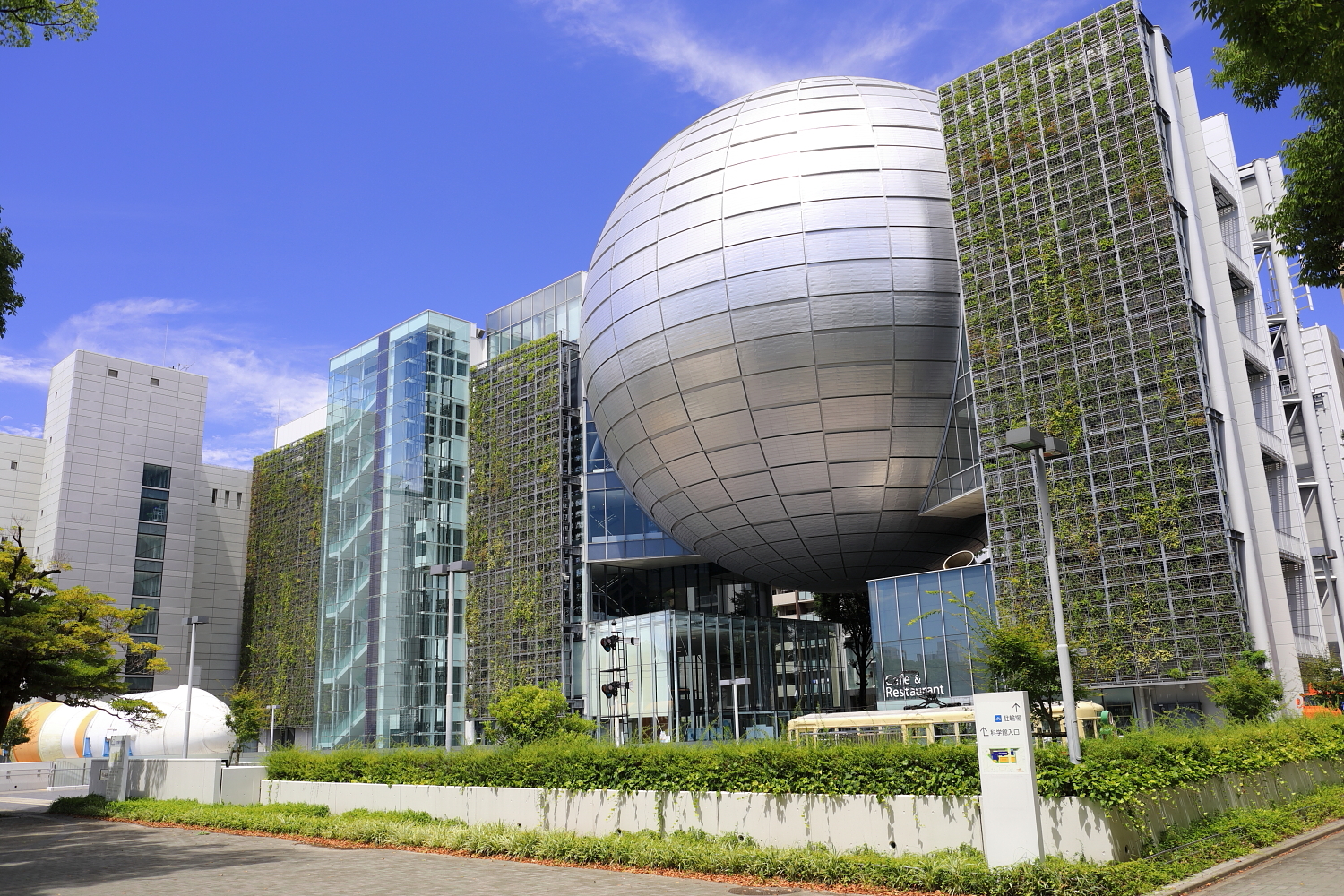
The Science Museum is easy to spot, thanks to the large silver globe positioned between its two main buildings. This sphere contains one of the largest planetariums in the world, which offers detailed shows of the night sky.
Inside the museum, you’ll find seven floors of hands-on and engaging exhibits on various scientific topics, making it a good stop for families or anyone with a curious mind.
Address: 2 Chome-17-1 Sakae, Naka Ward, Nagoya, Aichi 460-0008
Ghibli Park
For fans of Studio Ghibli, Nagoya is the main access point for the popular park. Ghibli Park is located in a large commemorative park in the neighbouring city of Nagakute, easily reached from central Nagoya.
It is not a park with rides, but a collection of areas and buildings designed to bring the worlds of films like My Neighbor Totoro and Spirited Away to life. Getting tickets requires advance planning through the official website.
Address:: 1533-1 Ibarakemawari, Nagakute City, Aichi
Port of Nagoya Public Aquarium
Located in the city’s port area, this is one of Japan’s large public aquariums. It is known for its collection of marine mammals. The stadium area holds scheduled shows featuring dolphins, and there are large underwater viewing tanks for beluga whales and orcas. It offers a different kind of attraction away from the city centre.
Address: 1-3 Minatomachi, Minato Ward, Nagoya, Aichi 455-0033
Find Your Way in Japan
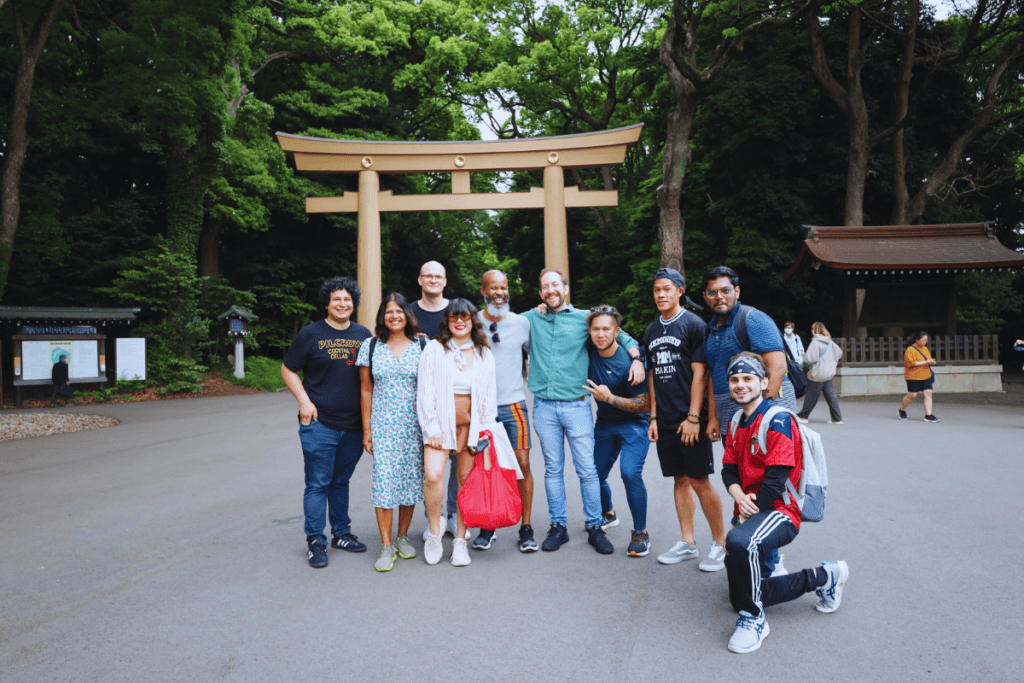
So many sights, so many neighbourhoods… planning where to start in Japan can feel overwhelming. That’s why exploring with a local makes all the difference. On our private walking tours in Japan’s major cities, a local expert guides you through the hidden gems, authentic food, and culture that you’d struggle to find on your own.
→ Explore Our Private Walking Tours
Where to Stay in Nagoya
Choosing where to stay in Nagoya is straightforward, as the best options are concentrated in two main areas, depending on your priorities: convenience for travel or being close to the main shopping and dining areas. Here are a few recommended places to stay.
Nagoya Marriott Associa Hotel
For pure convenience, it’s hard to beat this hotel’s location, as it is situated directly above JR Nagoya Station. This makes it an excellent choice for travellers arriving by Shinkansen or planning multiple day trips, as your transport is right downstairs. The rooms are on high floors, offering clear views over the city.
Address: 1 Chome-1-4 Meieki, Nakamura Ward, Nagoya, Aichi 450-6002
The Tower Hotel Nagoya
If you want to stay in the centre of the city’s shopping and entertainment district, this is a unique option. The hotel is built directly into the Chubu Electric MIRAI TOWER in Sakae. It’s a boutique hotel with a focus on modern design and local art, placing you right in the heart of the action for restaurants and department stores.
Address: 3 Chome-6-15 Nishiki, Naka Ward, Nagoya, Aichi 460-0003
Kyoya Ryokan
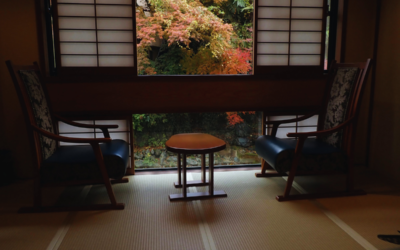
For those looking for a traditional Japanese inn experience in the city, Kyoya Ryokan is a well-regarded choice. Set within a historic wooden building, it offers a different atmosphere from the large city hotels. Guests stay in tatami-mat rooms with futon bedding and can experience Japanese-style service and meals. It’s located a short train ride or a longer walk from Nagoya Station.
Address: 2 Chome-11-4 Habucho, Nishi Ward, Nagoya, Aichi 451-0042
If it’s your first time and your anxious about staying at a ryokan, we’ve prepared a helpful guide:
What to Eat in Nagoya (A Guide to Nagoya Meshi)
One of the best reasons to visit Nagoya is its food. The city has a distinct and well-known local food culture called Nagoya Meshi, which is famous for its bold and savoury flavours. Many dishes are based on the locally produced red miso (hatcho miso), giving them a unique depth you won’t find elsewhere in Japan.
Miso Katsu
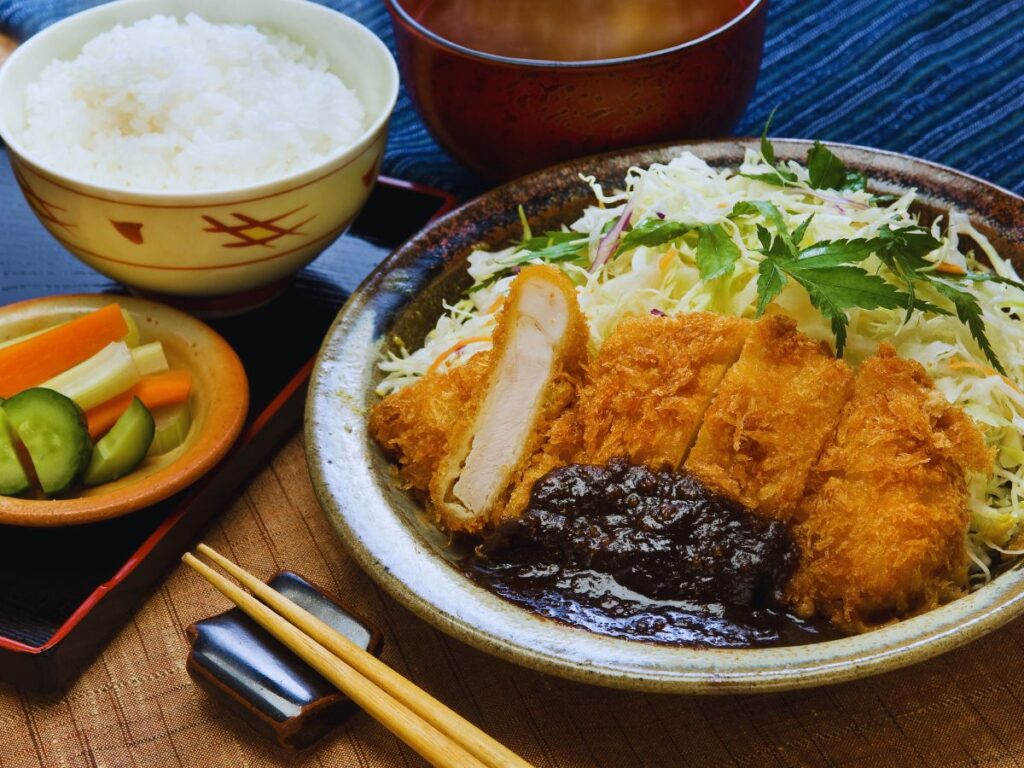
This is a classic Nagoya dish. It takes a standard tonkatsu (a deep-fried pork cutlet) and covers it in a thick, dark red miso sauce. Unlike the sweeter, fruit-based sauces served in other parts of Japan, this sauce is intensely savoury with a deep, rich flavour. It’s a hearty and satisfying meal often served with shredded cabbage and rice.
Hitsumabushi
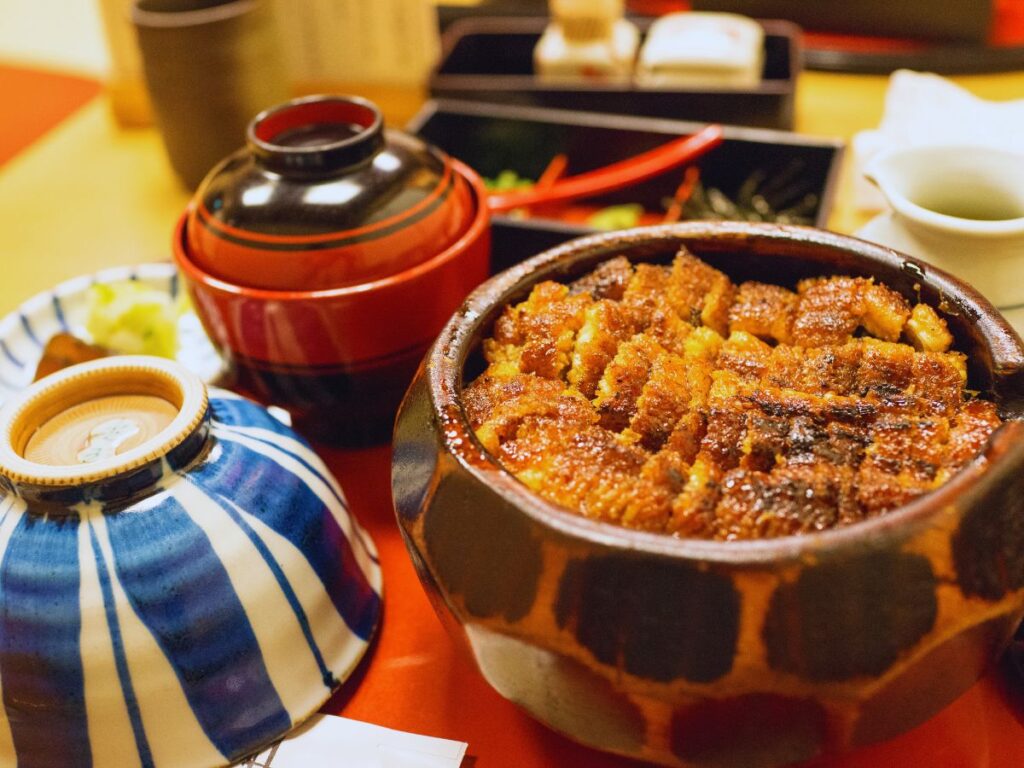
Hitsumabushi is a grilled freshwater eel dish served on rice, but what makes it special is the specific way it’s eaten in three steps. First, you eat a portion of it on its own. For the second portion, you add condiments like spring onions, wasabi, and nori seaweed. For the final portion, you add the condiments and then pour a light broth over everything, enjoying it ochazuke style.
Tebasaki

These are Nagoya-style chicken wings, and they are a very popular snack, especially with a cold beer. The wings are typically double-fried without any batter, which makes them incredibly crispy on the outside while the meat stays tender. They are then coated in a savoury glaze and finished with a generous amount of black pepper, giving them a distinct salty and peppery taste.
Kishimen
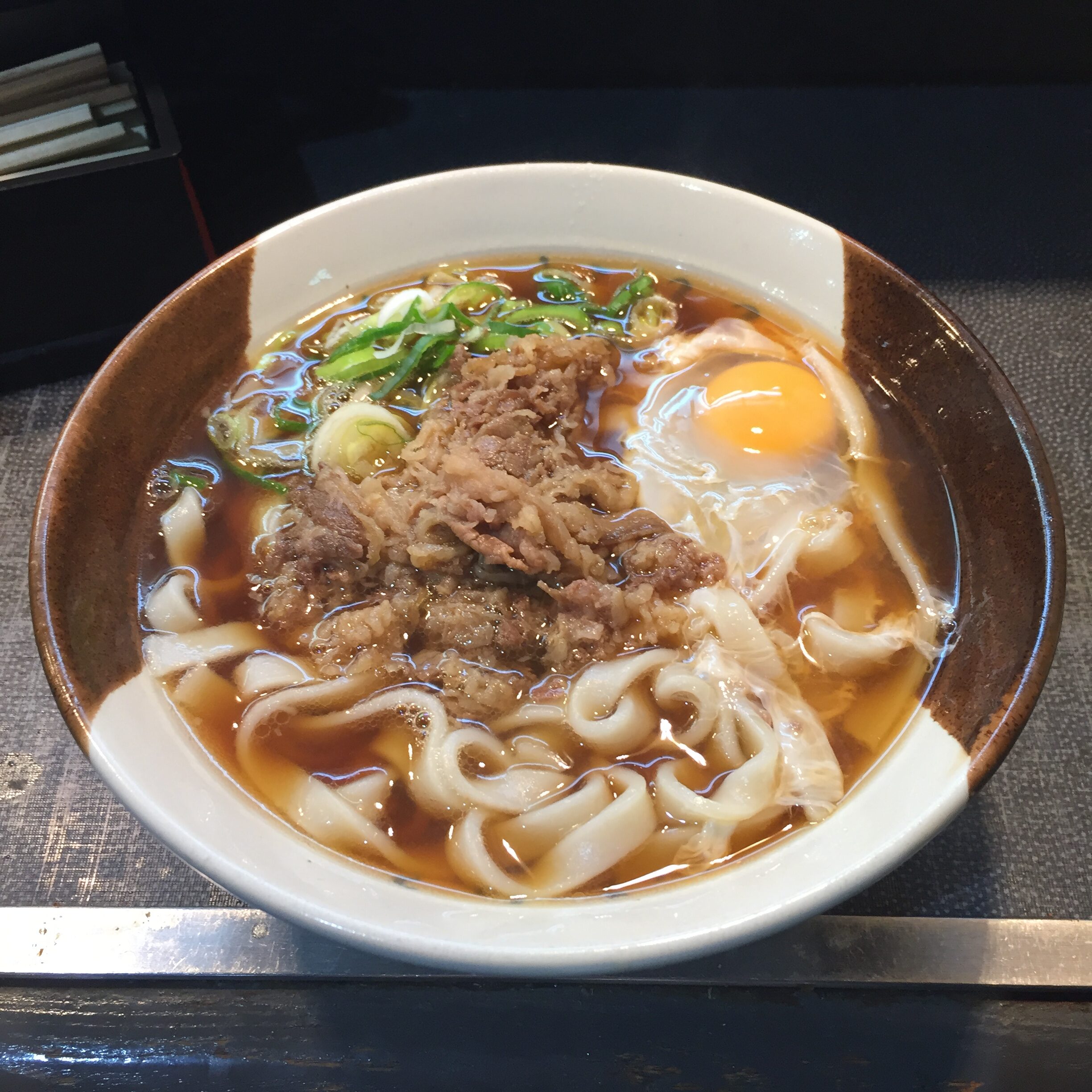
Kishimen is a type of udon noodle specific to Nagoya. The noodles are broad and very flat, with a smooth, chewy texture that is great at picking up the flavour of the soup. They are usually served in a simple, savoury broth made from dashi and soy sauce, and are often topped with fried tofu, spring onions, and flakes of dried bonito. You can find Kishimen stands on the platforms of the main train station.
Are you a foodie planning a trip to Japan? We’ve got the ultimate guide for you:
Experience Japan, Not Just Read About It
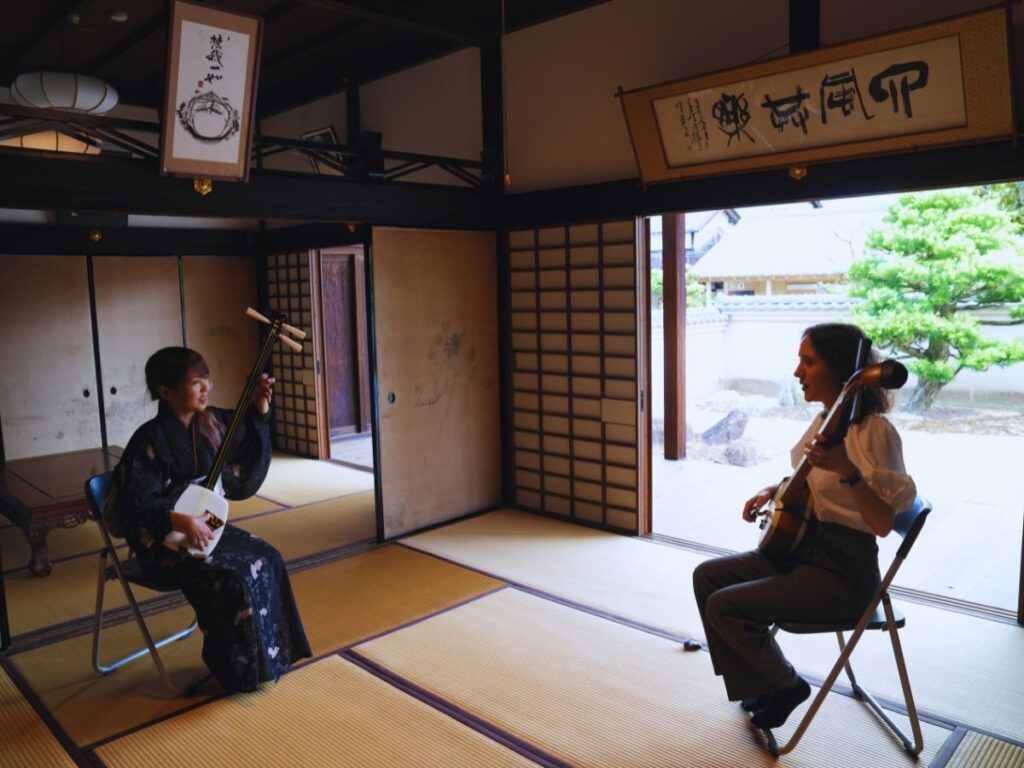
Guides like this can only take you so far. To really connect with Japan, nothing beats trying it first-hand — from sharing tea in a traditional ceremony to joining a local craft workshop. We’ll help you find and book experiences that make your trip truly unforgettable.
→ Explore Authentic Cultural Experiences in Japan
The Perfect 1-Day Nagoya Itinerary
Have just one day in the city? No problem. This itinerary is fast-paced, but it is designed to guide you through Nagoya’s main historic and modern sights in a logical route. It will give you a good feel for the city’s character and what makes it different from other places in Japan.
Morning: A Visit to the Castle
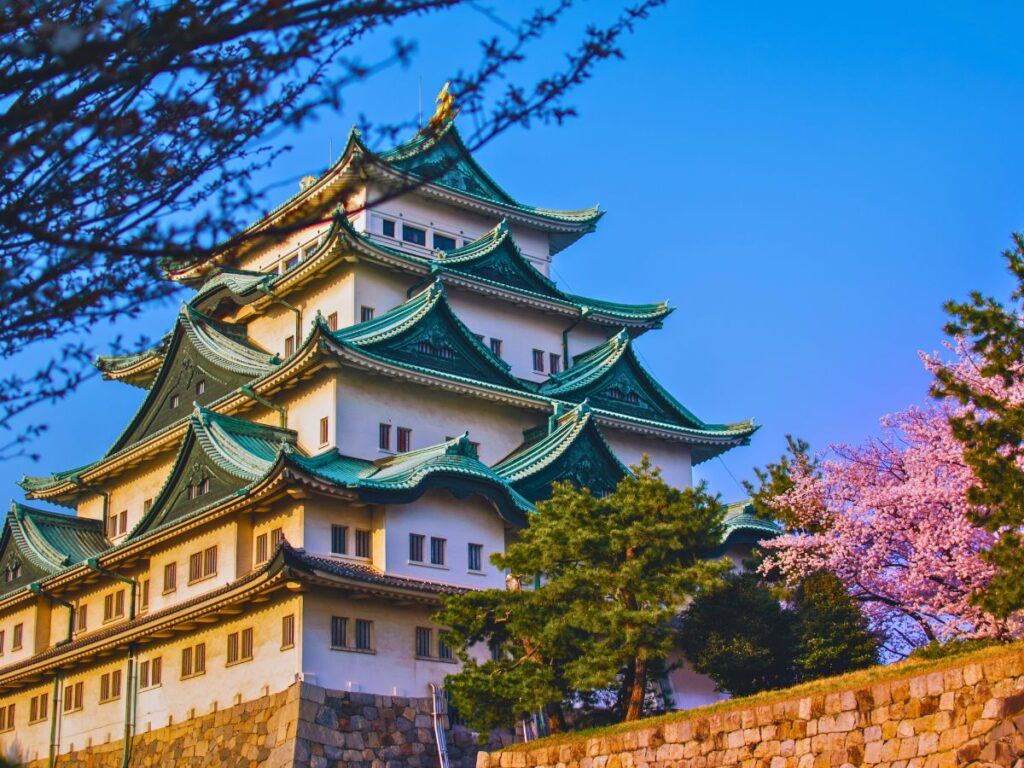
Start your day by heading to Nagoya Castle. Aim to arrive when it opens to experience the grounds before the main tour groups arrive. As you approach, you’ll see the impressive stone walls and wide moats that formed the castle’s original defences.
Once inside, take some time to walk through the park before entering the Hommaru Palace. This building was reconstructed using traditional techniques and materials, and inside you can smell the hinoki cypress wood and see the detailed paintings on the sliding doors (fusuma), which show the wealth of the former samurai rulers.
Midday: The Sakae District
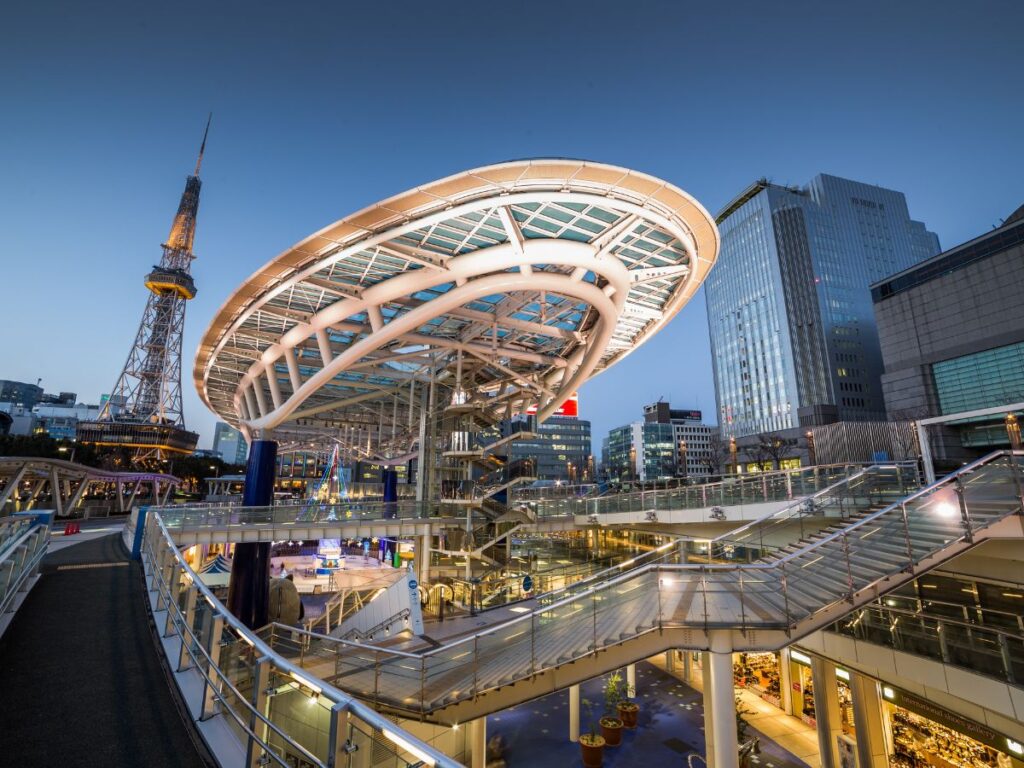
After the castle, it’s time to see modern Nagoya. Take the Meijo line subway a few stops from Shiyakusho Station to Sakae.
Start with a walk through Hisaya Odori Park, a long green space that runs through the middle of the district, with the Chubu Electric MIRAI TOWER at its centre. Afterwards, head to the nearby Oasis 21 complex.
While there are shops below, the main feature is the “Spaceship Aqua,” the building’s glass roof. You can go up and walk on a path through the thin layer of flowing water, which gives you clear photos of the tower and the surrounding area.
Lunch: Local Food in Sakae
By now, you’ll be ready for lunch, and Sakae has many options. The basements of the large department stores in the area (known as depachika) have extensive food halls and many good-value restaurants.
This is a great opportunity to try a Nagoya Meshi speciality. For a hearty meal, look for a place serving Miso Katsu. If you would prefer something lighter, find a noodle shop serving the local flat kishimen noodles.
Even just department stores in Japan are a fun stop. Read all about them here:
Afternoon: The Osu Shopping Area
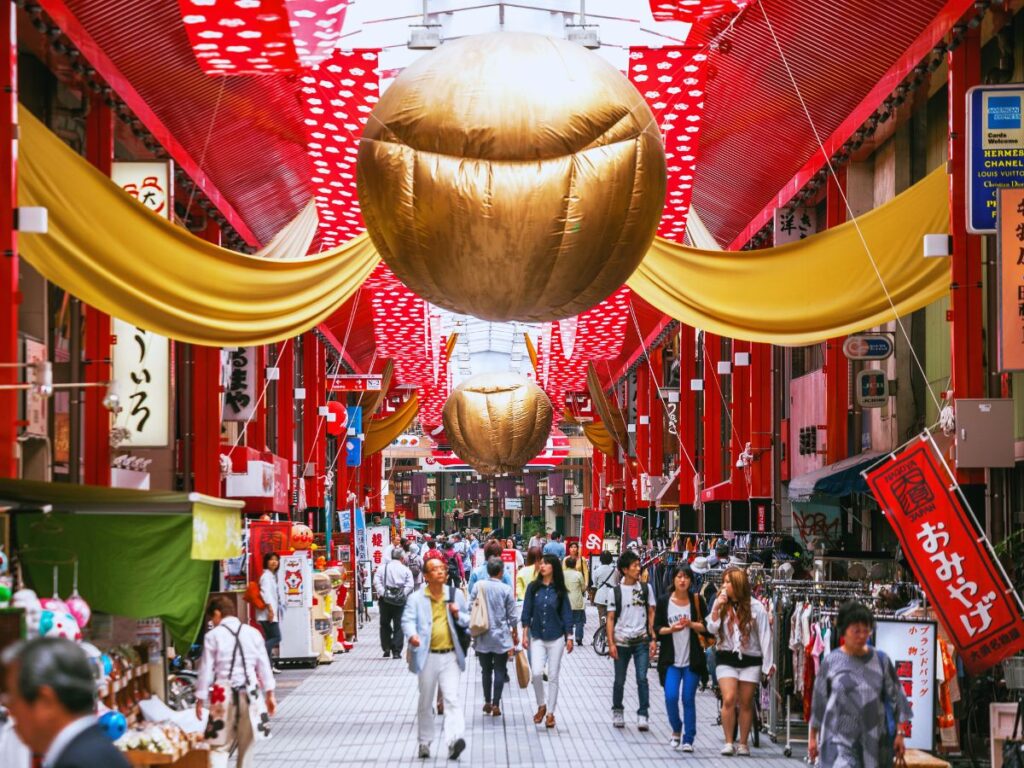
After lunch, head to the Osu district. It’s an easy fifteen-minute walk or a single stop on the subway from Sakae, but the atmosphere is completely different. You’ll notice a shift from modern department stores to a network of older, covered shopping arcades (shotengai).
Spend a couple of hours exploring these streets, where you’ll find a mix of family-run shops, stalls selling traditional snacks, stores for vintage clothes, and shops for retro video games and electronics.
At the district’s edge is the Osu Kannon Temple, where you can see locals making offerings and smell the incense in the air. The area also has many independent coffee shops that are good for a mid-afternoon break.
Evening: Dinner in Sakae
As evening approaches, make your way back to the Sakae district to see how it transforms after dark. The streets become busy with people heading to restaurants and izakaya (Japanese pubs) after work. It’s the main area for dinner in the city centre. For a classic Nagoya experience, find an izakaya and try another local speciality, tebasaki (peppery chicken wings), with a drink to round off your day.
Other than tebasaki, check out these other izakaya delights you should check out:
Day Trips from Nagoya
Nagoya’s central location and excellent train connections make it a superb base for exploring more of the Chubu region. If you have an extra day, these destinations offer a fantastic change of pace and are easy to reach.
Inuyama City
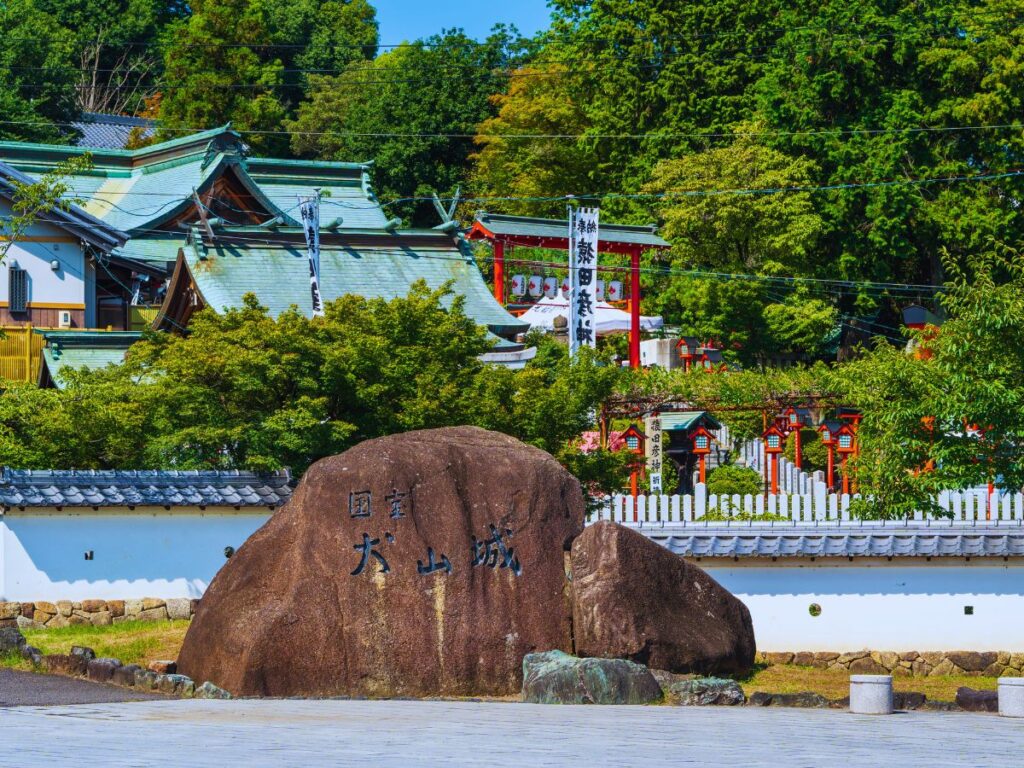
For a day trip that feels like stepping back in time, the small city of Inuyama is a lovely choice. The main destination is Inuyama Castle, which is one of only twelve original, unreconstructed castles remaining in Japan.
You can climb the steep, original wooden staircases right to the top floor and step out onto the balcony for a fantastic view over the Kiso River and the surrounding city. Below the castle, a well-preserved town area has old merchant houses, traditional sweet shops, and stalls selling local street food, making it a great place to wander for a few hours.
How to get there: Take a Meitetsu Inuyama Line train from Meitetsu Nagoya Station. The rapid limited express will get you to Inuyama Station in about 30-40 minutes.
Ghibli Park
If you are a Studio Ghibli fan, visiting Ghibli Park is a must-do, and Nagoya is the ideal city to stay in for your visit. Remember, this is not a theme park with rides, but a collection of wonderfully crafted areas that immerse you in the worlds of Ghibli’s films.
You can explore Ghibli’s Grand Warehouse, which is full of exhibits and iconic film sets, wander through Dondoko Forest from My Neighbor Totoro, or visit the Valley of Witches. Tickets must be booked online well in advance, as they sell out very quickly.
Worried about missing out on popular attractions? Read our guide to booking attractions in Japan:
How to get there: From Nagoya Station, take the Higashiyama subway line to Fujigaoka Station. From there, transfer to the unique Linimo train and get off at Ai-Chikyuhaku Kinen Koen Station, where the park is located. The total trip takes about 50 minutes.
The Kiso Valley (Magome & Tsumago)
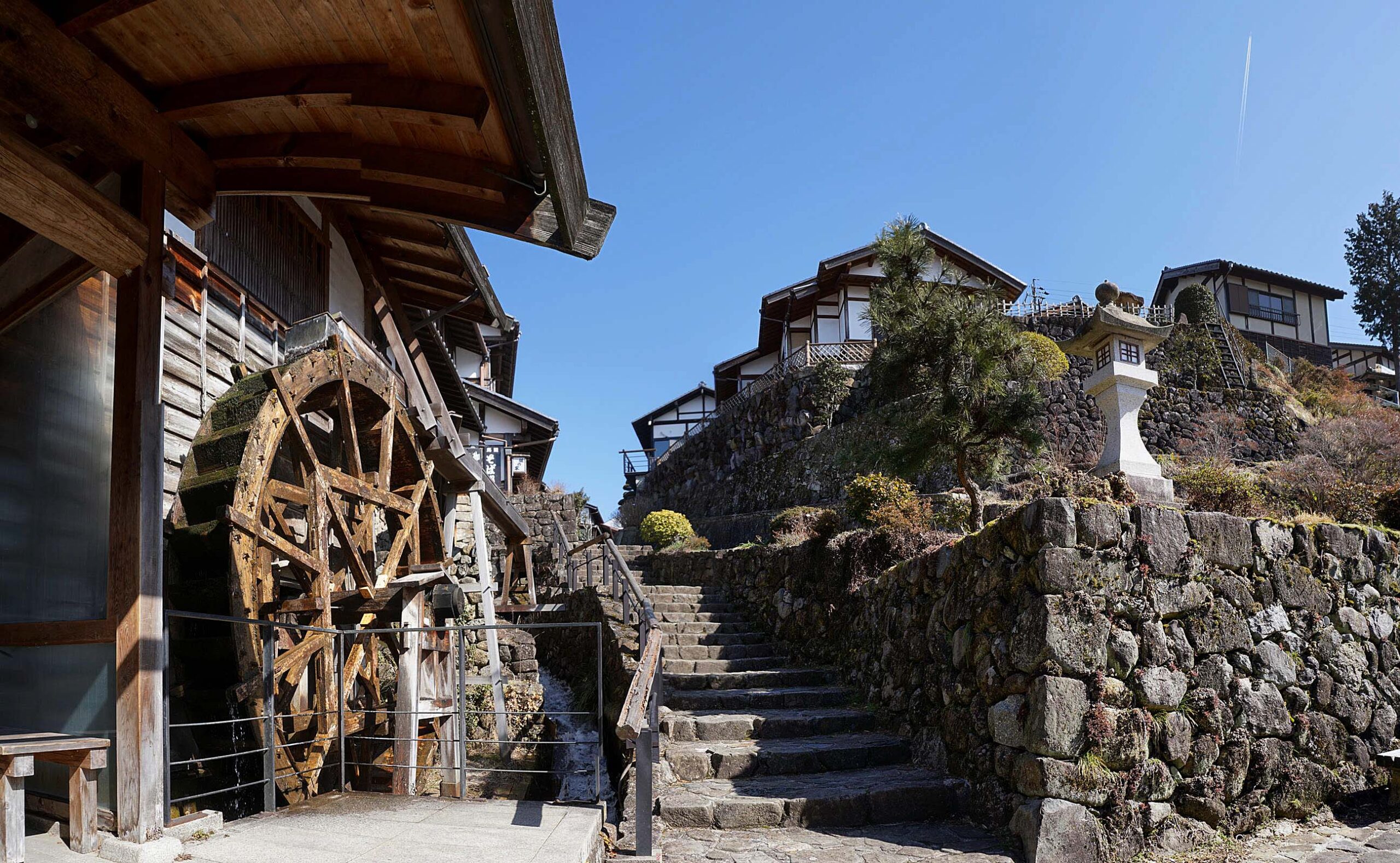
For travellers with a full day to spare, the Kiso Valley offers a memorable journey along the old Nakasendo trail, one of the five routes that connected Edo (now Tokyo) and Kyoto during the Edo Period.
Today, their main streets are preserved, with beautifully restored dark-wood buildings, water wheels, and small craft shops, and are closed to traffic. You can explore the towns and walk the 8km section of the original trail that connects them, a pleasant hike through forests and past small farms.
How to get there: From Nagoya, take the JR Shinano Limited Express train to Nakatsugawa Station. The train ride takes about 50 minutes. From the station, it is a 30-minute bus ride to Magome. To return from Tsumago, you can take a bus to Nagiso Station and then the train back to Nagoya.
Discover Japan with New Friends
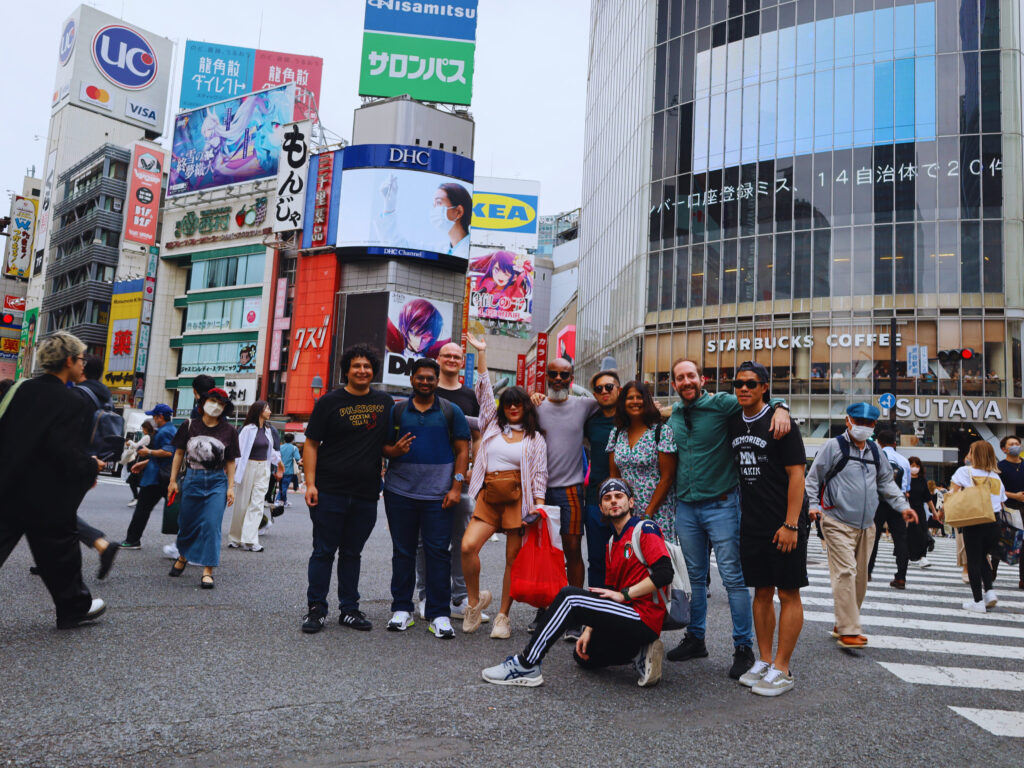
Love the idea of exploring Japan but don’t want to go it alone? Our small group trips are the perfect solution. Travel with like-minded people, share incredible experiences, and enjoy a perfectly planned adventure that feels like travelling with old friends.
→ Find Out More and Join Our Group Trips
Nagoya FAQs Answered
How many days do you need in Nagoya?
You can see the main highlights with one busy, well-planned day, like the itinerary in this guide. However, staying for two to three days allows you to explore at a more relaxed pace, visit the Toyota Museum without feeling rushed, and use the city as a base for a day trip to a nearby destination like Inuyama or the Kiso Valley.
Is Nagoya boring?
Nagoya sometimes gets a reputation for being boring, but this is a common misconception. While it doesn’t have the non-stop pace of Tokyo or the sheer number of ancient temples as Kyoto, it offers a different kind of energy. The city has a rich blend of samurai history at its castle, a look into Japan’s industrial development, and a unique food culture you won’t find anywhere else. For travellers interested in these things, Nagoya is anything but boring.
What is Nagoya famous for?
Nagoya is most famous for four key things: its history as a major castle town centred around Nagoya Castle; its role as an industrial powerhouse, being the home of Toyota; its distinct local cuisine known as Nagoya Meshi; and its position as the main gateway for visitors heading to the world-renowned Ghibli Park.
Is Nagoya a good base for exploring central Japan?
Yes, it’s one of the best. Nagoya’s location in the centre of Japan and its status as a major hub on the Tokaido Shinkansen line make it an ideal base. From here, you can easily take day trips to a wide variety of places, including the castle town of Inuyama, the historic post towns of the Kiso Valley, and even further destinations like Takayama in the Japan Alps.