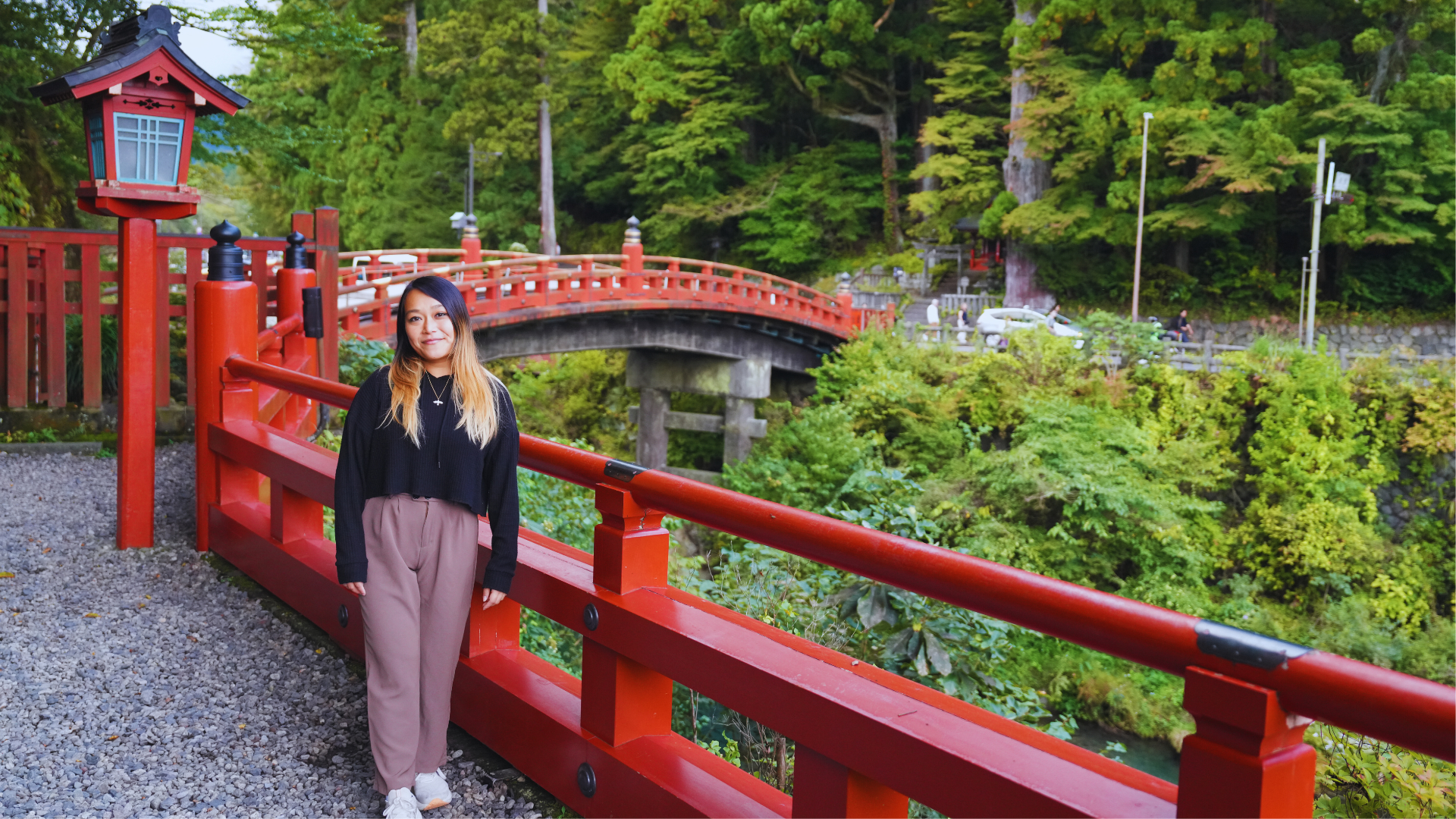
Oh, Nikko. The area is one of our absolute favourite places to visit in Japan. Firstly, it’s the perfect distance from Tokyo, making a Nikko day trip super convenient. Next, it has a little bit of everything you’d want from a Japanese destination: history, culture, sweeping natural beauty, great speciality food, and even local crafts to peruse or try out for yourself.
With so many things to do in Nikko, planning the perfect one-day itinerary might seem a little daunting…but don’t worry, we have you covered! In this Nikko Area Guide, we’re sharing everything from how to get there from Tokyo, to what things to do in Nikko, and our travel agency’s recommended one-day Nikko itinerary.
Got an Upcoming Japan Trip?
Why not let us help you? We’re a boutique Japan travel agency with everything from $1/day itineraries to full-service bespoke travel planning. We run tours of the major cities in Japan, or you could consider a group trip to visit Nikko alongside like-minded international travellers from around the world.
A Quick Overview of Nikko
Nikko is a small Japanese city located in Tochigi Prefecture, just north of Tokyo, and probably best known for the UNESCO World Heritage site of Toshogu Shrine, which is a gorgeous set of buildings found in the just-as-gorgeous mountains (more on this below).
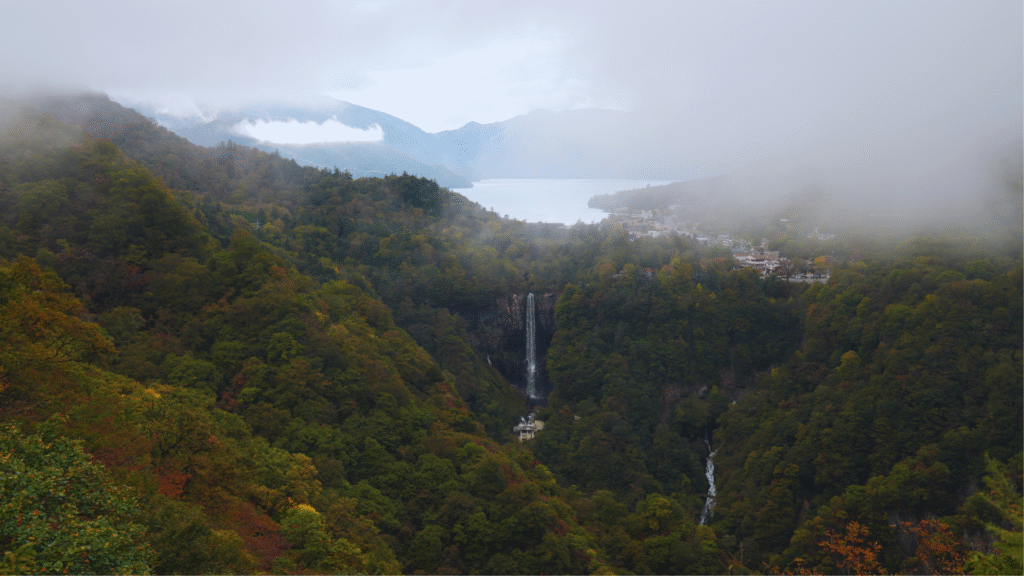
Beyond the shrine, Nikko offers just spectacular natural landscapes like Kegon Falls, Lake Chuzenji, and the Senjogahara Marshland. The area is actually part of the greater Nikko Kokuritsu Koen, a protected national park. You can hike, go canyoning, and take bike tours in the warmer months, or snowshoe and hit the onsen in colder weather. Nikko is particularly popular in autumn for its extraordinary momiji (red Japanese maple leaves), which transform the mountainsides into dramatic reds and golds.
How to Get to Nikko from Tokyo
Like we said, one of the reasons we especially love Nikko is that it is just so easy to get to from Tokyo. There are a few options, most of which take no more than two hours.
Riding the Spacia X with Tobu
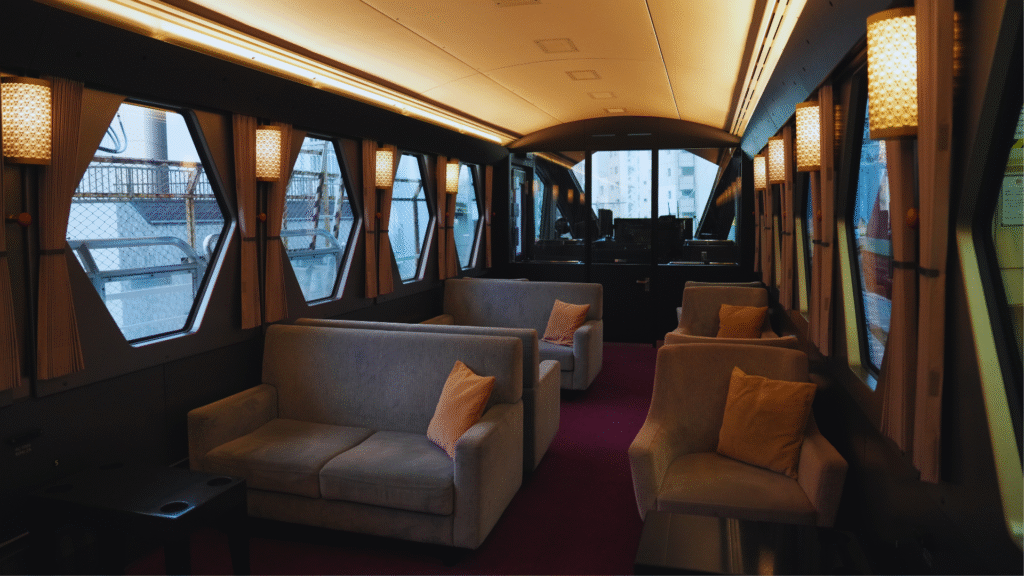
The Spacia X is Tobu Railway’s newest premium limited express train that runs directly from Asakusa Station in Tokyo to Tobu-Nikko Station. The ride takes about one hour and fifty minutes through the Japanese countryside.
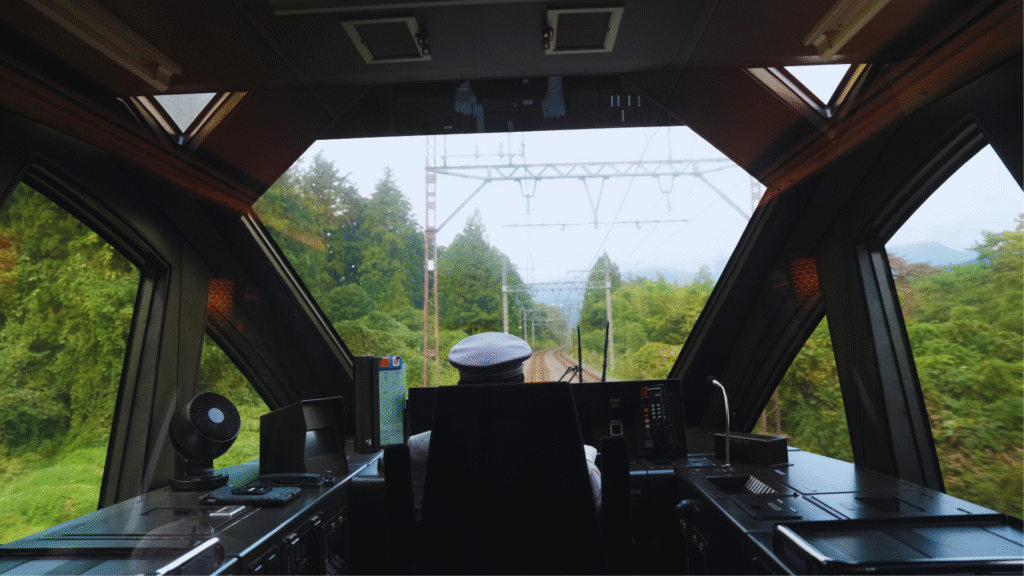
The Spacia X started running in 2023 and was designed to make the journey to Nikko more enjoyable with luxury options. The train has panoramic windows, sleek interiors, and even an onboard cafe lounge. When buying your ticket, you can choose from Standard Seats, Premium Seats, cosy Box Seats, private Compartments, the elegant Cockpit Lounge, or the exclusive Cockpit Suite at the front of the train, which gives you complete sweeping views of the tracks ahead.
Route: Asakusa direct to Tobu-Nikko
Time: One hour and fifty minutes
Cost: From ¥3,340 ($23)
JR Trains
If you have a JR Pass that covers Tokyo and Tochigi (e.g., the JR East Tohoku Pass), then you might want to opt for the JR train route. You ride the Tohoku Shinkansen from Tokyo or Ueno Station for around 50 minutes to Utsunomiya, then change to the JR Nikko Line and ride for another 45 minutes to JR Nikko Station.
Route: Tokyo/Ueno to Utsunomiya to Tobu-Nikko
Time: One hour and forty-five minutes
Cost: ¥5,000 ($34) one-way
Car
It’s also possible to drive from Tokyo to Nikko directly if you have/rent a car in Japan. This does take a bit longer than the train, and you’ll have to pay tolls, making it just as expensive, however, it also means you’ll have all the freedom in the world once you arrive. Getting around central Nikko on foot is easy, but most of the other attractions can be tricky to get to without a car. Driving opens up a lot of possibilities.
Route: Take the Tohoku Expressway (E4) heading northbound toward Utsunomiya, then transfer to the Nikko-Utsunomiya Road (E81)
Time: Two to three hours
Cost: Around ¥4,000 ($27) to ¥5,000 ($34) in tolls one-way
Things to Do in Nikko Japan
Toshogu Shrine
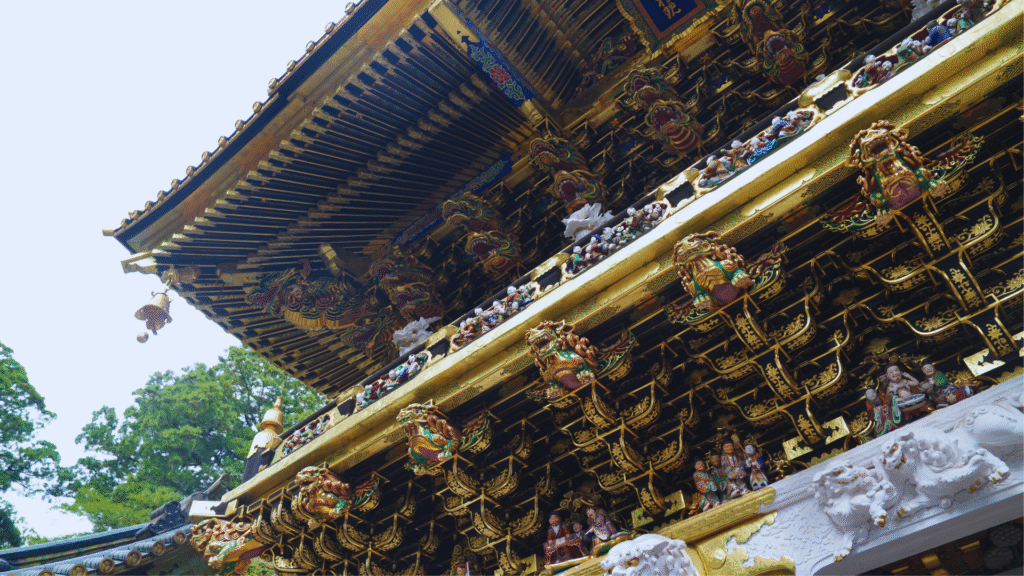
No visit to Nikko is complete without a stop at the amazing Toshogu Shrine. The complex dates back to 1617, built as the mausoleum of Tokugawa Ieyasu, the founder of the Tokugawa Shogunate, which ruled Japan for over 250 years.
The shrine is incredibly beautiful, being nestled in the mountains and displaying some pretty amazing wood carving and brightly coloured decoration. It’s also the home of the super famous see no evil, hear no evil, speak no evil monkey trio statues.
Nikko Wood Carving (Nikko-Bori)

Nikko-bori is a highly detailed form of wood carving that originated in Nikko during the Edo period. Artisans carve intricate patterns, often inspired by nature, dragons, and floral motifs, for instance, the ornate decorations you see at Toshogu Shrine.
You can explore many of the small artisan shops in Nikko to find a Nikko-Bori souvenir to bring home, or alternatively, take the experience to a whole new level with a workshop. These classes are beginner-friendly and teach you the basics of the local craft.
Kegon Falls


Kegon Falls is a scenic waterfall west of central Nikko. The 97m drop is gorgeous all year round, surrounded by cherry blossoms in spring, bright green foliage in summer, gorgeous red leaves in autumn, and pristine snow in winter.
What’s more, you can view the waterfall from below by riding an elevator 100 metres down through the rock to a lower observation platform near the base of the waterfall. The elevator ride itself only takes about one minute, and tickets cost around ¥570 ($4) for adults and ¥340 ($3) for children.
Akechidaira Ropeway
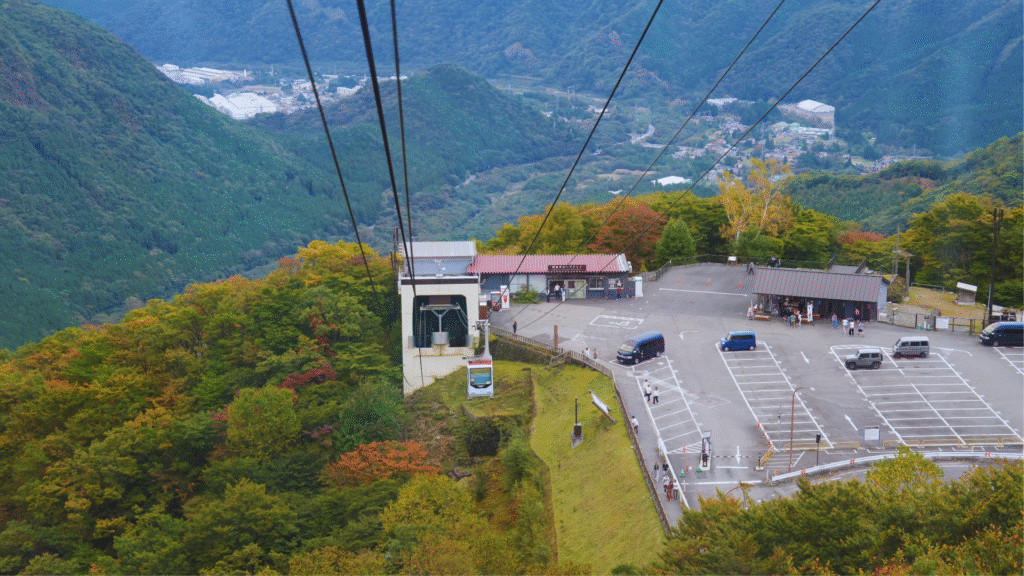
The Akechidaira Ropeway is a short but spectacular cable car ride that takes you to probably the best panoramic viewpoint in the entire region. It connects the Akechidaira Plateau with the Akechidaira Observatory, which sits high above the valley and overlooks a lot of the other things to do in Nikko on this list, like Kegon Falls and Lake Chūzenji.
The ropeway ride lasts only about three minutes each way, but the view from the top is breathtaking. It operates seasonally, usually from April to November, and may close during winter or bad weather due to strong winds or fog. A round-trip ticket costs around ¥730 ($5) for adults and ¥370 ($3) for children.
Lake Chuzenji
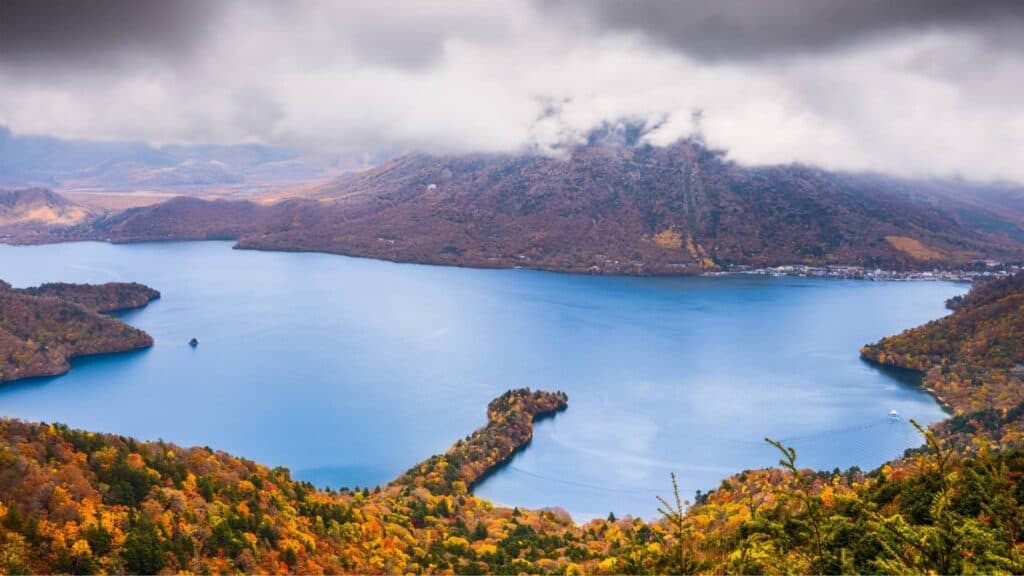
Let’s talk about Lake Chuzenji. First things first, you need to know that lake swimming really isn’t a thing anywhere in Japan. It’s considered quite dangerous and is prohibited in most lakes. However, that doesn’t stop Lake Chuzenji from being one of the most beautiful (and fun) things to do in Nikko.
In spring and summer, visitors can enjoy scenic boat rides, lakeside walks, and cool mountain air, whilst autumn means outdoor onsen visits to enjoy the autumn leaves. It is so scenic, in fact, that Lake Chuzenji is the home of both the British and Italian Embassy Villas, which can now be visited for open verandas, 180-degree views of the lake and surrounding mountains, and just a touch of history.
Senjogahara Marshland
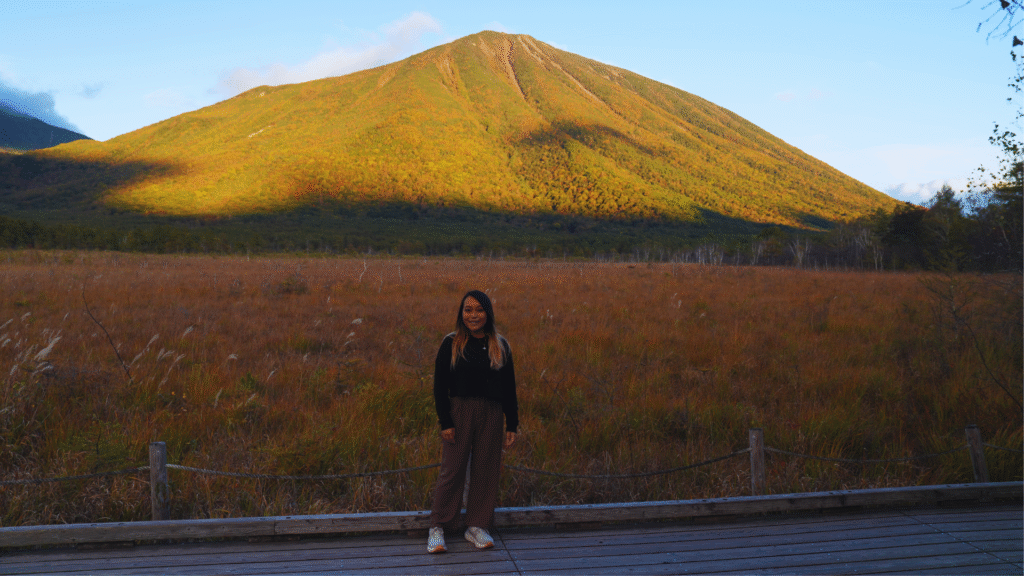
Senjogahara is an area quite close to Lake Chuzenji, which (if you couldn’t guess from the name) is also a marshland. It’s a popular area for nature hikes where you can enjoy lovely views of the Senjogahara plateau and surrounding mountains. There’s a lot of wildlife in the area, and you’re likely to come across plenty of animal tracks for sika deer, Japanese serow, doormice, and even macaque monkeys and black bears!
The main boardwalk trail is about 4km (round trip) and takes roughly one to two hours at a leisurely pace. There are also lots of other longer and shorter routes to take through the area. Be aware that the area is at a slightly higher altitude, so it tends to get chilly earlier in the year, with plenty of snow by mid-December.
Canyoning
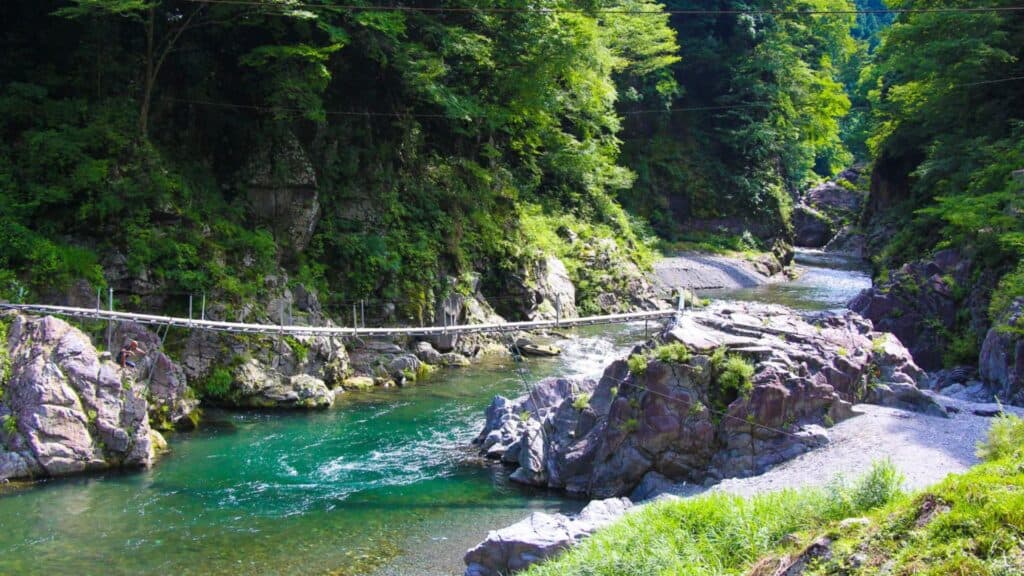
As part of a protected national park, Nikko is surrounded by lush forests and crystal-clear streams that make the perfect setting for a summer canyoning tour. There are lots of waterfalls, rock slides, and deep pools where you can jump and swim, in an activity that’s great fun for the whole family. If canyoning is a little too extreme, most of the tour providers also offer some slightly chillier-paced options like white water rafting and guided bike tours.
Onsen Towns
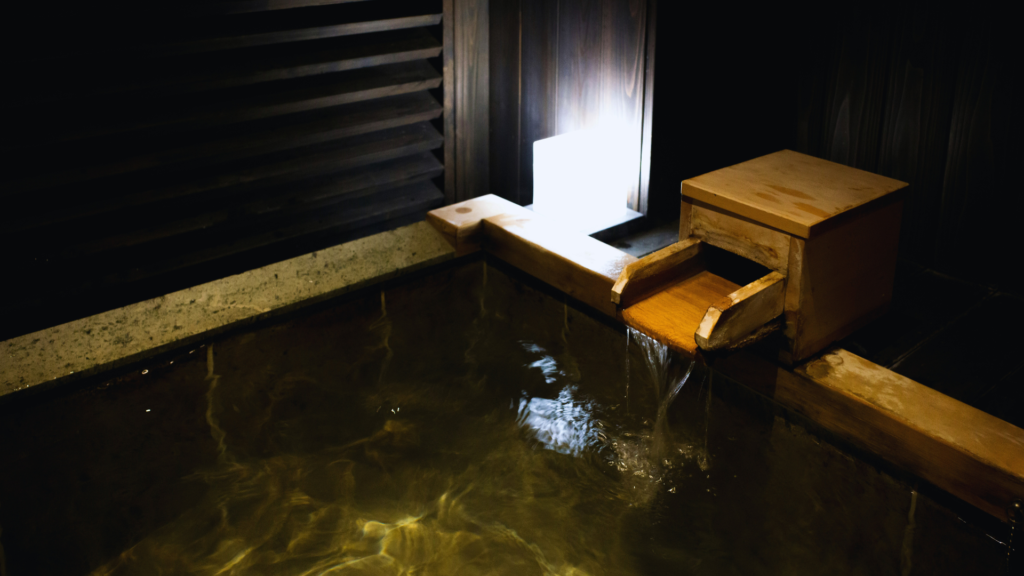
As we’re sharing this post, onsen season is just beginning in Japan. It’s that time of year when there’s a chill in the air, and nothing sounds more comforting than a dip in an onsen…which Nikko happens to have a lot of.
These picturesque onsen towns are built around natural hot springs with both ryokan onsen and day-use options. Kinugawa Onsen is along the scenic Kinugawa River with nearby hiking and river cruises, and you can also reach it directly from Tokyo on the Spacia X.
Elsewhere, Yumoto Onsen is tucked high in the mountains near Lake Chūzenji, and is a quieter option for nature-fed hot springs. Then Chuzenji Onsen, on the northern shore of Lake Chūzenji, is easier to get to with no shortage of lovely views.
Try Yuba

One major thing to do in Nikko is to try the local speciality food yuba, or tofu skin in English. Trust us, it’s so much more delightful than it sounds. Made from the thin layer that forms on the surface of boiled soy milk, yuba has a delicate, silky texture and a subtle, nutty flavour. You can enjoy it in a variety of ways, such as fresh in hot udon, rolled in sushi, or even lightly fried.
Many restaurants and ryokan around Nikko serve yuba, or you can buy some as a souvenir to bring home and try. Just look out for the characters 湯葉 (or sometimes ゆば) to be able to find it for yourself! There are even yuba-making classes you can take to make it for yourself.
Tobu World Square
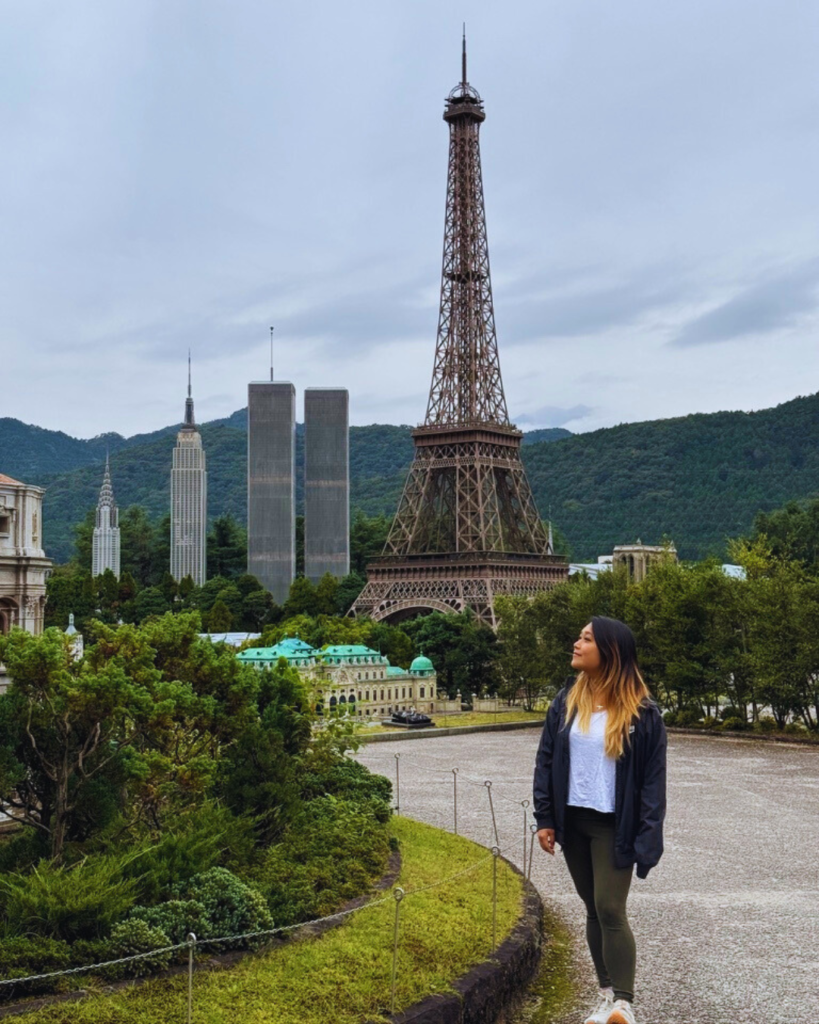
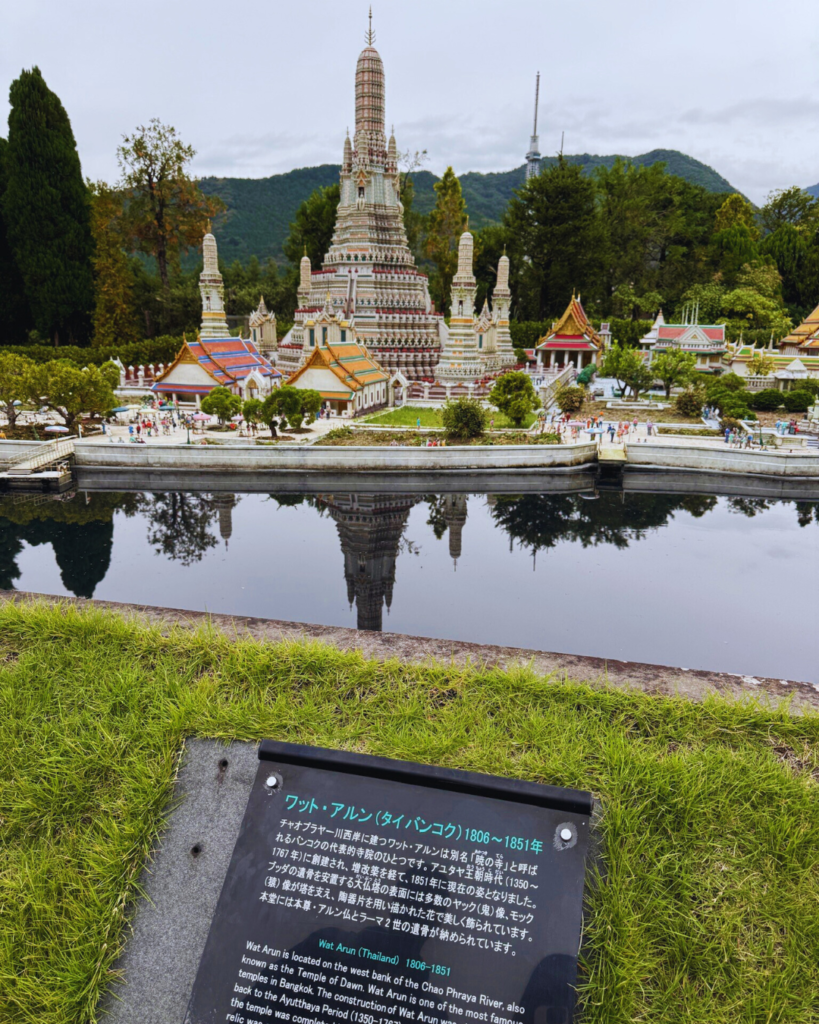
This might just be Nikko’s most unique activity. Tobu World Square is a miniature theme park that features exact 1:25 scale replicas of famous landmarks from around the world with thousands of mini figurines. You can “travel” from the Eiffel Tower to Big Ben to the Statue of Liberty and through multiple miniature Japanese temples, all in one visit.
The park is located in the Kinugawa Onsen area, which takes only about 30 minutes by bus from Nikko, or you can get off the train at the convenient Tobu World Square Station. Outside the park, you’ll also find lots of restaurants where you can get lunch (including yuba speciality spots), and there are often local craft stands too…just be ready for many of them are dog-themed. This is because Tobu World Square is very dog-friendly, with dog photo spots, a doggy nursery, and even pet stroller rentals.
Where to Stay in Nikko
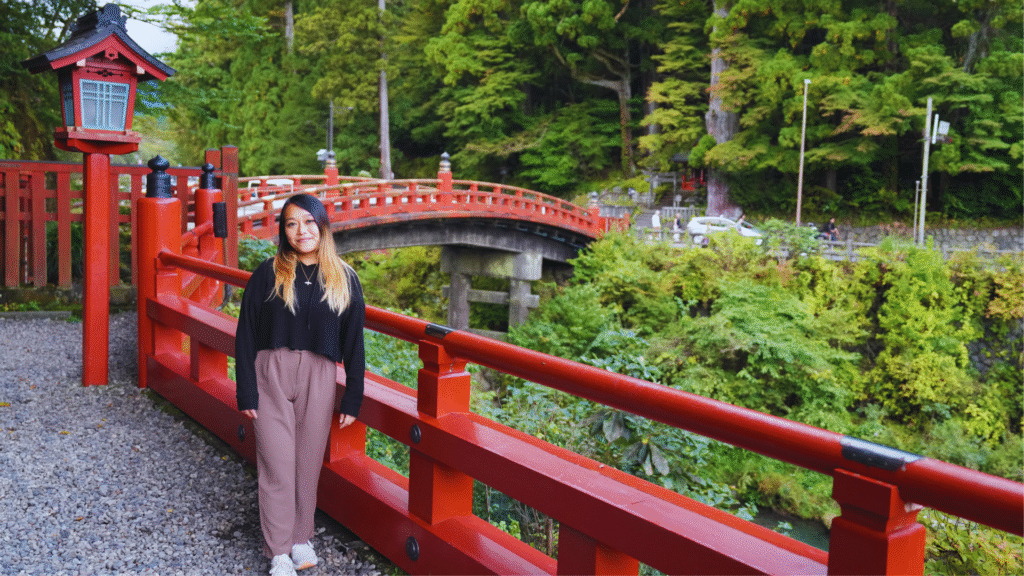
There are many, many options when it comes to staying in Nikko, primarily because the area is home to lots of really beautiful boutique ryokan. These traditional inns can often be a little expensive, but they’re also one of the most cultural and special experiences you can have in Japan.
Where to Stay in Nikko: Hotels
- Budget: Cozy Inn
- Mid-Tier: Nikko Station Hotel Classic
- High End: Kanaya Hotel
- Luxury: Ritz-Carlton Nikko
Where to Stay in Nikko: Ryokan
- Mid-Tier: Nikko Hoshino Yado
- High End: Oku Nikko Hotel Shikisai
- Luxury: Hotel Tokugawa
Nikko 1-Day Itinerary
Want to visit Nikko on a day trip from Tokyo (or longer)? This is the itinerary we recommend to our clients to get the most out of their Nikko adventure:
Morning
Start by taking the Tobu Special Limited Spacia X train direct from Asakusa to Tobu-Nikko station. The earlier you leave, the more time you’ll have in Nikko (and the more crowds you’ll be able to avoid). Make sure to grab a conbini breakfast before boarding to eat whilst enjoying the pretty landscape from the train.
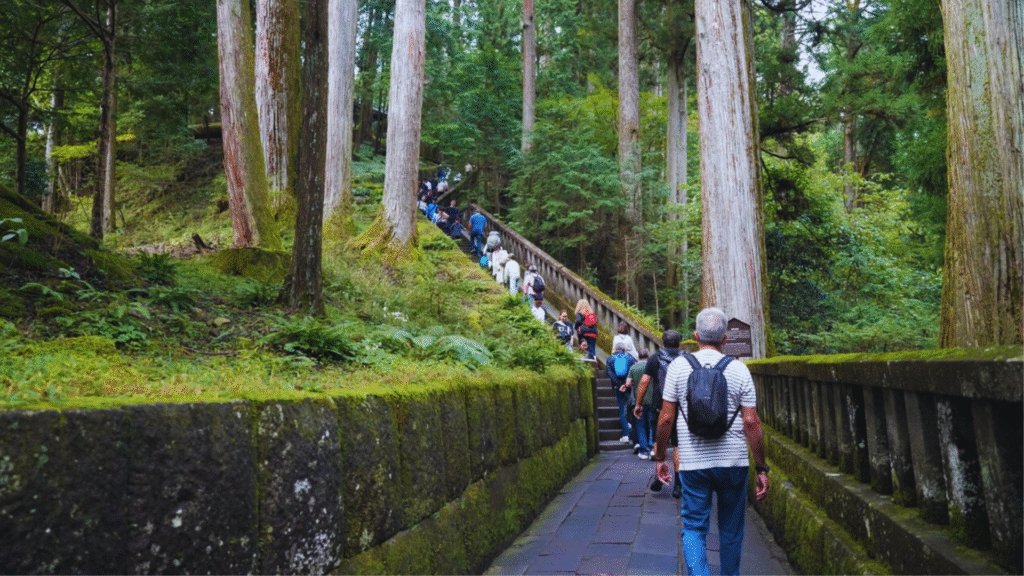
Once in Tobu-Nikko, it’s time to head straight to the Toshogu Shrine. You can take a 15-minute taxi or take the bus, however, if you’re up for the 35-minute (at times uphill) walk, we really recommend going on foot. Along the way, you’ll find lots of little craft stores, street food vendors, and some impressive sights.
To enter Toshogu Shrine, you’ll need to grab a ticket for ¥1,300 ($9), then pass through the grand Yomeimon Gate. Inside, you’ll immediately be able to see the ornate carvings and intricate details that Toshogu Shrine is known for, including the famous Three Wise Monkeys and Sleeping Cat sculptures. At the back of the grounds and up a steep flight of steps is the actual Tokugawa Mausoleum. The atmosphere up above the trees is quiet and reflective, with amazing views and more beautiful wood carvings.
Whilst at the shrine, you can also take part in traditional shrine rituals by purifying your hands and mouth at the temizuya, offering a prayer at the main hall, or picking up an omamori (traditional amulet) for luck.
Afternoon

For lunch, we really think you should try Nikko’s speciality yuba. If it’s colder outside, then nothing beats a hot bowl of udon with yuba as a topping or yuba donbori (rice bowl). For hot weather, you might want to go sashimi style, where you dip cold yuba into soy sauce.
Start the afternoon by catching the bus or taking a taxi to Kegon Falls, then ride the elevator down to the base of the waterfall. This is an excellent spot for photos, and across the parking lot is also the Nikko Natural Science Museum, with plenty of interactive exhibitions for kids.
Next, make the short trip up to Akechidaira Ropeway. It’s a three-minute ride to the observation platform, which rewards you with 360-degree jaw-dropping views of the landscape.
Evening
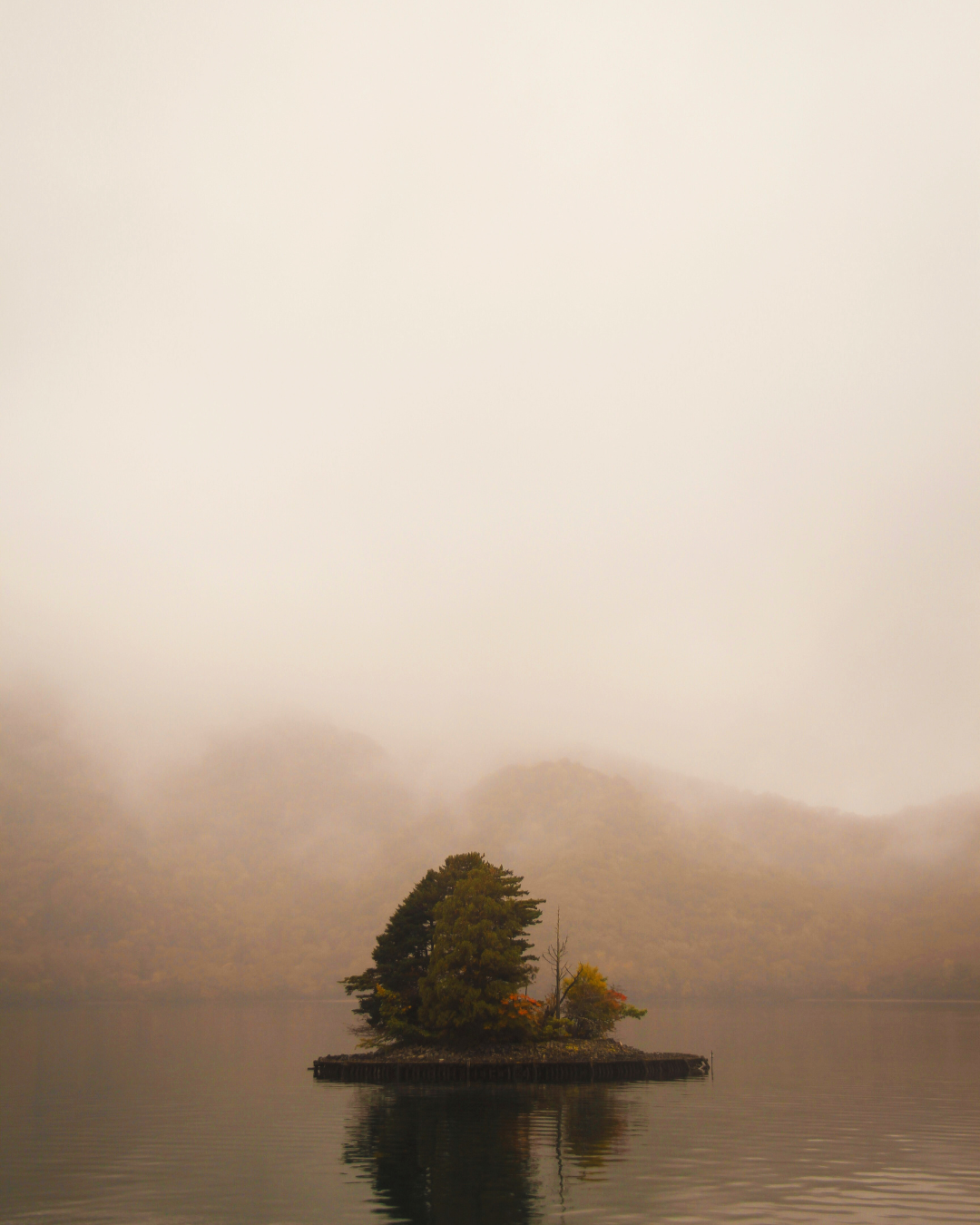
The best place to watch the sun going down in Nikko is from an onsen. You’ll be nearby to Chuzenji Onsen town, or you can choose to visit one of the onsens closer to central Nikko, just be sure to check for an outdoor bath. Also, remember that if you have tattoos, you will need to check if the onsen is ink-friendly first.
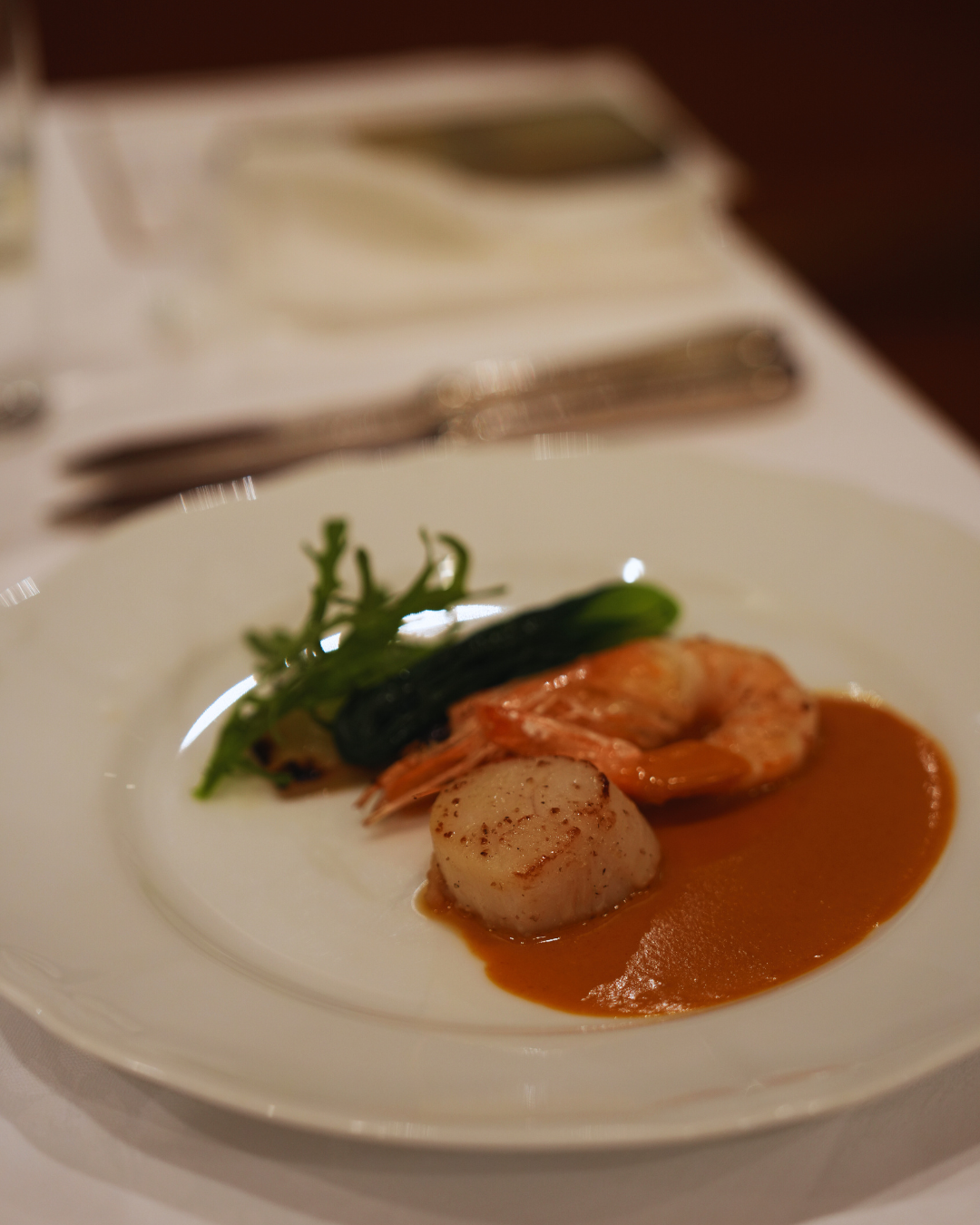
After soaking in the mineral-rich hot water, we’re sure you’ll be very ready for dinner. As the Nikko National Park is filled with freshwater rivers, there’s also no shortage of fresh river fish to enjoy, like trout. Grilled fish is a staple of the region, and enjoying it in a set-course meal is a great way to try other local produce like pickles and miso soup.
End the day by hopping on the train back to Tokyo. This is also the ideal time to crack open any special Nikko snacks you picked up during the day, like dried yuba, senbei crackers, and kuri (chestnut)-flavoured sweets.
If You Have More Time
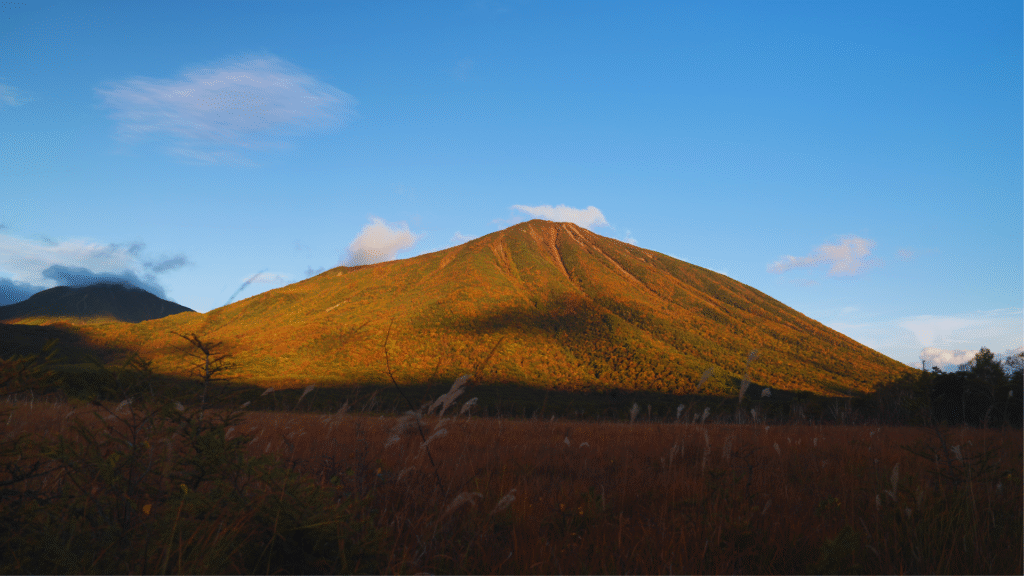
Now, if you’re lucky enough to have time to spend the night in Nikko, then you can unlock some of the most magical (and less touristy) experiences. We recommend booking a ryokan near Lake Chuzenji for the truly tranquil vibes and wonderful sunset/sunrise views.
In the morning, take a boat across the lake to Chuzenji Temple, where you can not only see a beautiful historic building, but also take part in zen cultural experiences like sutra copying and bead bracelet making.
Senjogahara Marshland shouldn’t be too far, where you can enjoy a nature walk. The main boardwalk trail is an easy 4km walk, or you could choose the 8km trail that leads to Yumoto Onsen for another natural hot spring dip.
In the afternoon, you can head back to central Nikko and take a Nikko-Bori wood carving workshop. The class will teach you some of the artistry behind the traditional craft, and leave you with a beautiful handmade souvenir to bring home.
Nikko FAQs
Where is Nikko in Japan?
Nikko is a small city in Tochigi Prefecture, about 140 kilometres north of Tokyo. It is located in the mountains of Nikko National Park.
Is Nikko worth visiting?
Absolutely! Nikko is famed for its UNESCO World Heritage shrines and temples, natural beauty, onsen, and local culture, making it a must-visit destination for culture and nature lovers alike.
What is there to do in Nikko?
There is so much to do in Nikko! There’s sightseeing, hiking, adventure activities, onsen visits, and cultural experience workshops all within a relatively small area.
Is going to Nikko a full-day trip?
A trip to Nikko needs at least one full day, especially if travelling from Tokyo. It’s two hours on the train each way, with a lot of things to do in Nikko itself once you arrive. In fact, we actually recommend staying one night in Nikko to have the full experience.