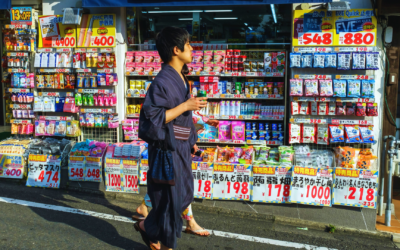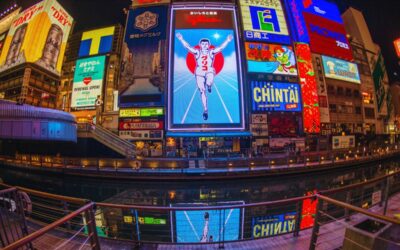

Let’s be real for a second. In the age of global e-commerce, the phrase “things you can only buy in Japan” is technically a bit of a stretch. Yes, you could probably find almost anything on this list online from your couch in New York. But do you really want to pay $20 in international shipping for a $9 pack of regional KitKats? Or navigate sketchy third-party sites just to wait a month for a squashed box of Tokyo Banana and a heavily marked-up bottle of sunscreen? Exactly.
Shopping in Japan is not just about forced exclusivity anymore. It is about the thrill of the hunt and knowing you are getting the authentic item straight from the source. You also get to take full advantage of tax-free shopping to completely avoid those ridiculous import fees. From heritage crafts that have been perfected over centuries to the quirky convenience store finds that go viral overnight, hunting down these items is half the fun of your holiday.
If you want to upgrade your skincare routine with domestic beauty brands, bring home a piece of artisan history, or just stuff your suitcase full of our favourite rare snacks, this list covers the absolute best things you can only buy in Japan to track down on your travels.
Before you start making extra room in your luggage, make sure your basic trip plan is locked in. Head over to our Ultimate Japan Trip Planning Guide for a step-by-step roadmap that helps you pick your base and set a budget (so you have more to spend on your shopping spree!).
Let’s dive into the finds.
Skincare and Cosmetics
Japanese beauty products are famous for a very good reason. They just work. The formulas are brilliant, and buying them here means you can get your hands on seasonal items you cannot find anywhere else. Plus, the price difference for luxury brands when you buy them tax-free in Japan is absolutely massive. It is a no-brainer.
1. SK-II Pitera Essence
If you are into premium skincare, you already know about this miracle liquid. Buying it domestically in Japan is vastly cheaper than getting it back home, with prices starting around 11,000 yen for a smaller bottle and going up to 25,000 yen for the largest size. Do not bother looking for this brand in a standard drugstore because you will just waste your time. You have to go straight to the high-end department store beauty counters at places like Isetan, Mitsukoshi, or Takashimaya. Bring your passport to the counter to claim your tax-free discount for even bigger savings.
2. Decorté Liposome Advanced Repair Serum
Don’t let the French-sounding name fool you. Decorté is actually a 100% Japanese luxury brand owned by the Kosé Corporation, which is one of the biggest cosmetics companies in Japan. The brand’s Liposome Advanced Repair Serum is another luxury powerhouse that you simply will not find next to the toothpaste in a local pharmacy. It is a premium department store staple that many fans say completely transforms dehydrated skin. Prices range from about 8,000 yen for a 30ml bottle to 15,500 yen for the larger 75ml size. Head to the glossy beauty floors of the big luxury malls to find their dedicated counters.
3. LuLuLun Daily Sheet Masks
Pick up these bulk-pack sheet masks at local drugstores like Matsumoto Kiyoshi or Welcia. They cost around 550 yen for a seven-day travel pack or roughly 1,800 yen for a massive box of thirty-two. They are perfect for daily hydration and make brilliant, budget-friendly souvenirs for your friends back home (not to mention they often have very cute seasonal packaging designs).
You can even hunt down the regional exclusive versions. Different prefectures have their own special editions based on local ingredients, like the Tochigi strawberry masks near Nikko or the premium matcha ones in Kyoto. They make for incredibly fun and unique souvenirs.
4. Bioré UV Aqua Rich Watery Essence
This is the undisputed king of lightweight sun protection and an absolute must-buy. It typically costs between 700 and 1,000 yen depending on which pharmacy you visit. You can find it in almost any local drugstore or convenience store across the country. I honestly personally swear by this one. It does not leave a greasy white cast on your skin and sits perfectly under makeup, which is why it is my go-to before heading out for a long day of sightseeing. Buy at least three tubes because you will miss it when it runs out.
5. Melano CC Vitamin C Serum
This is a brilliant, inexpensive addition to your routine if you are looking to brighten up your complexion. You will find it in the skincare aisles of any standard drugstore for about 1,000 to 1,200 yen. It comes in a clever little tube that stops the vitamin C from spoiling, which is a massive bonus. It is incredibly popular right now, so if one shop is sold out, just walk a few minutes down the road to the next pharmacy.
6. Kumano Makeup Brushes

Skip the cheap plastic applicators and invest in some proper heritage tools. These are the best artisan makeup brushes you can buy, handcrafted by experts in Hiroshima. They will completely change how your makeup goes on, and I absolutely refuse to use anything else for my powder. Look for them in high-end beauty boutiques or the specialty cosmetic floors of major department stores. A high-quality face brush will cost you anywhere from 4,000 to 15,000 yen, but it is a true investment piece that will last for years.
7. Suqqu Exclusive Colour Palettes
If you want the really exclusive stuff, you will want to queue up at a department store counter for these. Suqqu releases seasonal eyeshadow colours that you simply cannot find overseas. Just check out the drool-worthy shades of the Signature Color Eyes from their Spring Color Collection 2026!
At around 8,000 yen per palette, it is the perfect brag-worthy souvenir to bring home for the makeup-obsessed. The powders are incredibly finely milled and blend like an absolute dream. Be warned that the limited edition colours sell out very quickly, so try to visit the counter early in the day.
8. RMK Makeup Base
This is a legendary primer in the Asian beauty community that gives you the perfect glass-skin look. Just like Suqqu and SK-II, you need to head to the department store beauty counters to find it. It costs around 4,000 yen and creates the most flawless base for your foundation. Buying it here saves you from those terrible international shipping markups and guarantees you are getting fresh stock straight from the source.
Pharmacy Medicines and Quick Fixes
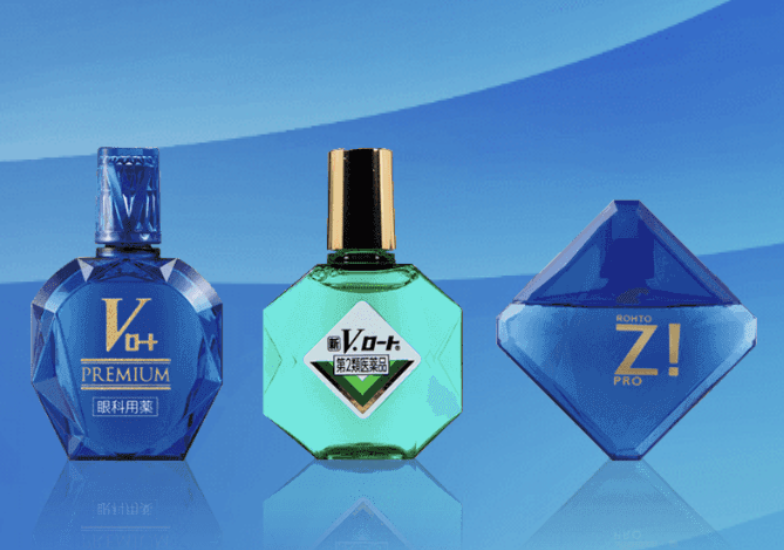
Japanese pharmacies offer clever fixes for sore feet and travel headaches that you will end up wishing you had back home. Just a quick heads-up before you start filling your basket. We are travel experts, not medical professionals, so please check with your doctor back home if you have any specific allergies or health conditions before trying new remedies.
Also, a quick warning. Skip the massive drugstores right on the main streets of Shibuya or Dotonbori because they have terrible queues. Walk two streets over to a quieter neighbourhood instead.
9. Rohto Cooling Eye Drops
If you have never tried Japanese cooling eye drops, you are in for a shock. Putting these in feels exactly like splashing ice water directly onto your eyeballs. It sounds intense, but it is strangely addictive. You can find them for around 400 to 800 yen. I love using the Rohto Z! version to wake myself up after a long train ride or too much screen time.
10. MegRhythm Steam Eye Masks
You absolutely have to buy a box of these before your flight home. They cost about 1,000 to 1,200 yen for a box of twelve. You just take the soft fabric mask out of the pouch, pop it over your ears, and it automatically heats up to create a soothing steam over your eyes. I always keep a few of these in my carry-on bag to help me sleep on planes. The lavender and yuzu scents are fantastic.
11. Salonpas Pain Relief Patches
You are going to walk miles every single day on your trip, and your legs will absolutely feel it by the evening. These little medicated patches are the perfect way to soothe tired calves and sore shoulders. A big box of 140 small patches costs around 1,000 to 1,200 yen. My version of daily self-care is sticking a few of these on my feet before going to bed. They make a world of difference by the next morning.
12. EVE Quick Pain Relief Tablets
Travel dehydration and long days can easily give you a heavy head. These are super popular over-the-counter tablets designed to be gentle on your stomach while helping to clear up general aches. A box will cost you anywhere from 800 to 1,500 yen depending on the size. Remember that Japanese dosages can be a bit different, so always read the translation on your phone.
13. Japanese Liquid Plasters
This is probably one of the most clever things you can only buy in Japan. Instead of a normal sticky plaster that falls off the second you wash your hands, you brush this liquid directly over a paper cut or a small hangnail like clear nail varnish. It stings for a quick second, but then it dries into a totally waterproof seal. Brands like Sakamukea cost around 700 to 900 yen a tube. I honestly think this is brilliant for travelling, especially if you get a nasty blister from your walking shoes.
Pre-Loved Luxury
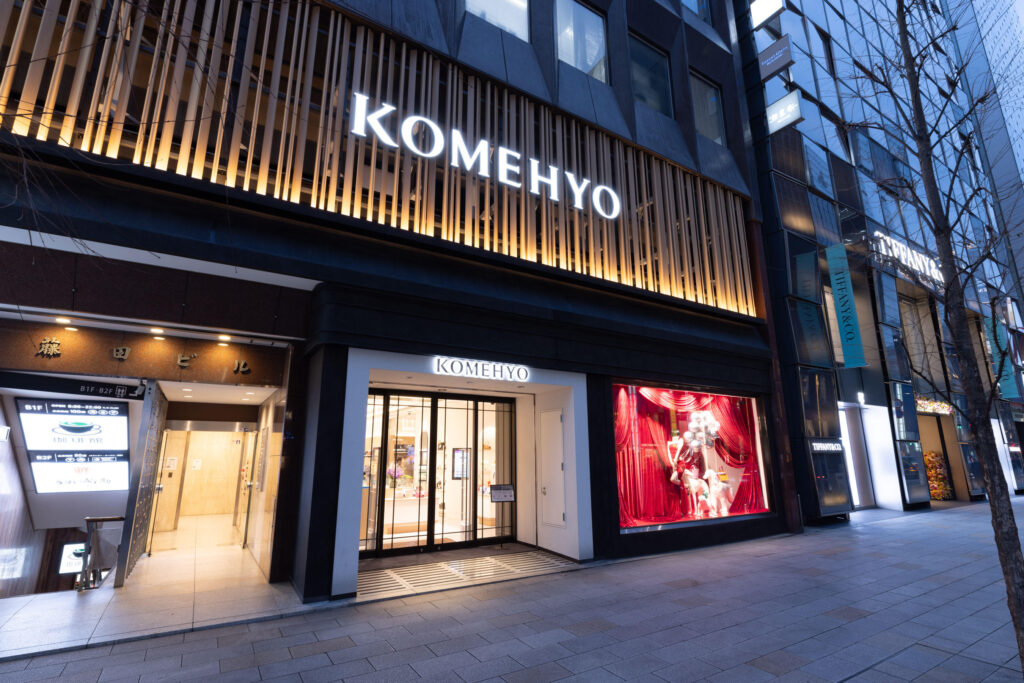
Buying second-hand luxury in Japan is a totally different experience from the rest of the world. The counterfeit laws here are incredibly strict, which means it is the safest place to buy a used designer piece. On top of that, Japanese owners tend to take immaculate care of their things. You are basically getting near-perfect items for a fraction of the original price.
14. Vintage Designer Bags
If you want a classic Chanel flap bag or a vintage Louis Vuitton tote, this is the country to get it. You can find beautiful pieces starting around 60,000 yen for smaller styles, going up to 500,000 yen or more for pristine classics. We always tell our clients to skip the wildly crowded viral shops in Omotesando. Instead, head to trusted national chains like Komehyo or Daikokuya. They grade every single bag rigorously, so you know exactly what you are paying for. Plus, you get the tax-free discount on top of the already lower second-hand price.
15. Pre-Loved Luxury Watches
Watch collectors go absolutely crazy for the Japanese used market. You can find pristine Rolex, Omega, and Grand Seiko models complete with their original boxes and papers. Prices are all over the place depending on the model, but you can expect to pay anywhere from 300,000 yen to well over a million for high-end pieces. If you want a serious investment watch, go straight to Nakano Broadway. It is a massive shopping centre in Tokyo packed with highly respected dealers.
16. Second-Hand Film Cameras
Film photography is massive here, and the used camera shops are brilliant. The staff test every single dial and lens, grading them with total honesty. You can pick up a lovely point-and-shoot for about 15,000 yen, or spend upwards of 150,000 yen for a professional Leica setup. Map Camera in Shinjuku and Lemon Inc in Ginza are an absolute paradise for photographers, and it is such a relief not having to worry about buying a broken camera.
17. Japanese Designer Fashion
If you love fashion, hunting for used clothes by Comme des Garçons, Issey Miyake, or Yohji Yamamoto is a must. These are pieces you simply cannot find abroad without paying crazy markup fees to an online reseller. For good quality jackets and trousers, you can expect to pay anywhere from 30,000 to well over 100,000 yen depending on the rarity.
You will want to skip the basic thrift shops for this. Instead, head to designer-focused second-hand stores like the bigger branches of Ragtag in Tokyo and Osaka. They authenticate everything and group these designers together in their “Mode” sections, making it incredibly easy to find a high-end statement piece without digging through piles of fast fashion.
Artisan-Crafted Goods

You do not have to be a professional chef to appreciate how much better a handmade knife or a proper pair of wooden chopsticks feels in your hand. Japan has spent centuries making these everyday tools perfect. Buying them here is the only way to make sure you are getting the real thing. Skip the cheap souvenir stalls and head to the areas where the locals actually shop.
18. Sakai-Forged Knives
If you love to cook, a proper Japanese knife is the best thing you can buy. Knives from the Sakai area in Osaka are famous for being incredibly sharp. You can expect to pay anywhere from 15,000 yen for a basic all-purpose knife to well over 50,000 yen for a professional one. You can head to Asakusa’s Kappabashi (Kitchen Town) in Tokyo or Sennichimae Doguyasuji in Osaka to find the best shops. The staff there are experts and can explain which blade is right for you.
19. Edo Kiriko Glass
This is traditional Tokyo glassware known for its bright colours and patterns cut into the glass by hand. It is an expensive item; a single handmade whiskey glass usually costs between 10,000 and 20,000 yen. You can find real ones at craft shops in Asakusa or on the top floors of department stores. It is a beautiful piece of art that you will actually use rather than just leaving it on a shelf.
20. Tenugui Cotton Towels
These are probably the most useful things you can only buy in Japan. They are thin cotton cloths with patterns that cost about 1,000 to 2,000 yen each. They dry almost instantly and you can use them for everything from a kitchen towel to a unique way to wrap a gift. Look for specialty shops in areas like Daikanyama and Asakusa for the best designs. They are light and take up almost no room in your bag.
21. Hand-Carved Wooden Chopsticks
A good pair of chopsticks is a very personal thing here. You can find beautiful pairs made from local wood for about 1,500 to 5,000 yen. Specialist shops or various boutiques in Kyoto have hundreds of styles to choose from. Many of these shops will even engrave your name on them while you wait. I always think they make a great personalised gift for people back home.
Everyday Homeware

We want you to bring home things that you will actually use every day. Japan is brilliant at taking simple household items and making them much better than the versions you find elsewhere. These are the practical bits that will remind you of your trip every time you use them.
22. Imabari Towels
These are famous for being the softest and most absorbent towels in the world. They have to pass a test where they sink in water within five seconds to prove how good they are. A small face towel will cost you about 1,000 yen, while a large bath towel is around 4,000 to 5,000 yen. I have a few of these at home, and they are still soft after years of washing.
23. Traditional Kyoto Incense
If you want your house to smell like a Japanese temple, you need to buy some proper incense from Kyoto. A box of high-quality incense sticks costs about 1,000 to 3,000 yen. They are small, light, and make your whole suitcase smell amazing on the way home.
24. Japan-Exclusive Muji Products
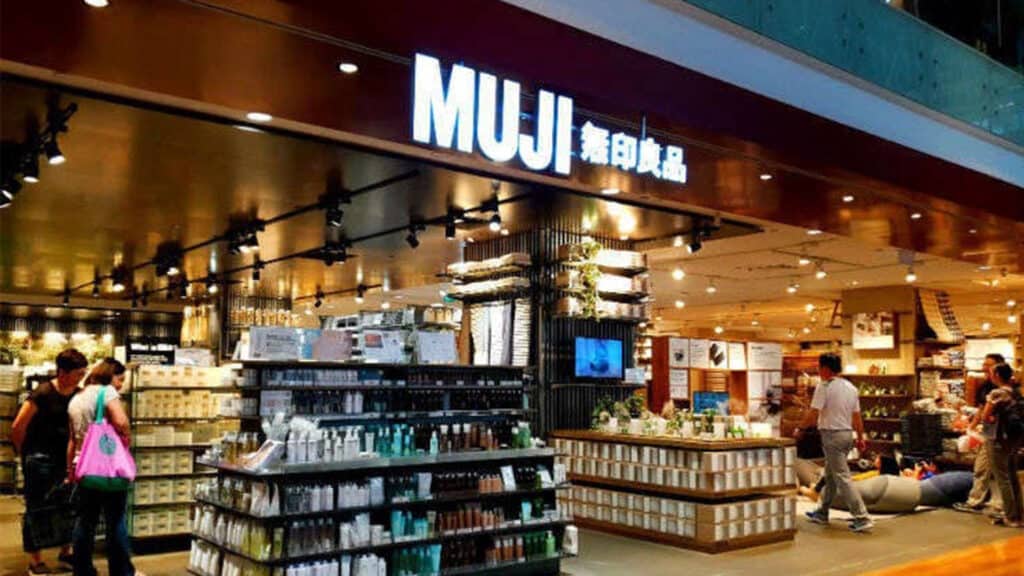
Even if you have a Muji in your home country, the shops in Japan are on a completely different level. They have loads of kitchen gadgets, snacks, and storage items that are only sold here. Prices are also much lower than what you pay abroad. I always make a point to stop at the massive Muji Ginza flagship store to see what new things they have launched. It is a great place to pick up simple, well-designed items for your kitchen.
25. Mind-Blowing Stickers and Washi Tape
You cannot visit a store like Tokyu Hands or Loft and not end up in the stationery section. Japanese stickers and washi tapes are on a completely different level. We are talking about tiny, hyper-realistic stickers of sushi or seasonal flowers that cost about 200 to 400 yen a pack. I always grab a handful of these because they are the easiest gifts to pack, and people back home absolutely love how unique they are. You will find thousands of designs that you simply cannot get anywhere else.
Convenience Store Goodies & Snacks
You cannot leave Japan without spending a lot of time in convenience stores. They are on every corner, and they sell things that are actually high quality. It is the best place to stock up on snacks and quick gifts that people will actually want to eat.
26. FamilyMart Convenience Wear
This is a viral line of clothing sold only at FamilyMart that you have probably seen all over your TikTok feed. It sounds strange to buy your clothes at a corner shop, but the quality is surprisingly good. Their iconic socks with the green and blue stripes are the most famous item and cost just 429 yen. They also sell great t-shirts for about 1,498 yen and high-quality towels for around 698 yen. It is a brilliant, cheap souvenir that proves you know about the latest Japan life hacks and what is actually trending right now.
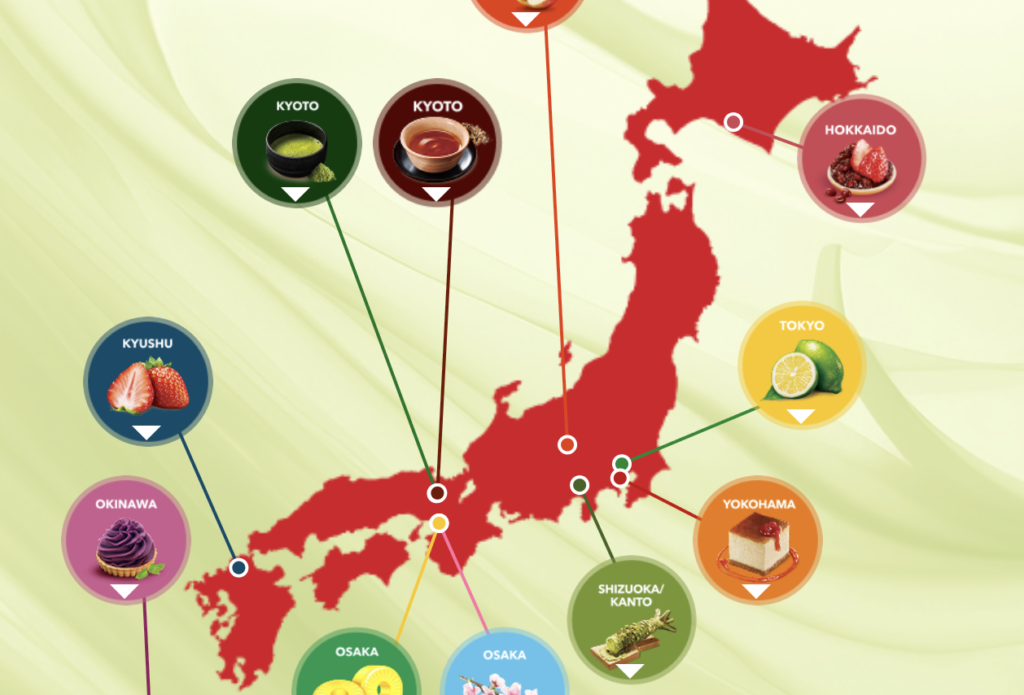
27. Regional KitKat Flavours
Everyone knows about the weird KitKats here, but the best ones, in my opinion, are the regional versions. You can find flavours like sake or wasabi that are only sold in certain parts of the country. A box usually costs around 900 yen. I always tell people to check the souvenir shops at major train stations or airports to find the ones from other prefectures all in one place. If you are hunting for more classic edible gifts, have a look through our main guide to souvenirs in Japan.
28. Tokyo Banana
This is the most famous souvenir in the capital. It is a small, banana-shaped sponge cake filled with custard. They’re basically fancy Twinkies, but people expect them, so just buy the box. A box of eight costs about 1,200 yen. You will see people carrying bags of these everywhere in Tokyo Station. They have a very short shelf life, usually only a couple of weeks, so make sure you buy them right at the end of your trip.
If you are basing your entire stay in the capital, have a look at our dedicated guide to Tokyo souvenirs shopping:
29. Royce Nama Chocolate
This is basically the best chocolate you will ever eat. Okay, that might sound like an exaggeration, but what can I say, I’m a fan! It is raw chocolate from Hokkaido that melts the second it hits your tongue. A box costs about 800 yen. You can find it in high-end department stores or at the airport. Since it needs to stay cold, the shop will sell you a little thermal bag with an ice pack for a few hundred yen so it does not melt in your luggage.
30. Premium Instant Ramen
Forget the cheap noodles you had as a student. In Japan, famous Michelin-starred ramen shops work with convenience stores like 7-Eleven to make premium instant bowls. They cost about 300 to 500 yen and taste incredibly close to the real thing. It is a great way to bring the taste of a famous ramen shop home without the two-hour queue.
31. Ceremonial-Grade Uji Matcha
If you want proper green tea, you have to buy it from Uji in Kyoto. A small tin of the good stuff will cost you between 2,000 and 5,000 yen. While people abroad often look for ceremonial-grade, that is actually more of a Western marketing term. Instead of worrying about that label, just make sure you avoid the cheap cooking powder from the supermarket. Go to a proper tea shop like Ippodo and simply ask for a high-quality matcha meant for drinking. It is much smoother and absolutely worth the extra money.
Hobbies and Pop Culture

If you are looking for things you can only buy in Japan that also happen to be incredibly cute, this section is your playground. The level of detail and the quality of the products here is unmatched. These are the items that usually have the biggest cool and kawaii factor when you show them to people back home.
32. Hobonichi Planners
These are cult favourite planners that use incredibly thin paper that does not bleed through, even if you use a fountain pen. A full set with a cover usually costs between 4,000 and 9,000 yen depending on the size and the design you choose. You can find them at Loft stores across the country. We know people who fly to Japan specifically to buy their new planner every year because the covers are so beautiful and the layout is so clever.
33. High-Performance Pens
If you like writing, you have to stock up on Japanese pens. While brands like Pilot or Sailor make special fountain pens and nibs that are only sold here for anywhere from 3,500 to 50,000 yen, the everyday pens are just as impressive.
You should grab the Uni-ball Jetstream for the smoothest ink you will ever use, or the Pilot Frixion erasable pens which actually work without ruining the paper. These everyday pens cost about 150 to 600 yen. Head to a massive stationery shop like Itoya in Ginza to try them all out before you buy. It is a much better experience than just ordering them blindly online.
34. Authentic Studio Ghibli Merchandise
You have to track down a Donguri Republic store (like this one in tourist favourite Kamakura) to get the real stuff that is actually licensed by the studio. They have everything from tiny finger puppets for about 495 yen to beautiful hand painted figurines that cost over 10,000 yen. It is much better than buying the cheap fakes you see online. The shops themselves are designed to look like scenes from the films, which makes shopping there feel like a proper experience.
35. Official Anime Character Goods
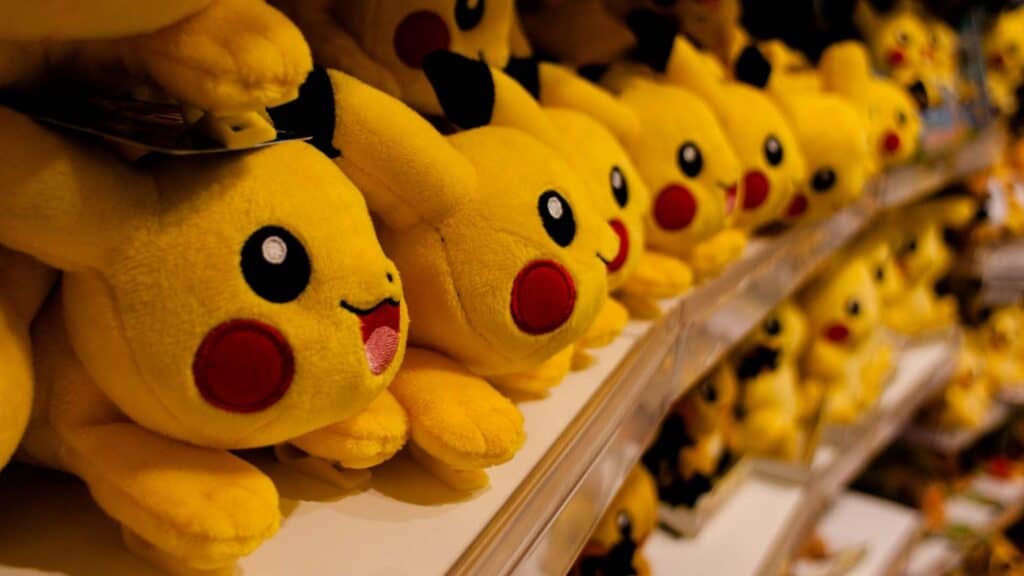
Of course, Japan is a total heaven for anime and manga fans, but it can be overwhelming trying to find the specific series you love. Instead of just wandering around and hoping for the best, you should head to the official flagship stores that stock exclusive goods you simply cannot find anywhere else.
For Pokemon fans, the massive Pokemon Centers in Yokohama and Ikebukuro are a must, especially for the limited edition plushies and cards. You can also find incredible special-edition merchandise at PokéPark Kanto.
If you are into model building, the Gundam Base is the gold standard for exclusive kits. You can also find dedicated stores for Jump Shop series like One Piece or Jujutsu Kaisen. Prices vary wildly, from 500 yen for a small character keychain to over 30,000 yen for a high-end collector’s model.
36. Retro Video Games and Consoles
If you grew up with Nintendo or Sega, the second-hand game market in Japan is like a time machine. You can find original Game Boys, Famicom consoles, and rare cartridges in near-perfect condition. Prices can start as low as 500 yen for common games and go up to 50,000 yen for rare, boxed collectibles. Head to Super Potato in Akihabara or Den Den Town in Osaka. Even if you do not buy anything, just seeing the stacks of vintage tech is worth the trip.
37. Capsule Toys (Gashapon)
These are not the cheap plastic junk you find in supermarket machines back home. Japanese gashapon are highly detailed collectibles that cost between 300 and 500 yen. You can find everything from miniature camp stoves to realistic animals and tiny replicas of Japanese furniture. I personally love the official Bandai Gashapon Department Stores where you can find hundreds of machines in one place. They make the perfect small gift for that one friend who is hard to buy for.
38. Anime Figures and Merchandise
If you are into the latest Shonen hits or classic series, the figure shops in Japan are unbeatable. You can find prize figures from crane games for about 2,000 yen or high-end scale statues that cost over 25,000 yen. If you are looking for a bargain, check out the display cases in shops like AmiAmi or Mandarake. They sell pre-owned figures that are often in better condition than ones you would find in your home country.
39. Lolita Fashion and Harajuku Styles
If you love alternative fashion, Harajuku is the place to be. You can find authentic Lolita brands like Baby, The Stars Shine Bright, or Angelic Pretty right where the movement started. A full dress usually starts around 30,000 yen and can go up significantly for limited prints. These pieces are incredibly detailed, and buying them here is much easier than trying to navigate international resellers. Head to the top floor of Laforet Harajuku to find all these famous brands in one spot.
40. Japan-Exclusive Sneakers and Shirts
Buying Onitsuka Tiger sneakers in Japan is a totally different experience. Not only are they up to 40 percent cheaper than in Europe or the US, but you also get access to the premium Nippon Made series. These are handcrafted in Japan and often use better materials and exclusive colours that are never released abroad. A pair usually costs between 12,000 and 25,000 yen. It is worth visiting the flagship stores in Shibuya or Ginza to find these exclusive models that actually showcase Japanese craftsmanship.
While you are at it, visit the UTme! stations in the Ginza or Harajuku Uniqlo flagship stores. You can design your own customised shirts using huge libraries of official art and typography for about 1,990 to 2,990 yen.
Japan Shopping FAQs
Do I need my physical passport to shop tax-free?
Yes, you must have your actual passport with you. A photo or a copy will not be accepted by the shop staff.
What is the minimum I need to spend to get the tax discount?
You need to spend at least 5,000 yen before tax in a single shop on the same day to qualify for the 10 percent saving.
Can I use my tax-free purchases while I am still in Japan?
You can use general goods like clothes and electronics immediately. However, consumable items like snacks and cosmetics are sealed in special bags and must stay closed until you leave the country.
Does the name on my credit card matter?
Yes, the name on the credit card you use to pay must match the name in your passport exactly. If they do not match, the shop will not process the tax-free discount.
Where do I get my tax refund?
Right now, most shops deduct the tax at the register so you pay the lower price immediately. Some department stores make you pay the full price first and then go to a separate counter in the building to get your cash refund.