Japan is an excellent MICE destination for many reasons. With its historical and cultural impact, the nation is suited for varied itineraries that suit a range of professional goals and industries, and it continues to be ranked among the best countries in the world for business travel and events.
However, planning a flawlessly executed trip can come with many hidden obstacles. There are language, logistics, and cultural localisation challenges to navigate, as well as many decisions to make about accommodation, venues, and activities.
In this guide, we are sharing our expert tips for MICE events in Japan to curate a memorable and successful trip. This post contains everything you need to know before you begin planning your MICE experience, covering trip logistics, itinerary planning, and Japanese customs.
Optimising MICE Events in Japan
We believe that the best way to navigate the cultural, language, and localisation challenges of planning a MICE trip to Japan is by working directly with a Japan-based travel planner. At Flip Japan, we create bespoke itineraries built for corporate tourism in Japan, with experience in events of all sizes. Visit our MICE Japan services page to learn more about how we can assist in your travel planning.
Trip Logistics
1. Know Your Destination Options
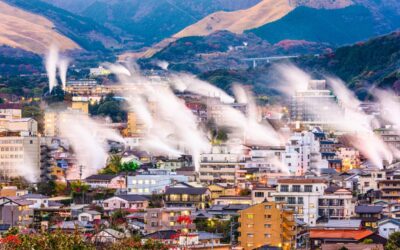
The most defining factor of any MICE trip to Japan is the destination. Not only does the city or prefecture set the tone for the trip, but each also offers its own incentives and unique selling points. In Japan, these regional differences are particularly distinct due to both the nation’s feudal history and its vastly diverse landscapes that cover mountains, lakes, beaches, tropical islands, and dense urban metropolises.
Whilst many trip planners opt for the best-known destinations of Tokyo, Osaka, Kyoto, and Yokohama, we recommend expanding the destination considerations. E.g., when it comes to Japan’s top MICE destinations, for ocean-based team building, Okinawa is an amazing choice; for tech-focused foodie itineraries, we recommend Kyushu’s capital, Fukuoka; or for deep cultural immersion, Koyasan and Wakayama would be an ideal base.
2. Understand the Seasons of Japan
Japan is an immensely seasonal country, with the country’s landscape shifting dramatically from month to month. This has a direct impact on MICE planning, influencing everything such as venue availability and pricing, to the types of activities and overall guest experience. Even if the timing of your MICE event in Japan is not movable, planning around the weather and temperature is the key to a successful trip.
Spring is widely known for cherry blossom season, making it one of the most visually appealing times for events, but also one of the busiest. Summer, whilst energetic and festival-filled, can be hot and humid, requiring careful scheduling and indoor venue planning. Autumn offers mild temperatures and vibrant foliage, creating ideal conditions for outdoor experiences and corporate retreats. In the North of Japan, Winter brings deep snow and freezing temperatures, but also opens up opportunities for snow-based incentives.
Learn more about the best times to visit Japan:
3. Accommodation Goes Beyond Hotels
One of the most captivating reasons to choose Japan for your MICE event is the sheer range of accommodation options. Even within the selection of hotels, you will find incredible variation that crosses from ultimate luxury and world-class service to the perfected simplicity of budget-friendly business hotels, and no shortage of novelty establishments.
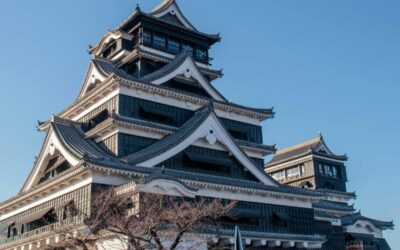
On the other hand, it is beyond hotels that Japan truly begins to shine. MICE event planners could consider the bespoke cultural experience of a traditional ryokan, the extreme peace of glamping underneath Mount Fuji’s awesome silhouette, staying in an active Zen Buddhist temple, or even hiring a real Japanese castle for executive retreats that cannot be reproduced anywhere else in the world.
4. Plan for Transportation Limitations
Japan’s transportation network is one of the most efficient in the world, making it highly convenient for MICE groups to travel between major cities. The country’s extensive rail system, including the Shinkansen, allows for smooth and punctual transfers, even across long distances. For events that span multiple destinations such as Tokyo, Osaka, and Kyoto, this level of connectivity is a major advantage.
When leaving major urban areas, transportation can become more nuanced as public transport is less frequent and less suited to group travel. In these cases, arranging private drivers or chartered vehicles is often necessary to ensure a seamless experience and to keep itineraries running on schedule.
Itinerary Planning
5. Research the Range of Venue Options
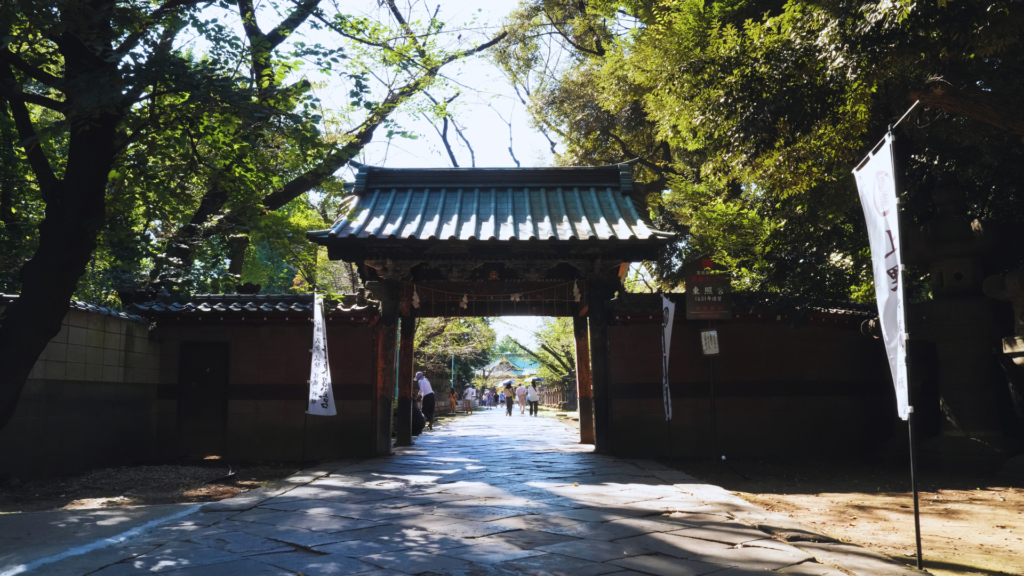
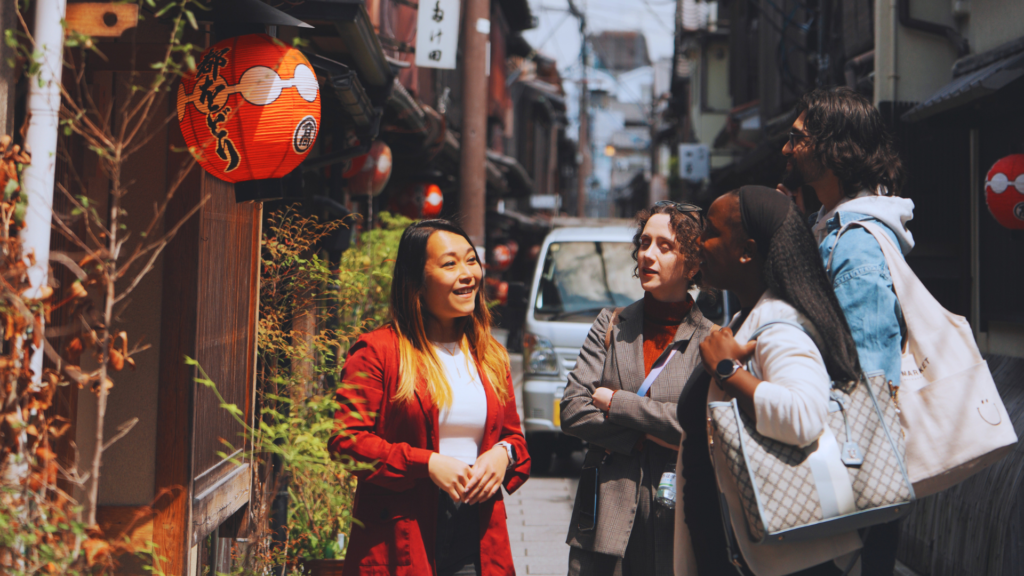
As with accommodation options, Japan also offers an expansive array of MICE venues, many of which may surprise the average travel planner. Outside of the large-scale convention centres and impressive museums, you will also find mind-blowing aquariums, private historical residences, sacred temples, manufacturing headquarters, and panoramic observation decks.
Many of these locations welcome MICE groups with guided tours, cultural activities, or networking event setups. However, connecting with the venue’s correspondent or coordinating these events can be difficult without a local liaison. Our recommendation on the best way to explore these niche venues is always to start by reaching out to a local MICE travel planner, like us here at Flip.
6. Select the Right Cultural Activities
Curating a MICE itinerary in Japan hinges on the selection of activities. The right choices can elevate an event beyond standard meetings, creating meaningful and memorable experiences that align with your group’s goals.
Here is a selection of Japan’s MICE activities, reflecting the different genres of experiences:
- Food Focused: Private kaiseki dining, home-cooking classes, sake or whisky distillery tours
- Hands-On Workshops: Knife-making, kintsugi, kumihimo (braiding cord/silk)
- Mindfulness and Wellness: Tea ceremonies, temple-stays, Shugendo with Yamabushi (mountain training)
- Industry Immersion: Factory tours, professional skills workshops, private architecture tours
7. Consider the Importance of Local Vendor Relationships
Collaborating with local vendors is often the key to unlocking Japan’s most memorable MICE experiences. Artisans, craftsmen, chefs, and independent venues can offer access to cultural activities and event settings that go far beyond standard itineraries, adding depth and authenticity to the overall itinerary.
However, working with these vendors can present challenges, particularly when it comes to language barriers outside major cities. Communication may be limited, and processes can differ significantly compared to international standards. In addition, many local vendors prefer to liaise with Japan-based planners who understand business etiquette and can act as a trusted intermediary. Longstanding relationships are highly valued in Japan, and planners with established networks can often secure better access, smoother coordination, and more unique opportunities.
8. Reach Corporate Social Responsibility (CSR) Goals
Incorporating Corporate Social Responsibility (CSR) intentions into a MICE event in Japan can be both meaningful and highly engaging for attendees, whilst also promoting a company’s overarching goals. Luckily, many Japanese cultural experiences naturally align with these CSR principles, building opportunities to create impact while enriching the itinerary.
One example is through craft workshops like kintsugi, the art of repairing broken ceramics. This reflects the philosophy of giving new life to items rather than discarding them. These types of workshops not only provide hands-on engagement but also communicate deeper values around mindful consumption.
Event planning choices can also contribute to cultural preservation. Hosting events or experiences in Recognised Cultural Properties helps support the maintenance and longevity of historic sites, ensuring that these important spaces continue to be protected.
Japanese Customs

9. Be Familiar With Business Etiquette in Japan
One of the larger culture shocks that MICE groups can experience is Japan’s distinctive business customs. These may surprise even experienced business travellers, and we suggest familiarising individuals with the following etiquette expectations below:
- Punctuality is essential, and arriving even a few minutes early is considered standard practice.
- Formality in communication is expected, including polite language and a respectful tone in both meetings and emails. Make sure to select an appropriate language interpreter familiar with business scenarios to avoid issues.
- When greeting, the custom is to bow deeply to demonstrate respect. Many executives are familiar with handshakes when meeting international visitors, but we recommend following the lead of the Japanese professionals you are meeting.
- Group harmony is prioritised, so avoiding confrontation or overly assertive behaviour is important.
- Hierarchy is respected, meaning senior representatives are acknowledged first in meetings and discussions.
In terms of general cultural customs in Japan, you should also prepare travellers with the following points:
- Speaking quietly in public spaces such as trains and shared areas is expected
- Remove shoes when entering any space with tatami flooring, such as temples, traditional venues, and some restaurants
- Be mindful of queueing etiquette, as orderly lines are strictly followed in stations and public areas
- Avoid eating while walking in busy streets, as it is generally considered impolite
10. Prepare Business Cards
Despite falling out of daily use in other parts of the world, Japan continues to uphold the practice of exchanging business cards (known as meishi). Within a business setting, they serve as a formal introduction and are treated with a high level of respect. As a result, for any MICE event that includes a networking element, we highly suggest ensuring all attendees bring business cards and a business card case to store those given to them.
When exchanging cards, it is polite to present and receive them with both hands, with your card facing the recipient. After receiving a card, make sure to take a moment to read it before putting it away. Cards should not be placed casually in pockets, but instead kept in a holder.
11. Be Ready for Gift Exchanges
A final element to consider when planning a MICE event in Japan is gifts. Gift giving is a well-established practice in professional settings and is often used to express appreciation and build stronger relationships. Gifts do not need to be expensive, but they should be thoughtful and representative of the company and the country the group is travelling from.
Presentation is equally important, with careful wrapping reflecting attention to detail and respect for the recipient. It is also common for gifts to be given at the end of a meeting or event rather than at the beginning.
Final Tips for MICE Events in Japan

Ultimately, planning a MICE event in Japan comes down to preparation, detail, and making informed choices at every stage. The destinations, venues, and activities you select will shape the experience, so taking the time to align these with your event objectives is key.
At the same time, understanding the cultural and operational landscape can make a significant difference. From business etiquette to vendor relationships, being well prepared allows for smoother coordination and a more polished execution on the ground.
If you are working under a strict deadline, it may come in useful to collaborate with local travel teams or consultants to optimise your planning workflow.
Tips for MICE Events in Japan: FAQs
How far in advance should a MICE event in Japan be planned?
For large conferences or exhibitions, planning should ideally begin 12 to 24 months in advance, particularly in major cities. Smaller corporate meetings or incentive programmes may require less lead time but still benefit from early venue reservations between 2-6 months ahead of the event.
Is Japan a good MICE destination?
Japan is an excellent destination for MICE tourism. It offers world-class infrastructure for both corporate and leisure travel, with incredible incentive opportunities through the wealth of cultural and historic activities available.
Is English widely supported at MICE venues in Japan?
Major convention centres and international hotels typically provide English-speaking staff and multilingual support services. For specialised events, professional interpreters can also be arranged.
What is the best time of year to host a MICE event in Japan?
Spring and autumn are particularly popular due to favourable weather conditions, and the famous cherry blossom and autumn leaves seasons respectively. That being said, peak seasons also bring heavier crowds and demand for accommodation, events, and venues.