
So, you’re planning a trip to Japan and Tokyo is the main event. But have you thought about exploring the areas north of it?
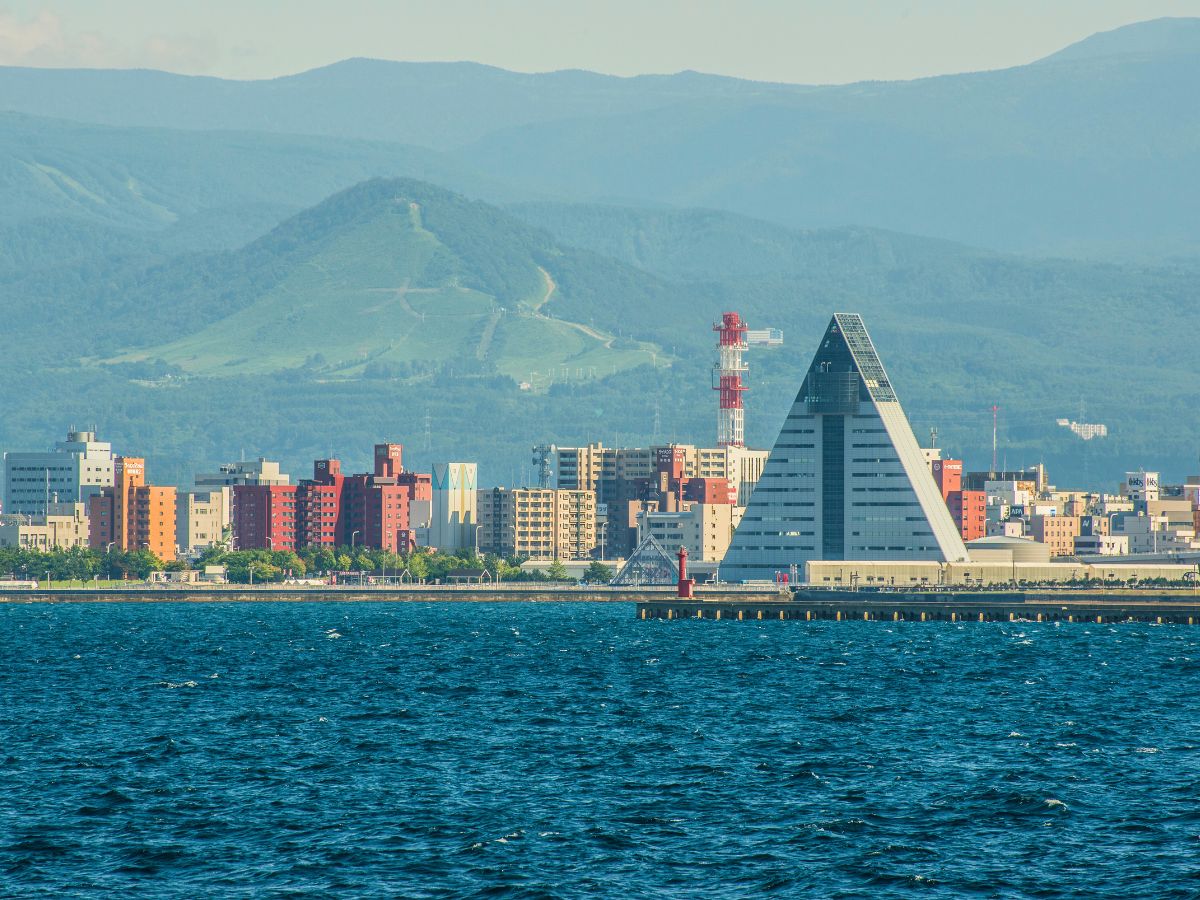
For example, have you heard of Nikko, with its incredible temples and shrines tucked away in the mountains? Or Sendai, a big city in Miyagi that was actually founded by the famous samurai, Date Masamune? Or even Aomori, which is known for its beautiful coastline and a huge summer festival with giant illuminated floats?
Most travellers stick to the main cities because they think getting to these other places will be a pain. And to be fair, the cost of just one long-distance Shinkansen (bullet train) ticket can be shockingly high.
That’s the exact problem the JR EAST PASS (Tohoku Area) solves.
Want to Explore Tohoku, Without the Hassle?
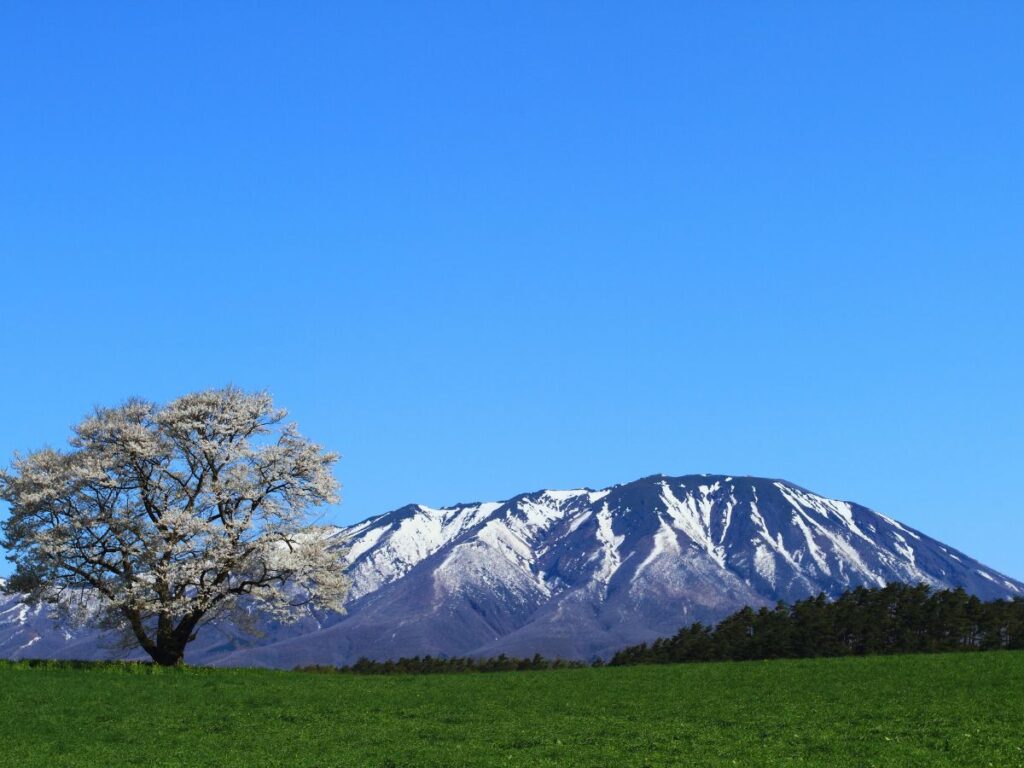
The JR EAST PASS can get you there, but planning what to do in a whole new region can be tough. We’ll take care of the details, creating a personalised Japan itinerary that matches your style, so you can spend less time researching and more time looking forward to the journey.
→ Find Out More About Our Japan Trip Planner
What is the JR EAST PASS (Tohoku Area)?
Put simply, it’s a flat-rate ticket that lets you ride specific JR EAST trains in the Tokyo and Tohoku regions as much as you want for five days in a row, and that includes the fast Shinkansen lines.
JR East, the train company, made this pass just for foreign visitors with “Temporary Visitor” status to make exploring the region easier and cheaper. The best part is the convenience. You don’t have to stand in line to buy a new ticket for every single trip; you just use this one pass for all your travel in the covered area.
How Much Does It Cost?
Let’s talk about the price, because this is where the real value of the pass starts to show. The JR EAST PASS (Tohoku Area) has a straightforward fixed price, with a 5-day and a 10-day option.
5-Day Pass:
- Adults (12 years and older): ¥30,000 (~200 USD)
- Children (6 to 11 years old): ¥15,000 (~100 USD)
10-Day Pass:
- Adults (12 years and older): ¥48,000 (~320 USD)
- Children (6 to 11 years old): ¥24,000 (~160 USD)
A quick tip for families: Children under 6 years old can travel with you for free as long as they do not require their own seat. It’s also worth noting that the pass does not cover premium carriages like the Green Car or GranClass; those require a separate fee if you wish to use them.
JR EAST PASS Map and Coverage: Where Can You Go?
This is the fun part! The pass covers a huge area, mainly the Kanto region (where Tokyo is) and the entire Tohoku region to the north. First things first, let’s look at the map so you can see just how much ground you can cover.
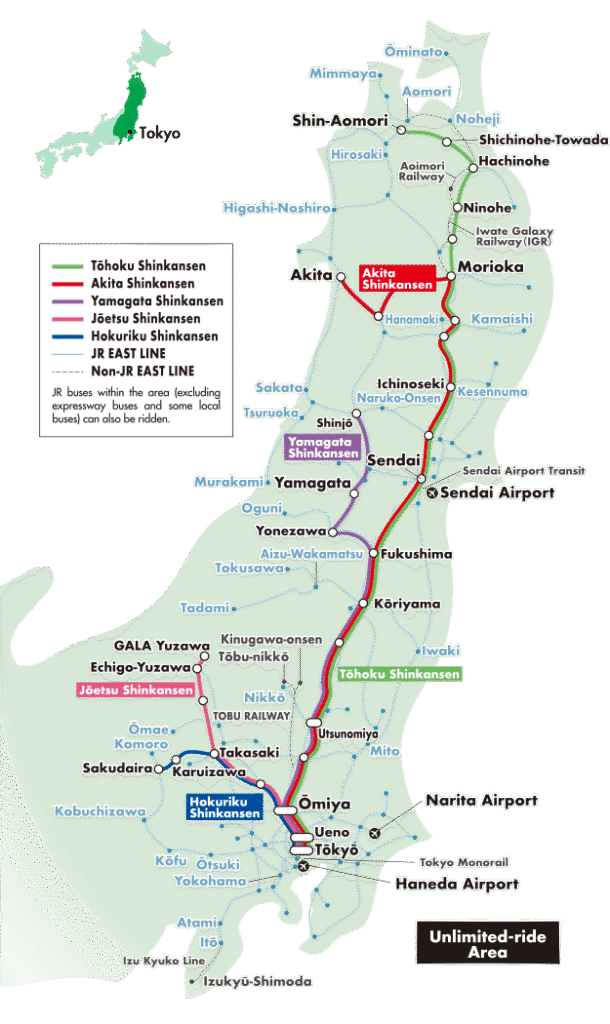
As you can see, the pass lets you use Tokyo as a base and take some amazing trips from there.
First off, it’s really useful for getting around the capital itself. The pass covers travel on all the JR lines in Tokyo, like the famous Yamanote loop line that connects hubs such as Shinjuku, Ueno, and Tokyo Station. It also includes your trip from the airport, covering both Narita Airport via the Narita Express and Haneda Airport via the Tokyo Monorail.
Did you know that Tokyo alone has 23 wards that are all worth a visit? Here’s your guide to each of them:
Once you’ve explored the city, the pass makes it easy to take some classic day trips. You can head north to see the incredible shrines in Nikko, and the pass even covers the specific Tobu Railway line you need to get there.
Or you could take the Hokuriku Shinkansen west to the cooler mountain air of Karuizawa. The pass even lets you travel south all the way down the scenic Izu Peninsula on the Izu Kyuko Line, which is known for its coastal views and hot springs.
The real power of the pass, though, is how it opens up the entire Tohoku region. You can ride the main Tohoku Shinkansen all the way from Tokyo up to Shin-Aomori at the very northern tip of the island. Along the way, you can stop at major cities like Utsunomiya, Koriyama, Fukushima, Sendai, and Morioka.
Sendai is the capital city of Miyagi, which is an awesome destination not only for its sights but also for its food:
But you aren’t just stuck on that single main line. At Fukushima, you can hop on the Yamagata Shinkansen to get to places like Yonezawa and Yamagata city. Further north, at Morioka, the pass covers the Akita Shinkansen, which takes you out to Akita on the west coast.
The pass isn’t just for bullet trains, either. It also covers the local JR lines that can take you to more out-of-the-way places, like Sakata and Tsuruoka on the west coast or Kamaishi on the eastern coastline.
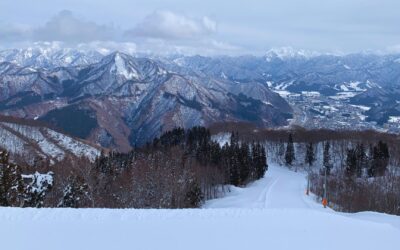
Finally, if you’re visiting in the winter, there’s a fantastic bonus. The pass covers travel on the Joetsu Shinkansen to Echigo-Yuzawa and the GALA Yuzawa ski resort, which is incredibly convenient as the resort has its very own Shinkansen station.
Thinking about spending a week in Japan in winter? Here’s a fantastic itinerary you can copy:
What Trains Are Covered by the JR EAST PASS?
You won’t be stuck on the slow trains! The pass gives you access to some seriously fast and convenient services to get around. Here’s a simple breakdown of what you can ride.
- Shinkansen (Bullet Train): You get unlimited rides on some of Japan’s most famous bullet train lines. This includes the Tohoku, Akita, Yamagata, Joetsu, and Hokuriku Shinkansen lines.
- JR East Trains: The pass covers all the local, rapid, and limited express trains run by JR East within the designated area. This includes essential services like the Narita Express (N’EX) to get you to and from Narita Airport and the trains that run on the Yamanote Line in Tokyo.
- Specific Non-JR Lines: Here’s a great bonus! The pass also works on a few train lines that aren’t run by JR, which are super helpful for getting to key tourist spots. These include the Tokyo Monorail to Haneda Airport, the Izu Kyuko Line, the Aoimori Railway Line, the Iwate Galaxy Railway (IGR) Line, and the Sendai Airport Transit Line.
- Travel to Nikko: You can use the pass on specific limited express trains (like the Nikko, Kinugawa, and SPACIA Kinugawa) that run directly from JR East lines onto the Tobu Railway line to get to the Nikko area. Just be aware that the journey must start or end at a JR station.
- JR Buses: Your pass also works on certain local JR bus routes within the area, but this does not include highway buses.
Important! What’s NOT Covered by the Pass?
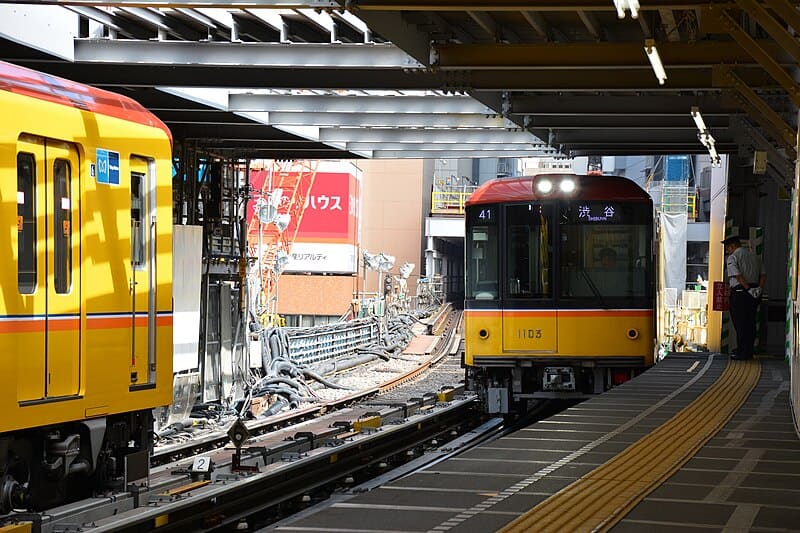
This is really important to remember to avoid any surprise ticket costs. The pass is amazing, but it has some key limits.
The biggest point of confusion is the Shinkansen to Kyoto and Osaka. The pass does NOT work on the Tokaido Shinkansen line. That’s the one that runs west from Tokyo. It’s run by a different company, so this pass isn’t valid on it.
Another common question is about city transport. While the pass covers some JR buses, it will NOT work on most local city bus networks or on any city subway lines, like the Tokyo Metro. For those, you’ll need to pay with cash or an IC card like Suica.
Finally, if you want to ride in the more luxurious Green Car or GranClass carriages on the Shinkansen, you’ll have to pay an extra fee. The pass only covers standard seating.
All this talk about different types of trains and buses got you confused? No worries. We have a complete Japan transportation course for you:
Is the JR EAST PASS Actually Worth It?
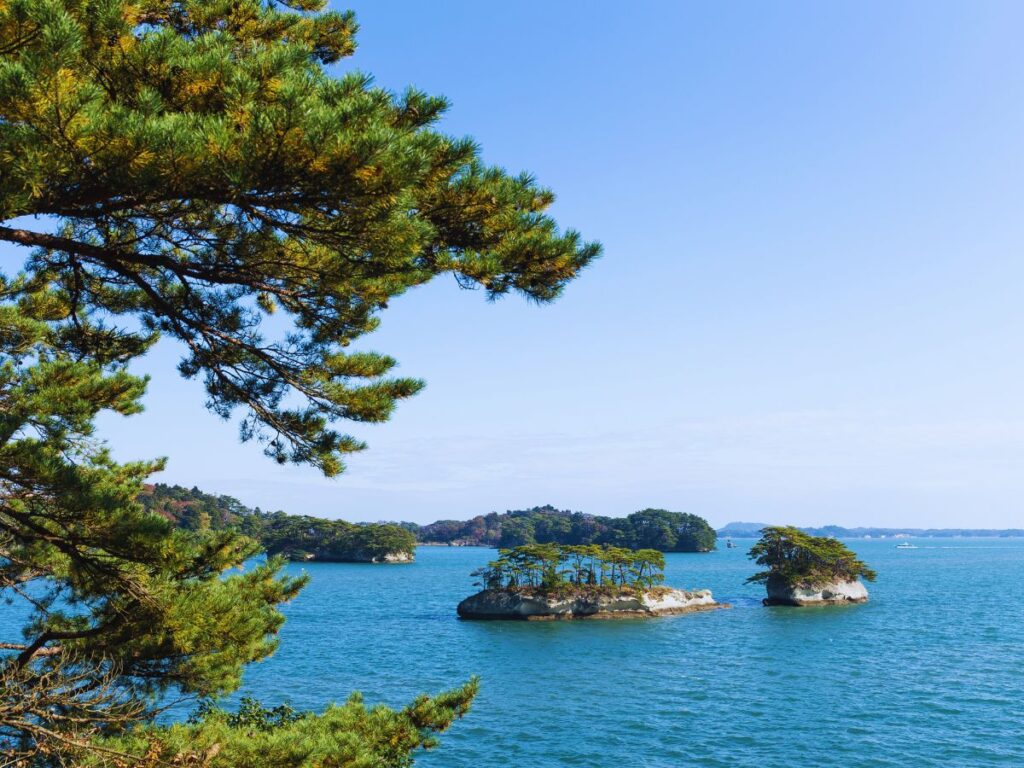
This is the big question, right? The simple answer is: it completely depends on your travel plans. For some people, this pass is a massive money-saver. For others, it’s not a good fit at all.
Here’s the quickest way to know: If you plan to take just one long-distance round trip on the Shinkansen from Tokyo into the Tohoku region (like to Sendai or Fukushima), the pass will very likely pay for itself. If you plan on taking two or more long trips, it’s almost certainly a great deal.
JR EAST PASS Sample Trips
To help you decide, let’s look at a few common travel plans. Please remember that the individual ticket prices mentioned here are just approximations for regular periods. Fares can change based on the season and the specific train you book, so it’s always a good idea to check official sources for the most up-to-date prices before your trip.
Scenario 1: The “Absolutely Worth It” Trip
Let’s say your plan is to stay in Tokyo but take one big side trip to see Sendai for a day or two. A regular round-trip ticket on the Shinkansen from Tokyo to Sendai and back will cost you roughly ¥22,000.
When you compare that to the ¥30,000 price of the 5-day pass, you can see that this single journey already covers the vast majority of the cost. This means all your other travel during those five days, like getting to and from the airport on the Narita Express, is essentially free. This is a huge win.
Scenario 2: The “Ultimate Value” Trip
Now, imagine you want to explore the whole region over your five days. Let’s use an example from the official JR East website: you travel from Narita Airport to Tokyo, take the Shinkansen to Sendai, then travel from Sendai to Akita, ride the Shinkansen all the way back from Akita to Tokyo, and finally take the Narita Express back to the airport.
The total cost for these individual tickets with reserved seats would be about ¥41,000. With the pass, you pay just ¥30,000. In this case, you’ve saved ¥11,000 and gotten half your travel for free. This is exactly who the pass is designed for.
Scenario 3: The “Definitely Not Worth It” Trip
Now, let’s say your plan is to stay only in central Tokyo for five days. You might take a few trips on the JR Yamanote line each day to get between places like Shinjuku, Shibuya, and Ueno.
You’d probably spend less than ¥1,000 a day on train fare, meaning your total for five days might only be around ¥4,000 to ¥5,000. Buying the ¥30,000 pass would be a massive waste of money. In this situation, you are much better off just buying single tickets or using a prepaid IC card like a Suica or Pasmo.
Experience Tohoku’s Traditions Hands-On
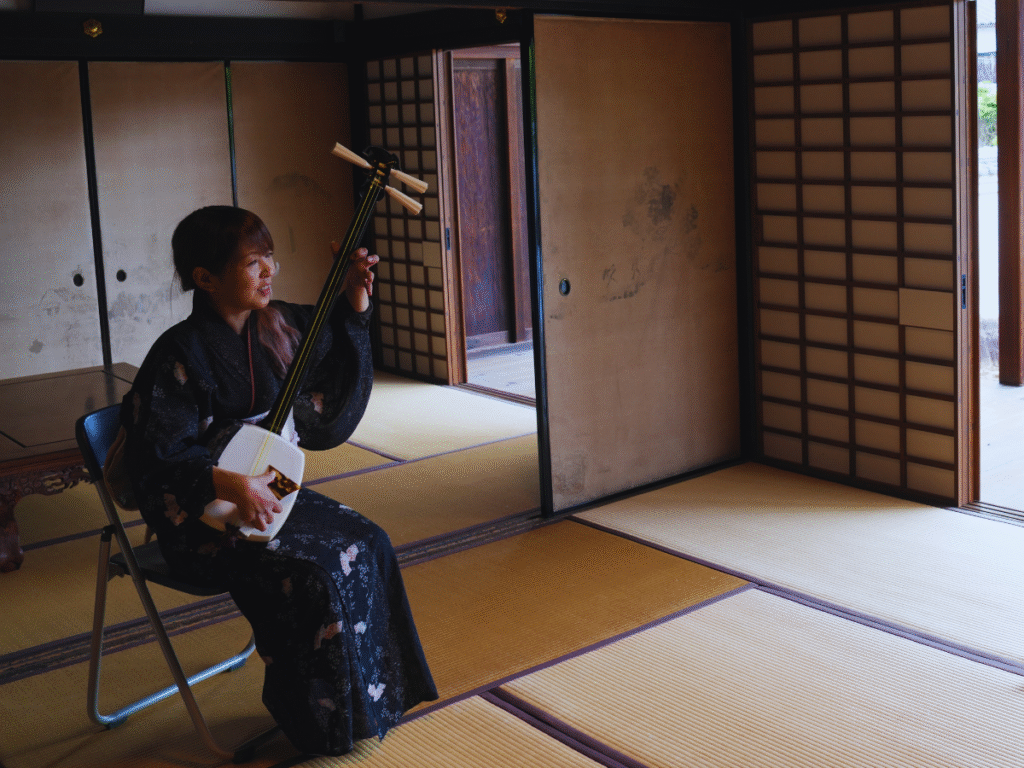
The JR EAST PASS can take you to regions rich with unique culture. But there’s more to it than just sightseeing. Imagine trying your hand at a local craft in Akita or joining a cooking class in Sendai. These are the moments that bring your journey to life — and we can help you book them with ease.
→ Find Cultural Experiences for Your Japan Trip
How to Buy and Use the JR EAST PASS: A Simple Step-by-Step Guide
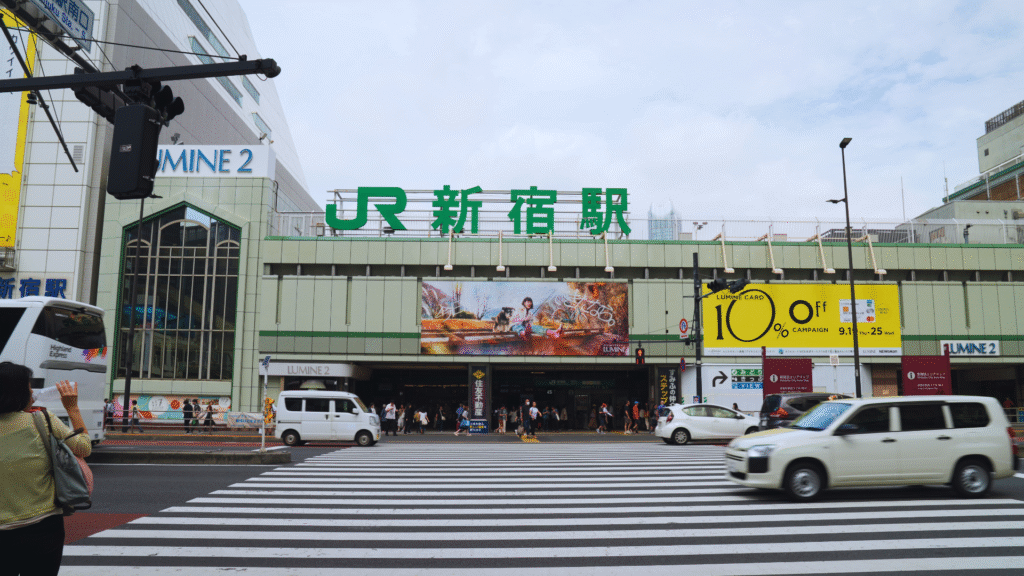
Great, you’ve decided the pass is for you! Getting your hands on it and starting your adventure is super easy. Here’s exactly how it works.
Step 1: Buying Your Pass
You have a few easy options to buy your pass, and they all cost the same. Just pick the one that’s most convenient for you. The most popular method is to buy it online before your trip, either directly from the official JR-EAST Train Reservation website or through an authorised online travel agency.
You can also buy it from a physical travel agency in your home country before you leave. If you prefer to wait, you can also buy the pass after you arrive in Japan at major JR EAST Travel Service Centers or ticket offices (Midori-no-madoguchi) at stations like Tokyo, Shinjuku, or Narita Airport.
Step 2: Picking Up Your Physical Pass in Japan
This is a very important step! The email confirmation or voucher you received isn’t the actual pass. You need to exchange it for the physical ticket you’ll use for travel.
To do this, you will need your passport, and it must have the “Temporary Visitor” stamp or sticker that you get at immigration. You’ll also need the e-voucher or exchange order you received when you made your purchase.
You can pick up your pass at a main JR East station. The fastest way is to use one of the designated ticket machines that have passport scanners. Alternatively, you can go to a staffed counter at a JR EAST Travel Service Center.
Step 3: Using the Pass at the Ticket Gates
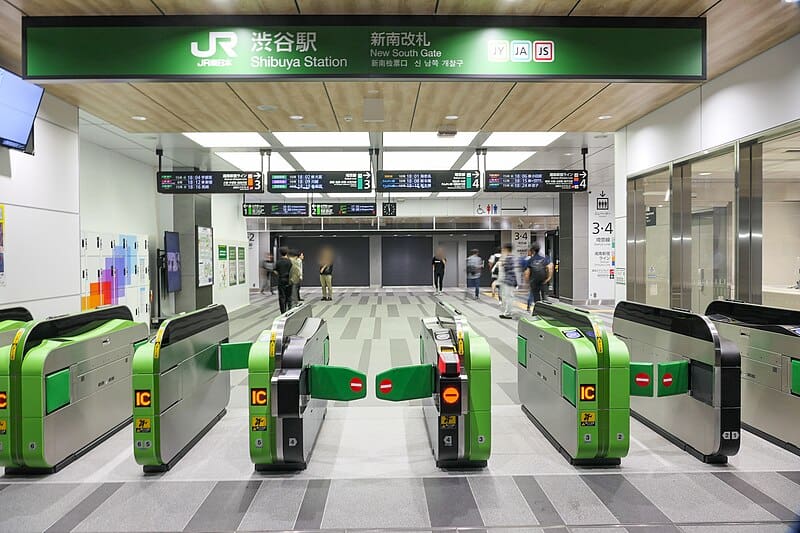
The physical pass you receive is a modern, magnetic-backed ticket. Using it is simple: when you enter or exit a station, just insert your pass into the ticket slot on the automatic gate. Walk through, and don’t forget to pick it up as it comes out on the other side.
If you’re at a very small, rural station without automatic gates, you can just show your pass to the staff member at the gate.
How to Reserve Your Seats (Unlimited and Free!)
One of the best perks of the JR EAST PASS (Tohoku Area) is that you can make as many seat reservations as you want, completely free of charge. While you can always sit in the non-reserved cars, booking a seat is a great idea for longer journeys on the Shinkansen or popular limited express trains. You can reserve your free seats in two ways: by using the green or white reserved seat ticket machines (they have an English language option) or by visiting a green JR Ticket Office (Midori-no-madoguchi) and speaking to the staff.
JR EAST PASS vs. Tokyo Wide Pass
This is a question that confuses a lot of travellers, especially since both passes cover the Tokyo area. They are designed for completely different kinds of travel, so let’s break it down.
The Tokyo Wide Pass is a much smaller, cheaper pass designed for people who are staying in Tokyo and want to take a few day trips to the immediate surrounding areas. It costs ¥15,000 and is valid for three consecutive days. It’s perfect for getting to popular nearby spots like Mount Fuji, the Izu Peninsula, Karuizawa, and Nikko, but its coverage stops there. It does not go any further north into the Tohoku region.
The JR EAST PASS (Tohoku Area), on the other hand, is a much more powerful pass for long-distance travel. It’s a 5-day pass that costs ¥30,000 and is built for travellers whose plans include going far north of Tokyo. While it does cover some of the same day-trip areas as the Tokyo Wide Pass (like Nikko, Izu, and Karuizawa), its main purpose is to give you access to the Shinkansen to reach cities deep in the Tohoku region, like Sendai, Morioka, and Aomori.
So, here’s the simple way to choose. If you are basing yourself in Tokyo and only plan on taking day trips to nearby places like Mount Fuji or Nikko within a 3-day period, the Tokyo Wide Pass is the cheaper, more logical choice for you.
However, if your itinerary involves travelling far north of Tokyo to any city in the Tohoku region, then you absolutely need the JR EAST PASS (Tohoku Area). The Tokyo Wide Pass simply won’t get you there.
Sample 5-Day Itinerary: Making the Most of the JR EAST PASS
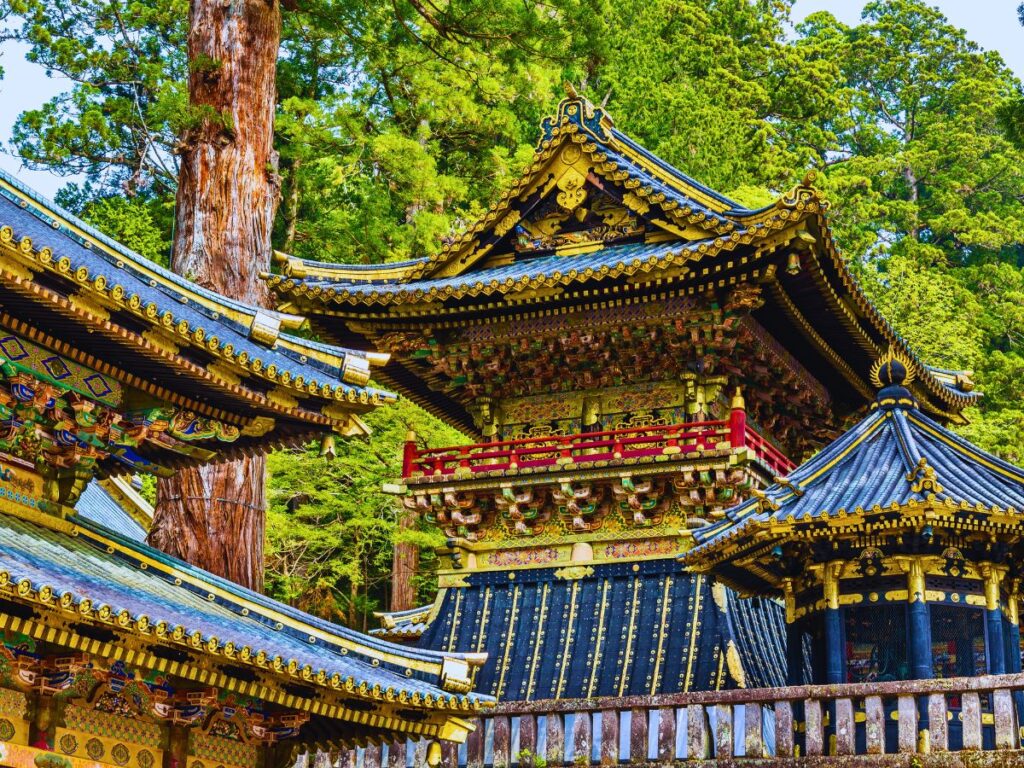
Okay, now for the most exciting part! Here’s a sample 5-day plan to show you just how much you can see and do with this pass. We’ll use Tokyo as our “home base” for this example, which is a popular way to travel.
But remember, this is just one idea to show you the pass’s value. There are many ways to plan your trip. For instance, instead of heading back to Tokyo every night, you could travel up to Sendai on Day 3 and use it as a base for a night or two.
From there, you could explore places like Yamadera or Matsushima Bay. This approach can save you a lot of travel time and let you explore the Tohoku region a bit more deeply.
With Tokyo as your base, on Day 1, you’ll arrive at Narita Airport. The first thing you’ll want to do is head to a JR EAST Travel Service Center or a designated ticket machine to exchange your voucher for the physical pass.
Once you have it, you can hop straight on the Narita Express for a comfortable, direct ride into Tokyo. After checking in to your hotel, you can use the pass on the JR lines, like the Yamanote Line, to do some initial exploring.
For Day 2, let’s take a day trip to see the incredible UNESCO World Heritage sites in Nikko. Your pass covers the journey on the limited express trains that run directly from stations like Shinjuku to the Nikko area, making it a very simple trip. You can spend the whole day exploring the famous shrines and temples before heading back to Tokyo in the evening.
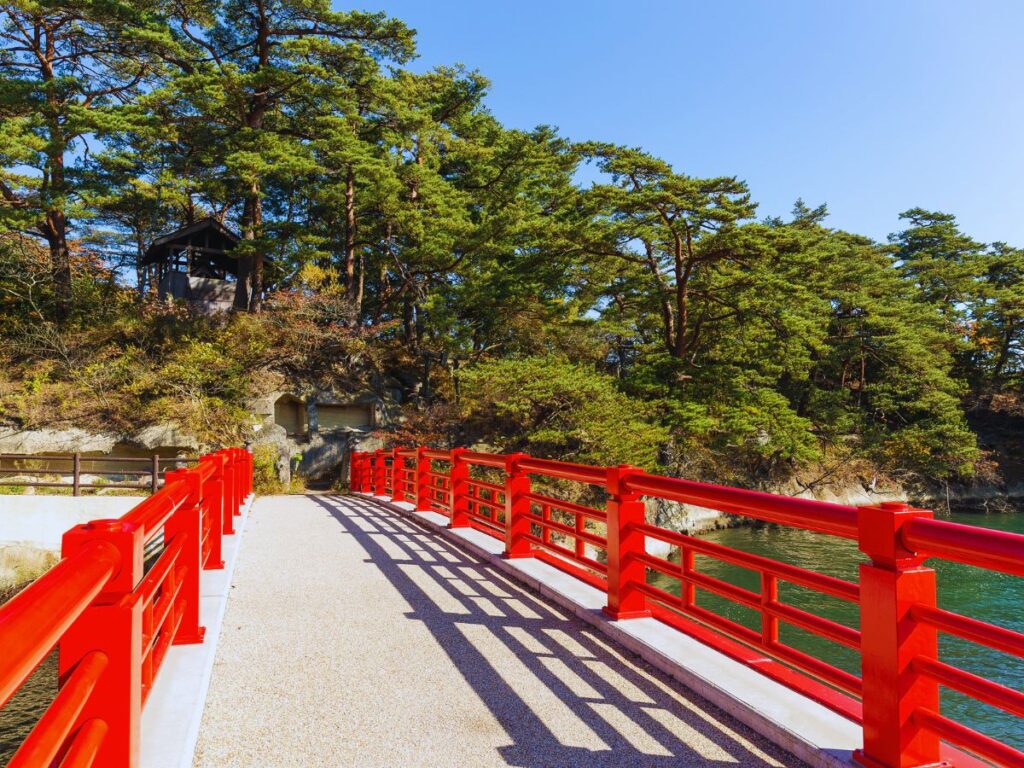
On Day 3, it’s time to use the Shinkansen. You’ll take the bullet train north to Sendai, the largest city in the Tohoku region. After exploring the city, you can take a short trip on a local JR line to see Matsushima Bay, which is famous for being one of Japan’s three most scenic views. You’ll then head back to Tokyo on the Shinkansen that night.
For Day 4, you’ll take another big trip, this time heading to Yamagata. You’ll ride the Yamagata Shinkansen from Tokyo. Once there, a popular activity is to take the scenic JR Senzan Line to the nearby Yamadera temple, which is famously built into the side of a mountain. After a day of exploring, you’ll take the Shinkansen all the way back to Tokyo.
On your final day, Day 5, you can use the pass for any last-minute travel around Tokyo on the JR lines before heading to the airport for your departure or moving on to your next destination.
Total Itinerary Value
So, did you save money? Let’s look at the numbers. Please remember that these individual ticket prices are just approximations for regular periods and can change based on the season and specific train. It’s always best to check official sources for the most current fares.
- Narita Express (Airport to Tokyo): approx. ¥3,000
- Round trip to Nikko: approx. ¥6,000
- Round trip Shinkansen (Tokyo to Sendai): approx. ¥22,000
- Round trip Shinkansen (Tokyo to Yamagata): approx. ¥23,000
Just the two big trips to Sendai and Yamagata would cost you about ¥45,000 alone. When you add in the airport transfer and the trip to Nikko, the total value of this itinerary would be well over ¥50,000.
With the pass costing just ¥30,000, you would achieve a massive saving of over ¥20,000!
Know Where to Go, But Not What to Do?
The JR EAST PASS makes day trips to places like Nikko, but planning every moment can be exhausting. Our self-guided 1-day itineraries are packed with the best spots and hidden gems. For only a dollar, just download the PDF to your phone and go.
→ Get Your Instant Itinerary Here
JR EAST PASS FAQs
Can I use the JR EAST PASS on the Narita Express?
Yes, absolutely. The pass fully covers the Narita Express (N’EX) for your travel to and from Narita Airport.
Does the pass cover subways in Tokyo?
No, it does not. The pass is only valid on JR lines within Tokyo. It cannot be used on the Tokyo Metro or Toei Subway lines.
Can foreign residents in Japan buy the JR EAST PASS?
Unfortunately, no. This pass is only available for international tourists who are visiting Japan with a “Temporary Visitor” stamp in their passport.
Is the pass valid on the Hayabusa Shinkansen?
Yes, it is. The Hayabusa is a train that runs on the Tohoku Shinkansen line, which is fully covered by your pass.
Do I need to carry my passport with the pass?
Yes, you are required to carry your passport with you when using the pass. A train conductor or station staff member may ask to see it to confirm your eligibility.