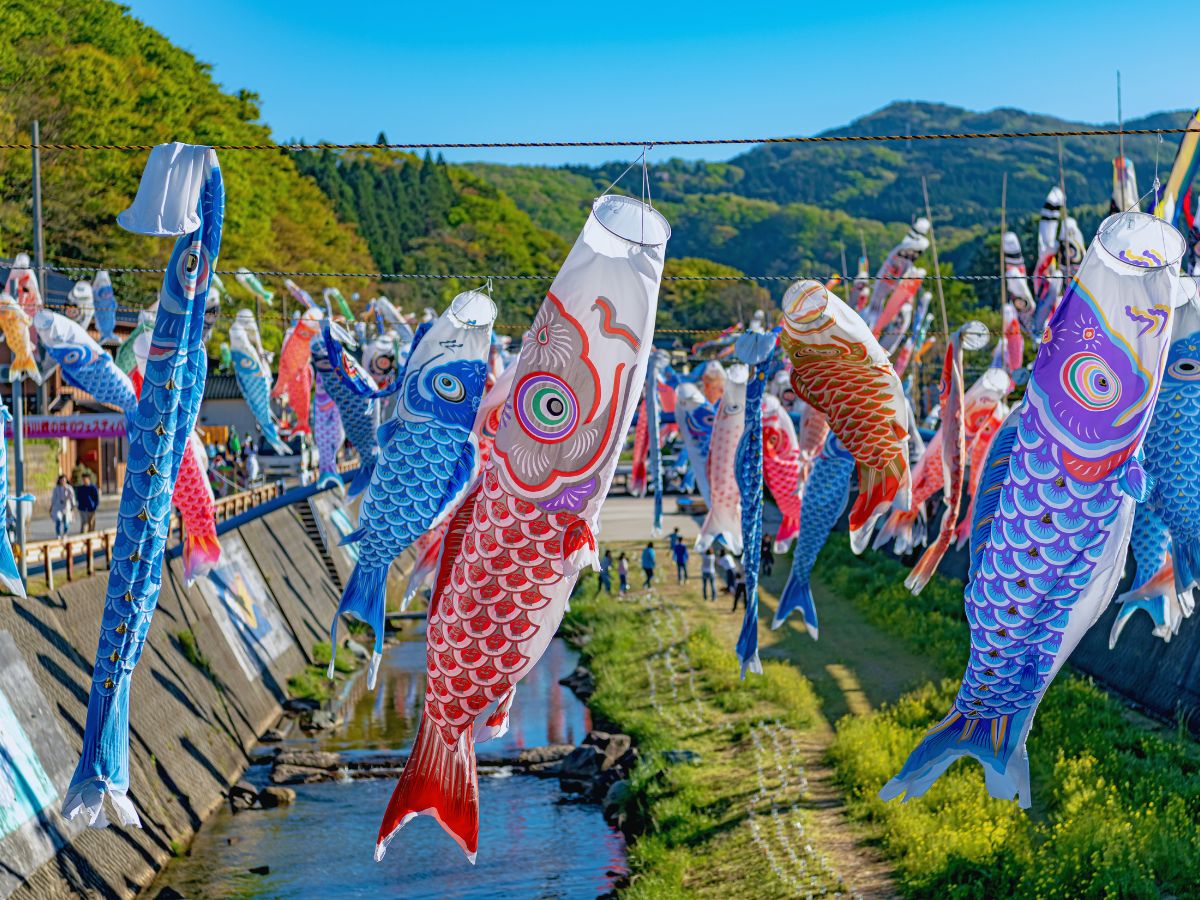

Every year, for roughly ten days between late April and early May, Japan collectively exhales and goes on holiday. All at once. Around 40 million people take to the roads, railways, airports, and motorways in what is arguably the biggest annual movement of people in any single country on earth.
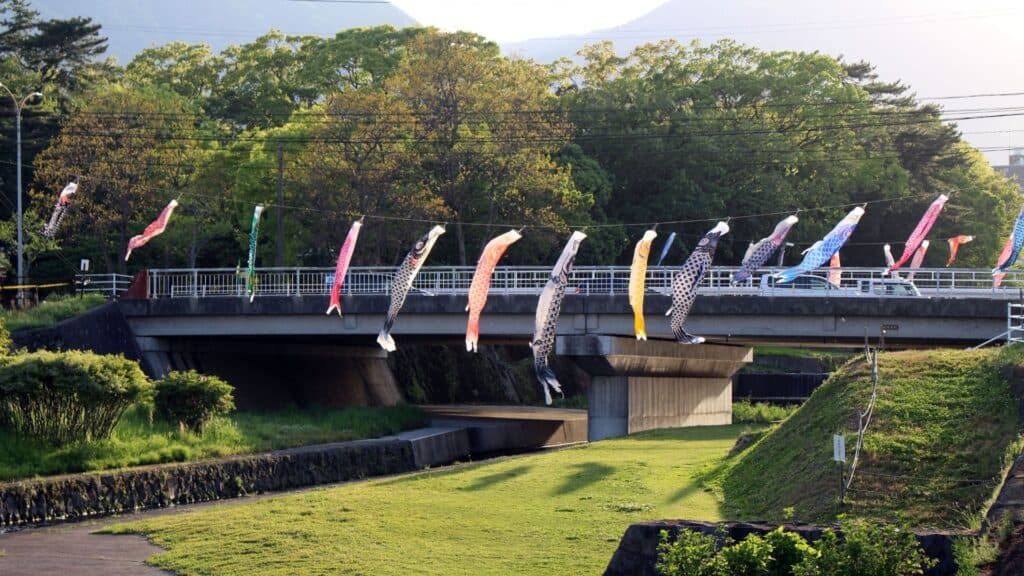
Trains sell out weeks in advance. Popular ryokan are booked up months before the first holiday even begins. The queues at Kyoto’s most famous temples stretch further than you’d think possible. And above it all, enormous carp-shaped kites called koinobori ripple in the spring breeze from bridges, parks, and rooftops across the entire country. It is quite a sight.
This is Japan’s Golden Week, and if you are planning to travel to Japan in late April or early May, it is the single most important thing to understand before you book a single flight or hotel room.
What is Golden Week in Japan?
Most countries scatter their national holidays across the year fairly evenly. Japan, for reasons that are entirely historical rather than deliberate, managed to stack four of them into a single ten-day window. The result is Golden Week, and it is, by some distance, the longest and most widely observed holiday period in the Japanese calendar.
Golden Week’s Four Public Holidays Explained
The first of the four holidays is Showa Day, observed on the 29th of April. This one commemorates the birthday of Emperor Hirohito, who reigned from 1926 until his death in 1989 under the imperial era name Showa. The official purpose, as defined by law, is to encourage people to reflect on the turbulent events of the Showa era and think about Japan’s future. In practice, most people treat it as the starting gun for the holiday period and head straight to the station.
Constitution Memorial Day falls on the 3rd of May and marks the date in 1947 when Japan’s postwar constitution came into effect. It is a genuinely significant date in the country’s modern history: the constitution established Japan as a parliamentary democracy, renounced war as a sovereign right, and guaranteed a wide range of civil liberties. Some political debate still surrounds the constitution, particularly the pacifist Article 9, and you will occasionally see small demonstrations or public talks on this day. For most visitors, though, it simply means that museums, government buildings, and civic institutions may have special exhibitions or slightly different opening hours.
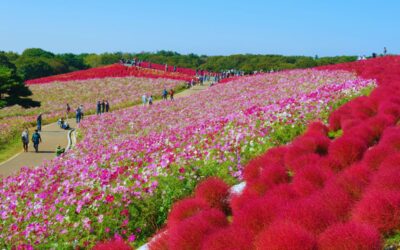
Greenery Day is on the 4th of May. The spirit of the holiday is an appreciation of nature and the environment, and it falls at a beautiful moment: Japan in early May is genuinely green, warm, and flowering in ways that make the name feel entirely appropriate.
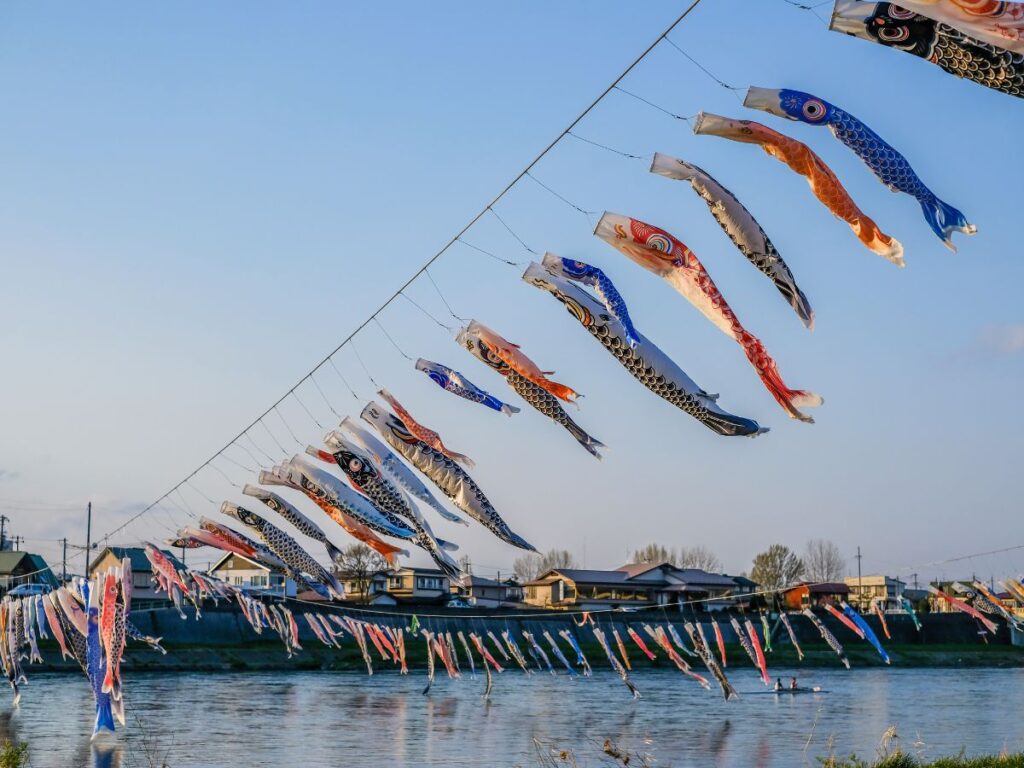
Children’s Day on the 5th of May is the one with the most visible street presence. Known in Japanese as Kodomo no Hi, it is a celebration of children’s happiness and health. This is the holiday responsible for those enormous carp kites you will see flying absolutely everywhere.
Why Golden Week Lasts Longer Than Four Days

Four public holidays spread across seven days already gives you a fairly significant stretch of time off, but the reason Golden Week regularly extends to ten days or more comes down to a combination of Japanese labour culture and a piece of legislation called the Happy Monday System.
The basic arithmetic works like this. Showa Day on the 29th of April and Constitution Memorial Day on the 3rd of May have Greenery Day and Children’s Day filling the gap between them. Any day that falls between two national holidays is itself designated a holiday under Japanese law, which means the 2nd of May effectively becomes a public holiday by default in most years.
Add in the weekend on either side, and you already have the core week accounted for. Many companies then grant the 1st of May as an additional day off, since asking employees to come in for a single Tuesday in the middle of a national holiday stretch makes very little practical sense.
When the dates align particularly well with weekends, the whole block can push to ten or eleven consecutive days. In years when it aligns less favourably, it is more likely to be seven or eight. Either way, what you get is a period long enough that Japanese families plan major trips, people visit relatives they have not seen since New Year, and domestic tourism goes into overdrive. The travel industry builds its entire spring schedule around it.
It is also worth knowing that the days immediately before and after Golden Week are often just as chaotic as the holiday itself. The 28th of April sees a mass exodus from cities, and the 6th of May sees an equally large return. If you have any flexibility in your own travel dates, avoiding those two days on the road or railways will save you a significant amount of stress.
How Crowded Does Japan Actually Get During Golden Week?
Yes, Japan is busy in early May. Very busy. The kind of busy that reshapes your entire day if you have not planned around it. This is not something to be anxious about, but it is absolutely something to be prepared for. The difference between a Golden Week trip that feels chaotic and one that feels brilliant usually comes down to whether the traveller understood what they were walking into.
The Busiest Destinations
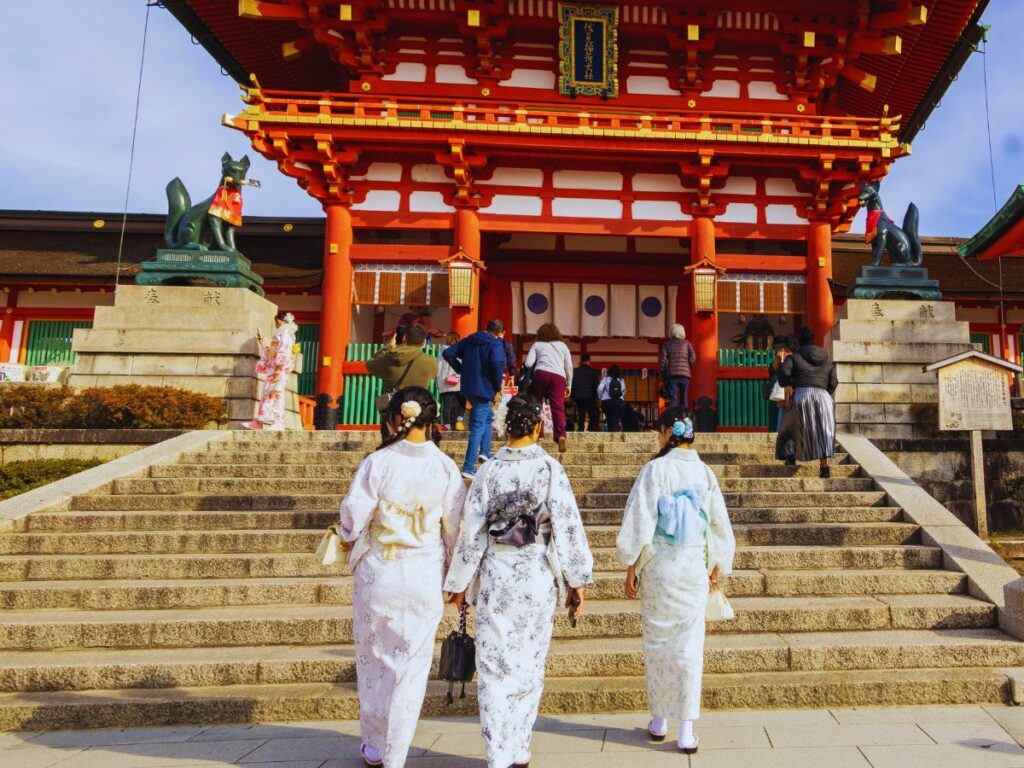
Kyoto tends to take the worst of it, by most accounts. Fushimi Inari, in particular, already one of the most visited sites in Japan, can become almost impassable at the lower torii gates by mid-morning. The shrine never closes, which means arriving before 6am is genuinely your best option if you want to experience it without being shoulder-to-shoulder with several thousand other people.
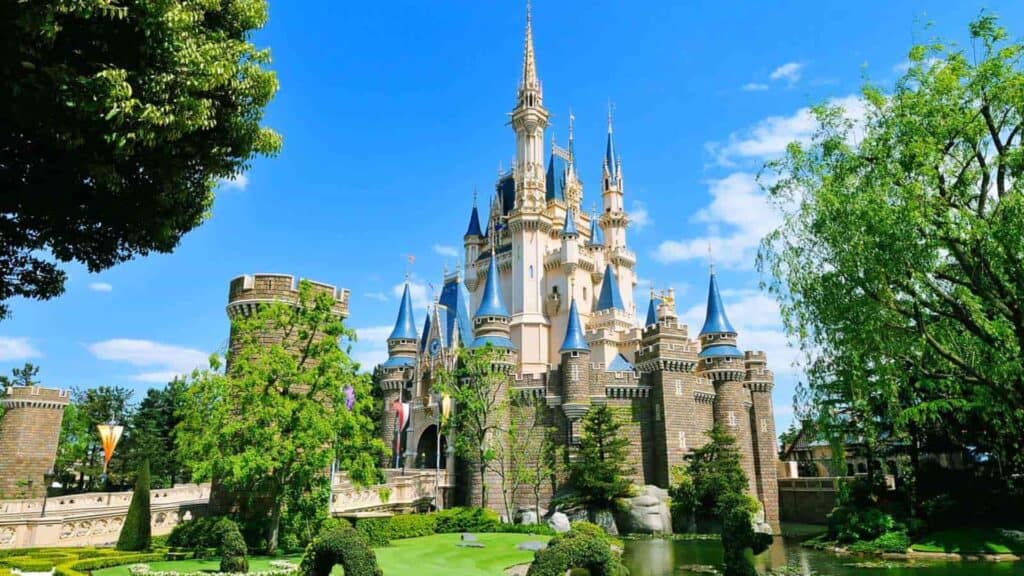
Tokyo DisneySea and Disneyland are widely reported as being among their busiest of the entire year during Golden Week. Wait times of two to three hours for major attractions are commonly cited by visitors during this period. If theme parks are on your list, this is the one time of year where the experience can genuinely suffer unless you are extremely strategic about it.
Nikko, Hakone, and the onsen towns around the Izu Peninsula are consistently described as among the most popular domestic destinations during Golden Week, largely because they are the classic Japanese family holiday spots. Hakone in particular draws large numbers because it sits close to Tokyo, offers mountain scenery and hot springs, and has good transport links.
How to Actually Avoid the Crowds
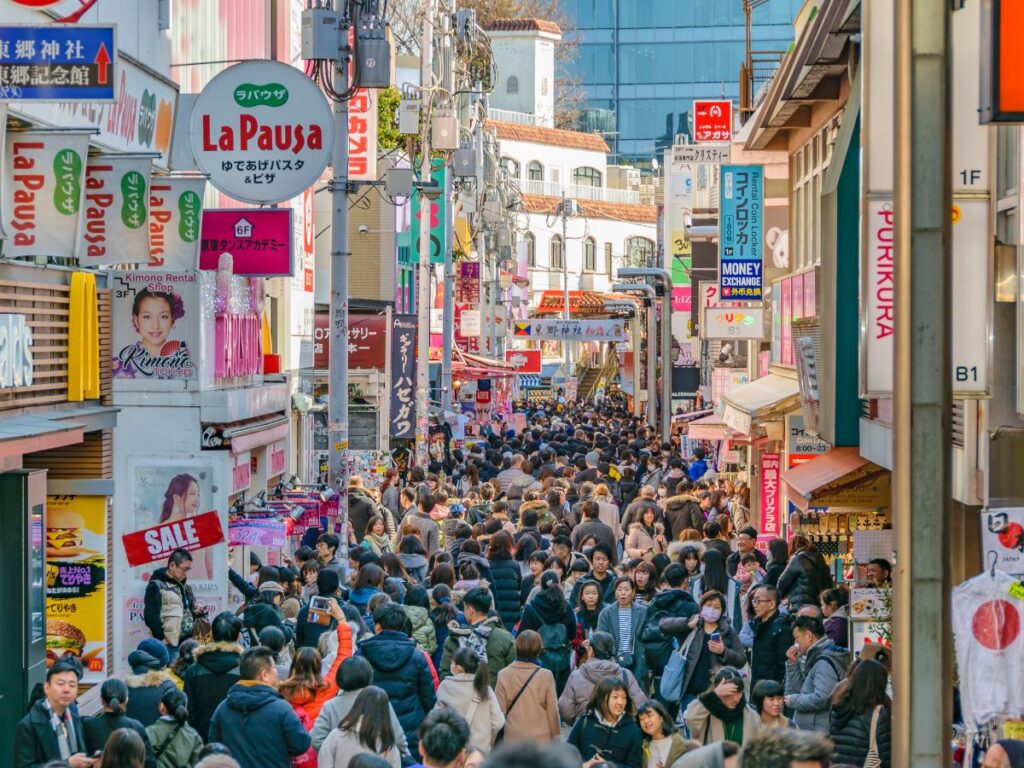
The most effective tactic, by some distance, is adjusting your hours. Japan’s crowds follow a predictable rhythm: they build from mid-morning, peak in the early afternoon, and thin out again in the early evening. If you are willing to be at a major site by 7am, you will often have it almost entirely to yourself.
Weekday versus weekend timing matters too. The very start of Golden Week and the final few days see the heaviest travel, as people make their outbound and return journeys. The middle days, particularly a Tuesday or Wednesday if the calendar allows, tend to be marginally more manageable at specific sites, though nowhere near what you would call quiet.
The more significant shift comes from choosing where you go. Cities like Kanazawa, Matsumoto, Takayama, and Hiroshima are worth considering as alternatives. They are popular destinations in their own right, and while visitor numbers rise across the whole country during Golden Week, the pressure on these cities is different to what you encounter in central Kyoto or Tokyo. That is partly size, partly infrastructure, and partly the fact that international itineraries still cluster heavily around the main tourist corridor.
Working with a specialist travel company also makes a practical difference here, and not just in the obvious sense of having someone to call when things go wrong. A good specialist will know which sites are manageable at which times, which alternatives exist when your first choice is overwhelmed, and crucially, how to secure accommodation and transport reservations for the trip you’re planning.
What to Expect From Golden Week Festivities
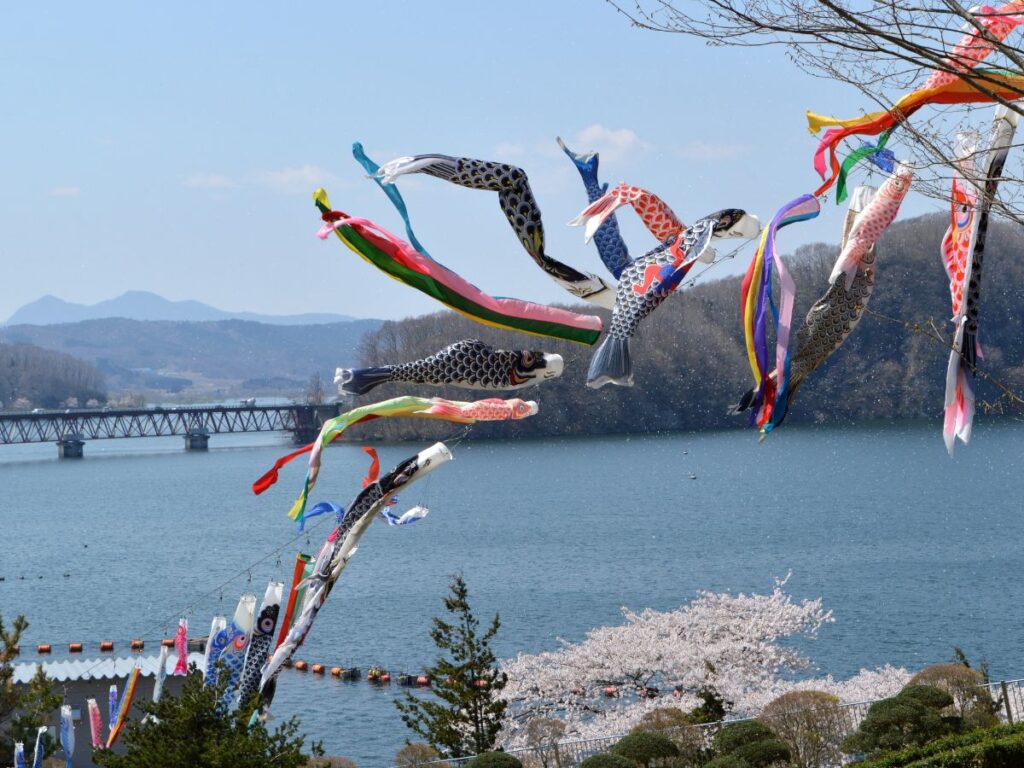
The first thing you will notice is the koinobori. Large carp-shaped kites in red, blue, black, and gold are strung above rivers, parks, and bridges in their dozens from late April onwards. Some of the best displays are along the Sagami River in Kanagawa Prefecture, where hundreds of koinobori are strung across the water simultaneously, and at Tatebayashi in Gunma, which hosts one of the largest koinobori festivals in the country. They stay up through Children’s Day on the 5th of May.
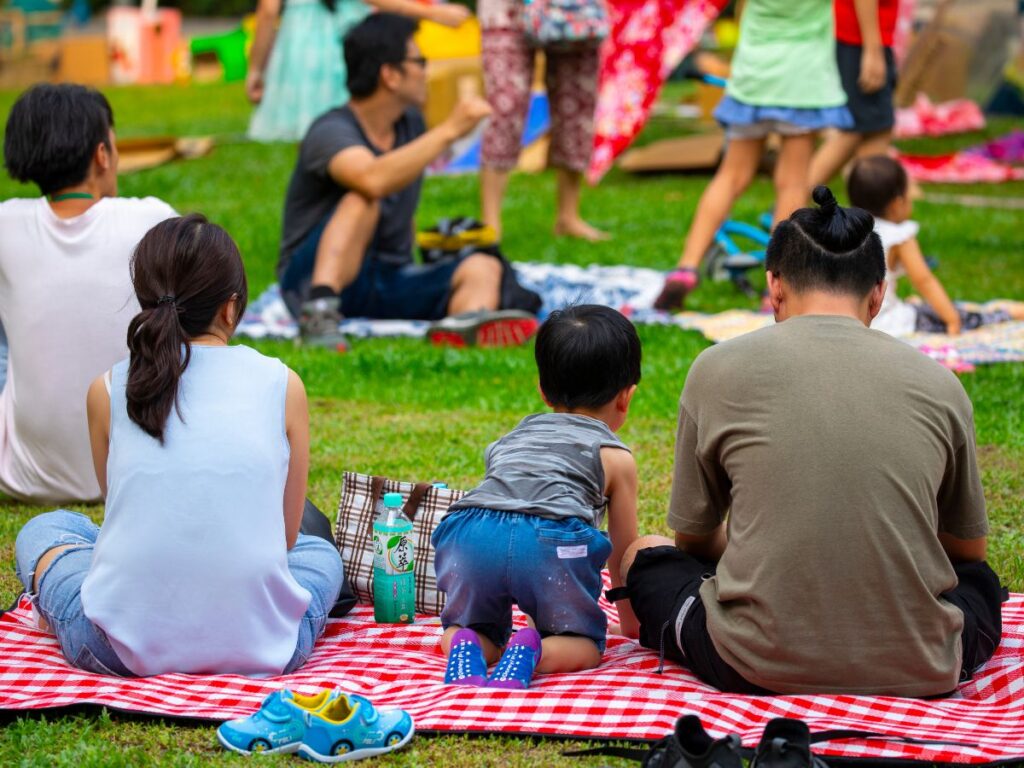
Parks get taken over by families having picnics, particularly over the first weekend of May. In Tokyo, Yoyogi Park and Shinjuku Gyoen fill up early and stay busy all day. In Kyoto, the banks of the Kamo River become one long picnic from mid-morning. The atmosphere is lively rather than unpleasant, and joining in is easy enough if you pick up food from a nearby convenience store or one of the street stalls that set up around the park entrances.
Those street stalls are worth seeking out. Outdoor markets and food stalls pop up around shrines, parks, and shopping streets throughout the period, selling yakitori, taiyaki, seasonal produce, and handmade goods. The Hakata Dontaku Festival in Fukuoka, which runs on the 3rd and 4th of May, turns the entire city centre into one long street party with parades and performances drawing very large crowds.
Local neighbourhood matsuri also happen right across the country during this period. They range from large organised processions with floats and taiko drumming to small shrine ceremonies that last an afternoon.
Getting Around During Golden Week
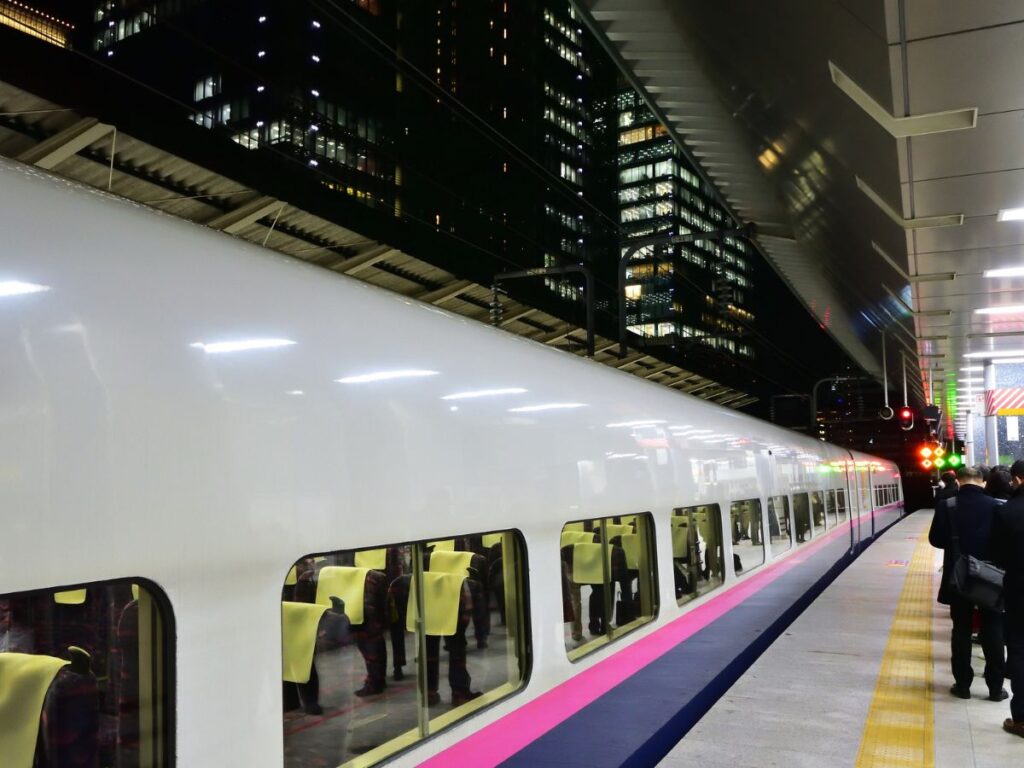
The Japanese rail network is extraordinary under normal circumstances, but during Golden Week it is operating at a level that requires real advance planning. Turning up and hoping for the best is not a strategy that works here.
Reserved seats on the most popular routes, particularly Tokyo to Kyoto, Tokyo to Osaka, and Tokyo to Hiroshima, sell out weeks before the holiday period begins. Not days. Weeks. In some cases, the most convenient departure times on the most popular dates are gone within hours of becoming available.
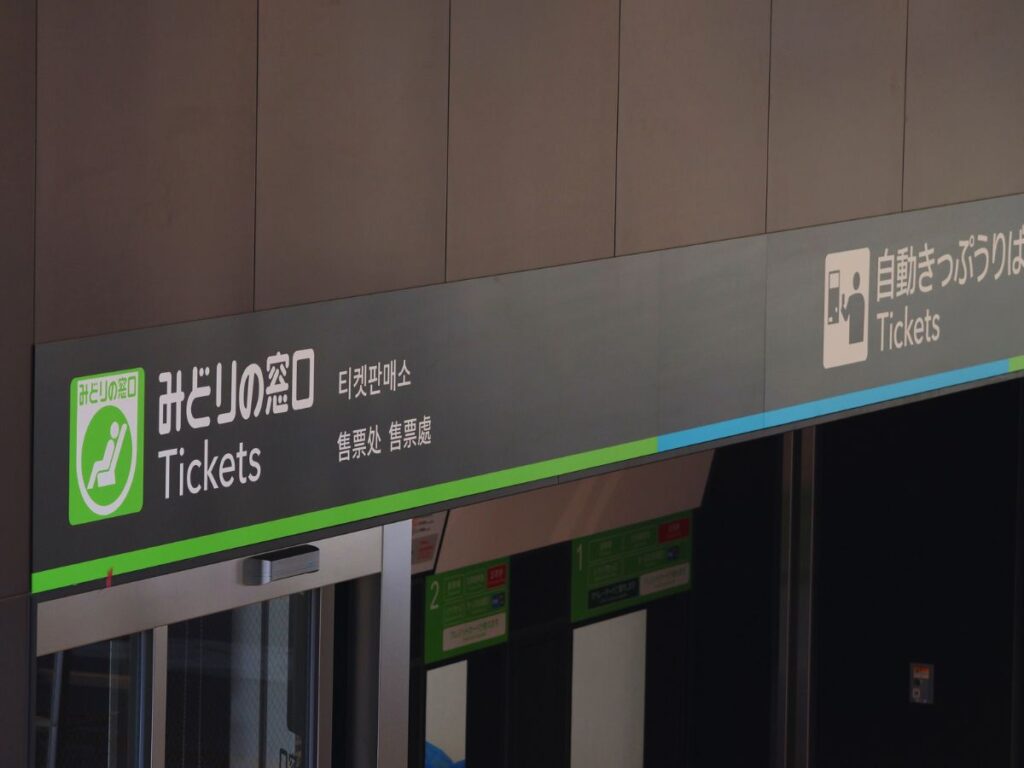
Reservations open exactly one month before the date of travel, so if you are planning to travel on the 29th of April, that means logging on or visiting a ticket office on the 29th of March. Leave it a week and you will be choosing between inconvenient departure times, indirect routes, and standing-only carriages for two and a half hours with luggage. It is worth almost any amount of forward planning to avoid it. Overwhelmed by all this Shinkansen talk? Read our guide:
One thing worth knowing before you arrive at the platform: the Nozomi, the fastest service on the Tokaido and Sanyo lines, is excluded from the Japan Rail Pass at all times (unless you purchase a special supplemental “top-up” ticket), and during Golden Week this restriction extends to the Mizuho service as well. Pass holders are directed to the Hikari or Kodama services instead, which add around 20 to 30 minutes to most journeys and are perfectly good trains. Just do not turn up expecting to board a Nozomi and find out at the gate.
During the peak days of Golden Week, the Nozomi even switches to 100% reserved seating. This means there are no non-reserved carriages at all. If you don’t have a specific seat reservation, you won’t just be standing in the aisle, you generally won’t be allowed to board the train.
If the shinkansen system feels like a lot to navigate, a private driver is a straightforward alternative worth considering, particularly for airport transfers, day trips, or routes that do not sit neatly on the rail network. It removes the reservation pressure entirely and gives you considerably more flexibility on timing. It is something we arrange regularly for clients at Flip Japan, and during Golden Week especially, a lot of travellers find it the simpler option.
Booking Accommodation During Golden Week
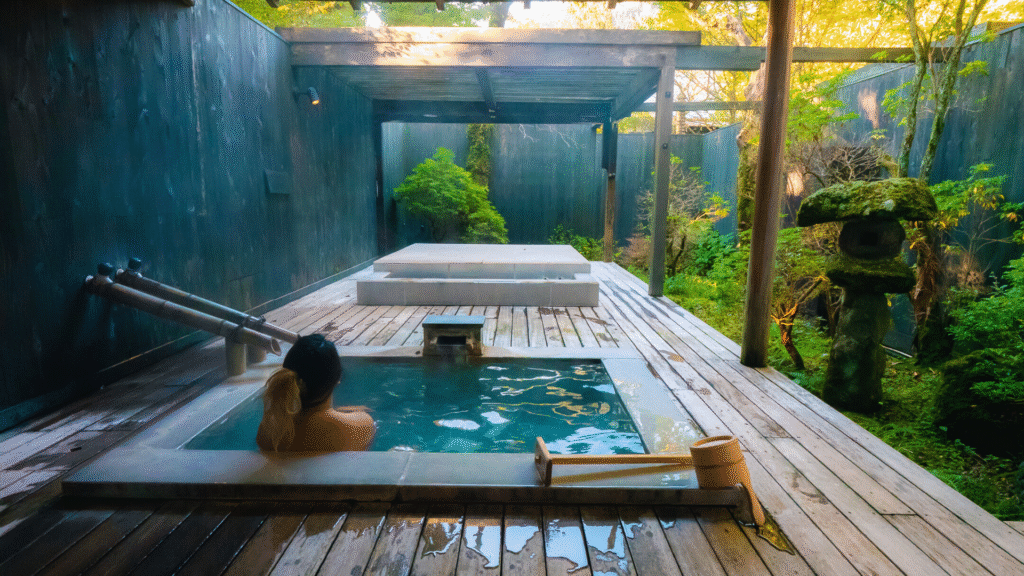
This is the part that catches people out most often, even experienced travellers who know Japan well. The issue is not just that prices are higher during Golden Week, though they are. It is that availability disappears at a pace that most people do not anticipate until they start searching and find almost nothing left.
Six months in advance is the right target for anything at the quality end of the market, and three months is the absolute minimum for a reasonable selection. The most popular ryokan in Kyoto, the best-located hotels in Tokyo, and the onsen resorts in Hakone fill up long before most international travellers have even started thinking about the trip. A significant chunk of the competition is domestic, and Japanese travellers know exactly when to book.
Premium ryokan are a different situation again. The best small-scale kaiseki properties in places like Kyoto and Hakone take reservations up to a year in advance for Golden Week specifically. Some have waiting lists. A handful operate on introduction only, which means even calling twelve months ahead is not always enough.
If a genuine ryokan stay is important to you, and for many people visiting Japan, it absolutely should be, this is the one period where trying to sort it independently is most likely to end in frustration. Working with a specialist who knows the Japanese accommodation landscape well is worth it here more than at almost any other time of year.
Not convinced a ryokan stay is for you? Here’s why we think you’ll love it:
Visiting Establishments During Golden Week
This is one of the most common questions people have before visiting Japan during this period, and the short answer is reassuring: most things stay open. Japan’s restaurants, shops, department stores, convenience stores, and supermarkets all operate normally during Golden Week, and many extend their hours because the foot traffic is there. Major attractions, temples, shrines, and museums stay open too. The idea that Japan shuts down for its biggest holiday is a misunderstanding rooted in how public holidays tend to work in other countries.
Where you will notice closures is in the parts of Japan that most visitors never need to interact with anyway. Government offices, banks, post offices, and municipal buildings observe the national holidays and close accordingly. Some smaller, family-run businesses in residential neighbourhoods may close for part of the period so the owners can travel themselves. If you need to do anything administrative in person during Golden Week, check ahead. For everything else, assume it is open.
The one practical thing worth doing before you travel is making dinner reservations for your most important meals. Popular restaurants in Kyoto and Tokyo are significantly busier than usual, and places that do not take bookings can have long waits at peak meal times. Sorting this before you leave home rather than on the night will save you more than a little frustration.
Japan Golden Week FAQs
How does Golden Week affect prices beyond accommodation?
Flights into Japan during Golden Week are significantly more expensive than at other times of year, often by a considerable margin, and they book up fast. Domestic transport costs rise too.
What should I pack for Japan in late April and early May?
Layers are the right approach. Daytime temperatures in most of Japan sit between 18 and 24 degrees, but evenings can still be cool. Rain is possible throughout, so a light waterproof is worth having. Comfortable walking shoes matter more during Golden Week than at other times simply because you will be on your feet more, navigating crowds and covering more ground on foot to avoid busy transport.
Can I visit Japan during Golden Week without booking a tour?
Yes, but it requires more advance planning than independent travel at any other time of year. Shinkansen reservations, accommodation, and popular restaurant bookings all need to be secured well ahead of time.
Is Golden Week a good time to visit Japan for the first time?
It depends on your tolerance for crowds and your appetite for planning. First-time visitors who book early and go in with realistic expectations often find Golden Week one of the most memorable times to visit. First-time visitors who arrive underprepared tend to find it overwhelming.