
If your ideal afternoon looks less like a packed sightseeing list and more like a certain tea-loving uncle from Avatar finding his happy place, you’re booking the right thing. A Japanese tea ceremony is calm, centuries-old, a little ceremonial, and ends with a bowl of matcha you’ll remember. The kind of only-in-Japan moment that’s easy to picture.
Then you search “tea ceremony” on a booking platform, and the picture blurs. One listing is a 45-minute matcha-whisking class. The next is a kimono photo session with tea attached. Another is a formal gathering with a tea master. Same two words but wildly different afternoons and very different price tags.
We’ve partnered with every kind of tea ceremony provider you can (and can’t) imagine, and are ready to give you the information you need to book the right experience for you. We hope this guide helps you:
- Understand what “tea ceremony” can actually mean when looking at listings
- Compare the most common “Japanese tea ceremony” formats side by side
- Know what to check before you hit “checkout”
A Quick Look at Japanese Tea Culture
Tea arrived in Japan from China over a thousand years ago, first as a monk’s trick for staying awake through long stretches of meditation, then as a fashionable habit among the wealthy. The ceremony most travellers picture, matcha whisked and served with real care, came together much later, across the fifteenth and sixteenth centuries.
Japan was deep in its Warring States era then, a stretch of the country spending more time at war than at peace, and the tea room was built as the deliberate opposite: small and quiet, rank left at the door. Weapons stayed outside. Everyone knelt over the same plain bowl, whoever they were. The man who shaped it most, Sen no Rikyuu, served as tea master to the most powerful men in the country…which turned out to be a dangerous job: his patron, the warlord Toyotomi Hideyoshi, eventually ordered him to take his own life.
He was the one who stripped the whole practice back to restraint and simplicity and it’s his version that’s still taught today, through schools that trace directly back to him. Strip away the centuries and it comes down to something small and human: a host giving a guest their full attention for the length of a single bowl of tea, in a moment everyone present knows won’t repeat.
Book a ceremony now and you’re not really paying for tea. You’re paying for someone to make you the entire focus of a carefully prepared half hour, which, in the middle of a packed trip, can be its own kind of luxury. If you want the full story of chanoyu and its philosophy, start with our complete guide to the Japanese tea ceremony. For now, this post is about something narrower and more practical: choosing the right one to book.
Phrases to Know Before You Go
You might have guessed from the tea ceremony’s story, but maintaining traditions is a hugely important part of the practice. As a result, you’ll come across quite a few Japanese words when booking (and during) your tea ceremony that you might want to know about beforehand. You don’t need to memorise anything, but knowing a handful of words upfront can make everything easier to follow.
- Matcha: Finely powdered green tea, whisked rather than steeped. The star of the show.
- Chanoyu: The tea ceremony as a whole practice (literally “hot water for tea”); also called sadō or chadō, “the way of tea”.
- Chashitsu: The tea room or tea house itself, often small and deliberately simple, designed to focus your attention.
- Otemae: The host’s choreographed movements for preparing and serving the tea.
- Chakai: An informal tea gathering: tea and sweets, no full meal.
- Chaji: The formal, full-length occasion, with a kaiseki course meal before the tea. The long version.
- Wagashi: The seasonal sweet served before the tea, to offset matcha’s bitterness.
- Chasen: The bamboo whisk you’ll be handed in a hands-on class.
- Chawan: The tea bowl, often handmade, is traditionally turned a small quarter-turn before you drink.
- Usucha / Koicha: “Thin tea” and “thick tea.” Thin is the lighter, frothier bowl you’ll meet in most classes; thick is more concentrated and formal, served at a full chaji.
- Seiza: The formal kneeling posture. Some experiences offer chairs; ask if it’s a concern.
- Tatami: The woven straw matting that traditional rooms are floored with. (Worth noting: shoes and wheelchairs can’t go on it.)
- Obi: The wide sash that ties a kimono, if you go for the kimono format.
“Japanese Tea Ceremony” Covers a Lot of Ground
The same listing title can mean a quick, hands-on class or a quiet, formal ceremony… and almost everything in between.
One booking might hand you a whisk and a sweet and have you done in an hour. Another dresses you in a kimono first. Another seats you with a tea master for an unhurried, watch-then-sip experience.
None is “better” than any other; it just depends on what you’re after. The trick is matching the booking to the kind of afternoon you actually want.
4 Ways to Experience a Tea Ceremony in Japan
For planners who like to see it all at a glance, here’s how the main types compare:
| Experience type | What you’ll do | Best for |
| Beginner matcha class | Watch a short demo, learn the basics, eat a sweet, whisk your own bowl | First-timers, solo travellers, families, friends |
| Kimono + tea ceremony | Get dressed in kimono, then join a guided ceremony and make matcha | Couples, friends, photo-lovers, first-time Kyoto visitors |
| Private tea-master ceremony | A quieter, unhurried ceremony with time for questions | Couples, honeymooners, culture-focused & older travellers |
| Temple / garden / historic room | Receive a bowl in a striking setting; usually whisk a second yourself | Slow travellers, photographers, repeat visitors |
Beginner-Friendly Tea Ceremony (Matcha-Making Class)
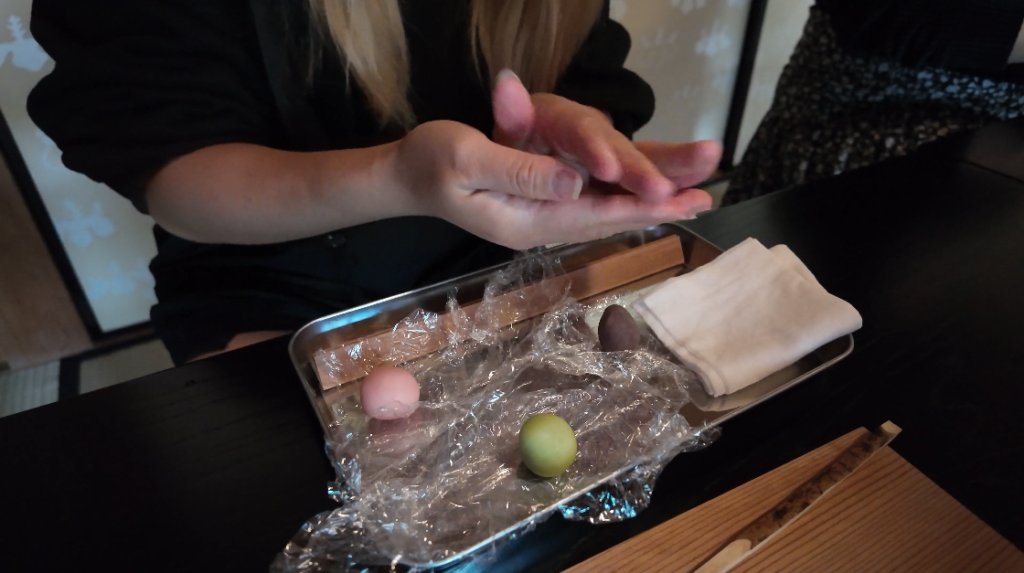
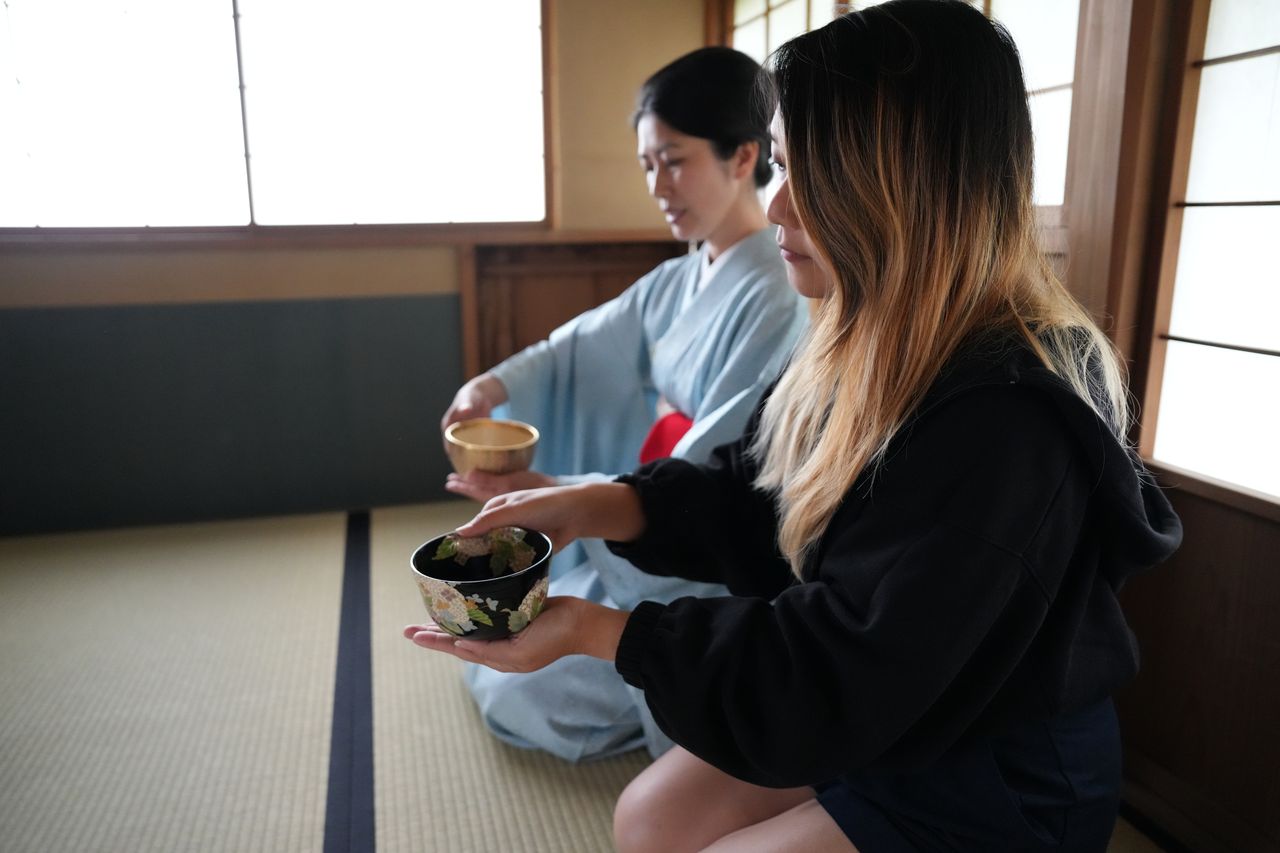
If you have kids, are looking for something casual, or are just dipping your toe into the world of tea for the first time, then this is the place to start. A beginner-friendly class keeps things short, hands-on, and refreshingly low-pressure: you’ll watch how matcha is prepared, pick up just enough etiquette to feel comfortable, enjoy a seasonal sweet, then whisk your own bowl.
No prior knowledge needed, no kimono, and no need to survive an hour in seiza. Because you’re not committed to kneeling, it’s also one of the gentler options if sitting on the floor is difficult. Most take place in a tatami room but the pace is relaxed and the host knows you’ll be a beginner.
It’s the least formal option, but that’s kind of the point. You trade a little depth and atmosphere for clarity and comfort. A fair deal, if what you really want is to understand what a tea ceremony actually is without the pressure of kneeling or a super formal atmosphere.
We can book something beginner-friendly for you in both Tokyo and Kyoto, led by English-speaking instructors who teach the basics and guide you through making your own matcha.
Here are the details:
- Best For: First-timers, solo travellers, friends, and families
- Duration: About 60–90 minutes
- Cost: From about 60 USD per person
- Inclusions: Seasonal wagashi, a bowl of matcha you whisk yourself, the etiquette basics, and an English-speaking host. Kimono is not part of this format.
- Outcome: You leave understanding how matcha is made, and maybe able to whisk a respectable bowl on your own
New to all this? Make a booking inquiry here.
A quick note on mobility and access.
Traditional rooms are tatami-matted, and wheelchairs can’t go on tatami. If that affects you, we can arrange a step-free space with table-and-chair seating instead. Just let us know when you enquire.
Kimono and Tea Ceremony Experience
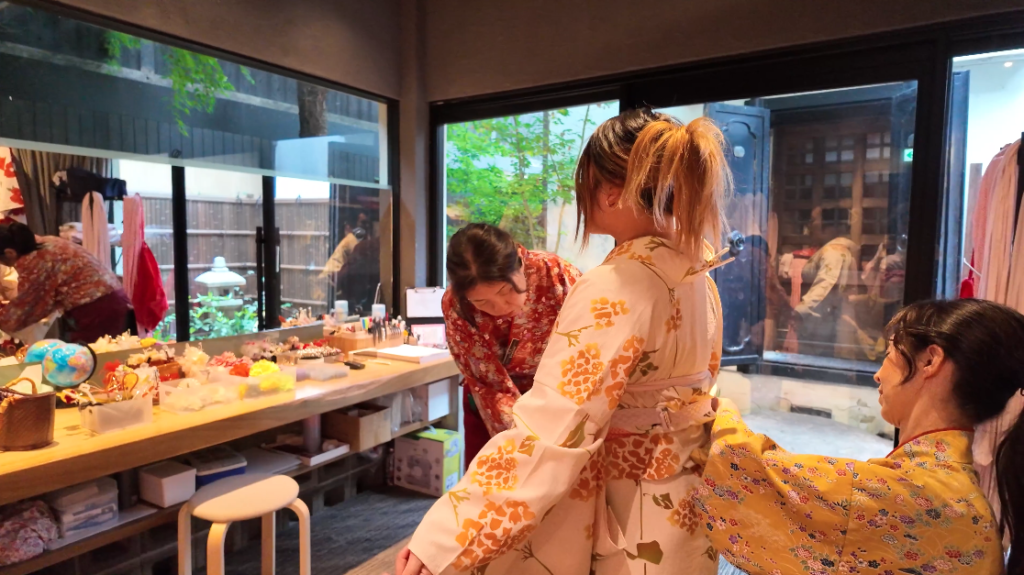
Want the photos and the matcha? This is the version most people picture. You choose a kimono, get dressed (with hair styling usually included for women), then settle in for a tea ceremony in a traditional room. Think sweets, matcha, and a turn at whisking your own bowl. It’s equal parts cultural experience and dressing up, and there’s no shame in being there for both.
Just budget the time. Dressing adds twenty to forty minutes before the ceremony even begins, so don’t wedge this between two tightly timed plans. And if wrestling with an obi sounds more like stress than fun, the beginner class above gives you the tea without the wardrobe.
In Kyoto, our team can set you up with a kimono ceremony where the staff dress you, guide everything in English, and often let you keep the kimono on afterwards for a few hours to wander nearby streets like Nishiki Market or Higashiyama. Some venues offer add-ons such as calligraphy or a guided market walk.
Here are the details:
- Best For: Couples, groups of friends, photo-focused travellers, and first-time Kyoto visitors
- Duration: About 90 minutes to 2 hours, with kimono dressing included
- Cost: From about 90 USD per person
- Inclusions: Kimono rental and dressing, hair styling (usually for women), the tea ceremony, seasonal sweets, and matcha you whisk yourself. Photos and extras (calligraphy, gold leaf, a guided market walk) may cost more.
- Outcome: A proper tea ceremony, a set of photos you’ll actually use, and a kimono day you can extend into the surrounding district
Fancy the full experience? Make a booking inquiry here.
Private Tea Ceremony with a Tea Master
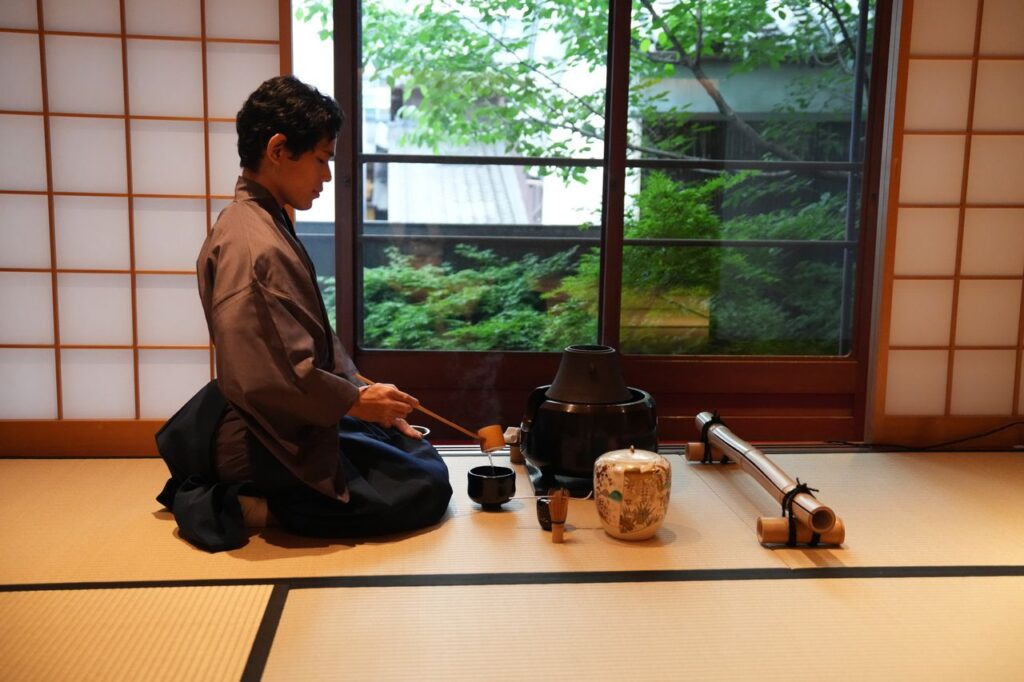
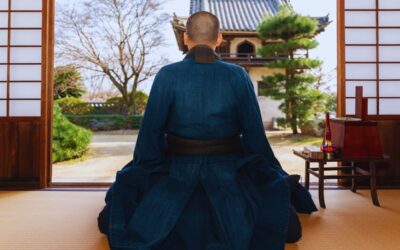
If the idea of a crowded class puts you off, go private. This is the slow, quiet end of the spectrum: a ceremony performed just for you, with a tea master who has room to explain what they’re doing and time to answer the questions a group session never gets to. Less whisking, more watching, and a great deal more atmosphere.
It’s also far and away the most romantic of the four; intimate, unhurried, and easy to make a quiet highlight on a honeymoon or anniversary trip. (If that’s the trip you’re planning, our honeymoon guide has more.)
It’s the format to choose when the ceremony itself is the point, not the souvenir. You won’t get the budget price or the group buzz. You will get depth, calm, and an unhurried hour that feels genuinely personal.
We work with small private tea houses in Kyoto and around Tokyo, and can sort interpretation for any ceremony where the host doesn’t guide in English. These book up and run on longer lead times, so it’s worth enquiring early.
Here are the details:
- Best For: Couples, honeymooners, culture-focused and older travellers, and anyone who wants depth over spectacle
- Duration: About 60–90 minutes
- Cost: From about 150 USD per person
- Inclusions: A private or small-group ceremony with a tea master, seasonal wagashi, matcha, and English interpretation when necessary
- Outcome: An unhurried, personal encounter with the ceremony and the space to ask everything a group class skips over
Want the quiet version? Make a booking inquiry here.
Temple, Garden, or Historic-Room Ceremony
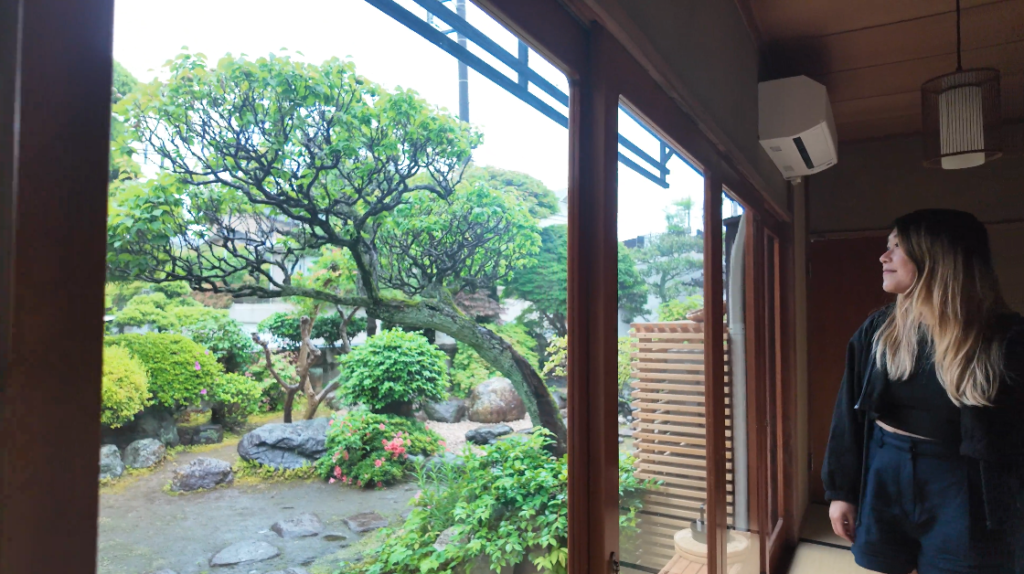
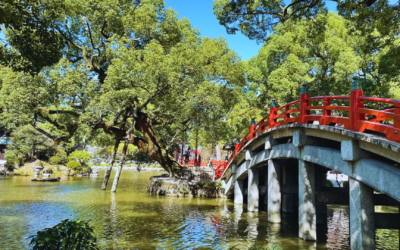
Sometimes the setting is the experience. These ceremonies trade the teaching format for atmosphere: a bowl of matcha received in a tranquil garden, the calm annex of a temple, or a historical tea room with the kind of view you came to Japan for. You’ll often be served a bowl prepared for you, then whisk a second yourself…but the surroundings do a lot of the work.
Best for travellers who’ve done a basic ceremony before, or who simply care more about where they’re sitting during the experience. A gentler pick, too, for anyone who’d rather not commit to a long, formal session.
Worth knowing: the best of these tend to sit a little off the beaten track, away from the busiest tourist centres. That’s a draw if you want somewhere calmer and more atmospheric but a drawback if you’re short on time or sticking to the major cities.
For garden and historic settings, look to Kyoto and Kanazawa, some with relaxed (non-seiza) seating and step-free access; useful if mobility is a concern. A few are seasonal, so the right option depends on when you’re travelling, and we can match you to one that’s open.
Here are the details:
- Best For: Slow travellers, photographers, and repeat visitors who’ve covered the basics
- Duration: About 45–60 minutes
- Cost: From about 90 USD per person
- Inclusions: A bowl of matcha in the setting, a seasonal sweet, and garden or venue access where applicable
- Outcome: The ceremony as a transcendent experience, with tea in a place you’ll remember as clearly as the matcha
Like the sound of that? Make a booking inquiry here.
Tea-Adjacent Experiences
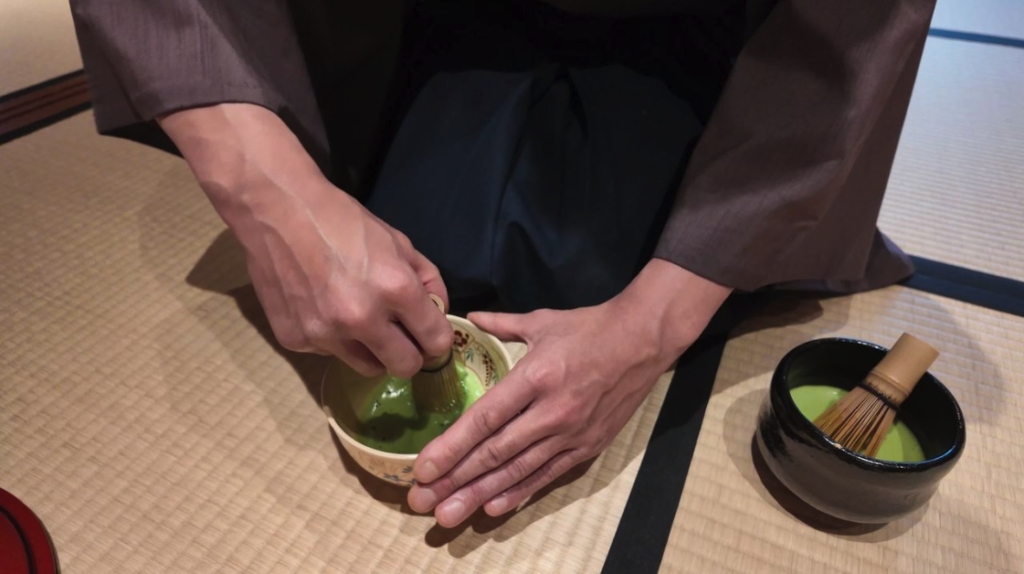
Not everything that comes up under “Japanese tea ceremony” actually is one, but a few neighbours are worth a mention if your real interest is matcha, craft, or cultural atmosphere:
- Uji matcha tasting and making: the home of Japanese green tea, better for tasting and production than formal ceremony. Read our Uji guide here.
- Maiko or geiko tea pairings: tea served alongside a maiko performance; equal parts entertainment and ceremony. More in our geisha experiences guide.
- Corporate and group ceremonies: large parties, conferences, and incentive trips are better handled as a custom booking. See our MICE page.
If you’re not sure whether you want a true ceremony or one of these, we would be happy to help you figure it out.
Check These Details Before You Book
A Japanese tea ceremony listing rarely tells you everything up front. Before you get to the payment screen, confirm these:
- Seating: Is seiza (kneeling) required, or are chairs and relaxed seating available? This matters more than first-timers expect.
- Duration and what’s counted: Is kimono dressing or garden access included in the stated time, or on top of it?
- Language and interpretation: Is the ceremony English-guided, or is an interpreter needed? Private ceremonies, especially, can be host-only.
- Hands-on vs demonstration: Will you whisk your own bowl, or mainly watch? Both are valid, but you want to know which one you’re booking in advance.
- Group size: Private, small-group, or a shared session with strangers? It changes the whole feel.
- Age and children: Minimums vary. Some venues welcome ages 6+, others start at 10+. Check before booking when travelling with kids.
- Mobility and stairs: Traditional buildings mean tatami, low tables, and sometimes steps. Ask about step-free access, or other potential accommodations, if you need it.
- Wagashi and allergens: Sweets often contain red bean, gluten, or other allergens. Flag dietary needs ahead of time.
- Photos: Are photos allowed during the ceremony, or only afterwards? Kimono formats are usually generous; formal ones less so.
- Where it slots in your day: Factor in dressing time and location so it doesn’t collide with your next plan.
The Right Tea Ceremony Is the One That’s Authentic to You
A Japanese tea ceremony can be one of the most reflective and memorable hours of your Japan trip. The catch is that “tea ceremony” covers so much ground that the wrong booking is easy to make.
So don’t chase the most “authentic” one, or the cheapest, or the one with the best photos. Chase the one that fits your time, your comfort, and what you actually want to walk away with.
Booking a Japanese Tea Ceremony: FAQs
How much does a Japanese tea ceremony cost?
It depends on the format. A beginner matcha class starts from around 60 USD per person, a kimono ceremony from about 90 USD, and a private ceremony with a tea master from roughly 150 USD. City, group size, and add-ons like photos, kimono hire, or an interpreter all shift the final price, so confirm the current rate when you enquire.
Do I have to kneel the whole time?
Not necessarily. Kneeling, also called seiza, is the traditional posture, but many experiences offer chairs or relaxed seating, and some are designed around it. One thing worth knowing: traditional rooms have tatami mat floors, which wheelchairs can’t go on. If that affects you, some venues are able to arrange a step-free space with table-and-chair seating for you. Just flag it when you make your booking; they will need advance notice in order to prepare.
Do I need to book a tea ceremony in advance?
Almost always, yes. Beginner and kimono classes can sometimes take same-day bookings, but a few days’ notice is safer. However, it’s worth noting that in spring and autumn, especially in Kyoto, the popular venues fill weeks ahead. Private ceremonies run on longer lead times and limited availability, so give those as much notice as you can. Tight on dates? Enquire early and we’ll tell you what’s still open.
Do I have to wear a kimono for a Japanese tea ceremony?
Not at all! Kimono is entirely optional, and plenty of experiences don’t involve one at all. That said, kimono-and-tea is one of the most popular combined formats, mostly in Kyoto, and usually includes dressing and hair styling. Just budget the extra time if you do go for this format: getting dressed adds twenty to forty minutes before the ceremony even starts.
How long does a Japanese tea ceremony last?
Anywhere from about 45 minutes to 2 hours for the experiences most travellers book. Beginner classes are shortest; kimono formats add dressing time; private and garden ceremonies vary with the setting. (A full formal chaji can run up to four hours, but those are rare to attend as a visitor.) Always check whether the stated time includes things like kimono dressing or garden access.
Is a Japanese tea ceremony suitable for kids?
With the right format, yes. Age minimums vary, with some venues welcoming children ages six and up while others need your child to be at least ten, and a shorter, hands-on beginner class tends to hold their attention best. The quiet, formal ceremonies are a harder sit for little ones. Tell us their ages and we’ll point you to something that fits.