I know that Japan’s amazing history and culture are huge reasons that so many people dream of visiting. If this is true for you, then you might be delighted to learn that many ancient Japanese cities still stand today and warmly welcome visitors interested in experiencing Japan’s past.
These places can really teleport you back hundreds (sometimes thousands) of years into the past, so you’re not just getting a glimpse into history, but almost experiencing it in real time. I’ve curated this list of the ancient Japanese cities I think you should check out based on a few different criteria, which I hope will offer something for everyone!
Japan’s Oldest Cities
Pinning down the official oldest city in Japan is a little tricky, as there are limited records and opposing opinions on what “oldest” really means. That being said, there are a few schools of thought on the subject, with some contenders for the oldest city in Japan below (specifically the ones that someone wanting to experience an ancient Japanese city might be most interested in exploring).
Kyoto
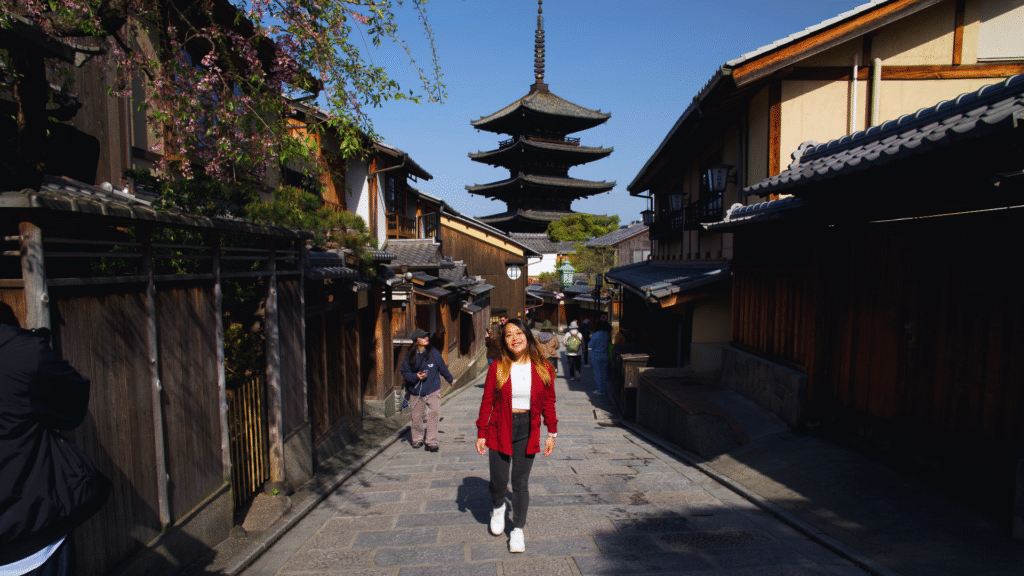
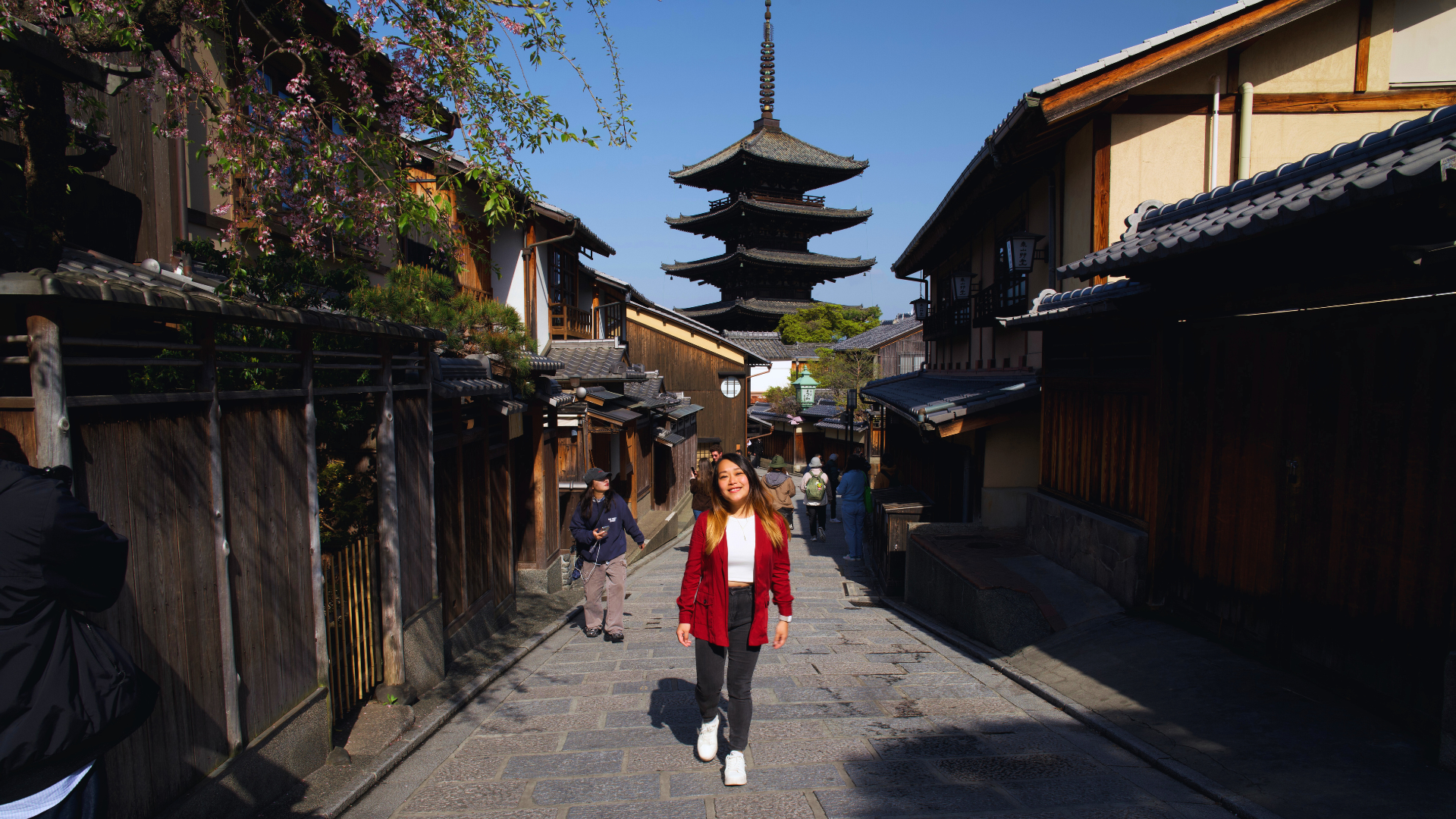
It goes without saying that Kyoto had to be on this list. The city was founded in 794 CE and became Japan’s capital until 1868. Today, Kyoto is famously a place where you can step into “old Japan” with many of the streets, temples, and city architecture reflecting the way it was hundreds (sometimes thousands) of years before.
Many parts of Kyoto have been officially designated as “Important Preservation Districts” by the government (more on this below), which shows just how ancient this city really is. Nowhere represents this better than Gion, the city’s “Pleasure Quarter”, where geisha would walk the cobbled streets and visit wooden tea houses. Much of the area is unchanged today, except for the many tourists excited to experience the city’s beauty.
If in the area, Sannenzaka is an easy walk away for another example of Kyoto’s ability to transport you into the past, or to get away from the crowds, Saga Toriimoto Preserved Street is a lesser-known historical gem in the city. The road is lined with untouched traditional buildings from the 19th century that are protected, with no cars allowed.
How to spend one day in Kyoto
Nara
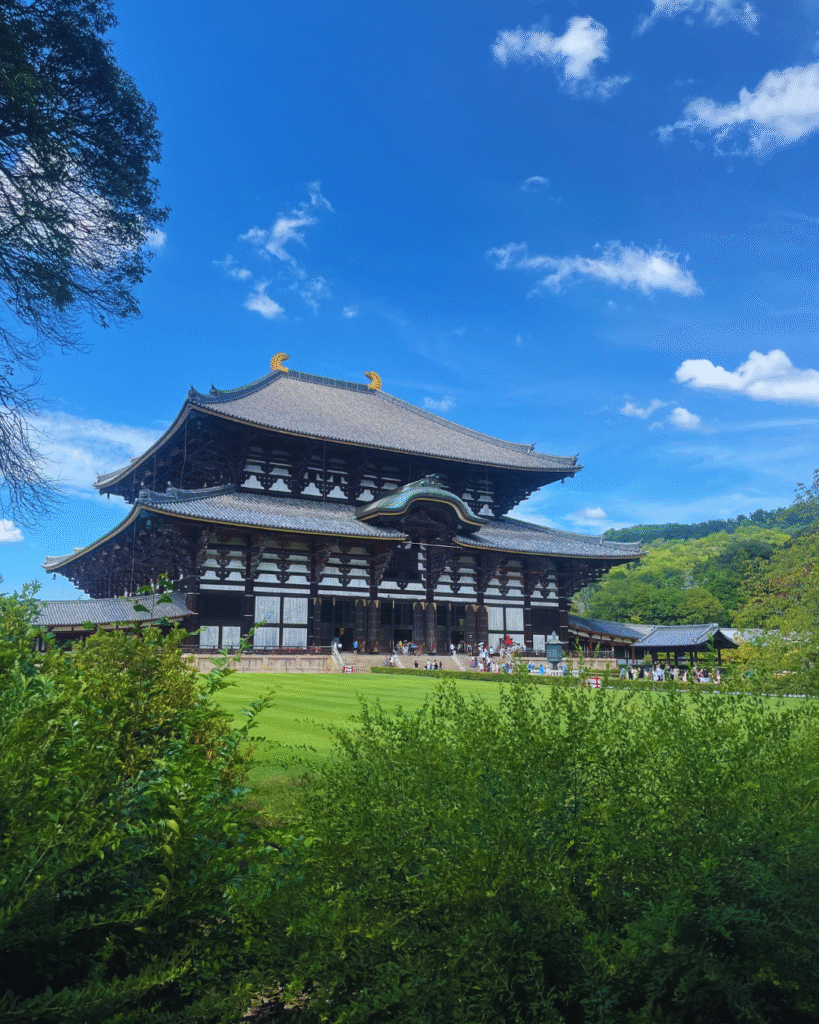
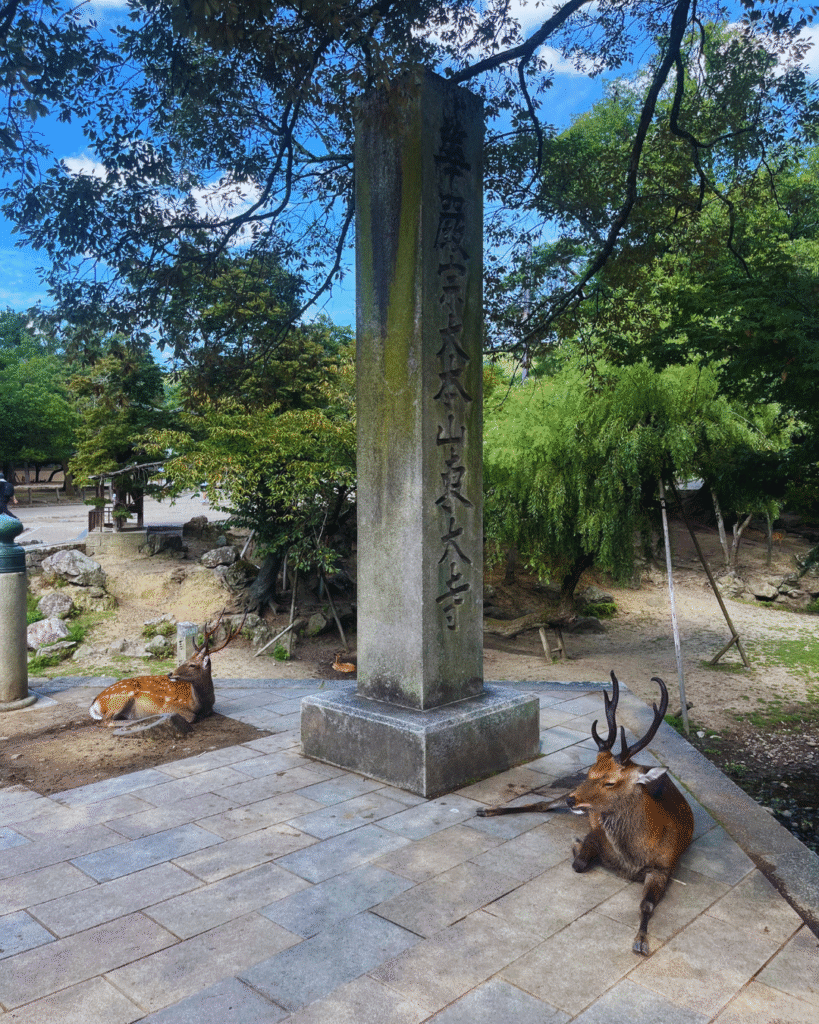
Kyoto is Japan’s old capital, but Nara is its original. The city was founded in 710 CE in the likeness of China’s capital city of the time, marking an incredibly important moment in Japanese history…something many tourists overlook due to the distractions of the city’s (albeit amazing) friendly deer.
At the time, Nara was known as Heijo-Kyo, and along with its newly located imperial court came the establishment of several hugely important religious buildings, many of which still exist today. Probably the most famous is Todai-ji Temple, home of the world’s largest bronze Buddha statue of Vairocana. The temple was founded in 738 CE, and its huge wooden great hall remains standing until today through the incredible efforts of restoration throughout the last 1,250 years.
As a bonus note, whilst we’re talking about ancient Japanese cities, if you take the Kintetsu-Kashihara Line about 30 minutes south of Nara to Yaginishiguchi Station and walk a short distance, you’ll reach Imai-cho in Kashihara City. This is another designated preserved district that is away from almost all the tourists, mystically teleporting you to a perfectly preserved merchant town from Japan’s Edo Period.
Izumo
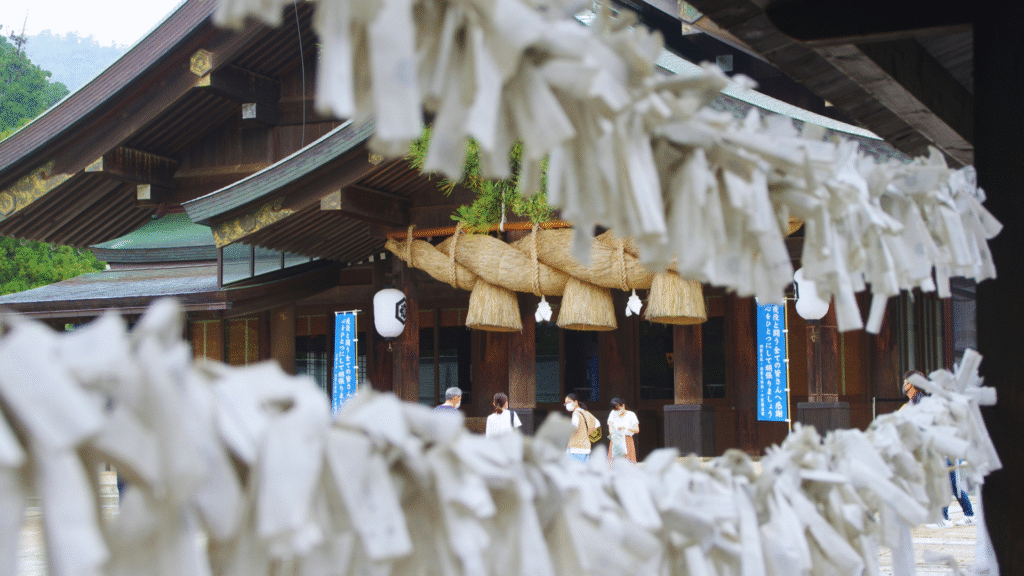
From a spiritual perspective, Izumo has to have a place on this list. It’s both a mythical place and a real city, which is described in many of Japan’s ancient folk stories. It was founded during the Yayoi Period (300 BC to 250 CE), and according to Japanese mythology, it is the entry point to the afterlife.
One beautiful theory for this is that the myth comes from the 700s CE, as Izumo is located on the coast in the exact direction where the sun would set for someone standing in Nara, Japan’s capital at the time. Being such an ancient and spiritual city, Izumo has many incredible temples and shrines, including one of Japan’s oldest and most important Shinto shrines, Izumo Oyashira.
The historic landmarks continue with Usagi, a preserved historic fishing village, and Japan’s tallest masonry lighthouse. Aside from the ancient wonders, Izumo is also home to several natural wonders like Inasa-no-Hama Beach and Tachikue-Kyo Gorge.
Fukuoka

Modern Fukuoka may be less than 200 years old, but the city’s roots go back, far, far further. With its coastline location in Kyushu, the area is theorised to have connected Japan with the continent since ancient times, and in 1 CE (yes, one), the Kingdom of Nakoku was established in what is now Fukuoka city when the King of Nakoku received a golden seal of recognition from China’s Late Han Dynasty. The seal is one of Japan’s national treasures, but you can see it for yourself at Kinen Park.
Fukuoka has always been a place for trade and international relations, but even more interestingly, it’s also considered to be the birthplace of Japan’s rice cultivation practices. Within the city, you can visit the Itazuke Ruins of an ancient farming village where the country’s very first rice paddies were established.
The city is covered with so many more amazing historical sights. There are the burial mounds from 3 CE, and the ruins of Mizuki Castle and Ono Castle, but one thing you absolutely must do is visit Hakata Old Town to see the UNESCO heritage site of Kushida Shrine.
Kamakura
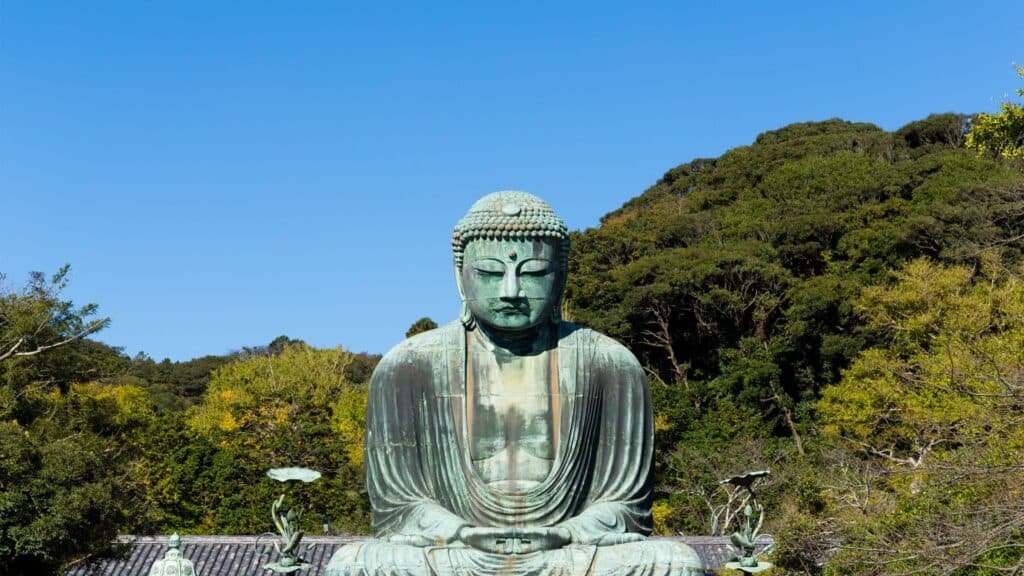
Kamakura was established in the early 12th century under the Kamakura shogunate, and for around 100 years, it was the most populous settlement in all of Japan. Wealth, prosperity, and power came with the city’s growing numbers, making it the country’s de facto capital for a time.
Today, Kamikura is considered one of Japan’s most important cultural cities, with some of the oldest and best-preserved historical sites in the Kanto region. The most famous is, of course, Kamakura’s Daibutsu, or Great Buddha, located within the grounds of Kotokuin Temple. The temple itself is more than 1,200 years old, with the Buddha being added in 1252 CE.
There are many other ancient shrines and temples to visit in the city, which also happens to be conveniently located only one hour south of Tokyo by train. Beyond just historical tourism, Kamakura has a lovely beach and is especially magical during the hydrangea season in June, as the entire city transforms with the pastel-coloured blooms.
Designated Preservation Districts
I’ve mentioned a few of these already, but to give you a little more information, Japan has a list of 110 Important Preservation Districts for Groups of Traditional Buildings. These are areas across the country that have been specially selected for maintaining ancient buildings which carry important cultural significance.
Visiting all 110 would be quite the endeavour, so I’ve picked out four places that I think are particularly worth making the trip to see.
Nakanojo Town, Gunma
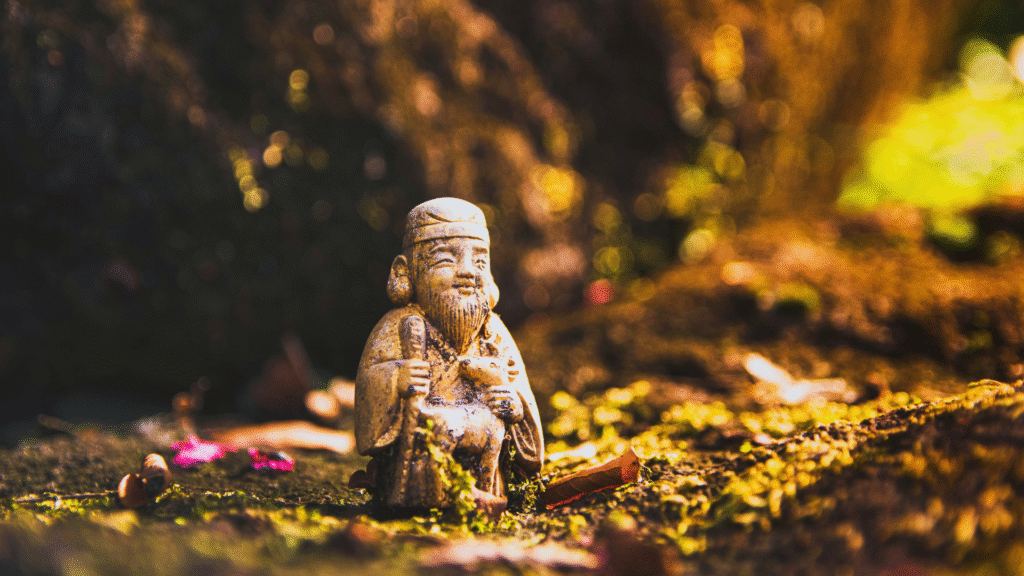
Rokugo Akaiwa in Nakanojo Town is a mountain village that is about as far away from the tourist-filled, ultra-modern streets of Tokyo as you can get (figuratively speaking, physically it takes under three hours to get from one to the other). The ancient village is part of an onsen town hidden away in the pristine mountains, and gives visitors a glimpse of truly traditional Japanese life.
The area received the official preserved district designation for the mountain village itself, but also the community’s silk production culture. You’ll find traditional silkworm farmhouses and workshops, as well as opportunities to purchase the handmade material.
Kaga City, Ishikawa
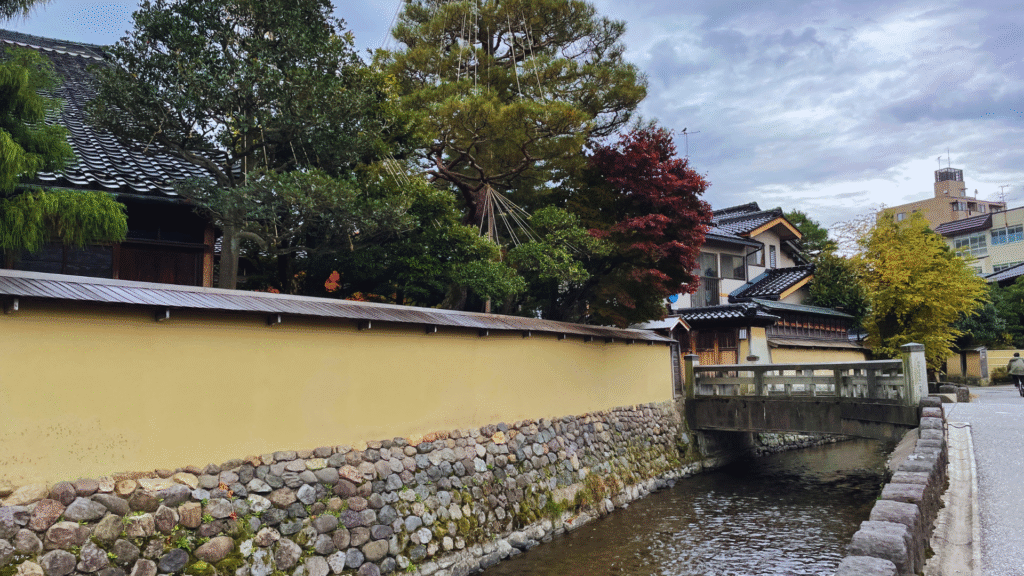
Kaga City is a place overflowing with history, culture, and tradition. It’s also incredibly beautiful with picturesque Japanese scenery of mountains, forests, dams, and the magnificent Kakusenkei Gorge. My recommendation to take in the amazing views is from one of the charming onsen villages that are dotted all over Kaga.
Kaga City also boasts two different areas on the official designated list: the ship-owner quarry in Kagahashidate, and the mountain village Kagahigashitani. As you can imagine, both offer some amazing historic buildings, but I particularly love Kagahigashitani as the traditional tiled-roofed buildings are sprinkled so quaintly across the mountainside.
Ine Town, Kyoto
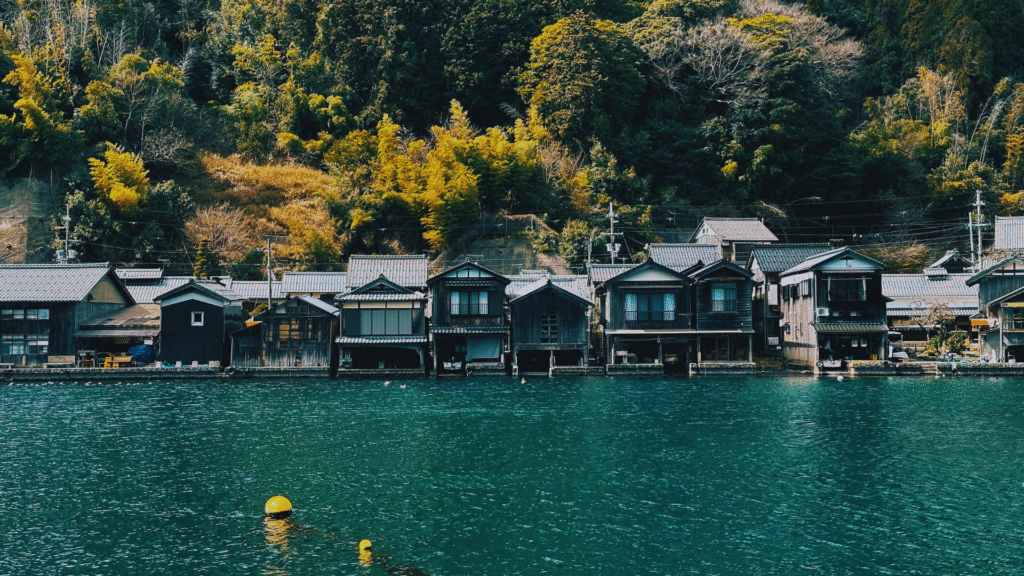
Ine-ura, or Ine Fishing Town, is a perfectly preserved fishing village with a history dating back to the 6th century and building foundations from the 1700s. The most incredible thing about Ine-ura, however, is the funaya, meaning boat houses. These are wooden homes that are literally built over the water, with “garages” underneath where the fishing boats are parked.
As the funaya are facing outwards onto the water, you have to see them…from the water. Luckily, there are boat tours of the village and local-run “sea taxis” for you to do just that. Behind the line of funaya, Ine is a real and functioning town. There’s a tourist centre, restaurants, shops, and even a few places to stay.
Taketomi Island, Okinawa

Visiting Taketomi Island was one of my favourite days spent in Okinawa. The entire island has dedicated itself to preserving its historic architecture, roads, and culture, all whilst being a real place where real people live. And, the beaches just happen to also be spectacular.
The entire island is walkable, and let me tell you, just strolling through the ancient streets was such a treat…although, if you’re up for something different, you can also take a water buffalo cart ride instead! This was the historic way to get around, and such a unique experience you really can’t find in many other places.
Learn more about Okinawa
Ancient Castle Towns
With Japan’s long feudal history, you can find ancient castle towns across the country, many of which have been pristinely maintained for hundreds of years. The Japanese-style ruins are simply magnificent, and the surrounding preserved feudal towns are also quite amazing, with merchant districts, cobbled streets, and traditional homes.
Himeji, Hyogo

The most famous castle in Japan. Originally built as a fortress in the 1500s, Himeji is the striking white hilltop castle that became Japan’s very first UNESCO World Heritage Site in 1993. It’s considered to demonstrate an unparalleled level of Japanese wooden architecture, demonstrating an astounding array of traditional woodworking skills and techniques which were studied and applied again during the castle’s renovations in the 1950s.
Besides just the castle, the area is a treasure trove for historic sites and buildings. There are many historic shrines and temples around, a preserved Edo-period school, and multiple informative museums to choose from.
Matsumoto, Nagano
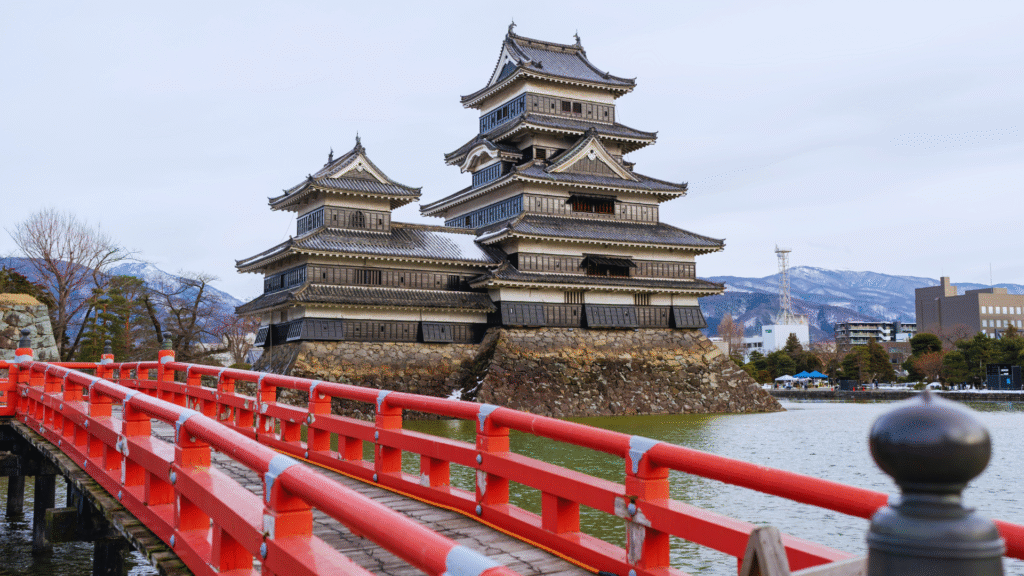
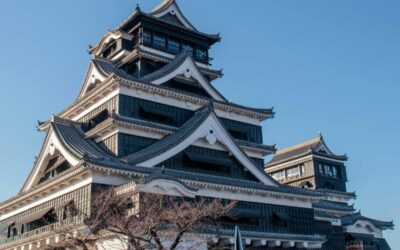
If you can only visit one castle on your Japan trip, I think it should be Matsumoto. The castle is one of the most complete in the country, having been superbly preserved with many of its original surrounding buildings and architecture. However, the best thing about Matsumoto is just how beautiful it is. It sits over a moat, with Nagano’s mountains behind, surrounded by cherry blossom trees.
Inside, Matsumoto amazingly has its original wooden interiors to truly transport you back in time, seeing the castle almost exactly as it looked in the 16th century. You can also explore the real samurai housing that was built across Matsumoto city.
Kakunodate, Akita
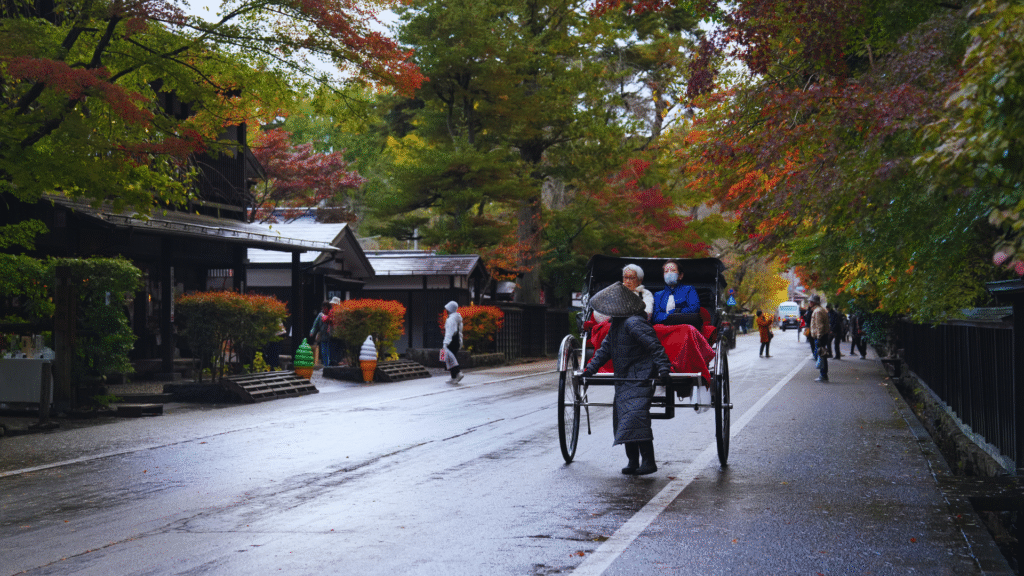
Speaking of samurai, if you’re interested in walking through ancient Japanese cities the way the samurai did, then you have to visit Kakunodate in Akita. The city was founded in 1620, and although the castle ruins aren’t as well preserved, the samurai district is one of the most expansive and incredible in all of Japan.
80 samurai families once lived in the area, with many of the houses and traditional buildings still standing exactly like they did in the 17th century. Some of the homes are even open to the public to enter and explore, including the Aoyagi samurai manor.
Historical Japanese Postal Towns
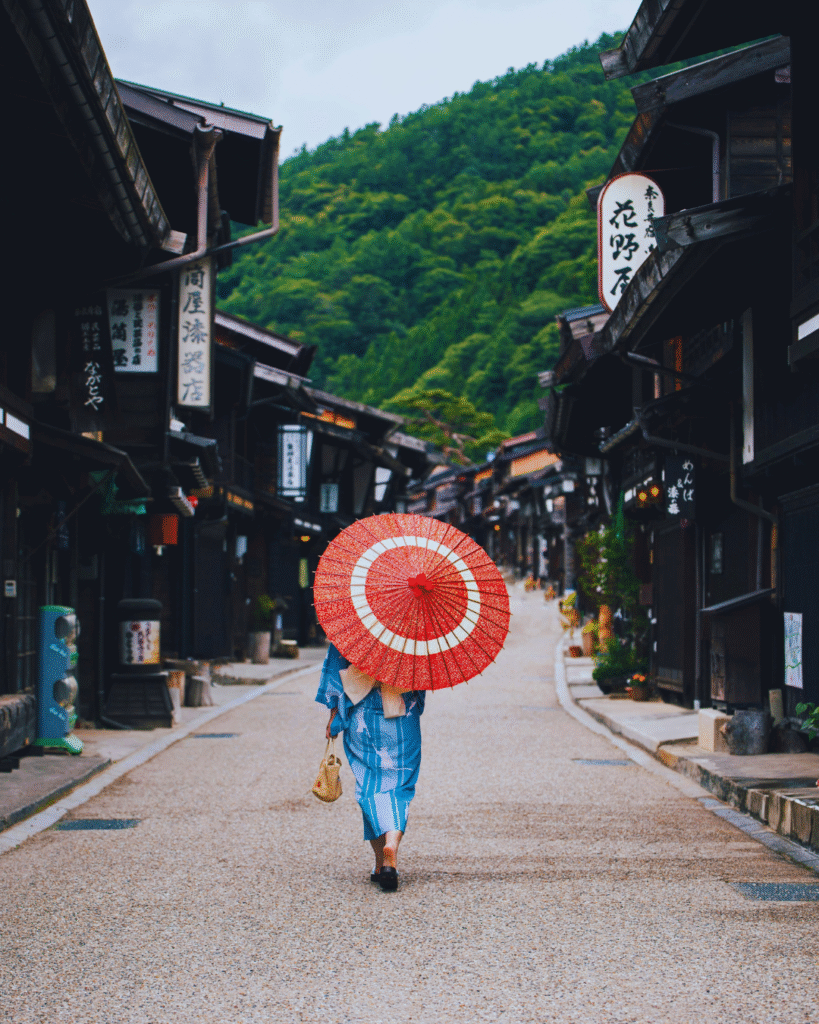
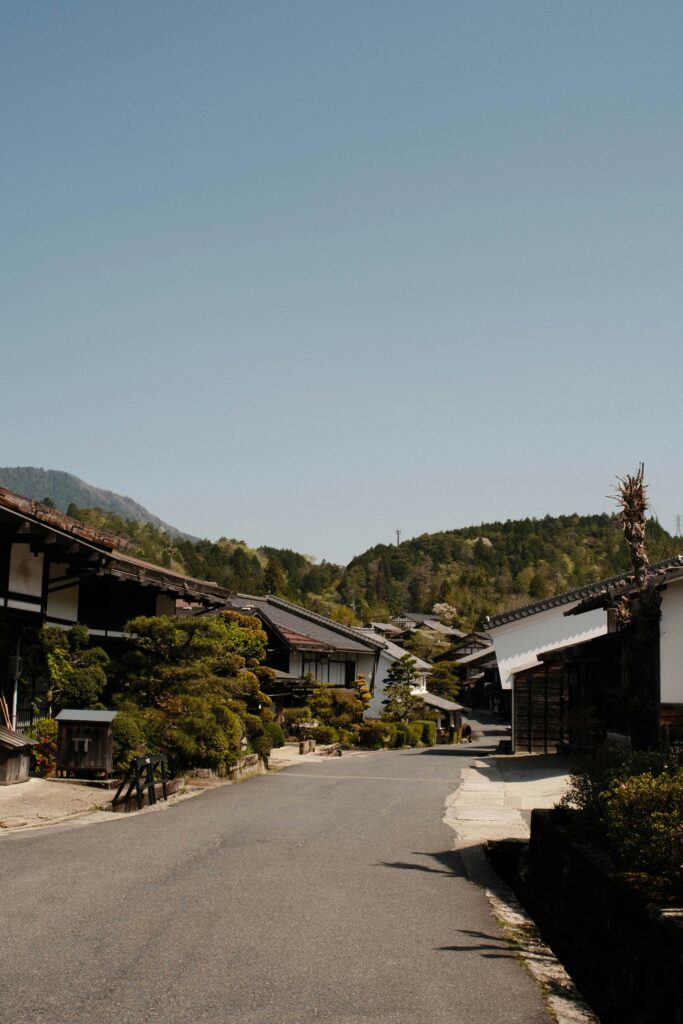
Japan’s postal towns are places not to be overlooked by anyone interested in walking through the streets of ancient Japan. In Japanese, these places are called shukuba-machi and were established along the Tokaido and Nakasendo trails to offer lodging to travellers.
Many of them stand preserved in history still today, making exceptional stops to see a different side of Japan’s past. Here are the top three for getting a glimpse into ancient Japan:
Naraijuku
Naraijuku is a wonderful example of Japan’s shukuba-machi, and the 34th postal town along the Nakasendo trail. It was once the wealthiest stop on the route, resulting in a large number of inns and traditional structures being built. Naraijuku is also special, as many of these original buildings are still standing today for you to visit and explore.
The town really maintains its peaceful mountain atmosphere, with very limited tourists, but a warm welcome to any visitors who do stop by. There are restaurants, souvenir shops selling local handicrafts, and plenty of picturesque photo spots.
Tsumagojuku
The 42nd postal town on the Nakasendo, Tsumagojuku, is also on the Important Preservation Districts list. The tranquil mountain village is both extremely scenic and relatively untouched. It’s a great entry point for hiking Kiso Valley, where you’ll see gorgeous cypress trees and plenty of farm communities. Tsumagojuku is also the start of the popular 9km hike to Magome post town.
Ouchijuku
Ouchijuku in Fukushima is a wonderful stop to see 30 traditional thatched-roof houses which are pretty all year round, but particularly wonderful when covered in sparkly snow in winter. It’s also featured on the Important Preservation Districts list for the village buildings.
Whilst there, you also absolutely have to try the local speciality of negi soba (spring onion noodles that are served with leek instead of chopsticks). Like all postal towns, there is also immaculate nearby hiking, in this case along the Aizu-Nishi Kaido trade route.
Planning a hiking trip to Japan
How to Choose Which Ancient City to Visit…

I hate to say it, but it really does depend on what you’re looking for. If convenience and iconic views are important to you, then I think Kyoto and Himeji are must-visits. On the other hand, if you want to get off the beaten track and see a more authentic historic Japan, then I recommend stopping through a postal town and visiting Kaga City. My favourite is Taketomi, but this is very hard to get to (several flights and a boat), whilst Izumo is potentially the most special stop on this list.
Ancient Japanese Cities FAQs
Are there any ancient ruins in Japan?
Absolutely! Japan has a long and interesting history, resulting in many ancient ruins. A few examples are the rice-farming Itazuke Ruins in Fukuoka, the castle remains like Mizuki Castle, and the preserved samurai and merchant districts found throughout cities such as Kakunodate and Nara.
What was Japan’s ancient capital?
Nara was Japan’s original capital (established in 710 CE), followed by Kyoto in 794 CE, which remained the imperial capital for over a thousand years.
What is the most beautiful old town in Japan?
Everyone will have a different interpretation of this, but Kyoto, Matsumoto, and Kamakura are often thought of as some of the most beautiful.
Which came first, Kyoto or Tokyo?
Kyoto came first, founded in 794 CE and serving as the capital until 1868, when the imperial court moved to the newly established Tokyo.
What is the oldest city in Japan?
Whilst “oldest” depends on how you define it, Nara (710 CE), Kyoto (794 CE), and even the mythic city of Izumo are among the top contenders for Japan’s oldest continuously significant cities.