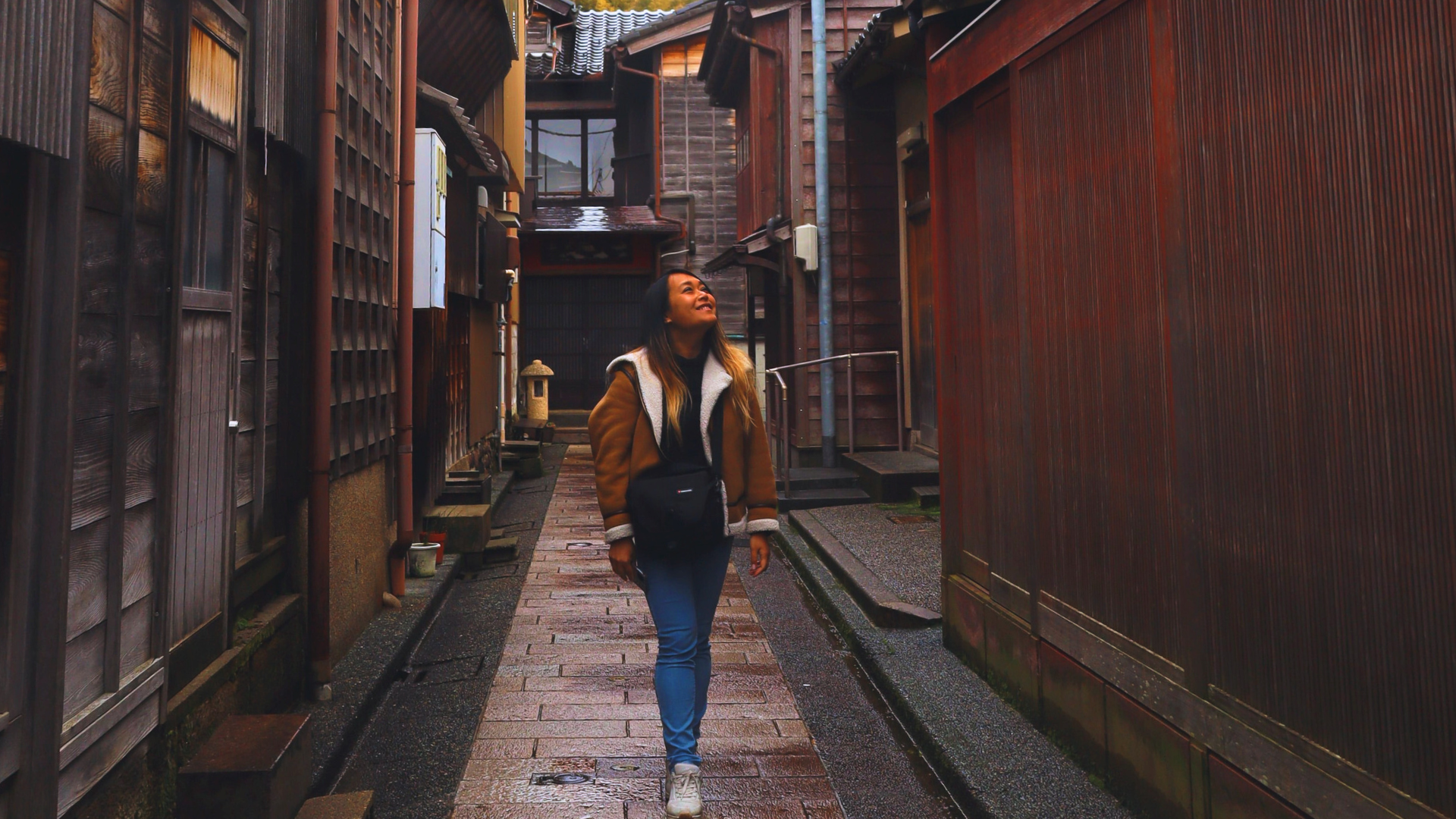
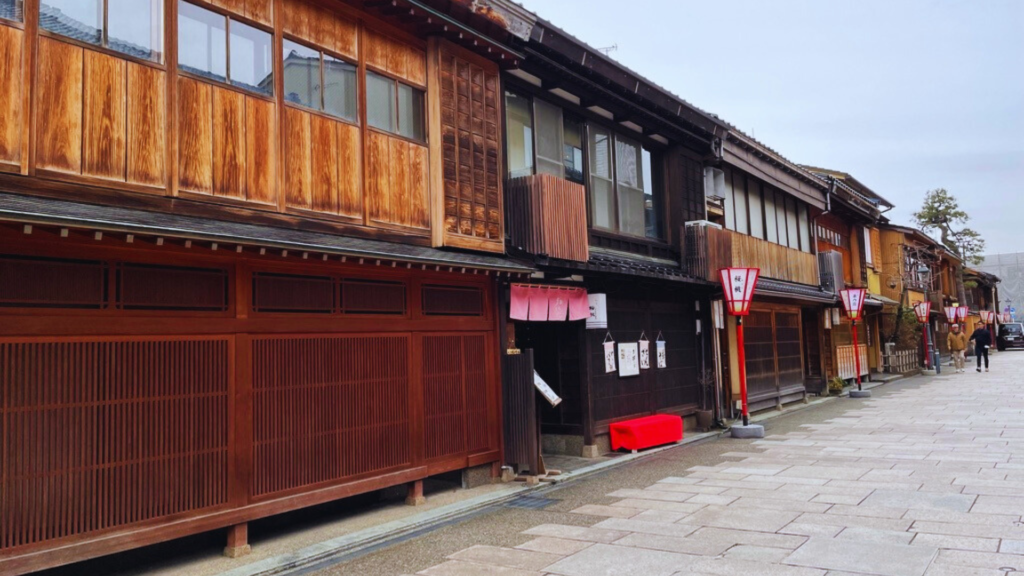
As a historic castle town in Japan, Kanazawa is filled with history from top to bottom, and this includes the chaya districts. These are areas filled with geisha houses (the chaya), where traditionally, guests would attend feasts and performances. The most famous of these is the Higashi Chaya District, where the streets are lined with geisha houses.
You can recognise the chaya by the intricate wooden lattice decoration (called kimusuko) on the buildings’ first floors. Above are where you’ll find the guest rooms. Interestingly, when these were being constructed in the 15th to 17th centuries, multistory buildings were actually outlawed, with the exception of chaya. This means that even today, they stand out among the other preserved buildings and streets.
In this post, I want to share my experience exploring the area, with tips to help you plan for your own Higashi Chaya District trip.
Kanazawa’s Chaya Districts
Now, yes, this post is about the Higashi Chaya District, but I do also want to first mention that this is just one of Kanazawa’s three chaya districts. The story starts over 200 years ago, when the rulers of the Kaga Domain formally relocated scattered teahouses from central Kanazawa into the three designated chayagai (teahouse entertainment districts), with Higashi Chaya District becoming the largest and most prominent.
These districts were places where geiko (Kanazawa’s version of geisha) entertained important guests with music, dance, and conversation. Today, they are preserved relics of the past, where you can walk the streets, stop in the teahouses, and even enter some of the geiko residences to learn about their lives.
Each of the chayagai is slightly different, and if you’re making the effort to visit Higashi Chaya District, I do recommend at least considering stopping by Nishi Chaya District and Kazuemachi too. They’re pretty close together, each with something unique to offer.
Here’s a quick overview:
Higashi Chaya District, Kanazawa
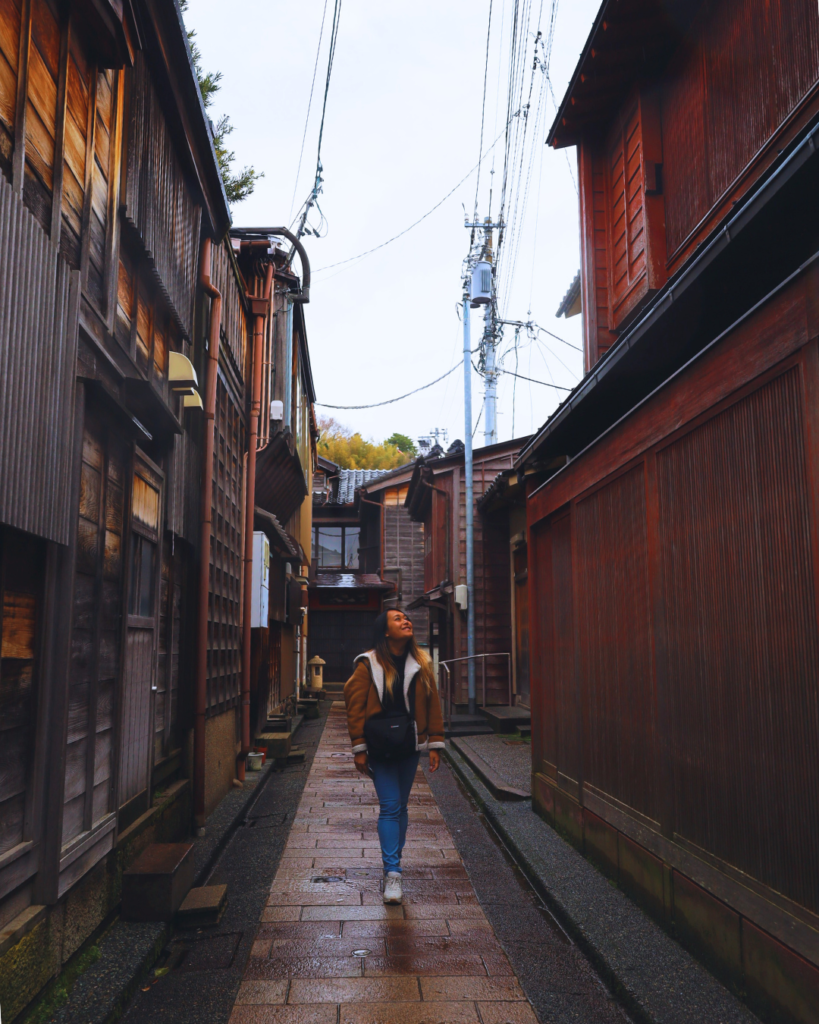
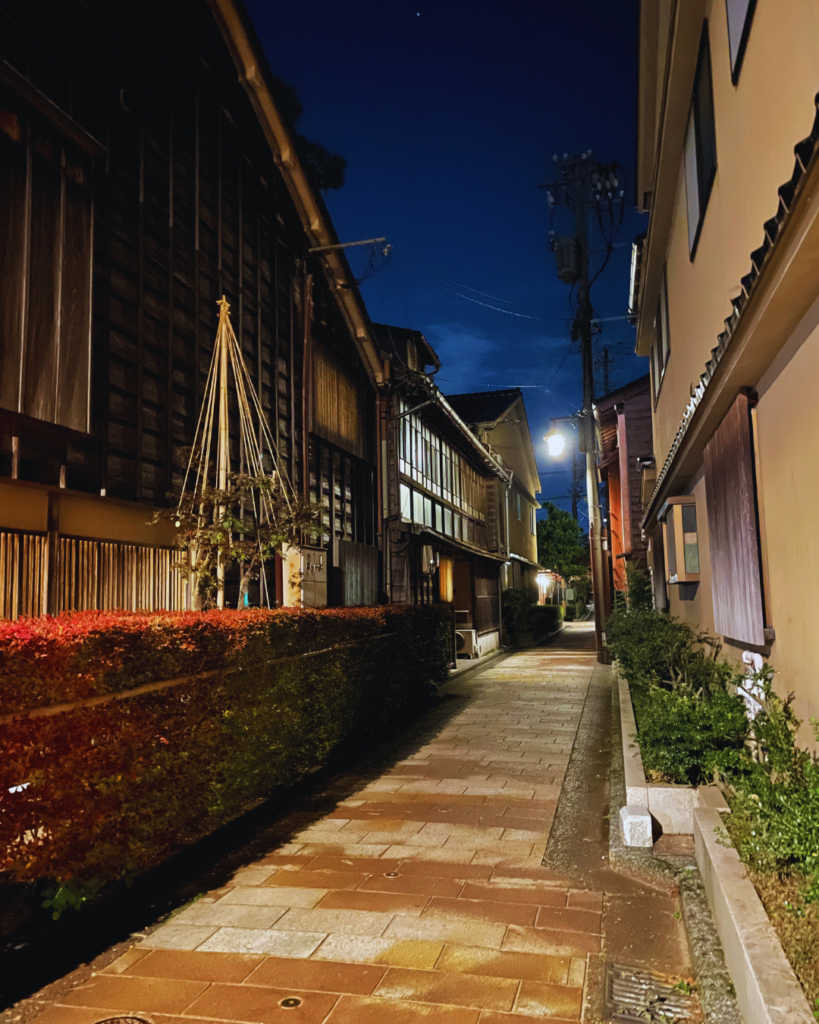
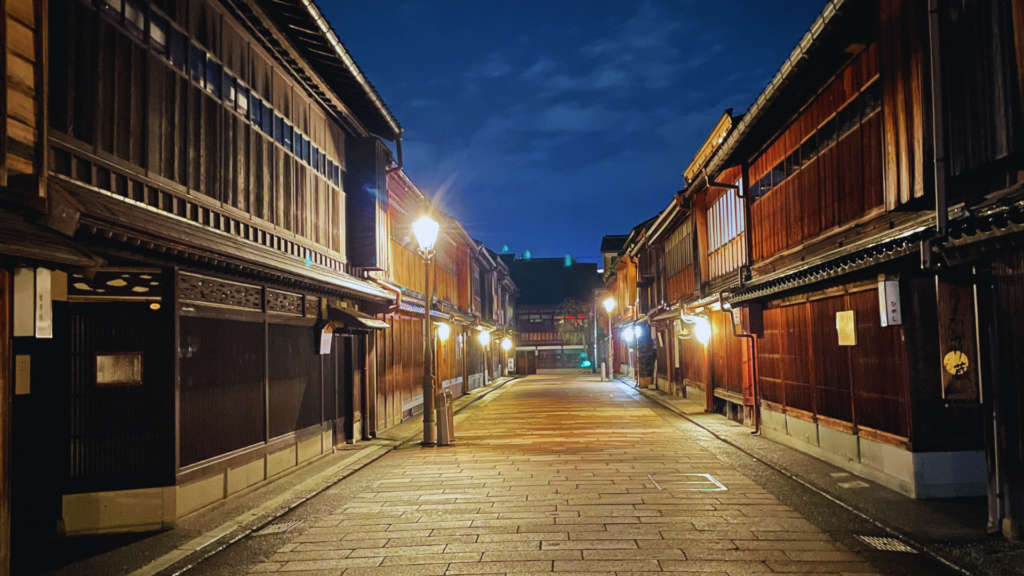
The largest and most famous of Kanazawa’s chaya districts, Higashi (meaning east), has an exquisite appearance that honestly feels like stepping straight back in time to the Edo period. You very well might have already come across famous photos of the wooden chaya-lined streets (I had), and assume it can’t be as pretty in person (it is).
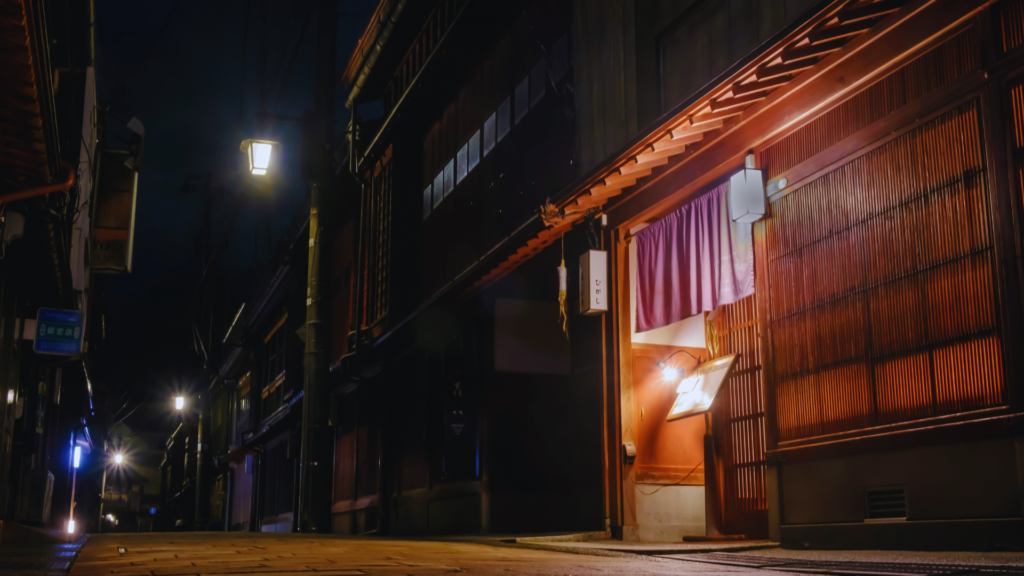
Being the biggest geisha house area comes with pros and cons. It is definitely the busiest of the three, so there’s usually some crowds, and it’s harder to get the street to yourself. I recommend going at night to avoid some of the busyness. The pro is that there’s a lot to do here, which I’ll get into below.
Location: 1 Chome Higashiyama, Kanazawa, Ishikawa 920-0831
Kazuemachi, Kanazawa
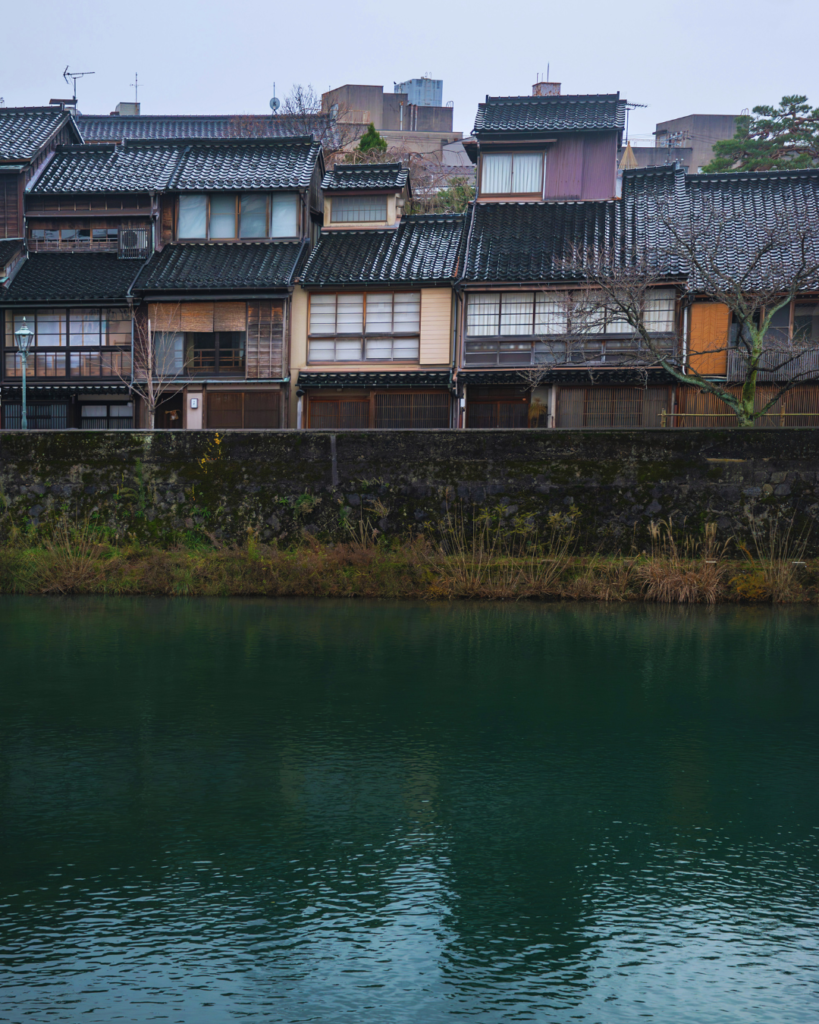
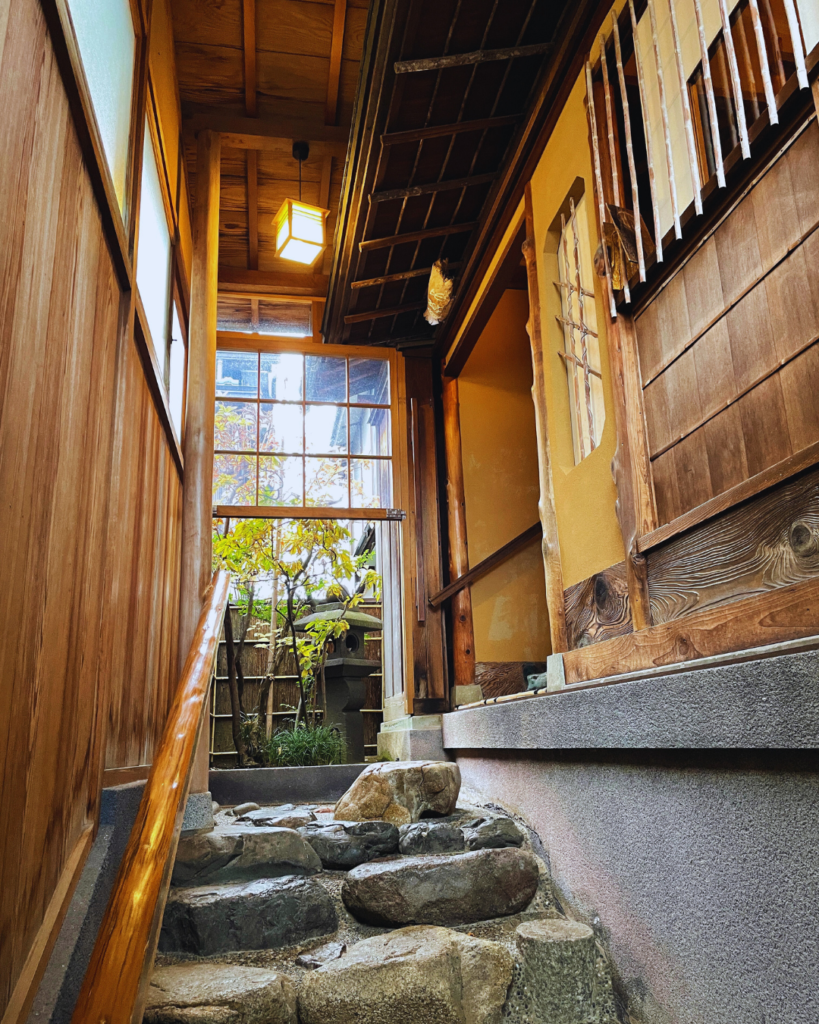
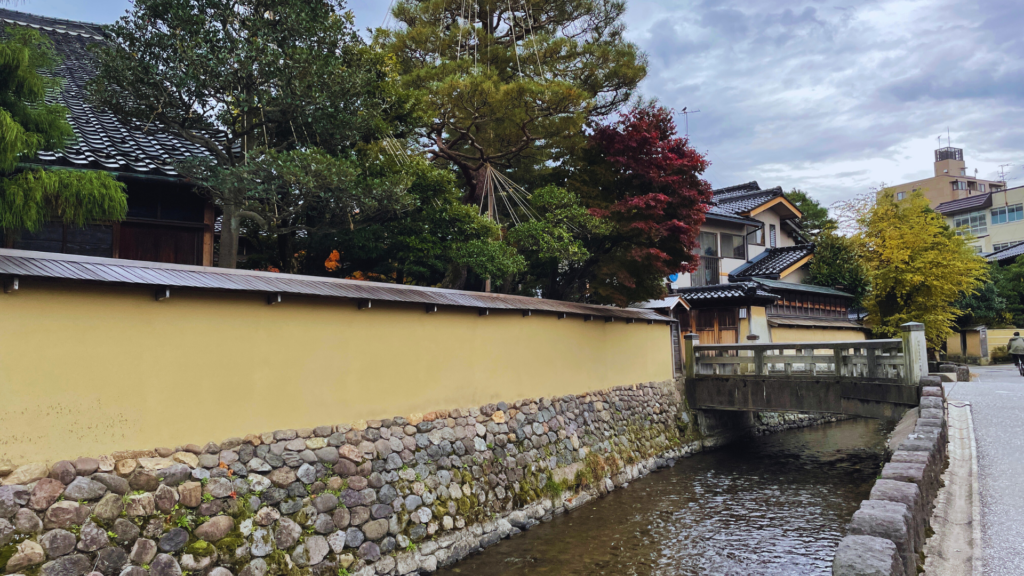
Kazuemachi is literally just across the river from Higashi Chaya District and absolutely melted my heart. It runs along the waterside, with elegant chaya buildings, charming teahouses, and mysterious alleyways. It isn’t very big (I think you could explore the scope of it in under 20 minutes), but it is pretty historic, being officially designated as an Important Preservation District for Groups of Traditional Buildings.
This is another area that is especially gorgeous at night. My favourite photo spot was probably from Kuragarizaka, a lantern-lit alleyway with stone stairs leading down.
Location: 2-5 Kazuemachi, Kanazawa, Ishikawa 920-0908
Nishi Chaya District, Kanazawa
Nishi (meaning west) Chaya District is a 15-minute bus ride or a 40-minute walk from Higashi Chaya District, and is so worth the extra time. It’s smaller, but just as pretty, and typically a lot less busy. Nishi Chaya District has a lovely, peaceful vibe, and though there are fewer geisha houses, there are still quite a few things to do.
The Dolls Museum is really cool. You can see all sorts of traditional Japanese dolls with incredible details and craftsmanship, in an extensive collection that I certainly haven’t seen anywhere else. There’s also theNishi Chaya Shiryokan Museum, built in an old teahouse with free entry.
Location: 2 Chome-25-18 Nomachi, Kanazawa, Ishikawa 921-8031
Why Visit the Higashi Chaya District
Kanazawa isn’t the only city in Japan with chayagai. You can find them in multiple places across the country, but the one you’ve probably heard most about is Gion in Kyoto. Lots os people visit Kyoto specifically to see the traditional geisha areas and get a glimpse into old Japan.
Well, I’m going to let you in on a little travel agency secret. We think Kanazawa (specifically Higashi Chaya District) is better. There are way fewer crowds, the atmosphere is so much more peaceful, and the history is just as fascinating.
Unlike other chayagai, Higashi Chaya District was specifically purpose-built under the decree of the Kaga Domain’s daimyo for there to be three officially sanctioned entertainment districts in the city. That means everything (from each building to the very street design) was created intentionally for the geiko to entertain.
Unlike Kyoto, where there are modern shops and lots of tourism, Higashi Chaya District has remained remarkably intact. Several teahouses are still active, others have been preserved as museums, and even the newer cafés and craft shops operate inside original buildings, with the exterior kimusuko and interior design unchanged for centuries.
How to Get to Higashi Chaya District
Higashi Chaya District is located in northeast Kanazawa, just across the Asanogawa Bridge. The easiest way to get there from Kanazawa Station is to take the Kanazawa Loop Bus, which only takes about 20 minutes.
Follow the signs to the East Exit and then to the bus terminal, and look for Platform 7. The Kanazawa Loop Bus comes approximately every 15 minutes, and only costs ¥200. You’ll get off at Hashibacho, and just need to walk 5 minutes to the geisha house area.
How to Get to Kanazawa
In case you’re not already in Kanazawa, here’s a quick guide on how to get there:
- From Toyama Station: Take the Hokuriku Shinkansen (about 20 minutes) or local Ainokaze Toyama Line/IR Ishikawa Railway (1 hour)
- From Tokyo Station: Take the Hokuriku Shinkansen (2.5 to 3 hours) or highway bus (about 8 hours)
- From Shin-Osaka Station: Take the Limited Express “Thunderbird” to Tsuruga, then transfer to the Hokuriku Shinkansen (3 hours), or take the express bus (6 hours).
Our Higashi Chaya District Itinerary
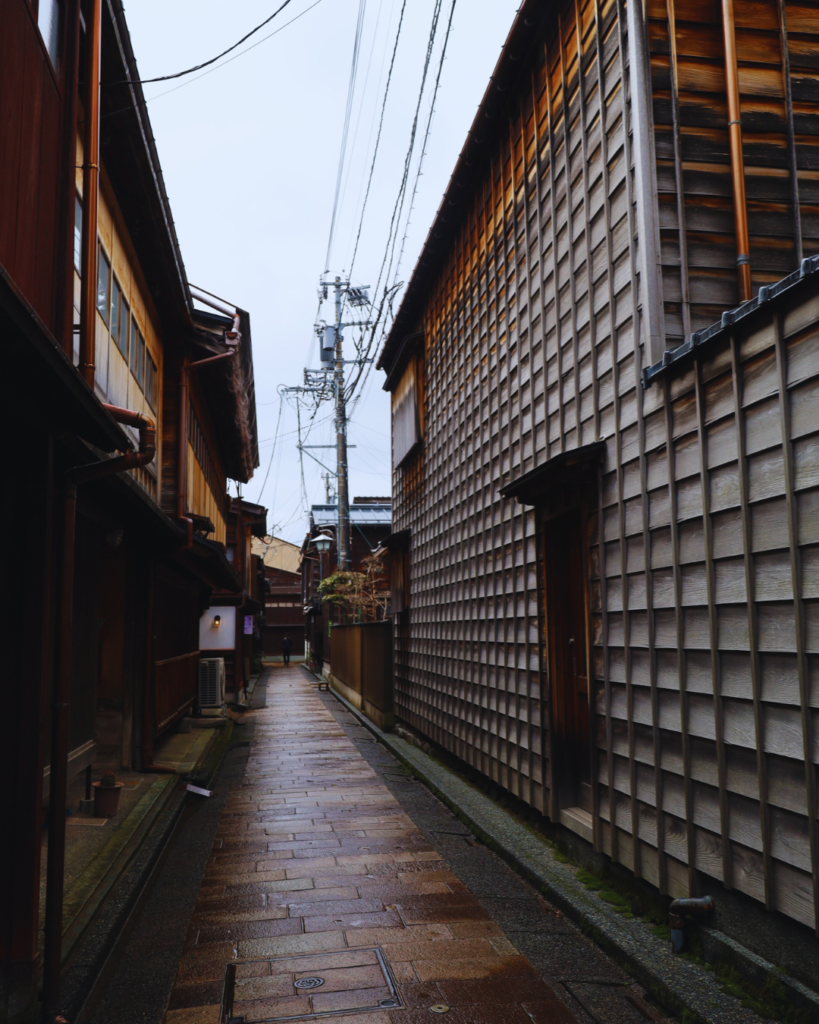
You definitely don’t need a strict itinerary for exploring Higashi Chaya District…and I do actually think one of the best ways to enjoy the area is to simply wander without too much of a plan. However, I do have a few spots that are must-visit in the area.
Take a Gold Leaf Workshop at Kinpakuya Sakuda
As a quick history lesson, one of the other things Kanazawa is known for is gold leaf. In fact, it’s considered the gold leaf capital of Japan. This is because of Lord Toshiie Maeda, who took control of the region in 1583. He actively encouraged arts and crafts in the area, leading to local artisans producing gold and silver leaf.
You can try the cultural experience of a gold leaf workshop at Kinpakuya Sakuda, learning to gild your own souvenirs like wooden chopsticks or boxes.
Location: 1 Chome-3-27 Higashiyama, Kanazawa, Ishikawa 920-0831
Time: 1 hour
Cost: ¥1,000
Stop for Tea at Yanagi-An
This is a 200-year-old teahouse that has been incredibly well-preserved. It’s really pretty inside, with a lovely ambience for sitting and reading or chatting with friends. You can order tea, coffee, macha, or an indulgent dessert that includes gold leaf. I personally recommend trying the tiramisu parfait, which looks delicious and tastes even better.
Location: 1 Chome-13-24 Higashiyama, Kanazawa, Ishikawa 920-0831
Opening Times: Daily from 9am to 6pm
Explore a Geisha House at Ochaya Shima
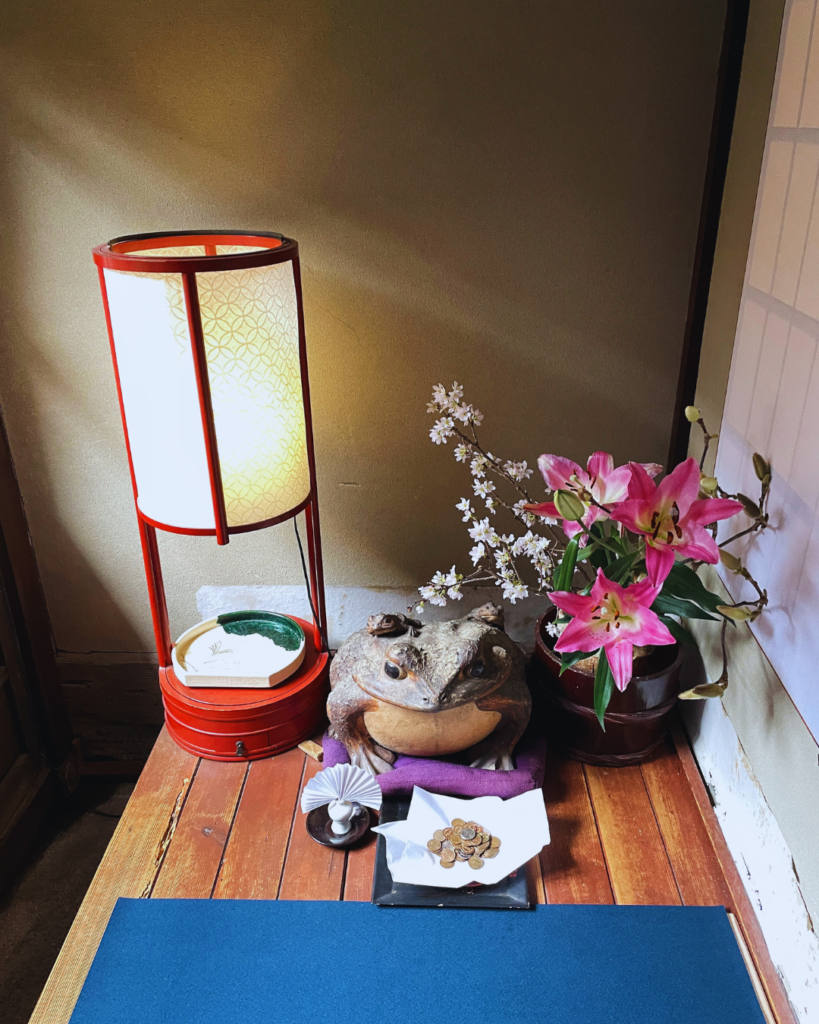
This is my favourite chaya in the area, and if you only have time to enter and explore one, I think it should be Ochaya Shima. Inside, it is perfectly preserved, allowing you to see how the geiko lived, slept, and entertained. There are also English (and other languages) pamphlets available.
The prestigious Chaya building was established in 1820 and has remained untouched since, now being designated as a National Important Cultural Property. Inside is also a teahouse where you can try a traditional dessert.
Location: 1 Chome-13-21 Higashiyama, Kanazawa, Ishikawa 920-0831
Opening Times: Daily from 9:30am to 5:30pm (5pm during December to February)
Entrance Cost: ¥500 for adults, ¥300 for children
Get Dinner at Jiyuken
A delicious traditional Japanese-Western fusion restaurant with things like omurice, hayashi rice, and steak bowls on the menu. It’s been open for over 100 years, so it has its own history and story, as well as a really cosy and inviting atmosphere. It’s a great stop for dinner before venturing out for some night photography.
Location: 1 Chome-6-6 Higashiyama, Kanazawa, Ishikawa 920-0831
Opening Times: Lunch from 11:30am to 3pm, and dinner from 5pm to 9pm. Closed Tuesdays.
Try the Original Gold Leaf Soft Serve from Hakuichi
Higashi Chaya District has become quite famous for its gold leaf-gilded soft serve, and where better to try it than the originator? Hakuichi tops its soft serve with an entire sheet of gold leaf for ¥980, making it beautiful, tasty, and without a doubt, extravagant.
Location: 1 Chome-15-4 Higashiyama, Kanazawa, Ishikawa 920-0831
Opening Times: Daily from 9am to 6pm
Exploring Kanazawa
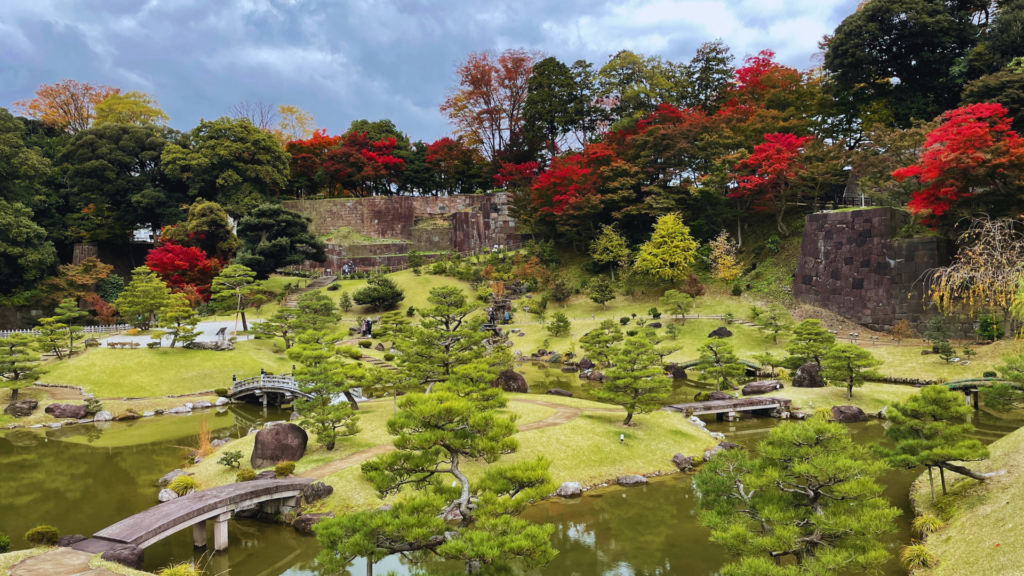
Walking through Higashi Chaya District should only take a few hours to half a day, depending on what you do there. To make the most of the rest of your day in Kanazawa, there are a few activities that are complementary to your time in the chayagai, which I highly suggest checking out:
- Kanazawa Yasue Gold Leaf Museum: Learn more about the history and craft behind the city’s famous gold leaf. The museum is also super close to the Higashi Chaya District (just a 2-minute walk).
- The other chaya districts: There’s no reason not to stop by Kazuemachi, as it’s just so close by, but I really think it’s well worth the time to also visit Nishi Chaya District for the peaceful vibes and amazing photo ops.
- Kenrokuen Garden: One of Japan’s “Three Great Gardens” with some of the most striking seasonal scenic beauty in the country.
- Kanazawa Castle Park: Right next to Kenrokuen, the castle grounds offer large open spaces, restored turrets, and massive stone walls, making it great for wandering and photography.
- Omicho Market: A 300-year-old lively seafood market that has been around since the Edo period and is packed with fresh sushi, sashimi bowls, local produce, street snacks, and small restaurants tucked between the stalls.
Discover other smaller cities in Japan:
Higashi Chaya District FAQs
What is the Higashi Chaya District?
Higashi Chaya District is Kanazawa’s most famous historic geisha district, known for its beautifully preserved wooden teahouses, traditional shops, and atmospheric streets that glow softly at night. It’s one of the best places to experience Kanazawa’s cultural past.
How long does it take to explore the Higashi Chaya District?
You can explore the district in about 1–2 hours, but many visitors stay longer to enjoy cafés, shops, and workshops. If you want to take a gold leaf class, visit multiple tea houses, and get dinner, I suggest planning for half a day, ending in the evening for nighttime photography.
What is the best area to stay in Kanazawa?
There are many hotels concentrated around Kanazawa Station and Kanazawa Castle Park, making these areas great for travellers. You have a broad choice of accommodation options, and you’re well connected to the rest of the city.
Is Nishi Chaya District worth visiting?
I say yes! Nishi Chaya is smaller and quieter than Higashi Chaya, but that’s part of its charm. It’s great for peaceful photos, traditional architecture, and a more local, less touristy feel.