Let’s talk about the big one: how to get from Tokyo to Osaka.
It’s the backbone of almost every great Japan itinerary, but let’s be honest, figuring out the ‘best’ way to do it can be a real headache. You start looking at the options and the questions pile up. “Should I take the Shinkansen? What about a cheap flight? Is the overnight bus really a good idea?”
If you’re feeling a bit overwhelmed, you’re not alone. This is probably one of the questions that we get asked the most as a Japan-based boutique travel agency.
The good news? We’ve travelled this route countless times. We’ve taken the super-fast Nozomi Shinkansen, we’ve navigated the budget flights from Narita, and yes, we’ve even slept on the overnight bus (and have some strong opinions on it). We’ve also planned the multi-day road trips for clients who want to drive, so we know exactly what that involves, too.
We’re here to share our hard-won, insider knowledge. This isn’t a dictionary listing of timetables. This is our real, practical advice to help you decide which option is the perfect fit for your budget, your timeline, and your travel style.
Planning Your Own Dream Trip to Japan?
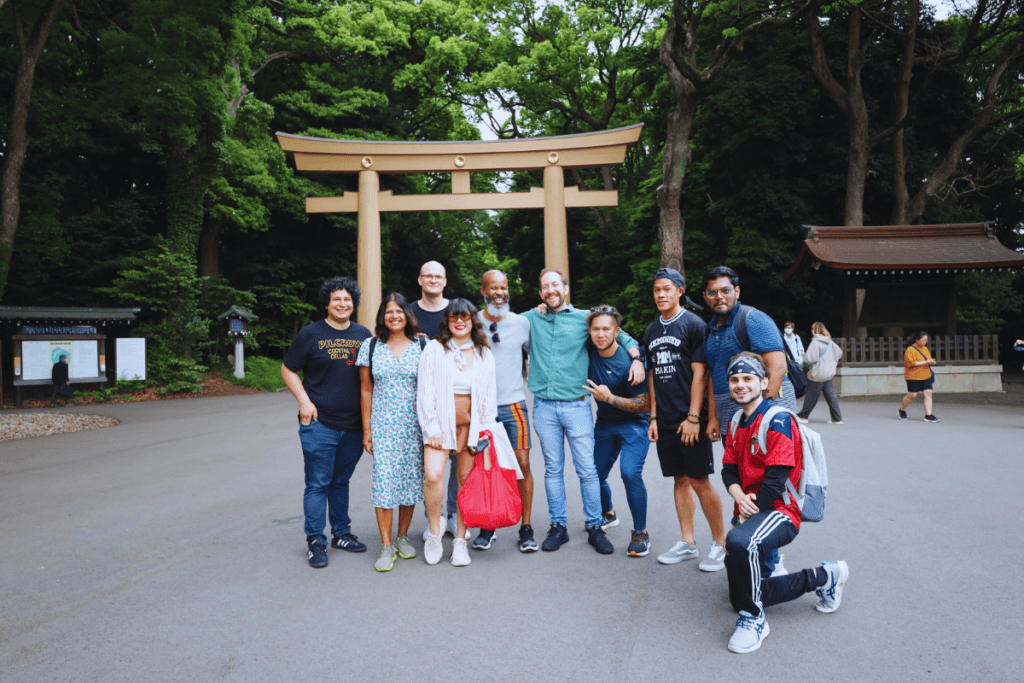
Tired of juggling Shinkansen schedules, bus fares, and endless tabs? This journey is just one small part of your trip. We’ll take care of all the planning and logistics for your entire itinerary, so you can spend less time stressing over details and more time looking forward to the journey.
→ Find Out More About Our Japan Trip Planner
Our Expert Verdict: Best Way to Get from Tokyo to Osaka
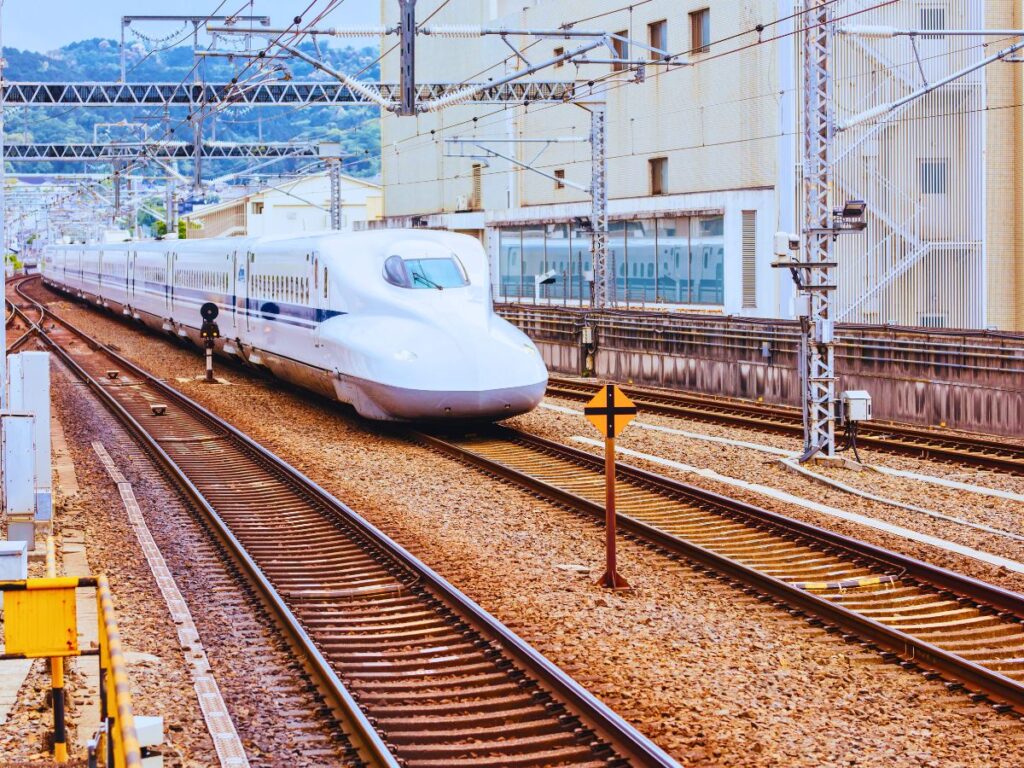
Let’s get right to it. For 9 out of 10 travellers, our top recommendation is the Shinkansen (bullet train). It’s the perfect blend of speed, comfort, and that iconic “I’m in Japan!” experience. It’s truly a no-brainer: you travel from city centre to city centre, it’s incredibly fast, and it runs with a punctuality you have to see to believe.
That said, we’re travel planners—we know that “best” isn’t one-size-fits-all.
If you’re on a very tight budget and don’t mind sacrificing a night of comfort, the overnight bus is a fantastic hack that we’ve used ourselves to save money. And as for flying? You’ll see very tempting low prices online. But we’ll show you why this is often a “total cost” trap once you add baggage fees and expensive airport-to-city transport. (And as for renting a car? We’ll be blunt: it’s an option, but one we almost never recommend for just this route. We’ll explain why.)
We’ll break down every option so you can make the right call for your trip.
Tokyo to Osaka Travel Options: Our “Agency Cheat Sheet”
Time is precious when you’re planning a trip, so here is our “at-a-glance” comparison. We’ve included the total door-to-door travel time, not just the time on the vehicle—this is the hidden part that most people forget.
| Method | Total Travel Time (Est.) | Total Cost (Est. One-Way) | Best For… |
| Shinkansen (Bullet Train) | 3 – 3.5 Hours | ~¥14,920 (Stable price) | The Japan Experience |
| Flight (Plane) | 4 – 4.5 Hours | ~¥12,500 – ¥20,000+ (with extra costs like baggage and airport transport) | Connecting Flights |
| Overnight Bus | 8 – 9 Hours | ¥4,000 – ¥10,000 | Budget Backpackers |
| Renting a Car | 6 – 8 Hours (Driving) | ¥25,000+ (inc. tolls) | Almost No One |
The “Budget” Option: The Overnight Highway Bus
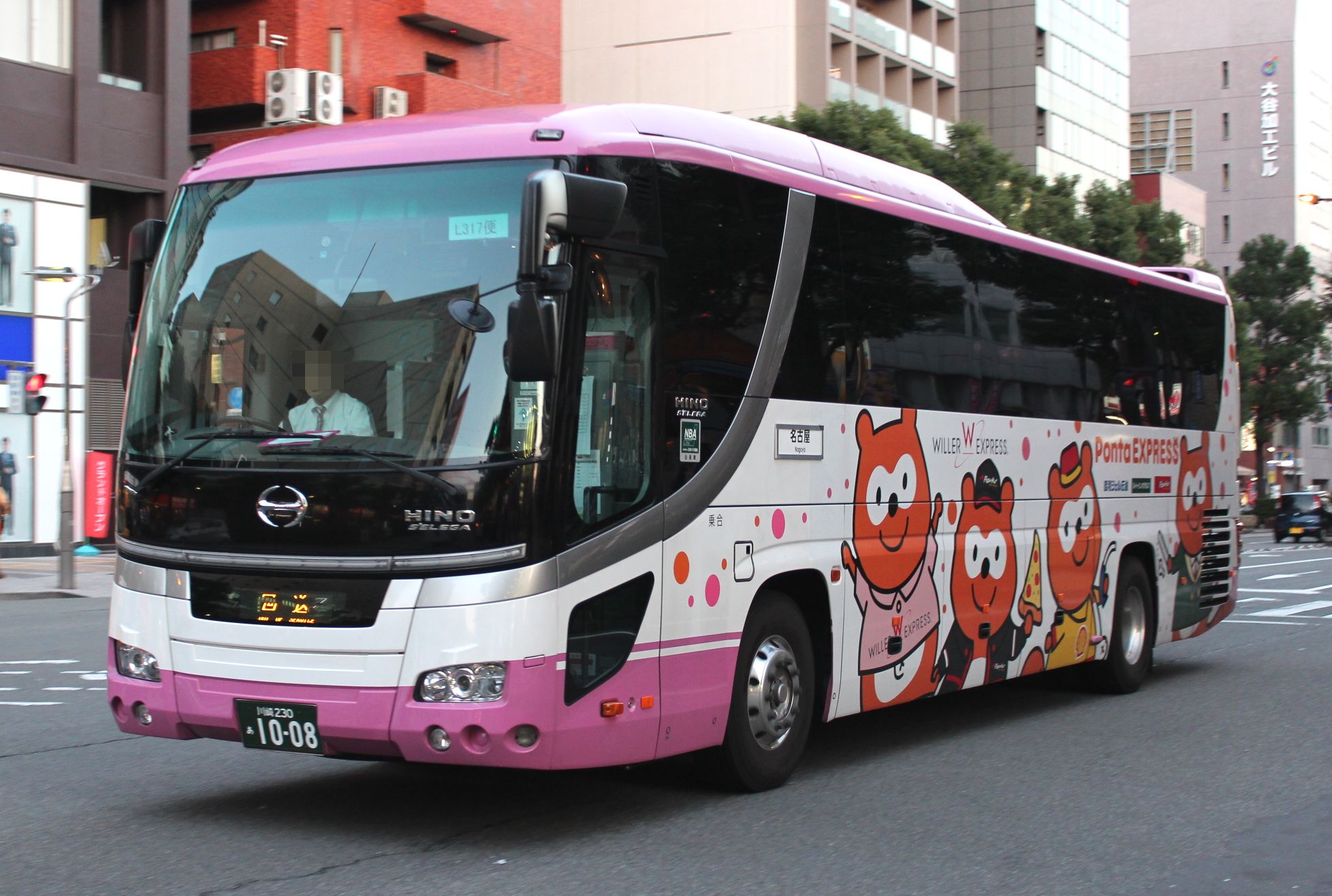
This is the ultimate “money-saving hack” for travelling in Japan, and it’s one we’ve used ourselves when we need to make a budget stretch. Companies like Willer Express and JR Bus run a huge network of highway buses that travel from major hubs like Shinjuku or Tokyo Station, arriving in Osaka (Umeda or Namba) the next morning.
The genius of this option is the two-for-one saving: you’re paying for your transport and a night’s accommodation in one go. Instead of paying for a hotel, you sleep on the move and arrive in Osaka with a full day ahead of you.
What It’s Really Like in an Overnight Bus from Tokyo to Osaka
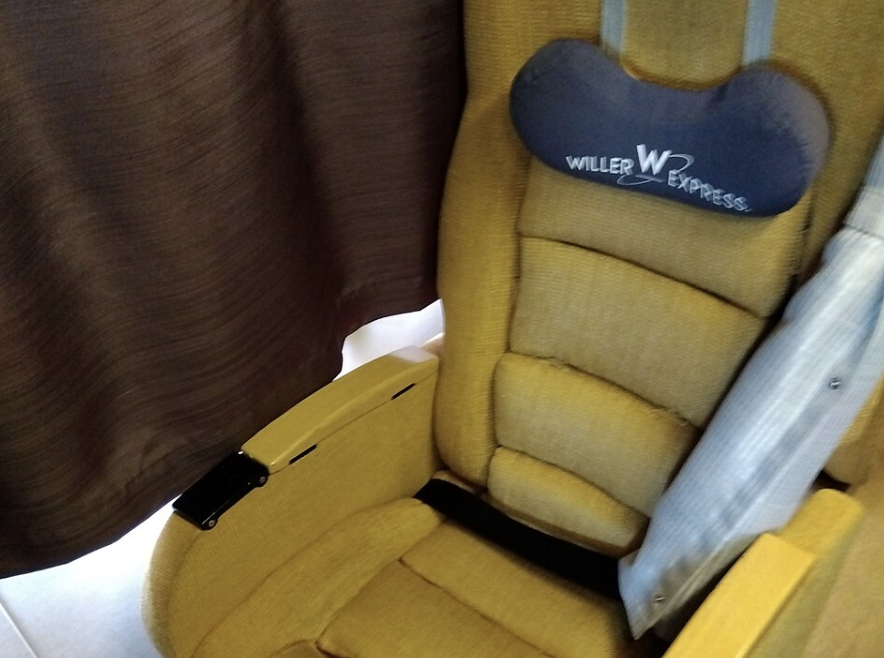
We’re going to be honest: you’ll either find this a clever travel hack or a bit of a nightmare. It all depends on your ability to sleep.
We’ve done it, and honestly, it’s better than you’d think, if you book it right. The main “con” is obvious: it’s a bus, not a bed. You will be woken up during the night, and you’ll arrive in Osaka feeling a bit rumpled.
But the “pros” are strong. The buses are clean and quiet, with personal charging ports and privacy curtains. Many buses have a small (but very clean) toilet at the back, though we always recommend booking a bus that has one just in case. Many companies also offer women-only sections or entire female-only buses, which is a fantastic option for solo travellers.
One of my personal tips is to learn to love the rest stops. This, for me, is one of my favourite parts of travelling Japan’s highways. The bus will stop every 2-3 hours at a “Service Area” or “Parking Area”.
Forget what you know about rest stops back home. These places are amazing. They are bright, spotlessly clean, and more like mini-malls. You can get hot coffee, delicious ramen, and buy all kinds of unique local souvenirs (omiyage). Waking up at 3 AM to explore one of these bright, exciting oases is a core Japanese travel experience in itself.
Beyond that, the single most important decision you’ll make is your seat. Your choice here will define your entire experience. The cheapest, standard option is a 4-row seat, which is just like a regular coach bus. We’d only recommend this if the budget is your absolute, number-one priority.
What we always recommend as the best value is the 3-row seat. This is a small price jump for a much better chance at actual sleep. You get your own private pod-like seat, a better recline, and no one touching your shoulder all night.
Then there’s the “first class” of bus travel: the 2-row seats. These are incredible, and a unique experience in themselves. Buses like the JR “Dream Relier” (Precious Class) or the Kanto Bus “Dream Sleeper” have as few as 11 seats on the entire bus. You get a fully private cubicle, sometimes with a door, and a “zero-gravity” reclining seat that feels more like a hotel bed. It’s a “boutique hotel on wheels,” but be warned: at ¥18,000 – ¥20,000, it’s often more expensive than the Shinkansen.
Who We Recommend This For
This is our go-to recommendation for backpackers on a strict budget, solo travellers looking to save, and honestly, anyone who can sleep soundly on a plane. If you’re a heavy sleeper and the idea of saving ¥15,000 (on a train ticket and a hotel) sounds like a win, this is the most practical and efficient budget option you’ll find.
The “Balanced” Option: Flying (It’s Not as Fast as You Think)
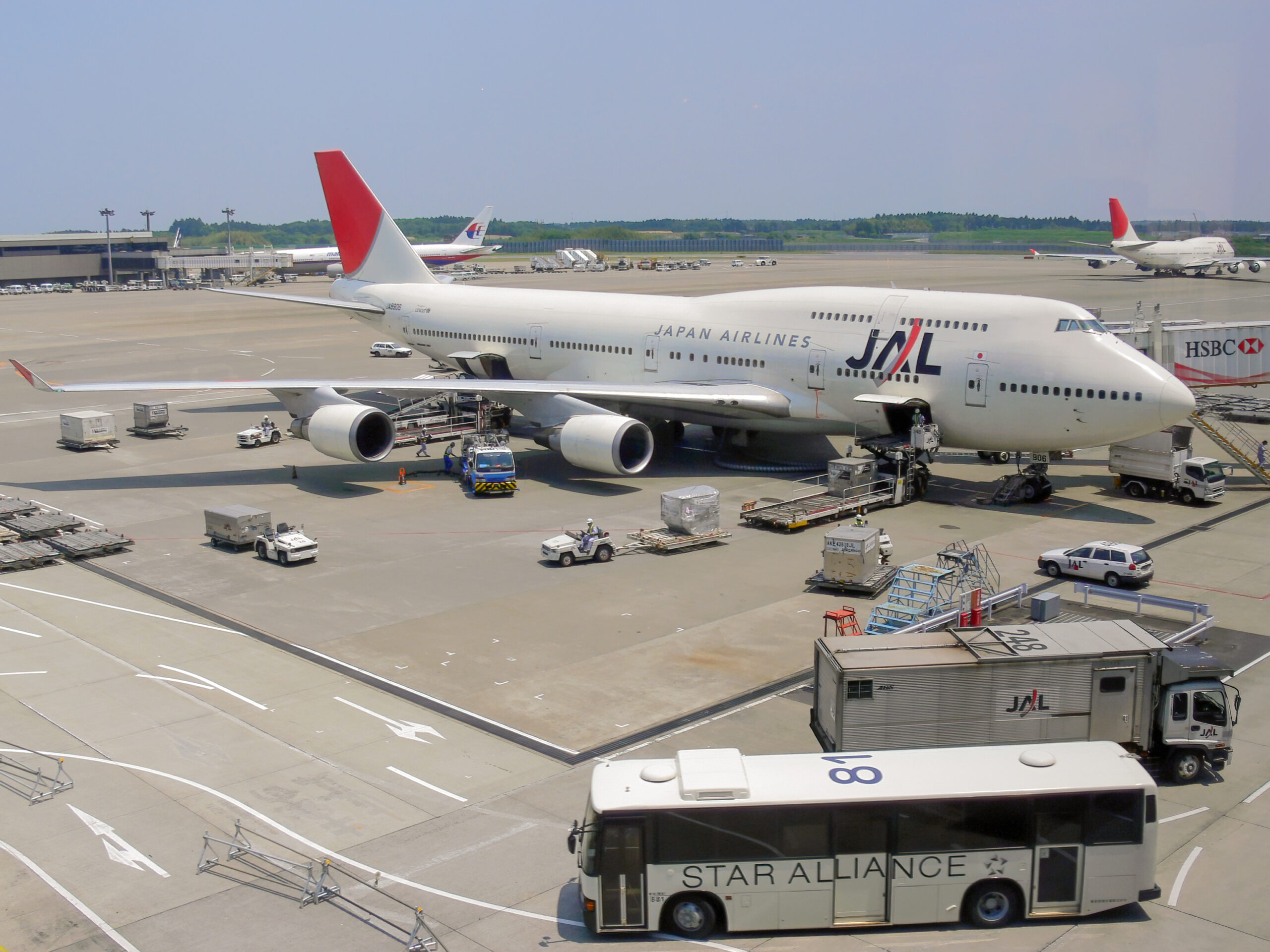
On paper, flying looks like a clear winner. You’ll see tempting 1-hour-and-30-minute flight times and some very low base fares, but we can tell you: the total time is almost never what you think. And the “cheap” fare? It rarely ends up being as cheap as you’d hope.
What It’s Really Like to Fly from Tokyo to Osaka
Here’s the real story, from our experience. The first thing to understand is the “trap” of the budget airlines versus the convenience of the full-service carriers.
You’ll see fantastic, world-class carriers like JAL (Japan Airlines) and ANA (All Nippon Airways). They are a joy to fly, and they use the best, most convenient airports: Tokyo’s Haneda (HND) and Osaka’s Itami (ITM). These are close to the city centres and our preferred choice if we have to fly. The catch is the price: a ticket on JAL or ANA will often cost as much, or even more, than the Shinkansen, especially if you book last-minute.
The tempting deals come from the budget airlines, like Peach and Jetstar. This is where you’ll see those ¥6,000 fares. But this is where the real cost (in both time and money) is hidden.
First, these airlines almost always fly from the faraway airports: Tokyo’s Narita (NRT) and Osaka’s Kansai (KIX). These are not near the city. You will spend 60-90 minutes and ¥1,500-¥3,000 just on the train to get to Narita. Then, that ¥6,000 base fare includes nothing. A checked bag will add ¥2,000-¥3,000, and the train from Kansai into Osaka will add another 45-60 minutes and ¥1,500. That “¥6,000 flight” is now a ¥12,500+ hassle.
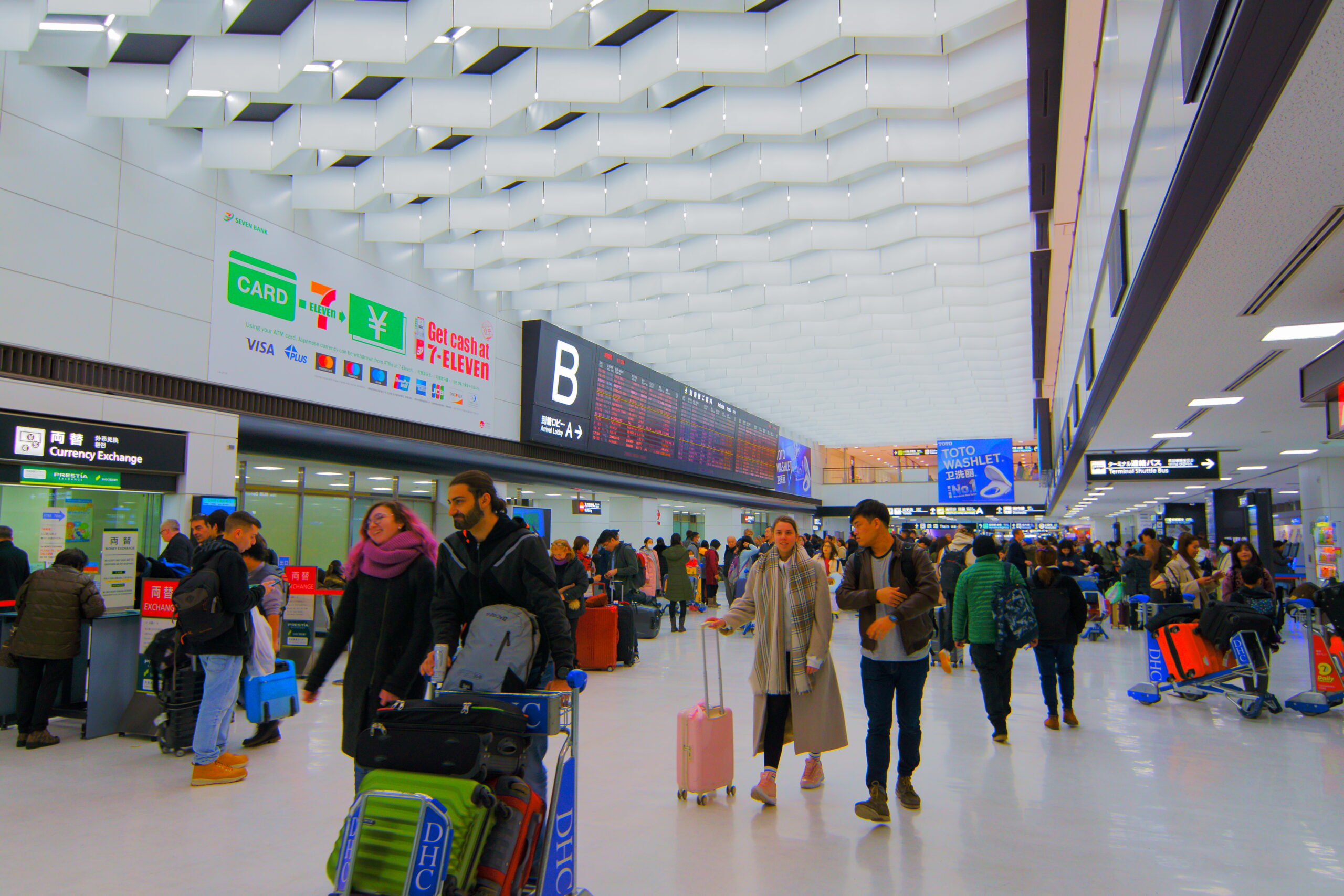
And this is before we even talk about the timeline. We’ve timed it. You’ll spend 60-90 minutes getting to Narita, be at the airport for 60-75 minutes, take the 90-minute flight, spend 30 minutes deplaning and getting your bag, and then spend another 45-60 minutes getting from Kansai to your hotel. You’ve just spent 4.5 to 5 hours of your precious holiday on a journey that the Shinkansen does, stress-free, in about 3.5 hours.
Just like the bus has its 2-row sleepers, the airlines have a luxury option. The most famous is JAL’s “Class J”. This is their domestic business class, and you can often upgrade for just ¥1,000-¥3,000 at the airport. It gets you a larger, more comfortable seat and priority boarding.
Our honest opinion? It’s a nice perk, and the seat is very comfortable. But for a 90-minute flight, it doesn’t hold a candle to the Shinkansen’s Green Car. In the Green Car, you get 2.5 hours of expansive, quiet comfort with a huge window to watch the countryside. “Class J” is over just as you’re getting comfortable. We’d save our money for the train.
Who We Recommend This For
So, when do we, as planners, ever recommend flying this route? It’s simple, and there are only two real scenarios.
The first is if you’re connecting from an international flight. If you’re landing at Narita (NRT) at 2 PM and your final destination is Osaka, then of course you should book the connecting flight. You’re already at the airport, so it’s the most logical and efficient choice.
The second is if you’re a points and miles expert. If you’re a travel-hacking pro and you snagged a JAL Class J ticket for 5,000 points, go for it. Enjoy the lounge and have a free flight on us.
For everyone else? The train is the answer.
Overwhelmed with Planning?
Planning this one Tokyo-Osaka journey is hard enough—planning every single day is exhausting. Save your energy with our collection of expert-crafted 1-day itineraries for Tokyo, Osaka, and more. Just download the PDF and you’re ready to explore.
→ See the Itineraries & Bundle Deals
Our Pick: The Shinkansen
Now we come to our top recommendation, the one we put nearly all of our clients on.
Let’s be blunt: it’s the most expensive option on our list. And for first-time travellers, it has a couple of confusing rules—like the infamous Japan Rail Pass exception and the new luggage restrictions—that can cause a lot of stress (and money) if you don’t know them.
But here’s the honest truth: despite the cost, it is, without a doubt, the best way to get from Tokyo to Osaka. It’s the perfect, stress-free balance of speed, comfort, and convenience. Forget the 5-hour hassle of the airport or the long night on a bus. The Shinkansen connects you from city centre to city centre, runs with a punctuality that is simply unbelievable, and, frankly, is an iconic experience in itself.
What It’s Really Like to Ride the Shinkansen
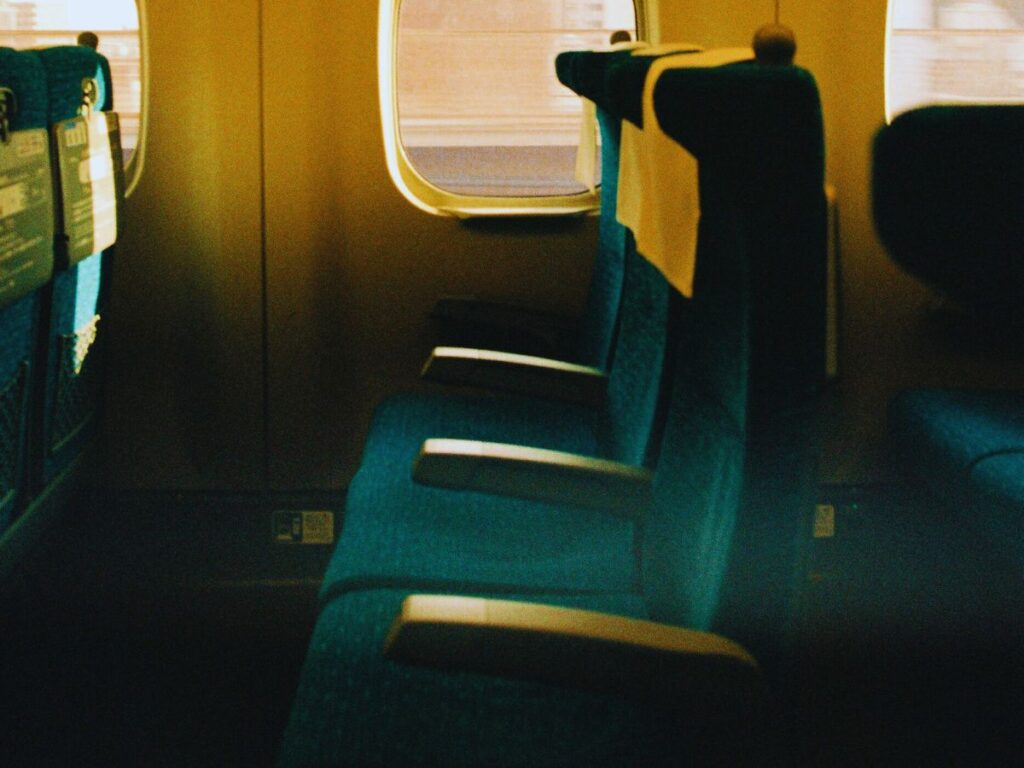
Here’s the real, on-the-ground experience and the “insider” advice we give our clients.
Your journey will start at one of two major hubs in central Tokyo: Tokyo Station or Shinagawa Station. This is actually our first big “insider” tip.
Tokyo Station is the famous, massive central hub. It’s where the train starts, so you have a better chance of seeing it pull in, and it has the most incredible, staggering selection of ekiben (station bento boxes). We recommend going here if you’re not in a rush, you’re connecting from the Marunouchi or Chuo lines, and you want that “grand” station experience.
However, we personally often use Shinagawa Station. It’s the very next stop (all Nozomi trains stop there), and it’s so much smaller and easier to navigate. If you’re staying in Shinjuku or Shibuya (it’s on the same JR Yamanote line) or connecting from Haneda Airport, Shinagawa is a much more efficient, less stressful choice.
Whichever station you choose, our advice is to get there 30 minutes early. This isn’t to rush; it’s to do one of our favourite travel rituals: buying an ekiben. These “station bento” boxes are a huge part of Japanese train culture, and the selection is amazing.
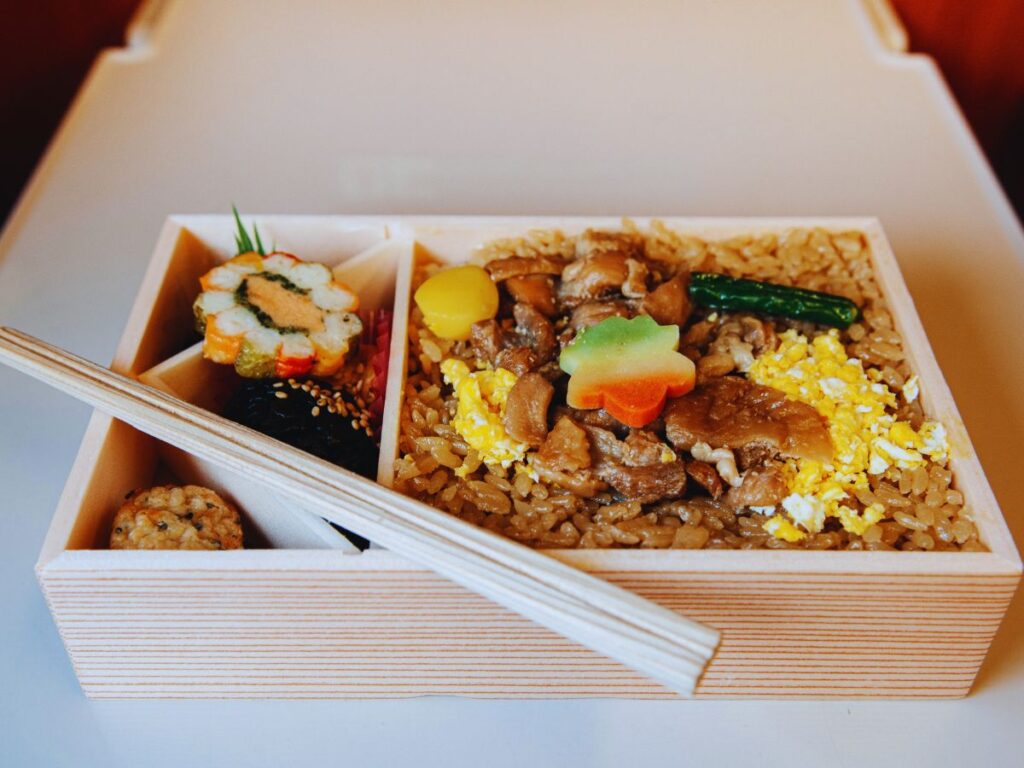
Once you have your bento, you’ll head to the Tokaido Shinkansen platform. This is where you’ll face your next “expert” choice. You’ll see three train names: Nozomi, Hikari, and Kodama. The train we always take is the Nozomi. It’s the super-express, making the trip in about 2 hours and 30 minutes, and it’s the most frequent. The Hikari is the next-fastest at around 3 hours, and the Kodama is the “local” train that stops at every station and takes over 4 hours. We’d never recommend the Kodama for this trip.
Now, let’s talk about the two biggest points of confusion we see tourists fall into.
First, the Japan Rail Pass. This is the single biggest mistake people make. The standard, nationwide Japan Rail Pass does not cover the Nozomi (the best train) for free. You must take the slower Hikari train. As of 2023, you can now pay to upgrade your JR Pass to ride the Nozomi, but you have to buy a special “Nozomi Mizuho” supplement ticket before boarding, which costs ¥4,960 for this one-way trip. This fee is a huge, unexpected cost for many travellers.
Learn more about the Japan Rail Pass:
Second, the luggage rule. This is a new and very strict policy. If you have “oversized baggage”—any single suitcase over 160cm (total L+W+H)—you must book a seat with “Oversized Baggage Space”. If you don’t, you’ll be charged a ¥1,000 “carry-on fee” on the spot, and the conductor may make you move your bag, which is a huge hassle.
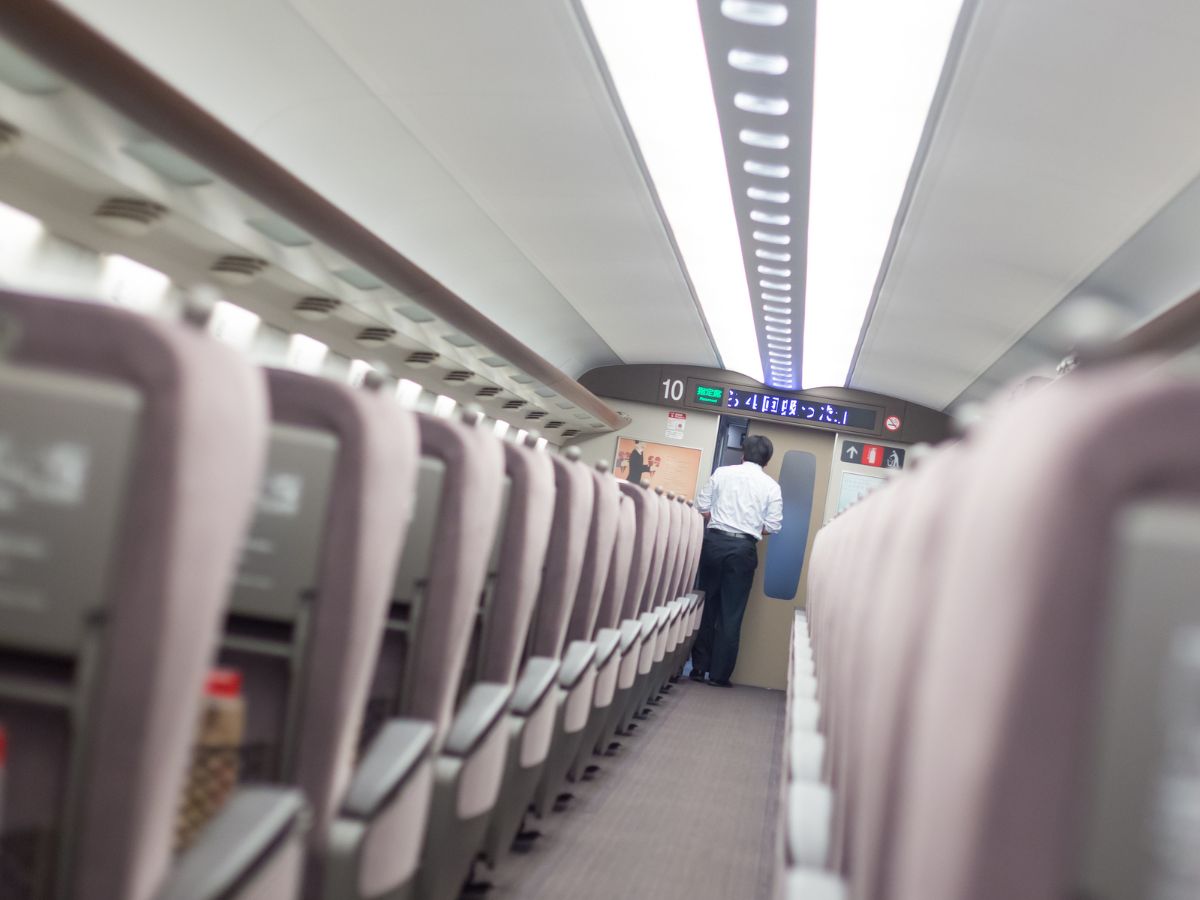
This is why we always recommend getting a “reserved” seat (shitei-seki). The “unreserved” cars are a gamble. You might not get to sit together, and during busy times, you might have to stand. The small extra cost for a reserved seat is, in our opinion, non-negotiable for a stress-free trip.
And the best tip we can give? When you book your reserved seat, ask for a “D” or “E” seat (the right-hand side, window and middle). On a clear day, about 45 minutes out of Tokyo, you’ll get the best view of Mount Fuji.
The Shinkansen also has its “first-class” option: The Green Car. At around ¥19,590, this is a significant price jump, but the comfort is undeniable.
We’ve done it, and here’s our take: it’s fantastic for a splurge. The seats are wider, more like plush airline recliners, with a ton of legroom and a footrest. You get a hot towel (oshibori) service, and the entire car is library-quiet. It’s an incredibly calm and restorative 2.5 hours.
Is it worth it? Honestly, the standard reserved seat is already so good (it’s cleaner and has more legroom than most airlines’ first class) that we don’t think it’s necessary. But if you’re on a honeymoon, a special celebration, or a business trip, it’s a wonderful, premium experience.
Who We Recommend This For
This is the easiest verdict we have.
We recommend the reserved seat on the Nozomi for 99% of travellers. It is the perfect, stress-free, and iconic Japanese travel experience. The Green Car is our recommendation for travellers on a flexible budget, honeymooners, or anyone who wants to treat themselves to a truly first-class, relaxing journey.
And the Hikari train is the one to take only if you have an active Japan Rail Pass and have decided that the ¥4,960 supplement for the Nozomi is not worth it for you.
The Final Option: Renting a Car
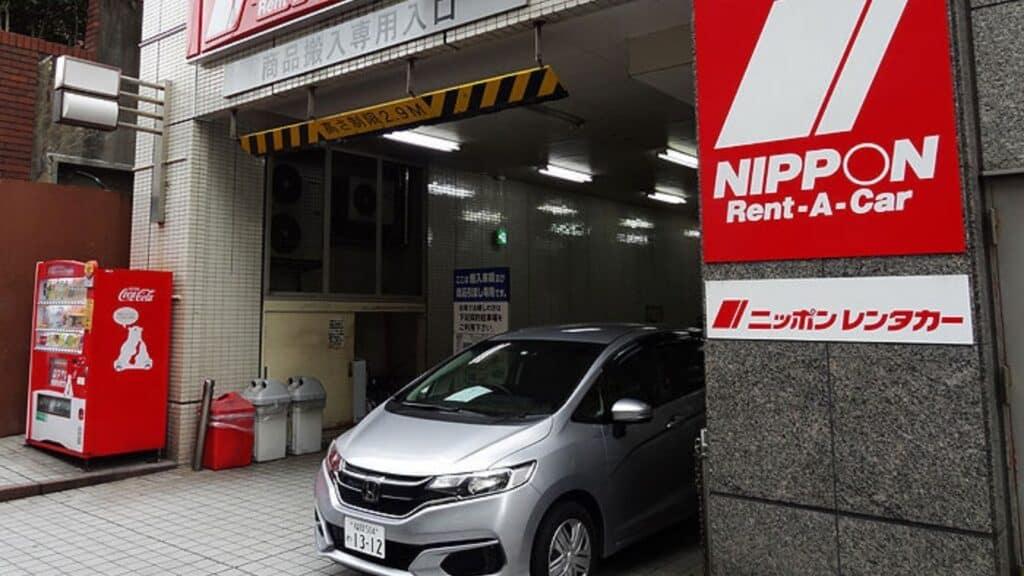
Finally, we have to talk about the last option: renting a car.
We’re including this section for the sake of completeness, but we are going to be very blunt with our agency advice: for a simple A-to-B trip from Tokyo to Osaka, this is almost never a good idea. In fact, it’s the one option we actively tell our clients to avoid.
It is, by a huge margin, the most expensive, most stressful, and slowest way to get between Japan’s two biggest cities. It’s a day of your holiday lost to a stressful drive, all while costing you more than three or four times the price of a comfortable train.
What It’s Really Like to Drive from Tokyo to Osaka
First, let’s talk about the time. On a perfect day with zero traffic, Google Maps will tell you the 500-kilometre drive takes about five to six hours. In reality, you’ll be starting in the gridlock of central Tokyo and ending in the gridlock of central Osaka. Factoring in navigating the dense city streets, a couple of stops for food, and the inevitable traffic, you are looking at a 7 to 8-hour journey at best.
The driving experience itself is a major challenge. You’ll need a valid International Driver’s Permit just to rent the car. You’ll be driving on the left-hand side of the road, navigating a complex, multi-layered highway system with signs that aren’t always in English. When you finally get to Osaka, you’ll face the high cost and extreme difficulty of finding parking.
But the real “deal-breaker,” the part that makes this a non-starter for us, is the astonishing cost. The price is not just the daily rental fee.
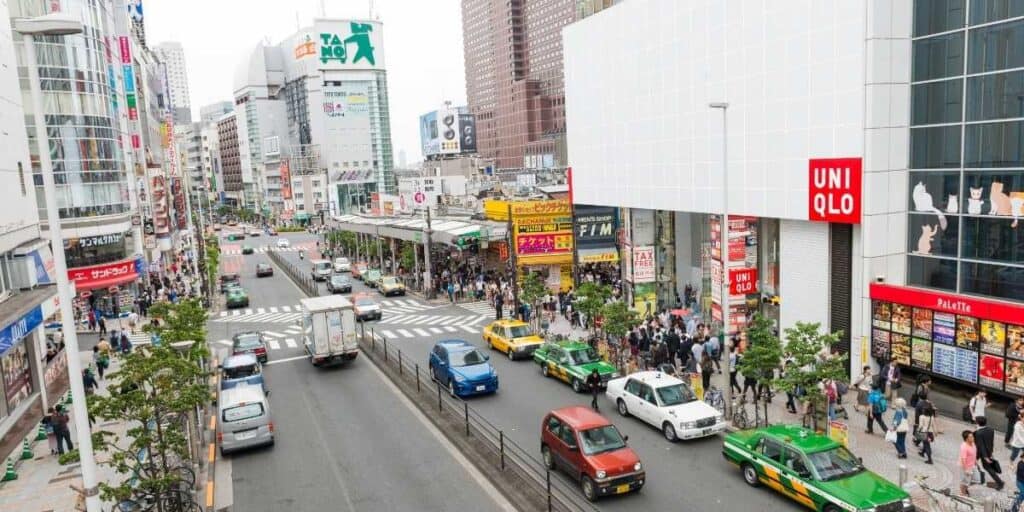
First, you have the highway tolls. Japan’s expressways are famously expensive. The trip from Tokyo to Osaka will cost you approximately ¥11,000 to ¥13,000 in tolls alone. Next, you have petrol for the 500km journey, which will easily add another ¥5,000 to ¥7,000. Finally, and most importantly, you have the one-way drop-off fee. Because you’re picking the car up in Tokyo and dropping it in Osaka, rental companies charge a massive penalty, which can be prohibitively expensive. This fee alone can be anywhere from ¥60,000 to over ¥100,000.
When you add it all up, you are paying well over ¥75,000 (and often more than ¥120,000) for a stressful, all-day drive that the Shinkansen does for ¥14,920.
The single best part of the drive, as we mentioned in the bus section, is the amazing “Service Areas” (SAs) and “Parking Areas” (PAs). But you can experience those on the bus, without spending a fortune and tearing your hair out.
Who We Recommend This For
So, is there any reason to do this?
As a direct A-to-B trip? No. We have never and will never recommend it.
However, we would recommend a car to a specific type of client: the one who wants to turn the 2.5-hour train ride into a 3-day (or more) scenic road trip. If you want to rent a car in Tokyo to explore Hakone, see the Izu Peninsula, drive the scenic coast, and then spend a night in Nagoya before finally arriving in Osaka… then a car is the only way to do it.
The car is a tool for exploring rural Japan, where the trains don’t go. It is not a tool for commuting between major cities that are already perfectly connected by the world’s best train system.
FAQs: How to Get from Tokyo to Osaka
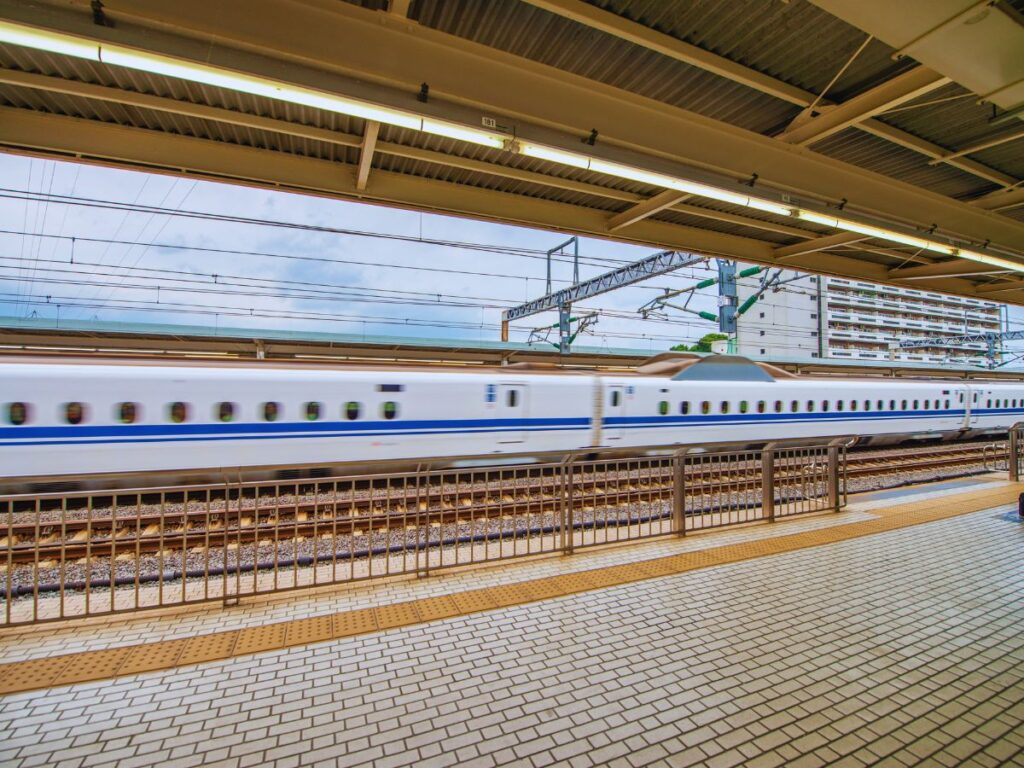
So, is it really better to fly or take the train?
We almost always recommend the train. It’s faster door-to-door, more comfortable, and a better experience. We only suggest flying if you’re connecting from an international flight.
How do I book my Shinkansen tickets?
You can buy tickets at the station, but we recommend using the official SmartEX app. It’s in English, lets you book reserved seats from your phone, and is the simplest way to travel.
Can I use my Japan Rail Pass on the Nozomi train?
No, the standard JR Pass does not cover the Nozomi train for free. You must either take the slower Hikari or buy a separate ¥4,960 supplement ticket for the Nozomi.
What’s the oversized luggage rule on the Shinkansen?
If your luggage is over 160cm (total length + width + height), you must book a seat with “Oversized Baggage Space”. If you don’t, you will be charged a ¥1,000 fee on the train.
What is the most luxurious way to travel from Tokyo to Osaka?
We think the Shinkansen Green Car is the best practical luxury. It’s fast, quiet, and very spacious. The 2-row “Dream Sleeper” bus is a unique overnight experience, but it’s slower and often costs more.