
As a Japan-based travel agency, we see the same problem all the time. You’re excited to plan your trip to Western Japan, but you hit a wall: the train passes.
You’re staring at five different options—the Kansai Area, Kansai Wide, Kansai-Hiroshima, Kansai-Hokuriku, and the All Area Pass—and they all sound identical. We know it’s confusing. We also know that choosing the wrong one can mean overspending by thousands of yen on your transport budget. We don’t want that to happen.
So, we’ve put this JR West Pass comparison together to make it simple. We are going to compare all five passes head-to-head. Think of it as putting them in a “battleground” to see which one wins for your specific itinerary. We’ll help you look past the confusing names and find the one pass that we recommend for your trip, so you can stop worrying about the cost and start dreaming about the adventure.
Plan Your Japan Trip Without the Stress
Feeling overwhelmed trying to build an itinerary that maximises your chosen JR Pass? Let our Japan-based experts design a personalised travel plan that matches your pass, interests, and pace. We’ll ensure you save money and see the best of Western Japan without the planning stress.
→ Start Building My Custom Japan Itinerary
The “At-a-Glance” Comparison Table
We know that the wall of text on official railway sites can be overwhelming. To make this easy, we’ve built this simple table that compares the five passes. This is the fastest way to see the key differences in price, duration, and where you can go.
Pay close attention to the last three rows—they are the most important for deciding!
| Feature / Destination | Kansai Area Pass | Kansai Wide Area Pass | Kansai-Hiroshima Pass | Kansai-Hokuriku Pass | JR West All Area Pass |
| Price (Adult) | ¥2,800–¥7,000 | ¥12,000 | ¥17,000 | ¥19,000 | ¥26,000 |
| Duration | 1, 2, 3, or 4 Days | 5 Days | 5 Days | 7 Days | 7 Days |
| Core Area (Osaka, Kyoto, Nara, Kobe) | Yes | Yes | Yes | Yes | Yes |
| Kansai Airport (Haruka Express) | Yes (Non-reserved) | Yes (Reserved seats) | Yes (Reserved seats) | Yes (Reserved seats) | Yes (Reserved seats) |
| Himeji Castle | Yes | Yes | Yes | Yes | Yes |
| Okayama (Shinkansen) | No | Yes | Yes | Yes | Yes |
| Hiroshima / Miyajima (Shinkansen) | No | No | Yes | No | Yes |
| Kanazawa / Hokuriku (Ltd. Express) | No | No | No | Yes | Yes |
| Fukuoka (Hakata Station) | No | No | No | No | Yes |
| Nozomi / Mizuho Trains? | N/A | No | No | N/A | YES |
In the next section, we’ll put these passes head-to-head in our comparison to show you exactly which one we recommend for your specific travel plans.
The “Battleground” Comparison: We Show You Where Each Pass Wins
Now that you’ve seen the basic stats in the table, let’s put these passes into real-world scenarios. We want to show you exactly which pass we think is the best fit depending on where you’re planning to go. Think of this as the “battleground” where the passes compete for your itinerary!
Battleground 1: The “Core Kansai” Trip (Osaka, Kyoto, Nara, Himeji)
If you’re planning to spend your time exploring the heart of Kansai—cities like Osaka, Kyoto, Nara, and Kobe—and maybe take a day trip out to see the famous Himeji Castle, then we think the Kansai Area Pass is your champion.
Why do we recommend it? It’s the cheapest pass by far, and it’s available for just 1, 2, 3, or 4 days, which is perfect for shorter trips focused on this main area. It covers all the regular JR trains you’ll need between these cities, and it even includes the Haruka Express train from Kansai Airport (though only in the non-reserved seats).
The key thing to know is that this pass does NOT let you ride any Shinkansen (bullet trains). But honestly, for this kind of local travel, you don’t need them! The regular JR trains are fast enough, and skipping the Shinkansen is what keeps this pass so affordable. We think it’s the clear winner if you’re not travelling further west than Himeji.
Battleground 2: The Shinkansen (Bullet Train) Access
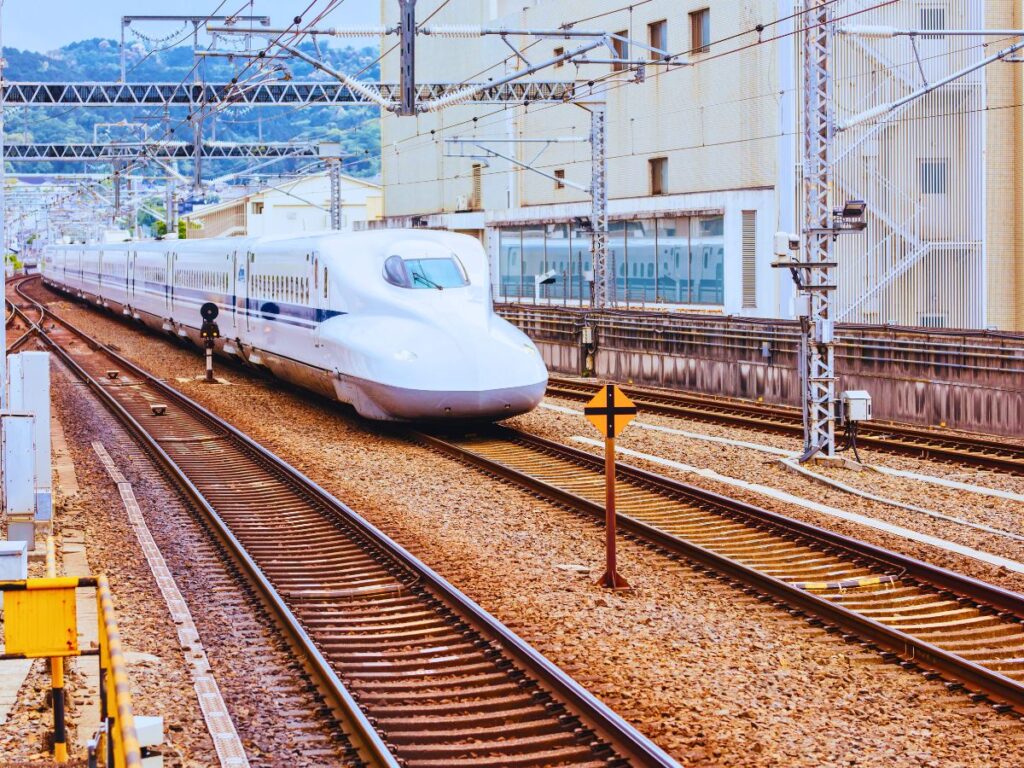
This is where things get a bit tricky, and it’s one of the main reasons people get confused between the passes. We really want to make this clear for you. Here’s exactly which Shinkansen lines each pass lets you use:
First off, as we just mentioned, the Kansai Area Pass gives you no Shinkansen access at all. Simple!
Next, the Kansai Wide Area Pass gives you partial access. You can ride the Sanyo Shinkansen, but only on the section between Shin-Osaka and Okayama. This is great for a day trip to Okayama or Kurashiki, but the Shinkansen coverage stops there.
Then we have the Kansai-Hiroshima Area Pass. This pass gives you good access for a specific trip. It covers the Sanyo Shinkansen all the way from Shin-Osaka down to Hiroshima.
“The great news here is that this pass fully includes the fastest ‘Nozomi’ and ‘Mizuho’ Shinkansen services for this route. This gives you fantastic flexibility for the trip down to Hiroshima.
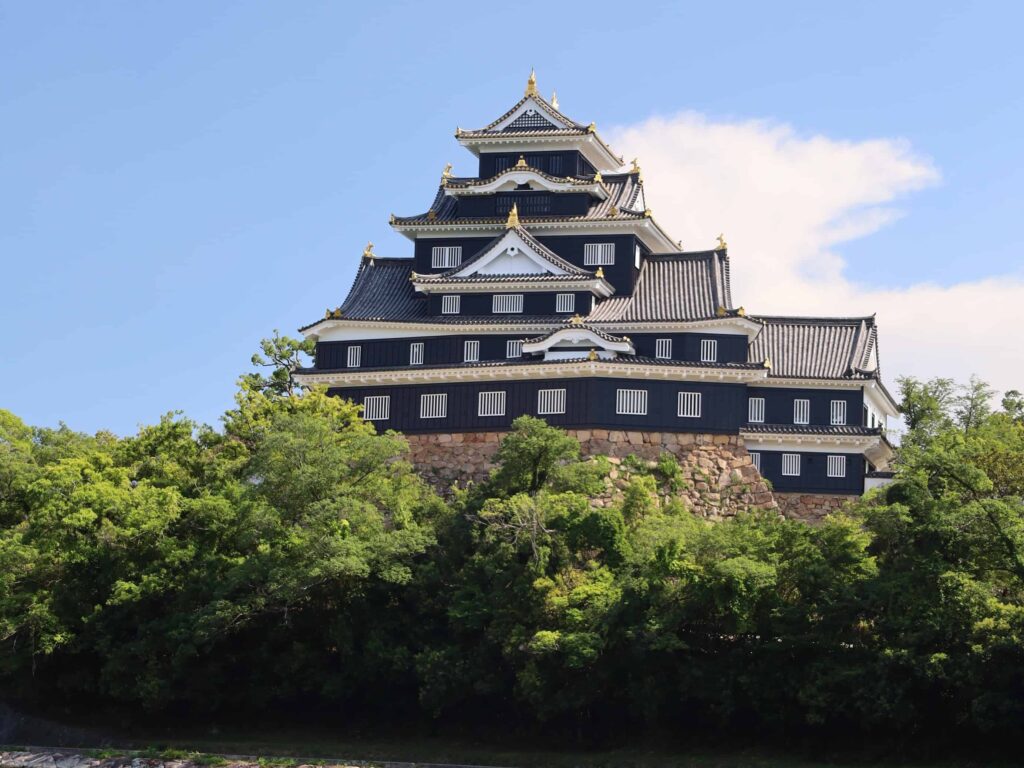
The Kansai-Hokuriku Area Pass gives you dual access on two different lines. It covers the Sanyo Shinkansen between Shin-Osaka and Okayama (just like the Wide Pass). Plus, it also covers the Hokuriku Shinkansen line between Tsuruga (north of Kyoto) and Joetsu-Myoko (towards Tokyo, but it doesn’t go all the way).
Finally, the JR West All Area Pass gives you total access within the JR West network. It covers the entire Sanyo Shinkansen line, from Shin-Osaka all the way down to Hakata (Fukuoka). It also covers the Hokuriku Shinkansen line.
And here’s the crucial difference that we think makes this pass fantastic value for widespread travel: it’s the only pass on this list that includes the super-fast Nozomi and Mizuho trains on the Sanyo Shinkansen route. This gives you much more flexibility in your schedule.
Battleground 3: The Big Trip to Hiroshima & Miyajima
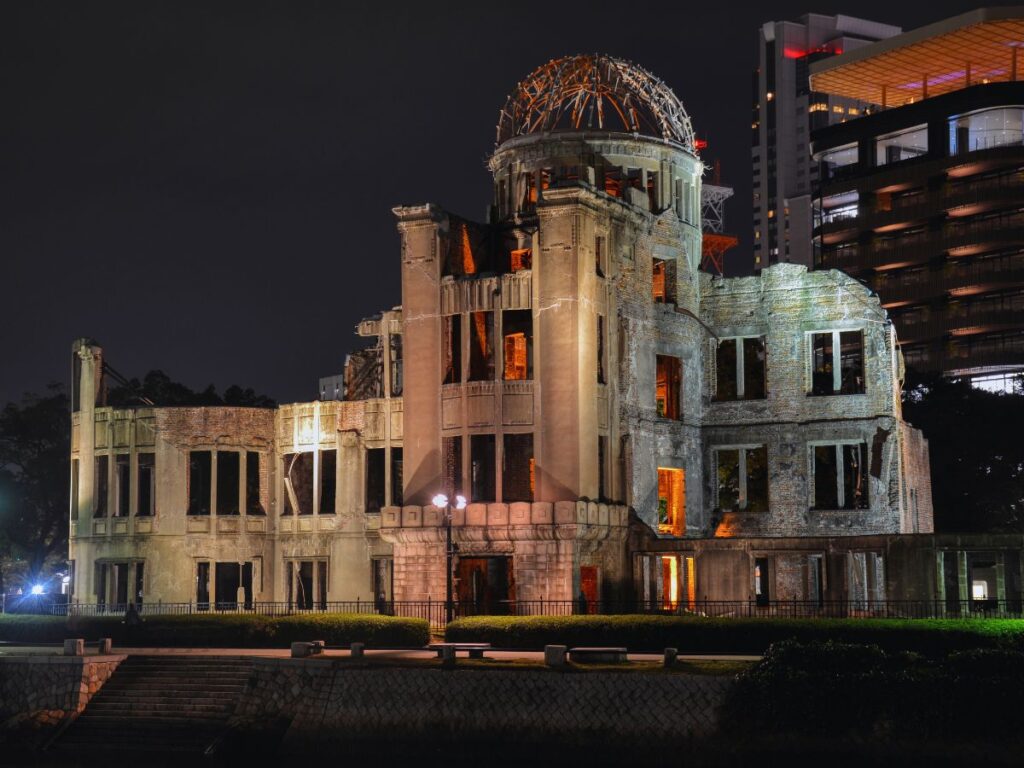
So, you want to see the Peace Memorial Park and the famous floating torii gate? Excellent choice! For this popular trip from Kansai, you have two main contenders: the Kansai-Hiroshima Pass and the JR West All Area Pass.
The Kansai-Hiroshima Area Pass was basically made for this exact journey. It covers the Shinkansen ride from Shin-Osaka to Hiroshima—and yes, that includes the fast Nozomi and Mizuho trains! It also includes the JR Ferry over to Miyajima Island, which is a great bonus. At ¥17,000 for 5 days, it’s often cheaper than buying a round-trip Shinkansen ticket on its own.
The JR West All Area Pass also fully covers the Shinkansen trip to Hiroshima and the ferry to Miyajima. The JR West All Area Pass also covers this route with the Nozomi and Mizuho trains, but its main advantage is that it also covers travel beyond Hiroshima (to Fukuoka) and north (to Kanazawa). However, it costs ¥26,000 for 7 days.
So, how do we recommend you choose? It’s quite simple, really. If visiting Hiroshima and Miyajima is your ONLY major long-distance trip from the Kansai area, we definitely recommend the Kansai-Hiroshima Area Pass.
It’s the cheaper, dedicated option designed for exactly what you need. However, if your plans are bigger – maybe you also want to visit Kanazawa, or travel even further west to Fukuoka – then you absolutely need the JR West All Area Pass.
Battleground 4: The Trip to Kanazawa & the Hokuriku Coast
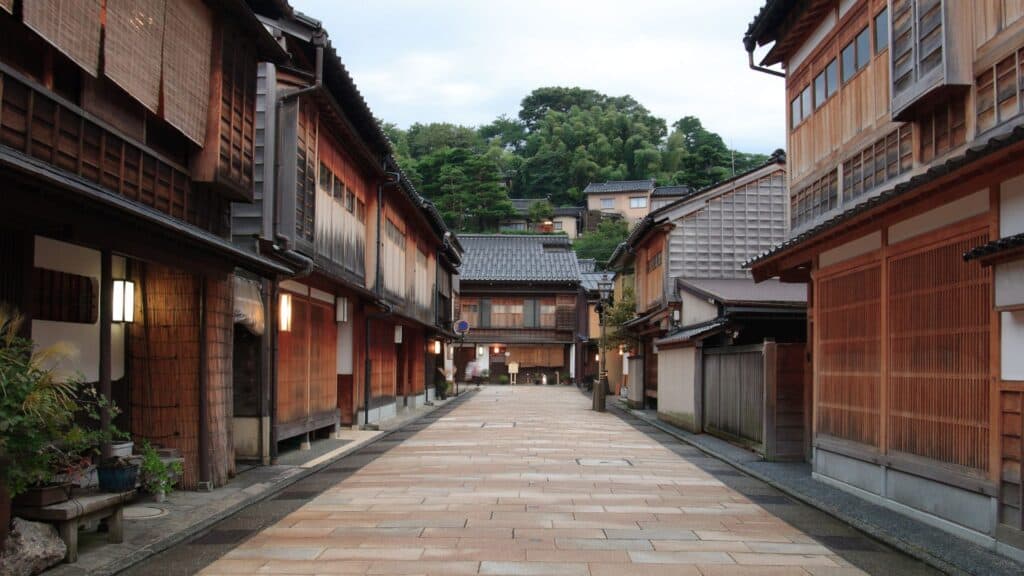
Perhaps you’re dreaming of visiting the beautiful Kenrokuen Garden or exploring the old samurai districts in Kanazawa? To connect Kansai (Osaka/Kyoto) with the Hokuriku region, you again have two main options: the Kansai-Hokuriku Pass and the JR West All Area Pass.
The Kansai-Hokuriku Area Pass is the purpose-built pass for this route. It gives you 7 days of travel and covers the key trains you need, like the Thunderbird Limited Express from Osaka/Kyoto up towards the coast, and the Hokuriku Shinkansen for travel between cities like Kanazawa, Toyama, and Fukui. At ¥19,000, it’s a good value if this is your main focus.
The JR West All Area Pass also covers all these same routes, including the Thunderbird and the Hokuriku Shinkansen.
Which one should you choose? Our advice follows the same logic as the Hiroshima trip. If your main goal is to travel from Kansai to the Hokuriku region (like Kanazawa) and back, then we recommend the Kansai-Hokuriku Area Pass. It’s designed specifically for that journey.
But, if your itinerary includes BOTH Kanazawa and a trip down to Hiroshima or Fukuoka, then the JR West All Area Pass is the only single pass that covers everything, making it the one you need.
Battleground 5: Big Day Trips from Kansai (Okayama, Kinosaki Onsen, Tottori)
What if you’re basing yourself in Osaka or Kyoto but want to explore further with some exciting, longer day trips? Maybe you want to see the stunning Korakuen Garden in Okayama, relax in the traditional hot spring town of Kinosaki Onsen, or even visit the unique Tottori Sand Dunes?
For this kind of travel, we wholeheartedly recommend the Kansai Wide Area Pass. At ¥12,000 for 5 days, it’s significantly cheaper than the passes covering Hiroshima or Kanazawa, but it unlocks a much larger area than the basic Kansai Area Pass.
Its key strengths are covering the Sanyo Shinkansen as far as Okayama (including the fun Hello Kitty Shinkansen!) and including the Limited Express trains needed to reach destinations like Kinosaki Onsen, Tottori, and even down to the Kii Peninsula (Wakayama) or across to Takamatsu on Shikoku island.
If your plan involves one or two of these longer day trips without going as far as Hiroshima, we think the Kansai Wide Area Pass offers fantastic value and is the clear winner for exploring the “wider” Kansai region.
Battleground 6: The “Grand Tour” of West Japan
Finally, what if your travel plans are ambitious? What if you want to experience the absolute best of Western Japan, perhaps starting in Kansai, heading north to Kanazawa, then travelling west to Hiroshima and Miyajima, and maybe even continuing all the way down to Fukuoka (Hakata)?
For this kind of extensive, multi-region “Grand Tour,” the JR West All Area Pass is, without a doubt, the ultimate champion.
As the name suggests, it covers the entire JR West network for 7 consecutive days. It includes the Hokuriku region (Kanazawa), the Sanyo region (Okayama, Hiroshima), the San’in coast (Tottori, Matsue), and the Sanyo Shinkansen all the way to its final stop in Hakata (Fukuoka).
A crucial advantage of this pass is its massive range, including the fast Nozomi and Mizuho trains on the entire Sanyo Shinkansen line all the way down to Hakata (Fukuoka). While the Kansai-Hiroshima pass also includes these trains, it only covers the section to Hiroshima.
While it’s the most expensive pass at ¥26,000, if your itinerary involves covering significant distances across multiple regions of Western Japan, we strongly believe the comprehensive coverage and access to the fastest trains make the JR West All Area Pass the clear winner and often a massive money-saver compared to buying individual tickets.
Choose Your JR West Pass in 10 Seconds

Okay, we’ve gone through a lot of detail! Feeling a bit clearer, but maybe just want the quickest possible answer? We’ve got you covered. Based on our experience helping travellers plan their trips, you only need to answer these quick questions to be able to decide which pass is right for you:
- Are you staying only in Osaka, Kyoto, Nara, and Himeji for 1-4 days? Then get the Kansai Area Pass. It’s the cheapest for local trips.
- Are you using Kansai as a base for 5 days of big day trips like Okayama or Kinosaki Onsen (but not Hiroshima)? The Kansai Wide Area Pass is perfect for exploring the wider region.
- Is your main big trip (over 5 days) seeing Hiroshima and Miyajima? The Kansai-Hiroshima Area Pass is the answer. It’s designed specifically for this popular route.
- Is your main big trip (over 7 days) connecting Kansai with Kanazawa and the Hokuriku coast? Then our recommendation would be the Kansai-Hokuriku Area Pass. The dedicated pass for this specific inter-regional journey.
- Do you want to visit… both Hiroshima and Kanazawa? Or travel all the way to Fukuoka? Or just want the maximum flexibility and fastest trains for 7 days? The JR West All Area Pass would be the best choice. It’s the master key, covering everything in the JR West network.
Explore Japan Like a Local
Know which pass covers Okayama or Kanazawa, but not sure what to do once you get there? Take the stress out of planning your day trips! Our expert-crafted, 1-day PDF itineraries cover the must-see spots in cities reachable with your JR Pass. Just download to your phone and explore with confidence.
→ Browse Our 1-Day Itineraries
JR West Pass FAQs
What about the national Japan Rail Pass? Should I get that instead?
The national Japan Rail Pass is best if you’re travelling all over Japan (e.g., Tokyo, Kyoto, Hiroshima). If you’re staying only in Western Japan, a JR West regional pass is usually cheaper. Also, the JR West All Area Pass includes the fast Nozomi/Mizuho trains on the Sanyo line, which the standard national pass doesn’t.
Learn more about the Japan Rail Pass here:
Can I use any of these passes to get to Tokyo?
No. The bullet train line between Shin-Osaka and Tokyo (the Tokaido Shinkansen) is run by a different company (JR Central) and isn’t covered by these JR West passes. You’ll need a separate ticket for that trip.
What’s the real difference between the Kansai Area Pass and the Kansai Wide Area Pass?
Think “local” vs. “day trips”. The Kansai Area Pass is cheaper and designed for exploring the main cities like Osaka, Kyoto, Nara, and Himeji using regular JR trains – it doesn’t include Shinkansen. The Kansai Wide Area Pass costs more but covers a larger area, perfect for longer day trips to places like Okayama or Kinosaki Onsen.
Is there one pass that covers both Hiroshima and Kanazawa?
Yes, if you want to visit both Hiroshima (in the west) and Kanazawa (on the north coast) using a single pass, the JR West All Area Pass is the one you need. It’s the only pass in this group that covers the necessary train lines for both destinations.
Which JR West passes let me ride the fast Nozomi trains?
The Kansai-Hiroshima Area Pass does include the Nozomi and Mizuho trains between Shin-Osaka and Hiroshima. The JR West All Area Pass also includes them and extends that coverage all the way to Hakata (Fukuoka).