It’s no wonder why you’re planning a trip to Japan’s Kansai region! You’re probably dreaming of exploring Kyoto’s beautiful temples and eating ‘till you drop on Osaka’s lively streets. But what about the giant white castle in Himeji, the relaxing hot springs of Kinosaki, or the charming old town of Kurashiki?
If you think seeing all these extra places is complicated or expensive, we’ve got fantastic news. Let us introduce you to your new best friend for travelling in western Japan: the Kansai Wide Area Pass.
Think of this pass as a special golden ticket just for tourists. For five days, it lets you hop on and off loads of different trains, including the super-fast Shinkansen bullet train on certain routes! It’s perfect for any traveller who wants to explore beyond Kansai’s main cities without the stress (or budget strain!) of buying a new ticket for every single journey.
Make Your Dream Japan Trip Simple

Planning a trip to Japan can feel overwhelming — so many cities, sights, experiences, and even transportation passes to choose from! That’s where we come in. We’ll design a day-by-day itinerary just for you, making sure every moment reflects what you truly enjoy, whether that’s food, culture, shopping, or adventure.
→ Get My Personalised Japan Travel Plan
What is the Kansai Wide Area Pass?
Okay, let’s break it down. The Kansai Wide Area Pass is a simple, flat-rate ticket that gives you five straight days of unlimited travel on specific JR train lines in the Kansai region and a little beyond.
It’s made by the JR West train company specifically for tourists like you to help you save money and travel without hassle (plus to promote the less-travelled areas of Kansai of course!). Instead of fumbling for change and buying a new ticket every time you want to go somewhere, you just show your pass and hop on the train. Easy!
How much does it cost?
Let’s talk about the price, because this is where the real value of the pass starts to show.
The Kansai Wide Area Pass has a straightforward fixed price. As of 2025, the cost is:
- Adults (12 years old and over): ¥12,000
- Children (6 to 11 years old): ¥6,000
You have a couple of options for buying the pass. You can either purchase it through an authorised travel agency in your home country before you leave, or you can book it directly online through the official JR West website. You can also buy it after you arrive in Japan for the same price. This gives you the flexibility to choose whichever method is easiest for you. More details on buying and using the pass below!
A quick tip for families: up to two toddlers (aged 1 to 5) can travel with you completely free of charge! The only condition is that they don’t take up a reserved seat of their own – so they can happily sit on your lap.
Travelling to Japan with kids? Here are tips to make your vacation smoother:
Now, ¥12,000 might sound like a lot at first, but stick with us. When you realise a single round-trip journey on the Shinkansen from Osaka to Okayama can cost almost that much alone, you’ll quickly see how this pass can save you a serious amount of money. We’ll break down the savings in more detail a bit later!
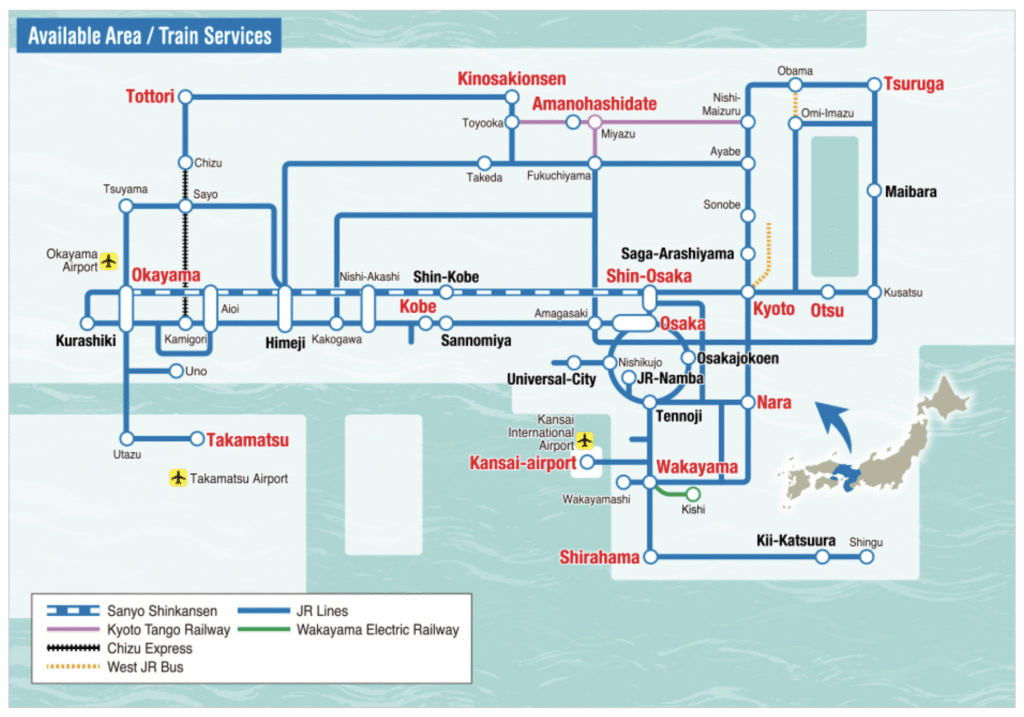
Kansai Wide Area Pass Map and Coverage: Where Can You Go?
This is the fun part! The “Wide Area” in the name isn’t kidding. This pass unlocks a huge part of Western Japan, letting you go far beyond the usual tourist spots. First things first, let’s look at the map so you can see just how much ground you can cover.
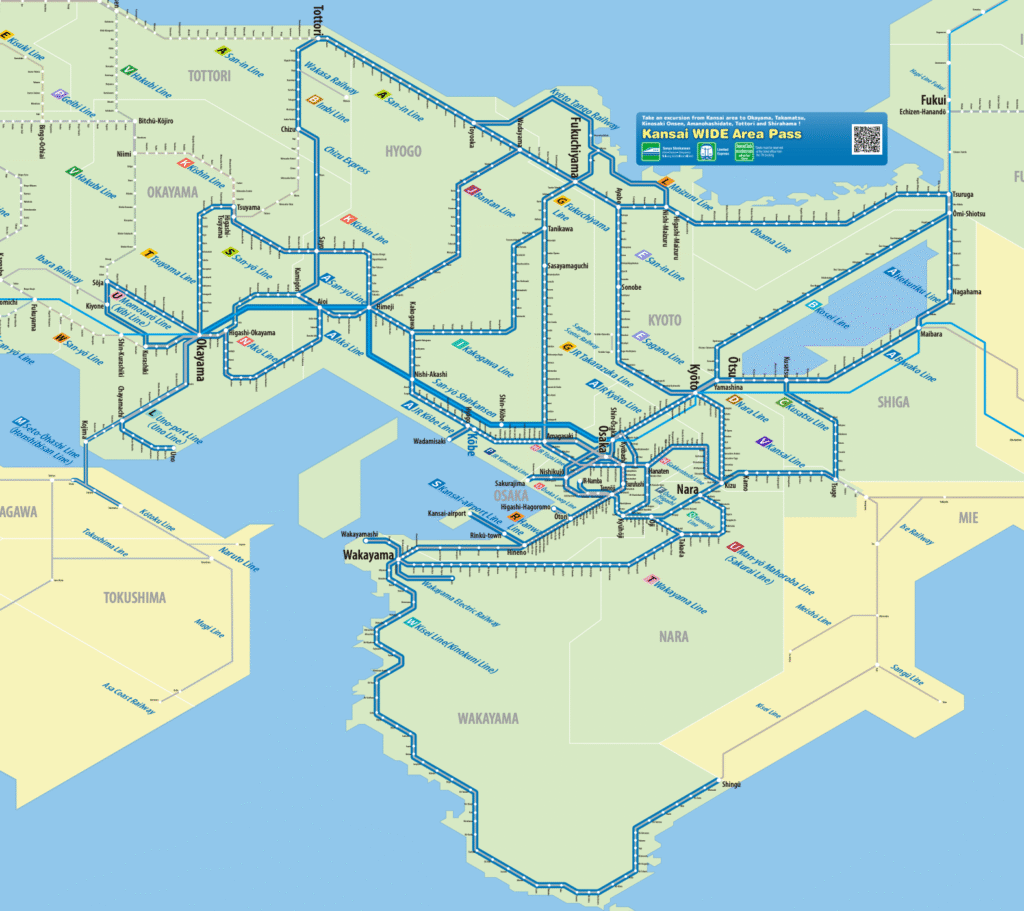
As you can see, the pass lets you create a fantastic travel hub in Osaka or Kyoto and take amazing day trips from there.
Kansai Wide Area Pass Destinations at a Glance
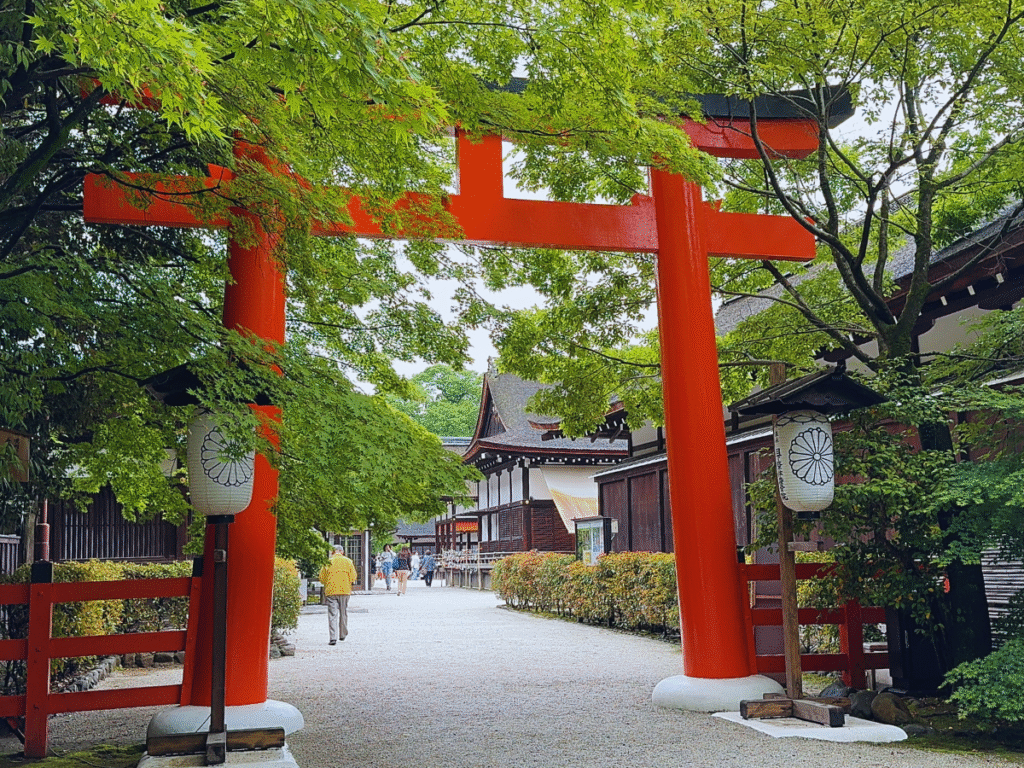

The best thing about this pass is just how many different places you can get to. Of course, you can dive into the amazing food of Osaka (they call it Japan’s Kitchen for a reason!) or check out Kyoto, which is just as beautiful as the pictures, with its famous temples and geishas in the Gion district. You can also spend a day soaking up the cool, international feel of the port city of Kobe.
No visit to Osaka is complete without dropping by Namba and Shinsaibashi. Read our guide before you go:
Want to see some history? The pass can zip you over to Nara, Japan’s first capital city, where you can meet the famous bowing deer and see the giant Buddha for yourself. A bit further on, you can visit the incredible Himeji Castle, a massive white castle that looks like something out of a movie.
It’s a shame that Himeji is not more popular among foreign tourists because it has so much to offer. We talk all about it in this blog:
But what the Kansai Wide Area Pass covers is not just cities and temples. If you’re looking for nature, you can head south to Wakayama for some beautiful coastline and hiking trails. Or, for something totally different, travel to Tottori to see its huge sand dunes that look just like a desert.


For pure relaxation, you can’t beat a trip to Kinosaki Onsen, one of Japan’s best hot spring towns, where everyone walks around in traditional yukata robes. The pass even takes you over a giant bridge to the island of Shikoku, where you can explore the city of Takamatsu and its stunning Ritsurin Garden.
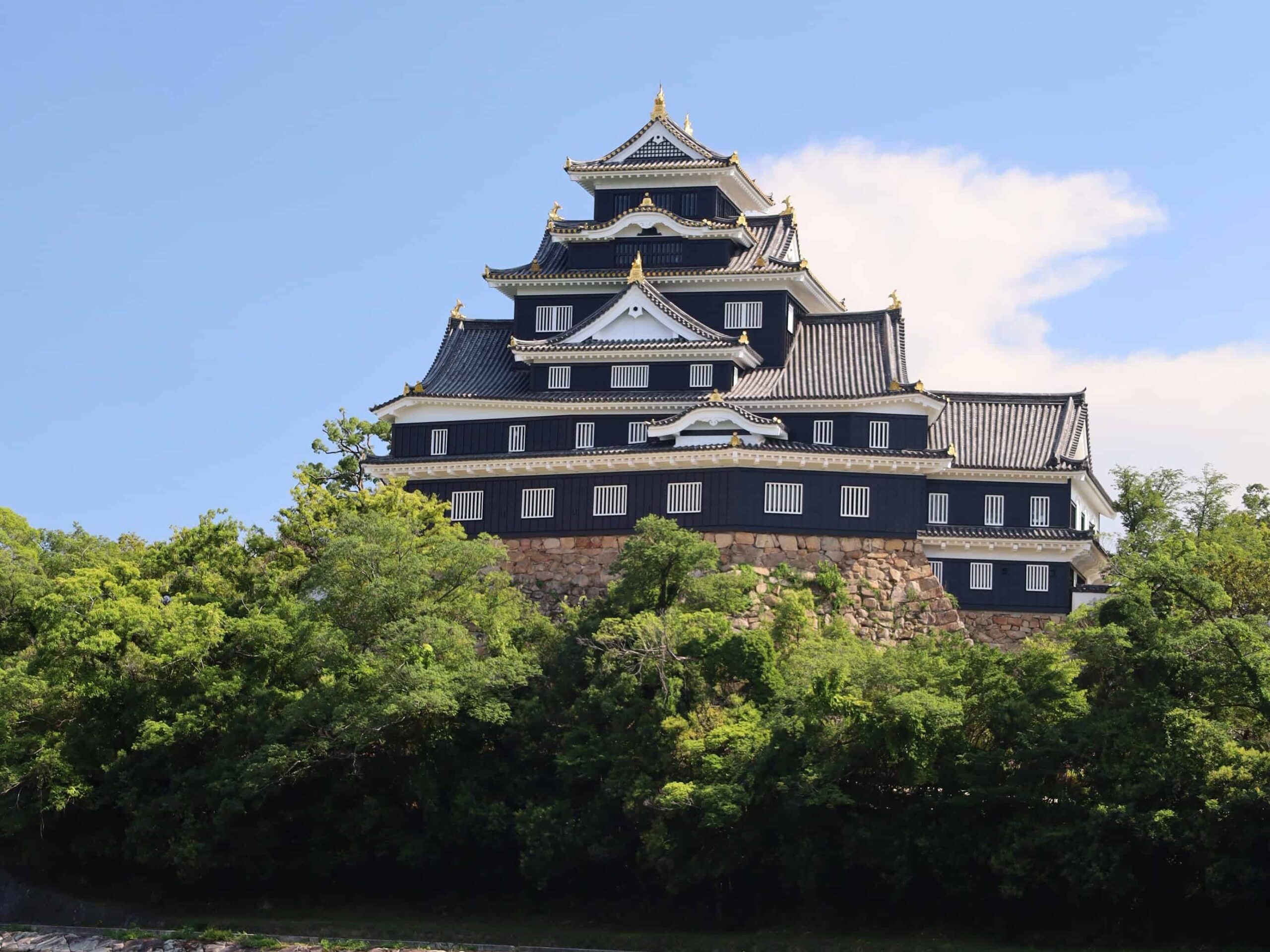
And right next to the city of Okayama, you can visit Kurashiki, a super charming town with old canals and buildings that will make you feel like you’ve stepped back in time. We have the perfect itinerary for seeing and experiencing the best of Okayama and Kurashiki. Check it out here:
What Trains Are Covered by the Kansai Wide Area Pass

You won’t be stuck on the slow trains! The pass gives you access to some seriously fast and convenient services to get around.
- Shinkansen (Bullet Train): You can ride the Sanyo Shinkansen as much as you want between Shin-Osaka and Okayama. Yes, this includes the adorable Hello Kitty Shinkansen!
- Limited Express Trains: You get unlimited rides on all the speedy and comfortable Limited Express trains in the area, like the Haruka (perfect for getting from Kansai Airport), the Kuroshio (to Wakayama), and the Kounotori (to Kinosaki Onsen).
- Local JR Trains: For all the shorter journeys, the pass covers all the local, rapid, and special rapid JR West train lines within the map’s area.
- West Japan JR Buses: Here’s a great bonus! The pass also works on the local route buses run by West Japan JR Bus. Just look for the “JR” logo on the bus. While this doesn’t cover every bus in a city, it can be useful for certain routes.
Important! What’s NOT Covered by the Kansai Wide Area Pass

This is really important to remember to avoid any surprise ticket costs. The pass is amazing, but it has some key limits.
- The Shinkansen to Tokyo: The pass does NOT work on the Tokaido Shinkansen line, which is the one that runs east from Shin-Osaka to Kyoto, Nagoya, and Tokyo. That’s a different line run by a different company.
- Most City Buses & All Subways: This is the most common point of confusion. While the pass does cover local West Japan JR buses, it will not work on the main local bus networks that you’ll use for most sightseeing within a city (like the green-coloured Kyoto City Bus). It also doesn’t work on any city subway lines.
- Using More Than 6 Reserved Seats: You can make up to six free seat reservations on eligible trains (like the Shinkansen and Limited Express trains). You can do this at station ticket machines or ticket offices. This is perfect for securing a spot on a popular train. If you need to reserve more than six seats during your five days, you’ll have to pay an extra fee for each additional reservation. Of course, you can still ride in the non-reserved cars as much as you like for free, even after using up your six reservations.
Need a quick guide on transportation options in Japan? Say no more:
Is the Kansai Wide Area Pass Actually Worth It?
This is the big question, right? The simple answer is: it completely depends on your travel plans. For some people, this pass is a massive money-saver. For others, it’s not a good fit at all.
So, let’s do the maths and figure out if it’s worth it for your trip.
The Simple Rule of Thumb
Here’s the quickest way to know: If you plan to take just ONE long-distance round trip, the pass will likely pay for itself.
If your plans involve travelling west of Kobe (to Himeji, Okayama) or north to Kinosaki Onsen, the pass is almost certainly a great deal. If you’re only staying within the central loop of Osaka, Kyoto, and Nara, it is probably not for you.
Nara is a great choice for quick day trips from Kyoto and Osaka. Here’s our complete guide to the prefecture:
Looking at the Numbers: Kansai Wide Area Pass Sample Trips
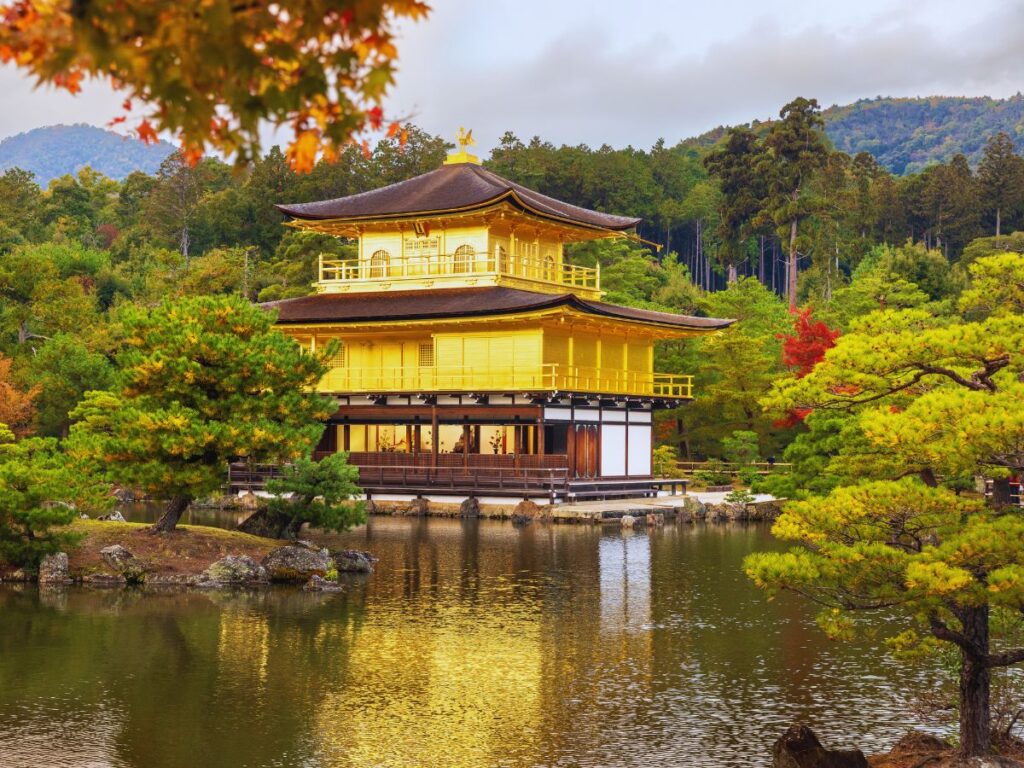
Here are a few examples to show you what we mean. We’ll use the pass price of ¥12,000 and compare it to the approximate cost of buying individual tickets for a non-reserved seat (to remind you, the pass also comes with up to six reserved seats).
Scenario 1: The “Absolutely Worth It” Trip
Let’s say you’re staying in Osaka and want to take a day trip to see the famous castle in Himeji and the beautiful gardens in Okayama.
- Round trip on the Shinkansen from Shin-Osaka to Okayama: about ¥11,500
Verdict: Just one of these popular day trips nearly pays for the entire 5-day pass! All your other travel for five days, like getting to and from the airport or taking smaller local trips, would be completely free. This is a massive win.
Scenario 2: The “Ultimate Value” Trip
Imagine you want to explore the whole region over your five days.
- Day 1: Kansai Airport to Kyoto on the Haruka Limited Express (about ¥3,000)
- Day 2: Day trip from Kyoto to Himeji and back using the Shinkansen (bullet train) (about ¥10,000)
- Day 4: Day trip from Kyoto to Kinosaki Onsen and back on the Kinosaki Limited Express train (about ¥14,700)
- Total Ticket Cost: ¥27,700
- Kansai Wide Area Pass Cost: ¥12,000
- Your Total Savings: about ¥15,700
Verdict: In this scenario, you’ve saved the entire cost of the pass and then some! You’ve essentially gotten half of your travel for free. This is exactly who the pass is designed for.
Scenario 3: The “Definitely Not Worth It” Trip
Now, let’s say your plan is to stay only in the main cities for five days.
- Round trip from Osaka to Kyoto on a local JR train: approx. ¥1,140
- Round trip from Osaka to Nara on a local JR train: approx. ¥1,620
Verdict: If you only make these short trips, you would spend less than ¥3,000 on tickets. Buying the ¥12,000 pass would be a huge waste of money. In this case, you should just buy single tickets or consider a different pass.
Kansai Wide Area Pass vs. Kansai Railway Pass
This is a question that confuses a lot of travellers, especially since the names sound a bit alike! They are designed for completely different kinds of travel, and we actually have a detailed guide explaining the differences you can read here:
But for a quick summary, think of it this way:
The Kansai Wide Area Pass is for travelling FAR. It uses the fast JR trains (including the Shinkansen) to connect cities that are far apart, like Osaka to Okayama or Kyoto to Kinosaki Onsen. It is the best choice for long-distance Kansai day trips.
The Kansai Railway Pass (which used to be called the Kansai Thru Pass) is for travelling DEEP. It does not include JR trains or the Shinkansen. Instead, it covers all the private railway lines, subways, and local buses within the main cities of Osaka, Kyoto, Kobe, and Nara. It’s the best choice if you plan to do a lot of sightseeing inside the cities and need to hop on and off their subways and buses all day.
How to Buy and Use the Kansai Wide Area Pass: A Simple Step-by-Step Guide
Great, you’ve decided the pass is for you! Getting your hands on it and starting your adventure is super easy. Here’s exactly how it works in a few simple steps.
Step 1: Buying Your Pass
You have several easy options to buy your pass, and they all cost the same. Just pick the one that’s most convenient for you.
- Buy Through a Travel Agency (Online or In-Person): This is often the most flexible route.
- Online (e.g., Klook): The most popular method for many travellers. Websites like Klook or KKday are authorised to sell the pass. You simply buy it online, and they will send you an e-voucher with a QR code almost instantly. Visit the official websites for more details.
- In Your Home Country: You can also visit a physical, authorised travel agency before your trip. They will issue you an “exchange order” voucher to bring with you to Japan. This is a great option if you prefer face-to-face service.
- Book Directly on the JR West Website: You can buy the pass directly from the official JR West website before your trip. This is also a great option where you pay ahead of time with a credit card.
- Buy When You Arrive in Japan: You can also wait until you get to Japan and buy the pass directly from a major JR West train station ticket office. This is a good backup plan if you’re not sure about your itinerary in advance.
Step 2: Picking Up Your Physical Pass in Japan
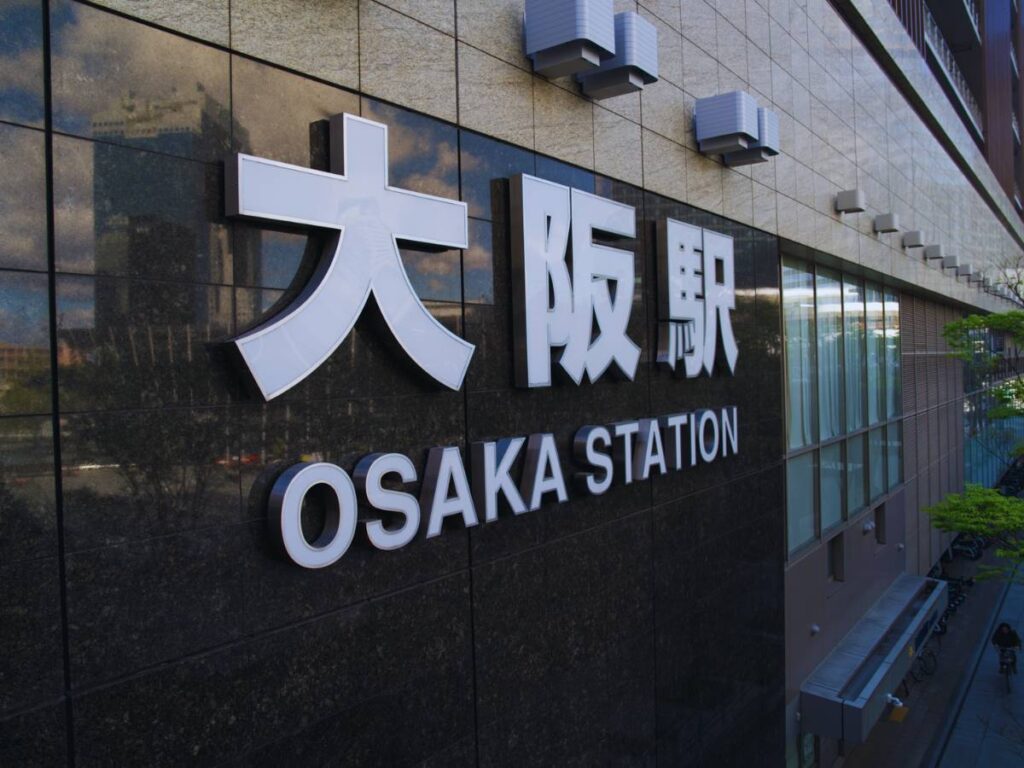
This is a very important step! The email confirmation or the voucher you received isn’t the actual pass. You need to exchange it for the physical ticket you’ll use for travel.
What you’ll need:
- Your Passport (It must have the “Temporary Visitor” stamp/sticker that you get at immigration).
- Your QR Code / E-Voucher / Exchange Order from your purchase.
Where to go: Head to a main JR West station like Kansai Airport, Osaka, Shin-Osaka, or Kyoto. You can exchange your voucher at either:
- A designated ticket machine with a passport scanner (this is the fastest way!).
- The JR Ticket Office, which has a green sign and is called the Midori no Madoguchi.
Step 3: Using the Pass at the Ticket Gates
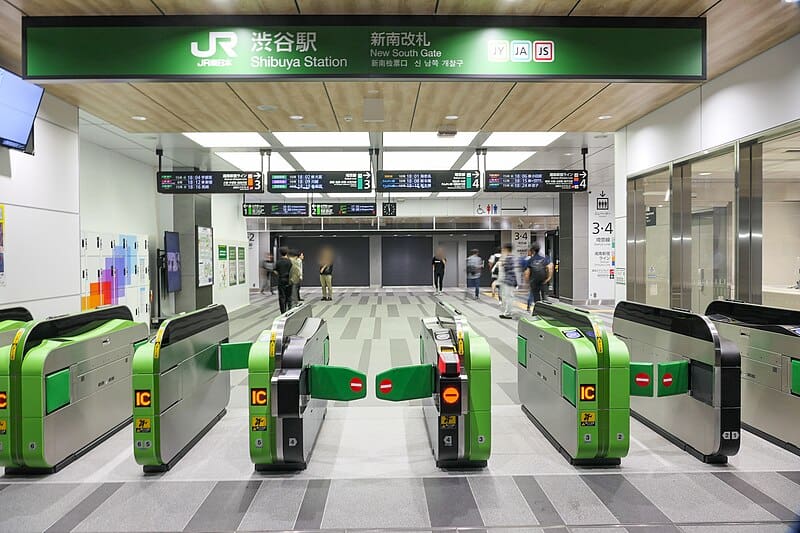
The physical pass you receive is a modern, magnetic-backed ticket designed to be used directly in the automatic ticket gates at JR stations.
The standard process for all modern JR West passes is simple: insert your pass into the ticket slot on the gate, walk through, and be sure to pick it up as it comes out on the other side. You can see a visual guide explaining exactly how to use the automatic gates on the official JR West Website here.
If you are at a small station that doesn’t have automatic gates, or if you have any trouble, simply show your pass to the station staff at the manned gate next to the ticket machines.
How to Reserve Your Seats (Optional but Recommended!)
Your pass comes with the fantastic bonus of being able to make up to six free seat reservations. While you can always sit in the non-reserved cars, booking a seat is a great idea for longer journeys or popular trains (like the Haruka Express from the airport or a Shinkansen on a weekend).
How to book your free seats:
- At a Ticket Machine: Go to the green or white ticket machines (Midori no Kenbaiki) at any JR West station. They have an English language option. Simply scan the QR code on your pass and follow the on-screen instructions to select your train and seat.
- At a Ticket Office: Go to the green window (Midori no Madoguchi), show the staff your pass, and tell them which train you want to book a seat on. It’s helpful to have your train time, origin, and destination written down.
Sample 5-Day Itinerary Making the Most of the Kansai Wide Area Pass
Okay, now for the most exciting part! Here’s a sample 5-day plan to show you just how much you can see and do with this pass. We’ll use Kyoto as our “home base” for this example, but it works just as well if you’re staying in Osaka.
Day 1: Arrival at Kansai Airport (KIX)
The first thing you’ll want to do when you arrive at Kansai International Airport (KIX) is pick up your physical Kansai Wide Area Pass. Once you have it, just hop on the Haruka Limited Express train for a comfy, direct ride to Kyoto. After you check in and drop off your bags, you can spend a relaxing first evening exploring the Gion area.
- Pass Value Used: Airport transfer covered (about ¥3,000 value).
Day 2: Himeji & Kobe
In the morning, take a quick Shinkansen ride from Kyoto to Himeji to see the famous Himeji Castle. It’s a huge white castle and a UNESCO World Heritage site.
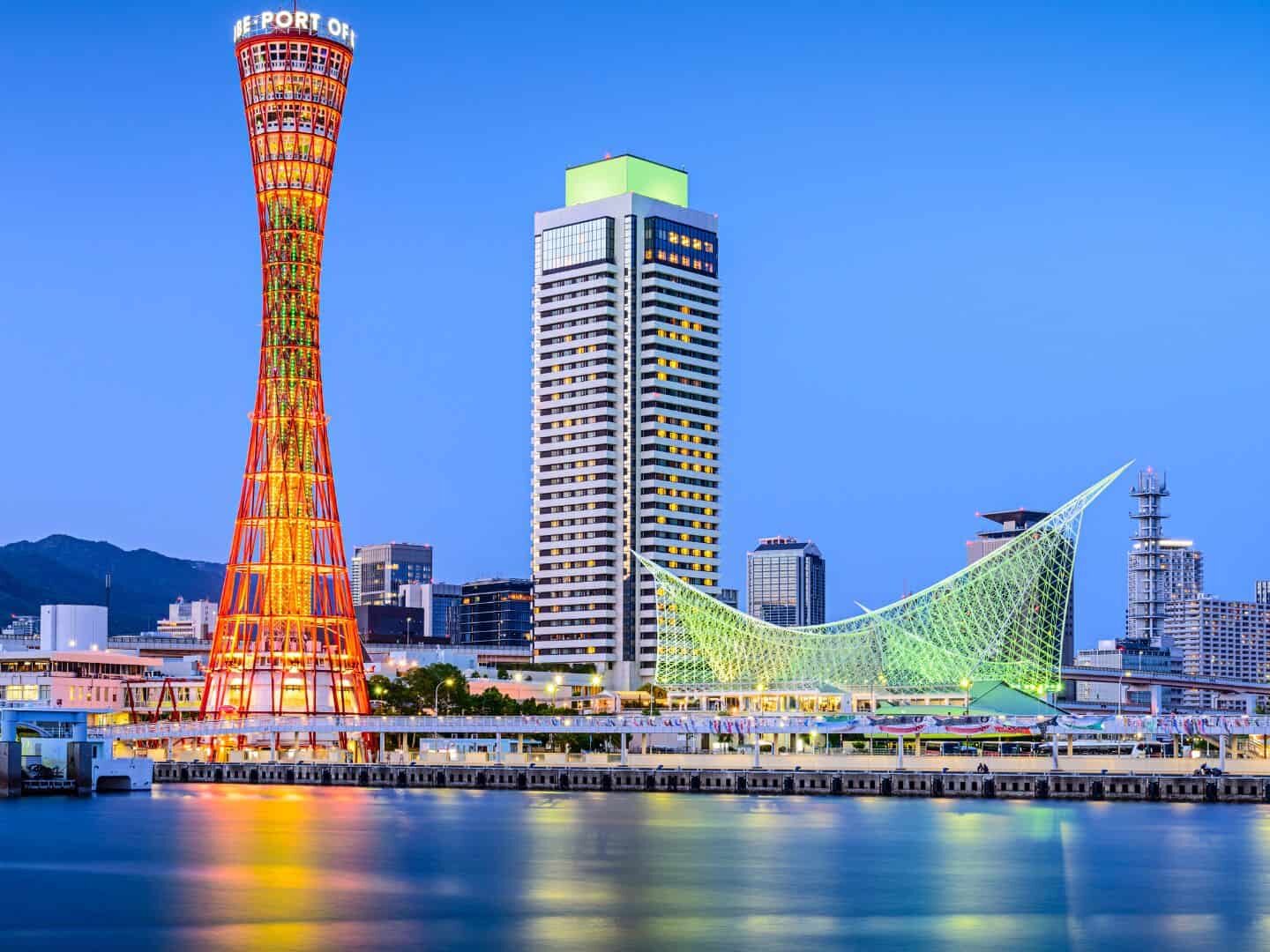
After you’re done there, take a short JR train ride over to the port city of Kobe. You can walk around the harbour, check out Chinatown, and maybe grab some famous Kobe beef for dinner before heading back to Kyoto.
- Pass Value Used: Shinkansen and local JR trips covered (about ¥10,000 value).
Day 3: Okayama & Kurashiki
This is a big travel day where you’ll get amazing value from your pass. Take the Shinkansen all the way out to Okayama to visit Korakuen Garden, one of the top three gardens in Japan.
In the afternoon, it’s just a 15-minute local JR train ride to Kurashiki, a cool little town known for its old canals. After exploring, you’ll take the Shinkansen all the way back to Kyoto.
- Pass Value Used: The most expensive round trip on the pass covered (about ¥14,000 value).
Day 4: Kinosaki Onsen
Slow things down a bit today. Take the Kinosaki Limited Express train north to the hot spring town of Kinosaki Onsen. This is a classic onsen town experience. You can walk around in a yukata (a cotton robe), try out some of the seven public bathhouses, and just relax for the day.
- Pass Value Used: A long, scenic round trip covered (about ¥14,700 value).
Day 5: Nara
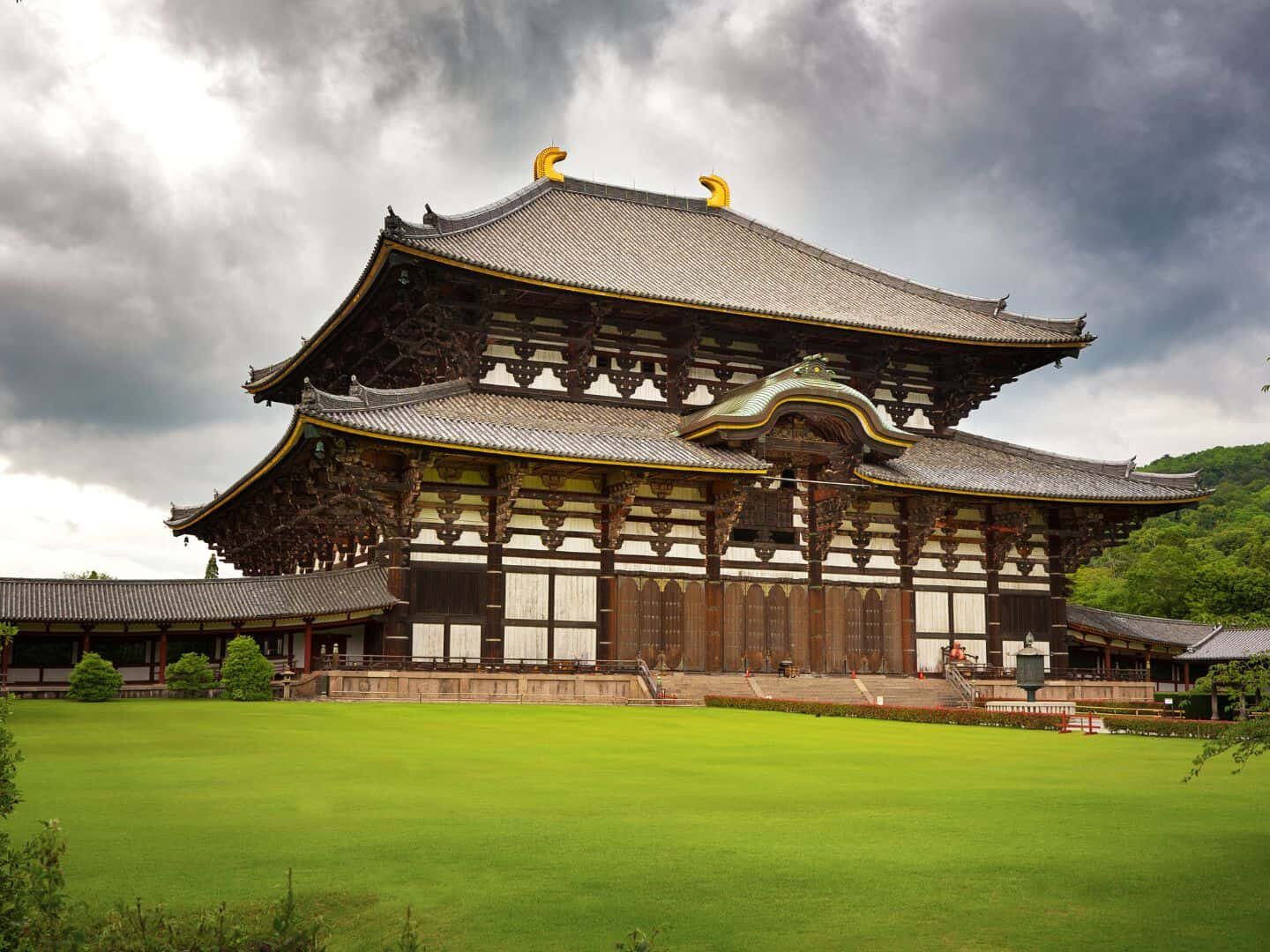
For your last full day, take an easy trip on a JR Rapid train to Nara. You can spend the day in Nara Park, which is famous for the hundreds of friendly deer that will bow for crackers. You should also check out the giant Buddha statue inside Todai-ji Temple. It’s a great, relaxed trip to finish off your five days with the pass.
- Pass Value Used: A simple but essential local round trip (about ¥1,440 value).
Total Itinerary Value:
By following this plan, the total cost of your individual train tickets would be roughly ¥43,140. With the pass costing just ¥12,000, you would achieve a massive saving of over ¥31,000!
Want to Make Your Day Trips Even Easier?
This 5-day plan gives you the perfect skeleton for your trip, but what about the details for each day? Planning what to see and do in new cities like Himeji, Okayama, and Kobe can be exhausting.
That’s where our self-guided 1-day itineraries come in. For just $1 each, you can download a complete PDF guide to your phone that highlights the must-see spots and local gems you might otherwise miss. Skip the hours of research and explore with confidence.
Kansai Wide Area Pass FAQs

Can I use the Kansai Wide Area Pass on Kyoto buses?
Generally, no. The pass is for JR trains and a small network of JR buses. It does not cover the main city bus networks (like the green Kyoto City Bus) or any city subways. You’ll need to pay for those separately with cash or an IC card.
Can foreign residents buy the Kansai Wide Area Pass?
Unfortunately, no. This pass is only available for international tourists who are visiting Japan with a “Temporary Visitor” stamp in their passport. Foreign residents are not eligible to purchase or use it.
How do I ride the Hello Kitty Shinkansen with the pass?
It’s easy! The Hello Kitty Shinkansen runs on a route that is fully covered by your pass (between Shin-Osaka and Okayama). You can ride for free in the non-reserved cars or use one of your six free seat reservations to book a seat in advance.
Is the Kuroshio Express covered by the pass?
Yes, it is! The pass fully covers travel in the non-reserved cars of both the Kuroshio Express (which goes to the Wakayama region) and other Limited Express trains like the Konotori (which goes to Kinosaki Onsen).
Do I need my passport with this pass?
Yes, you are required to carry your passport with you when using any JR Pass. A train conductor or station staff member may ask to see it at any time to confirm that you are the eligible pass holder.