Most people heading to Kyushu tend to stick to the bright lights of Fukuoka or the hot springs of Beppu. However, you should head further south to Kumamoto if you want to see a mix of massive-scale nature and history. While the main sites are spread out, the variety is exactly why it is worth the effort. You have an active volcano in the north, a massive fortress in the city centre, and coastal islands to the west.
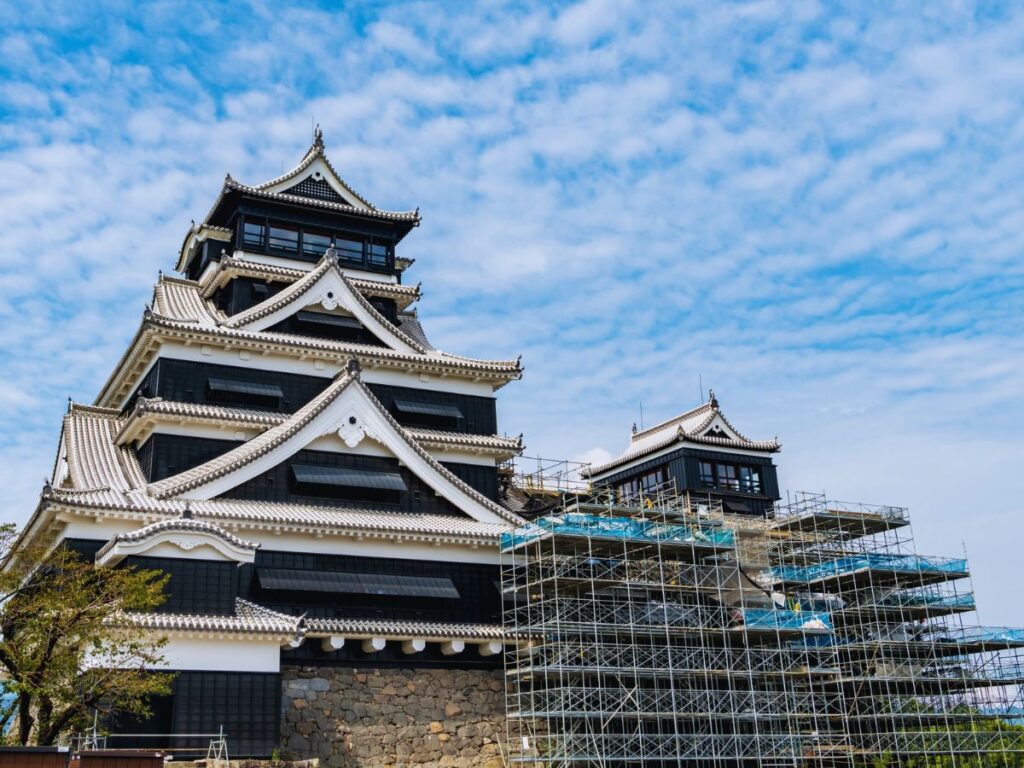
You should know that Kumamoto City is still a work in progress, but the recovery efforts since the 2016 earthquakes are incredible to see in person. The city has done a brilliant job of making the castle accessible even during its restoration, with elevated walkways that give you a close look at the stone masonry and the repair work.
Beyond the castle, the city is revitalised with new shopping hubs like Sakura-no-baba Johsaien, which was built specifically to celebrate local food and crafts. The city’s resilience makes it a fascinating place to explore, but you need to understand the geography to find the best things to do in Kumamoto.
Because the city is a gateway to both the massive Aso caldera and the quiet Amakusa islands, getting your transport right is the first step to a smooth trip. We have put together this Kumamoto guide to show you the most efficient ways to navigate the prefecture, starting with how to arrive and get settled in the city centre.
How to Get to Kumamoto
Most visitors arrive in Kumamoto via the Kyushu Shinkansen, which is easily the most efficient way to travel from major hubs like Fukuoka or Kagoshima. From Hakata Station in Fukuoka, the fastest Mizuho or Sakura trains will get you to Kumamoto Station in just under 40 minutes. If you are coming from the south, the journey from Kagoshima-Chuo is equally quick, taking about 45 minutes.
We find that the Shinkansen is the most reliable choice because it drops you directly at Kumamoto Station, where you can immediately connect to the city tram or pick up a rental car. If you have a Japan Rail Pass or a Kyushu Rail Pass, this entire route is covered, making it very cost-effective. Read our step-by-step Shinkansen guide if you’ve never used it before:
If you are flying into the region, Aso Kumamoto Airport is well-connected to the city centre by a reliable limousine bus service. The bus departs frequently from the domestic terminal and takes about 50 minutes to reach the Sakuramachi Bus Terminal, which is the main transport hub right near the castle. It takes roughly an hour if you stay on until Kumamoto Station. There is even a free “Airport Liner” shuttle that runs every 30 minutes to Higo-Ozu Station, where you can hop on a local JR train to the city centre.
The Major Regions within Kumamoto
Most travellers make the mistake of treating Kumamoto as a single destination, but the geography is so varied that you are essentially choosing between four different holidays. Each region has a distinct character, so understanding the layout beforehand is the best way to ensure you aren’t rushing through the parts you actually want to see.
Central Kumamoto City
The city centre is where you will find the best concentration of restaurants, bars, and shopping. It is a very green city, with the Shirakawa River running through the middle and the 17th-century Suizenji Jojuen garden nearby.
Most people stay here to be within walking distance of the two main shopping arcades, Shimotori and Kamitori. These are covered pedestrian streets where you can find everything from high-end boutiques to local ramen shops. It is also the best place to base yourself if you want to see the castle lit up at night or visit the various sites dedicated to the famous swordsman Miyamoto Musashi.
The Aso Caldera
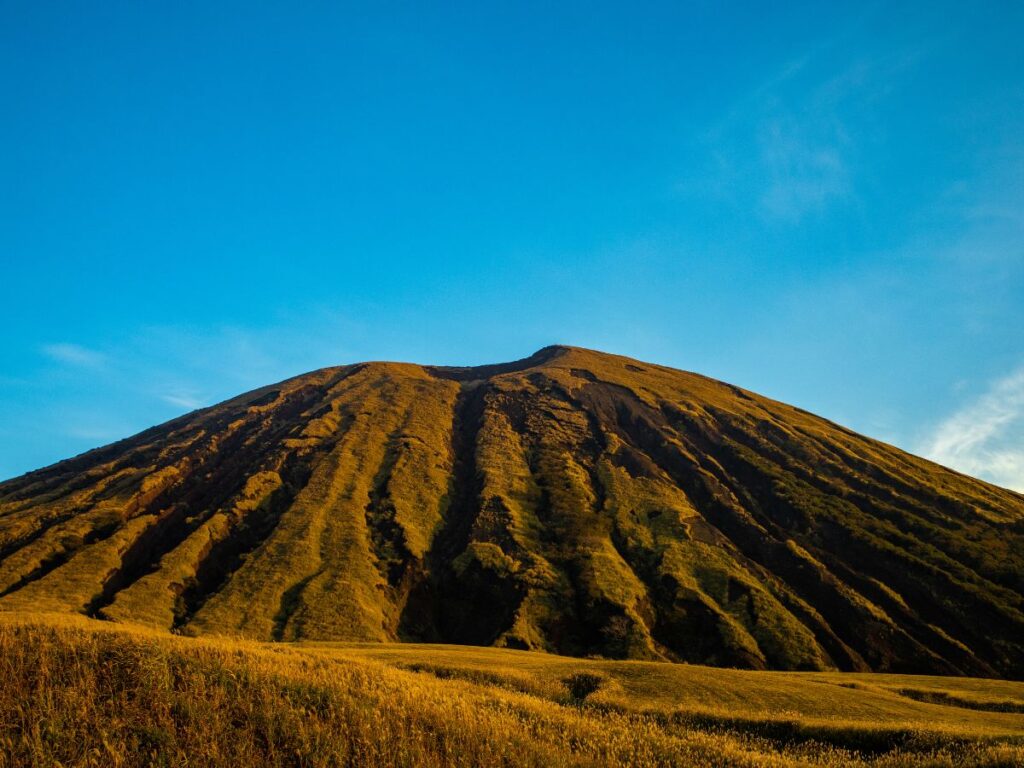
Aso is a massive volcanic basin where thousands of people actually live inside the caldera of an active volcano (yes, you read that right!). While the smoking peaks in the centre are off-limits for houses, the flat “floor” of the giant volcanic bowl is home to entire towns like Aso City and Minamiaso.
The landscape is famous for its vast grasslands, which have been maintained by local farmers through controlled burning for over 1,000 years to provide grazing land for cattle. It is several degrees cooler than the city, making it a popular escape in the summer. This is the best region for hiking, horse riding, and seeing the active Nakadake Crater, though you should check the volcanic gas levels before you head up the mountain.
The Amakusa Islands
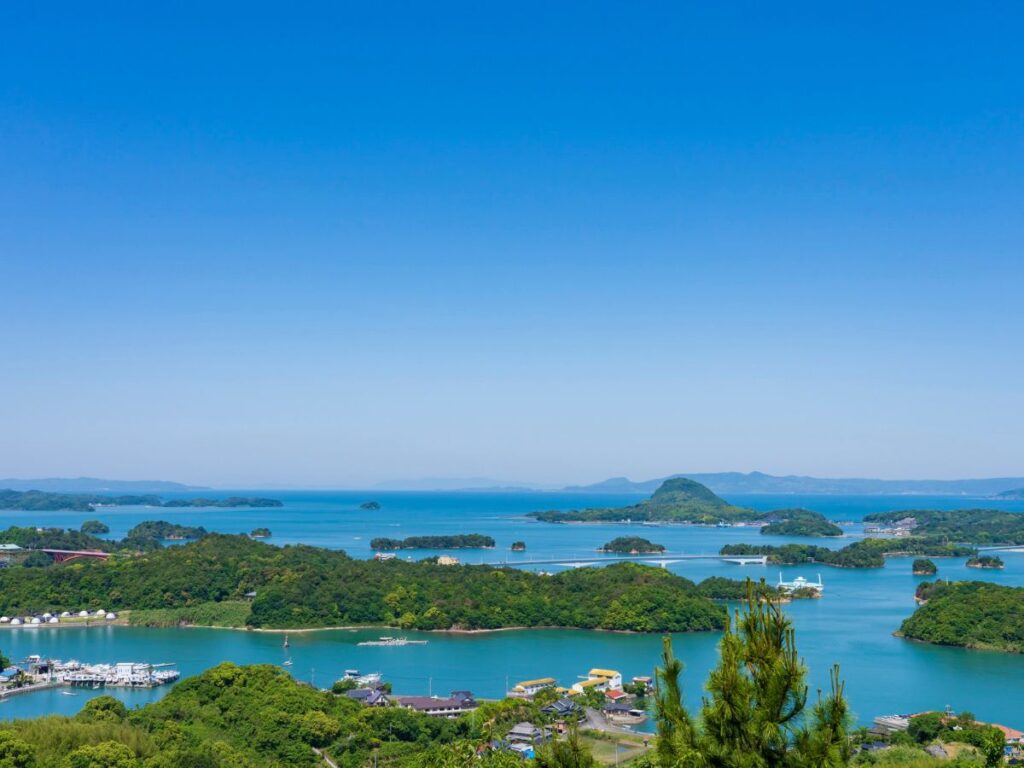
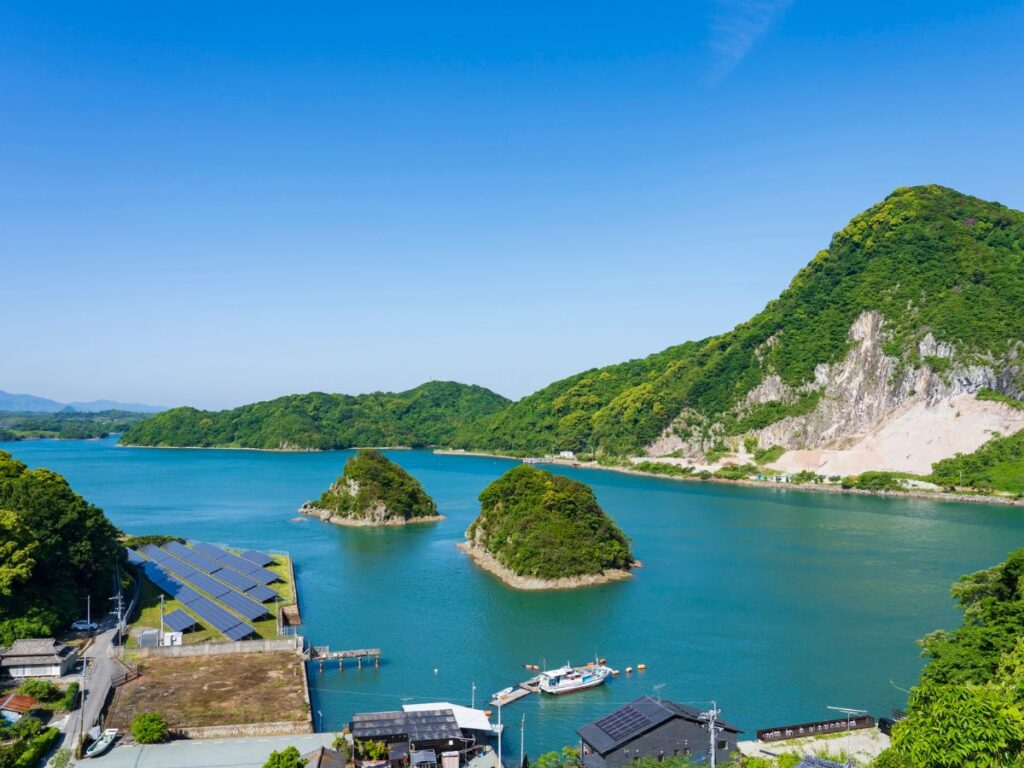
Amakusa is a group of 120 islands connected to the mainland by five bridges, offering a coastal experience that feels very remote. It is one of the best spots in Japan for dolphin watching; the local pods live here year-round, so your chances of seeing them on a boat tour are almost guaranteed.
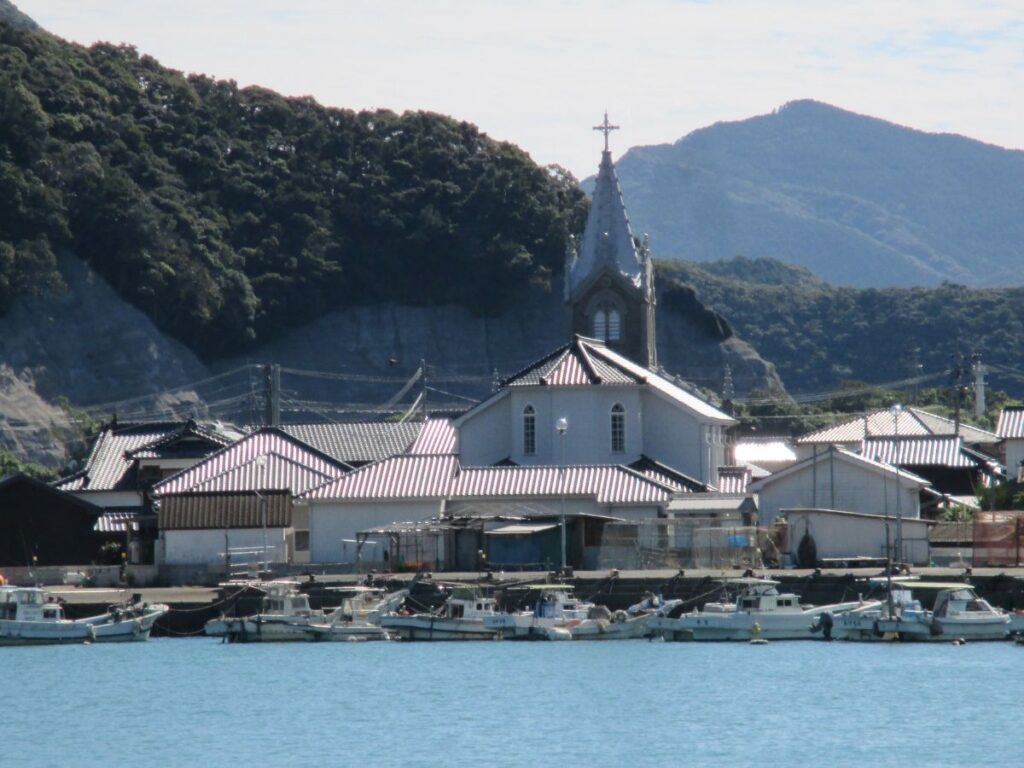
The area also has a unique history as a refuge for “hidden Christians,” and you can still visit the waterfront church in the fishing village of Sakitsu. Go here if you want high-quality seafood and the best sunsets in the prefecture, but keep in mind it takes about two to three hours to reach from the city.
The Hitoyoshi Basin
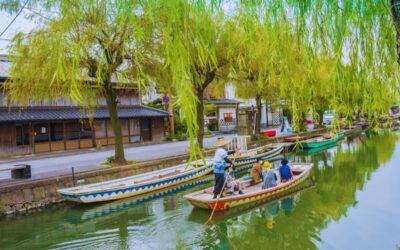
Hitoyoshi is a secluded valley in the south that is famous for its river culture and craft spirits. The Kuma River runs right through the middle, and you can take traditional wooden boat trips down the rapids. This region is the home of Kuma Shochu, a rice-based spirit that has protected status similar to Champagne in France. It is home to small, family-run distilleries and towns that have remained relatively unchanged for centuries.
Must-Visit Attractions and Iconic Things to Do in Kumamoto
Kumamoto is a large prefecture, and while there is plenty to see, these particular spots are the ones that define the area’s identity.
Kumamoto Castle (Central City)
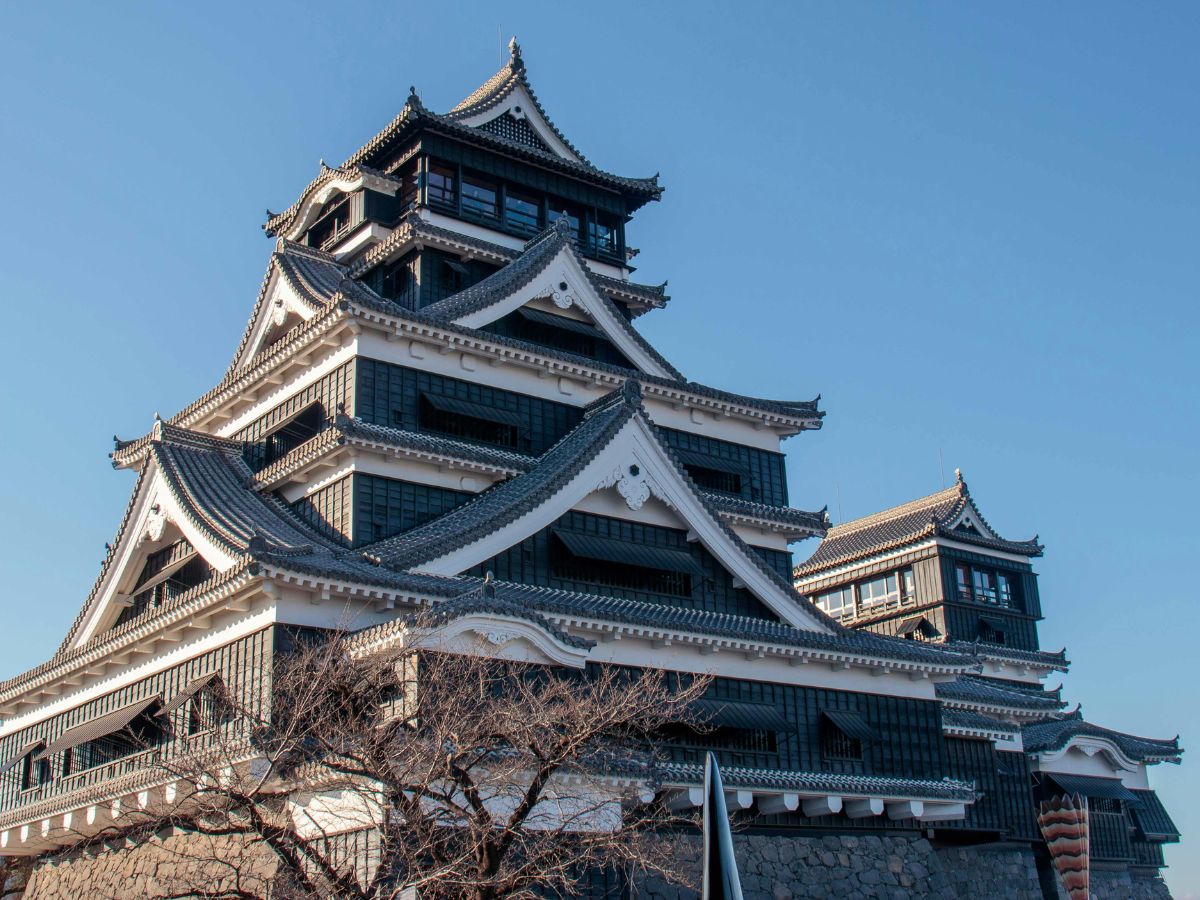
This is one of the three premier castles in Japan. While the 2016 earthquakes caused massive damage, the restoration is an engineering marvel. You can walk along a dedicated elevated path that takes you through the grounds, giving you a top-down view of the ongoing repairs to the massive stone walls. The main keep has been fully rebuilt and now houses a modern, interactive museum. We suggest visiting in the late afternoon so you can see the black exterior lit up against the evening sky.
- Hours: 9:00 AM – 5:00 PM (Last entry at 4:00 PM; Main Tower entry until 4:30 PM).
- Entry Fee: ¥800 for adults; ¥300 for elementary/junior high students.
The Nakadake Crater (Aso)
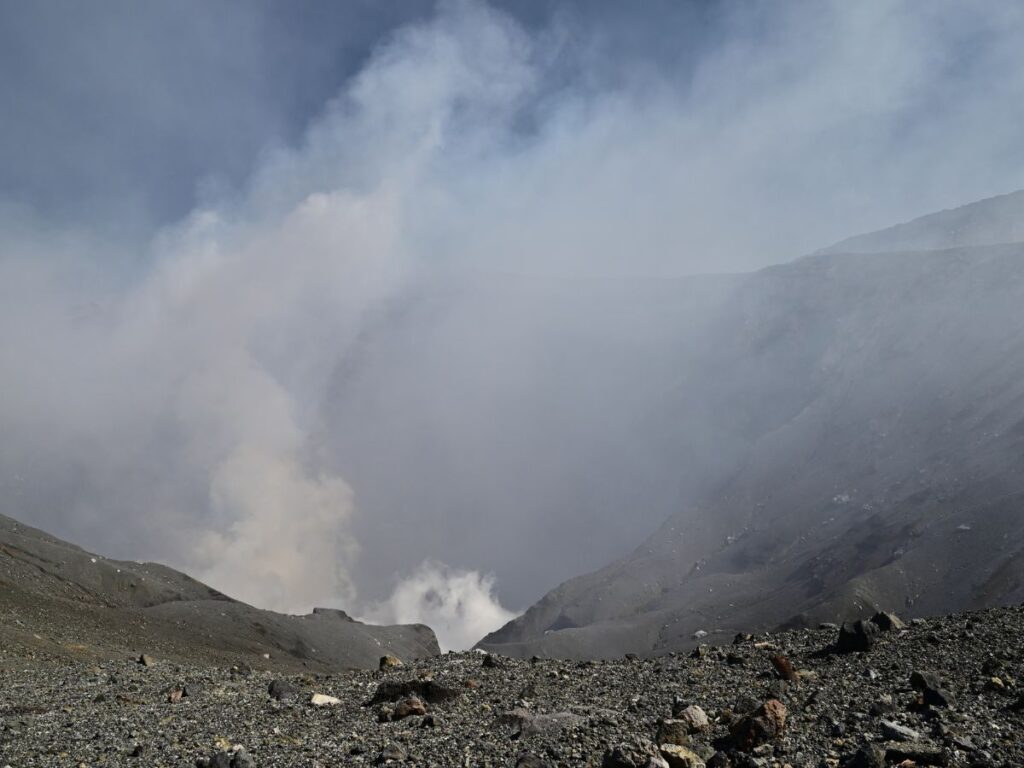
Standing on the rim of an active volcano is a highlight for most people visiting the Aso region. The crater is often filled with a bright turquoise acidic pool, and the constant white smoke is a reminder of the activity beneath your feet. It is important to know that the area is strictly monitored for safety. If the volcanic gas levels are too high, the road to the rim will be closed without warning. You should check the official Aso Volcano Gas Monitoring website before you leave your hotel to ensure the area is open for visitors.
- Hours: Typically 8:30 AM – 5:30 PM (March–October), 8:30 AM – 5:00 PM (November), and 9:00 AM – 4:30 PM (December–March).
- Entry Fee: Free to view, but there is a toll for the Aso Panorama Line (approx. ¥800 for standard cars) or fees for the shuttle bus.
Suizenji Jojuen Garden (Central City)
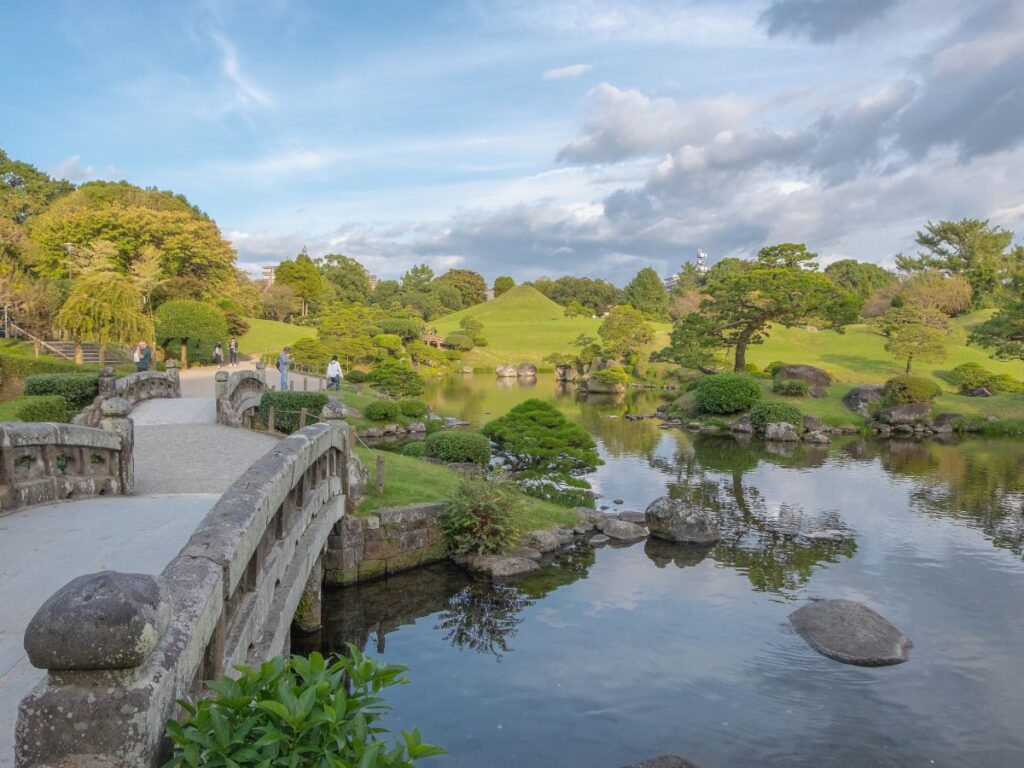
This 17th-century landscape garden was designed to represent the 53 stations of the Tokaido road, which connected Edo to Kyoto. The most famous feature is the miniature Mount Fuji, a perfectly shaped grass hill that sits beside a large pond.
- Hours: 8:30 AM – 5:00 PM (Last entry 4:30 PM).
- Entry Fee: ¥400 for adults; ¥200 for children (6-15).
Sakura-no-baba Johsaien (Central City)
Located right at the foot of the castle, this is a merchant-style village designed to look like the Edo period. It is the most convenient place in the city to try various local street foods in one spot. You can find everything from uni (sea urchin) croquettes to the famous karashi renkon (mustard-stuffed lotus root). There is also a small museum called the Wakuwaku-za, where you can learn about the castle’s history through virtual reality displays, which is useful for getting a sense of the architecture before you head up to the walls.
- Hours: Shops: 9:00 AM – 6:00 PM; Restaurants: 11:00 AM – 6:00 PM (some stay open later).
- Entry Fee: Free to enter the village; Wakuwaku-za Museum is ¥300 for adults.
Reigando Cave (Western City Outskirts)
This is famous as the place where the legendary samurai Miyamoto Musashi spent his final months in solitude writing The Book of Five Rings. To reach the cave, you walk past hundreds of stone statues of Buddha, many of which have been weathered or damaged over the centuries. It is worth the trip for anyone interested in martial arts history or Zen philosophy.
- Hours: 8:00 AM – 5:00 PM.
- Entry Fee: ¥200 for adults; ¥100 for children.
Sakitsu Village and the Gothic Church (Amakusa)
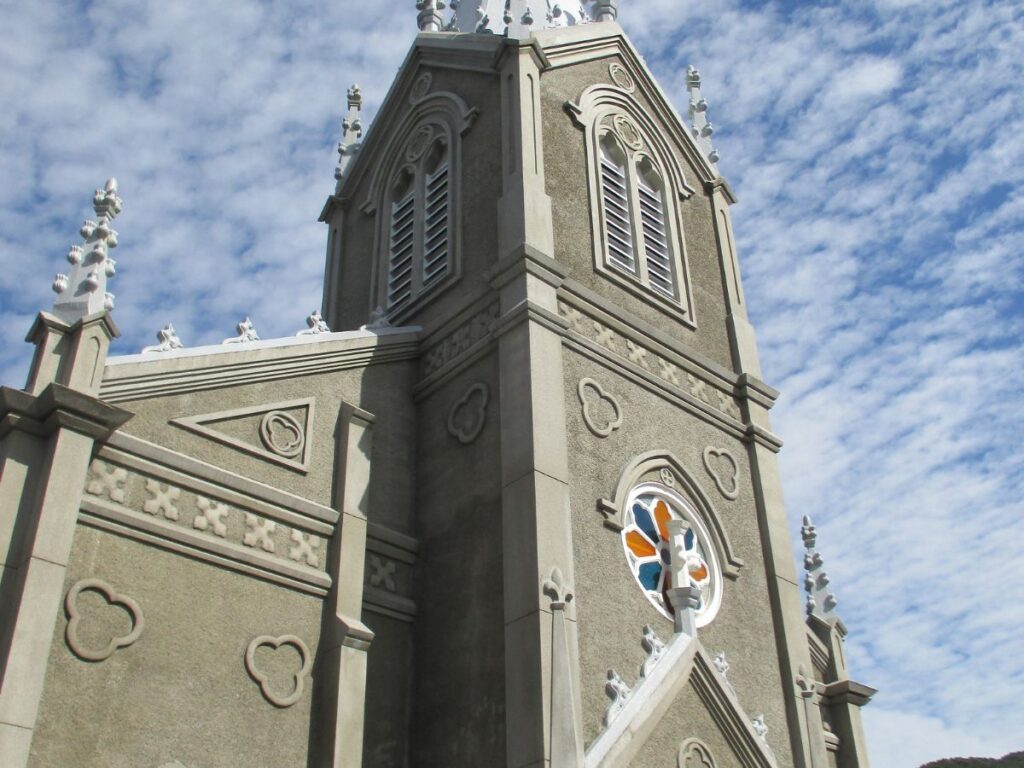
Sakitsu is a small fishing village. It is also a UNESCO World Heritage site because of its history as a refuge for “hidden Christians” who practised their faith in secret for over 200 years. The most striking sight is the Sakitsu Church, a Gothic-style building that sits right on the water’s edge in the middle of a traditional Japanese port. You can walk through the narrow “to-ya” alleys that lead to the sea and see how the community preserved their unique culture.
- Hours: 9:00 AM – 5:00 PM.
- Entry Fee: Free admission (donations are welcome).
Dolphin Watching at Futae (Amakusa)
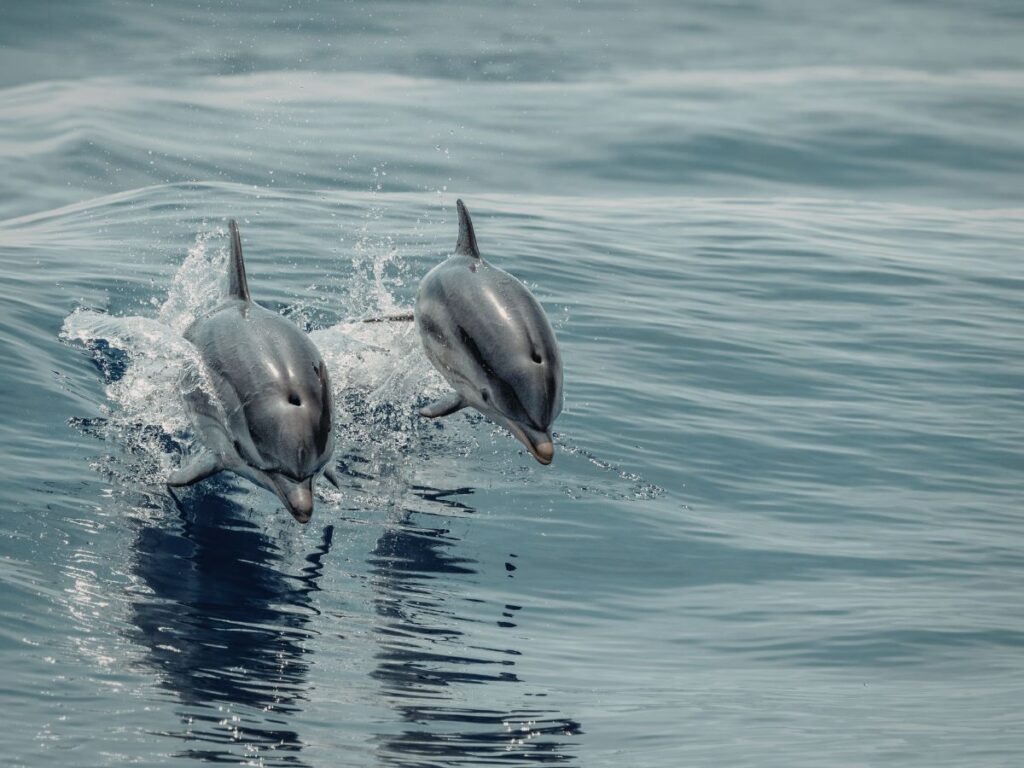
The waters around the Amakusa islands are home to wild Indo-Pacific bottlenose dolphins. Unlike other parts of the world where you have to hunt for them, these pods live here year-round, so the success rate for boat tours is almost 98 per cent. The boats depart from several points, but the Futae area in Gowa is very popular. You often get to see them quite close to the boat, and in the spring, you can usually spot mother dolphins with their calves.
The Kuma River Rapids and Boat Cruises (Hitoyoshi)
In the Kuma River, you can take a traditional wooden boat cruise where local boatmen use long poles to navigate the currents, just as they have for generations. There are two options: a gentle, scenic cruise through the valley or a more intense white-water rafting experience if you prefer something faster. After the cruise, we recommend visiting the Hassenba complex by the river, where you can find local crafts and try the region’s famous rice shochu.
Aoi Aso Shrine (Hitoyoshi)
This is the only National Treasure in Kumamoto Prefecture that is a Shinto shrine, and it is famous for its steep, thatched roofs. The architecture is unique to the Hitoyoshi-Kuma region and dates back over 1,200 years. The main gate is particularly impressive with its dark, weathered wood and intricate carvings. It is located right in the middle of town, making it easy to visit before heading to the nearby castle ruins or shochu distilleries.
- Hours: Grounds are open 24 hours (Shrine office/Goshuin: 9:00 AM – 5:00 PM).
- Entry Fee: Free admission.
Shimotori and Kamitori Shopping Arcades (Central City)
These two massive covered pedestrian streets are the commercial heart of the city and where you will find the most authentic local atmosphere. While they are connected, they have completely different personalities that reflect the history of the area.
Shimotori is the larger and louder of the two, stretching over half a kilometre with hundreds of restaurants, game centres, and department stores. It is the best place in the city for people watching and is where most locals head for a night out at the izakayas tucked away in the narrow basement levels.
Kamitori is located just across the main tram line and has a much more relaxed feel. It was traditionally the area where the samurai lived, and today it is known for its independent bookstores, vintage clothing shops, and quiet cafes. The ceiling here is designed to let in natural light. We recommend wandering through the smaller side alleys connected to Kamitori, as this is where you will find the best speciality coffee shops and small art galleries that most tourists miss.
- Hours: Most shops open from 10:00 AM to 8:00 PM; Restaurants and bars stay open until late.
Must-Eat Local Specialities
Kumamoto has a reputation for being one of the best food destinations in Japan, and it is a major reason why many travellers visit in the first place. You should be prepared for a lot of garlic and some very specific local meats that you might not find elsewhere on your trip.
Kumamoto Tonkotsu Ramen
While most people know the Hakata style of ramen from Fukuoka, Kumamoto also has its own version. The broth is a thick pork bone soup, but the defining feature is the use of mayu, which is a black oil made from charred garlic. This gives the bowl a smoky and bitter edge that cuts through the richness of the pork. Many shops also top the noodles with fried garlic chips for extra crunch. If you find the standard ramen in Japan a bit too mild, this is the version that will actually satisfy you.
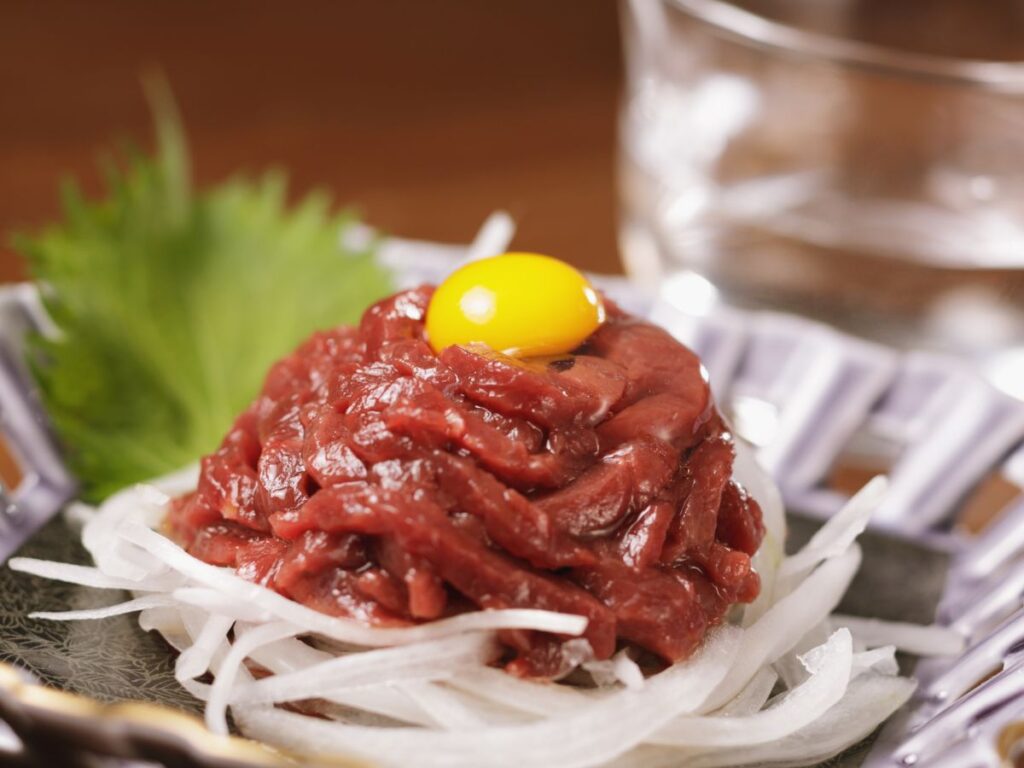
Basashi (Horse Meat)
The most famous delicacy in the prefecture is basashi, which is raw horse meat. We know that this can be a bit of a mental hurdle for some Western travellers, but it is a very lean and healthy protein that is a point of pride for the local community. It is usually served in thin slices with ginger, garlic, and a sweet local soy sauce. You will find it on almost every izakaya menu in the city centre.
Aka-ushi Beef
If you are heading toward the Aso region, you must try aka-ushi, which is a rare breed of red wagyu cattle that graze on the volcanic grasslands. Unlike the fatty marbled beef found in Kobe, this meat is much leaner and has a more intense beefy flavour. It is best eaten as a steak or in a rice bowl at one of the small restaurants near the volcano.
Karashi Renkon
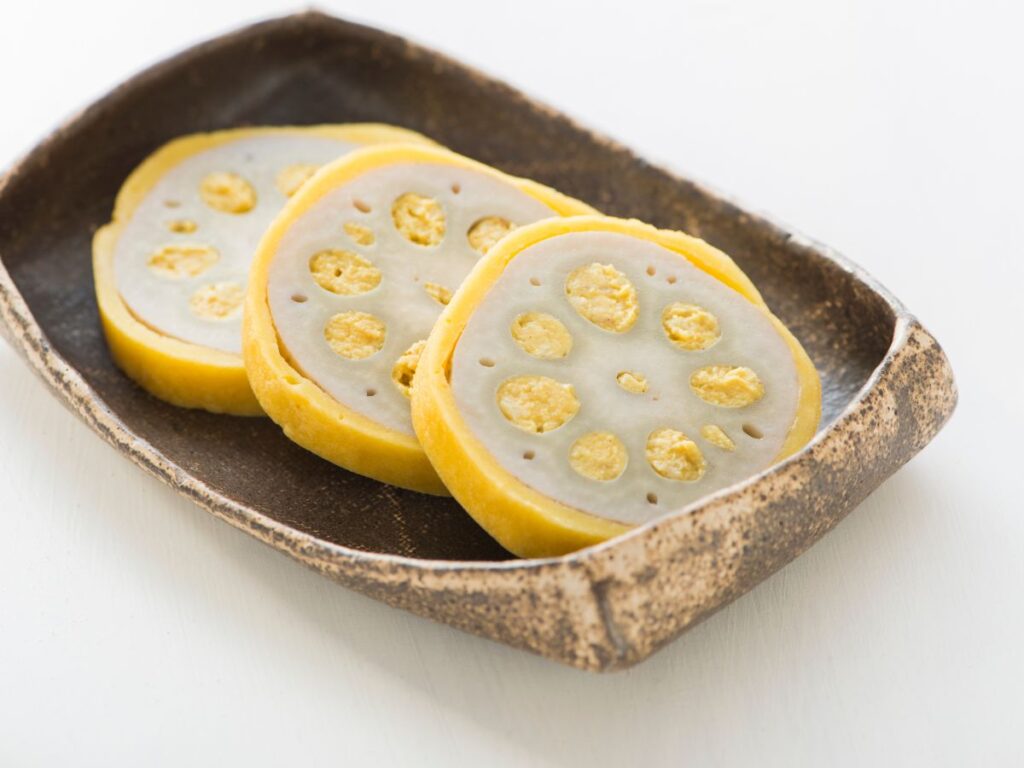
This is probably the most unique snack from the prefecture. It is a lotus root that has been stuffed with a mixture of miso and very spicy yellow mustard, then deep-fried in a turmeric batter. It was originally created as a health food for a sickly 17th-century lord, and it has been a local staple ever since.
We should warn you that the mustard is very strong and will definitely clear your sinuses, so it is best eaten in thin slices. It is the perfect companion for a glass of local beer or shochu, and you can pick up fresh batches at the stalls in the Sakura no baba Josaien village near the castle.
Amakusa Seafood
Because most people focus on the meat and the ramen, the incredible seafood from the Amakusa Islands is often overlooked. We highly recommend looking for restaurants that serve uni or sea urchin, as the local varieties are said to be some of the sweetest in Japan.
3-Day Kumamoto Itinerary
Day 1
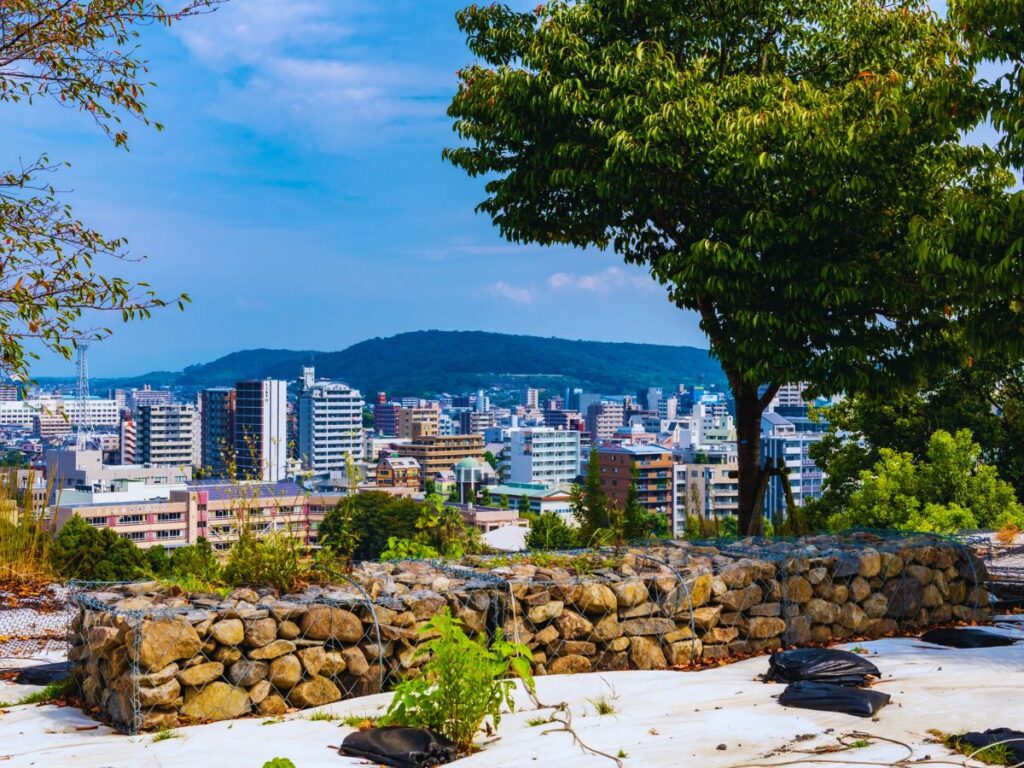
Start your first day at Kumamoto Station and take the city tram directly to the Kumamoto-jo/Shiyakusho-mae stop. It is a short ten-minute ride that drops you right at the entrance of Kumamoto Castle.
Spend your morning walking the elevated stone path to see the massive walls and the rebuilt main keep. This is the best way to see the scale of the 2016 earthquake damage and the high-tech repairs they are doing now.
After you finish at the castle, walk five minutes down the hill to Sakura-no-baba Josaien, where you can grab a quick lunch. We suggest trying the uni croquettes or a bowl of Kumamoto ramen with black garlic oil from one of the stalls. It is a bit of a tourist hub, but it is the most convenient place to try all the local specialities in one spot.
Once you have eaten, hop back on the tram for about fifteen minutes to reach Suizenji Jojuen Garden. This is a perfect spot for a slower afternoon walk around the spring-fed pond and the miniature Mount Fuji hill.
To end your first day, take the tram back toward the city centre and get off at the Torichojo stop. This puts you right at the entrance of the Shimotori and Kamitori shopping arcades. These massive covered streets are the heart of the city’s nightlife and are packed with izakayas and basement bars. This is the time to find a local spot for basashi and some local shochu.
Day 2
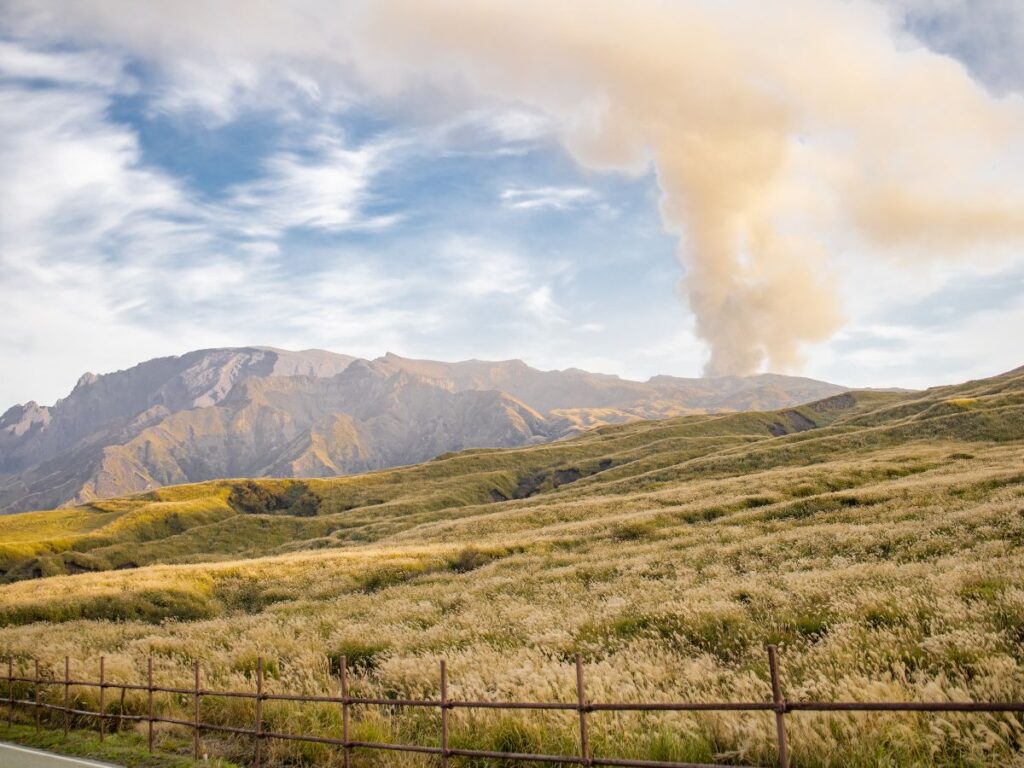
For your second day, head east to the Aso region. If you have a rental car, the drive takes about an hour and fifteen minutes from the city centre. If you are using the train, take the JR Hohi Line from Kumamoto Station to Aso Station, which takes about an hour and twenty minutes on the limited express.
From Aso Station, you can catch the local bus that climbs up to the Nakadake Crater. This is the highlight of the trip, where you can stand on the edge of an active volcano and see the blue acidic lake at the bottom.
After seeing the crater, take the bus back down but get off at the Kusasenri stop. This is a massive grassland plateau right in front of the smoking peaks. There is a large rest area here with several restaurants where you can grab a bowl of aka-ushi for lunch.
If you are heading back to the city in the afternoon, take the bus back to Aso Station and catch the train. If you still have energy, head to the western outskirts of the city to visit Reigando Cave. Finish your evening back in the central arcades to explore the side alleys for speciality coffee or a small bar.
Day 3
On your final day, you should head west to the Amakusa Islands to experience the coastal side of the prefecture. If you are using public transport, take the train from Kumamoto Station to Misumi Station, then transfer to the local transport heading toward the islands. If you have a car, the drive from the city takes about two to three hours but the views over the bridges are fantastic.
Spend your morning at Futae for a dolphin-watching boat tour. After the boat tour, find a small harbourside restaurant for lunch to try fresh sea urchin or local sushi at a fraction of the price you would pay in a big city.
In the afternoon, continue further south to the fishing village of Sakitsu. See the UNESCO World Heritage site, and the Gothic church that sits right on the water’s edge in a traditional Japanese port.
Finish your trip by heading back to Kumamoto City in the late afternoon. You will have enough time to grab one last bowl of ramen before you catch your onward transport.
Kumamoto Guide FAQs
How many days should I spend in Kumamoto?
We suggest three days to cover the city centre, the Aso volcano, and the Amakusa coast. Two days is enough for just the city and the volcano, but you will be rushing.
What is the best way to get around the prefecture?
Use the tram for the city centre, but you really need a rental car for the rest. Public transport to the volcano and the islands is possible but very time-consuming.
Is Kumamoto Castle fully open after the earthquake?
The main tower and its museum are fully open and accessible via a new elevated walkway. However, many of the outer walls and secondary buildings are still under heavy repair.
Can I actually stand on the edge of the Mount Aso crater?
Only if the toxic gas levels are low enough on the day. You must check the official monitoring website before you start your journey to ensure the rim is open.
What is the best way to travel from Fukuoka to Kumamoto?
The Shinkansen is the best choice as it takes only forty minutes from Hakata. The highway bus is a cheaper alternative but it takes about two hours depending on traffic.