


If you’ve shopped tax-free in Japan before, you’ll know the old system was straightforward: flash your passport at the register, the 10% consumption tax was knocked off your bill on the spot, and you walked out paying less. Japan’s new tax-free system, coming into effect this year, changes all of that.
From November 2026, the entire country moves to a system where you pay the full price upfront and claim your refund at the airport before you fly home. Think of it less like a discount and more like a deposit you get back. While the official deadline is late in the year, Japan’s fiscal year starts in April, so you might already see some major retailers phasing in these “pay-first” rules early.
The money does come back to you, but it requires more legwork, and you need to plan your airport time accordingly. When you are planning your Japan trip, it is now essential to factor in these extra steps at the terminal so you aren’t rushing for your flight. Additionally, keep in mind the 90-day limit. Your refund is only valid if you leave Japan within 90 days of the date you made the purchase.
Why is Japan Moving to a “Pay First, Refund Later” Model?
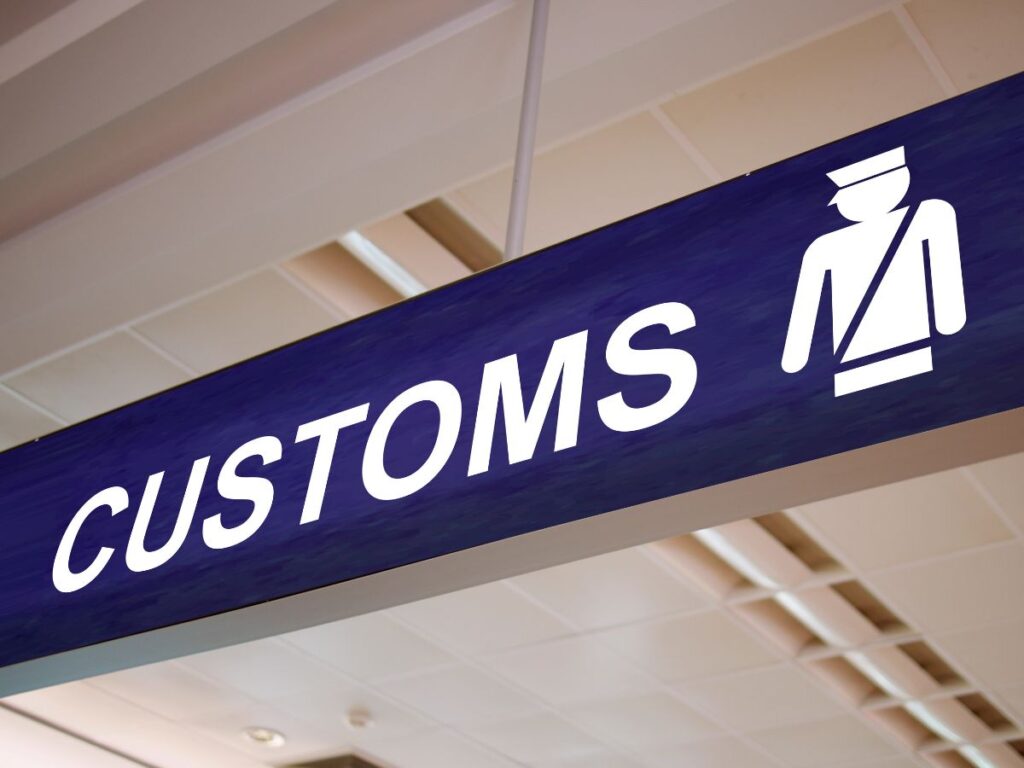
The honest reason for this change is that the old system was being abused, and the Japanese government had enough of it. Under the previous rules, some visitors were buying goods tax-free and then reselling them domestically for a profit, essentially pocketing the 10% tax saving without ever taking the items out of the country. It was a loophole, and it was costing Japan a significant amount of tax revenue.
The refund-at-departure model closes that loophole almost entirely. Because you now have to physically present your goods at the airport for customs inspection before you board your flight, it becomes much harder to claim a refund on items that were never going to leave Japan. No departure, no refund. It’s a pretty effective fix.
Japan is also catching up with how other major shopping destinations already handle this. In the EU and the UK, tourists have long been used to paying full price in-store and reclaiming VAT at the border. Japan’s new system follows the same logic: the tax exemption is for exports, so the refund only gets processed at the point of actual export, which is the airport.
Major Benefits of Japan’s New Tax-Free System

For all the extra steps involved, the new system does come with some genuine improvements that the old one frankly lacked. The most welcome change for many shoppers will be the removal of the 500,000 JPY spending cap on consumable goods. Previously, things like cosmetics, food, and drinks were capped at half a million yen per day per store for tax-free purchases. That limit is now gone, so high-spending shoppers no longer have to do awkward mental maths at the beauty counter.
The sealed bag rule is also history, and good riddance to it. From November 2026, you can open your skincare or souvenirs while you are still in the country without getting into trouble. Just be aware that you still need to have the items with you when you go through customs at the airport. Think of it as: use freely, but do not use it all up. And if you genuinely do finish something before you fly, don’t try to run it through the tax-free procedure anyway; you’re supposed to report the consumption to a customs officer directly instead.
The third improvement is less glamorous but genuinely useful: the old split between “General Goods” and “Consumables” is gone. These two categories previously had different rules, different thresholds, and different paperwork, which made the whole process more confusing than it needed to be. Everything now falls under one unified refund process, which should make the in-store part of the experience much simpler for both shoppers and staff.
Japan Airport Tax Refund: A Step-by-Step Guide for 2026
1. Shopping In-Store (Pay First)

The in-store part is more straightforward than it might sound, though it’s worth knowing the process isn’t identical at every shop. When you are ready to pay, let the staff know you would like to shop tax-free and hand over your physical passport. They will scan it and electronically register your purchase, which creates a digital record of what you bought, where, and when, linked to your passport.
How that registration happens can vary a little by store, since different retailers work with different approved refund-processing providers. Some handle it entirely on their own systems once they’ve scanned your passport, with nothing further required from you. Others will point you to a QR code, either printed on the receipt or shown in-store, to complete a short registration yourself, usually to confirm your details and how you’d like to be paid. Both are legitimate parts of the new system, so don’t be thrown if one shop’s process looks different from the next one’s.
Once that is done, you pay the full price, including the 10% consumption tax. You must keep your receipt, as it’s your backup proof of purchase if anything needs checking later. You should also keep in mind that you must leave Japan within 90 days of your purchase to stay eligible for the refund.
You might see some shops mentioning third-party apps like J-TaxRefund or similar digital portals. While these can be used by the shop to process your data, they are not a government requirement for you as a traveller. You are not forced to download anything or sign up for an account just to get your money back. As of the writing of this guide, the official government guidance confirms that the store is responsible for the digital registration once they have your passport details.
Visit Japan Web, the free government app for pre-registering entry and customs details, can also generate a QR code that some stores accept as a passport alternative when you’re shopping. It’s optional, and not every store can read it, so keep your physical passport on you regardless.
2. Before You Check Your Luggage

This is the step that catches people out, so read it carefully before your departure day. Before you check in any bag containing tax-free goods, you need to complete the tax-free procedure, which happens in the international departure area, before baggage check-in.
If your bags are already checked in with the airline, nobody can retrieve them for this purpose, which means your purchases can’t be confirmed and your refund claim will be cancelled. The golden rule is to keep your tax-free items in your carry-on, or right at the top of your suitcase, until this step is done.
It’s also worth knowing that the option some larger stores used to offer, shipping your tax-free purchases directly to your home country, is gone. As of 1 April 2025, goods shipped internationally directly from a store no longer qualify for a tax refund. This is already in effect, so if a shop assistant tells you otherwise, they are mistaken. The official guidance from the Japan Tourism Agency is very clear that you must personally carry the goods through the airport and present them at customs yourself.
3. Claiming Your Refund at the Airport
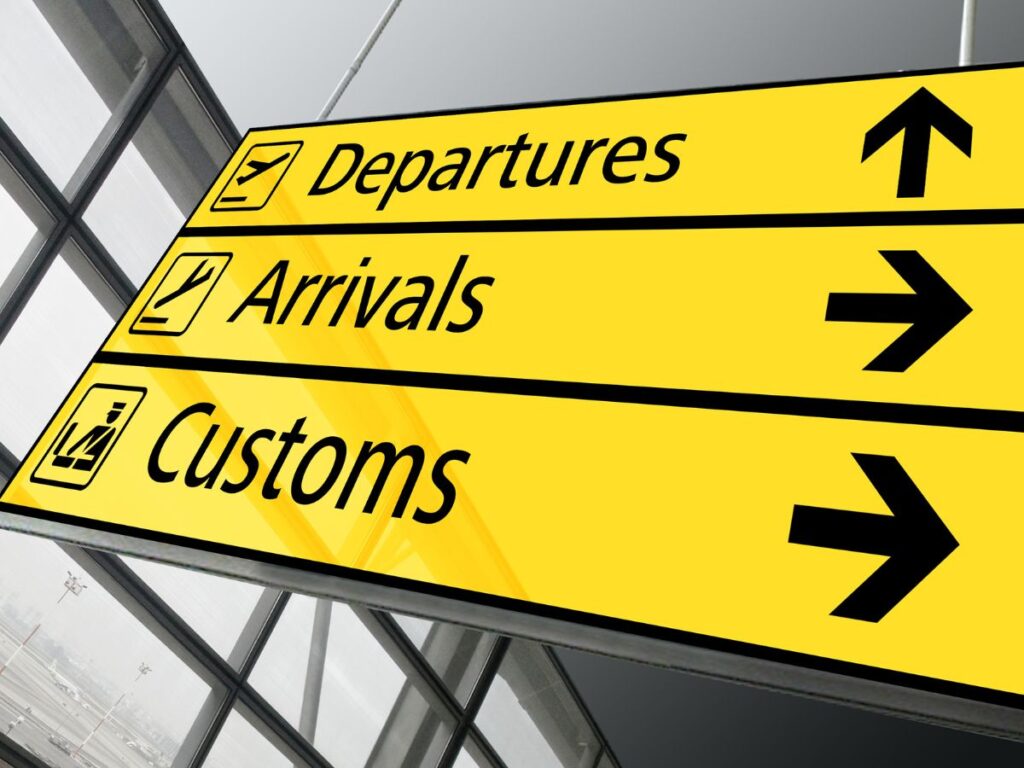
Before you reach baggage check-in, in the international departure area, look for the tax-free procedure terminal. Scan your passport there, and the system will pull up every tax-free purchase record linked to it, gathered automatically from wherever you shopped during your trip.
The terminal will show one of two results. Green means no inspection is required, and you’re done. Red means you need to take your passport and the relevant goods to the designated customs inspection area nearby for a manual check.
Customs inspections apply per transaction, meaning per receipt, not per item. If you’re missing even one item from a given receipt, whether it’s already packed away where you can’t reach it, lost, or used up, none of the goods on that receipt qualifies for a refund. If you know in advance you’ll want to open or use something before you fly, ask the shop to ring it up on a separate receipt when you buy it.
Customs inspections apply per transaction, meaning per receipt, not per item. If you’re missing even one item from a given receipt, whether it’s already packed away where you can’t reach it or used up, none of the goods on that receipt qualifies for a refund. If you know in advance you’ll want to open or use something before you fly, ask the shop to ring it up on a separate receipt when you buy it.
You should also be prepared for the fact that you rarely get the full 10% back. Most department stores and large retailers charge a handling fee of exactly 1.55% for processing the registration. This means your actual refund will be 8.45% of the purchase price.
You’ll need to complete this whole process, inspection included, before you finish your boarding procedures, so build in extra time. If you run out of time and can’t complete it, that’s treated the same as not completing it at all; neither the airline nor customs will make an exception. And if you’re connecting from a domestic flight to an international one, the procedure has to happen at your final departure point from Japan, not wherever you first flew from.
Which Japan Airports Support the Online Tax Refund Option
At Narita, Haneda, Kansai, Chubu, Fukuoka, New Chitose, and Naha, the airports with the highest passenger volumes, you also have the option of completing the departure procedure through Visit Japan Web, using dedicated Wi-Fi provided in the international departure lobby, before you reach the security checkpoint. At any other airport, or if you’d rather not use the app, you’ll use the physical tax-free procedure terminal instead.
The exact layout of these terminals within each airport hasn’t been published yet. Airport operators are still finalising this ahead of the November rollout, so we’ll update this section with specifics as they’re confirmed.
Japan’s New Tax-Free System FAQs
When does the new system start?
The new pay-first, refund-at-airport system comes into full effect on 1 November 2026. However, because the Japanese fiscal year begins in April, you might notice some retailers starting to test or phase in parts of the new digital process earlier in the year. If you are visiting before November, most authorised shops will still offer the old instant discount at the till, but it is worth checking the signs in-store just in case they have already made the switch.
Can I still get an instant discount at the register after November 2026?
No. Once the new law kicks in, all tax-free retailers are required to charge the full tax-inclusive price at the point of sale. There are no exceptions, and no shops will be permitted to offer the old-style instant discount after that date.
Do I have to show my purchases at the airport?
Yes, and this is non-negotiable. You need to be ready to present your tax-free goods to customs officers before you board. If you’ve already checked those items into your luggage without going through customs first, you won’t be eligible for the refund. This is probably the single most important practical detail in the entire new system.
Can I use my purchases while I’m still in Japan?
Yes, within reason. You can wear your new clothes or use a new camera, but you cannot “consume” items like food or cosmetics while in the country. To get your refund, the goods must actually exist for inspection at the airport. If you eat the snacks or use up all the skincare before you reach customs, you will not be eligible for a refund on those items.
Is there a minimum spend to qualify?
Yes. You need to spend at least 5,000 yen excluding tax at a single shop on a single day. This threshold hasn’t changed under the new system, so if you were already familiar with the old rules, this part stays the same.